No products in the cart.
Everywhere we look today, there’s a promise of anti-aging, glowing skin, and miraculous results, including collagen powders, serums, creams, oils, and an ever-expanding natural skincare routine that claims to turn back the clock.
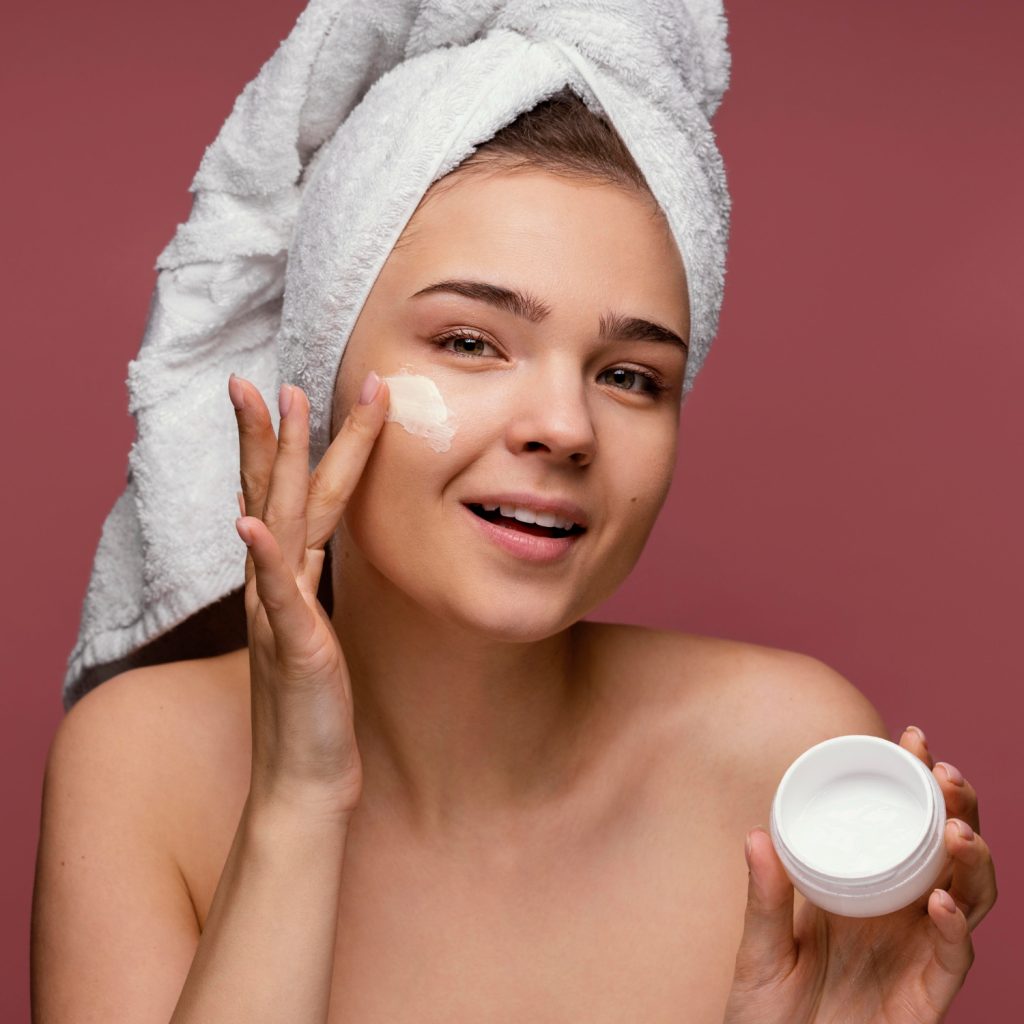
Image Credits: Freepik
And let’s be clear, we’re not against skincare products. Creams, serums, and even collagen supplements can help. But they were never meant to replace human biology.
Here’s the truth most people miss: skin is not a surface issue. It is an inside-out reflection of what’s happening within your body.
If you’re truly trying to understand how to get healthy skin naturally, the answer doesn’t start on your bathroom shelf, it begins with your foundations: gut, quality sleep, stress balance, nutrition, and your lifestyle.
Skin is feedback, not failure.
We see this every day. People use the best products money can buy, yet struggle with breakouts, dullness, pigmentation, or premature aging. Products can enhance what’s already working, but they cannot heal what’s fundamentally imbalanced.
And once you understand this, your entire relationship with skin and aging begins to change.
Why People in Their 90s Still Have Great Skin (Without a Skin Care Routine)
One of the simplest yet most powerful lessons about skin doesn’t come from a lab or a luxury brand; it comes from observation. We have seen it too.
Look around you. Observe people who are living well into their 80s, 90s, even beyond. We personally know several people in their 90s, men and women, who have beautiful, tight, resilient skin. Yes, they have wrinkles. That’s normal. But their skin is healthy, firm, and alive.
Here’s what usually surprises people the most: They don’t have a natural skin care routine the way we understand it today.
- Most of the women may use a simple moisturiser.
- Many of the men have never used a skincare product in their lives.
- No serums, no collagen powders, no anti-aging creams, and yet, their skin tells a very different story from what marketing has conditioned us to believe.
This is where we need to pause and rethink aging.
Wrinkles do not mean unhealthy skin. Wrinkles are a sign of life lived. What matters is skin integrity, elasticity, hydration, and resilience, and those come from foundations, not formulations.
- These individuals didn’t chase trends.
- They lived in rhythm with their bodies, ate simpler foods, slept better, moved more, and experienced far less chronic stress.
Their skin reminds us of something important: how to get healthy skin naturally is not a new concept. It’s actually the oldest one.
We didn’t suddenly lose the ability to age well, we just forgot that skin health is built over decades through lifestyle.
The Biggest Skincare Mistake We’re Making Today
The biggest mistake we see today isn’t a lack of skincare, it’s over-dependence on it.
Somewhere along the way, we were made to believe that if we just add one more cream, one more serum, or one more step to our skin care routine, our skin will finally behave the way we want it to.
And for a while, it might. But then something interesting, and often alarming, happens.
- When people stop using their products, their skin suddenly looks worse.
- It becomes dull, wrinkled, acne-prone, inflamed, or uneven.
- That’s not because the products were magical; it’s because the skin has become dependent on external support while the internal foundations were ignored.
This is a huge red flag. Healthy skin should not collapse the moment you stop applying something to it.
This is the moment you need to pause and listen. Because when your skin starts reacting despite all the external work, that’s your body asking you to look inward.
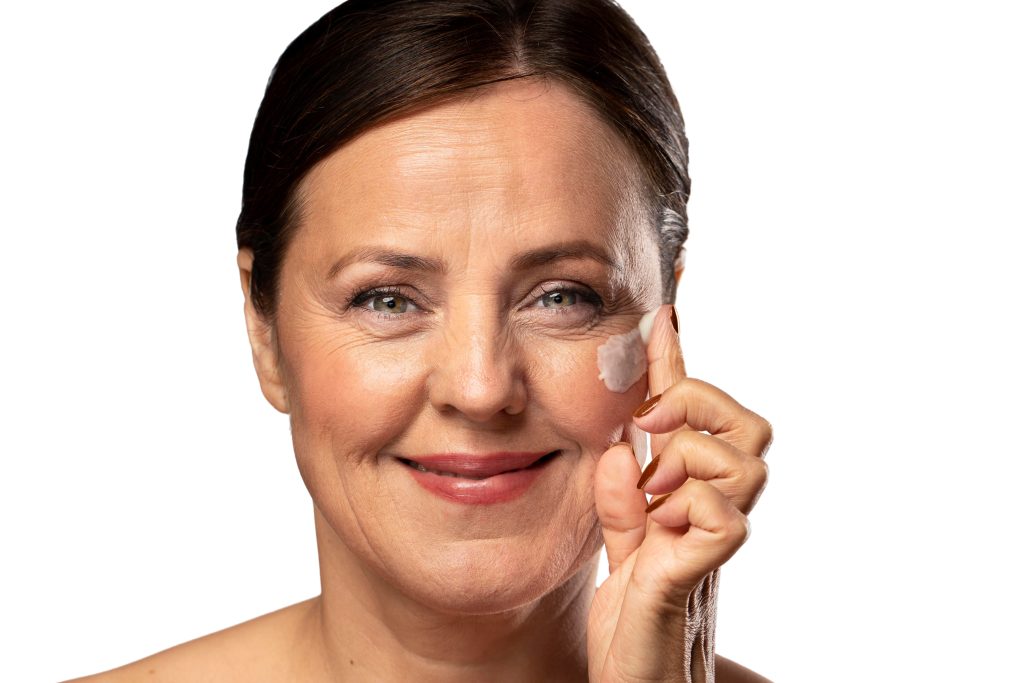
Image Credits: Freepik
There Is No Such Thing as an Anti-Aging Cream
This might sound confronting, but it needs to be said, there is no such thing as an anti-aging cream.
And this isn’t said with judgment or negativity; it’s said with honesty and clarity.
Luke has often challenged this idea openly, even inviting any brand in the world to prove that a cream can biologically reduce the age of your skin. It can’t. What it can do is support appearance temporarily, and that’s an important distinction.
- Creams, serums, oils, and masks can help your skin retain moisture, look plumper, smoother, and more radiant for a few hours.
There is nothing wrong with wanting to look good.
In fact, if a product helps you feel confident, use it. But we have to understand the limits. No topical product can override sleep deprivation, chronic inflammation, poor nutrition, or years of internal imbalance. That’s not how human biology works.
- When skincare marketing promises age reversal, it quietly shifts responsibility away from lifestyle and onto a bottle. And that’s where we go wrong.
If your goal is to truly understand how to get healthy skin naturally, then think of skincare products as accessories, not foundations. Supporting your biology will always be more powerful than chasing a promise on a label.
Here’s why most skin treatments fail. Know more.
The Real Foundations of Great Skin
Before we talk about products, routines, or trends, we have to get the foundations right. These are not “new” ideas; they are biological truths that have always existed.
Skin and Gut Health: The Foundational Connection
One of the most overlooked aspects of skin is the gut. Gut inflammation shows up as skin inflammation. If your gut isn’t healthy, your skin will struggle, no matter how expensive your skincare is.
Your gut may be affecting your skin if you experience:
- Constant bloating, acidity, indigestion, or acid reflux
- Constipation or frequent loose motions
- Strong cravings for sugar and refined carbohydrates
- A history of antibiotics, SIBO, or gut dysbiosis
When the gut is inflamed, nutrients don’t get absorbed properly, toxins recirculate, and inflammation rises, your skin then becomes the outlet.
We often point out something powerful here: the moment you remove junk and ultra-processed foods, skin can begin to change on its own, without adding anything new. This is where true skin healing starts.
Sleep: Why It’s Called Beauty Sleep
There’s a reason this term has stood the test of time. Deep, quality sleep is one of the most powerful anti-aging tools we have. When you sleep well, your body naturally repairs tissue, balances hormones, and supports collagen production.
Poor sleep shows up fast:
- Puffy face
- Dull, tired-looking skin
- Water retention and inflammation
You know how models, performers, and athletes fiercely protect their sleep, not just for performance, but for appearance.
The benefits of sleep for skin go far beyond looking fresh; sleep supports long-term skin resilience, elasticity, and repair. Yet it’s one of the first things people compromise. In reality, sleep may be the most underrated skincare strategy of all.
The Truth About Collagen: Hype vs Reality
Collagen is everywhere today, and we aren’t against it, but clarity matters.
One of the biggest misconceptions is plant-based collagen. Simply put, collagen cannot come from plants. What’s often sold under that label are nutrients that support collagen production, not collagen itself.
If you choose a supplement, marine collagen is the only form that actually works for skin and joints.
Keep it simple: Types 1, 2, and 3 are enough.
That said, the most powerful collagen enhancer isn’t a powder; it’s deep sleep. Whole foods, proper digestion, and hydration all play a role, too. Supplements should support your body, not replace the basics.
Want to learn more about collagen? Click here.
Meet the CEO of Your Skin: “CEO ZACH”
To make skin fundamentals simple and memorable, Luke uses the CEO ZACH framework—because when these are in place, your skin functions like it should.
C — Vitamin C
- Essential for skin repair and collagen synthesis.
- Found in citrus fruits and cruciferous vegetables.
- If food intake is insufficient, supplementation should always be professionally guided.
E — Vitamin E
- Supports the skin barrier and protects skin integrity.
- Found in nuts and seeds.
- Strong skin isn’t just about glow—it’s about resilience.
O — Omega Fatty Acids
- Help reduce inflammation and improve skin elasticity.
- Found in fatty fish, flax seeds, chia seeds, and walnuts.
- Vegetarians can use algal oil supplements if needed.
Z — Zinc
- Critical for immunity and skin healing.
- Low zinc can mean recurring acne, boils, and slow recovery.
- Food sources include nuts, seeds, oysters, and red meat.
- If antibiotics are required, Luke stresses supporting the body with probiotics, Vitamin K, and a B-complex, under your healthcare expert’s guidance.
A — Antioxidants
- Your protection against pollution, pesticides, and UV-induced damage.
- Found abundantly in fruits (especially berries), vegetables, lentils, and legumes.
- Nature provides antioxidants generously—we just need to eat them.
C — Collagen (Done Right)
- Supports elasticity and firmness.
- Enhanced naturally through sleep, hydration, and simple foods like cucumbers.
- If supplementing, ensure no added sugar, correct dosage, and high quality.
H — Hydration
- Even mild dehydration shows up immediately on the skin.
- Hydration supports plumpness, clarity, and glow.
- Simple, foundational, and non-negotiable.
When these foundations are strong, stress-related skin problems reduce, inflammation settles, and the skin begins to regulate itself.
Want to support glowing skin from within?
👉 Explore The Lymphatic Reset for a holistic approach for skin
Why Products List the Same Nutrients You Need to Eat
If you’ve ever turned a skincare bottle around and read the label, you’ll notice something familiar—Vitamin C, zinc, antioxidants, sometimes even collagen. These nutrients aren’t there by accident. They’re there because your skin actually needs them.
But here’s what most people miss: Applying these nutrients externally is not the same as absorbing, assimilating, and using them internally.
- A serum enriched with Vitamin C may brighten the surface temporarily, but if your body is deficient in Vitamin C, your skin cells still won’t function optimally.
- Skin health doesn’t work from outside to inside; it works inside out.
Eat what your skin needs.
When nutrients like zinc, antioxidants, and Vitamin C are consumed through food, they travel through your bloodstream, reach your cells, support repair, reduce inflammation, and strengthen immunity.
Topical products can support the outer layer, but they can’t replace what your body needs at a cellular level.
Movement, Lymph & Circulation: The Missing Link in Skin Health
Another foundation that’s often ignored in skincare conversations is movement.
- Your skin is a living organ, and like every other part of the body, it thrives on circulation.
- When you move your body, you improve blood flow, which delivers oxygen and nutrients to the skin more efficiently.
Just as important is your lymphatic system, which Luke describes as the body’s garbage disposal system.
- Unlike blood circulation, the lymphatic system doesn’t move on its own; it relies entirely on movement.
- When we’re sedentary, waste accumulates, inflammation increases, and this congestion often shows up on the skin as dullness, puffiness, breakouts, or premature aging.
Stillness ages skin faster than time itself. Regular exercise, whether it’s walking, strength training, yoga, or mobility work, keeps circulation flowing, lymph moving, and waste from stagnating in the body.
Sunlight: Friend, Not Enemy
Somewhere along the way, we were taught to fear the sun. Sunlight is not the enemy. In fact, the right kind of sunlight is deeply nourishing for your skin and your entire body.
- The early morning sun, especially the first one to two hours after sunrise (depending on where you live), is incredibly beneficial. This is the time when you do not want sunscreen on your skin.
- That gentle light supports circadian rhythms, hormone balance, cellular energy, and overall skin health.
- The same applies to sunset light; those last rays of the day are calming, restorative, and meant to be absorbed directly by the skin.
That said, sunscreen does have a role.
- When the sun is harsh, especially midday or in high-UV regions, protection becomes necessary. The key is context and common sense.
- Follow the guidelines of your land; for example, people living in places like Australia have very different sun exposure rules for good reason. Awareness matters, but fear does not.
If you’d like to understand sunscreen in more depth
—how to use it wisely, when it’s essential, and when it’s not, we recommend watching our podcast episode with Dr. Sonali Kohli, an Integrative Aesthetic Dermatologist and Hair Transplant Surgeon, where she breaks this down clearly and practically.
The goal isn’t avoidance, it’s balance.
A Final Warning for People With Naturally Good Skin
If you already have good skin, Luke offers a simple caution: don’t interfere unnecessarily.
- Introducing products without a real need can disrupt your skin’s natural balance.
- Over time, this creates dependency, skin starts reacting the moment products are stopped.
- Be mindful of long ingredient lists and unnecessary chemicals.
- If you choose skincare, opt for honest, minimal formulations, or choose less.
Sometimes, the best thing you can do for good skin is not overdo anything. When the foundations are right, your skin already knows what to do.
When You DO Need a Dermatologist
While lifestyle forms the foundation of great skin, Luke is very clear about one thing—sometimes, you do need medical help, and that’s perfectly okay. Holistic living does not mean avoiding doctors.
Luke recently shared a simple example:
After traveling extensively, he developed a sudden itchy breakout on his face. Instead of ignoring it or self-treating, he reached out to a dermatologist who had been on his podcast. She reviewed a photo, identified the issue, and advised a topical cream for just two to three days, along with supporting the gut through probiotic-rich foods like yogurt. Within three days, the issue was resolved completely.
Skin reacts to travel, stress, disrupted sleep, and temporary imbalances. In such cases, seeking professional help is smart, not anti-natural. The key is integration; use medication when required, but always support recovery through gut health, nutrition, sleep, and stress management.
The goal isn’t to choose between modern medicine and lifestyle, it’s to use both intelligently.
The Last Word: Anti-Aging Is Not a Product, It’s a Practice
If there’s one truth Luke wants people to walk away with, it’s this: your skin is always reflecting your lifestyle. Not just what you apply to it, but how you live.
Products can support, enhance, and protect. They can help you look good for a few hours. But they cannot replace weak foundations. When the basics are ignored, no serum or supplement can compensate for what the body is missing.
Anti-aging isn’t about chasing youth; it’s about supporting your biology consistently, patiently, and intelligently.
Your skin is yours. Treat it with respect, not desperation.
Also Watch This
Frequently Asked Questions
How can I get healthy skin naturally without expensive creams?
To get healthy skin naturally, focus on gut health, sleep, hydration, nutrition, movement, and stress management. Expensive creams can support appearance, but real skin health comes from the inside out. A simple skin care natural routine works best when your biology, not products, does the heavy lifting.
Does gut health really affect my skin?
Yes, skin and gut health are deeply connected. Poor digestion, inflammation, bloating, constipation, and sugar cravings often show up as acne, dullness, or premature aging. Healing the gut by removing inflammatory foods and supporting digestion can visibly improve skin without adding new products.
How does sleep impact anti-aging and skin glow?
The benefits of sleep for skin are powerful. Deep sleep supports natural collagen production, cell repair, hydration balance, and reduced puffiness. Poor sleep shows up as dull skin and faster aging. Quality sleep is one of the most effective, natural anti-aging strategies available.
What are the best natural routines for youthful skin?
The best skin care natural routine focuses on fundamentals: whole foods, hydration, regular movement, deep sleep, gut health, and stress reduction. Nutrients like Vitamin C, zinc, antioxidants, and omega-3 fats support skin from within. Products should enhance, not replace these foundations.
Can stress cause premature aging or skin problems?
Yes. Stress-related skin problems are common. Chronic stress raises cortisol, increases inflammation, slows healing, and accelerates aging. Breakouts, pigmentation, and dullness often reflect emotional and hormonal stress. Managing stress is essential if you want healthy, youthful skin naturally.
Disclaimer: This blog is for educational and informational purposes only and is not a substitute for professional medical advice, diagnosis, or treatment. Always seek the advice of your physician or qualified healthcare provider with any questions you may have regarding a medical condition or sleep disorder.
If you’re struggling with skin issues, don’t wait.
Set up a one-on-one consultation with our team or explore our Wellness Programs to optimize your skin health.
Reach out to us at 1800 102 0253 or write to us at [email protected].