
I’ve always believed that walking is one of the simplest yet most effective forms of movement. It doesn’t just burn calories — it strengthens muscles, improves endurance, balances blood sugar, lifts your mood, and supports longevity.
Over the years, I’ve seen clients transform their health with nothing more than a pair of comfortable shoes and a daily walking practice. I’ve also shared insights on techniques like Japanese walking, which focus on posture, foot strike, and mindful movement.
But today, I want to introduce you to something even more powerful — Interval Walking Training (IWT).
This simple technique alternates between brisk walking and a slower recovery pace, providing the benefits of cardio, muscle strengthening, and metabolic conditioning without the stress of high-impact workouts on your joints.
Here, I’ll walk you through:
- Why interval walking works – and what the science says about the incredible walking exercise benefits for your muscles, metabolism, and even brain health.
- A simple interval walking technique to help you get started safely and confidently, whether you’re a beginner or already active.
- Easy-to-follow interval walking training progressions so you can keep challenging yourself week after week — and see real, sustainable results.
By the end, you’ll see why I call interval walking one of the most powerful, accessible tools for health — and why it could be the missing link in your fitness journey.
Why Interval Walking Works – The Science Explained
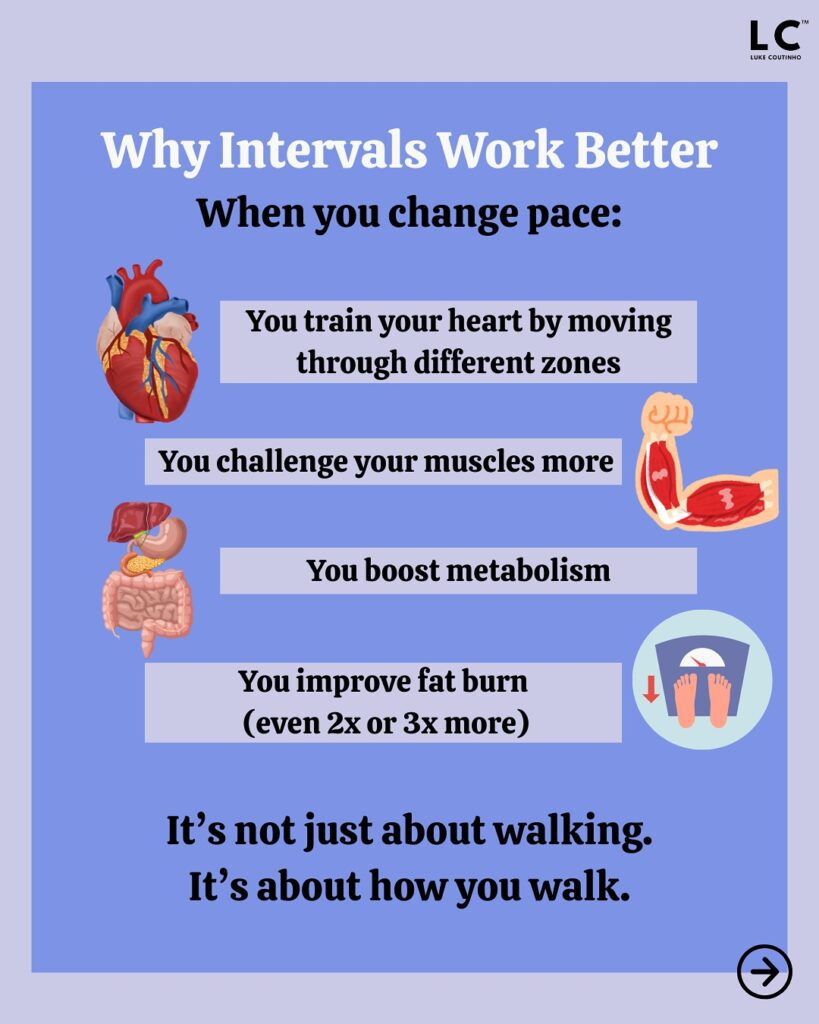
Internal walking training alternates between brisk and easy paces, giving you the benefits of cardio, strength training, and mindfulness — all without punishing your joints. Science now confirms what we’ve seen with thousands of clients: walking can be one of the most powerful, full-body conditioning tools you can use.
Let’s break it down.
Superior Improvements in Glycemic Control & Metabolic Health
A foundational study on people with type 2 diabetes compared interval walking versus continuous walking of the same energy expenditure.
The IWT group experienced significant improvements in glycemic control, reductions in fasting insulin levels, improved blood glucose profiles, decreased body fat (particularly visceral fat), and enhanced aerobic capacity (VO₂ max).

Also, in patients recovering from conditions like colorectal cancer, interval walking (home-based) lowered post-meal blood glucose spikes, improved glucose handling, and reduced fat gain compared to usual care.

Enhancing Physical Fitness & Muscle Strength
Interval walking is not just about cardio or burning sugar — it also gives your muscles work, especially when pushing fast bouts, that over time adapt to become stronger, more resilient.
A pilot IWT study in type 2 diabetics reported small-to-moderate gains in muscle strength (especially in the lower body) after the intervention.

This is why I recommend walking after meals to clients with insulin resistance, PCOS, or prediabetes. It’s one of the simplest ways to keep your metabolism in check.
Supports Your Brain and Mood
Movement isn’t just about muscles — it’s about the brain. Walking stimulates blood flow, which increases the release of Brain-Derived Neurotrophic Factor (BDNF) — often called ‘fertilizer for your brain.’
- Studies have shown that BDNF levels rise more with interval-style training compared to continuous slow walking.
- Higher BDNF means better memory, sharper focus, lower risk of cognitive decline, and improved mood.

This is why so many people say they ‘think better’ or ‘feel calmer’ after a good walk — it’s not just in your head, it’s in your brain chemistry.
Powerful Benefits for Heart Health
I cannot emphasize enough how walking, especially interval walking training, protects your heart.
A major 5-month study compared three groups: no walking, continuous moderate walking, and high-intensity interval walking. The interval walking group saw the most impressive improvements:
- 13% increase in isometric knee extension strength
- 17% increase in knee flexion strength
- 8–9% increase in peak aerobic capacity (for both cycling & walking)
- Significant reduction in resting systolic blood pressure compared to moderate walkers
This means IWT not only conditions your cardiovascular system but also lowers your long-term risk of hypertension, stroke, and heart disease.

Interval Walking Technique – How to Do It Right
Most people just go for a walk. But when you do it right, walking becomes a metabolic workout — one that can transform your fitness, blood sugar, and even brain health.
This is where interval walking training (IWT) comes in. Think of it as strength training for your heart, muscles, and mind — without the joint impact of running.
Your Step-by-Step Guide
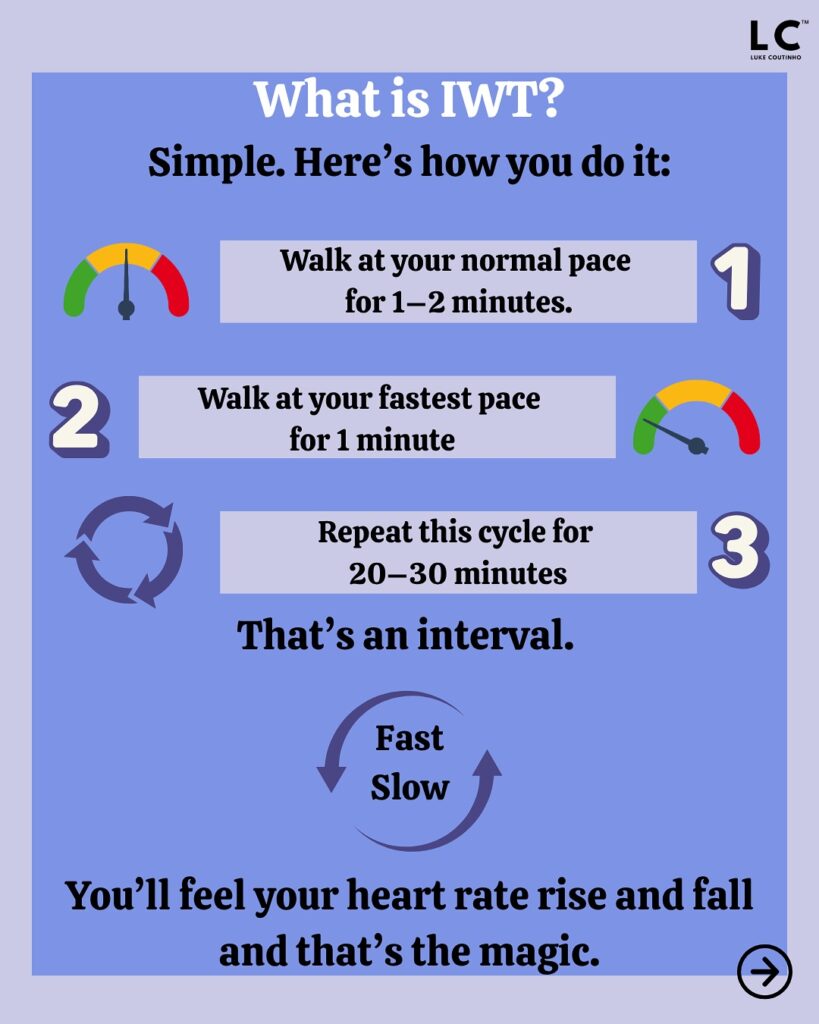
- Warm-up (5 minutes): Begin at an easy, conversational pace. The goal is to lubricate joints, wake up your muscles, and prepare your cardiovascular system.
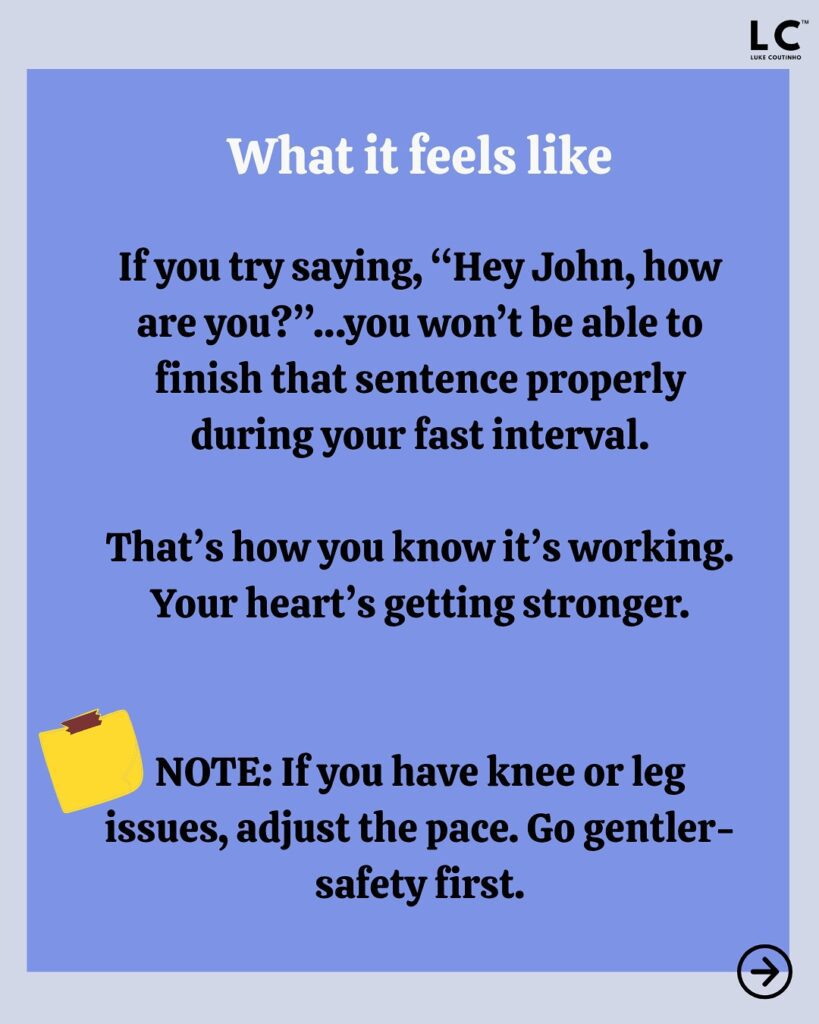
- Fast Interval (1 minute): Walk briskly at a pace that gets your breathing deeper but still controlled. Your arms should swing naturally, and you should feel your core engage.
- Recovery Interval (1 minute): Slow down to a comfortable pace. You should be able to talk easily here. This allows your heart rate to come down and prepares you for the next bout.
- Cool-down (3–5 minutes): Return to a slow pace, allowing your heart rate and breathing to normalize.
- Repeat 7–10 cycles (20-30 minutes): Start with 4–5 rounds if you’re new, and build up weekly.
Technique Refinements for Better Results
Here’s where science meets experience. In my consultations, I’ve seen clients double their results just by refining their interval walking technique.
1. Posture & Alignment
Think ‘ribs stacked over pelvis.’ Keep your shoulders relaxed, chin slightly tucked, and arms swinging from cheek to hip — not crossing over your body. This posture improves breathing efficiency and reduces lower back strain.
2. Stride Mechanics
Many walkers over stride, landing hard on their heels. Instead: Increase cadence (steps per minute) rather than stride length.
- Aim for 110–120 steps/min during fast intervals — higher cadence reduces joint load and improves energy efficiency.
During recovery intervals: inhale through the nose to activate the parasympathetic nervous system (rest & digest mode).
- During brisk intervals: Use a mix of nose–mouth breathing to supply more oxygen. This rhythm lowers stress hormones.
4. Arm Swing & Core Engagement
Swinging your arms from the shoulder joint (not elbow) adds natural rotation to your torso, engaging obliques and core. This is a hidden calorie-burning enhancer that can raise energy expenditure by 5–10%.
5. Optional Progressions
Once you’ve mastered the basics:
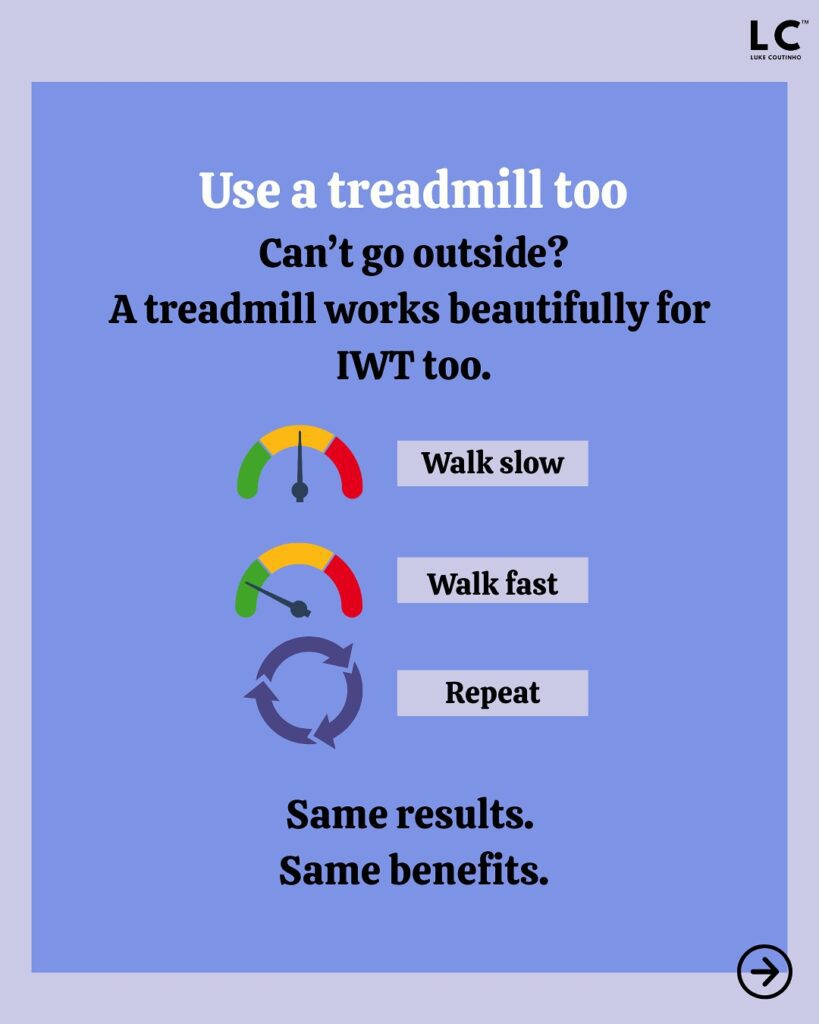
- Add incline (1–3%) on a treadmill or find a gentle hill outdoors — increases glute activation by up to 30%.
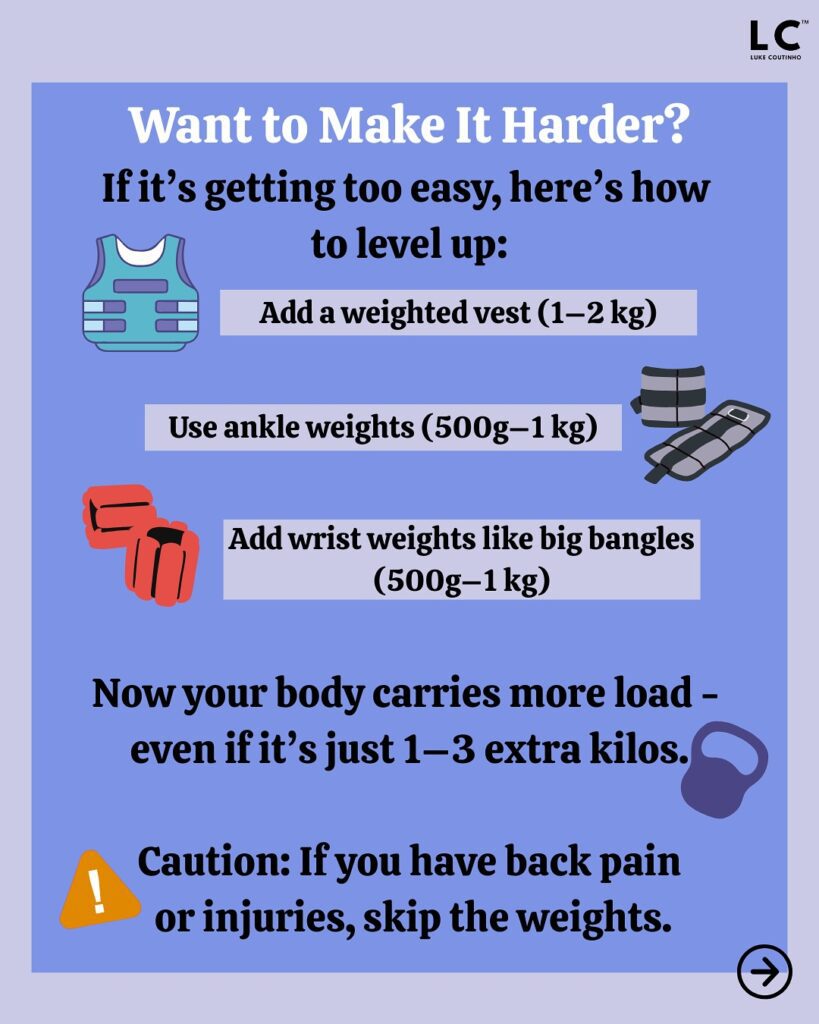
- Weighted vest (5–8% body weight) — safe for most healthy individuals — builds leg strength without stressing joints.
- Nordic walking poles — proven in Clinical Interventions in Aging (2019) to improve balance, cardiovascular endurance, and upper-body strength.
Consistency matters more than perfection. Even if you can’t do 10 intervals every day, do 4–5. Over time, you’ll notice stronger legs, more energy, and better focus.
Weekly Progression Plans
One mistake I see often is people doing too much, too soon. The goal of interval walking training (IWT) is not to exhaust you — it’s to condition you, build your strength, and keep you coming back tomorrow with more energy, not less.
| Level | Weekly Plan | Details & Tips |
| Beginner | 3 IWT sessions/week (20 mins each) + 2 light walks | Focus on building the habit. Start with 4–5 cycles of 1 min brisk / 1 min recovery. Your light walks can be leisurely but keep posture and form in mind. |
| Intermediate | 4 IWT sessions/week (25–30 mins each) | Progress to 6–8 cycles per session. Increase brisk pace slightly or add a gentle incline (1–2%). Include one day of active recovery (yoga, mobility work). |
| Advanced | 4–5 IWT sessions/week (30–40 mins) | Add hill IWT or lengthen brisk intervals to 90 sec (keep recovery 60 sec). Optionally use a weighted vest (5–8% body weight). Track performance weekly — aim for gradual improvement, not exhaustion. |
Walking Exercise Benefits You Can Expect
Once you commit to interval walking consistently, here’s what you can expect — based on research and thousands of success stories from our clients:
- Better Aerobic Fitness: VO₂ max improves by 10–16% (meaning you can climb stairs or go on hikes with ease).
- Blood Sugar Regulation: Lower fasting glucose, better insulin sensitivity, and reduced post-meal spikes.
- Joint-Friendly Fat Loss: Fat loss without the wear and tear of running or jumping.
- Muscle Strength & Endurance: Noticeably stronger legs, better posture, and improved balance within weeks.
- Sharper Mind & Better Mood: Higher BDNF levels mean better focus, memory, and lower anxiety.
- Anti-Inflammatory & Immune Support: Walking reduces chronic inflammation and supports immune resilience.
- Better Sleep: Regular walkers report deeper, more restful sleep and better recovery.
We’ve had cancer survivors, diabetics, and busy professionals transform their health by simply walking the right way. When done consistently, IWT becomes one of the most powerful tools for longevity.
Who Benefits Most from IWT?
I love interval walking training (IWT) because it works for almost everyone. Here’s who benefits the most and why:
- Beginners & Sedentary Individuals – Safe, low-impact way to build strength, endurance, and confidence.
- Older Adults – Helps manage sarcopenia (age-related muscle loss) and improves balance, stability, and gait speed.
- Athletes in Recovery – Promotes active recovery, improves blood flow, and reduces soreness without overtraining.
- People with Metabolic Concerns – We have earlier discussed that research shows IWT improves insulin sensitivity and helps regulate blood sugar naturally.
- Busy Professionals & Stressed Minds – Improves mood, lowers cortisol, and clears mental fog in just 20–30 minutes.
Safety, Recovery & Adherence
Interval walking technique (IWT) is gentle, but recovery and consistency still matter. Here’s how to stay safe, avoid burnout, and make walking a long-term habit.
1. Safety First
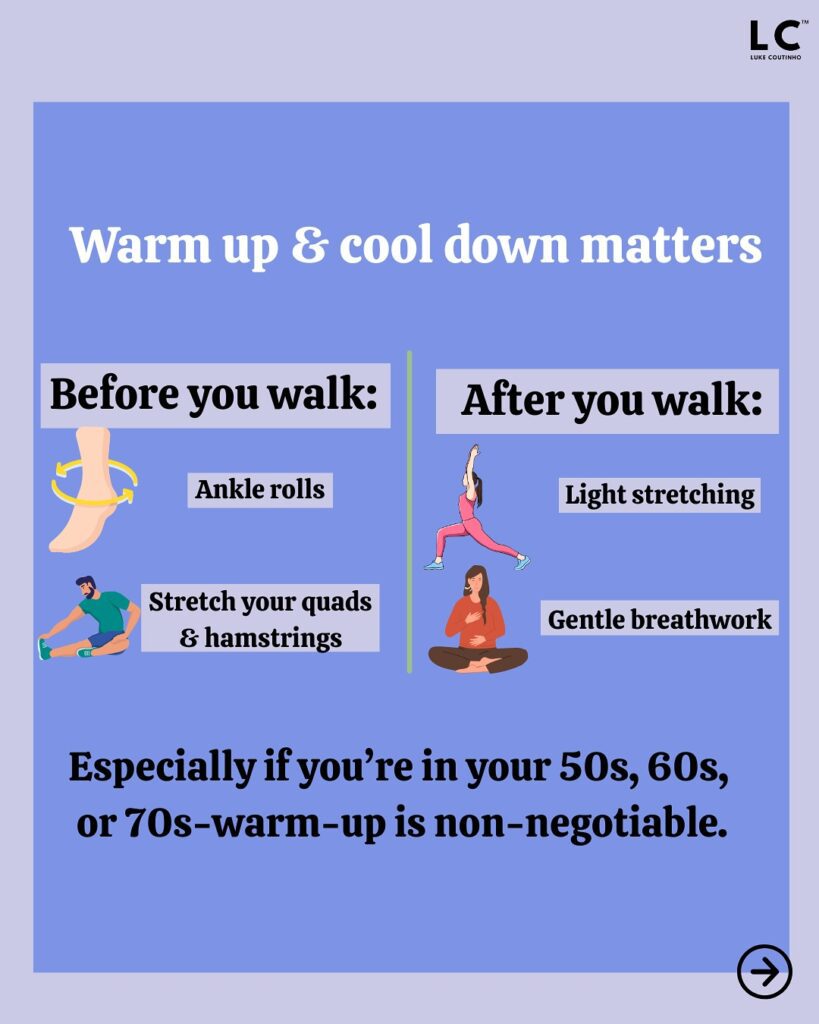
- Warm Up & Cool Down: Spend 5 minutes at an easy pace before and after every IWT session. This protects joints and gets blood flowing gradually.
- Posture Matters: Keep ribs stacked over pelvis, shoulders relaxed, and avoid slouching — this reduces lower back and knee strain.
- Listen to Your Body: Joint pain, sharp discomfort, or extreme fatigue are signs to slow down or take a rest day.
2. Recovery Markers
- Morning Heart Rate: If it’s 5–10 beats higher than usual, your body may need extra rest
- Energy Levels: Persistent fatigue or irritability? Reduce intervals for 1–2 days until you bounce back.
- Quality Sleep: Good sleep is a key sign of proper recovery — aim for 7–8 hours consistently.
3. Adherence Tips
- Walk with a Partner: Accountability makes it more fun and harder to skip.
- Use Music: Sync steps to a beat to keep a steady cadence — research shows it improves endurance.
- Track Your Progress: Use a step counter or do a 6-minute walk test once a month to see improvements in distance covered. Small wins keep motivation high.
- Make It Enjoyable: Choose scenic routes, vary terrain, or turn it into walking meetings — sustainability matters more than intensity.
Movement is medicine — but only if you keep showing up for it. Honor your rest days, celebrate your progress, and make walking something you look forward to, not a chore.
The Last Word
One thing I’ll never forget from the lockdown days is watching people get creative with movement. I had clients walking back and forth in their living rooms, pacing tiny balconies, even marching in place — and they proudly sent me videos to show their commitment.
It reminded me of something important: If your legs work, use them. Walk. And better yet, turn that walk into exercise.
My advice? Start where you are. Whether it’s 10 minutes a day or a few brisk intervals, consistency will compound. I’ve seen beginners, seniors, and even athletes transform their energy, endurance, and strength simply by sticking to IWT for a few months.
Remember — it’s not about running marathons or punishing workouts. It’s about creating habits that you can keep for life. Walking, done smartly, is one of the simplest and most effective ways to take control of your health — starting today.
To learn more, watch this:
Frequently Asked Questions
1. What is interval walking training, and how does it differ from HIIT?
Interval Walking Training (IWT) alternates between brisk and easy walking bouts. Unlike HIIT, it’s low-impact, joint-friendly, and easier to sustain. It delivers many of the same benefits — better fitness, glucose control, and fat metabolism — without the risk of injury common with high-intensity workouts.
2. How often should I do the interval walking technique for results?
Aim for 3–5 sessions per week of 20–30 minutes. Consistency is key — gradual progression builds stamina and strength. Combine with 1–2 light recovery walks for best results. Studies show improvements in aerobic capacity, blood sugar regulation, and endurance within 8–12 weeks of regular practice.
3. Can interval walking training help regulate blood sugar levels or promote fat loss?
Yes! Research in Diabetes Care shows IWT significantly improves insulin sensitivity and lowers post-meal blood glucose in type 2 diabetes patients. Plus, its fat-burning effect supports healthy fat loss without stressing the joints, making it ideal for beginners and people with metabolic health concerns.
4. What RPE or heart-rate zones should I target?
During brisk intervals, aim for RPE 6–7 (breathing deep but controlled) or about 65–75% of maximum heart rate. Recovery intervals should feel light (RPE 2–3, conversational pace). This balance challenges the cardiovascular system while allowing sufficient recovery for sustainable training.
5. Is interval walking safe for knee or back pain?
Yes, IWT is low-impact and joint-friendly when done with proper posture. Walking strengthens the muscles around the knees, hips, and core, providing better support for the spine. Start with flat surfaces and shorter intervals, and progress slowly to prevent overloading sensitive joints.
Disclaimer: The information shared in this blog is for educational purposes only and not intended to replace medical advice, diagnosis, or treatment. Always consult your healthcare provider before beginning any new fitness or wellness routine—especially if you have an existing medical condition, injury, or mobility concern.
Looking for holistic and integrative guidance on physical well-being?
We help you find a way.
Set up a one-on-one consultation with our integrative team or explore our Wellness Programs to optimize your lifestyle goals.
Reach out to us at 1800 102 0253 or write to us at consults@lukecoutinho.com.

Start Your Wellness Journey
Feeling inspired to take the next step in your wellness journey? Connect with us to explore how our tailored programs can support your health journey. Your transformation is just a conversation away.