No products in the cart.
If you feel more emotional, sensitive, or overwhelmed before your period, like you’re not yourself just days before your period, let me tell you: it’s not in your head. It’s in your hormones.
I’ve had countless women — teenagers, mothers, professionals — tell me they feel like they’re failing for being snappy, teary, anxious, or just exhausted during this time. That’s the problem. We’ve been taught to hide or dismiss what is in fact a very real, biological shift. This isn’t a weakness. It’s physiology. It’s your body responding to powerful hormonal changes.
What often adds to the challenge is how casually this experience gets brushed aside. From jokes in movies to punchlines about ‘mood swings’ or ‘crazy hormones,’ it’s easy to see how premenstrual changes are misunderstood — or worse, made fun of. But for anyone who’s felt dismissed with a ‘you’re overreacting’ or ‘is it that time of the month?’ — please know this: your feelings are valid. What you’re going through is real. And it deserves support, not ridicule.
We’ve worked with thousands of women—teenagers navigating their first cycles, mothers balancing everything, grandmothers dealing with postmenopausal shifts—and one thing is clear: these emotional fluctuations are real, and they deserve compassion, not judgment.
There’s nothing weak or wrong about mood swings. It’s your body’s way of asking to be heard. And today, we’ll talk about how to listen.
What Is Premenstrual Syndrome (PMS)?
Premenstrual Syndrome — or PMS — refers to a set of physical, emotional, and behavioural symptoms that many women experience during the luteal phase of their menstrual cycle, typically in the 1 to 2 weeks leading up to their period. It’s not just about cramps or cravings. PMS can involve mood swings, low energy, bloating, irritability, breast tenderness, sleep disruption, and more.
It’s estimated that nearly 3 in 4 menstruating women experience some form of PMS. And yet, it’s one of the most misunderstood aspects of hormonal health. What you feel isn’t random or made up — it’s your body responding to hormonal fluctuations, lifestyle triggers, and deeper imbalances that deserve care and attention.
Recognising the Signs: What Do Menstrual Mood Swings Look Like?
Most women I work with describe more than just being moody. What they often can’t say out loud is this: I don’t feel like myself. And that’s a very real experience.
It might show up as:
- Irritability or anger over small things
- A sudden feeling of sadness or emotional overwhelm
- Crankiness, lethargy, or low motivation
- Restlessness or withdrawal from people
- Mental fog, indecisiveness, or feeling scattered
- Low libido or disinterest in intimacy
- Aggression or frustration that feels like resentment
Some women feel more anxious, others go numb. Some feel guilty for snapping, others bottle it all in. Whatever your experience, you’re not alone.
These are often hormonal cues — not personality flaws. And the moment we start observing these signs with awareness instead of shame, healing begins.

Image by Freepik
What Causes Period and Mood Swings? The Science Behind the Shifts
In the luteal phase of your cycle — the days before your period — estrogen and progesterone levels start to drop. This hormonal shift directly affects serotonin, the neurotransmitter that plays a major role in regulating mood, sleep, and appetite. When serotonin dips, you may feel low, restless, tearful, or on edge for no obvious reason.
Cortisol, the stress hormone, may also rise in response to blood sugar fluctuations or poor sleep, making emotional responses feel more intense. This is one reason why you might notice more arguments, less patience, or a sense of inner pressure building up.
And then there’s your gut, which houses over 90% of your serotonin receptors. When digestion is sluggish or inflammation is high, it can aggravate the gut–brain–hormone axis. The result? A more emotionally reactive state, even if your environment hasn’t changed.
This isn’t just a hormone issue. It’s a whole-system communication interference — but one that can be gently restored.
PMS Is Not Just Physical: Why Mood Swings Deserve More Attention
Mood swings before periods are not just a hormonal phenomenon — they’re often a complex reflection of what the body and mind have been holding silently.
A. Emotional Stress Can Magnify PMS
Stress doesn’t just live in the mind — it imprints on the body. When emotional stress isn’t processed, it builds up, making hormonal shifts harder to cope with. Common emotional contributors include:
- Workplace tension — long hours, deadlines, and performance pressure
- Relationship strain — unresolved conflicts, lack of support, emotional disconnect
- Past trauma or grief — unhealed wounds often resurface around this time
- Self-worth struggles — body image issues, comparison, guilt, or perfectionism
During the luteal phase (the week before your period), your emotional bandwidth narrows. The body’s natural drop in serotonin, combined with unresolved stress, can cause emotions to surge or spiral.
B. Physiological Layers Add Fuel
Mood swings are also worsened by physical imbalances such as:
- Chronic inflammation — often triggered by processed foods, lack of sleep, or gut issues
- Nutrient deficiencies — especially magnesium, B6, and omega-3s
- Emotional suppression — avoiding or minimizing emotions can cause internal conflict
C. Mental and Hormonal Health Are Intertwined
Your mind and hormones don’t function in isolation. The gut-brain-hormone axis is a three-way conversation that influences everything from mood and digestion to energy and clarity.
When we honor this connection, we move from coping to supporting. A little more awareness, nourishment, and self-compassion can soften the intensity of the days before your period.
The Role of Caffeine, Sugar, and Alcohol in PMS
Certain everyday habits — like that evening coffee or mid-afternoon sugary snack — can unknowingly make PMS symptoms feel worse.
Caffeine and PMS
- Caffeine can spike cortisol, your stress hormone, especially during the luteal phase when your body is already more sensitive.
- It may amplify anxiety, disrupt sleep, and leave you feeling jittery or drained the next day.
Sugar and PMS
- High sugar intake causes insulin spikes and crashes, which affect mood regulation and energy stability.
- It can worsen irritability, fatigue, and increase cravings — creating a loop that feels hard to break.
Alcohol and PMS
- Alcohol disrupts REM sleep, depletes B vitamins, and strains the liver — which plays a vital role in hormonal detoxification.
- It can worsen emotional volatility, especially if used to numb or unwind.
This isn’t about fear or restriction. It’s about conscious awareness — listening to your body, especially in the days before your period, and making simple swaps when you can. Your body isn’t asking for perfection. It’s asking for support.

Image by Freepik
The Replenish Ritual: What to Eat and Do When Emotions Feel Too Much
Soothing PMS mood swings by restoring what’s lost
Before your period, your body undergoes significant hormonal shifts — but it also loses vital nutrients that directly impact your mood, energy, and mental balance. This depletion, combined with inflammation and neurotransmitter imbalances, can make emotional ups and downs feel sharper than usual.
Many of the mood swings we see during PMS are not just hormonal — they’re a physiological cry for replenishment and rest.
What your body commonly loses before your period:
- Magnesium → calms the nervous system and reduces anxiety
- Iron → low levels can lead to fatigue, brain fog, and low motivation
- B vitamins → help regulate mood and nervous system function
- Zinc and Calcium → essential for emotional stability and neurotransmitter health
- Hydration → even mild dehydration worsens irritability and lethargy
“When we replenish what’s being lost, most mood-related symptoms begin to ease — not overnight, but steadily.” – Luke Coutinho
What Helps: Nutrition, Comfort, and Rituals
1. Cacao-Calm Blend for Emotional Stability
Craving chocolate before your period? It’s likely a magnesium deficiency.
Instead of processed sweets, try this:
- 1 tsp raw cacao powder (unprocessed)
- Mix with warm almond milk or water
- Add a soft date, pinch of cinnamon, and vanilla powder
This blend supports:
- Serotonin production (via tryptophan)
- Magnesium replenishment
- Calming neurotransmitters like dopamine and melatonin
- Hormone-Support Juice (3x/week before your period)
- Cucumber + carrot + beetroot + lemon + ginger
This juice helps:
- Replenish iron and magnesium
- Cool down internal inflammation
- Gently uplift emotional energy
- Nourishing, Mood-Supportive Foods
- Dried figs + soaked pumpkin seeds → magnesium, zinc
- Sweet potatoes, millets, red rice → serotonin balance
- Leafy greens → iron and calcium
- Turmeric milk with jaggery → calming and hormone supportive
- Soaked black raisins with saffron + ghee → Ayurvedic remedy for emotional steadiness
Disclaimer: The foods and remedies mentioned above are general suggestions and may not suit everyone. Please consult a qualified medical or nutrition expert before making any changes to your meal plans, especially if you have existing health conditions or are on medication. This content is for informational purposes only and is not a substitute for professional medical advice.
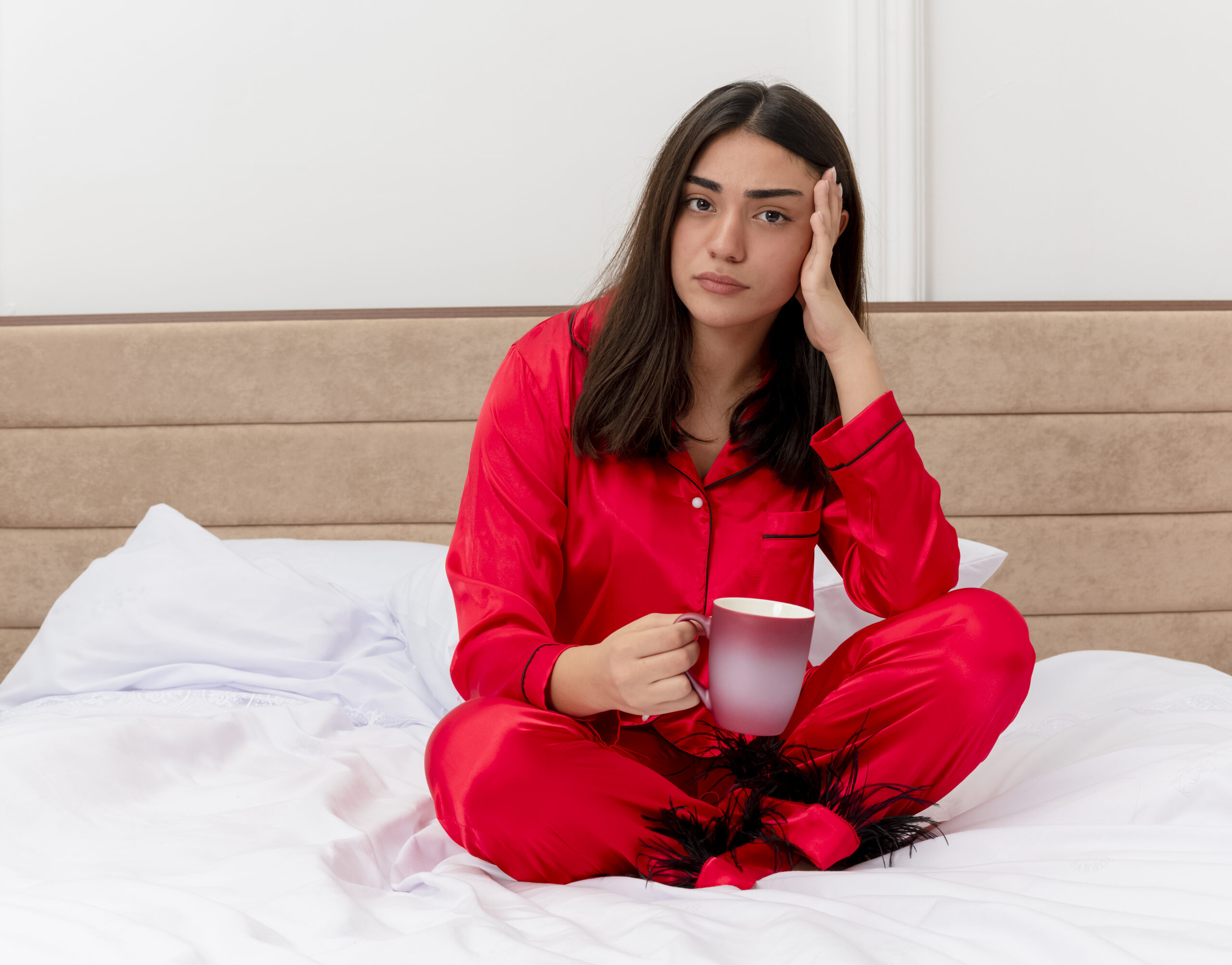
Image by Freepik
Bonus Comfort: Warmth Heals More Than Just Pain
When your mood feels fragile, physical comfort can ground your emotional experience too.
Castor Oil Abdominal Massage
- Gently warm castor oil and massage your lower abdomen
- Promotes detoxification, lymphatic drainage, and emotional release
- Supports hormonal balance and eases PMS-related congestion
In our experience, these simple home remedies often help reduce heaviness, bloating, and irritability.
Warm Compresses or Hot Water Bottles
- Apply to the lower abdomen or lower back
- Helps reduce uterine spasms that contribute to pain and tension
- The warmth also soothes the nervous system, creating emotional calm
When Mood Swings Hit, Keep It Gentle
- Eat warm, grounding foods — not heavy or greasy
- Don’t skip meals — stable blood sugar = stable mood
- Drink calming teas — fennel, chamomile, or cinnamon
- Lean into rituals — journaling, soft music, silence, safe space
- Talk to someone you trust — your body isn’t meant to hold it all in
| Craving sugar or caffeine? Try warm cinnamon or fennel tea, fruit laddoos, or turmeric milk with jaggery. |
Balanced, natural foods won’t fix PMS overnight — but they can reduce the intensity and help you feel more emotionally anchored and physically steady through your cycle. It’s about creating the right internal environment for balance to emerge.
Caring for Yourself When the Mood Swings Hit
If you’re in the middle of a wave—irritated for no reason, teary without warning, or just not feeling like yourself—I want you to pause and remember this: You’re not being dramatic. Your body is speaking, and it deserves your attention, not judgment.
Here are some gentle, rooted ways to support yourself when it feels like too much:
1. Deep Cellular Nutrition
- Don’t skip meals. Nourish your body with whole foods—balanced meals with good fats, complex carbs, and protein.
- Sip warm teas like fennel, chamomile, or ginger to soothe the gut and nervous system.
2. Adequate Movement
- Go for a slow walk. Stretch. Do 10 minutes of yoga or just sway to music.
- It’s not about working out—it’s about moving stagnant emotion through the body.
3. Quality Sleep
- Disconnect from screens at least 30 minutes before bed.
- Try a wind-down ritual: a warm shower, soft lighting, or journaling your thoughts out of your system.
4. Emotional Wellness
- Journal what you’re feeling—without censoring.
- Cry if you need to. Rage safely if you must. Suppressing emotion is not strength.
- Put on your favorite music. Sing. Dance. Paint. Do something that makes you feel more like you.
5. Spiritual Connection
- Ground yourself. Whether it’s prayer, breathwork, meditation, or just sitting quietly with your hand on your heart—come back to yourself.
6. Breath
- Try simple breathwork like box breathing (inhale for 4, hold for 4, exhale for 4, hold for 4) or the 4-7-8 method to calm the nervous system.
- Even three deep breaths can shift your state.
You don’t have to go through this alone.
- Talk to your partner. Tell a trusted friend. Bond with other women who understand.
- If your mood swings are overwhelming or feel impossible to manage alone, please reach out for professional help. Support is strength.
- And if you need a guide, someone to walk with you through it, our team is here.
You deserve the compassion you so readily give to others, too.
Period Tracking & Personalised Protocols
One of the most empowering shifts for women is learning to track their own patterns — not just their dates, but their energy, mood, cravings, and sleep across the month.
When we observe these shifts without judgment, we begin to understand our rhythm rather than feeling at its mercy.
That’s where personalised lifestyle protocols matter. When food, movement, rest, and emotional care are aligned with your unique cycle, everything changes — not overnight, but sustainably.
For the Ones Who Care: How to Support a Loved One with PMS
Whether you’re a partner, parent, sibling, or caregiver, know this: supporting someone through their cycle isn’t about fixing them.
It’s about listening, respecting what they’re feeling, and offering small acts of care — warm meals, rest time, space to be.
Hormonal wellness is a shared responsibility. When one person is supported, the entire system around them benefits.
Final Thoughts: Honor Your Body’s Rhythm
If you’ve ever felt like your emotions hijack you before your period — angry one moment, weepy the next — please know this: there’s nothing wrong with you, and this is a natural part of life. Sometimes, embracing these phases with a pinch of humor can help, all the while caring for your body and accepting what you feel as passing emotions.
You’re moving through a biological rhythm. One that deserves understanding, not judgment.
When we begin supporting that rhythm with the right food, rest, breath, and emotional space, the intensity softens.
This is not about control — it’s about compassion. And the more we honour the signals our body gives us, the more we move from struggle to strength.
You deserve peace — in your cycle, in your emotions, and in your everyday life.
Ready to Feel More in Control of Your Cycle?
You don’t have to keep guessing what’s happening in your body.
Our Wellness Program works with your hormones, emotions, food, sleep, and stress — all together, the way your body experiences it.
Book a consultation with our expert team to receive a personalised protocol that works with your body, not against it.
📩 Write to us at [email protected]
📞 Call our toll-free number: 1800 102 0253
Disclaimer:
If you’re experiencing severe mood swings, intense emotional highs and lows, or symptoms that interfere with your daily life, please seek support from a qualified mental health or medical professional. Always speak to your doctor before making changes to your food, lifestyle, or supplement routines. Bio-individuality matters — what works for one may not work for another. This article is meant for educational purposes and does not replace personalised medical advice. Always consult a healthcare provider before making changes to your food, lifestyle, or supplement routine.