

Most of us wake up, check the weather, take a quick glance at the AQI (air quality index), and move on, as if the air around us is simply the background of our day. Something we inhale automatically, without question, without thought.
But for millions, this air is an invisible layer that travels with them to work, school, the market, or even within the supposed safety of their own homes. And while we’ve learned to associate polluted air with coughing, wheezing, or that familiar heaviness in the chest, we rarely pause to ask a far more important question: “What is this air quietly doing to my mind, my memory, my moods, and my ability to think clearly?”
Your brain is the most oxygen-dependent organ in your body, consuming nearly 20% of every breath you take. So when the air is laced with microscopic pollutants, from PM 2.5 to nitrogen dioxide and sulfur compounds, it doesn’t just irritate the lungs. It travels further, enters deeper, and influences processes we never imagined were connected to the air around us.
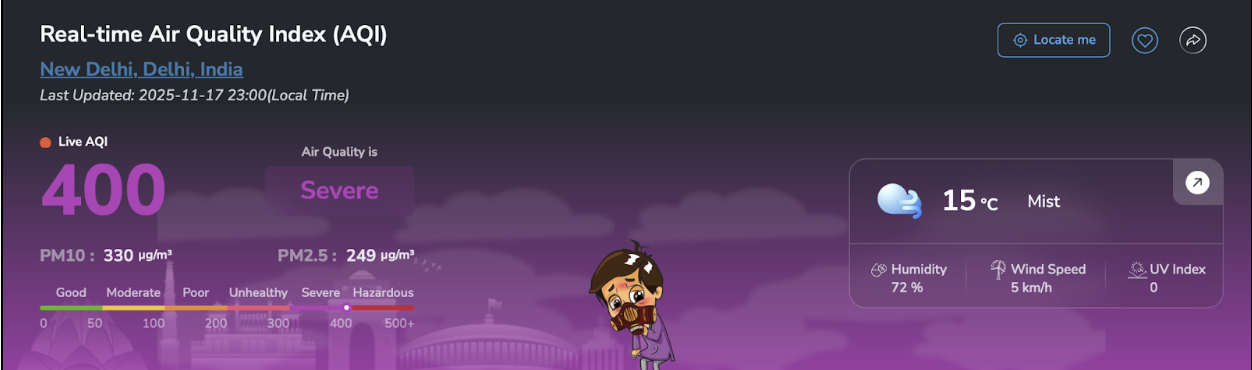
And as these words reach you, the AQI in New Delhi on the night of the 17th November 2025, touched 400… a level where breathing stops being automatic and quietly becomes a health risk with every inhale.
What Our Meta-Analysis Reveals About India’s Air Pollution Crisis
Over the past year, our team conducted an extensive meta-analysis on the Air Pollution Crisis and Its Effects on Public Health in India. Instead of relying solely on scattered studies or isolated datasets, we brought together findings from India, global cohorts, longitudinal research, and region-specific evidence to understand the full picture.
And what emerged from this comprehensive review is both urgent and undeniable.
Our analysis clearly shows that air pollution significantly impacts health across every age group in India. In adults, long-term exposure contributes to respiratory conditions, cardiovascular strain, reduced lung capacity, chronic inflammatory diseases and so on.
Among pregnant women, polluted air is associated with adverse birth outcomes, low birth weight, and preterm delivery. Infants and children exposed to PM2.5, PM10, and gaseous pollutants experience increased morbidity, impaired development, and heightened vulnerability to infections.
One of the most striking insights from our study is that harmful effects come not only from outdoor air but also from indoor pollutants, including household combustion, fine particulate matter, volatile gases, and poor ventilation. Together, these exposures influence both physical and psychological well-being.
The impact is particularly severe among vulnerable groups like children, women, senior citizens, and communities living in densely polluted or low-income environments. Socio-environmental factors such as overcrowded housing, lack of clean fuel access, and limited green spaces further amplify this risk.
We also found that exposure–response relationships are far more complex than previously understood. Some pollutants exert stronger effects at lower concentrations, and even short-term exposure can trigger acute health events like asthma attacks, hypertension spikes, or sudden breathlessness.
What Exactly Is in Polluted Air?
When we talk about polluted air, we often imagine smog-filled skylines or hazy mornings. Polluted air is not a single entity, it is a blend of microscopic chemicals and particles that behave very differently once they enter the body. And because the brain demands a continuous supply of oxygen-rich blood, whatever travels through your breath eventually influences your neurons, emotions, and cognitive performance. This is where the effect of air pollution to human health becomes undeniable.
India’s air contains a mix of harmful pollutants, from particulate matter to toxic gases, many of which have already been linked to measurable changes in cognition, mood, and long-term neurological health.
Let’s break them down.
- Particulate Matter (PM2.5 and PM10): One of the most concerning pollutants in India is particulate matter. PM2.5, particles 30 times smaller than the width of a strand of hair, is particularly dangerous because it can slip past the lungs’ natural defenses and enter the bloodstream. India’s PM2.5 levels remain higher than the WHO recommended limits as of September 2025.
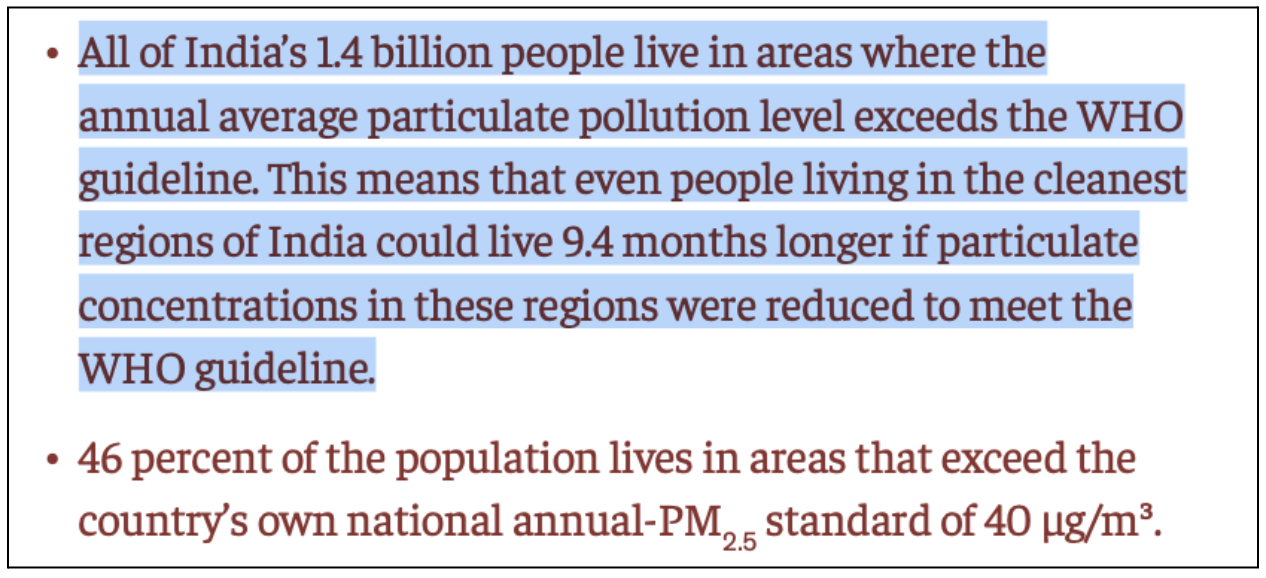
Once inside the bloodstream, PM2.5 can trigger inflammation that affects blood vessels supplying the brain, ultimately influencing cognition, emotional stability, and neurovascular health.
Do you know how much particulate matter (PM2.5 and PM10) your body can safely handle?
Here’s what the recommended limits actually look like.
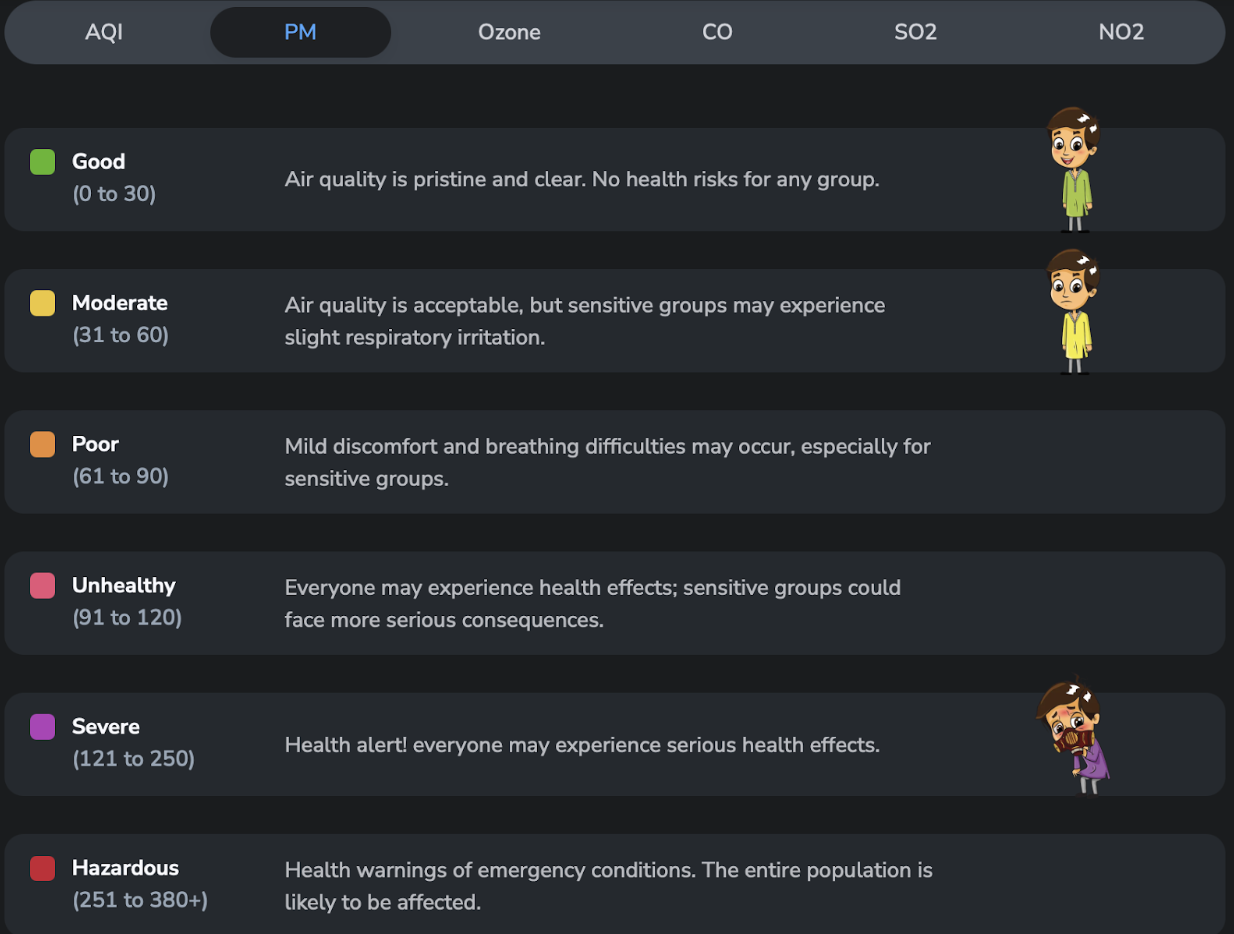
Research has consistently associated higher PM exposure with reduced memory precision, slower information processing, and elevated risks for neurodegenerative changes.
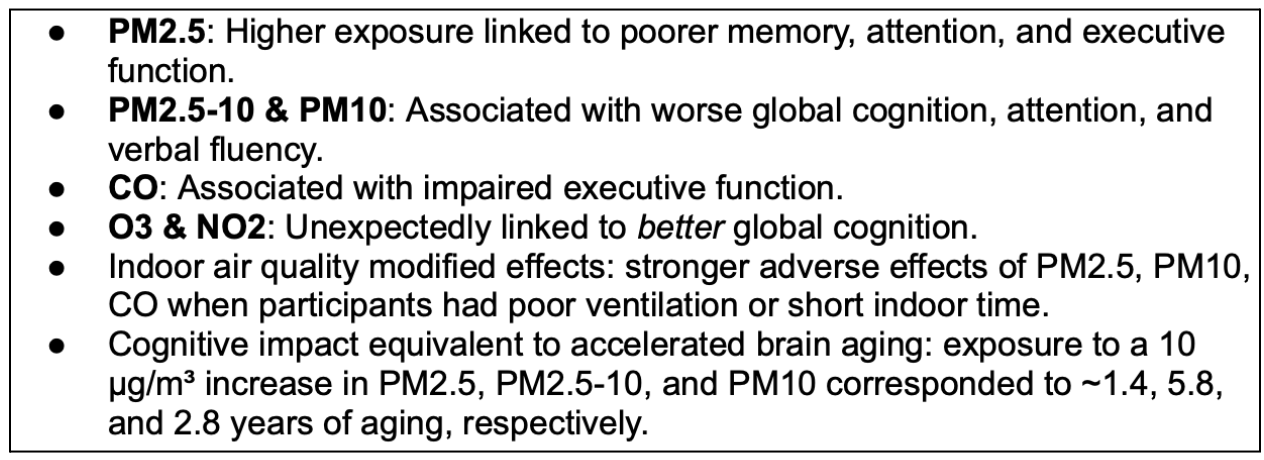
2. Nitrogen Dioxide (NO₂) and Nitrogen Oxides (NOx): Long-term exposure to NO₂ and NOx is strongly linked to vascular dementia and cognitive decline. These pollutants primarily come from traffic emissions, fossil fuel combustion, and industrial waste.
Do you know what the optimal limit of NO₂ is?
Check out below:
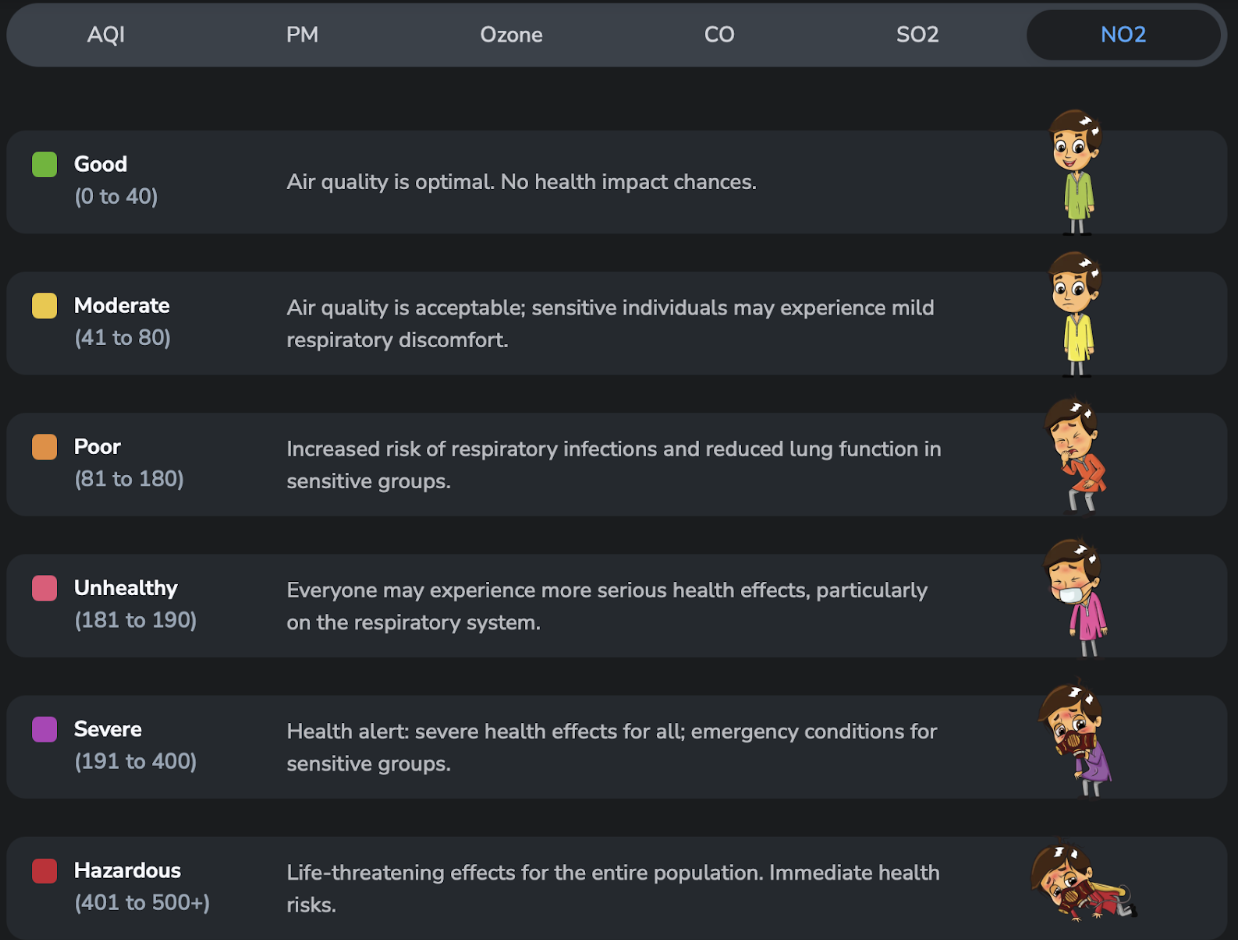
What makes them particularly harmful is their capacity to irritate airways, impair endothelial function, and reduce oxygen delivery to brain cells. The brain thrives on consistent oxygen supply, and when this flow is compromised, the earliest signs often appear as subtle forgetfulness, slower concentration, or irritability. This is one of the pathways through which air pollution affects mental health, even in individuals with no previous mental health history.
3. Sulfur Dioxide (SO₂): SO₂ is one of the most harmful gases. Studies show that even low to moderate exposure to SO₂ can impair cognitive functioning and worsen mental health markers. In some regions, spikes in SO₂ have corresponded with sharp increases in hospital visits for respiratory distress and mood disturbances.
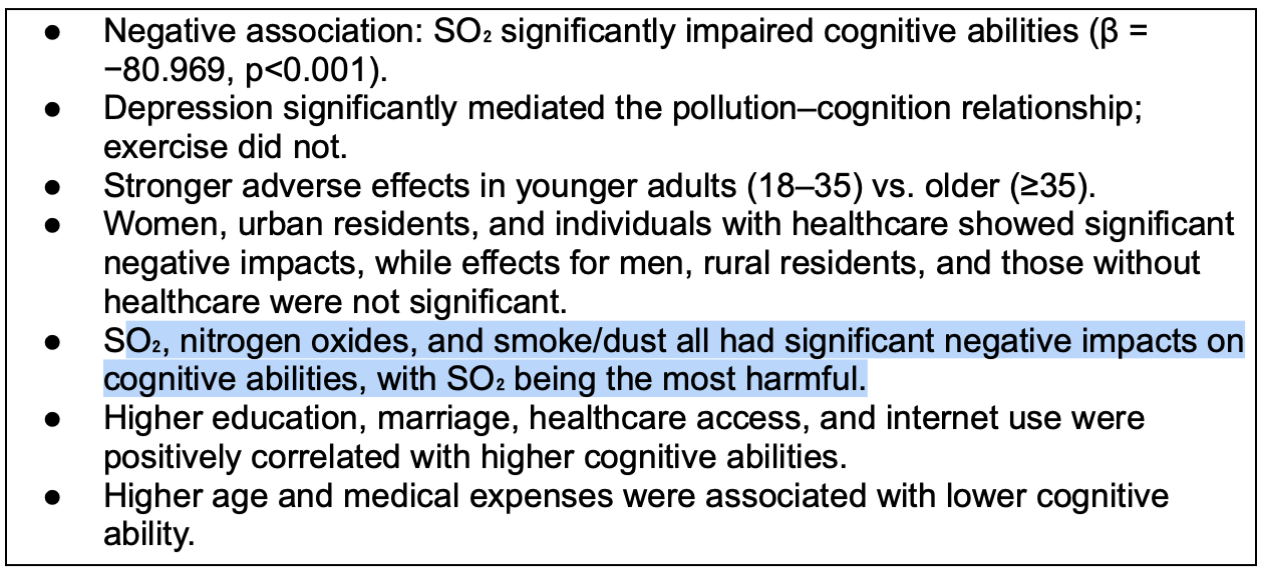
SO₂-induced oxidative stress and inflammation can influence neurotransmitter balance, especially those connected to emotional regulation, such as serotonin and dopamine. This explains why prolonged SO₂ exposure correlates not just with breathing issues, but also with symptoms like emotional instability and cognitive fatigue.
Do you know what the safe exposure limit for sulphur dioxide is?
Here’s the recommended level you should be mindful of.

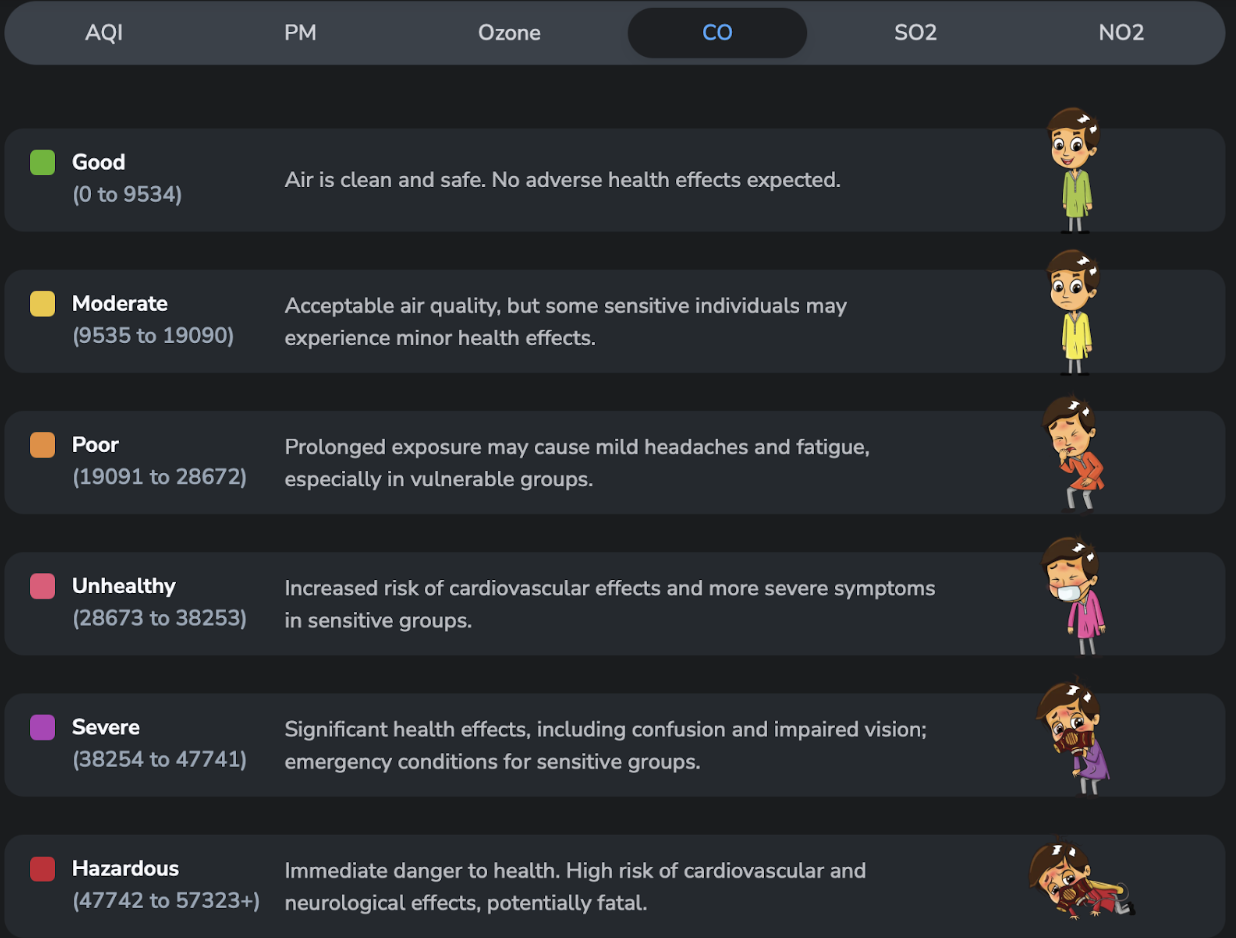
4. Carbon Monoxide (CO): Carbon monoxide often flies under the radar because it’s odorless and invisible. Yet it plays an enormous role in shaping emotional and mental states.
CO binds to hemoglobin more readily than oxygen, reducing the oxygen-carrying capacity of blood. When the brain receives less oxygenated blood, even slightly, mood regulation, memory formation, and emotional balance begin to shift.
Ever wondered what the safe threshold for carbon monoxide exposure really is?
Take a look at the benchmark levels below.
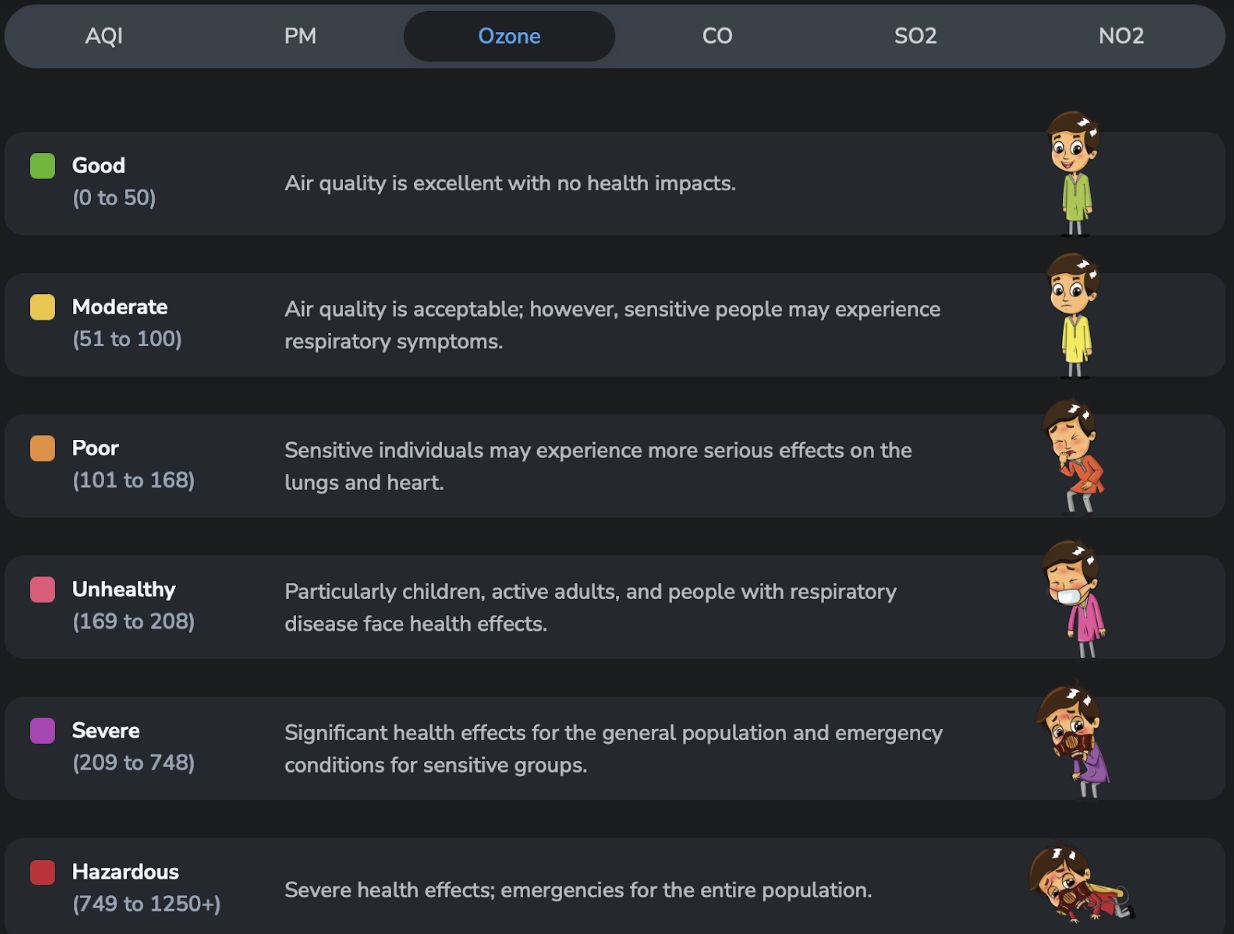
5. Volatile Organic Compounds (TVOCs): Volatile organic compounds are chemicals emitted from paints, cleaning agents, industrial solvents, and household products. Higher TVOC exposure correlates with increased anxiety, neurobehavioral changes, and depressive symptoms.

TVOCs can influence the central nervous system through oxidative pathways, disrupting neural signaling and increasing stress hormone activity. This is especially concerning because many people are exposed to TVOCs indoors, believing their home is a safe haven from outdoor pollution.
Curious about the acceptable concentration of VOCs in the air you breathe?
Here’s the range considered safe for daily living.
How Air Pollution Reaches and Impacts the Brain?
Most people think of the brain as something securely sealed away, shielded by the skull, the blood–brain barrier, and layers of biological intelligence designed to protect it. But what many don’t realise is just how porous these protections become when the air we breathe is saturated with microscopic pollutants. The pathways are precise, biological, and increasingly well-studied, and they explain why air pollution and brain health are now spoken about in the same breath by neuroscientists, epidemiologists, and mental-health researchers across the world.
Let’s understand them:
The Direct Highway: Nose → Olfactory Nerve → Brain
One of the most striking discoveries in modern pollution research is how fine particles like PM2.5 can bypass the body’s most important defense systems and move straight into the central nervous system. Because the olfactory nerve sits at the interface of the external environment and the brain, it becomes a direct entry point for inhaled pollutants. Ultrafine particles can lodge themselves within the nasal cavity, travel along the olfactory bulb, and enter areas of the brain responsible for memory, learning, and emotional regulation.
Once these particles gain access to the brain, they can initiate micro-inflammation and interfere with synaptic communication, both of which have been linked to cognitive decline in several international cohort studies.
This explains why air pollution affects mental health in such tangible ways; irritability, mood fluctuations, difficulty concentrating.
The Blood Route: Lungs → Bloodstream → Brain
A second pathway is through the circulatory system. When pollutants like PM2.5, nitrogen dioxide, sulfur dioxide, and carbon monoxide enter the lungs, they cross into the bloodstream and circulate through the body. Because the brain relies on a constant supply of oxygen-rich blood, anything that travels in the bloodstream eventually influences the brain’s internal environment.
Due to this, three major biological effects triggered by polluted air:
1. Neuroinflammation
Pollutants activate inflammatory mediators that can cross the blood–brain barrier or disrupt its integrity. Chronic neuroinflammation is now recognised as a contributing factor to cognitive impairment and neurodegenerative changes.
2. Oxidative Stress
Pollutants generate reactive oxygen species (ROS) that overwhelm the brain’s antioxidant systems. Excess oxidative stress can damage neurons, accelerate cellular aging, and impair memory pathways.
3. Vascular Dysfunction
Air pollutants reduce endothelial function and impair cerebral blood flow. Long-term exposure to NO₂ and NOx increases the risk of vascular dementia.

The Chronic Stress Pathway: When Polluted Air Alters Emotional and Mental Balance
The third pathway is less discussed: pollution-induced stress. Indoor exposure to PM10, carbon monoxide, carbon dioxide, and other pollutants significantly increased symptoms of anxiety and depression, with individuals experiencing anxiety in households where AQI levels were only moderate.
Polluted air doesn’t just affect breathing, it affects how we feel, think, and manage stress. Chronic exposure triggers:
- Heightened sympathetic nervous system activity
- Increased cortisol levels
- Disrupted neurotransmitter balance
- Reduced emotional regulation capacity
Evidence Across Life Stages
One of the most eye-opening lessons from the scientific literature is this: air pollution doesn’t affect everyone the same way. Its influence shifts across life stages, shaping us long before birth and continuing into our later years. This helps us understand not just what polluted air does, but when it does the most harm, and why air pollution and brain health cannot be separated in any serious health conversation today.

A. Pregnancy & Infancy: Where Lifelong Brain Health Begins
During pregnancy, the developing fetus receives oxygen, nutrients, and environmental cues through the mother’s bloodstream. When PM2.5 levels rise, so does the burden on fetal development. Prenatal exposure to PM2.5 significantly increased the risk of low birth weight, small-for-gestational age infants, and preterm birth.
These outcomes matter because early growth restriction is linked to altered neurodevelopment, slower cognitive milestones, and higher susceptibility to emotional dysregulation later in life.
Every 10 µg/m³ increase in PM2.5 raised neonatal mortality by 1.6%, with female infants experiencing the strongest effects. Mortality is only the beginning of what polluted air can influence; subclinical changes, like reduced brain volume or altered neural connectivity, often go undetected yet shape a child’s cognitive capacity for years.
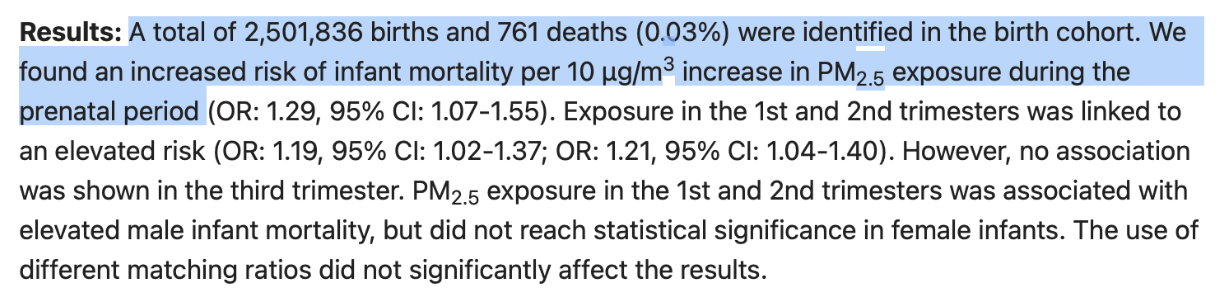
Even before a child takes that first breath, the air the mother breathes is already influencing brain development, emotional resilience, and long-term cognitive potential.
B. Children & Adolescents: The Most Vulnerable Brain
Childhood and adolescence represent a period of rapid brain growth. Neurons are forming new connections, pruning old ones, and laying down the foundations for executive function, emotional regulation, and memory. Persistent exposure to air pollution was associated with lower academic performance, reduced cognitive ability, attention problems, and even higher substance-use risk during adolescence.
C. Adults: The Quiet Onset of Cognitive Decline
Unlike children, adults may not notice the immediate effects of polluted air. But subtle changes accumulate over time. Long-term exposure to PM and ozone correlates with poorer cognitive function. These effects often manifest as slower recall, reduced mental clarity, weaker attention control, and heightened irritability, all subtle signs of how air pollution and brain health remain intertwined across adulthood.
Adults often attribute these symptoms to overwork, stress, or aging, without realising that the environment around them may be shaping their mental sharpness and emotional composure.

D. Older Adults: The Strongest Link to Dementia
The later years of life reveal the most well-established evidence connecting pollution to neurodegeneration. The UK Biobank analysis of 437,932 participants, included in your research, found that long-term exposure to PM2.5 and nitrogen oxides significantly increased the risk of all-cause dementia and Alzheimer’s disease.
The SNAC-K study from Sweden demonstrated that PM2.5 exposure increased the risk of cognitive impairment (CIND) by 1.75 times for every 1 µg/m³ increase, and nearly doubled the progression from mild impairment to dementia (HR 1.90)

Simple Daily Steps That Protect Your Brain
It’s easy to feel overwhelmed when we look at the data on air pollution and brain health. The impact is not fixed. The brain is remarkably adaptable. Neural pathways can regenerate, inflammation can settle, oxidative stress can be reduced, and cognitive strength can be rebuilt.

Pollution is real, yes, but so is your capacity to strengthen your internal environment. While we cannot always control the air outside, we can absolutely influence how our mind and body respond to it.
Let’s see how.
1. Indoor Air Protection: Strengthen the Air You Breathe Most Often
Improving the air inside your home is one of the most impactful steps you can take for your emotional and cognitive resilience.
- Ventilation That Works for the Brain: Cross-ventilation reduces stagnant pollutants that impair concentration and elevate stress pathways. When the brain receives cleaner indoor air, neuroinflammation reduces, and mental clarity improves.
- Natural Purifiers: Plants are not a cure, but they do help regulate indoor humidity and absorb some VOCs. Peace lilies, money plants, and spider plants can support indoor air profiles. Salt lamps may reduce particulate accumulation in micro-environments, although benefits remain modest. These tools aren’t solutions by themselves, they are supportive layers.
- Reduce Indoor Pollutant Sources: Pollutants from incense, candles, aerosol sprays, cleaning chemicals, and frying residue accumulate quickly. CO and PM10 from indoor combustion significantly affect emotional and cognitive balance. Reducing these triggers cuts down neurotoxic load on the brain.
- Keep Humidity Balanced: Balanced humidity prevents mold formation, which can release mycotoxins, substances known to affect cognition and mood. Stability in humidity supports better respiratory function and indirectly supports mental stability.
2. Lifestyle Tools That Strengthen Cognitive Resilience
These aren’t medical treatments, they are daily practices that fortify your internal environment and help the brain stay steady despite external pollution.
- Omega-3 Rich Foods for Cognitive Stability: Omega-3 fats like fish and other seafood (especially cold-water fatty fish, such as salmon, mackerel, tuna, herring, and sardines), nuts and seeds (such as flaxseed, chia seeds, and walnuts), support neuronal integrity, reduce inflammation, and strengthen neurotransmitter signalling. Since pollutants like PM2.5 and NO₂ trigger oxidative stress and inflammation. Omega-3s form a foundational protective layer for brain health.
- Antioxidant-Rich Foods to Counteract Oxidative Damage: Pollution increases free radicals and weakens the body’s natural antioxidant defence systems. Foods rich in polyphenols, flavonoids, and vitamins, berries, nuts, greens, turmeric, help neutralize this biochemical stress and support neural repair.
- Hydration for Cellular Balance: Proper hydration supports blood viscosity, oxygen delivery, and lymphatic cleanse, functions that become even more essential when pollutant exposure thickens the blood and strains circulation.
- Deep Breathing to Reset the Nervous System: Slow, diaphragmatic breathing reduces sympathetic overactivation, something polluted air often triggers, allowing the vagus nerve to restore calm, emotional stability, and mental clarity.
- Yoga to Enhance Lung Capacity: Yoga improves lung efficiency and promotes better oxygen exchange, both of which counteract the respiratory strain caused by pollutants. It also stabilises stress circuits and supports executive function.
- Mindfulness to Protect Higher-Order Brain Functions: Pollutants impair prefrontal cortex regulation, the region responsible for mood, focus, and decision-making. Mindfulness like active journaling, positive affirmation, strengthens these neural pathways through consistent self-regulation and improves emotional resilience.
- Deep Sleep: Deep sleep is one of the most important tools for cognitive protection, especially when air pollution is high. During slow-wave sleep, the brain’s glymphatic system clears metabolic waste, reduces neuroinflammation, and restores synaptic function. When deep sleep is compromised, pollution-induced oxidative stress and inflammatory markers remain elevated. When deep sleep is supported, the brain regains clarity, emotional balance, and cognitive sharpness despite environmental challenges.
Supporting deep sleep, through consistent routines, reduced screen time, early dinners, and calmer evenings, is one of the most powerful ways to buffer the neurological impact of polluted air.
3. Outdoor Behavior: Smart Lifestyle Tweaks That Protect the Brain
These small adjustments significantly reduce exposure without restricting your freedom:
- Check the AQI Before Stepping Out: AQI fluctuations have measurable effects on cognitive performance, mood, and emotional regulation. Awareness allows you to adjust outdoor duration or intensity.
- Mask Up on High AQI Days: Well-fitted N95 masks reduce the intake of the particulate pollutants that are most strongly linked to cognitive impairment and emotional instability.
- Avoid Early Mornings During Winter: Consistently elevated PM2.5 levels during early mornings in winter months, when pollutants are trapped closer to the ground. Shifting outdoor activity by just one or two hours can significantly lower exposure.
We Took This Plea to the Supreme Court
There comes a moment in every public-health journey when advice is no longer enough. After years of working with patients, from newborns to older adults, it became impossible to ignore one truth: we are losing more than clarity, lung function, and emotional balance to polluted air. We are losing years of life, dignity, and the foundational right to breathe safely.
As the data continued to deepen, and as we saw how strongly air pollution affects mental health, immunity, child development, respiratory health, cardiovascular stability, and overall well-being, it became clear that this is not just a scientific issue. It is not even just a medical issue. It is a constitutional issue.
This is why we filed a Public Interest Litigation (PIL) in the Supreme Court of India as an act of responsibility.
Why This Step Became Necessary?
Every dataset we analysed revealed a message that could no longer be ignored: the effect of air pollution on human health is far more severe and far more widespread than what policy, healthcare systems, or public discourse currently acknowledge. We cannot continue treating this as a seasonal inconvenience or an environmental footnote. In every clinic, every community, and every age group, the burden is visible.
At some point, we must choose action over observation.
Therefore, this petition asks the Supreme Court to acknowledge the crisis for what it is, a national public-health emergency, and to demand measurable, enforceable action. It calls for stronger monitoring systems, realistic timelines for pollution reduction, accountability mechanisms, transparent funding, support for cleaner fuels, better protection for rural and indoor environments, and structured health surveillance to track the true toll of polluted air on our population.
Who This PIL Represents?
This is not a petition filed on behalf of one individual or one organisation.
It represents:
- Infants inhaling polluted air before their first word
- Children whose cognitive potential is being shaped by toxic exposure
- Adults struggling with declining mental energy and emotional balance
- Seniors fighting breathlessness, heart strain, and neurodegeneration
- Families watching loved ones fall sick far too early
And millions of people who may never step inside a courtroom, yet breathe the consequences every day
It represents every Indian whose right to clean air is being compromised with every inhale.
How You Can Be Part of the Change
A movement only grows when people carry its message forward.
You can help by speaking up, sharing trusted information, and holding space for conversations about our right to clean air. When enough voices rise, policy follows. When communities care, leaders listen. When citizens demand better, systems shift.
Every Breath Is a Right We Must Protect
As a nation, we have reached a crossroads. The air that was once a silent, life-giving force has become a daily challenge, one that affects our lungs, our hearts, our children’s development, and the very clarity with which we think, feel, decide, and show up in the world.
Every change we make, whether it is improving indoor air, choosing cleaner routines, supporting community efforts, practising lifestyle habits that build internal resilience, or demanding systemic accountability, shifts the needle. Every voice raised for clean air strengthens this movement. Every informed citizen becomes part of the solution.
If polluted air can silently weaken a population, then cleaner air can just as powerfully uplift it.
Disclaimer: This blog is intended for educational and awareness purposes only. It is not a substitute for professional medical advice, diagnosis, or treatment. The information shared here is based on current research, scientific evidence, and experiential insights, but individual responses to air pollution, lifestyle practices, and wellness recommendations may vary. Always consult your physician or qualified healthcare provider regarding any questions you may have about your health, medical conditions, or the impact of environmental exposure. Any references to studies or reports are provided to enhance understanding and should not be interpreted as definitive medical guidance.
Pollution may be part of our reality today, but it doesn’t have to dictate the quality of your health.
If you’re ready to take charge of your lifestyle, your energy, and your cognitive well-being, we’re here to walk that journey with you.
Set up a one-on-one consultation with our integrative team or explore our Wellness Programs to optimize your lifestyle goals.
Reach out to us at 1800 102 0253 or write to us at consults@lukecoutinho.com.

Start Your Wellness Journey
Feeling inspired to take the next step in your wellness journey? Connect with us to explore how our tailored programs can support your health journey. Your transformation is just a conversation away.