No products in the cart.
Think back to a humble, home-cooked meal — the kind your mother or grandmother would whip up in minutes, with love and instinct. Maybe it was a lightly spiced cabbage sabzi with roti, a crunchy slaw on the side, or a simple cabbage paratha on a rushed school morning. Nothing fancy, but deeply satisfying. Cabbage was always there — reliable, nourishing, quietly doing its job.
Today, while supermarkets overflow with imported superfoods, cabbage sits patiently in the corner of local mandis and refrigerators. Affordable, unassuming, and deeply rooted in our culture, it’s one of the most underrated vegetables when it comes to nutrition and versatility.
But here’s the truth we’ve seen in practice: cabbage isn’t just filler — it’s functional. It’s rich in fiber, vitamins, and antioxidants that support digestion, liver health, immunity, and more. It’s gentle on the gut, accessible to every household, and ideal for daily meals across seasons.
Let’s bring cabbage back to our plates — with intention, tradition, and a fresh appreciation for its quiet power.
Cabbage Nutrition: What It Offers at a Cellular Level
Cabbage isn’t flashy, but it quietly delivers a nutritional punch that few vegetables can match. It belongs to the cruciferous family—alongside cauliflower, broccoli, and kale—and shares many of their cellular benefits, minus the steep price tag or foreign origin.
Let’s break down why it deserves a regular spot on your plate:
Vitamins in Cabbage
- Vitamin C: Enhances immunity, supports collagen production, and acts as a potent antioxidant.
- Vitamin K: Essential for blood clotting and bone health. A single cup of shredded cabbage can meet up to 85% of your daily Vitamin K needs.
- Folate & B6: Support red blood cell formation, energy metabolism, and are especially important for women of reproductive age.
Mineral Rich, Low-Calorie
- Potassium, calcium, magnesium, and manganese — all present in small but meaningful amounts that work synergistically for nerve function, bone health, and blood pressure regulation.
- Despite its nutritional density, cabbage is low in calories (~22 kcal per cup), making it ideal for weight-conscious plans or therapeutic protocols like inflammation management or hormonal balancing.
Gut and Cellular Support
Cabbage is rich in glucosinolates — sulfur-containing compounds that have shown promise in supporting liver detox pathways and modulating inflammation. These break down into indole-3-carbinol and sulforaphane, both studied for their protective effects on DNA and cellular health.
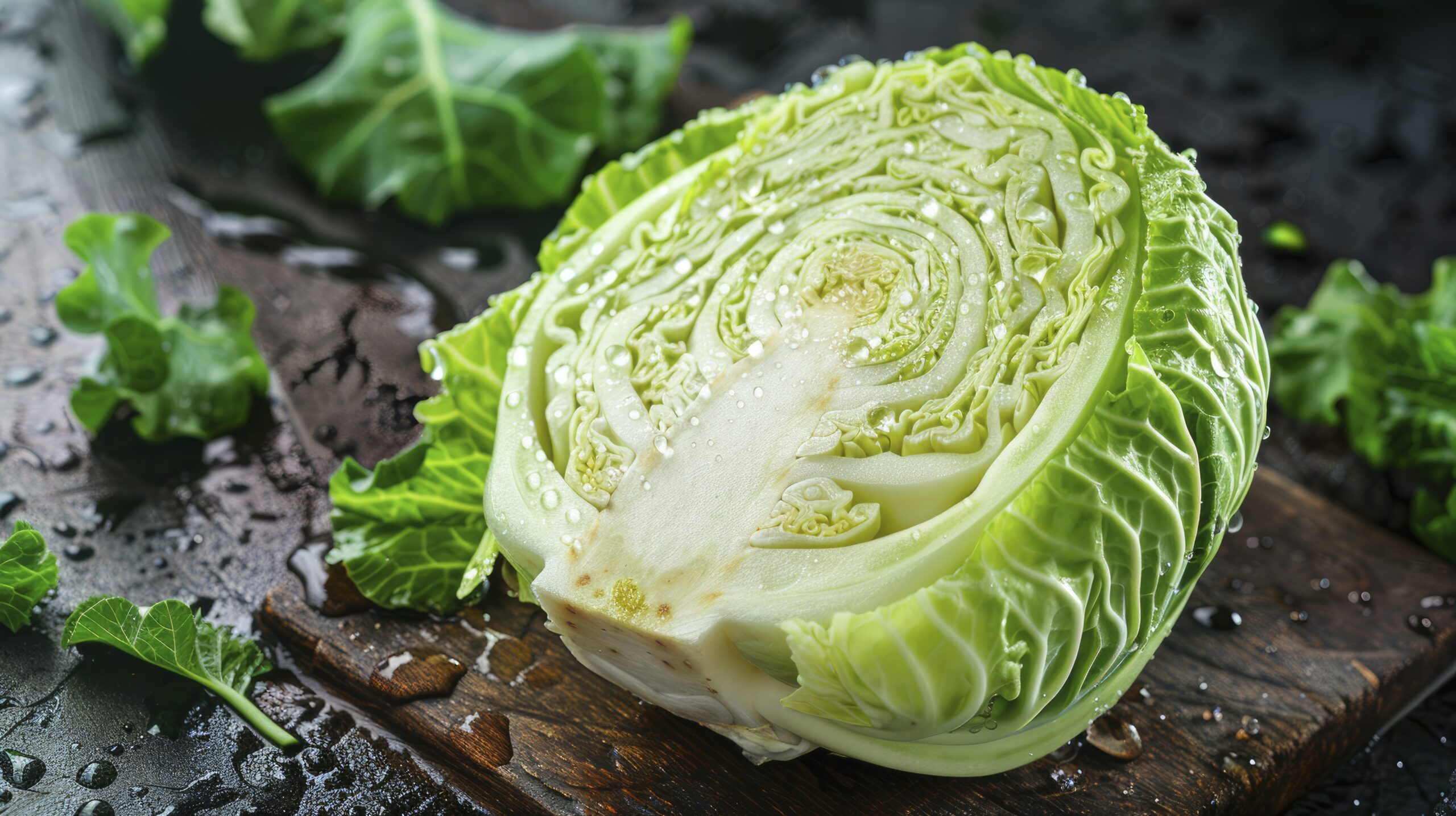
Image by Freepik
Nutrition Snapshot (per 100g raw cabbage)
Beyond numbers, what we’ve seen in practice is this: when included regularly, cabbage helps reduce bloating, supports gut motility, and offers a protective layer to people with compromised digestion.
| Nutrient | Approx. Value |
| Calories | 22 kcal |
| Vitamin C | 36.6 mg |
| Vitamin K | 76 mcg |
| Folate | 43 mcg |
| Vitamin B6 | 0.12 mg |
| Potassium | 170 mg |
| Calcium | 40 mg |
| Magnesium | 12 mg |
| Fibre | 2.5 g |
It’s not just what cabbage contains — it’s how gently it works with the body, without demanding much in return.
Disclaimer: While cabbage is packed with nutrients and offers a host of health benefits, moderation is key. Eating large quantities—especially raw—may cause gas or bloating in sensitive individuals due to its high sulphur and fibre content. Always listen to your body, and if you’re managing thyroid issues or gut sensitivities, speak to a healthcare provider before making it a daily staple.
Health Benefits of Cabbage: A Functional Food for Everyday Wellness
Crisp, comforting, and quietly powerful—cabbage is far more than a filler on your plate.
Across our 14+ years of client work, we’ve seen this humble vegetable help in managing gut issues, hormonal imbalances, and even supporting cancer recovery. The health benefits of cabbage aren’t hype—they’re backed by its deep-rooted role in cellular nourishment.
Here’s what makes cabbage a functional food worth revisiting:
Gut Health and Digestion
Cabbage’s high fibre and water content promote regular bowel movements and help soothe inflamed gut linings. Fermented forms like sauerkraut act as gentle probiotics, improving microbial diversity and digestion, especially useful for those with weak appetites, acidity, or post-antibiotic recovery.
Hormonal and Liver Support
Cabbage belongs to the cruciferous vegetable family, which includes broccoli, kale, and cauliflower. These are rich in compounds like indole-3-carbinol and sulforaphane, known to support liver cleansing pathways. This becomes particularly important in hormonal imbalances—like Polycystic Ovary Syndrome (PCOS), perimenopause, or Premenstrual syndrome (PMS)—where sluggish liver function can worsen symptoms.
Anti-Inflammatory and Immune Boosting
Cabbage is naturally rich in antioxidants like Vitamin C, glutamine, and anthocyanins (especially in red cabbage). These compounds help reduce inflammation, enhance immune responses, and protect cellular DNA. Many clients have found that including cabbage regularly has improved their resilience during seasonal changes.
Metabolism and Weight Balance
Its low-calorie, high-fibre profile supports satiety and smooth metabolism. Cabbage can be incredibly helpful for individuals managing insulin resistance, water retention, or sluggish digestion.
Cancer-Protective Properties
A growing body of research highlights cabbage’s role in cancer prevention, thanks to its sulforaphane content—a compound studied for its ability to activate detox enzymes and inhibit cancer cell growth. While not a cure, adding cruciferous vegetables like cabbage as part of a holistic food plan may offer long-term protective benefits.
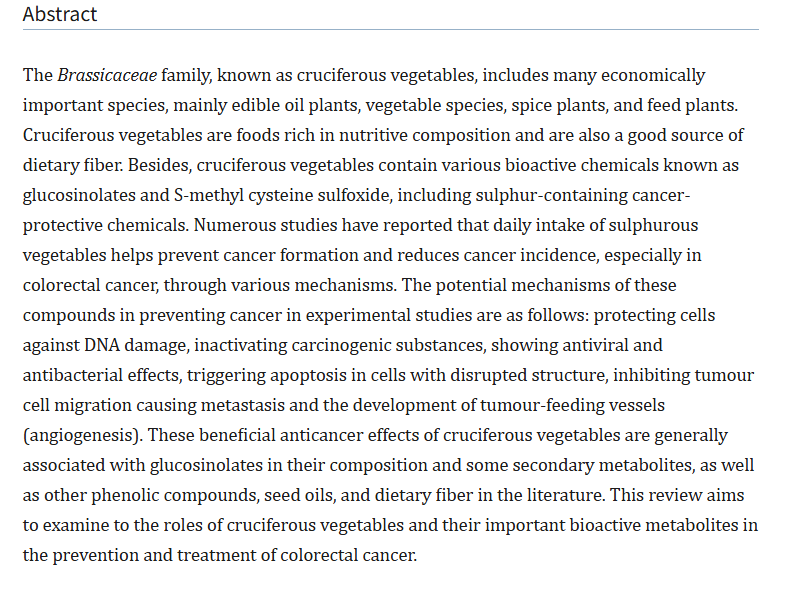
Source: Ağagündüz, D., Şahin, T. Ö., Yılmaz, B., Ekenci, K. D., Özer, Ş. D., & Capasso, R. (2022). Cruciferous Vegetables and Their Bioactive Metabolites: From Prevention to Novel Therapies of Colorectal Cancer. Evidence-Based Complementary and Alternative Medicine : ECAM, 2022, 1534083. https://doi.org/10.1155/2022/1534083
Types of Cabbage: A Spectrum of Flavour and Function
Cabbage isn’t just one vegetable—it’s a whole family of leafy wisdom. From the familiar green cabbage in Indian kitchens to the vibrantly hued red and the delicate Savoy, each type offers something unique to your plate and your health.
Here’s how to tell them apart—and why you might want to rotate them through your meals:
Green Cabbage
The most common and versatile, with tightly packed pale-green leaves. Great for sabzis, stir-fries, and soups. It has a slightly peppery bite when raw, but softens beautifully when cooked.
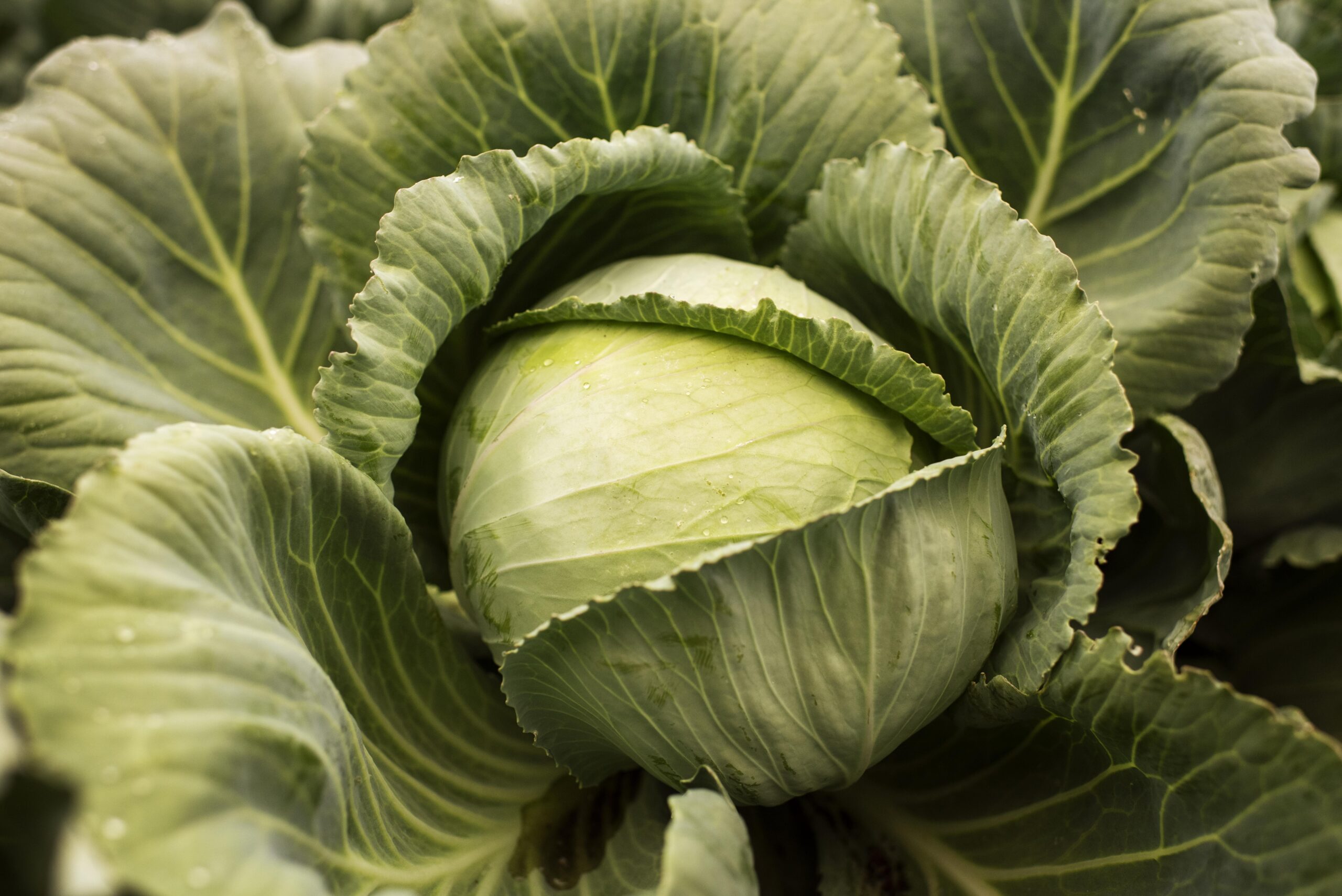
Image by Freepik
Savoy Cabbage
A textured variety with ruffled leaves and a mild, earthy flavour. More tender than the others, making it ideal for gentle sautéing or using as wraps for stuffed cabbage rolls.
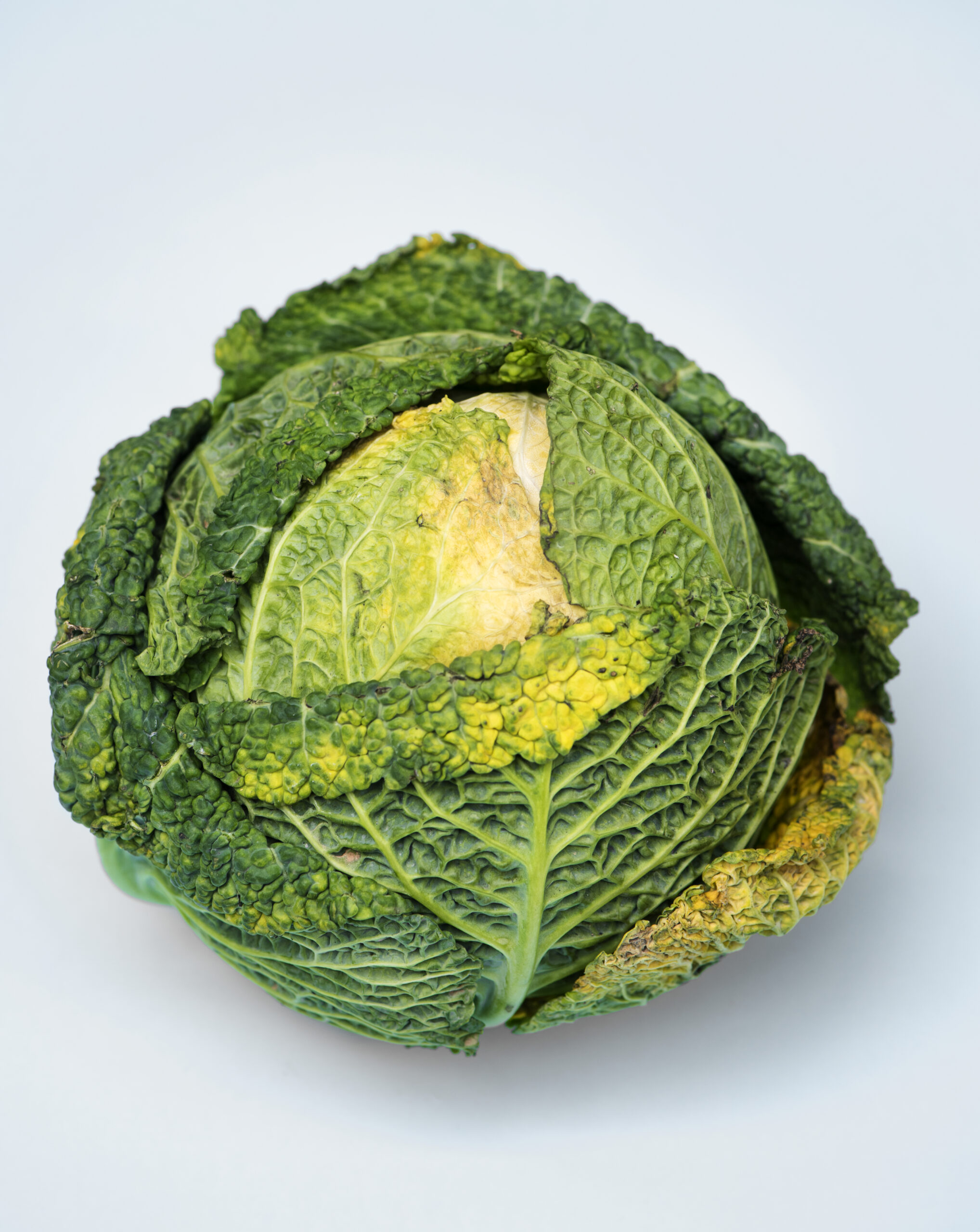
Image by Freepik
Red Cabbage
Known for its deep purple-red hue and antioxidant richness—thanks to anthocyanins. Adds crunch and colour to salads, slaws, and wraps. Slightly tougher texture; benefits from steaming or pickling.

Image by Freepik
Napa Cabbage (Chinese Cabbage)
An elongated, soft-leaf variety often used in East Asian dishes. Mild in taste, it works well in stir-fries, kimchi, or brothy soups.
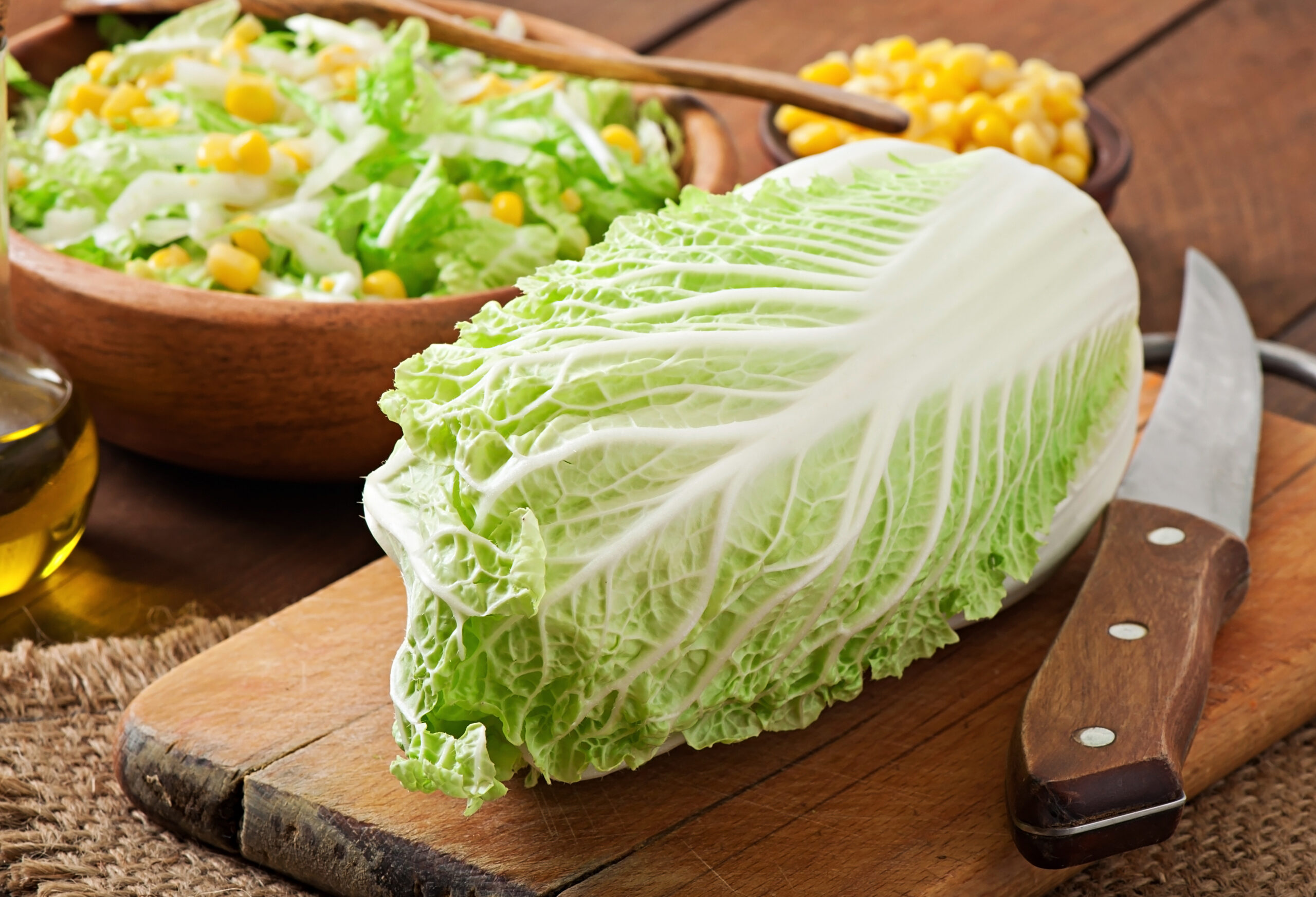
Image by Freepik
Buyer’s Tip: How to Choose Good Quality Cabbage
Always pick cabbages that feel firm and heavy for their size. Avoid ones with wilted, bruised, or slimy outer leaves. If you’re buying cut cabbage, make sure the core isn’t browning. Organic, seasonal, and locally grown options are your best bet to avoid pesticide residues and chemical ripening agents that are unfortunately rampant in commercial markets.

Image by Freepik
Cabbage is not just what you buy—it’s how you treat it. A good wash, mindful prep, and fresh pairing can transform this humble head into a healing dish.
Who Should Eat Cabbage, and Who Should Be Cautious?
Cabbage may be humble, but it’s remarkably functional. That said, like every food, it’s not a one-size-fits-all ingredient. Here’s how to assess whether cabbage fits your plate:
Who May Benefit from Cabbage?
- Those healing the gut: Cabbage is rich in fibre and water, supporting regular bowel movements and gut lining repair. Fermented cabbage (like sauerkraut) also offers natural probiotics.
- Women in hormonal transition: As a cruciferous vegetable, cabbage supports liver detox pathways and may assist in estrogen metabolism—useful for women in perimenopause, menopause, or with PCOS.
- Immunity-conscious individuals: High levels of Vitamin C, antioxidants, and glutamine may help boost immune defense and cellular repair.
- Weight management and metabolic health: Low in calories, high in fibre, and deeply satiating—ideal for those working on weight or insulin balance.
Who Should Be Cautious with Cabbage?
- Individuals with hypothyroidism: Cabbage contains goitrogens which, in raw excess, may interfere with iodine uptake. Cooking it reduces this impact, so light steaming is preferable.
- Those prone to bloating or IBS: While cabbage is fibrous and nourishing, it can be gas-forming for sensitive guts. Try cooked forms first, and pair with carminatives like ajwain or fennel.
- People on blood thinners: Due to its high vitamin K content, sudden large increases in cabbage intake may interfere with anticoagulant medications. Always consult your doctor.
Ultimately, we need to respect our bio-individuality. Cabbage is a powerful food, but its effects depend on how—and when—you eat it.
Integrative Strategies: When and How to Eat Cabbage for Maximum Benefit
Cabbage is versatile, but how you eat it can determine whether it heals or harms.
From our clinical experience, cabbage can be a functional addition to most nutrition plans if timing, preparation, and personal constitution are respected.
- Best time to eat cabbage?
Midday is ideal. Have it for lunch or early dinner when digestion is naturally stronger. Raw cabbage at night may be harder to digest and best avoided if you’re prone to bloating or acidity.
- Smart pairings for better digestion:
Spices like ajwain (carom seeds), fennel, cumin, ginger, and hing (asafoetida) can reduce the gas-forming properties of cabbage. These are time-tested aids that make a big difference for sensitive guts.
- How to prep it right:
Chop and soak cabbage in filtered water with a pinch of turmeric and sea salt for 10–15 minutes before cooking—this reduces potential irritants and pesticide residue. Lightly steam, sauté, or stir-fry instead of overcooking to retain nutrients.
- Bio-individuality matters:
If you have thyroid issues, stick to cooked forms in moderation. If you’re prone to gas, combine cabbage with warm spices and avoid combining it with other cruciferous veggies in the same meal.
Cabbage can be deeply nourishing—but it’s not one-size-fits-all. Listening to your body makes all the difference.
Tailor-Made Ways to Add Cabbage to Your Nutrition Plan
Cabbage isn’t just healthy—it’s beautifully versatile.
Whether it’s steaming on a tawa or soaking in a jar of kanji, cabbage finds a place in kitchens across the world. We’ve seen clients thrive not just from what they eat, but how they eat it—cooked gently, paired wisely, and aligned with their digestive needs. Here are some delicious, functional ways to work this powerhouse into your everyday meals:
Indian-Style Cabbage Recipes
From the humble cabbage sabzi tempered with mustard seeds and curry leaves, to stuffed cabbage parathas paired with jeera raita, there’s no shortage of rooted, regional ways to enjoy this vegetable. Light stir-fries with ginger, garlic, and green peas make for quick weekday lunches. Add a dash of ajwain or hing if you’re prone to gas.
Fermented Favourites
Want gut-healing magic? Try homemade kanji—a probiotic-rich drink made with shredded cabbage, mustard seeds, black salt, and water, fermented in the winter sun. Or go global with sauerkraut, a tangy, lacto-fermented condiment that pairs beautifully with soups, dals, and roti for an extra digestive boost.
Cooked vs. Raw: What Works When?
Raw cabbage (like in slaws or salads) is best for those with strong digestion. Lightly steamed or sautéed cabbage is gentler for sensitive guts or during recovery. We often advise clients to start with lightly cooked and slowly explore raw forms once digestion improves.
What About Cabbage Juice?
Cabbage juice has been explored in Ayurvedic and naturopathic circles for its role in ulcer healing and gut lining repair, thanks to its glutamine content. But it’s potent—so we recommend using it only under guidance and in small amounts. Always prioritize whole, fibrous forms first.
Whatever the method, remember: how you cook your food can be as healing as what you cook.
Cabbage Myths and Misunderstandings: What You Should Know
It’s time to set the record straight on this humble crucifer.
We’ve heard it all—“Cabbage causes gas,” “It’s bad for the thyroid,” “It’s not for sensitive guts.” But over the years, our clinical observations and research tell a more nuanced story.
- Is cabbage goitrogenic?
Yes, but only in excess and in its raw form, particularly for those with hypothyroidism. Light cooking—steaming, sautéing, or stir-frying—can reduce goitrogenic compounds significantly. Moderation and mindful prep matter more than fear.
- Is cabbage bad for IBS?
Not necessarily. Raw cabbage may trigger symptoms in some, but cooked cabbage with carminative spices like ajwain, ginger, or hing can actually support digestion. Always observe how your body responds.
- Does cabbage cause gas?
It can, especially if your gut is compromised. But that’s a sign to strengthen digestion, not avoid the vegetable altogether. Start with small, well-cooked portions and build from there.
Final Word: Small Vegetable, Big Benefits
Cabbage may not be the trendiest vegetable in your kitchen, but it’s one of the most dependable. It doesn’t need fancy packaging or exotic status to earn a place on your plate. From grandmothers making humble sabzis to functional doctors recommending cruciferous cleanses, cabbage has stood the test of time—for good reason.
It supports your gut, nurtures your liver, balances hormones, and delivers essential cellular nutrition—all while being affordable and accessible. Whether you enjoy it raw in moderation, sautéed with spices, or fermented into healing kanji or sauerkraut, this leafy green adapts to your needs.
So, if you’re building a long-term plan for better health—not just short-term fixes—cabbage deserves a spot. Treat it with the respect it’s earned. Prepare it mindfully. Tune into how your body responds. And remember: sometimes the most powerful foods aren’t the ones trending on social media—they’re the ones quietly working on your plate, meal after meal.
A little cabbage can go a long way. Just make it work for you.
If you’re unsure how to tailor cabbage to your nutritional needs—whether for gut health, hormone balance, or gentle cleansing—our integrative team can help.
Book a one-on-one consultation with our experts to receive a personalized food and lifestyle plan rooted in bio-individuality.
Write to Us at [email protected]
Call us at Toll Free 1800 102 0253
Disclaimer: This blog is for general informational purposes only and not a substitute for medical advice. While cabbage can be a beneficial part of many food plans, its effects may vary depending on individual health conditions like thyroid issues, IBS, or certain digestive sensitivities. Always consult your healthcare provider or integrative expert before making significant dietary changes.