No products in the cart.
Vitamin B is important. That much is widely accepted. So is the need for Vitamin D. But what if the real challenge isn’t in having these vitamins, but in using them?
Think about it.
You wouldn’t assess the health of a tree by only checking its leaves. You’d examine its roots, the richness of the soil, whether sunlight is reaching it, and if water is being absorbed, not just poured.
So why do we judge our nutritional status based solely on what appears on a lab report?
Many people are told their vitamin levels are ‘within range,’ yet they continue to struggle with fatigue, low mood, poor focus, or frequent illness. And in those moments, it’s easy to feel unheard or even dismissed. But the truth is, what’s showing up in your blood isn’t always what’s reaching your cells.
It’s time to unpack that hidden gap. To bring to light how and why this disconnect happens, and most importantly, how you can bridge it.
Let’s go deeper into what your body might really be telling you, beyond the numbers, and why understanding how vitamins function matters more than just measuring how much is present.
Why ‘Within Range’ May Not Mean ‘Working Well’
Vitamin B is important, no doubt about that. But simply seeing it show up on your blood test doesn’t always mean it’s serving your health the way it should.
The same goes for Vitamin D. You may be getting sun exposure, eating foods rich in D, or even taking alternative sources, but that doesn’t guarantee it’s being converted into its active form or reaching the cells that need it. That’s because nutritional science is more nuanced than numbers on a page, and here’s where context matters more than concentration.
Let’s break this down.
Lab Ranges Reflect Averages, Not Your Individual Needs
Most reference ranges are created using population-wide data, typically representing 95% of a tested group. But this doesn’t automatically make them a gold standard for your unique biology. A level that’s ‘normal’ for someone else may still leave you feeling fatigued, anxious, or run-down.
Take vitamin B12, for example.
A person might have a serum level of 300 pg/mL and still experience classic signs of B12 deficiency like tingling, memory lapses, or low mood.
A study published in Hong Kong Medical Journal highlights that symptoms of deficiency can occur even in the lower end of the ‘normal’ spectrum, especially in older adults and those with absorption issues.
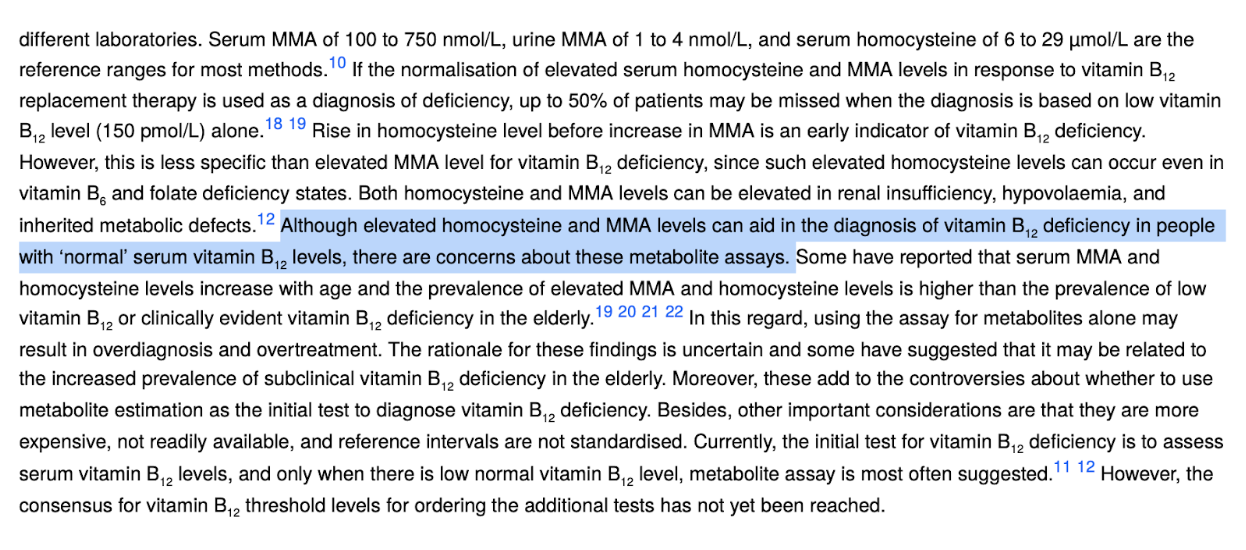
Source: Wong, C. W. (2015). Vitamin B12 deficiency in the elderly: is it worth screening? Xianggang Yi Xue Za Zhi [Hong Kong Medical Journal], 21(2), 155–164. https://doi.org/10.12809/hkmj144383
Presence Doesn’t Equal Utilization
This is perhaps one of the most important and overlooked truths in functional nutrition. Just because a vitamin is present in your blood doesn’t mean it has entered your cells or is being put to use.
Nutrients follow a chain of events before they can perform their role:
- Absorption through the digestive tract
- Activation via enzymes and co-factors (magnesium, zinc, healthy fats)
- Transport into cells
- Receptor sensitivity and metabolic demand
If any step falters, your cells may remain starved, even if your test report looks perfectly fine.
The Role of Activation: Especially Crucial for B Vitamins and D
The body doesn’t always use vitamins in the exact form you consume them. Many need to be metabolically activated. This is particularly true for:
- B6, which needs to be converted to pyridoxal-5-phosphate (P5P), its active form that your body can use. Think of P5P as the ‘switched-on’ version of B6, ready to support your brain, mood, nerves, and immune system.
- Folate (B9), which must be methylated or converted into its active form, to be usable by the body. Methylation is like flipping a switch that turns folate ‘on,’ so it can support DNA repair, cleansing, and brain function.
- Vitamin D, which relies on both liver and kidney conversion to its hormonally active form, calcitriol.
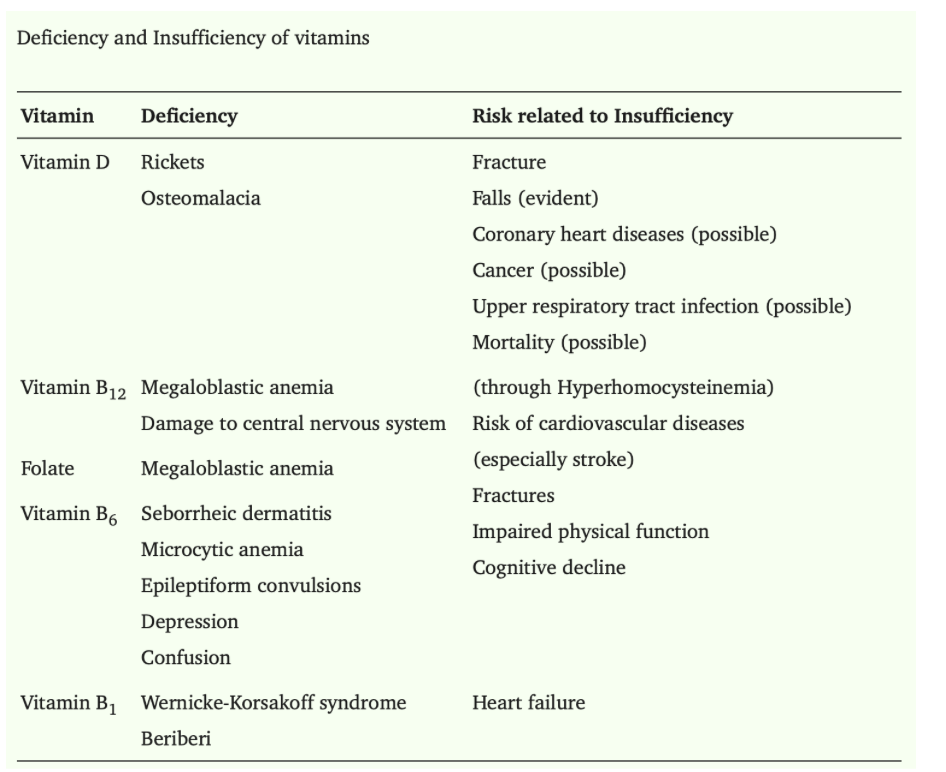
Source: Tanaka, K., Ao, M., & Kuwabara, A. (2020). Insufficiency of B vitamins with its possible clinical implications. Journal of clinical biochemistry and nutrition, 67(1), 19–25. https://doi.org/10.3164/jcbn.20-56
Vitamin B Is Important, Here’s Why You Might Be Missing the Full Picture
Vitamin B is important, not just as a group of nutrients, but as a foundational network of coenzymes that support the very processes that keep you alive and functioning, your energy, cognition, mood, digestion, immunity, and even DNA repair. Yet many of us know them only as letters and numbers, without truly understanding what each one does, how they work in synergy, and why even a marginal imbalance can leave us feeling less than our best.

Image Credits: Freepik
B vitamins are water-soluble, which means the body doesn’t store them for long. They need to be replenished regularly through foods. But beyond intake, there’s another layer to the story: form, conversion, absorption, and bioavailability, especially when lifestyle stress, gut health, genetics, and medications come into play.
Let’s explore each of the eight essential B vitamins, not just for what they are, but for how they shape your daily function. You’ll begin to see why this group of nutrients is far more than just background support:
1. Vitamin B1 – Thiamine
Thiamine plays a central role in glucose metabolism and nerve signaling. It is essential for producing adenosine triphosphate (ATP), your cellular energy currency. Even mild thiamine insufficiency is linked with fatigue, low appetite, mood disorders, and brain fog, particularly in individuals with high carbohydrate consumption or chronic alcohol intake.
2. Vitamin B2 – Riboflavin
Riboflavin is a coenzyme (a helper molecule that activates enzymes so they can do their job) involved in mitochondrial energy production. It also facilitates the activation of Vitamin B6 and the conversion of folate into its usable form.
Deficiencies, while uncommon, are often seen in vegans and those with poor protein intake. Inadequate riboflavin impairs homocysteine metabolism (the process your body uses to break down a harmful amino acid called homocysteine), which can raise cardiovascular risk, even if your folate and B12 levels are normal.
3. Vitamin B3 – Niacin
Niacin helps generate NAD+ (nicotinamide adenine dinucleotide), a coenzyme central to metabolism, DNA repair, and stress response. While the body can make some niacin from tryptophan (an amino acid), demand often exceeds supply in people with chronic inflammation or poor protein intake.
4. Vitamin B5 – Pantothenic Acid
Often overlooked, B5 is crucial for synthesizing coenzyme A (CoA), which is involved in fatty acid metabolism, hormone production (like cortisol), and cleansing pathways. Its role in adrenal function and stress resilience is only now gaining deeper recognition in the scientific literature.
5. Vitamin B6 – Pyridoxine
B6 is essential for over 100 enzymatic reactions, most notably those related to neurotransmitter production (serotonin, Gamma-aminobutyric acid (GABA), dopamine), immune signaling, and amino acid metabolism.
But here’s what many don’t realize: B6 requires magnesium to convert into its active form, P5P. Without enough magnesium or in cases of genetic variation, B6 might circulate without contributing to actual function. Deficiencies are commonly linked to PMS, low mood, and even poor dream recall.
6. Vitamin B7 – Biotin
Biotin is known for supporting hair, skin, and nail health, but it’s also critical for fatty acid synthesis and glucose metabolism. The body’s demand for biotin increases during pregnancy, and gut dysbiosis can impair its production by beneficial bacteria.
Interestingly, avidin, a protein in ethically sourced whole raw egg whites, binds to biotin and can prevent its absorption, which is why excessive raw egg intake (common in some fitness trends) can trigger subtle biotin deficiencies over time.
7. Vitamin B9 – Folate
Folate is central to DNA replication, methylation, and red blood cell formation. It’s especially important during pregnancy for fetal development and neural tube formation.
The synthetic form, folic acid, commonly added to packaged foods and supplements, needs to be converted by an enzyme called MTHFR (methylenetetrahydrofolate reductase) into methylfolate, the active form your body can use.
Think of MTHFR as a biological switch that ‘activates’ folic acid. But here’s the catch, up to 40% of people have a common variation in the MTHFR gene that slows down this conversion. This impaired conversion has been linked to issues like anxiety, low mood, chronic fatigue, infertility, and even hormonal imbalances, especially when the body is under stress or inflammation.
8. Vitamin B12 – Cobalamin
B12 supports red blood cell formation, neurological health, myelin repair, and methylation. Its absorption, however, is a complex process that depends on stomach acid, the intrinsic factor (produced in the stomach lining), and healthy gut function.
In short, B vitamins don’t work in isolation. They rely on each other and on other nutrients like magnesium and zinc to be activated and utilized. That’s why scattered or excessive supplementation without context may not always translate to better health.
So yes, Vitamin B is important, but it’s not about ticking off numbers, it’s about understanding how these micronutrients shape your energy, resilience, cognition, and immunity day after day.
And once you know this, you’re already one step closer to tuning into your body more intelligently.
The Vitamin D Puzzle: More Than Just Sunshine
The source of Vitamin D is often simplified into one of two things: sunlight or supplements. Just step out in the sun for a few minutes or pop a capsule, and you’re good to go. At least, that’s what we’ve been led to believe.
But here’s the truth: Vitamin D isn’t a one-step nutrient.
It’s a hormone-like compound that undergoes multiple conversions, needs cofactors to activate, and depends on various body systems working in sync before it can serve its purpose.
So when someone says, “Your D levels look fine,” it’s worth pausing to ask: But is it being used?
The Journey of Vitamin D: From Exposure to Activation
Let’s walk through what really happens behind the scenes when your body receives a source of Vitamin D, either through sun exposure or food:
- Sunlight Is Just the Start: When UVB rays hit your skin, they convert a form of cholesterol into Vitamin D3 (cholecalciferol). But this is just the first step. That inactive form must still be converted, first in the liver, then in the kidneys, into calcitriol, the active form your cells can use.

Image Credits: Freepik
2. Dietary Vitamin D Must Be Absorbed and That Requires Fat: Vitamin D is fat-soluble, meaning it needs dietary fat to be absorbed efficiently in the gut. Low-fat food items or impaired fat digestion can significantly reduce absorption, even if you’re getting enough through food or supplements.
3. Magnesium As the Co-Factor: Without magnesium, your body struggles to convert Vitamin D into its active form. Magnesium deficiency can hinder both synthesis and metabolism of Vitamin D. So, even with optimal sun exposure or supplementation, a low magnesium intake can stall the entire process. Interestingly, low magnesium levels are often found in people with high blood pressure, suggesting a deeper link between this vital mineral and cardiovascular health.
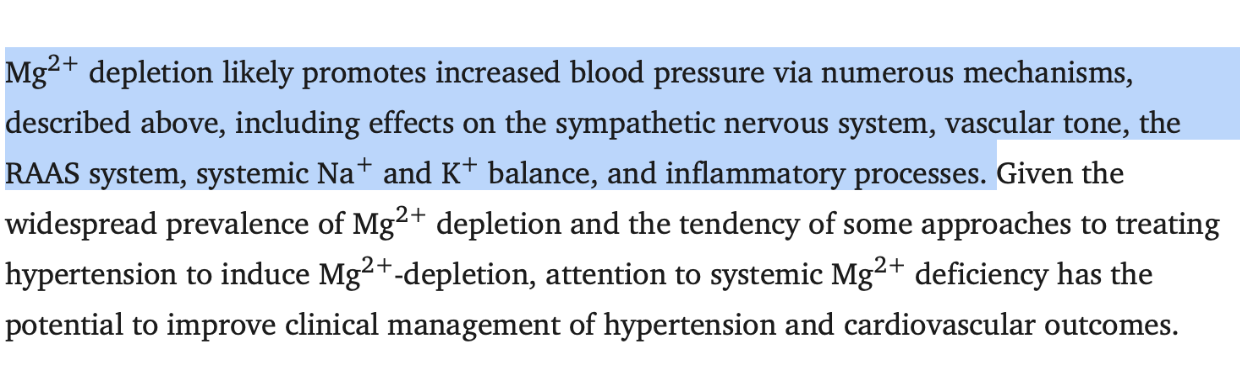
Source: AlShanableh, Z., & Ray, E. C. (2024). Magnesium in hypertension: mechanisms and clinical implications. Frontiers in physiology, 15, 1363975. https://doi.org/10.3389/fphys.2024.1363975
4. Gut Health Matters More Than We Think: Your small intestine is where most vitamin D absorption happens. If your gut is inflamed, compromised by dysbiosis, or dealing with issues like inflammatory bowel syndrome (IBS) or leaky gut, your ability to absorb even the best sources of Vitamin D drops significantly.
5. The Role of the Liver and Kidneys: Once absorbed, vitamin D is first converted in the liver to 25(OH)D (calcidiol), the form typically measured in blood tests. It’s then further activated in the kidneys to 1,25(OH)₂D (calcitriol), the biologically active hormone that helps regulate calcium, immunity, and gene expression.
It’s Not Just About ‘How Much’—It’s About ‘How Well
When we don’t feel well, physically, mentally, or emotionally, our first instinct is often to ‘do more.’ And in the world of nutrition, that often translates into high-dose supplements. We hear that vitamin B is important, or that Vitamin D improves immunity, and suddenly we’re reaching for megadoses in the hope of faster results.
But in the body, more doesn’t always mean better. When certain nutrients are taken in excess, especially without considering your current levels, cofactors, or actual need, they can shift from being supportive to burdensome.
Let’s explore this nuance, so you’re empowered to make better choices:
Vitamin B Complex: When Helpful Turns to Harmful
The B vitamins are critical for cellular energy, brain function, and nervous system health. But in supplemental form, particularly as part of high-dose B-complex capsules, they can be consumed in quantities far exceeding dietary needs. Which is why it is always important to check your levels and get supplementation if required, only under your health professional’s guidance.
The most concerning in this context are Vitamin B6 and Vitamin B3 (niacin):
- Pyridoxine (Vitamin B6): Long-term high intake, often from supplementation, has been associated with sensory nerve damage, resulting in symptoms like tingling, numbness, burning sensations, or difficulty with coordination.
- Niacin (Vitamin B3): While niacin plays a critical role in cellular metabolism and is even used in clinical settings to manage cholesterol, high doses can lead to flushing, liver toxicity, and, in rare cases, glucose intolerance or insulin resistance. The BMC Public Health reports that prolonged use of niacin above 1,000 mg per day may pose a risk to liver health, especially in individuals with underlying metabolic dysfunction.
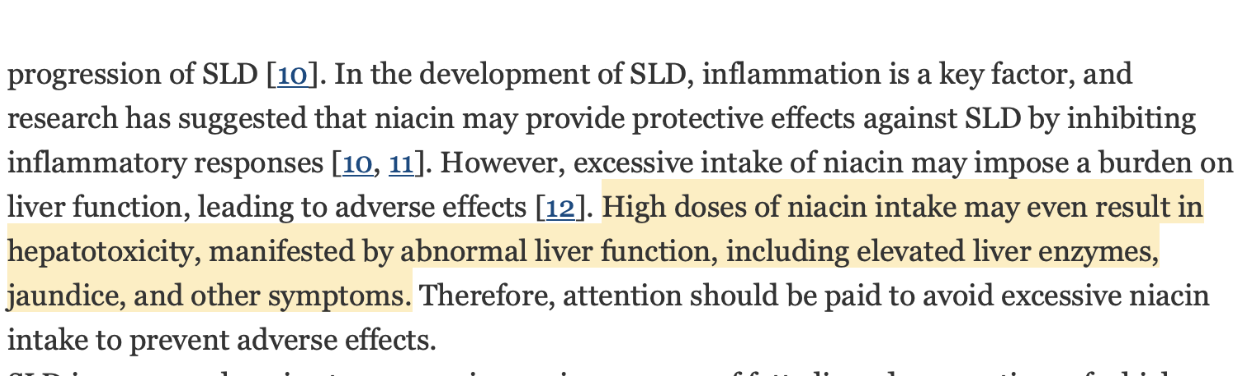
Source: Zhou, J., Han, J. Association of niacin intake and metabolic dysfunction-associated steatotic liver disease: findings from National Health and Nutrition Examination Survey. BMC Public Health 24, 2742 (2024). https://doi.org/10.1186/s12889-024-20161-0
These effects are unlikely to occur through food intake alone. They typically arise from unmonitored supplementation.
Vitamin D: The Fat-Soluble Balancer with Hidden Risks
Now let’s talk about Vitamin D, often referred to as the ‘sunshine vitamin.’ It’s essential, no doubt, but it’s also fat-soluble, meaning excess isn’t easily flushed out like water-soluble vitamins. It can accumulate over time, particularly when taken in high doses without monitoring.
So, what happens when vitamin D levels rise too high?
- Hypercalcemia: Excessive Vitamin D increases calcium absorption, which can lead to hypercalcemia, a condition marked by elevated calcium levels in the blood. Symptoms include nausea, vomiting, fatigue, muscle weakness, and in severe cases, kidney stone formation or calcification of soft tissues, including blood vessels.
- Kidney Strain and Vascular Health: Persistent high levels of vitamin D may place an additional load on the kidneys, especially in individuals with compromised renal function. It may also contribute to arterial stiffness if not balanced with adequate vitamin K2, which helps direct calcium away from arteries and into bones.
It’s worth noting that these risks are typically associated with prolonged use of very high-dose vitamin D (above 10,000 IU daily). But even lower doses can create an imbalance if magnesium, vitamin A, or K2 aren’t sufficient, because these nutrients work together, not in isolation.
What Happens When There’s a Deficiency?
In today’s world, toxicity from vitamins is relatively uncommon and usually the result of long-term over-supplementation.
But deficiencies?
Your body is always speaking, and nutrient gaps are one of its earliest ways of doing so.
When You’re Running Low on B Vitamins
Low levels of B vitamins is linked to a wide range of physical and mental symptoms. These include:
- Persistent fatigue, especially if sleep seems adequate
- Brain fog, forgetfulness, or lack of mental clarity
- Low mood, anxiety, or irritability
- Tingling or numbness in the hands and feet
- Poor skin quality, brittle nails, or slow-growing hair
- Weakened immunity or frequent illness
- Anemia or shortness of breath during exertion
- Heightened stress reactivity, even to small triggers
When You’re Running Low on Vitamin D
Despite India’s abundant sunlight, recent population studies show that over 70% of Indians are either deficient or insufficient in vitamin D.
Why?
Because having access to the source of Vitamin D, sunlight, doesn’t guarantee your body is converting and using it effectively.
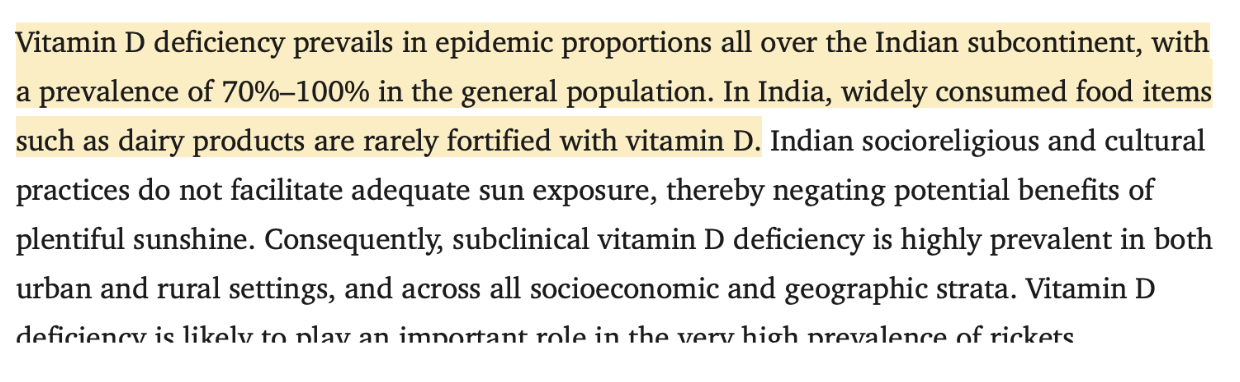
Source: G, R., & Gupta, A. (2014). Vitamin D deficiency in India: prevalence, causalities and interventions. Nutrients, 6(2), 729–775. https://doi.org/10.3390/nu6020729
Symptoms of vitamin D deficiency often show up subtly, such as:
- Frequent colds, flus, or infections
- Low-grade aches in the bones or joints
- Mood dips or emotional flatness
- Brain fog or difficulty focusing
- Poor sleep quality or frequent waking
- Muscle weakness, especially in the legs
- Slow wound healing or skin that bruises easily
Food: Your First Line of Strategy
When it comes to nourishment, your body doesn’t just crave nutrients, it craves context. And that context comes best from real food.
No matter how advanced supplements get, you simply can’t out-supplement poor food habits. Real food carries with it not just vitamins, but co-factors, enzymes, healthy fats, and fiber that work together in synergy. Your body knows this. It’s wired to recognize nutrients in the way they naturally occur in whole foods, not in isolation.
Common Food Sources of B Vitamins
Here’s a simplified view of where each type of B vitamin is found in food. Whole foods remain the most synergistic and effective way to nourish the body with these vital nutrients.
| B Vitamin | Primary Food Sources |
| B1 (Thiamine) | Sunflower seeds, legumes, whole grains |
| B2 (Riboflavin) | Almonds, dairy products, mushrooms |
| B3 (Niacin) | Chicken, turkey, peanuts, brown rice |
| B5 (Pantothenic Acid) | Avocados, mushrooms, sweet potatoes |
| B6 (Pyridoxine) | Bananas, chickpeas, tuna, spinach |
| B7 (Biotin) | Eggs, walnuts, seeds, cauliflower |
| B9 (Folate) | Leafy greens, lentils, beets |
| B12 (Cobalamin) | Ethically sources whole eggs, dairy, fish, red meat (or supplements for vegans under expert professional guidance) |
Recommended Daily Intake of B Vitamins (According to NIH)
| B Vitamin | Women | Men |
| Vitamin B1 (Thiamine) | 1.1 mg | 1.2 mg |
| Vitamin B2 (Riboflavin) | 1.1 mg | 1.3 mg |
| Vitamin B3 (Niacin) | 14 mg NE | 16 mg NE |
| Vitamin B5 (Pantothenic Acid) | 5 mg | 5 mg |
| Vitamin B6 (Pyridoxine) | 1.3 mg | 1.3 mg |
| Vitamin B7 (Biotin) | 30 mcg | 30 mcg |
| Vitamin B9 (Folate) | 400 mcg DFE | 400 mcg DFE |
| Vitamin B12 (Cobalamin) | 2.4 mcg | 2.4 mcg |
Note:
- NE stands for Niacin Equivalents, accounting for both preformed niacin and tryptophan-derived forms.
- DFE stands for Dietary Folate Equivalents, reflecting the differences in absorption between natural folate and synthetic folic acid.
| A Gentle Reminder: Older adults (65+), pregnant individuals, or those with chronic gut issues, high stress, or on long-term medication may require higher or more personalized doses. It’s always best to speak to your healthcare provider to assess what your body really needs because the right dose for you isn’t just about age or gender; it’s about your unique lifestyle, stress levels, and absorption capacity. |

Image Credits: Freepik
Top Whole Food Sources of Vitamin D
Here are some of the richest and most bioavailable foods to support your vitamin D needs naturally:
- Fatty Fish: Wild-caught salmon, sardines, and mackerel are among the best food for vitamin D, providing not just D3 but also omega-3 fatty acids that enhance its absorption and reduce inflammation.
- Cod Liver Oil: An age-old source of both vitamin D and A, cod liver oil offers a nutrient-dense, whole food alternative to isolated supplements.
- Pasture-Raised Ethically Sourced Whole Egg Yolks: These are not only a good source of vitamin D, but also deliver healthy fats and choline, which support brain and liver function.
- UV-Exposed Mushrooms: While most plant-based foods contain little to no vitamin D, UV-exposed mushrooms (like maitake or portobello) can naturally produce vitamin D2, a helpful option for vegetarians.
To get the most from these foods, remember: how you eat matters just as much as what you eat. Pairing vitamin D-rich foods with a source of fat, like avocado, extra virgin olive oil, nuts, or seeds, can dramatically improve absorption. This is particularly important if your meals tend to be low in fat or highly processed.
Recommended Daily Intake of Vitamin D (According to NIH)
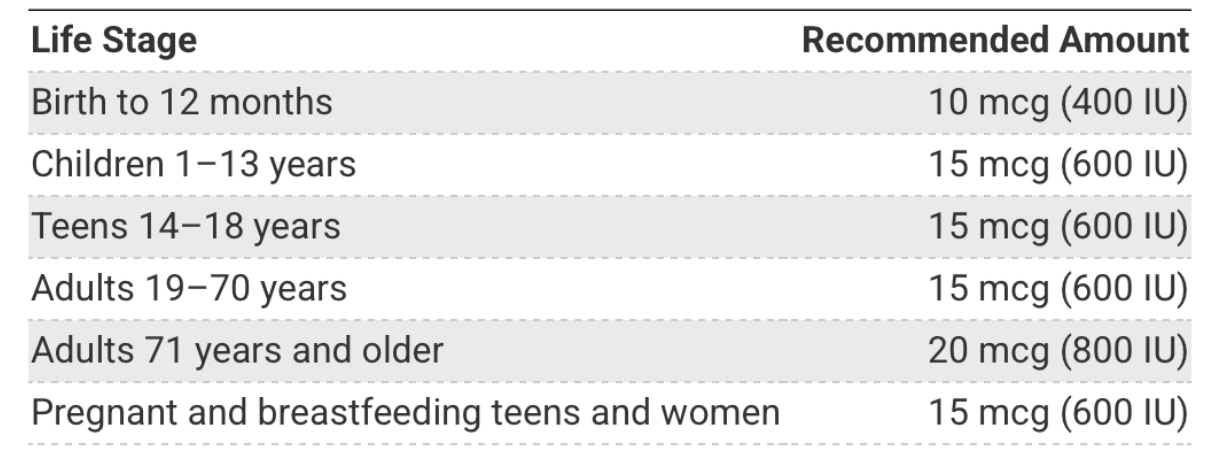
Source: Vitamin D. (n.d.). Nih.gov. Retrieved July 10, 2025, from https://ods.od.nih.gov/factsheets/VitaminD-Consumer/
What Blocks Vitamin Absorption and Activation?
You could be eating the best foods, taking premium supplements, and still feel like your vitamins aren’t ‘working.’
Why?
Because absorption and activation depend on more than intake. They’re deeply influenced by lifestyle, gut health, medication use, and stress levels.
Understanding what gets in the way allows you to work with your body, not against it. Once you spot the blockers, you can gently shift the terrain.
Let’s explore some of the most common disruptors:
Chronic Stress: Ongoing stress doesn’t just affect your mood; it depletes B vitamins rapidly, especially B5 (pantothenic acid), B6, and B12, which are crucial for adrenal health and neurotransmitter balance. Stress also impairs digestion, further limiting nutrient absorption from food.
Alcohol, Smoking, and Excess Caffeine: Alcohol interferes with the absorption and storage of key nutrients like B1 (thiamine), folate, and B12. It also burdens the liver, which plays a vital role in activating both Vitamin D and B12. Smoking similarly impairs circulation and oxidative balance, increasing the need for antioxidants and B vitamins, especially folate. Caffeine, while beneficial in moderation, can increase urinary excretion of water-soluble vitamins like B1 and B6 when consumed in excess.
Gut Health Issues: Conditions like IBS, celiac disease, SIBO, and leaky gut can significantly reduce the body’s ability to absorb both fat-soluble and water-soluble vitamins. Even seemingly minor digestive symptoms, like bloating, irregular bowels, or heartburn, can be red flags that your gut lining isn’t fully absorbing what you’re feeding it.

Image Credits: Freepik
Medications That Interfere: Certain medications can interfere with vitamin function, sometimes silently, over time:
- Antacids reduce stomach acid, which is necessary to release B12 from food
- Metformin (for diabetes) may impair B12 absorption at the gut lining level
- Oral contraceptives have been shown to deplete several B vitamins, including B6 and folate
- Steroids and antibiotics may indirectly affect vitamin D metabolism and gut flora, respectively
How to Support Better Vitamin Function (Beyond Pills)
Here are some practical, empowering strategies you can start today:
1. Prioritize Gut Health
Your gut is your main nutrient gateway. A compromised gut means compromised absorption.
Simple ways to support it include:
- Eating more prebiotic foods like garlic, onions, bananas, and oats
- Including probiotic-rich foods like fermented vegetables, yogurt, or kanji
- Eating in a relaxed, rest-and-digest state instead of rushing or multitasking during meals
A calm gut absorbs better. And better absorption means you make the most of every bite.
2. Support Cofactors and Nutrient Synergy
Vitamins don’t work in isolation. Their function depends on cofactors, other nutrients that activate or stabilize them.
For example:
- Magnesium is crucial for activating vitamin D and supporting B6 conversion
- Zinc aids in gut healing and supports B-vitamin metabolism
- Healthy fats are essential for absorbing fat-soluble vitamins like D
- Hydration supports cellular nutrient transport and cleansing pathways
3. Manage Stress with Daily Practices
Chronic stress affects everything, from gut health to nutrient retention.
Simple practices can restore balance:
- Deep breathing for just five minutes a day
- Gentle movement (like yoga or walking)
- Regular nature exposure, which research shows supports immune and nervous system regulation
4. Rotate Your Foods
Rather than taking the same food every day, consider rotating your food choices. It reduces the risk of nutrient imbalances and supports microbial diversity in the gut. Include a spectrum of real, seasonal foods. Instead of eating whole eggs or spinach daily, rotate with other vitamin-rich options like nuts, seeds, legumes, lentils, or different leafy greens. Nature provides variety for a reason.
Final Word: Beyond the Numbers, It’s About the Signals
We’ve been conditioned to chase numbers. To wait for something to fall ‘outside the range’ before we act. But real wellness isn’t about fixing something once it’s broken; it’s about understanding the language of the body, early and often.
So yes, your Vitamin B is important. And so is the source of Vitamin D. But what’s even more important is how your body receives, absorbs, and works with them. The ‘how’ matters just as much as the ‘how much’.
Let’s move from blind supplementation to intentional nourishment.
So if your reports are normal but something still feels off… trust that.
Pause. Listen. Get curious.
Your body has never stopped speaking.
Now is a good time to start listening.
Be educated and not influenced.
Disclaimer: This blog is intended for educational and informational purposes only. It is not a substitute for professional medical advice, diagnosis, or care. Nutrient needs vary based on individual health status, age, lifestyle, and underlying conditions. Always consult with your qualified healthcare provider before starting any new supplement, making changes to medication, or interpreting lab reports. The insights shared here are meant to empower you with awareness and encourage informed conversations with your healthcare team.
Luke’s Wellness Programs offers a deeply rooted, lifestyle-based approach.
We don’t chase quick fixes; we work with your body through food, movement, rest, and emotional well-being.
Join us, and take the next step toward real, sustainable health.
Reach out to us at 1800 102 0253 or write to us at [email protected].