No products in the cart.
“Let’s order dinner.” “Done — biryani it is.”
“Wait, did you see that reel about microplastics in food?”
“Microplastics? Now there’s plastic in our food too?”
“Apparently yes. In water, salt, seafood… even in the human body.”
“Okay, now I’m worried.”
Conversations like this are becoming increasingly common. Social media buzzes with headlines about microplastics, yet many people are left wondering: is this another internet panic, or a genuine public health concern?
At the heart of preventive health is a simple idea that we at Team Luke often speak about: health is built on strong foundations.
The food we eat, the water we drink, the air we breathe, and the toxins we are exposed to all influence this foundation. Microplastics may be one of the modern environmental exposures quietly affecting this balance, particularly when it comes to hormonal health.
What Are Microplastics?
Microplastics are tiny plastic particles smaller than 5 millimetres, often invisible to the naked eye. They form when larger plastic materials like bottles, packaging, and synthetic fabrics gradually break down over time.
These particles now circulate through our environment and eventually enter the food chain and the human body.
Researchers have already detected microplastics in drinking water, sea salt, seafood, bottled water, packaged foods, fruits and vegetables grown in contaminated soil and, most alarmingly, in human blood and placental tissue. A landmark 2024 University of New Mexico study found microplastics in all 62 placenta samples tested, with concentrations ranging from 6.5 to 790 micrograms per gram of tissue
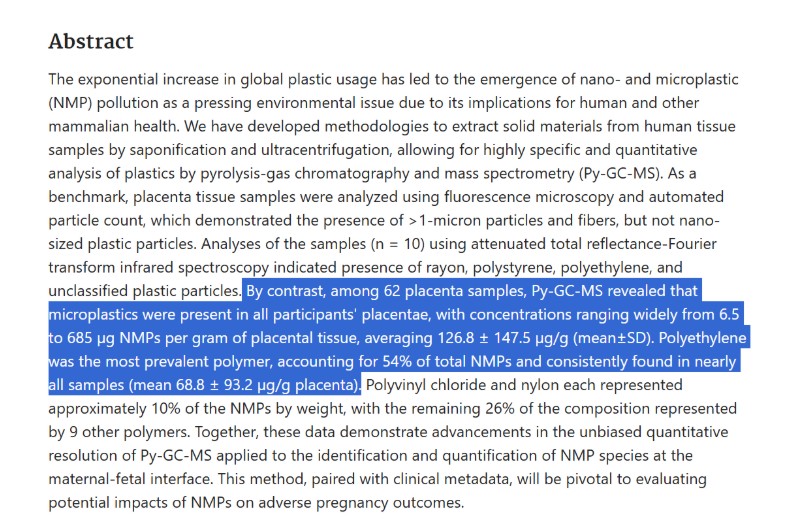 Garcia, M. A., Nihart, A. J., Dopedlowski, J., et al. (2024). Quantitation and identification of microplastics accumulation in human placentas. Toxicological Sciences, 199(1), 81–94.
This means microplastics are no longer merely an environmental concern. They are becoming an important public health conversation.
How Much Microplastic Are We Actually Consuming?
Scientists are still working to answer this question. At present, no official safe limit for microplastic intake has been established, largely because this exposure is relatively new and research is still evolving.
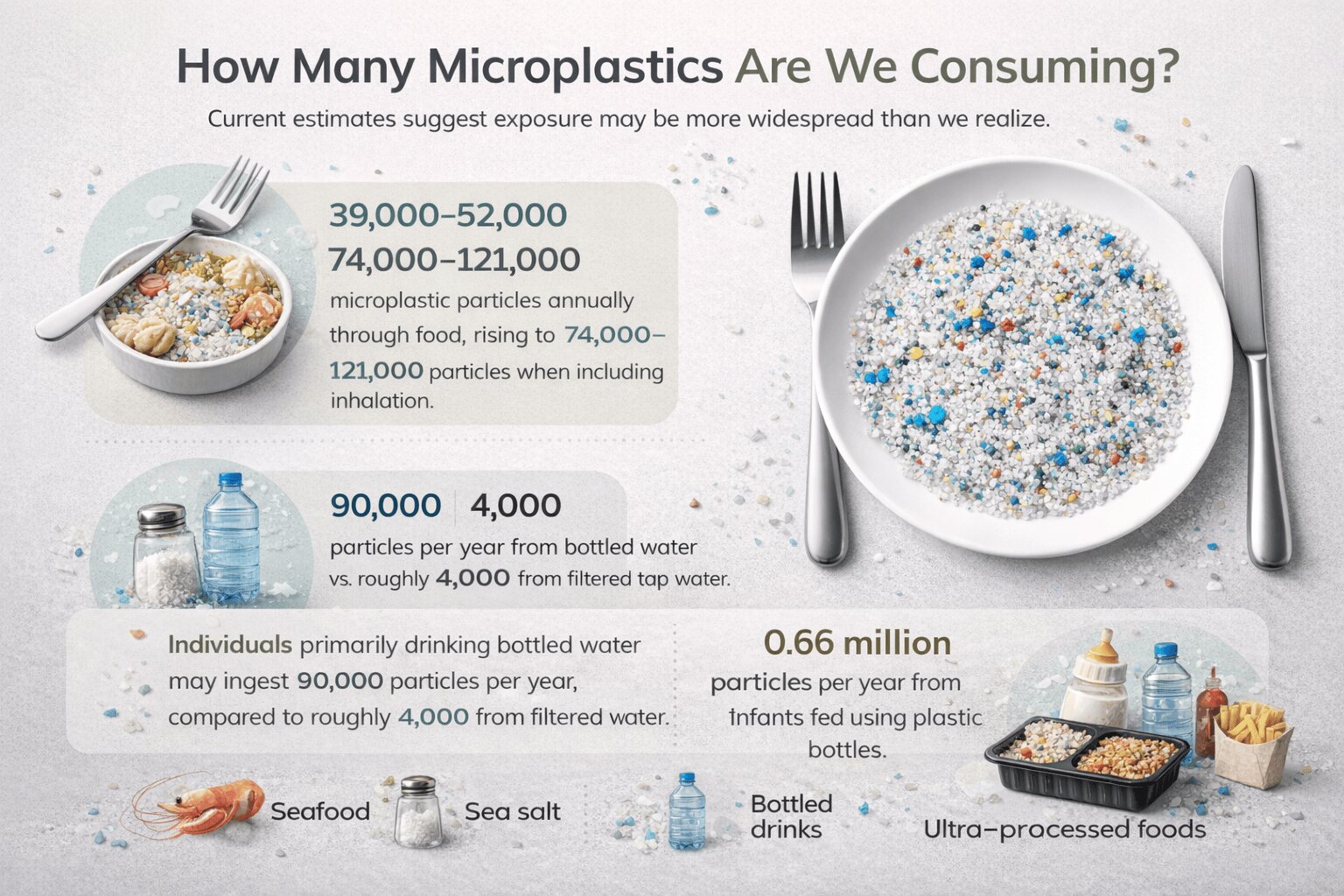
Studies indicate that:
- Adults may ingest 39,000–52,000 microplastic particles annually through food, rising to 74,000–121,000 particles when inhalation is included.
- Individuals who primarily drink bottled water may ingest around 90,000 particles per year, compared to roughly 4,000 from filtered tap water.
- Takeaway containers can release 3–29 microplastic particles into food, especially when heat and prolonged storage are involved.
- For infants fed using plastic bottles, exposure may reach up to 0.66 million particles annually.
- Seafood, sea salt, bottled beverages, and ultra-processed foods are among the most frequently contaminated food categories.
While these numbers are still being studied, preventive health focuses on reducing avoidable exposure rather than waiting for definitive harm thresholds.
Everyday Exposure: From Where Are Microplastics Entering Our Food?

Image Credit: AI
Many modern habits increase our exposure without us realizing it.
For example, when hot food is delivered in plastic containers, when we microwave leftovers in plastic boxes, or when bottled water is left in a warm car.
When heat meets plastic, chemicals and microscopic particles can migrate into food.
Some plastics contain compounds such as bisphenol A (BPA) and phthalates, substances known to behave like xenoestrogens, meaning they mimic oestrogen in the body.
Common everyday sources include:
- Hot food stored or delivered in black plastic containers
• Bottled water, especially bottles exposed to heat
• Ultra-processed and heavily packaged foods
• Synthetic fabrics that shed fibres during washing
• Certain cosmetics, scrubs and toothpastes containing plastic microbeads
Microplastics and Hormones: What Does Science Suggest?
Hormones operate through a finely coordinated system involving the hypothalamus, pituitary gland, thyroid, adrenal glands, ovaries and testes.
Emerging research suggests that microplastics and plastic-associated chemicals may influence this system in several ways.
1. Endocrine Disruption
Plastic-associated compounds can bind to hormone receptors and interfere with normal hormonal signalling. It is indicated potential impacts on oestrogen, testosterone, and thyroid hormones, as well as the hypothalamic–pituitary–gonadal axis.
2. Oxidative Stress
It is shown that microplastics can increase oxidative stress within cells. This process may disrupt steroid hormone production and weaken antioxidant defence systems that protect healthy cells.
3. Thyroid Hormone Disruption
Microplastic exposure has been associated with disruptions in thyroid hormone pathways, which regulate metabolism, energy balance, and neurological function.
4. Reproductive and Fertility Concerns
Experimental studies have observed changes in testosterone levels, ovarian follicle development, sperm motility, and reproductive cell viability following exposure to microplastics and related chemicals.
5. Gut Microbiome Changes
Emerging research also suggests microplastics may alter gut microbiota composition and metabolic pathways, which could influence inflammation, immunity, and metabolic health.
While much of this research is still developing, scientists increasingly recognise microplastics as potential endocrine disruptors worthy of closer investigation.
Is This a Real Risk or Just a Media Trend?
It is important to approach this topic with balance.
Many current studies are laboratory-based or observational, and exact exposure thresholds for humans are still being determined.
However, preventive health does not wait for complete damage before taking action. Instead, it focuses on reducing unnecessary exposure wherever possible.
Small lifestyle adjustments can meaningfully reduce the toxic burden placed on the body over time.
Strengthening Your Foundations: Practical Ways to Reduce Exposure
Many exposures can be reduced through simple daily choices that support hormonal balance and long-term wellbeing.
#1 Rethink Food Storage
Avoid heating food in plastic containers. Heat accelerates the release of plastic-associated chemicals into food. Opt for glass, stainless steel, or ceramic containers whenever possible.
#2 Upgrade Your Water Strategy
Microplastics have been detected in bottled water globally. Using a high-quality water filter and drinking from glass or stainless-steel bottles can significantly reduce exposure.
#3 Reduce Ultra-Processed and Packaged Foods
Ultra-processed foods pass through multiple layers of plastic packaging during manufacturing and distribution. Choosing fresh ingredients and home-cooked meals reduces both chemical exposure and improves nutritional quality and helps your gut to heal.
#5 Choose Safer Cookware
Scratched or damaged non-stick cookware may release particles over time. Safer alternatives include cast iron, stainless steel, clay, or ceramic cookware, materials widely used in traditional cooking practices.
#6 Be Mindful of Thermal Receipts
Many printed receipts contain BPA or BPS, chemicals that can be absorbed through the skin. Declining unnecessary receipts and washing hands after handling them are simple preventive steps.
#7 Audit Personal Care Products
Microplastics may be present in some cosmetics, scrubs, and toothpastes. Checking labels and avoiding ingredients such as polyethylene (PE) and polypropylene (PP) can help reduce daily exposure.
Why These Small Changes Matter
Hormonal imbalance, metabolic disorders, infertility, and chronic diseases rarely develop overnight. They often emerge gradually when the body’s foundational systems face continuous environmental stress.
Microplastics are small, but repeated exposure over time may contribute to this cumulative burden.
Reducing everyday exposure supports the body’s natural capacity to regulate hormones, repair tissues, and maintain balance.
At Team Luke, this philosophy remains central: build strong foundations first.
Clean food.
Clean water.
Minimal toxins.
Mindful living.
Sometimes protecting your health begins with something as simple as choosing steel over plastic.
Disclaimer: This blog is intended for educational and informational purposes only and should not be used as a substitute for professional medical advice, diagnosis, or treatment. Always seek the guidance of your qualified healthcare provider before making any changes to your medications or lifestyle.
We help you find a way.
Set up a one-on-one consultation with our foundational medicine experts or explore our Wellness Programs to optimize your lifestyle goals.
Reach out to us at 1800 102 0253 or write to us at [email protected].