No products in the cart.
The summer sun is no joke. One minute you’re stepping out for chai, the next your skin feels like it’s had a mini roast.
That’s where sunscreen comes in.

Image Credits: Freepik
Sunscreen isn’t just a “nice-to-have” in your skincare kit anymore; it’s a must. From protecting your skin against harmful UV rays to keeping it youthful, glowing, and healthy, the right SPF sunscreen is like a shield you can wear every day.
In this guide, we’re breaking down everything you need to know about choosing the best sunscreen for summer:
- How to pick the right SPF for your skin
- The difference between physical and chemical sunscreens
- Common sunscreen mistakes
- Simple tips to maximize sunscreen benefits
We’ll also bring in insights from Dr. Sonali Kohli, a renowned dermatologist and hair transplant surgeon, so you know exactly what works for your skin type.
Whether you’re stepping out for work, a quick walk, or a full day in the sun, this is your one-stop guide to enjoying summer safely and confidently.
Why Sunscreen is Essential
The sun feels great, but those invisible UV rays are constantly at work on your skin. Here’s what happens:
- UVA rays penetrate deep into your skin, breaking down collagen and elastin. This leads to premature aging, fine lines, and sagging.
- UVB rays primarily affect the skin’s surface, causing sunburn and redness.
Over time, repeated exposure can trigger hyperpigmentation, dark spots, and even skin cancer.
That’s why a broad-spectrum sunscreen is so important; it protects against both UVA and UVB, giving your skin complete daily defense.
Daily sunscreen use gives more than just sunburn protection:
- Anti-aging shield: Reduces wrinkles, fine lines, and loss of elasticity.
- Even skin tone: Prevents pigmentation and dark spots.
- Protection for outdoor activities: Running, cycling, beach days, and even walking to work.
- Skin health: Minimizes DNA damage caused by UV exposure.
Research shows that consistent sunscreen use can reduce visible signs of aging by up to 24% over a few years.

Source: Hughes MC, Williams GM, Baker P, Green AC. Sunscreen and prevention of skin aging: a randomized trial. Ann Intern Med. 2013 Jun 4;158(11):781-90. doi: 10.7326/0003-4819-158-11-201306040-00002. PMID: 23732711.
And in Indian skin types, it’s especially important. Our higher melanin offers some natural protection, but UV exposure can still trigger pigmentation and uneven skin tone if unprotected.
In short, sunscreen isn’t just skincare; it’s skin science in action, every single day.
Want to know what summer can do to your skin? Learn natural ways to prevent and manage skin problems this season!
From White Spots to Sunburn: How to Manage Skin Problems Naturally This Summer
Understanding SPF and How Much You Need
SPF or Sun Protection Factor sounds technical, but it’s actually quite straightforward. It measures how long your skin can be exposed to UVB rays before it starts to burn.
Here’s the science behind it:
- SPF tells you how much longer you can stay in the sun without burning compared to no sunscreen.
- SPF 15 blocks about 93% of UVB rays.
- SPF 30 blocks around 97%, and SPF 50 blocks roughly 98%. Notice how the increase isn’t linear; going from SPF 30 to 50 only adds about 1% more UVB protection.
- SPF does not measure UVA protection, which is responsible for aging, pigmentation, and long-term DNA damage. That’s why we earlier mentioned that broad-spectrum sunscreen is essential.
- Applying too little or skipping reapplication drastically reduces protection; an SPF 30 applied thinly is closer to SPF 5 in real-life effectiveness.
In one of our podcasts, Dr. Sonali Kohi explained that SPF only indicates protection against sunburn, not permanent pigment darkening or long-term skin damage.
That means even a high SPF sunscreen should be reapplied every 2–3 hours during outdoor exposure, and paired with other protective measures like hats or sunglasses.
For Indian skin, here’s what works best:
- Best SPF for Indian summers: SPF 30–50 for daily use and outdoor activities.
- SPF for face: At least SPF 30 daily, even indoors, as UV rays penetrate windows.
- Every day outdoor exposure: Reapply every 2–3 hours, especially when sweating or swimming.
Bottom line: Choose the right SPF, apply enough, and reapply often. That’s how science keeps your skin safe, glowing, and healthy.
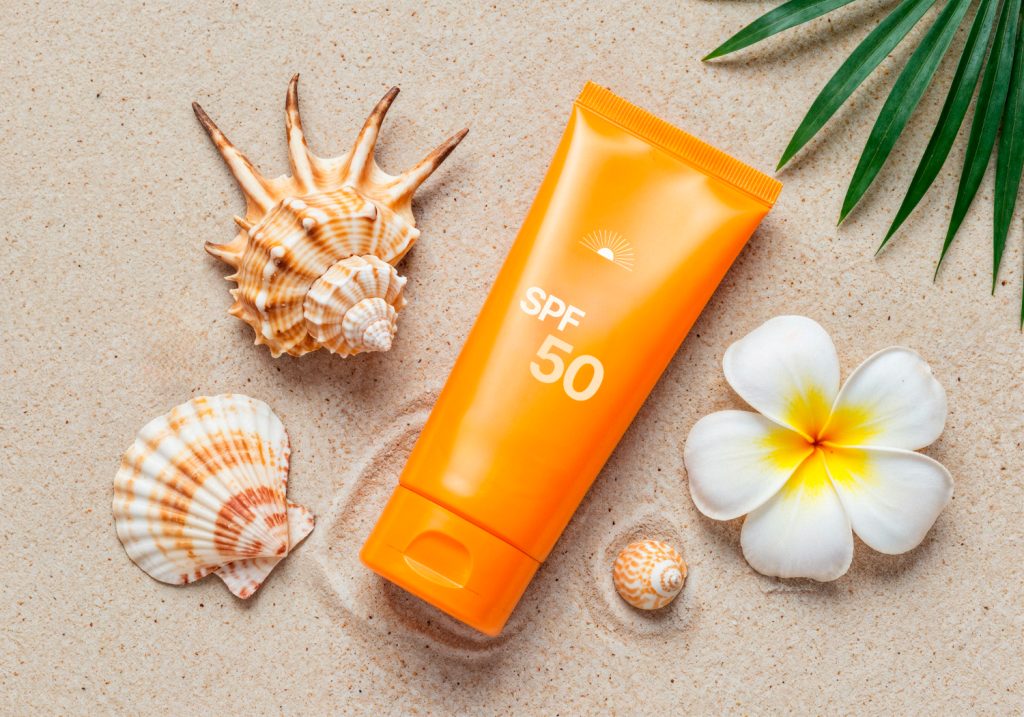
Image Credits: Freepik
Physical vs Chemical Sunscreens: Which One is Right for You?
Not all sunscreens are created equal. The first step to protecting your skin is understanding the difference between physical (mineral) sunscreens and chemical sunscreens.
How they work:
- Physical (mineral) sunscreens: Contain active ingredients like zinc oxide and titanium dioxide. They act like tiny mirrors on your skin, reflecting UVA and UVB rays away.
- Chemical sunscreens: Contain ingredients that absorb UV rays and convert them into heat. They sink into the skin and protect from sunburn, but may be more irritating for sensitive skin.
Pros and Cons for Indian Skin Types and Climates:
| Physical Sunscreens | Chemical Sunscreens |
| Pros: Broad spectrum coverage, gentle on sensitive skin, starts working immediately | Pros: Lightweight, invisible finish, ideal under makeup |
| Cons: Lightweight, invisible finish, ideal under makeup | Cons: Can irritate sensitive skin, takes 15-20 mins to activate |
| Best for: Dry skin, sensitive skin, pigmentation-prone skin | Best for: Oily skin, normal skin, everyday use |
Dr. Sonali Kohli’s tip: For Indian summers, mineral sunscreens with zinc oxide are great because they reflect UV rays without being absorbed, reducing the risk of pigmentation and long-term damage.
Choosing the Right Sunscreen for Your Skin
Picking a sunscreen isn’t just about SPF; it’s about matching your skin type, activity level, and climate. Here’s a simple guide:
1. Check the label
- Look for broad-spectrum sunscreen to protect against UVA + UVB.
- Check for a triple plus sign or circle; these indicate extra protection against pigmentation.
- Choose water-resistant if you’ll sweat or swim.
- Go non-comedogenic if you have oily or acne-prone skin.
2. Know your skin type:
- Oily skin: Lightweight, gel-based chemical sunscreens absorb quickly.
- Dry skin: Creamy, mineral-based sunscreens hydrate while protecting.
- Sensitive skin: Mineral sunscreens with zinc oxide or titanium dioxide minimize irritation.
3. Consider your activity and sun exposure:
- Expose your body to 10–15 minutes of sun before applying sunscreen, which helps your body make vitamin D naturally.
- Use sunscreen liberally after this brief sun exposure, especially if you’ll be outdoors longer.
- Reapply every 2–3 hours or after sweating/swimming.
4. Application technique matters:
- Use the fingertip unit method: 1 fingertip of sunscreen for your face, 2–3 for arms and neck.
- Don’t forget often-missed spots: ears, back of neck, and hands.
- Combine with physical barriers like wide-brim hats and sunglasses for sensitive areas.
Common Sunscreen Mistakes to Avoid
Even with the best sunscreen, improper use can leave your skin unprotected. Here are some less obvious mistakes many people make:
- Not applying enough – A thin layer drastically reduces effectiveness. Use enough to fully cover exposed skin. Think of it as painting a protective layer, not just dabbing it on.
- Skipping reapplication during long exposure – Even if you applied correctly in the morning, sweat, water, and friction break down sunscreen over time. For extended outdoor activities, reapply every 2–3 hours.
- Ignoring specific lifestyle factors – Outdoor sports, swimming, or even walking during peak sun hours increase UV exposure. Adjust your sunscreen type and frequency accordingly.
- Not pairing sunscreen with other protections – Sunscreen is one part of sun defense. Combine it with hats, sunglasses, and clothing for optimal protection.
- Assuming SPF in makeup is enough – Many foundations or moisturizers claim SPF, but the coverage is usually insufficient for prolonged exposure. Always use a dedicated sunscreen underneath.

Image Credits: Freepik
Tips for Maximum Protection & Healthy Skin
Here are practical tips to keep your skin healthy, glowing, and protected:
- Plan your sun exposure smartly – Try to avoid being out between 10 AM and 4 PM, when UV rays are strongest. Take frequent shade breaks if you need to be outdoors.
- Stay hydrated – Drinking enough water keeps your skin cells plump and helps prevent dryness and heat-related irritation.
- Support your skin from within – Include antioxidant-rich foods like berries, tomatoes, and leafy greens to help fight free radicals from sun exposure.
- DIY Home Remedies – From soothing sunburn to chilled sabja refresher, these home remedies help cool, hydrate, and nourish your skin naturally. Give these DIY remedies a try.
- Healthy summer coolers and cold soups – Try out chilled soups, smoothies, and fruit-infused water. They not only give your body a refreshing break from the heat but also provide nutrients, antioxidants, and hydration to support your skin and overall health. Explore these quick and easy drinks and cold soups by Team Luke.
- Complement sunscreen with gentle skincare – Use hydrating moisturizers, mild cleansers, and antioxidant serums to support your skin barrier. Avoid harsh scrubs or chemical peels during peak summer.
- Dress for protection – Lightweight, breathable clothing with long sleeves, sunglasses with UV protection, and wide-brimmed hats protect delicate areas without overheating you.
For more effective skincare tips, watch the full episode with Dr. Sonali Kohli:
The Last Word
Summer is the season to enjoy the outdoors, but your skin deserves thoughtful care.
With the right sunscreen, applied correctly, and complemented by hydration, gentle skincare, and natural remedies, you can protect your skin from damage while still soaking in the sunshine.
The goal isn’t just avoiding sunburn or pigmentation; it’s about healthy, glowing, resilient skin that enjoys the summer as much as you do.
Protect, nourish, and let your skin shine all season long.
Disclaimer: This blog is intended for educational and informational purposes only and is not a substitute for professional medical advice, diagnosis, or treatment. Always consult your dermatologist or healthcare provider for concerns related to skin conditions or before starting any new skincare regimen, especially if you have pre-existing health conditions or persistent symptoms.
Looking for real solutions to summer skin problems?
We’re here to help YOU find a way.
Set up a one-on-one consultation with our foundational expert team or enroll in our specialized Wellness Programs for personalized solutions.
Reach out to us at 1800 102 0253 or write to us at [email protected].