No products in the cart.
[vc_row][vc_column][vc_column_text uncode_shortcode_id=”100016″][the_ad id=”168301″]
When you’re at the grocery store and you start to fill your basket with everyday staples, like corn, soy, tomatoes. Now, you are reaching for a loaf of bread or a carton of milk, and you notice a small label stating: Contains bioengineered ingredients.
You might question why bioengineered foods are suddenly everywhere?
It’s everywhere, subtly making its way into everyday foods, yet it’s a term many of us are still unfamiliar with. You might wonder, What does bioengineered really mean, and how does it impact my health?
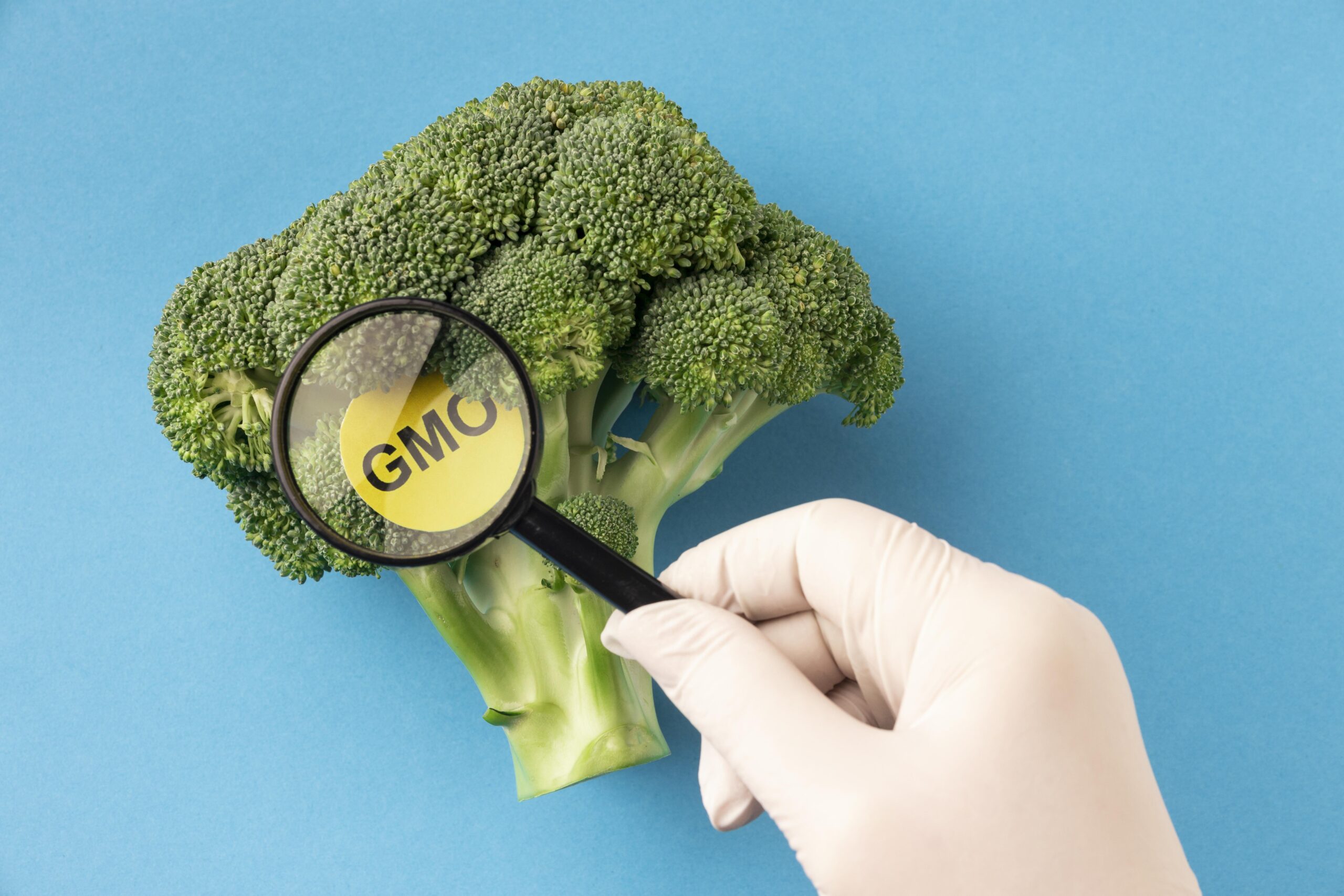
Source: Freepik
Bioengineered foods are created through genetic modification in laboratories and have been developed to address challenges in agriculture, such as improving crop yields, extending shelf life, and enhancing flavor. While these foods are known for their potential benefits, concerns have emerged about how they may affect our health, especially our gut microbiome and immune system.
By understanding what bioengineered ingredients truly are and how they differ from the foods nature intended, you can make informed nutritional choices that align with your health and wellness goals.
In this age of food innovation, it’s easy to wonder: Is it better to embrace these scientific advancements, or should we tread carefully and rely more on natural, unmodified foods?
But, first:
What Are Bioengineered Ingredients?
Bioengineered ingredients, often referred to as genetically modified organisms (GMOs), are foods modified in a lab to enhance certain traits. This could mean making corn more resistant to pests, creating drought-resistant wheat, or enhancing the sweetness of tomatoes. The first bioengineered food, the Flavr Savr tomato, was introduced in the 1990s, designed to stay fresh longer and improve shelf life. It was among the first widely acknowledged bioengineered food sources to enter mainstream supermarkets.

Source: Freepik
The purpose behind these modifications is often to make crops more efficient, easier to grow, and perhaps even more appealing to consumers.
Examples of Common Bioengineered Foods
- Corn: Modified to resist pests and herbicides, making it a staple in bioengineering.
- Soy: Engineered for higher yield and to resist herbicides.
- Papaya: Modified to resist a virus that harms the crop
- Tomatoes: Enhanced to improve flavor, extend shelf life, and maintain a firm texture.
- Canola: Modified to produce more oil and resist pests.
This list of bioengineered foods shows that these changes are not purely cosmetic or about taste; they alter the cellular structure of bioengineered foods and raise questions about the long-term effects on human health. When we alter nature’s blueprint, it definitely impacts our health.
[the_ad id=”168301″]
Why Should You Think Twice About Bioengineered Foods?
When nature creates a food source, its primary intent is survival of the fittest, a harmonious balance that supports both the organism and its ecosystem, including our bodies. However, bioengineering aims to modify this natural course, often with unintended consequences. One of the growing concerns is the risk of genetically modified food leading to new health complications over time. Studies suggest that altering the genetic makeup of foods can introduce new proteins or allergens into the food supply, which may impact immune function and disrupt the delicate balance of our gut microbiome.In one of my conversations with Dr. William Li, we discussed the health impacts of these bioengineered foods. These are:
- Gut Microbiome Disruption: Our gut microbiome, a complex ecosystem of beneficial bacteria and microorganisms, plays a vital role in digestion, immune health, and even mental well-being. Consuming bioengineered foods may disturb the natural balance of these bacteria, weakening our body’s defenses and potentially increasing vulnerability to illnesses. Additionally, the modifications in food structure may affect gut permeability, a key factor in immune response and disease prevention. Depending on the bioengineered food source, this disruption could vary significantly, influencing inflammation or gut resilience. Though more studies are needed, the risk of genetically modified food disrupting gut flora cannot be dismissed.
 Source: Frontiers in Nutrition
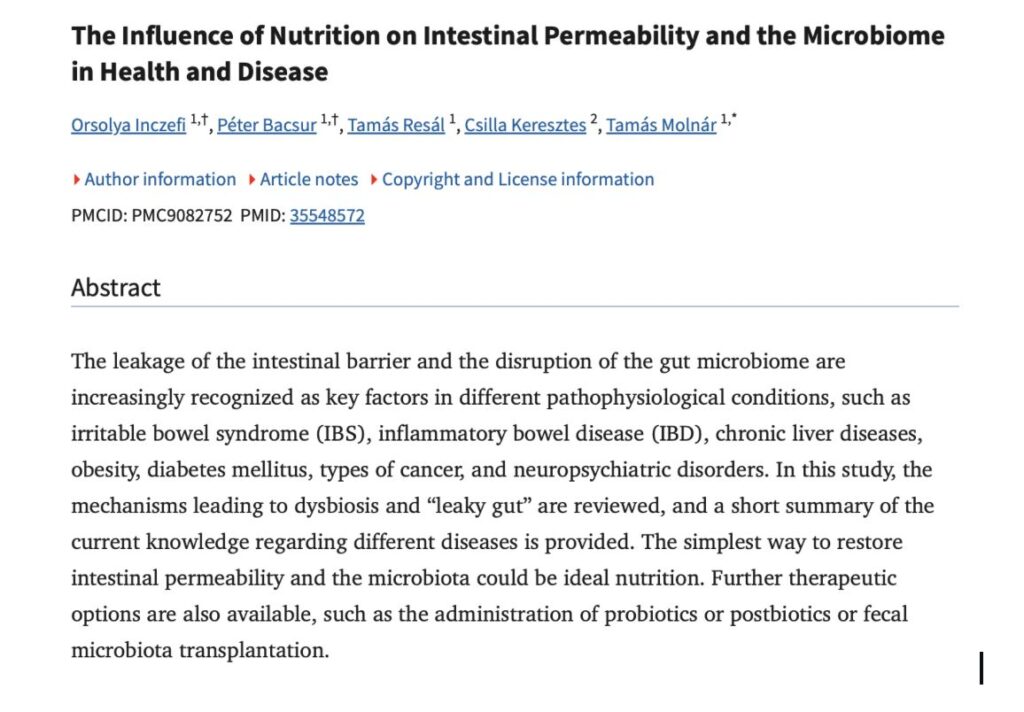 Source: Frontiers in Nutrition
- Rise in Food Allergies: There has been a marked increase in food allergies over recent decades, particularly to common foods like peanuts and gluten. The suspect is that the genetic changes in bioengineered foods might play a role in this trend. By altering proteins and introducing new compounds into our diet, bioengineered foods may trigger immune responses in ways natural foods do not, leading to a higher incidence of allergic reactions. The risk of genetically modified food triggering unforeseen immune responses has made many question its widespread use.
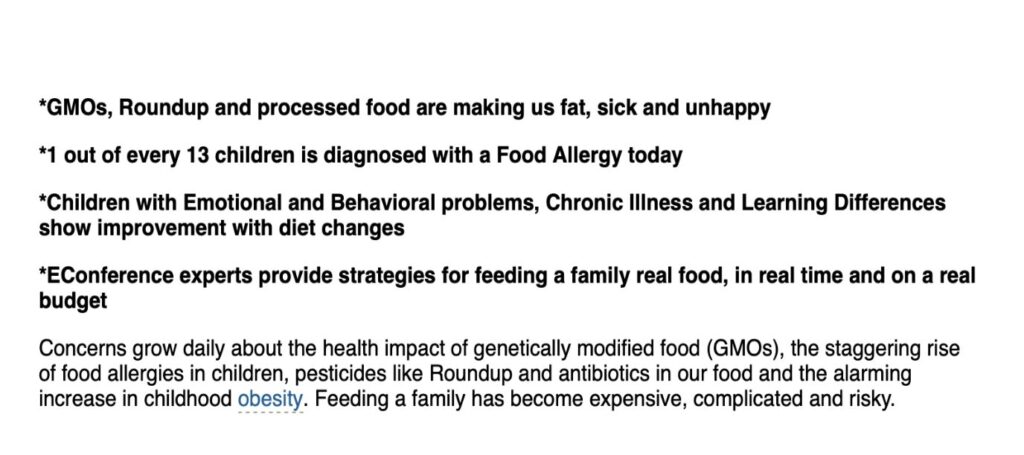
Source: GMOs, Organics and Food Allergies; Online Conference Features Experts on Optimal Nutrition for Health, Attention and Mood for the Whole Family. (2014, September 25). Business Wire.
- Alteration of Nutritional Profiles: Bioengineering may affect the nutritional quality of food. For example, modifying crops to grow faster or be pest-resistant could reduce the natural nutrient density of the food. After all, the nutrient profile of our food is critical to our cellular health. When these profiles are altered, so too is our body’s ability to absorb essential vitamins and minerals.
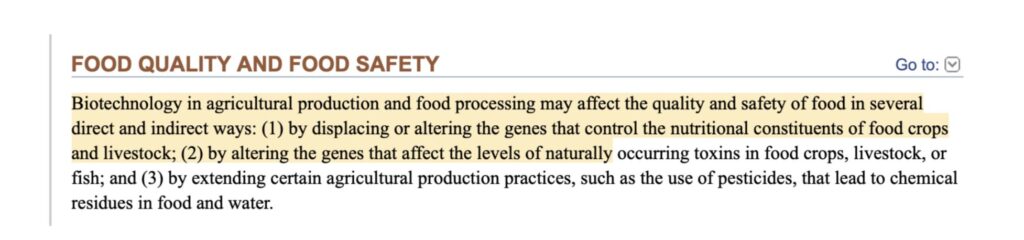
Source: https://www.ncbi.nlm.nih.gov/books/NBK235027/
How to Reduce Bioengineered Foods in Your Diet?
If you’re concerned about the potential health risks, you can make informed choices to minimize bioengineered foods in your diet with the following suggestions:
- Choose Organic and Non-GMO Certified Products: Organic foods are grown without genetic modification, making them a safer choice if you want to avoid bioengineered ingredients. Look for labels that say Non-GMO or 100% Organic but remember, trusting the source beyond these labels is just as important. Source from brands you trust and look for transparency in their processes to ensure authenticity and quality in your food choices.
- Read Labels Carefully: Food labels now disclose bioengineered ingredients, often marked as ’bioengineered’ or ’derived from bioengineering.’ This can be a helpful indicator when trying to identify foods to avoid. Refer to reliable sources that publish updated lists of bioengineered foods, as this can simplify your grocery decisions.
- Focus on Whole Foods: Processed foods are more likely to contain bioengineered ingredients. By choosing whole, natural foods like fresh fruits, vegetables, whole grains, and unprocessed meats, you can avoid many GMOs. Whole, natural foods help you avoid consuming unknown bioengineered food sources hidden in packaged products.
- Support Local Farmers and Markets: Small-scale and local farms often use fewer genetically modified seeds. Shopping at farmers’ markets or directly from local farms can provide more transparency regarding how your food is grown.

Source: Freepik
As consumers, we deserve to know what’s truly in our food. Yet every day, millions unknowingly consume items far from what they claim to be like analogue paneer made with refined oils, genetically modified ingredients hidden under natural labels, and more.
The consequences of consuming these are increasing health issues in children, hormonal imbalances, and weakened immunity for generations to come.
It’s time to hold food brands, restaurants, and delivery platforms accountable for what they serve. By demanding labeling clarity and transparency, we can reduce the likelihood of unknowingly consuming any bioengineered food source. Let’s stand up for our right to real, unadulterated food and demand honesty and transparency across the food chain. This isn’t just a choice; it’s a fundamental right for consumer protection and public health.
Concerned about the impact of foods on your health?
👉 Explore our Wellness Program for personalised guidance on nutrition, lifestyle, and holistic wellbeing.
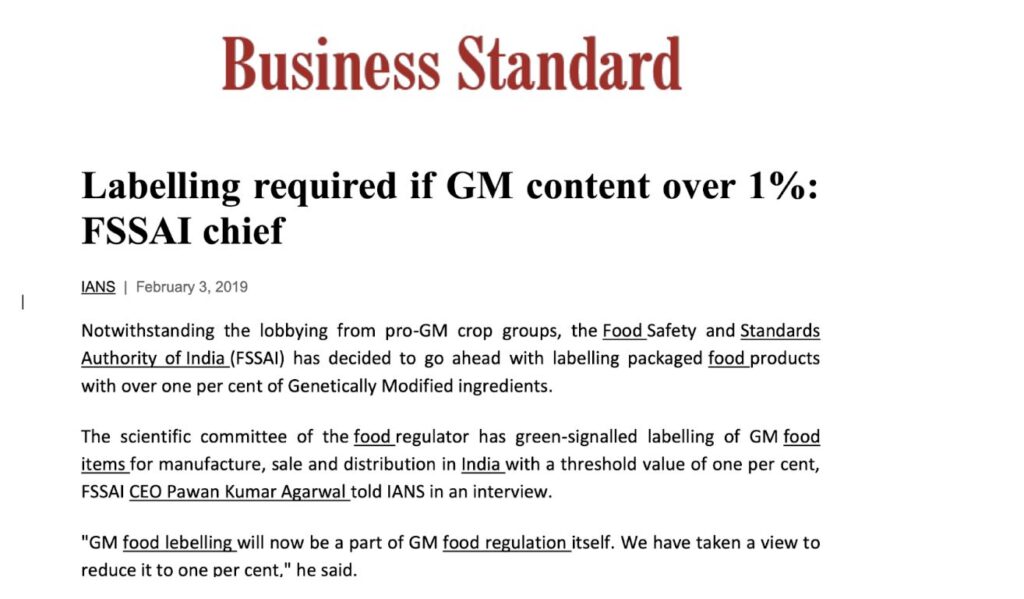
Source: FSSAI
Join us and add your voice to the call for a transparent food system that values health over profit.
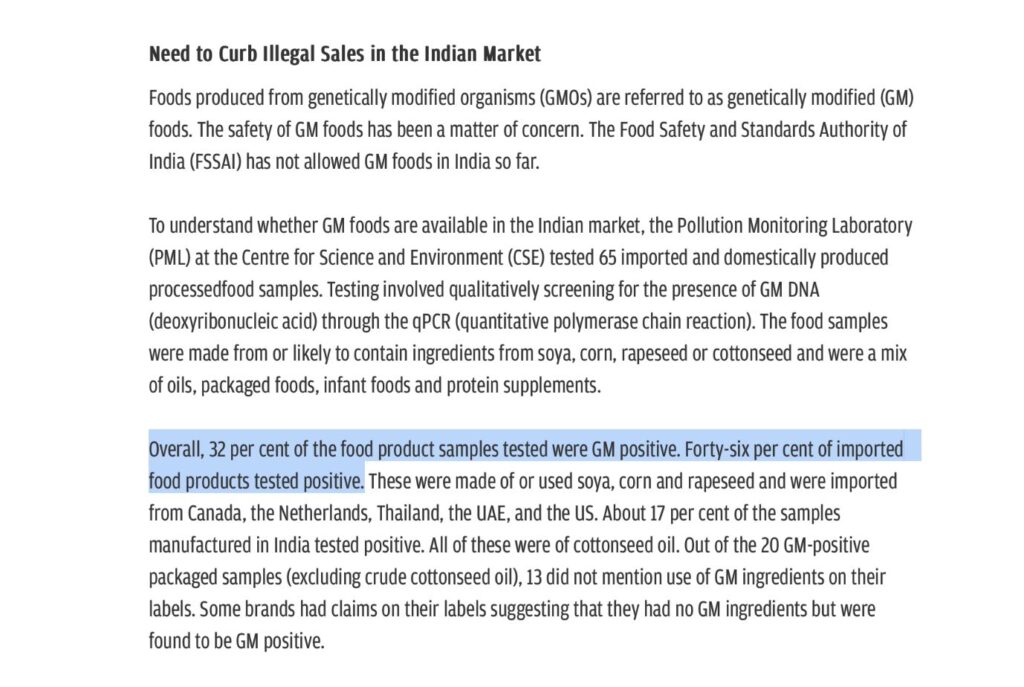
Source: https://www.cseindia.org/unlawful-entry-illegal-gm-in-our-food-8909
Sign the petition now and let’s drive change together! : https://lnkd.in/dNW3A8eZ
Frequently Asked Questions: Understanding Bioengineered Foods and Their Impact
1. What are bioengineered foods, and how are they different from traditional foods?
Bioengineered foods, also known as genetically modified organisms (GMOs), are created by altering the DNA of crops in a lab to enhance traits like shelf life, flavor, or resistance to pests. Unlike traditional foods grown through natural cross-breeding, bioengineered foods undergo direct genetic manipulation, which can affect how our bodies process them.
2. Is there a list of bioengineered foods that consumers can refer to?
Yes, several organizations—including the USDA—publish an updated list of bioengineered foods. Common items on this list include corn, soybeans, canola, papaya, and certain varieties of apples and potatoes. Reviewing this list can help you avoid unwanted ingredients in packaged or processed foods.
3. What are the potential health risks of genetically modified food?
The risk of genetically modified food may include gut microbiome disruption, increased food allergies, and changes in nutrient absorption. While research is ongoing, many health experts urge caution, especially for vulnerable populations such as children and those with autoimmune disorders.
4. How can I identify a bioengineered food source when shopping?
Look for packaging labels that state ‘contains bioengineered ingredients’ or ‘derived from bioengineering.’ Reading ingredient lists carefully and choosing items certified as organic or non-GMO can help you avoid consuming an unwanted bioengineered food source.
5. Are all bioengineered foods bad for health?
Not necessarily. Some bioengineered foods are developed with the goal of improving food security and nutrition. However, it’s important to weigh these benefits against emerging concerns. The long-term effects of consuming bioengineered foods are still being studied, which is why many consumers choose to limit them as a precaution.
Find Your Balance with Knowledge
Whether you choose to include or avoid bioengineered ingredients, one thing is clear: your food on your plate has the power to impact your health profoundly. Embrace knowledge, choose wisely, and fuel your body in a way that helps you thrive.By becoming mindful of bioengineered ingredients, you are taking an active step towards safeguarding your health. Choosing whole foods not only supports your gut health and immune system but also aligns with nature’s blueprint for nourishing the body.Disclaimer: This information is provided for educational purposes only and is not a substitute for professional medical advice. Please consult your healthcare provider before making any changes to your diet or health practices, and keep them informed of any new approaches you wish to explore.
Ready to take control of your health from the inside out?
Join our Gut Health Program for a complete reset!
Start your journey to a stronger, healthier you today!
Schedule a one-on-one consultation with our integrative team by calling us at 1800 102 0253 or emailing us at [email protected].
[the_ad id=”168301″][/vc_column_text][/vc_column][/vc_row]