No products in the cart.
Have you ever noticed how your body reacts differently to the same food as you grow older?
Maybe you could down a cheese-loaded pizza in your 20s without a second thought. But in your 40s, that same meal leaves you bloated, tired, or running to the bathroom. That’s not just age catching up, it’s your gut trying to talk to you.
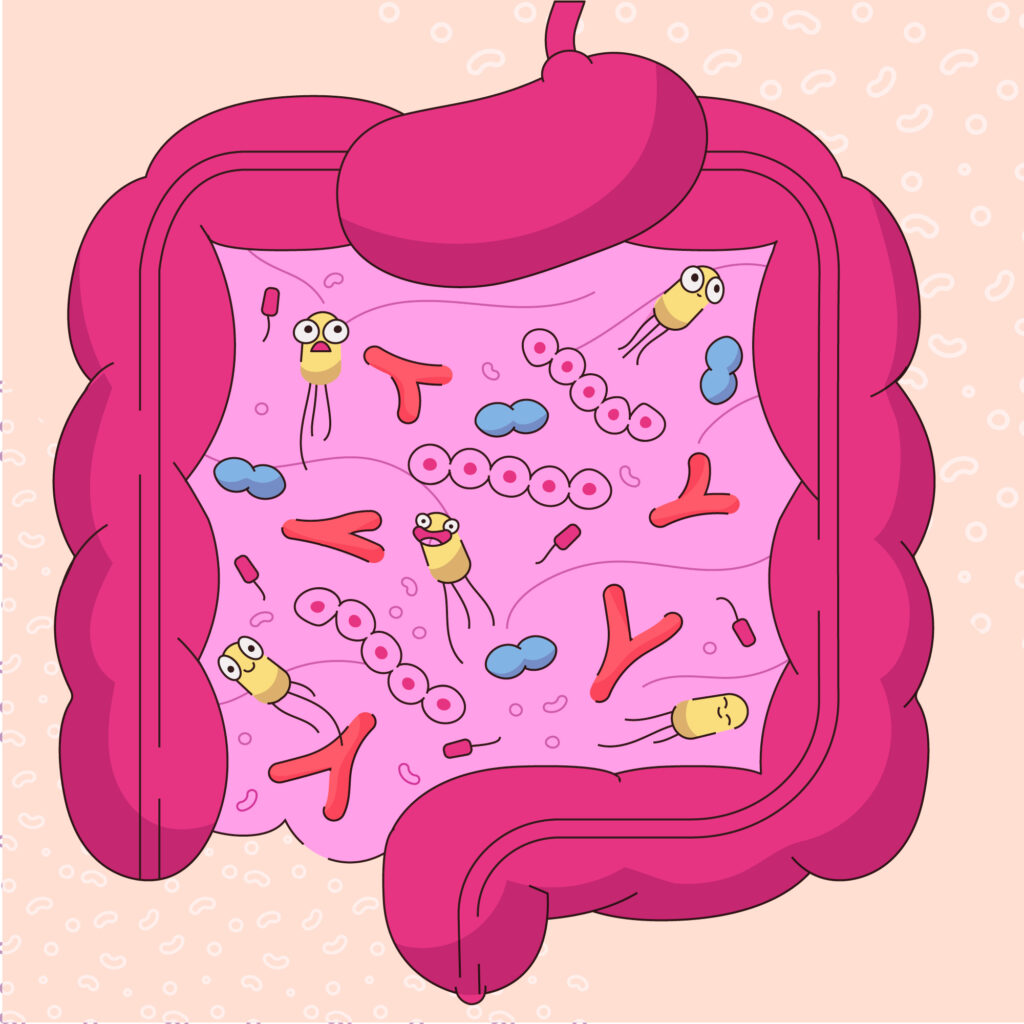
Image Credits: Freepik
Our gut microbiome is constantly evolving. From the foods we eat and the stress we carry to the medications we take and the way we live, everything impacts our gut. And what supports your gut in your 20s won’t necessarily support it in your 50s.
Each decade brings new gut needs. Hormonal shifts, slower metabolism, lifestyle changes, and even emotional baggage, all affect digestion, immunity, and overall well-being. This is why gut health improvement isn’t a one-time fix, it’s a lifelong journey.
The good news? Aging and gut health can still go hand in hand. With the right lifestyle choices, nutrition, and awareness, your gut can stay resilient. Whether you’re in your 20s or your 60s, gut health improvement foods like fiber-rich plants, fermented options, and mindful eating can make a big difference.
So, let’s explore how your gut changes across the decades, and what you can do to keep it strong, diverse, and thriving every step of the way.
Gut Beginnings: Birth to Infancy
Your gut story begins at birth. The way you’re born—vaginal delivery or C-section—can shape your gut microbiome for life.
- Babies born vaginally inherit beneficial bacteria like Lactobacillus from the birth canal, while C-section babies often have lower microbial diversity, which some studies link to allergies and obesity later on.
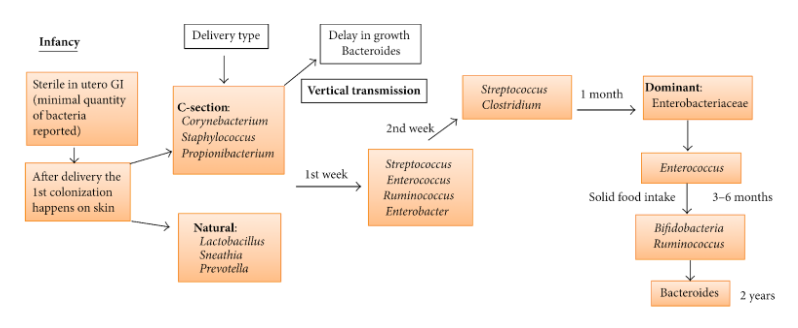
Image Source: Ravichandra Vemuri, Rohit Gundamaraju, et al. Gut Microbial Changes, Interactions, and Their Implications on Human Lifecycle: An Ageing Perspective, 26 Feb 2018. https://doi.org/10.1155/2018/4178607
Breastfeeding plays a powerful role in gut health improvement—providing prebiotics that feed good bacteria like Bifidobacteria, which support digestion and immunity. As babies move to solids, their microbiome becomes more complex, resembling that of adults.
- This is the ideal time to start introducing gut health improvement foods like mashed veggies and fiber-rich fruits to help good bacteria thrive.
- But be mindful, antibiotics, though sometimes necessary, can disrupt gut balance.
- Supporting recovery with probiotics (like curd or fermented rice water) can help.
The gut sets the stage for lifelong immunity and well-being—making early choices vital for aging and gut health.
Adolescence: Hormones, Moods, and Microbes
Adolescence is a whirlwind of hormones, growth, and mood swings, and your gut feels it too. Hormonal shifts during these years influence the gut microbiome, and in turn, gut bacteria affect the brain, impacting mood, anxiety, and behavior.
Interestingly, teens naturally have more Bifidobacteria and Clostridia, species linked to better neurotransmitter balance. But poor nutrition, stress, and irregular routines can throw this delicate system off.
- This is when mood disorders like anxiety and eating issues often show up, making gut health improvement crucial.
- Supporting gut health with more fiber, plant-based meals, and fermented foods not only supports digestion but also mental clarity and skin health.
- Introducing simple gut health improvement foods—curd, bananas, soaked nuts, sprouts—can make a huge difference.
Remember, the gut-brain connection is real, and adolescence is the time to protect and build that link.
Gut Health in Your 20s: Build the Foundation
Your 20s are full of energy, ambition, and often, chaos. Late nights, skipped meals, high stress, and convenience eating might feel harmless now, but your gut is paying attention.
Even though you’re no longer a teen, your microbiome is still stabilizing. And that means your gut is adaptable but also vulnerable.
- The gut-brain axis is also highly active at this stage. An imbalance in gut bacteria may influence neurotransmitters, increasing vulnerability to anxiety, skin breakouts, and low immunity.
This is the decade to lay down strong roots for lifelong gut health improvement. Consistent meal timings, better hydration, and reducing unnecessary antibiotics can make a massive difference.
For effective gut health improvement, focus on:
- Establishing regular meal times to support your circadian rhythm and digestion
- Prioritizing whole, fiber-rich gut health improvement foods like legumes, leafy greens, nuts, and fermented foods (curd, kefir, kimchi)
- Managing stress through mindfulness, breathing, or yoga to calm gut-brain axis signals
- Staying active to promote healthy gut motility and circulation
- Avoiding unnecessary antibiotics and replenishing gut flora if used
What you do now influences your digestion, immunity, mood, and even how you age.
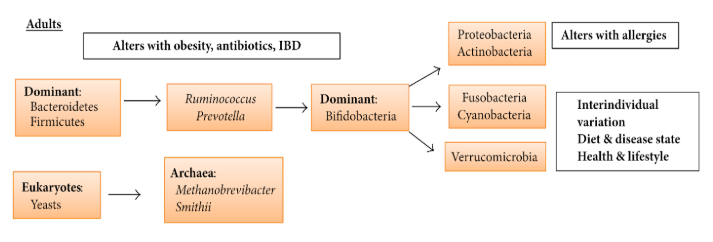
Image Source: Ravichandra Vemuri, Rohit Gundamaraju, et al. Gut Microbial Changes, Interactions, and Their Implications on Human Lifecycle: An Ageing Perspective, 26 Feb 2018. https://doi.org/10.1155/2018/4178607
Gut Health in Your 30s: Balance, Metabolism, and Microbial Shifts
Your 30s often feel like a juggling act—career, family, deadlines, responsibilities. And your gut quietly feels the weight of it all.
This is when your metabolism begins to slow down, and food sensitivities or digestive issues like bloating, acidity, or sluggish bowels may creep in. It’s also when many people begin to notice that their immunity weakens, or their skin starts reacting more, often rooted in gut imbalances.
From a biological standpoint, your gut microbiome begins to shift with lifestyle pressure. Stress, poor sleep, and inconsistent meals can disturb microbial diversity and increase inflammation.
This is where intentional choices make a difference, not drastic changes, but consistency.
- Your gut now needs steady rhythms: regular meals, deeper sleep, and nourishment from within.
- Begin introducing a rough food routine, reduce overstimulation (too much caffeine, screens), and gently bring in prebiotic-rich foods, herbs like ginger and turmeric, and fermented options.
These small steps support your microbiome and set the tone for healthy aging and gut health.
Gut Health in Your 40s: Hormones, Recovery, and Rejuvenation
Your 40s are a turning point. You may still feel energetic, but your body starts whispering things like slower digestion, unexplained fatigue, stubborn weight gain, and mood changes. Many of these signs point back to your gut.
- Digestion and nutrient absorption begin to slow.
- Hormonal shifts, especially in women during perimenopause—alter the gut environment and microbial balance.
- Estrogen decline has been linked to reduced levels of Bifidobacteria, a beneficial microbe that plays a role in regulating inflammation, immunity, and even metabolism.
You may also experience reduced production of digestive enzymes and bile, affecting how well you break down fats and absorb key vitamins. This can lead to bloating, constipation, and nutritional gaps—further disrupting gut flora.
The microbiome diversity naturally declines with age, which affects immune strength and increases the risk of inflammation.
This decade calls for gut health improvement through gentle, consistent strategies:
- An anti-inflammatory, fiber-rich nutrition plan (think lentils, greens, seeds)
- Supporting bile flow with herbs like fennel or dandelion
- Chewing slowly and eating mindfully
- Introducing fermented, gut health improvement foods
This is not about restriction—it’s about tuning in and rebuilding. What you do in your 40s can rejuvenate your gut and support graceful aging and gut health for the decades ahead.
Gut Health in Your 50s and Beyond: Longevity Starts in the Gut
As we age, we often talk about declining energy, joint pain, or memory lapses, but rarely do we trace it back to the gut. And yet, that’s where a lot of it begins.
In your 50s and beyond, digestion slows, enzyme production drops, and microbial diversity starts to shrink. This dysbiosis (the loss of healthy gut balance) can affect everything from immunity to cognitive function.
- There are links between gut microbial changes and conditions like Alzheimer’s and Parkinson’s, especially through a drop in beneficial microbes like Prevotella and a rise in inflammatory enterobacteria.
- Bile production also declines with age, making fat digestion harder and leading to bacterial overgrowth. Tooth loss, reduced appetite, and medications further limit nutrient absorption—affecting both gut and brain health.
But not all aging has to be downhill. I’ve spoken about this often in my podcast and blogs—the people living in the Blue Zones (places like Okinawa, Sardinia, and Ikaria) are proof of that. These individuals live well into their 90s and 100s with sharp minds, strong bodies, and surprisingly youthful gut profiles.
Their secret?
- Simple and consistent lifestyle choices: natural movement through daily life, plant-based and fiber-rich gut health improvement foods, minimal animal fats, and deeply rooted social connections. They don’t follow fad diets or supplements—they follow rhythm, connection, and purpose.
This phase of life calls for gentle gut health improvement: easy-to-digest, nutrient-rich meals, fermented foods, personalized probiotics, and joyful movement. Regular check-ins with a health expert can also help realign the gut for better outcomes.
Because when it comes to aging and gut health, small daily actions make a big difference—supporting immunity, cognition, digestion, and overall vitality as you grow older with grace.
Image Credits: Freepik
Timeless Gut Health Improvement Strategies for Every Age
You don’t need a fancy cleanse or an expensive supplement to fix your gut. Healing the gut doesn’t come from trends—it comes from going back to the basics and doing them consistently. Whether you’re 25, 45, or 75, the gut has the innate intelligence to heal and rebuild, if only we allow it.
Here’s what I’ve seen work time and again in my practice—with clients across the world, chronic illnesses, cancer journeys, autoimmunity, mental health challenges—you name it. These are the foundations of gut health improvement, no matter your age.
1. Eat Close to Nature, Not Labels
The gut recognizes real food, not barcodes. One of the worst things we’ve done to our microbiome is bombard it with artificial preservatives, emulsifiers, added sugars, and ultra-processed junk. These disrupt the gut wall, feed the wrong bacteria, and spark inflammation.
- Choose real, seasonal, regional, and gut health improvement foods—think fiber-rich sabzis, whole grains, nuts, seeds, fruits, spices, and lentils.
- Rotate your foods to keep microbial diversity up. What feeds one bacteria doesn’t feed another.
2. Include Prebiotics, Probiotics & Resistant Starch
Feeding the gut is not just about probiotics—it’s about feeding the bacteria that are already inside you.
- Prebiotics: Raw banana, garlic, onions, leeks, soaked oats, psyllium husk
- Probiotics: Homemade curd, fermented kanji, kefir, sauerkraut
- Resistant starch: Cooled rice, potatoes, green bananas (they feed the bacteria that make butyrate, a healing short-chain fatty acid)
Don’t pop probiotic pills blindly. If you need them, do it under the guidance of your health professional. Use food first for gut health improvement. And let your gut tell you what feels right.
3. Support Bile Flow and Stomach Acid
After 35–40, many people unknowingly suffer from low stomach acid and sluggish bile. That’s why fatty foods start to feel heavy, and bloating becomes common.
- Start meals with raw ginger, ajwain, or a pinch of rock salt
- Use spices like jeera, hing, and turmeric in cooking
- Eat mindfully—no distractions, chew 32 times
- Include bitter herbs like methi seeds, dandelion tea, or arugula to naturally stimulate bile flow, as they are gut health improvement foods
Try this 3-ingredient concoction for better bile and relief from acidity.
4. Intermittent Fasting (Only if Suitable)
Intermittent fasting gives your gut time to repair, rest, and reset. It improves microbial balance and reduces inflammation—if done correctly.
- You can begin with 10 hours on Day 1. Keep building this up gradually over days to 12, 14, 16, and so forth.
- If you live a balanced and clean lifestyle, then less is more when it comes to fasting.
- Focus more on what you eat in the window—not just when
- Women over 40 should cycle fasts around their hormones, not do daily fasting
Remember, intermittent fasting is not a replacement for the current medications you may be on. Keep your healthcare professional in the loop and practice it under supervision always.
5. Hydration: Simple, But Powerful
Every cell—including those lining your gut—depends on water. Yet so many of us are dehydrated. But here’s the trick: How and when you hydrate matters.
- Sip water, don’t gulp
- Avoid water right before and after meals—this dilutes digestive acids
- Start your day with a glass of warm water to stimulate bile
A well-hydrated gut moves better, cleanses better, and absorbs better.
6. Respect the Gut’s Timing
Your gut needs breaks. Constant snacking, mindless munching, or stress-eating confuses your digestive clock.
- Stick to 3–4 meals a day
- Avoid distractions while eating—phones off, mind present
- Don’t eat when angry or anxious
- When you eat with awareness, your gut responds with strength
Image Credits: Freepik
7. Daily Bowel Movements Are Non-Negotiable
Your colon is your drainage system. If waste isn’t eliminated daily, toxins recirculate. Chronic constipation often stems from poor gut motility, dehydration, low fiber, or stress.
Daily stool = daily cleanse.
- 2–3 tbsp soaked chia seeds or sabja
- 1 tsp cold-pressed castor oil weekly (if suitable)
- Morning squats or walking
- Good fats: ghee, coconut oil
8. Reset Your Nervous System Daily
You could eat the cleanest food and still have a bloated belly if you’re constantly stressed. Chronic stress shuts down digestion, lowers enzyme production, and alters gut flora—especially if cortisol levels stay high.
What I recommend daily:
- Deep belly breathing (4–5 minutes, 3–4x/day)
- Yoga nidra or mindfulness before bed
- Disconnecting from devices at night to reset the vagus nerve
- Walking barefoot on grass or in sunlight
A relaxed body digests better. That’s how we activate the parasympathetic nervous system—the true rest and digest mode.
And there’s more: My book, The Calm Prescription, goes deep into daily tools like these—75 science-backed, no-gadget-needed habits to help you shift out of ‘fight or flight’ and into real healing. Check it out and order your copy to start your journey to calm today.
9. Fix Your Sleep–Wake Rhythm First
Your gut has its circadian clock. When you sleep late or eat dinner too close to bedtime, you disrupt digestion, cleansing, and microbial activity. Microbial diversity improves when sleep is regular.
- Wind down by 9:30–10 PM
- Eat dinner at least 2–3 hours before bed
- Get natural light in the morning
- Avoid blue light after sunset
- Don’t wake up with caffeine—start with water, grounding, and movement
Try Circadian Rhythm Reset With 7 Effective Techniques!
10. Protect the Gut-Brain Axis
You are what you digest—and also what you think. Emotions like fear, resentment, or chronic anxiety affect gut motility and permeability. Trauma often shows up as IBS, reflux, or constipation.
- Journaling to release emotion
- Practicing forgiveness (emotional cleansing)
- Grounding techniques—barefoot walking, salt baths
- Energy medicine, EFT, or talking to a therapist if needed
- Practicing gratitude before meals to shift your state
A peaceful mind = a peaceful gut.
11. Movement: Nature’s Digestive Aid
You don’t need a gym. You need to move.
The gut loves regular, natural movement—it stimulates digestion, supports cleansing, and balances hormones.
- Walk after meals (especially dinner)
- Practice yoga or stretches in the morning
- Do squats or malasana to support bowel movements
- Avoid long sitting spells—get up every hour
Even the healthiest food won’t digest well if you’re stagnant. Movement gets your gut flowing. So, add it to your gut health improvement plan.
12. Breathe Better, Digest Better
The gut and brain are deeply connected through the vagus nerve. And one of the fastest ways to calm your gut is through the breath.
- Deep belly breathing (inhale 4 sec, exhale 6 sec)
- Box breathing (4-4-4-4 rhythm)
- Humming breath (activates the vagus nerve)
- Pranayama or Anulom Vilom in the morning
Try this: Before a meal, close your eyes and take five deep breaths. Watch how your digestion improves.
A Quick Summary
| Age Group | What’s Happening in the Gut | Gut Health Needs | Lifestyle Strategies |
| 20s | Gut is still developing. Stress, late nights, junk food, and alcohol can create early imbalances. | Build your gut foundation now—diversity matters. Feed it right. | Eat fiber-rich, whole foods Start fermented foods like curd or kanji Hydrate smartly Manage stress with movement and breath Cut back on processed foods |
| 40s | Hormonal changes, reduced enzyme production, and stress start impacting digestion. Bloating, fatigue, and gut issues become common. | Strengthen digestion, balance hormones, and reduce inflammation. | Add digestive spices (jeera, ajwain, ginger) Support liver and bile flow Emphasize sleep and stress relief Mindful eating—no distractions Include probiotic + prebiotic foods daily |
| 60s+ | Decline in microbial diversity, enzyme production, and motility. Immune function and gut-brain connection weaken. | Gentle support, easy-to-digest foods, and emotional balance become key. | Eat smaller, warm meals Include ghee, soups, soft fibers Stay active with walks or yoga Practice deep breathing or yoga nidra Include probiotics and regular gut check-ins |
The Last Word
If there’s one thing I’ve learned after working with hundreds of people across the globe, it’s this:
No two guts are the same. Your journey is yours alone. That’s what we call bio-individuality. What works for one person may not work for another, and that’s perfectly okay.
There’s no one-size-fits-all solution.
No magic pill. No shortcut.
But there is a way—
A way rooted in rhythm, nature, and consistency.
So pause today. Ask yourself: What does my gut need right now?
Whether you’re in your 20s building your foundation, in your 40s navigating hormonal shifts, or in your 60s working on graceful aging—your gut is listening!
Frequently Asked Questions
How can I improve my gut health naturally?
Your gut responds to rhythm and real food. Consistently focus on gut health improvement foods—fiber, fermented foods, prebiotics, and spices—paired with good sleep, movement, and stress relief. These simple principles support microbial diversity, digestion, immunity, and help prevent imbalances during aging and gut health transitions.
What are the best gut health improvement foods?
Think plants and fermentation. Fiber-rich fruits, veggies, whole grains, legumes, onions, garlic (prebiotics), plus fermented foods like curd, kimchi, kefir (probiotics) . These nourish good bacteria, support digestion, immunity, and gut health improvement.
Do I need probiotics or prebiotics?
Both—but food first. Probiotics introduce live bacteria; prebiotics (fibers) feed them . Combining prebiotic-rich food with fermented sources is the best way for gut health improvement and setting up aging and gut health resilience.
Why am I bloated after meals?
Bloating often results from stress, eating too fast, food sensitivities—or low motility. Improve with mindful eating, stress relief, and gentle movement after meals. Reducing processed foods helps too. These small changes ease digestion and support gut health improvement.
How does aging affect gut health?
As we age, digestion slows, microbial diversity decreases, and enzyme and bile production drop. This shift impacts immunity, inflammation, and even brain health. Focus on fiber, fermented foods, movement, and stress management to support aging and gut health.
Disclaimer: This blog is for informational purposes only and is not a substitute for medical advice, diagnosis, or treatment. Always consult with your doctor, healthcare practitioner, or a certified nutrition expert before making changes to your nutrition, lifestyle, or supplement routine—especially if you have a medical condition or are on medication.
Struggling to find the right choices for your gut health?
We’re here to support YOU every step of the way.
Set up a one-on-one consultation with our integrative team or enroll in our specialized Gut Care Program for personalized solutions.
Reach out to us at 1800 102 0253 or write to us at [email protected].