No products in the cart.
“Have we always consumed so much gluten, or has something shifted in the way we eat today?”
Did our ancestors eat this much gluten?
These are the questions worth pausing over. Because when we take a moment to reflect on the way our grandparents and their grandparents ate, we realise their plates looked vastly different from ours today. The concept of gluten-free food wasn’t a trend or a nutrition label. It was often a natural byproduct of a way of life that was deeply rooted in diversity, seasonality, and balance.
Traditionally, Indian meals were a vibrant mosaic of ingredients. Instead of leaning heavily on a single grain like wheat, people consumed a wide range of local, indigenous grains, millets like ragi, jowar, bajra, and kodo, paired thoughtfully with legumes, lentils, nuts, and seeds. Seasonal vegetables were at the centre of most meals, and fermentation, through idlis, dosas, kanji, or pickles, enhanced not just flavour but also gut health.
Wheat, even when consumed, was often in its unrefined, hand-pounded form, and used mindfully, not three times a day, every single day. Food was regional, seasonal, and naturally gluten-light, even without deliberate effort. It wasn’t about cutting out gluten; it was about embracing grain diversity and nutrient synergy.
Fast-forward to modern India, and things have shifted drastically. Wheat is no longer a part of the food—it is the nutrition for many urban households.
Breakfast might begin with toast or parathas, lunch with chapatis, and dinner ends with wheat rotis or pasta. The problem isn’t wheat in isolation. It’s the lack of balance, the over-reliance on a single grain, and the near-disappearance of traditional, gluten-free food options that once gave our meals integrity.
This shift in food patterns, away from complex, nutrient-rich traditional meals toward gluten-dense, carbohydrate-heavy patterns, is not just a cultural loss. It has real consequences for public health. According to the International Diabetes Federation (2021), India is home to over 77 million people living with diabetes, earning it the troubling title of the diabetes capital of the world. While gluten alone isn’t to blame, our increasing dependence on processed wheat and refined flour, a key source of gluten, is part of the bigger picture.
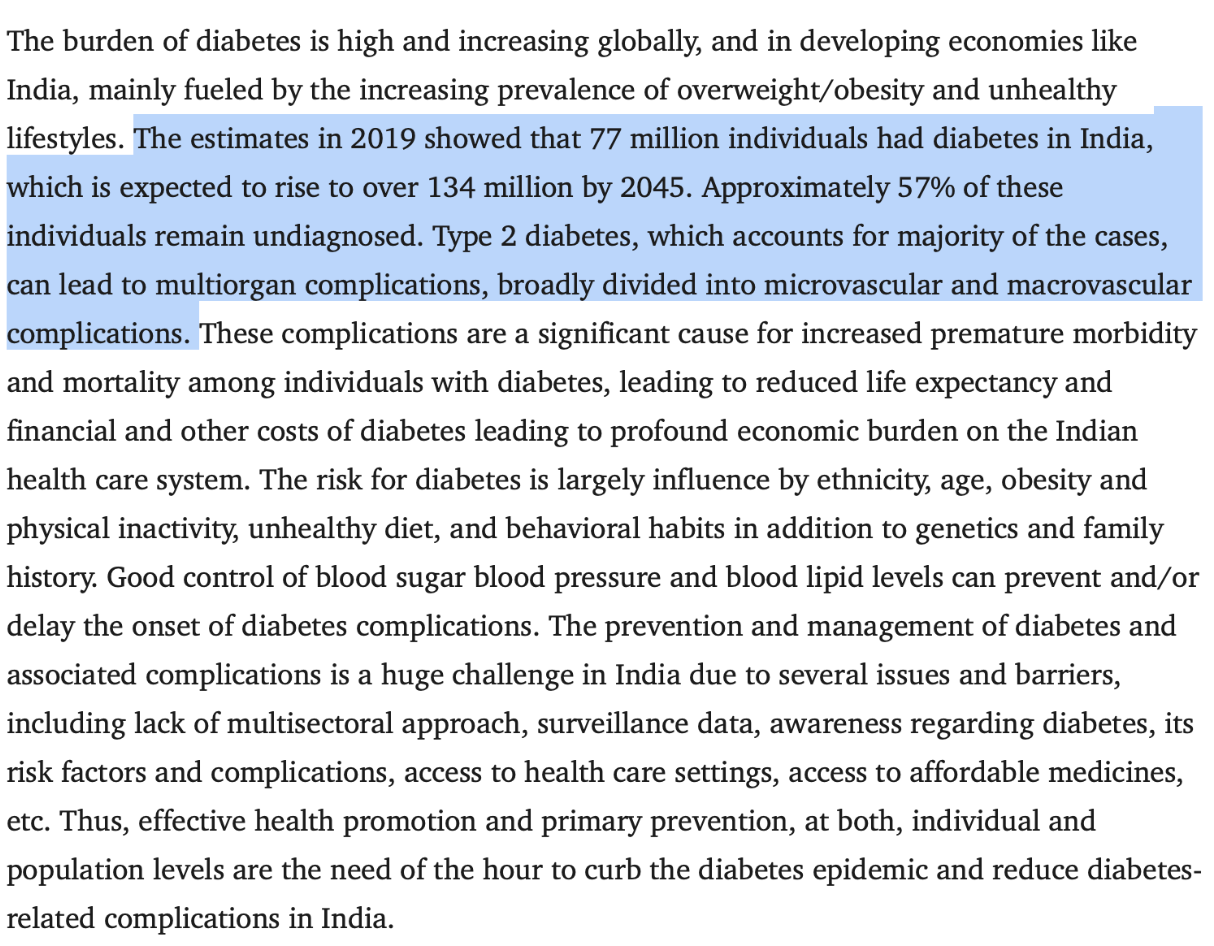 Source: Pradeepa, R., & Mohan, V. (2021). Epidemiology of type 2 diabetes in India. Indian journal of ophthalmology, 69(11), 2932–2938. https://doi.org/10.4103/ijo.IJO_1627_21
In fact, the transition from whole, fibre-rich millets to polished, refined grains has affected not just blood sugar regulation, but also gut health and metabolic resilience. Traditional foods were naturally low on the glycemic index, providing satiety without sugar spikes. Today, many modern wheat products, especially those made with refined maida, are digested quickly, leading to energy crashes, inflammation, and poor satiety.
What Is Gluten, and Why Does It Matter?
Gluten is a structural protein naturally found in grains like wheat, barley, and rye. It’s composed primarily of two main protein groups; gliadin and glutenin, which, when mixed with water, create the elastic network that gives dough its chewy, stretchy texture. This is what makes your rotis soft, your sourdough crisp on the outside and fluffy within, and your cakes rise to perfection. Gluten is the ‘glue’ that holds grain-based foods together.
But here’s the catch: just because a protein is naturally occurring doesn’t always mean it’s universally well-tolerated.
While many people can digest gluten without concern, there is a growing number whose bodies do not respond well to it. This doesn’t necessarily mean everyone should avoid foods that contain gluten, but it does underline the need for individualised awareness, because for some, gluten does more harm than good.
Here are some of the most commonly reported symptoms of gluten intolerance or sensitivity:
- Digestive distress: Bloating, abdominal pain, flatulence, or alternating constipation and diarrhea, especially after meals containing wheat, bread, or pasta.
- Fatigue: A persistent sense of tiredness or post-meal crashes, even with adequate sleep and nutrition.
- Skin issues: Eczema, rashes, acne, or psoriasis-like flare-ups that don’t respond well to conventional care.
- Brain fog: Trouble concentrating, forgetfulness, or a sense of mental ‘cloudiness.’
- Joint pain: Unexplained stiffness, swelling, or chronic inflammation without a clear injury.
Why Are More People Becoming Gluten-Intolerant Today?
As conversations around gluten-free food continue to grow, so does the number of people reporting discomfort, bloating, fatigue, and other symptoms after consuming foods that contain gluten. What’s interesting, and deeply important, is that many of these individuals test negative for celiac disease, yet they still don’t feel well after eating wheat or related grains. This brings us to a significant shift we’re seeing globally: an increase in gluten intolerance or non-celiac gluten sensitivity (NCGS).
The real question is, why now?
After all, grains like wheat have been part of the human food plan for thousands of years.
So what changed?
The answer lies in a combination of modern agricultural practices, lifestyle changes, and emerging science on gut health like:
- Modern Wheat Is Not What It Used to Be
The wheat we consume today is vastly different from the wheat our grandparents consumed. Over the last several decades, hybridisation and selective breeding have altered the protein composition of wheat, not genetically modified, but crossbred to yield higher productivity, pest resistance, and stronger gluten content to suit commercial baking and food processing needs.
Modern wheat cultivars contain significantly higher levels of gliadin, the component of gluten most implicated in immune reactions, compared to older wheat varieties. While this increased gluten content enhances dough elasticity and baking performance, it may also contribute to the rise in gluten-related sensitivities.
This might help explain why, today, even individuals without celiac disease are experiencing gluten side effects, ranging from digestive issues and fatigue to skin rashes and brain fog.
- Overexposure: Three Meals a Day, Every Day
Wheat has become a dominant staple in many Indian households. From morning toast and parathas to lunchtime rotis and evening biscuits or pasta, our bodies are being exposed to foods that contain gluten almost all day, every day.
Such repetitive exposure, especially when paired with low food diversity, can trigger immune hypersensitivity and disturb gut function over time. Chronic exposure to gluten in susceptible individuals can activate an inflammatory cascade, even in those who are not classically celiac.
It’s not just about eating wheat, it’s about how much, how often, and how little we rotate our grains.
- Glyphosate and Gut Permeability: The Leaky Gut Hypothesis
Another layer to this conversation is the widespread use of glyphosate, a herbicide commonly sprayed on wheat crops just before harvest to speed drying. Glyphosate has been shown to alter the gut microbiome and compromise intestinal tight junctions, potentially increasing the permeability of the gut lining, a phenomenon popularly referred to as leaky gut.
Glyphosate may interfere with the body’s cleansing enzymes and disrupt the microbiota responsible for maintaining a balanced immune response. Although this research is still evolving, the link between environmental toxins, gut health, and gluten intolerance is gaining scientific interest.
- Lifestyle Factors: Stress, Sedentary Habits, and Dysbiosis
Beyond food itself, our lifestyle has drastically changed. Chronic stress, irregular sleep, overuse of antibiotics, and a largely sedentary way of living affect the gut microbiome, a diverse community of bacteria that plays a crucial role in digestion, immune balance, and nutrient absorption.
A disrupted microbiome, or dysbiosis, has been shown to impair gluten tolerance in some individuals. Individuals with NCGS often exhibit signs of altered gut flora and immune dysregulation, even though they don’t have the typical markers of celiac disease. This supports the idea that gluten intolerance is not only about the grain but also about how your body is currently positioned to handle it.
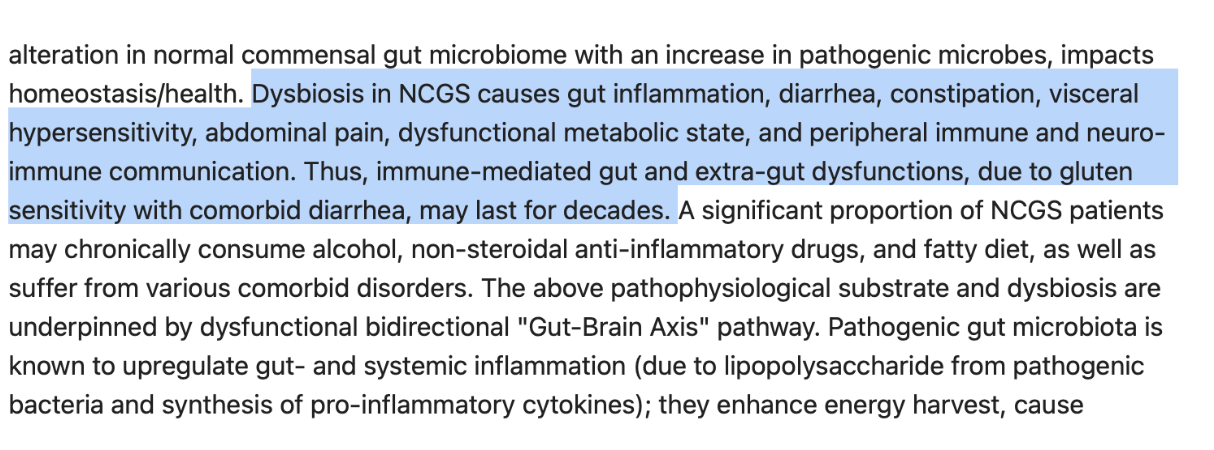
Source: Daulatzai MA. Non-celiac gluten sensitivity triggers gut dysbiosis, neuroinflammation, gut-brain axis dysfunction, and vulnerability for dementia. CNS Neurol Disord Drug Targets. 2015;14(1):110-31. doi: 10.2174/1871527314666150202152436. PMID: 25642988.
Who Should Be Cautious with Gluten?
Not everyone needs to give up gluten, but some of us may truly thrive without it. That’s the key message here, not to generalize, not to restrict unnecessarily, but to invite reflection and self-awareness. While gluten-containing foods are well-tolerated by many, there is a growing subset of individuals for whom gluten can trigger deeper imbalances, physically, hormonally, and immunologically.
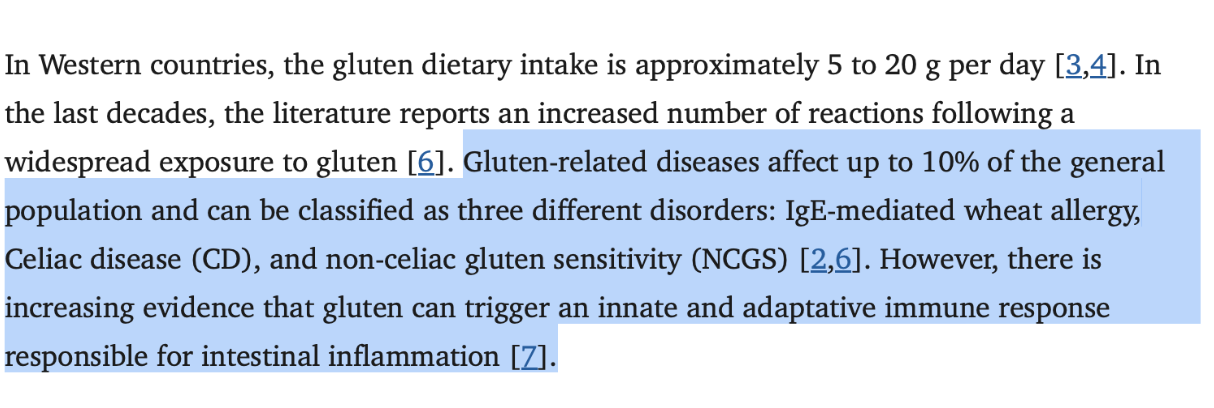
Source: Cenni, S., Sesenna, V., Boiardi, G., Casertano, M., Russo, G., Reginelli, A., Esposito, S., & Strisciuglio, C. (2023). The Role of Gluten in Gastrointestinal Disorders: A Review. Nutrients, 15(7), 1615. https://doi.org/10.3390/nu15071615
Today, the science around gluten sensitivity has evolved far beyond celiac disease. Let’s explore some of the conditions where a more mindful approach to gluten could make a meaningful difference:
1. Celiac Disease: An Autoimmune Disorder Triggered by Gluten
Celiac disease is one of the most well-defined conditions associated with gluten intolerance. It is not an allergy or a sensitivity; it’s an autoimmune disorder, where ingesting gluten triggers the immune system to attack the villi (finger-like projections to help absorption of nutrients from food) of the small intestine, impairing nutrient absorption and damaging the gut lining.
Celiac disease affects approximately 1% of the global population, though it often goes undiagnosed or misdiagnosed for years. The causes of celiac disease are a complex interaction between genetic predisposition (particularly HLA-DQ2 and HLA-DQ8 genes), immune dysregulation, and environmental triggers, including gluten.
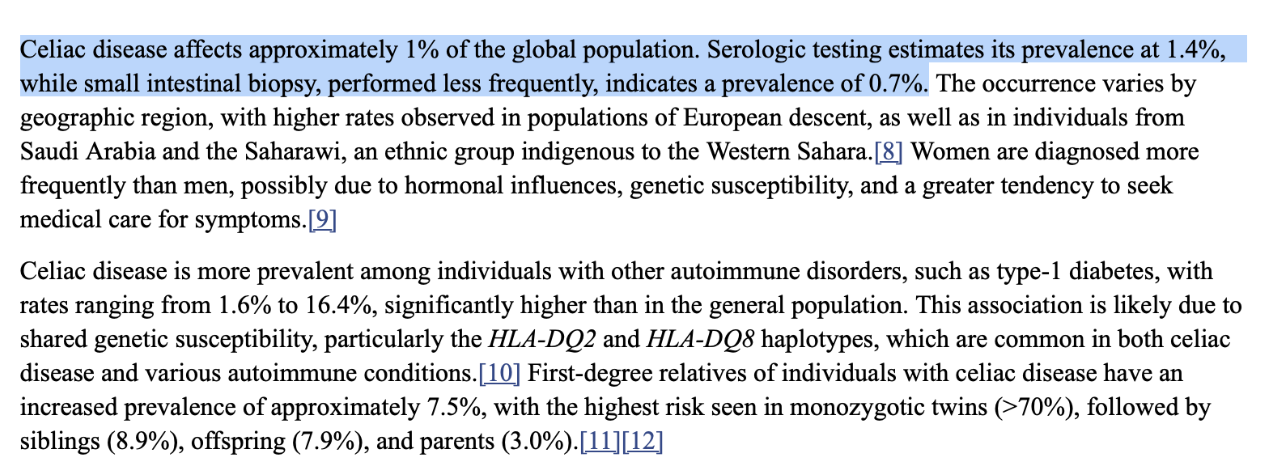
Source: Daley SF, Haseeb M. Celiac Disease. [Updated 2025 Feb 4]. In: StatPearls [Internet]. Treasure Island (FL): StatPearls Publishing; 2025 Jan-. Available from: https://www.ncbi.nlm.nih.gov/books/NBK441900/
In such cases, a strict, lifelong shift to gluten free food becomes not a choice, but a biological necessity.
2. Non-Celiac Gluten Sensitivity (NCGS): The Invisible Struggle
Not all gluten intolerance fits neatly into the celiac category. A growing body of research now supports the existence of non-celiac gluten sensitivity (NCGS), a condition where individuals experience symptoms after consuming gluten, but test negative for celiac disease and wheat allergy.
Individuals with NCGS often report symptoms like abdominal pain, fatigue, brain fog, and headaches, typically occurring within a few hours to a couple of days after eating gluten. Interestingly, these symptoms are not triggered by the adaptive immune system, which is the part of your immunity that learns and remembers threats, like viruses or allergens. Instead, NCGS reactions may involve the innate immune system, which is your body’s first line of defense that responds quickly to any perceived invader. These reactions may also be linked to gut microbiome imbalances or low-grade inflammation in the gut.
What’s crucial to understand here is that NCGS is real, measurable, and manageable, and that gluten-free food isn’t just for those with a diagnosis, but also for those who find they feel and function better without gluten in their daily meals.
3. Hashimoto’s Hypothyroidism: When Gluten Triggers Cross-Reactivity
There is increasing interest in the connection between gluten and autoimmune thyroid conditions, particularly Hashimoto’s thyroiditis. While more research is needed to establish causality, existing data suggests a strong genetic and immunological overlap between Hashimoto’s and celiac disease.
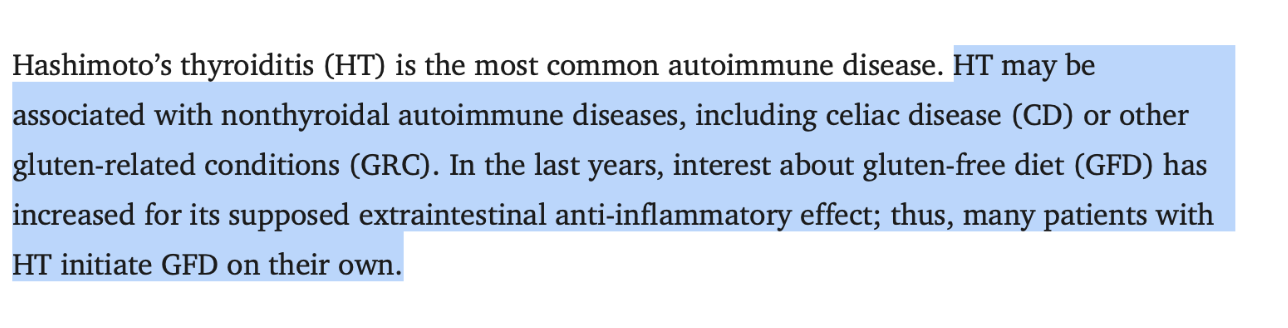
Source: Piticchio, T., Frasca, F., Malandrino, P., Trimboli, P., Carrubba, N., Tumminia, A., Vinciguerra, F., & Frittitta, L. (2023). Effect of gluten-free diet on autoimmune thyroiditis progression in patients with no symptoms or histology of celiac disease: a meta-analysis. Frontiers in endocrinology, 14, 1200372. https://doi.org/10.3389/fendo.2023.1200372
Studies have found that individuals with Hashimoto’s often carry the same HLA-DQ2 and HLA-DQ8 markers as those with celiac disease. Furthermore, molecular mimicry, a phenomenon where gluten peptides resemble thyroid tissue, may lead to the immune system mistakenly attacking the thyroid gland when gluten is regularly consumed.
For those living with hypothyroidism, especially autoimmune-related, reducing or eliminating gluten may help lower systemic inflammation and support better hormonal balance. Again, this isn’t about blanket rules; it’s about exploring what works for your body.
4. IBS, PCOS, and Skin Conditions: When Gluten Sensitivity Is Beyond the Gut
Several chronic conditions, especially those involving inflammation or hormonal imbalance, may benefit from a gluten-conscious approach. Conditions like Irritable Bowel Syndrome (IBS), Polycystic Ovary Syndrome (PCOS), acne, eczema, and even psoriasis have been reported by patients to improve after transitioning to a more gluten-free or gluten-light lifestyle.
Researchers found that patients with IBS who followed a low FODMAP (Fermentable Oligo-Di-Monosaccharides and Polyols) food plan that also restricted gluten experienced greater symptom relief, suggesting that gluten may be an aggravating factor for some, even outside of classic celiac mechanisms.
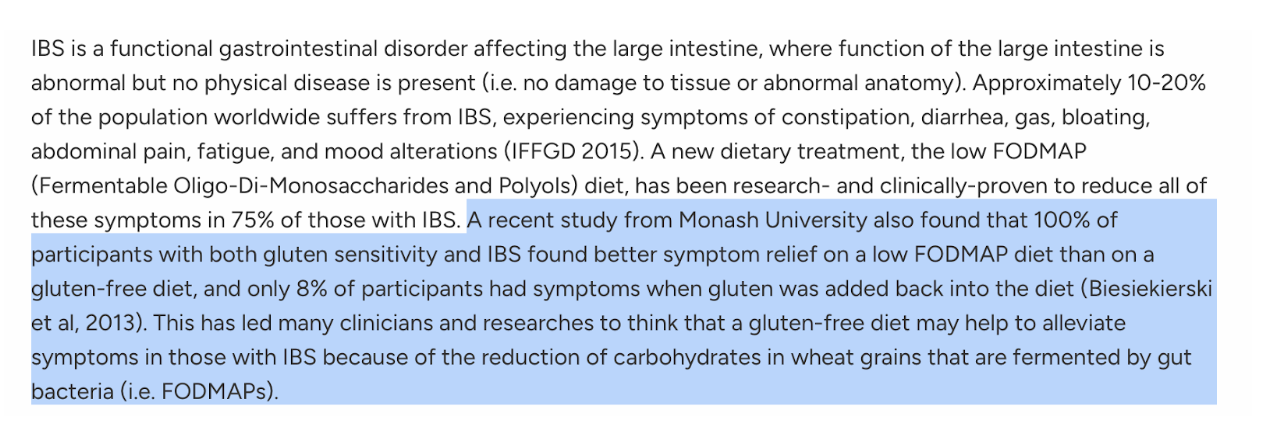
Source: Biesiekierski, J.R., Peters, S.L., Newnham, E.D., Rosella, O., Muir, J.G., Gibson, P.R. (2013). No effects of gluten in patients with self-reported non-celiac gluten sensitivity after dietary reduction of fermentable, poorly absorbed, short-chain carbohydrates. Gastroenterology 145(2):320-8.e1-3.
Though more high-quality studies are needed, the anecdotal and clinical patterns are hard to ignore. For many, gluten side effects go beyond digestion and manifest as fatigue, inflammation, skin issues, and mood fluctuations.
Foods That Contain Gluten (And Often Go Unnoticed)
When we talk about going off gluten, most people immediately think of wheat roti or white bread. But gluten, this sticky little protein, has a way of slipping into foods you wouldn’t even suspect. And that’s where it gets tricky, especially if you’re trying to embrace a gluten-free food lifestyle to manage your health better.
Let’s look at some of the most common and sneaky sources of gluten in our everyday foods:
1. Traditional grains and flours
- Wheat – The most familiar culprit, found in forms like atta (whole wheat), maida (refined white flour), and durum wheat (used in pasta).
- Semolina (suji or rava) – Often used in Indian sweets, upma, and pasta.
- Couscous and bulgur – Common in Mediterranean and Middle Eastern dishes, but made from wheat.
- Barley – Found in sattu, malted drinks, beer, and some breakfast cereals.
- Rye – Used in rye bread, crackers, and some alcohols like whiskey.
2. Processed and packaged foods (often overlooked)
- Soy sauce – Surprisingly, many conventional soy sauces are brewed with wheat.
- Imitation meats and plant-based protein substitutes – Often use gluten as a binder.
- Packaged soups and gravies – Use flour or barley malt as a thickening agent.
- Salad dressings and marinades – May contain malt vinegar or wheat-derived stabilizers.
- Snack foods – Chips, crackers, energy bars, and even chocolate can contain hidden gluten in the form of emulsifiers or thickeners.
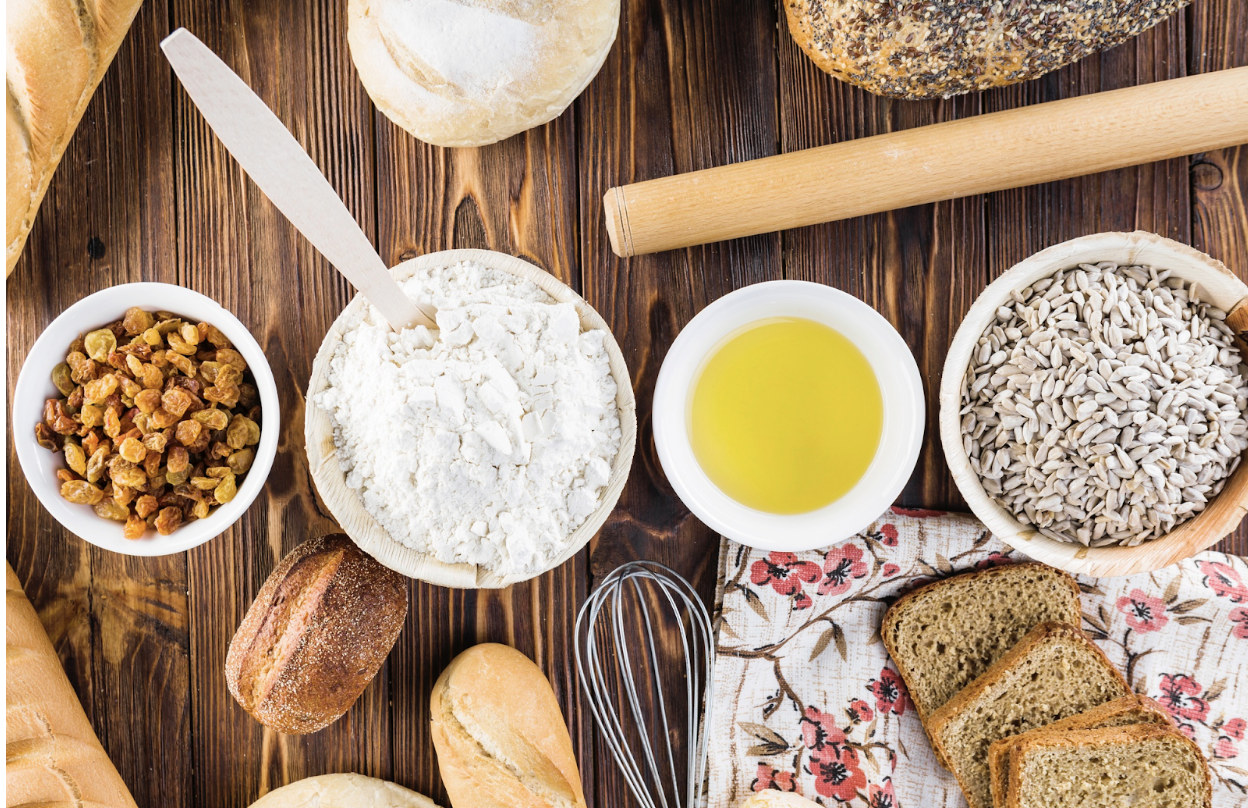
Image Credits: Freepik
What Does Going Gluten-Free Look Like? (Without Sacrificing Nutrition)
Choosing to eat gluten-free food doesn’t have to mean missing out. In fact, when done right, it can be an upgrade; nutritionally, energetically, and digestively.
And this shift isn’t just for those with a diagnosed gluten intolerance or celiac disease. More people today are exploring the gluten-free path. Let’s be clear: not everyone needs to go gluten-free.
But if you’re someone who has experienced symptoms and is considering eliminating gluten for a period, doing so mindfully can open doors to more diverse, nutrient-dense options, many of which our ancestors thrived on.
Here are some real, practical swaps and additions to build a gluten free food lifestyle that is both nourishing and sustainable:
- Whole Millets – The Forgotten Grains of India
These ancient grains are naturally gluten-free and rich in fiber, minerals, and antioxidants:
- Jowar (sorghum) – High in iron, magnesium, and good for gut health.
- Bajra (pearl millet) – Alkaline, warming, and great for sustained energy.
- Ragi (finger millet) – Exceptionally rich in calcium and polyphenols.
- Foxtail, Kodo, Barnyard millets – Excellent for blood sugar regulation and satiety.
Disclaimer: While gluten-free foods such as millets can offer a nutrient-rich alternative to wheat, they may not suit everyone, especially individuals with severe gut issues, IBS, or compromised digestion. Certain millets are high in insoluble fiber or natural antinutrients, which can be difficult to tolerate in sensitive cases. Always consult a qualified healthcare practitioner before making significant dietary changes.
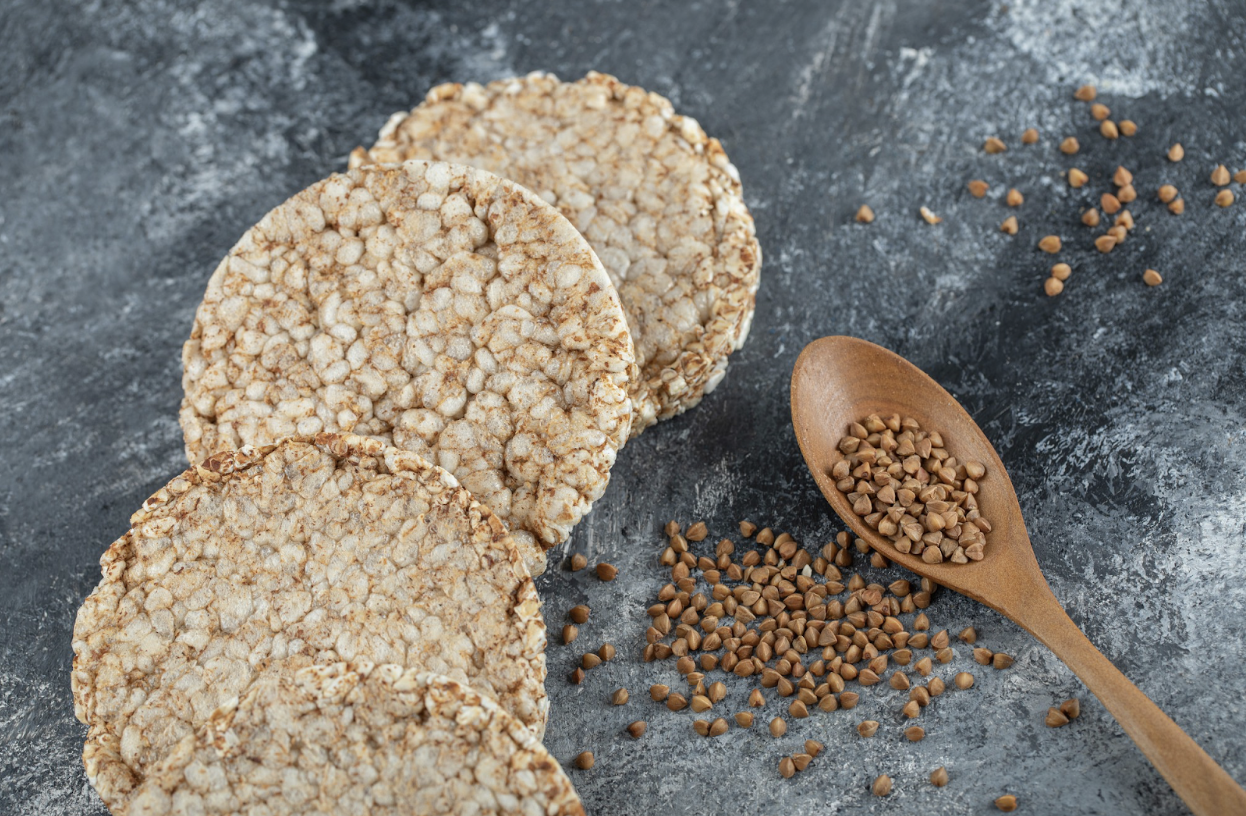
Image Credits: Freepik
- Pseudo-grains with Real Benefits
- Amaranth (rajgira) – Rich in lysine, a rare amino acid not found in most grains.
- Quinoa – A complete protein, gluten-free, and easy on digestion.
- Buckwheat (kuttu) – Not a grain at all, but a seed rich in flavonoids and gut-friendly fiber.
- Root-Based and Legume Alternatives
- Rice – Choose unpolished red, brown, or black rice for better nutrient value.
- Lentils and legumes – Great sources of plant protein, iron, and complex carbs.
- Sweet potato and potato – Naturally gluten-free and rich in resistant starch when cooled.
Simple and Smart Swaps You Can Start Today
Instead of wheat-based staples, try these effortless transitions:
- Roti → Jowar or bajra rotis made fresh at home
- Pasta → Red rice pasta or quinoa pasta
- Bread → Sourdough (if tolerated) or homemade millet-based bread
Gluten-Free Doesn’t Mean Joy-Free
A common fear is: “Will I have to give up my favorite comfort foods?”
Not at all.
We’ve worked hard to create and test delicious, wholesome gluten-free food recipes that bring joy back to the kitchen.
Here are just a few you can explore:
- Non-Dairy Kadhi – Creamy, tangy, and gut-soothing
- Ragi Chocolate Sheera – A warm, wholesome dessert with a calcium boost
- Natural Protein Booster – Packed with lentils, nuts, and seeds
- Breakfast Oat Groats – Rich in fiber, keeps you full and energized
- Lauki Moong Dal Dosa – Light, cooling, and ideal for gut cleansing
- Moringa Khichdi – Anti-inflammatory, iron-rich, and deeply nourishing
- Mighty Millet Noodles – Comfort food without the post-meal crash
- Sattu Cake & Cookies – High protein and deeply satisfying
- Bake Your Guilt-Free and Gluten-Free Pizza from Scratch – A delicious twist on a comfort classic
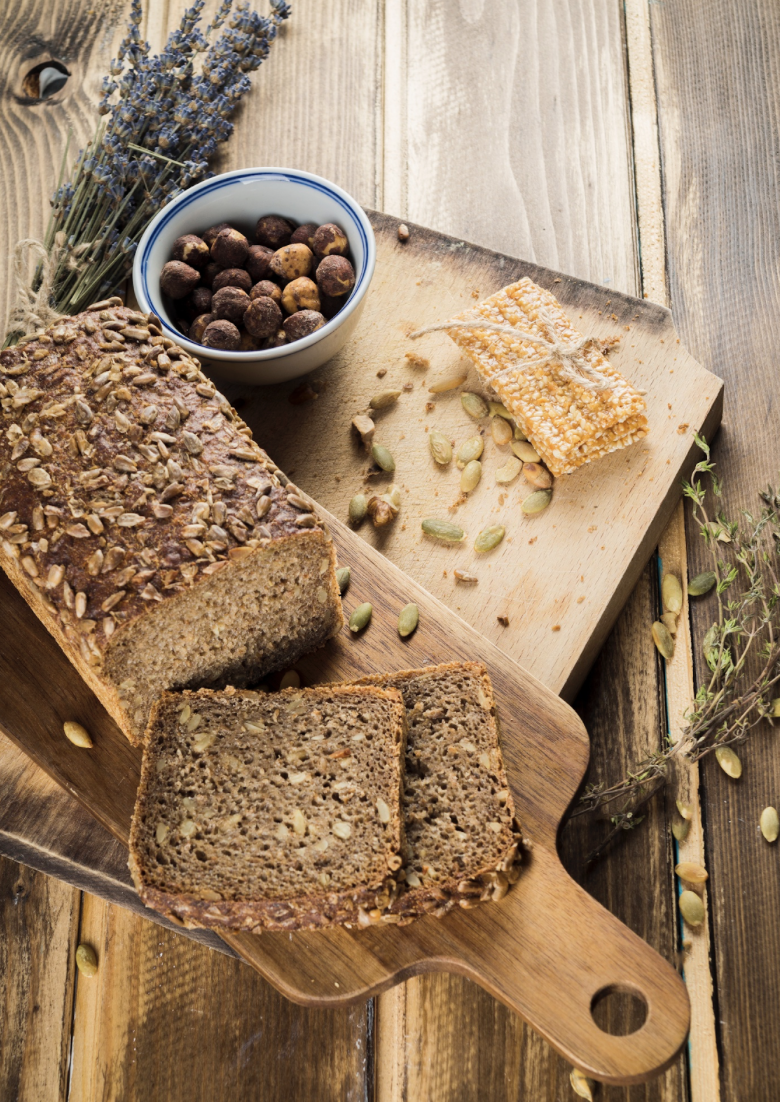
Image Credits: Freepik
Nutritional Value of Gluten-Free Foods
When we think of gluten-free food, most people imagine deprivation, cutting out bread, pasta, and baked goods.
But let’s flip that narrative.
Going gluten-free isn’t just about what you remove from your plate. It’s also about what you can now add in, and when done mindfully, it can be an upgrade in both nutrition and digestion.
Here’s how gluten-rich grains and gluten-free grains compare nutritionally:
- Fibre Content
- Refined wheat (commonly found in store-bought breads, rotis, and pastas) is often low in fibre unless it’s whole grain, which is rarely the case.
- Gluten-free grains like jowar, bajra, ragi, and foxtail millet are rich in soluble and insoluble fibre, promoting better digestion, enhanced satiety, and more stable blood sugar levels.
- Fibre not only keeps our bowels regular but also fuels the good bacteria in our gut, our internal army that supports immunity, mood, and metabolic health.
- Micronutrients: Iron, Calcium, Magnesium
- Millets and pseudo-grains like amaranth and quinoa outperform wheat in micronutrient density:
- Ragi is a calcium powerhouse, especially important for women, children, and those with lactose intolerance.
- Bajra and jowar are rich in iron and magnesium, supporting oxygen delivery and nerve-muscle function.
- Buckwheat offers a robust dose of rutin, a flavonoid that supports heart health.
- Digestibility and Glycemic Index
- Wheat and other foods that contain gluten tend to have a moderate to high glycemic index (GI), especially when refined, leading to faster blood sugar spikes and crashes.
- Gluten-free whole grains, on the other hand, generally have a lower GI. They break down more slowly in the body, offering a more sustained energy release.
- Additionally, many gluten-free grains are easier to digest and less likely to cause bloating or heaviness, especially in those with non-celiac gluten sensitivity or irritable bowel syndrome.
Now here’s the key: gluten-free food is not a blanket solution for everyone.
That’s why DIY diagnosis can often do more harm than good. Before you cut out gluten on your own, it’s essential to work with a qualified healthcare provider to try an elimination and reintroduction trial, a gold standard method used to identify food sensitivities without triggering deficiencies or unnecessary restrictions.
This process involves:
- Removing gluten-containing foods for a period of 3–4 weeks.
- Observing symptom changes, like energy, digestion, mood, skin.
- Mindfully reintroducing gluten, while tracking any returning symptoms or flare-ups.
Final Thoughts
When it comes to food, there’s no one-size-fits-all; only what aligns with your body, your lifestyle, and your healing. Gluten is not the enemy. But for some, it can quietly become a disruptor. For others, it might have no impact at all, especially when consumed mindfully, in traditional forms that the body recognises.
And that’s the beauty of conscious living—it invites you to become your own health advocate.
You don’t need to fear what’s on your plate.
You need to understand it.
To pause.
To notice how your body feels after a meal, not just during it.
Energy levels. Skin. Mood. Digestion.
These are not random; they’re feedback. And when you start listening deeply, without judgment, the body responds with clarity.
So instead of asking, “Should I go gluten-free?” ask, “What is my body asking of me right now?”
Because the most sustainable health changes don’t come from external rules. They begin with internal awareness.
Let that be your guide.
Ready to experience the difference for yourself?
Watch my 5-Day Gluten & Dairy-Free Challenge and start nourishing your skin, hair, and digestion, one mindful bite at a time:
Disclaimer: This blog is intended for educational and informational purposes only. It is NOT a substitute for medical advice, diagnosis, or treatment. While we aim to share knowledge backed by science and traditional wisdom, every individual is unique. Always consult a qualified healthcare professional before making any changes to your food habits, especially if you suspect gluten intolerance, celiac disease, or any underlying medical condition. Nutritional needs, sensitivities, and health responses vary from person to person. What works for one may not work for another, and that’s perfectly okay. Listen to your body, and make informed choices that support your health and well-being.
If you’re doing all the ‘right’ things but still don’t feel like yourself, you’re not alone, and there is support beyond food swaps.
Our Wellness Programs are here to support you gently and mindfully, offering personalised guidance, lifestyle tools, and practical solutions that align with your unique journey.
Feel free to reach out at 18001020253 or write to us at [email protected]; we’re here to walk this path with you.