No products in the cart.
Type 2 diabetes is not just high blood sugar.
It is a metabolic and lifestyle disorder that develops quietly over the years.
Yes, take your medicines.
Yes, monitor your fasting and post-meal readings.
Yes, follow your doctor’s advice.

Image Credits: Freepik
But one important question often goes unasked: what foundations is your body functioning on?
When insulin resistance builds, when visceral fat accumulates, when sleep, stress, movement, and nutrition remain misaligned, blood sugar becomes the visible signal of a deeper imbalance. Without strengthening these basics, long-term stability becomes difficult, even with the best treatment plan.
Because sustainable blood sugar control begins with strong foundations.
So, here we explore:
- Why does insulin resistance sit at the core of type 2 diabetes
- Why do many struggle to improve despite ongoing treatment
- Gaps in prediabetes management
- The importance of lifestyle changes for diabetes
- How foundational medicine supports better metabolic health
Why Type 2 Diabetes Takes Years to Improve (And Why Many Never Reverse It)
Type 2 diabetes does not develop suddenly, and it rarely improves quickly. The metabolic changes that drive it build gradually over the years. By the time blood sugar levels rise consistently, the underlying dysfunction has often been present for a long time.
This delayed progression is one reason improvement feels slow, and why many people struggle to reverse insulin resistance despite treatment.
What Most Type 2 Diabetes Care Focuses On
In routine care, attention often centers around:
- Tracking fasting and post-meal glucose
- Monitoring HbA1c levels
- Adjusting insulin or oral medication
- Trying restrictive or low-carb diets
These steps are important. However, they primarily manage blood sugar levels.
Glucose is a measurable marker, but it is not the root process. When the deeper metabolic environment is not addressed, efforts to manage blood sugar naturally may produce only partial or temporary results.
Type 2 Diabetes Is a Chronic Metabolic and Inflammatory Disorder
At its core, type 2 diabetes is a chronic metabolic and inflammatory disorder involving:
- Insulin resistance
- Mitochondrial dysfunction
- Chronic low-grade inflammation
- Visceral fat accumulation
- Circadian rhythm disruption
Blood sugar rises because cells gradually stop responding effectively to insulin.
In insulin resistance:
- Muscle tissue absorbs less glucose
- The liver continues producing glucose even when it is not required
- Visceral fat releases inflammatory signals
- The pancreas compensates by producing more insulin, eventually leading to beta-cell exhaustion
This process often begins years before diagnosis. Poor sleep and blood sugar instability, chronic stress, excess belly fat, and sedentary habits quietly accelerate progression. This is why early prediabetes management is critical; the earlier the metabolic environment is corrected, the better the long-term outcome.
Why Normal Sugar Readings Do Not Mean the Disease Is Gone
Medication can help stabilize glucose levels. But normal readings do not automatically mean that insulin resistance has resolved or that metabolic health has been restored.
If foundational drivers remain unaddressed, the disease may continue progressing beneath the surface. Over time, this increases the risk of:
- Kidney complications
- Vision loss
- Blood vessel damage and cardiovascular complications
- Neuropathy
- Accelerated aging and reduced longevity
- Impaired immune function
- Delayed wound healing
- Reduced regenerative and stem-cell repair capacity
So while numbers may appear controlled on medication, the underlying metabolic strain can persist.
This explains why medication doses may escalate over time, insulin requirements may increase, and long-term complications may develop despite “controlled” sugar.
Improvement, therefore, requires more than numerical control. It requires strengthening the biological systems that regulate metabolism.
This is where foundational medicine becomes essential, not as an alternative to medical care, but as the structural work that supports long-term metabolic repair and sustainable reversal of insulin resistance.

Image Credits: Freepik
What Foundational Medicine Means for Type 2 Diabetes
In foundational medicine, blood sugar readings are treated as signals, not the full story. Supporting digestion, sleep quality, movement, stress balance, and gut health creates an environment where insulin sensitivity can improve, energy stabilizes, and long-term management becomes more sustainable.
Curious to dive deeper into how foundational medicine reshapes diabetes care and supports lasting metabolic change?
Read the full foundational medicine guide here:
https://www.lukecoutinho.com/blogs/foundations-type-2-diabetes/
Foundation 1: Nutrition
Nutrition is the first foundation.
Type 2 diabetes is not about eliminating carbohydrates completely. It is about quality, quantity, timing, and pairing. The goal is not extreme restriction, but improving how your body responds to food and gradually reversing insulin resistance.
One common mistake is blaming traditional foods.
- Dal–chawal, roti–rice, idli–dosa, and even fruits like banana or mango are often labelled as the problem.
- These foods have been part of cultural diets for generations.
- Demonizing traditional meals while ignoring modern lifestyle patterns is not evidence-based.
The real drivers of metabolic dysfunction are different:
- Chronic calorie surplus
- Ultra-processed foods
- Frequent snacking
- Late-night dinners
- Physical inactivity
- Poorly managed stress
- Sleep deprivation
When these factors accumulate, they worsen insulin resistance and make it harder to manage blood sugar naturally.
The real nutritional concerns are:
- Ultra-processed packaged foods
- Refined flours and added sugars
- Cheap, reheated, or reused oils
- Hidden sugar additives and sweeteners
- Regular junk food consumption
These foods:
- Spike glucose rapidly
- Disrupt gut microbiota
- Increase systemic inflammation
- Reduce insulin sensitivity
The best nutrition for type 2 diabetes is not defined by zero carbs. It is defined by whole foods, balanced meals, controlled portions, and alignment with your body’s metabolic capacity.
Foundation 2: Food Sequence & Glucose Response
Beyond what you eat, the order in which you eat matters.
Popularly known in our practice as the You Care Lifestyle Flow, this sequencing approach is simple and science-backed:
- Fiber and vegetables first
- Protein and healthy fats next
- Carbohydrates last, always paired, never eaten alone
This order slows gastric emptying, reduces glucose spikes, and lowers insulin demand. Multiple controlled studies show that changing food sequences can significantly improve post-meal blood sugar response, without eliminating carbohydrates.

Source: Shukla AP, Dickison M, et al. The impact of food order on postprandial glycaemic excursions in prediabetes. Diabetes Obes Metab. 2019 Feb;21(2):377-381. doi: 10.1111/dom.13503. Epub 2018 Sep 10. PMID: 30101510; PMCID: PMC7398578.
Foods That Support (But Do Not Cure) Diabetes
Certain foods have been researched for their supportive role in improving insulin sensitivity and glycemic response:
- Resistant starch (cooked and cooled rice or potatoes, raw banana)
- Cinnamon
- Apple cider vinegar
- Lady finger (okra)
- Bitter gourd
- Fenugreek seeds
- Turmeric
- Green leafy vegetables
- Nuts and seeds
These are supportive tools, not cures. They work best when combined with broader lifestyle changes.
One more often overlooked factor: chewing.
Digestion begins in the mouth. Saliva contains the enzyme amylase, which begins breaking down starch. Thorough chewing improves digestion, moderates glucose response, and reduces overeating.
Small structural changes in how you eat can significantly influence how your body handles glucose.
Foundation 3: Stop Late-Night Dinners
Humans are biologically designed to function in alignment with daylight. We are metabolically diurnal. After sunset:
- Melatonin rises
- Insulin secretion reduces
- Digestive efficiency slows
Late-night eating forces the body to work against its natural rhythm. Even with the best medication, this can worsen insulin resistance.
Late dinners:
- Increase post-meal glucose
- Disrupt sleep quality
- Raise next-day insulin resistance
- Promote visceral fat storage
Research consistently shows that earlier meal timing improves insulin sensitivity, independent of total calories consumed.

Source: Nakamura K, Tajiri E, et al. Eating Dinner Early Improves 24-h Blood Glucose Levels and Boosts Lipid Metabolism after Breakfast the Next Day: A Randomized Cross-Over Trial. Nutrients. 2021 Jul 15;13(7):2424. doi: 10.3390/nu13072424. PMID: 34371933; PMCID: PMC8308587.
Aim for at least a 3-hour gap between your last meal and sleep.
Foundation 4: Movement and Muscle
Skeletal muscle is the body’s largest glucose sink.
More muscle means:
- Better glucose disposal
- Higher insulin sensitivity
- Greater ATP production and calorie burn
When muscle mass is low, glucose has fewer places to go, increasing metabolic strain.
Include regular strength-based movement:
- Body-weight exercises
- Resistance bands
- Calisthenics
- Structured strength training
Building muscle is one of the most powerful long-term strategies to improve insulin resistance.
Foundation 5: Strategic Walking After Meals
Post-meal walking directly improves glucose handling. It:
- Activates muscle glucose uptake
- Reduces glucose spikes
- Improves insulin sensitivity
Even 10 minutes after meals has been shown in clinical trials to make a measurable difference.
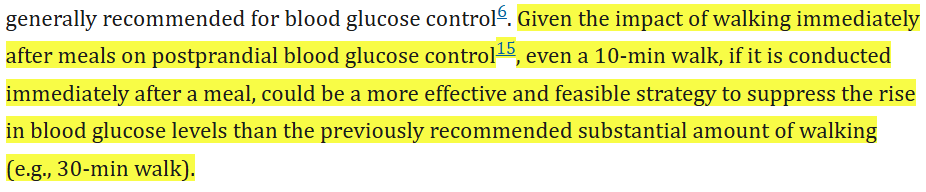
Source: Hashimoto K, Dora K, et al. Positive impact of a 10-min walk immediately after glucose intake on postprandial glucose levels. Sci Rep. 2025 Jul 2;15(1):22662. doi: 10.1038/s41598-025-07312-y. PMID: 40594496; PMCID: PMC12216464.
You can also include soleus push-ups or small ankle flexion movements.
- The soleus muscle acts as a powerful glucose sink.
- Regular activation improves post-meal glucose regulation.
Small, repeated movements done daily are more effective than occasional intense workouts.
Foundation 6: Manage Stress
Chronic stress keeps the body in survival mode. Persistently elevated cortisol:
- Signals the liver to release more glucose
- Blocks insulin action
- Promotes abdominal fat
- Increases inflammation
Even a perfect diet struggles in a chronically stressed body. Stress is unavoidable. How you respond to it is within your control.
- Express. Process. Talk.
- Seek therapy if needed.
- Let go where possible. Forgive.
- Shift limiting patterns.
- Medication supports physiology.
But emotional and psychological regulation support metabolic healing.
Foundation 7: Fix Poor Sleep Cycles
Poor sleep directly raises blood sugar. Chronic sleep deprivation:
- Increases cortisol
- Reduces insulin sensitivity (by up to 30%)
- Raises hunger hormones
- Worsens glucose control, even in healthy individuals
Deep sleep is when metabolic repair, hormonal balance, and cellular recovery occur. No supplement can replace the medicinal effect of consistent, high-quality sleep.

Image Credits: Freepik
Foundation 8: Address Nutritional Deficiencies
Common deficiencies observed in people with type 2 diabetes include:
- Vitamin B12
- Vitamin D
- Magnesium
- Chromium
These can worsen:
- Neuropathy
- Fatigue
- Insulin resistance
Testing and correcting deficiencies is not optional; it is foundational medicine.
Foundation 9: Be an Informed Shopper
Watch for hidden ingredients such as:
- Sorbitol
- Maltodextrin
- High-fructose corn syrup
- Artificial sweeteners
“Sugar-free” does not mean metabolically safe.
Many artificial sweeteners can:
- Spike insulin
- Alter gut microbiota
- Worsen glucose tolerance
- Disrupt metabolic health
Label reading is a metabolic skill.
To spot misleading food labels, read this:
https://www.lukecoutinho.com/blogs/miscellaneous/5-food-label-gimmicks-avoid/
Foundation 10: Test Beyond Fasting Sugar
Fasting glucose is often late-stage data. For better metabolic insight, assess:
- HbA1c
- Fasting insulin
- HOMA-IR
- Lipid profile
- Inflammatory markers
Type 2 diabetes management is about understanding metabolism, not just chasing numbers.
Foundation 11: Alcohol, Smoking & Vaping
Alcohol, smoking, and vaping:
- Worsen insulin resistance
- Damage to the liver and pancreas
- Increase visceral fat accumulation
- Raise complication risk
- Promote inflammation
There is no safe metabolic dose in diabetes. Avoidance supports long-term stability and reduces complications.
Foundation 12: Yoga & Breath Work
Certain practices support metabolic balance.
Helpful asanas include:
- Twists (Ardha Matsyendrasana) — stimulate abdominal organs
- Forward bends (Paschimottanasana) — reduce stress and support digestion
- Surya Namaskar — full-body muscle activation
Supportive breathing practices:
- Kapalabhati — stimulates metabolism
- Anulom Vilom — regulates autonomic balance
- Bhramari — lowers cortisol and promotes relaxation
Stress regulation directly improves insulin response.
Foundation 13: Reduce Excess Body Fat, Especially Belly Fat
Abdominal fat is hormonally active. It:
- Produces inflammatory chemicals
- Worsens insulin resistance
- Increases cardiovascular risk
Reducing visceral fat improves glucose response and metabolic flexibility.
Watch what every doctor wants you to know about visceral fat:
The Last Word
Type 2 diabetes is manageable.
In many cases, it is even reversible with effort, discipline, consistency, and the right guidance.
Respect medicine.
Do not stop your medication or insulin without medical supervision. They are prescribed for valid reasons.
But medication alone is not a strategy.
If the body continues to operate on broken foundations, poor sleep, chronic stress, low muscle mass, visceral fat accumulation, nutrient deficiencies, and inactivity, doses often escalate. Side effects increase. The root causes remain.
This is not about rejecting modern medicine. It is about strengthening the environment in which medicine works.
Parallelly, build your foundations.
Because until we change our mindset and approach to type 2 diabetes, from number management to metabolic repair, we will continue to see rising complications, earlier diagnoses, and generational risk.
India cannot afford to remain the diabetic capital of the world.
Wake up.
Foundational medicine is simple: When systems heal, health follows.
Disclaimer: Foundational Medicine is an approach that works alongside medical care. It does NOT replace medications, surgeries, or medical treatments prescribed by your doctor. Any changes to medication, treatment plans, or medical protocols should always be made in consultation with your healthcare provider. Individual responses to lifestyle and foundational changes may vary based on health status, medical history, genetics, and current treatments. What works for one person may not work the same way for another.
Want to make the foundations right?
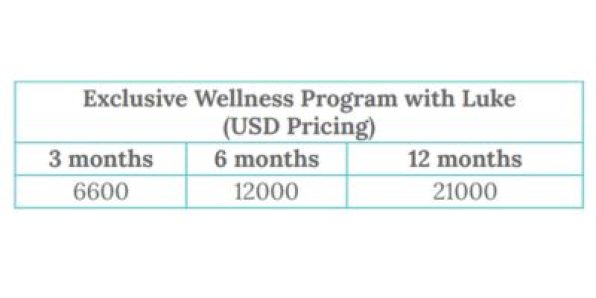
Start with our Wellness Program, designed to strengthen the core foundations your body relies on.
You can also schedule a one-on-one consultation with our foundational medicine team, and let us create a tailored plan that aligns with your unique needs. Call us at 1800 102 0253 or write to us at [email protected].