No products in the cart.
Today, testosterone supplements are everywhere; Instagram reels, gym locker rooms, YouTube fitness channels, WhatsApp groups, and late-night ads promising ‘instant masculinity.’
Teenage boys are being told they need boosters to ‘bulk up faster.’
Men in their 20s and 30s are convinced that low energy or belly fat means they must have ‘low T.’
Gym coaches casually suggest pills and injections as if they were multivitamins.
Instead of learning how to maintain testosterone level through habits that actually work, many are jumping toward products that promise dramatic results with zero effort. The narrative is shifting from understanding hormonal health to aggressively ‘hacking’ it, often without medical evaluation, lifestyle assessment, or awareness of potential consequences.

Image Credits: Freepik
The Testosterone Trap: How Overuse Started
If we trace the rise of testosterone overuse, it didn’t begin with medical need, it began with culture. Over the last decade, gym environments, fitness influencers, and online biohacking communities have created an atmosphere where testosterone boosters are marketed like shortcuts to strength, confidence, and instant transformation.

Agewise testosterone levels. Source: Zhu A, Andino J, Daignault-Newton S, Chopra Z, Sarma A, Dupree JM. What Is a Normal Testosterone Level for Young Men? Rethinking the 300 ng/dL Cutoff for Testosterone Deficiency in Men 20-44 Years Old. J Urol. 2022 Dec;208(6):1295-1302. doi: 10.1097/JU.0000000000002928. Epub 2022 Oct 25. PMID: 36282060.
What was once a clinical therapy for men with genuine endocrine issues slowly turned into a trend, and eventually a norm. Today, many men self-prescribe these substances long before they learn how to maintain testosterone level through natural and sustainable practices.
A lot of this trend is driven by the gym culture where results are everything, and patience is often seen as weakness. In many training spaces, there’s an unspoken hierarchy built around how much weight you lift, how quickly you gain muscle, or how ‘manly’ you appear. This culture, though motivating for some, can quietly pressure others into taking substances they don’t fully understand. Several men we speak to admit that they turned to boosters not because their testosterone level was medically low but because everyone around them was using something ‘extra.’

Image Credits: Freepik
Online platforms have amplified this even further. Social media algorithms reward dramatic physical transformations, making it easy for young men to believe that testosterone boosters or synthetic hormones are the secret behind every sculpted physique they see. Research published in the journal Sports Medicine shows that social media exposure significantly increases men’s perceived need for enhancement supplements, especially when fitness influencers promote them casually.

Source: Hilkens, L., Cruyff, M., Woertman, L., Benjamins, J., & Evers, C. (2021). Social Media, Body Image and Resistance Training: Creating the Perfect ‘Me’ with Dietary Supplements, Anabolic Steroids and SARM’s. Sports medicine – open, 7(1), 81. https://doi.org/10.1186/s40798-021-00371-1
Then comes the ‘bro science’, unverified advice passed down through gym circles and anonymous forums. These conversations often lack scientific basis but carry emotional weight because they come from individuals who look ‘fit’ or experienced. Many men trust this advice more than medical guidance, often without realizing that hormonal balance is far more complex than building muscle or losing fat.
What makes this situation riskier is the easy access to over-the-counter products. With online marketplaces selling testosterone boosters without prescription, young men can obtain potent substances with a few clicks. Yet many of these formulations lack regulatory oversight, and some boosters may contain undisclosed ingredients that may interfere with natural hormone regulation. Few buyers read scientific labels, fewer understand the potential testosterone supplement side effects, and almost none undergo proper hormone testing before use.
Misinterpretation of lab results further adds to the confusion. Testosterone fluctuates naturally throughout the day, and a single reading taken at the wrong time can produce misleading results. Men are often told they have low testosterone based on non-standardized testing, prompting unnecessary supplementation instead of exploring how to improve testosterone levels with lifestyle corrections. Sleep deprivation, intense stress, or even a recent illness can temporarily lower levels, but without context, these normal variations can appear alarming.
The Modern Male Identity Crisis: Why Every Symptom Gets Labeled ‘Low T’
The wellness world often delivers oversimplified narratives:
- Low mood must mean low testosterone.
- A bit of abdominal fat must mean your testosterone level has ‘crashed.’
- Feeling tired post-workout must mean your hormones are ‘shutting down.’
These assumptions disconnect men from their bodies and push them toward unnecessary worry. They also feed into a deeper emotional reality, many men feel pressured to perform, to stay energetic, to look a certain way, and to remain ‘young’ indefinitely. This pressure creates anxiety, fear of aging, and a quiet shame of seeming ‘less masculine’ when the body simply responds to stress, poor sleep, or nutritional gaps. It’s a silent emotional burden that millions carry, often alone.

Image Credits: Freepik
When every challenge is labeled as a hormonal deficiency, men begin to overlook the true drivers: long work hours, inadequate recovery, mindless eating, high inflammation, and constant digital stimulation. These are precisely the factors that are identified as the primary disruptors of hormonal balance. And they are also the very areas where men can boost testosterone levels naturally, through foundational habits rather than instant fixes.
What Really Happens When Men Self-Prescribe Testosterone
Messing with your testosterone level without understanding how this hormone actually works can disrupt the very system that helps you boost testosterone levels naturally. And once that system shuts down, restarting it isn’t always easy.
Let’s break this down and understand exactly what happens inside the body when external testosterone is used carelessly.
1. The Brain–Testes Loop
Your testosterone level is not controlled by the testes alone. It’s governed by a communication network called the Hypothalamic–Pituitary–Testicular (HPT) axis.
Here’s how the loop works:
- The hypothalamus releases GnRH(gonadotrophic releasing hormone), your ‘start signal.’
- That signal triggers the pituitary gland to release LH (Luteinizing Hormone) and FSH (Follicle-Stimulating Hormone).
- LH instructs the testes to produce testosterone, while FSH supports sperm production.
- Once testosterone reaches a healthy concentration, the brain senses it and modulates further signals, maintaining balance.
This internal rhythm is how the body maintains testosterone levels naturally.
But the moment artificial testosterone enters the system, whether through injections, gels, or unregulated supplements, the body reads it as ‘excess.’
Think of it like when someone turns the speaker volume too loud from outside, the people inside stop shouting. Your body does the same.
External testosterone becomes so ‘loud’ that the brain stops sending signals. The HPT axis quiets down. The internal production switches off.
2. The Suppression Effect Where Natural Testosterone Drops
Once the HPT axis shuts down, a domino effect begins. This is where most men regret experimenting.
i. LH and FSH Decline
With no signalling from the pituitary:
- LH drops, so the testes stop producing testosterone.
- FSH declines, so sperm production reduces drastically.
ii. Testicular Testosterone Production Slows Down
When the testes don’t receive LH, they simply go inactive. Imagine an engine left unused, it weakens. This is why men using external testosterone often struggle to improve testosterone levels naturally afterwards.
iii. Sperm Count Falls
Exogenous testosterone was once tested as a male contraceptive because it can reduce sperm counts to extremely low levels. Your body prioritises survival over reproduction, so sperm production is one of the first functions to shut down.
iv. Mood Instability
This part is rarely spoken about. Artificial testosterone disrupts the brain’s natural neurochemical balance.
Due to which there is increased risks of:
- Irritability
- Emotional volatility
- Anxiety
- Depressive symptoms
- Aggression
This is one of the major testosterone supplement side effects, and it can affect relationships, work performance, and overall mental health.
The Bigger Risks No One Talks About
When men ask me how to improve testosterone levels, my answer is always simple: understand the whole picture first. Today, you can buy testosterone boosters, online supplements, injections, and powders faster than you can buy groceries. But the moment you interfere with your natural hormonal rhythm without medical guidance, you expose yourself to risks that most marketing-driven content conveniently hides.
Let’s look at the bigger risks that rarely make it to social media captions, but are well documented across global research:
1. Cardiovascular Strain
Your cardiovascular system is one of the first places to feel the impact of excessive or externally supplied testosterone. While testosterone is essential for strength and metabolic health, unnatural surges can push the cardiovascular machinery beyond its optimal range.
- Blood Pressure Elevation: Supraphysiological testosterone can increase vascular resistance. This means blood has to work harder to move through vessels, raising blood pressure. Over time, that strain affects heart function, microcirculation, and organ oxygenation.
- Cholesterol Imbalance: External testosterone can lower HDL (the protective cholesterol) and raise LDL. Lipid profiles become less heart-friendly with sustained testosterone misuse. This imbalance gradually contributes to plaque buildup, increasing the risk of coronary artery disease.
- Blood Thickening and Clotting Risks: One consistent finding across multiple studies is polycythemia, a rise in red blood cell mass, caused by high testosterone. It has been shown in elevated hematocrit that thickens blood, slowing flow and increasing the risk of clots. This makes concerns like deep vein thrombosis, pulmonary embolism, and stroke very real possibilities.
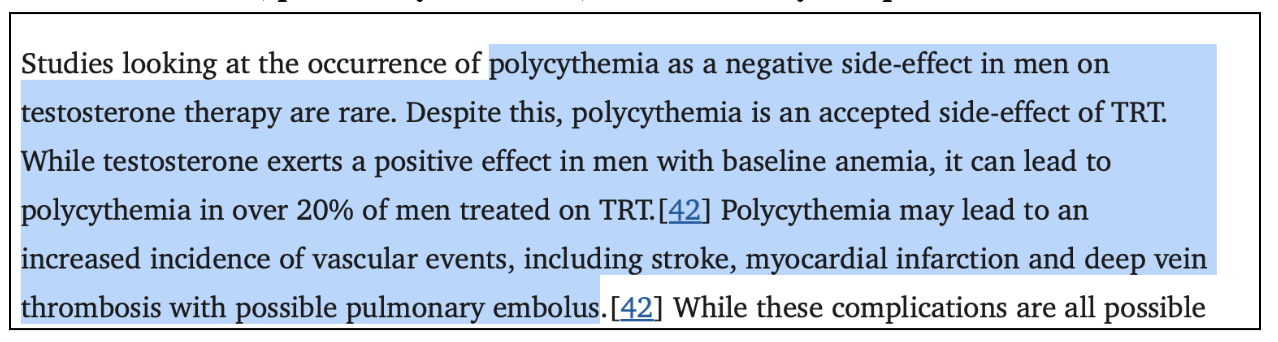
Source: Osterberg, E. C., Bernie, A. M., & Ramasamy, R. (2014). Risks of testosterone replacement therapy in men. Indian journal of urology : IJU : journal of the Urological Society of India, 30(1), 2–7. https://doi.org/10.4103/0970-1591.124197
2. Prostate Health
The relationship between testosterone and the prostate is complex. It’s not as simple as ‘testosterone causes prostate cancer,’ but excessive or external testosterone in the wrong physiological context can influence prostate tissue behavior.
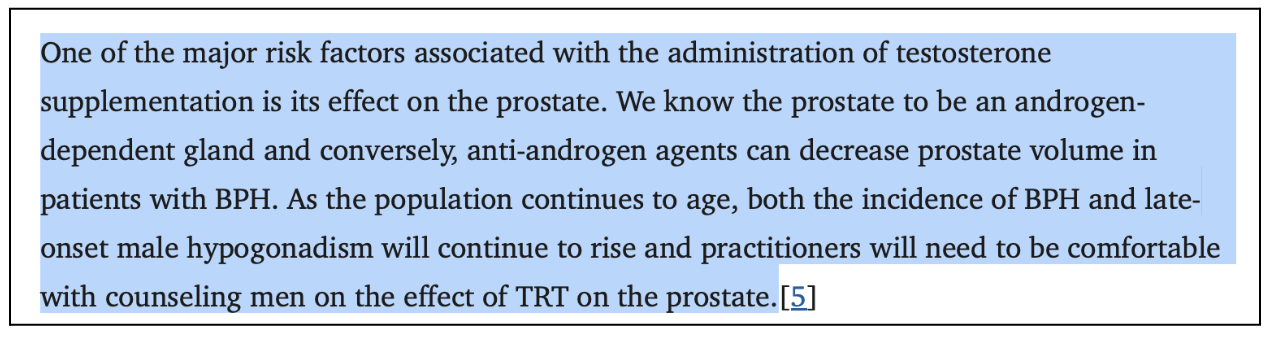
Source: Osterberg, E. C., Bernie, A. M., & Ramasamy, R. (2014). Risks of testosterone replacement therapy in men. Indian journal of urology : IJU : journal of the Urological Society of India, 30(1), 2–7. https://doi.org/10.4103/0970-1591.124197
- Enlargement in Predisposed Men: Men who are genetically or metabolically prone to benign prostate enlargement may experience accelerated growth when exposed to elevated testosterone levels, especially when levels exceed the normal physiological range.
- Hormone-Sensitive Tissue Response: Prostate cells are androgen-sensitive. While balanced levels support normal function, unnaturally high concentrations or rapid hormonal fluctuations can alter cell signaling. This is why men on unregulated boosters are advised to monitor prostate markers regularly.
3. Mood & Mental Health
Hormones are messengers. When their signals become erratic, mood and mental health are among the first areas to shift. Artificial testosterone surges, especially from unregulated supplements, can create emotional patterns many men don’t anticipate.
- Aggression and Irritability: When testosterone spikes unnaturally, the amygdala becomes overactive. This increases reactivity, shortens the emotional ‘fuse,’ and heightens aggression in susceptible individuals.
- Anxiety and Restlessness: Exogenous testosterone can alter neurotransmitter balance, particularly serotonin and GABA (gamma aminobutyric acid), two systems important for calmness and emotional grounding. This is why some men report a sudden increase in anxiety even though they started boosters hoping to feel more confident.
- Sleep Disturbances: Hormonal spikes disrupt circadian rhythms, increasing the risk of insomnia or fragmented sleep. Poor sleep further lowers natural testosterone level, creating a cycle that becomes harder to break.
- The Post-Discontinuation Crash: After stopping external testosterone, the body needs time to restart its internal production.
This phase can bring:
- Low mood
- Fatigue
- Reduced motivation
- Low libido
- Difficulty building muscle
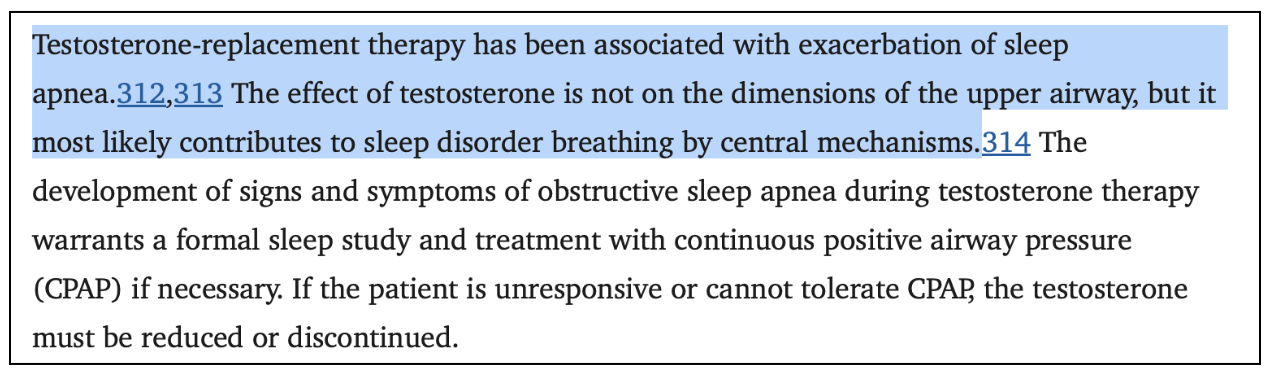
Source: Bassil, N., Alkaade, S., & Morley, J. E. (2009). The benefits and risks of testosterone replacement therapy: a review. Therapeutics and clinical risk management, 5(3), 427–448. https://doi.org/10.2147/tcrm.s3025
The Real Root Causes On Why Testosterone Actually Drops
By the time most men reach me with questions about how to improve testosterone levels, they’ve already Googled a dozen ‘quick fixes,’ watched several gym influencers, and tried at least one supplement that promised overnight magic. But once we peel back the noise, we know that low testosterone levels in most men it just a reflection of the modern lifestyle.
Let’s break down the real reasons testosterone dips today:
1. Sleep Deprivation: The Fastest Way to Lower Testosterone
One of the strongest predictors of low testosterone is simply inadequate sleep.
Restricting sleep to five hours for just one week reduced daytime testosterone levels by up to 15%. That’s a dramatic drop for an otherwise healthy young male.
Deep sleep is when the body produces the largest surge of testosterone. So when men sacrifice sleep for work, screens, or late-night Netflix, the hormone suffers long before age becomes a factor.
2. Chronic Stress and Cortisol Overload
Your body cannot produce high cortisol and high testosterone at the same time; it’s a biological tug-of-war.
Chronic psychological stress suppresses testicular function and reduces testosterone production by inhibiting LH secretion and altering the HPT axis.
In simple terms:
More stress = less testosterone.
Today’s lifestyle, constant alerts, deadlines, emotional pressure, lack of downtime, keeps cortisol elevated around the clock, making it one of the biggest silent killers of hormonal health.
3. Belly Fat, Insulin Resistance, and Metabolic Dysfunction
Excess belly fat does more than affect appearance. It changes your hormones.
Visceral fat expresses aromatase, an enzyme that converts testosterone into estrogen.
Men with higher abdominal fat have significantly lower testosterone levels. And when this imbalance worsens, with estrogen and even progesterone rising while testosterone drops another concern appears: gynecomastia or ‘man boobs.’
Insulin resistance adds another layer of suppression by impairing testicular Leydig cell function. This is why improving metabolic health is often more effective than supplements for men trying to understand how to improve testosterone levels safely.
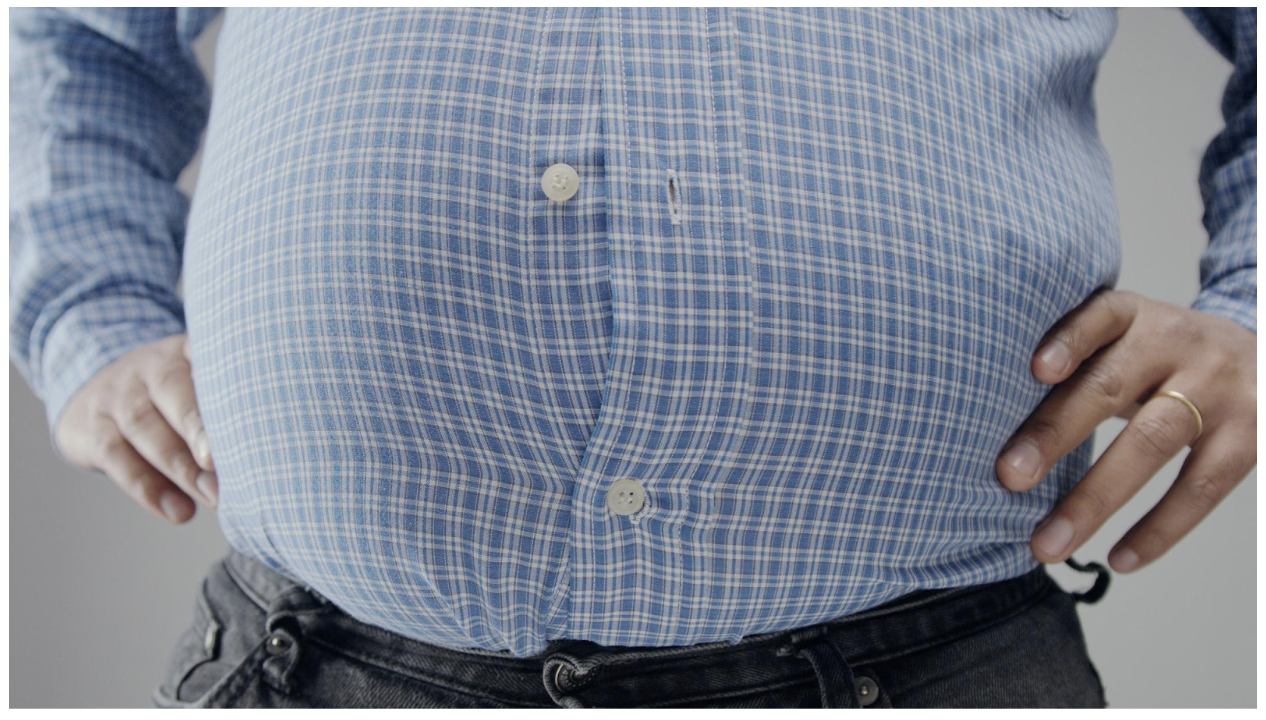
Image Credits: Freepik
4. Nutritional Deficiencies No One Talks About
When testosterone dips, men often jump to booster pills, but very few look at basic nutrients that drive hormone production.
The most well-studied include:
- Zinc: Essential for LH release and testosterone synthesis. Zinc deficiency can cut testosterone almost in half.
- Magnesium: Supports free testosterone by reducing oxidative stress and improving androgen receptor sensitivity.
- Vitamin B6 & B12: Influence energy metabolism and steroidogenesis.
- Healthy Fats: Testosterone is literally made from cholesterol; low-fat diets significantly reduce production.
5. Sedentary Lifestyle and Low Muscle Mass
Movement is medicine for hormones. Men who are inactive naturally have lower testosterone because muscle itself is an endocrine organ.
6. Gut Health and Inflammation
What happens in the gut doesn’t stay in the gut. Dysbiosis, inflammation, and increased intestinal permeability affect hormone regulation by altering nutrient absorption, immune signaling, and even the conversion of hormones.
Men with chronic bloating, constipation, or poor digestion often see improved testosterone when they fix gut health, not because the gut produces testosterone, but because it determines how well the body absorbs the raw materials needed to make it.
7. Alcohol, Smoking, and Oxidative Damage
Alcohol, especially chronic consumption, suppresses Leydig cell function, decreases testicular volume, and disrupts the HPT axis.
Smoking or vaping generates oxidative stress and damages vascular supply to the testes.
Reducing alcohol and quitting smoking aren’t just lifestyle choices, they are hormone-protective actions.
8. Endocrine Disruptors in Plastics and Pesticides
This is one of the most under-discussed reasons for falling testosterone levels globally.
Compounds like BPA (Bisphenol A), phthalates, and pesticides mimic estrogen-like activity. These chemicals reduce sperm count, suppress testosterone, and alter testicular development.
They’re found in:
- Plastic water bottles
- Food storage containers
- Thermal receipts
- Pesticides on produce
- Personal care products
Boost Testosterone Levels Naturally (Without the Trap)
When men ask me how to improve testosterone levels safely, sustainably, and intelligently, my answer never begins with a pill. It begins with biology, lifestyle, and the small daily choices that either support or suppress the natural testosterone level the body is capable of producing.
1. Sleep: The No. 1 Testosterone Booster
During deep sleep, the body produces its largest testosterone surge.
Seven to eight hours of high-quality sleep in a dark room without blue light is one of the simplest answers to how to improve testosterone levels without external boosters. Sleep is not passive. It is hormonal therapy offered by nature.
2. Stress Management: Lower Cortisol = Higher Testosterone
Cortisol and testosterone share an inverse relationship, when one rises, the other falls.
Gentle breathwork, guided meditation, journaling, nature exposure, emotional healing, and even structured therapy can shift cortisol patterns. As cortisol stabilizes, testosterone rises through internal balance.
3. Strength Training: The Original Testosterone Booster Exercise
Resistance training, especially compound movements, is one of the strongest natural stimuli for testosterone production. Exercises such as squats and pull-ups create a hormonal environment that favors higher testosterone level and improved insulin sensitivity.
You don’t need daily workouts. And exercise what your body can take and don’t overtrain. Two to three focused strength sessions week after week create sustainable hormonal change.
Consistency outweighs intensity. And functional strength does far more than supplement-based ‘boosting.’
4. Nutrition: Testosterone Booster Foods That Actually Work
Many men search for one magic food when the truth is much simpler: testosterone is built from nutrients, not shortcuts. The right testosterone booster food supports enzyme activity, cell membrane health, and steroid hormone synthesis.
When you eat in alignment with physiology, the body responds.

Image Credits: Freepik
Testosterone Booster Food
- Eggs: The cholesterol in egg yolks is the raw material for testosterone. Dietary cholesterol plays a vital role in steroid hormone formation.
- Nuts & Seeds (especially pumpkin seeds): Zinc and magnesium deficiencies are strongly correlated with lower testosterone. Pumpkin seeds, almonds, chia, and sesame seeds help meet these foundational minerals.
- Fatty fish (salmon, sardines, mackerel): Omega-3 fatty acids reduce inflammation and enhance Leydig cell function, critical for testosterone synthesis.
- Dark leafy greens: High in magnesium, which increases free testosterone by reducing oxidative stress.
- Coconut: Provides healthy saturated fats essential for hormone production.
- Pomegranate: Daily pomegranate consumption increased salivary testosterone by improving cardiovascular and antioxidant status.
5. Vitamin D: The Sunshine Hormone
Vitamin D acts more like a hormone than a vitamin. Correcting Vitamin D deficiency significantly improves testosterone level and sperm quality.
Sun exposure for 15–20 minutes daily (depending on skin tone and geography) or supplementation when medically indicated can meaningfully support endocrine function.

Image Credits: Freepik
6. Cutting Out the Testosterone Killers
Before adding anything, remove what blocks the body’s intelligence:
- Excessive alcohol suppresses Leydig cell function.
- Smoking damages vascular supply to the testes.
- Ultra-processed foods increase inflammation and insulin resistance.
- Chronic caloric restriction lowers steroid hormone production.
- Plastics and xenoestrogens mimic estrogen and disrupt endocrine signaling.
Reducing these toxins is just as important as discovering how to maintain testosterone level through lifestyle. The fewer hormonal disruptors you expose yourself to, the more freely your body can regulate testosterone on its own.
When Medical Support Is Needed
If someone experiences persistent fatigue, low motivation, declining muscle mass, reduced libido, frequent irritability, or unexplained weight gain, these are legitimate signals. But signals are not diagnoses.
You cannot determine testosterone status based on symptoms alone. Hormone fluctuations are influenced by sleep debt, stress, illness, body fat percentage, nutrient deficiencies, alcohol intake, and even the circadian rhythm.
This is why testing matters.
What Responsible Testing Actually Looks Like
A qualified endocrinologist or functional medicine practitioner will recommend:
- Morning bloodwork: Testosterone peaks in the early morning, making timing essential for accuracy.
- Free testosterone + total testosterone: Many men show normal total testosterone but low free testosterone due to binding protein imbalances. This nuance is often missed by commercial labs or gym-recommended panels.
- LH, FSH, SHBG (sex hormone-binding globulin), estradiol, prolactin, and thyroid markers: Hormonal imbalances rarely occur in isolation. They often stem from disruptions in broader endocrine networks.
- Repeat testing: According to guidelines from the Endocrine Society, a single test is insufficient. Hormone levels vary, and repeat testing prevents misdiagnosis and unnecessary interventions.
Medications May Help, But Only When Necessary
If lifestyle interventions don’t correct clinically low values, a qualified healthcare professional may discuss medically supervised testosterone therapy.
Under medical supervision, therapy is carefully dosed, monitored, and tracked using standardized guidelines. This reduces risks associated with unsupervised supplements, like risks like infertility, cardiovascular strain, liver dysfunction, acne, mood instability, and suppressed natural testosterone production.
Let’s Cut Through the Misleading Narratives
Myth 1: Testosterone drops because you’re aging, and nothing can change it.
Fact: Age contributes, but it is not the primary driver of hormonal decline. Chronic inflammation, metabolic dysfunction, sleep deprivation, and nutrient deficiencies are far stronger predictors of declining testosterone.
Myth 2: Any testosterone booster food or tonic will solve the problem overnight.
Fact: There is no food on the planet that can ‘boost testosterone levels naturally overnight,’ but certain foods do support healthier hormonal pathways. The misleading marketing online dilutes the real science behind nutrition and hormonal health. Foods rich in zinc, magnesium, omega-3 fats, and antioxidants can support the body’s intrinsic hormone production, but they work only as part of a long-term nutrition pattern.
Myth 3: If your testosterone is low, supplements or injections are the only real answer.
Fact: Medical intervention is appropriate only when clinically diagnosed and after understanding the root cause, not because of gym culture or social media pressure. Self-prescribed testosterone increases the risk of cardiovascular strain, infertility, mood instability, and other testosterone supplement side effects.
The New Definition of Masculinity: Strength Without Shortcuts
Today, more than ever, the real measure of a man is not his biceps or his bench press. It’s his consistency, his responsibility, and his ability to take ownership of his health. That’s where true vitality begins.
Strength Begins Inside, Not Outside. Consistency Beats Every Shortcut
Quick-fix culture teaches men to chase results, not processes. But meaningful hormonal change is built through sustainable habits.
This is the real answer to how to maintain testosterone level without falling for gimmicks.
No crash diets.
No unregulated powders.
No blind supplementation.
Just sustainable discipline.
Being present is the new powerful. Be educated, not influenced.
If you want further tips to optimize testosterone, watch this:
Disclaimer: This blog is for educational and awareness purposes only. It does not diagnose, treat, or replace personalized medical advice. Every individual’s hormonal makeup, medical history, and lifestyle context are unique. Before starting or stopping any supplement, medication, or fitness protocol—especially those related to testosterone—please consult a qualified healthcare professional or endocrinologist. The insights shared here are based on current research, clinical experience, and lifestyle medicine principles, and should be used to support informed decision-making, not self-prescription.
If you’re ready to take charge of your health, we’re here to walk that journey with you.
Set up a one-on-one consultation with our integrative team or explore our Wellness Programs to optimize your lifestyle goals.
Reach out to us at 1800 102 0253 or write to us at [email protected].