No products in the cart.
If your scalp suddenly becomes itchy, oily, or extra sensitive every time the weather shifts, it isn’t just the product you’re using — and it’s not ‘just the season’ either. These recurring changes are often early signals of shifting scalp health, long before seasonal hair fall becomes noticeable.
Think of your scalp as one of the body’s quiet messengers. It reflects what’s happening both outside and within — changes in humidity, rising pollution, heat, dryness, internal stress, poor sleep, hormonal fluctuations, or even subtle gut imbalances.
This is what we call the Invisible Inflammation Triangle:
Weather changes + Internal stress + Lifestyle shortcuts
When these three collide, the scalp is often the first place you feel it.
Seasonal transitions only amplify these cues, making the scalp more reactive, more sensitive, and more expressive of what your body is trying to communicate.
[lwptoc]
How Weather Disrupts the Scalp Microbiome and Triggers Seasonal Hair Fall
Your scalp is home to a living ecosystem — a microbiome of bacteria, fungi, and natural oils that maintain scalp health. Seasonal shifts disrupt this balance far more than we realise, and each weather factor affects the scalp differently.
Humidity Spikes
- Increases moisture on the scalp, creating an overgrowth of Malassezia (yeast).
- Triggers scalp itching without dandruff, greasy roots, and fungal flakiness.
- Makes hair limp, weak, and more prone to seasonal hair fall.
Sudden Temperature Drops
- Reduce blood circulation to the scalp.
- Make the barrier dry and tight, worsening sensitivity and micro-inflammation.
- Result in brittle strands, static, and surface flaking.
Strong UV Exposure
- Breaks down collagen around the follicle.
- Oxidizes sebum, leading to irritation or inflammation of the scalp.
- Fades colour, weakens cuticles, and accelerates hair thinning in some men and women.
Pollution and Urban Smog
- Deposits PM2.5 particles that clog follicles.
- Alters scalp pH, disrupts sebum quality, and weakens the microbiome.
- Post-rainfall smog and high-AQI days increase scalp acne, boils, and itching.
Unpredictable Seasonal Patterns (like this year’s excessive rains in India)
- Extended humidity + abrupt dry spells force the scalp to overcorrect.
- Leads to alternating oiliness and dryness, barrier disruption, and reactive shedding.
These fluctuations create the perfect storm: a microbiome constantly trying to adapt, follicles under oxidative stress, and a scalp more vulnerable to irritation, flaking, and seasonal hair fall.
When Weather Meets Stress: The Internal Inflammation Link
Changes in weather don’t act alone — internal stress chemistry amplifies every scalp symptom. When cortisol and adrenaline stay elevated for too long, blood flow to the scalp reduces, follicle anchoring weakens, and microcirculation slows. This makes the scalp more reactive during seasonal transitions, not because it’s fragile, but because it’s overloaded.
Here’s where the skin-gut connection becomes important. Gut inflammation can easily reflect on the scalp. When the gut is inflamed — through acidity, bloating, irregular meals, or poor digestion — the inflammatory signals travel through the bloodstream and show up externally as sensitivity, redness, or flakiness.
“The scalp is highly vascular and one of the first places internal inflammation becomes visible.”
Poor sleep, emotional burnout, nutrient depletion, or long-term stress all make it harder for the body to regulate its inflammatory response. This is why learning how to reduce inflammation in the scalp often begins with understanding what’s inflamed inside you first — not just what’s happening on the surface.
Internal Health Reflected on Your Scalp: 10 Subtle Signs
Your scalp often speaks before any blood test does. Many early symptoms of internal imbalance show up as small shifts in texture, sensitivity, or hair behaviour. Understanding these cues can help you respond earlier with the right scalp health tips and lifestyle corrections.
Here are 10 signs your scalp may be reflecting deeper changes in your body:
- Flaky scalp: Often tied to dehydration, a weakened skin barrier, or poor gut flora.
- Greasy scalp: A classic sign of hormonal imbalance and hair loss — commonly linked to androgen fluctuations, high stress, or insulin resistance.
- Scalp soreness or burning: Indicates an inflammatory response or micro-inflammation around follicles.
- Weather-triggered shedding: Seasonal changes can disrupt the follicle cycle when the body is already stressed.
- Scalp itching without dandruff: A cue that the barrier is disrupted and the microbiome is unstable.
- Dull, dry hair: Typically tied to inadequate hair nutrition, dehydration, or low healthy fat intake.
- Red patches: Can suggest heat inflammation, immune dysregulation, or oxidative stress.
- Slow hair growth: May point to low protein, zinc, iron, or B vitamin deficiencies.
- Hairline thinning: Often associated with chronic stress and elevated cortisol levels.
- Strand breakage: A common sign of omega-3 deficiencies and weak cuticle structure.
These signs rarely exist in isolation. They often overlap with internal factors like sleep debt, chronic stress, dehydration, low B-vitamins, reduced zinc intake, or omega-3 deficiencies — forming a pattern your scalp tries to reveal long before hair loss becomes visible.
Disclaimer: These signs can have multiple underlying causes — from nutritional gaps and hormonal shifts to dermatological conditions like dermatitis or psoriasis. If you’re experiencing several symptoms together, persistent discomfort, or rapid hair fall, please consult a qualified dermatologist. Use lifestyle interventions wisely, make informed decisions, and always seek professional support when needed.
🧠 Scalp & Hair Health Check: Is Your Scalp Trying to Tell You Something?(Take this quick quiz to decode early signs of imbalance.) 1. How does your scalp feel during weather changes?a) Normal 2. Do you notice seasonal hair fall?a) Rarely 3. How often does your scalp itch even when you don’t have dandruff?a) Never 4. How would you describe your hair texture lately?a) Healthy and consistent 5. What do your energy levels look like?a) Stable most days (Because scalp & hair reflect internal vitality — gut, stress, hormones.) 6. How is your sleep quality?a) Good 7. Do you experience any scalp sensitivity?a) No 8. What does your current lifestyle look like?a) Balanced meals, movement, decent routine Your Scalp Scorecard(Use this to interpret your category; no fear, only awareness.) Mostly A’s – Scalp in a Good PlaceYour scalp microbiome is stable. Maintain your routine and support your six pillars of lifestyle to stay resilient. Mostly B’s – Early ImbalanceMinor dryness, oiliness, or flaking indicates early seasonal shifts or gut–skin connection changes. This is your cue to start gentle scalp care and stabilise your routine. Mostly C’s – Internal Stress Showing ExternallyYour scalp is reflecting stress chemistry, irregular meals, and sleep debt. This is where inflammation begins. Focus on root-cause shifts — nutrition, breathwork, sleep hygiene. Mostly D’s – Scalp BurnoutYou may be experiencing scalp inflammation, hormonal imbalance, or microbiome disruption. This level of discomfort deserves personalised attention. CTA: If you scored mostly C’s or D’s, your scalp health is asking for deeper care. |
Lifestyle, Nutrition, and Scalp Care Remedies
Scalp and hair recovery can’t be achieved through products alone. True healing happens when nutrition, lifestyle, and scalp care work together. These are the scalp health tips Luke consistently emphasises — simple, sustainable, and rooted in daily discipline.
Nutrition for Follicle Strength (Hair Nutrition)
Food is often the first line of defense because follicles respond directly to micronutrients, inflammation levels, and protein availability.
- Add Omega-3 Fatty Acids: Walnuts, flaxseeds, chia seeds, hemp seeds, and fatty fish (if you consume non-veg) help reduce micro-inflammation, nourish the scalp barrier, and support stronger roots.
- Increase Zinc and Selenium: Pumpkin seeds, almonds, eggs, and Brazil nuts help strengthen hair structure, improve scalp immunity, and prevent excessive shedding.
- Distribute Protein Across Meals: Hair is made of keratin, a protein. Instead of one heavy protein meal, aim for a balanced distribution to support steady growth.
- Boost Antioxidants Daily: Amla, berries, leafy greens, curry leaves, and colorful vegetables counter oxidative stress from pollution and UV damage.
- Optimize Vitamins D, A, and B-Complex: Low levels cause flaking, dullness, scalp sensitivity, and dandruff. Add safe morning sunlight and nutrient-dense foods.
- Hydrate Consistently: Water supports internal hydration and improves the scalp’s natural moisture barrier.
- Consider Natural Probiotics: Curd, buttermilk, fermented rice idli/dosa batter, sauerkraut, and kimchi (if tolerated) support the skin–gut connection and improve dandruff conditions.
Lifestyle Medicine for Scalp Inflammation
Your nervous system and scalp are directly connected through vascular pathways.
- Prioritize Deep Sleep: Night-time is when follicles repair and inflammation reduces. Sleep deprivation weakens follicle anchoring and worsens shedding.
- Stress Reset Rituals: Daily breathwork (4–7–8, box breathing), grounding, journaling, or 5 minutes of gentle head massage calm cortisol spikes that inflame the scalp.
- Improve Circulation: Neck stretches, shoulder mobility, and yoga poses like Adho Mukha Svanasana improve blood flow to the scalp.
- Reduce Sweat + Heat Exposure: Helmet sweat, long workouts, and hot showers increase inflammation of the scalp. Use lukewarm water only.
Practical Scalp Care Rituals
These rituals support the internal work and strengthen scalp resilience.
- Weekly Warm Oil Massages: Use coconut, sesame, almond, or castor oil infused with rosemary. Massage gently in circular motions for 10–15 minutes. Never scratch or use nails. Warmth improves absorption and circulation.
- Gentle Scalp Exfoliation: Once a week, using a mild, dermatologically safe exfoliant (like salicylic acid 1–2% or natural fenugreek paste). This removes buildup, dead skin, and pollutant particles.
- Scalp Brushing: Use a dermatologically tested wooden bristle brush (reduces static). Brush gently from scalp to ends for lymphatic drainage and improved blood flow. Avoid sharp plastic bristles.
- Clean Your Hair Care Tools: Brushes, combs, satin pillows, scrunchies, and heat devices accumulate oil, dust, bacteria, and product residue. Wash combs weekly with warm water + a gentle shampoo. Wipe heat tools after every use.
- Shampoo Hygiene: Use a low-SLS, pH-balanced, dermatologist-approved, gentle shampoo, especially after poor air quality exposure. Avoid hot water — use cool or lukewarm water only.
- Post-Pollution Rinse: If exposed to high pollution, fireworks smog, or traffic dust. Rinse the scalp with cool water + gentle shampoo as soon as you get home. Pollutant particles clog follicles and worsen inflammation.
- Use Less Hair Product: Limit waxes, gels, texture sprays, setting sprays, and dry shampoos — they clog follicles, suffocate roots, and worsen flaking. Choose lightweight, non-comedogenic formulations.
- Herbal Hair Rinses: After shampooing, try rice water, hibiscus leaf water, or cooled green tea. These soothe irritation, add shine, and reduce breakage.
- Weekly Hair Masks: Try a hair mask of Aloe vera + onion juice, or a mixture of yogurt, honey, and aloe vera for 30 minutes. These nourish, soothe, and strengthen follicles.
- Avoid Excess Heat Styling: Let hair air-dry whenever possible. Excessive heat weakens the cuticle and worsens breakage.
If your scalp health fluctuates every season, it’s a sign to look deeper. Book a lifestyle consultation with our Integrative Team of Experts to restore balance from within — not just through products, but through personalised, root-cause healing.
Takeaway: Your Scalp Is a Messenger, Not the Problem
Your scalp is not acting out — it’s speaking. Every itch, flake, sore patch, or wave of seasonal hair fall is the body’s way of nudging you toward balance. When you look closely, you’ll notice that the same foundations that support overall health — our six pillars of lifestyle — also support scalp health: deep cellular nutrition, adequate movement, quality sleep, emotional wellness, connection, and breath.
Topical care helps, but the true shift begins when you address the root cause — whether it’s inflammation, stress chemistry, nutritional gaps, disrupted sleep, or hormonal changes. That’s where sustainable healing lies.
Your scalp is not asking for stronger shampoos. It’s asking for deeper care — the kind that starts from within.
If you’re noticing repeated patterns or worsening symptoms, gently pause and ask: What is my body trying to tell me?
When you listen, the healing begins.
If your scalp feels different every time the weather changes — itchy one month, oily the next, shedding during seasonal shifts, it may be signalling deeper imbalances. You don’t have to decode this alone.
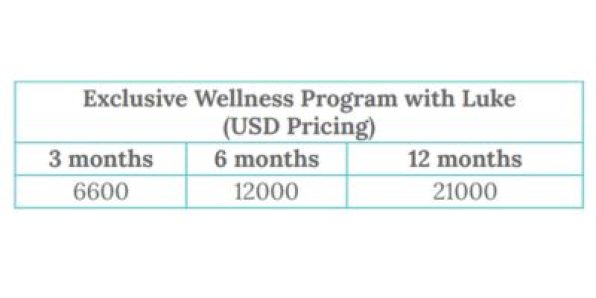
Join our Wellness Program.
Our integrative team looks at your entire lifestyle: nutrition, sleep, stress, gut health, hormones, circulation, and emotional well-being. When the root cause is addressed, the scalp naturally finds its balance again.
If you’re ready for a personalised, lifestyle-rooted plan for scalp and hair health, book a consultation with Team Luke.
You can reach us at 1800 102 0253 or write to [email protected].
We help you find a way.
Disclaimer
This blog is for educational purposes only and is not a substitute for medical advice. Scalp irritation, dandruff, and hair fall can arise from multiple causes — including dermatological conditions, nutritional deficiencies, hormonal changes, and lifestyle factors.
If you experience persistent itching, redness, discomfort, rapid shedding, or worsening symptoms, please consult a qualified dermatologist or healthcare provider.
Always make informed decisions, listen to your body, and seek professional guidance before trying new treatments or lifestyle changes.