No products in the cart.
The word chemotherapy can immediately bring fear.
For many people, it means worrying about side effects, feeling weak, losing their appetite, experiencing changes in appearance, and not knowing how their body will respond.
These concerns are real. Almost every person starting chemotherapy wonders, “How will I get through this?”
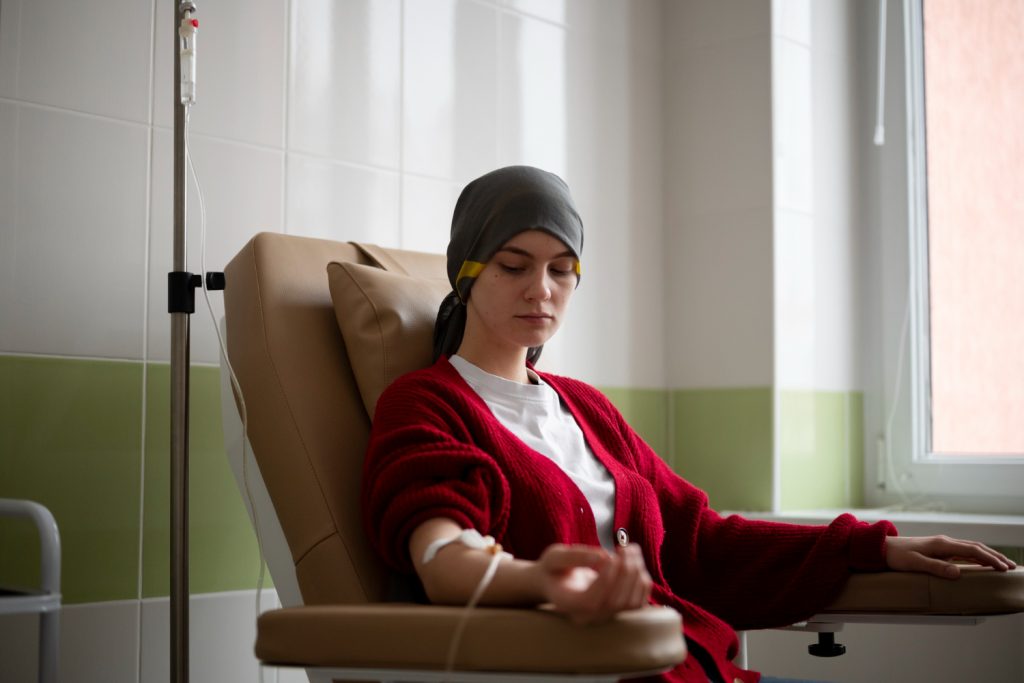
Image Credits: Freepik
Chemotherapy is one of the most powerful tools in modern medicine. It is designed to treat cancer effectively. But while it focuses on the disease, the body still needs structured care and support to cope with the treatment.
This is where Foundational Medicine comes in.
Chemotherapy treats cancer.
Foundational Medicine supports the body through the process.
In this guide, we will explore:
- Why chemotherapy side effects happen and how proper support during chemotherapy can help
- The importance of nutrition during chemotherapy and safe ways to prime the immunity during chemo
- How to reduce inflammation naturally and protect gut health during chemotherapy
- The connection between sleep and cancer recovery
- Practical stress management during cancer treatment
- Ways of managing fatigue during chemotherapy and maintaining blood sugar balance during cancer treatment
- How integrative oncology support strengthens overall cancer treatment recovery support
This is not about replacing treatment.
It is about helping you feel more prepared, more stable, and more supported, every step of the way.
What Is Chemotherapy and How Does It Work?
Chemotherapy is a type of cancer treatment that uses specialized medicines to destroy or slow the growth of cancer cells.
- Cancer cells multiply much faster than normal cells.
- Chemotherapy works by targeting this rapid division process.
Unlike surgery, which removes a visible tumor, chemotherapy is usually a systemic treatment, meaning it travels through the bloodstream to reach cancer cells throughout the body.
- This makes it especially useful when cancer has spread or when doctors want to reduce the risk of recurrence after primary treatment.
When Is Chemotherapy Given?
Chemotherapy may be prescribed:
- Before surgery to shrink a tumor (neoadjuvant therapy)
- After surgery to reduce recurrence risk (adjuvant therapy)
- Alongside radiation therapy (called chemoradiotherapy or radiochemotherapy)
- As the main treatment if surgery isn’t possible
- For blood cancers like leukemia and lymphoma
When combined with radiation, chemotherapy can make cancer cells more sensitive to radiation. This combined approach is carefully planned to increase effectiveness while monitoring safety.
How Is Chemotherapy Given?
Chemotherapy can be given in different ways:
- Intravenously (through a vein, most common)
- Oral tablets or capsules
- Injections
- Through a port (a small device placed under the skin for repeated access)
Treatment is given in cycles.
- A cycle may last 1–4 weeks, depending on the drug protocol.
- For example, a patient may receive chemotherapy on Day 1, followed by 2 to 3 weeks of rest.
- This rest period allows healthy cells, especially bone marrow and immune cells, time for cancer treatment recovery support before the next cycle.
The total number of cycles varies. Some people receive 4–6 cycles; others may receive treatment over several months. It depends on cancer type, stage, and response.
What Happens Inside the Body?
Chemotherapy drugs interfere with cell division.
- Some damage the DNA of cancer cells, while others block signals needed for growth.
- However, because certain healthy cells also divide quickly, such as those in the bone marrow, gut lining, and hair follicles, temporary chemotherapy side effects can occur.
This is why structured support during chemotherapy becomes important. Modern oncology closely monitors blood counts, immune markers, and organ function before every cycle to ensure safety.
What Many People Don’t Know
- There are over 100 different chemotherapy drugs, often combined for better results.
- Modern chemotherapy is far more targeted and personalized than it was decades ago.
- Today, doctors use supportive medications alongside chemotherapy to manage nausea, protect immunity, and reduce chemotherapy side effects.
- In some cases, chemotherapy is now combined with newer approaches like immunotherapy (which helps the immune system recognize cancer cells).
While chemotherapy is powerful, it is carefully calculated. Oncologists balance effectiveness with safety, adjusting doses based on blood reports, immune levels, and overall tolerance.
Understanding how chemotherapy works removes much of the uncertainty around it. It is not random or uncontrolled. It is structured, monitored, and designed with precision, and when paired with integrative oncology support, the body can be better supported through the process.
How Chemotherapy Side Effects Affect the Body
Chemotherapy is designed to destroy rapidly dividing cancer cells. But because some healthy cells also divide quickly, the treatment can temporarily affect normal body systems. Understanding chemotherapy side effects clearly helps reduce fear and shows why structured support during chemotherapy matters.
Immune System & Blood Cell Production
Chemotherapy can decrease the production of key blood cells made in the bone marrow.
- White blood cells (important for infection defense) may drop, increasing infection risk.
- Red blood cells may fall, leading to anemia, which can make you feel weak or breathless.
- Platelets may be low, causing easier bleeding or bruising.
This period of lowest blood counts often occurs during the nadir window, typically about 7–14 days after a chemo cycle, and is monitored closely by doctors.
Gut Health & Digestion
Cells lining the digestive tract renew quickly, and chemo may disrupt this. This can cause:
- Nausea and vomiting
- Diarrhea or constipation
- Mouth sores or mucositis
- Changes in taste and appetite
Poor nutrient absorption and discomfort while eating may occur, sometimes leading to unintended weight loss.
Inflammation & Fatigue
Fatigue is one of the most common and persistent chemotherapy side effects, often worse than ordinary tiredness.
- It may not improve with rest alone and can feel like a heavy, whole-body exhaustion.
Chemotherapy also causes temporary inflammatory responses in the body as part of its effect on cells.

Source: Kuderer, N.M., Desai, A., Lustberg, M.B. et al. Mitigating acute chemotherapy-associated adverse events in patients with cancer. Nat Rev Clin Oncol 19, 681–697 (2022). https://doi.org/10.1038/s41571-022-00685-3
Metabolism & Blood Sugar
Some chemo regimens include steroids to control nausea or inflammation. These may raise blood sugar levels temporarily.
- Appetite changes, low energy intake, and muscle loss can further affect metabolism and energy balance.
- This makes blood sugar balance during cancer treatment an important focus for overall metabolic stability.
Nervous System Effects & Neurotoxicity
Peripheral neuropathy (nerve-related tingling, numbness, or burning, especially in hands/feet) can occur with certain chemo drugs. This is due to nerve irritation or damage.
- Other nervous system effects may include “chemo brain,” a catch-all term for difficulties with memory, focus, and processing speed that some people experience during or after treatment.
Emotional & Cognitive Impact
Chemical and biological changes during chemotherapy can influence mood, anxiety levels, sleep patterns, and emotional responses.
- Combined with physical symptoms and life changes, this may contribute to stress, low mood, or worry for many people going through treatment.
Other Common Side Effects
Many people also experience:
- Hair thinning or loss (temporary)
- Skin dryness, rashes, or nail changes
- Taste changes or a metallic taste in the mouth
- Urinary changes or sensitivity
- Fertility and libido changes (depending on drugs used)
These symptoms vary widely and may resolve after treatment ends.
Chemotherapy side effects can feel intense, but understanding what to expect and why these changes occur can reduce fear and help people prepare more confidently.
Why the Internal Environment Matters While Managing Chemotherapy Side Effects
Two people can receive the same chemotherapy drug, at the same dose, for the same condition, and still respond very differently.
Why?
Because treatment works within the body. And the condition of that internal environment plays a powerful role in how someone tolerates therapy and how well they recover between cycles.
Chemotherapy creates physiological stress. How the body handles that stress depends on inflammation levels, metabolic balance, immune strength, sleep quality, gut stability, and nervous system regulation.
When the internal environment is supported, it can influence treatment experience in meaningful ways:
- Lower baseline inflammation may help the body respond with less intensity to chemotherapy side effects and support smoother cancer treatment recovery between cycles.
- Stable blood sugar balance during cancer treatment can reduce energy crashes, mood swings, and excessive fatigue, especially when steroids are part of the protocol.
- Strong gut health during chemotherapy supports nutrient absorption, immune signaling, and overall resilience during periods of physical stress.
- Consistent, restorative sleep and cancer recovery rhythms allow better tissue repair, immune regulation, and hormonal balance overnight.
- Effective stress management during cancer treatment helps regulate cortisol levels, which directly influences immunity and healing capacity.
- Better metabolic stability supports managing fatigue during chemotherapy and maintaining lean muscle mass during treatment.
In simple terms, chemotherapy does its job at the cellular level, but the body’s internal environment determines how well it copes, repairs, and rebuilds between cycles.
What Is Foundational Medicine in Chemotherapy Side Effects Care?
Foundational medicine in chemotherapy is the structured optimization of the body’s internal environment while oncology treatment does its work.
It focuses on:
- Nutrition
- Sleep & circadian rhythm
- Stress biology
- Gut health
- Movement
- Breathwork
- Environmental hygiene
- Emotional resilience
It does not replace chemotherapy. It strengthens the body receiving it.
If you’d like a deeper explanation of the philosophy and science behind this approach, you can read our detailed blog on foundational medicine in cancer care:
https://www.lukecoutinho.com/blogs/cancer-care-foundational-medicine/
Chemotherapy Foundations: Supporting the Body During Treatment
Chemotherapy challenges rapidly dividing cells, not just cancer cells, but the gut lining, immune cells, hair follicles, and bone marrow.
The following foundations aim to protect resilience, reduce unnecessary inflammatory burden, and improve chemotherapy recovery between cycles.
Navigating Chemotherapy Side effects through Nutrition Support
The goal of chemotherapy nutrition support is not dieting. It is preservation.
Focus on:
- Preventing muscle wasting (sarcopenia)
- Stabilizing blood sugar
- Supporting immune cell production
- Reducing excess inflammation
- Supporting cellular membrane repair
Cancer often thrives in a chronic inflammatory environment. While managing chemotherapy side effects, reducing avoidable inflammatory triggers becomes even more important.
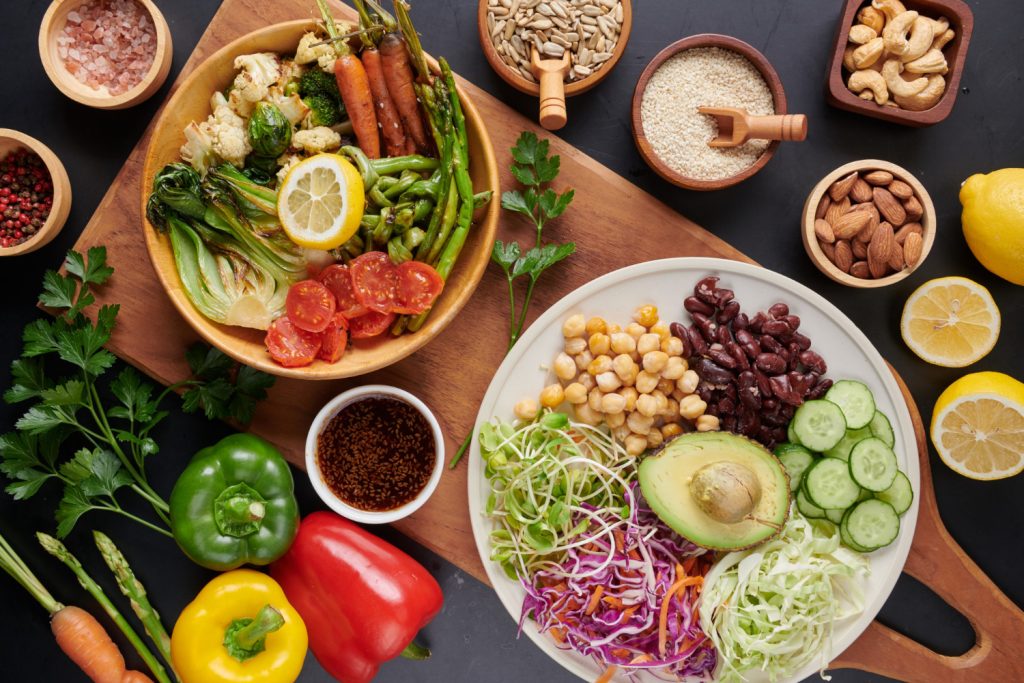
Image Credits: Freepik
Practical focus areas:
- Prioritize adequate protein to prevent muscle loss
- Include healthy fats (olive oil, nuts, seeds, omega-3 sources) for cellular repair
- Emphasize antioxidant-rich foods for free-radical balance
- Prefer cooked cruciferous vegetables for easier digestion
- Remove refined sugars and minimize ultra-processed foods
- Limit case-dependent triggers, such as poorly tolerated dairy or gluten
The intention is not restriction, it is lowering biological stress.
What Food Is Good for Cancer Patients During Treatment?
There is no universal “cancer diet.” What food is good for cancer patients depends on digestion, appetite, treatment phase, and side effects.
In general, during chemotherapy:
- Easily digestible proteins (eggs, lentils, soft fish, well-cooked legumes)
- Warm, cooked vegetables
- Healthy fats in moderate portions
- Hydrating foods (soups, stews, broths)
- Small, frequent meals when appetite is low
Digestibility matters more than perfection. When nausea or gut irritation is present, simplicity supports absorption.
What Food Cancer Patients Should Avoid (During Chemotherapy)
The aim is not fear. It is reducing unnecessary inflammatory load.
In most cases, limiting:
- Ultra-processed packaged foods
- Refined sugars that cause glucose spikes
- Alcohol
- Artificial additives
- Foods that worsen nausea, bloating, or diarrhea
This reduces additional metabolic stress while the body is already managing chemotherapy.
Micronutrient Stability: Correcting Hidden Deficiencies
Many patients undergoing chemotherapy show low levels of:
- Vitamin D3
- Magnesium
- Omega-3
- Zinc
- B12
- Iron (case-dependent)
Low vitamin D alone has been associated with altered immune regulation and inflammation balance.
Supplementation must always be medically supervised. The goal is restoring physiological sufficiency, not megadosing.
Micronutrient sufficiency directly supports chemotherapy recovery and immune resilience.
Gut Health & Inflammation Control
Chemotherapy side effects affects the gut lining. Simple digestive support includes:
- Cooked foods over raw during sensitive phases
- Fiber as tolerated
- Fermented foods, if digestion allows
- Adequate hydration
- Avoiding unnecessary irritants
A stable gut environment is central to both foundational medicine and smoother chemotherapy recovery.
Movement During Chemotherapy
This is not about intense workouts. Appropriate movement during treatment has shown improvements in:
- Fatigue levels
- Immune response
- Treatment tolerance
- Quality of life
Options include:
- Short daily walks
- Breath-led mobility
- Gentle yoga
- Light resistance work (if medically cleared)
- Passive movements for bed-bound
Even small amounts matter. Movement supports lymphatic circulation, insulin sensitivity, and muscle preservation.
Sleep, Circadian Rhythm & Cellular Repair
Sleep is an active biological repair. Circadian alignment regulates:
- Immune cell regeneration
- Inflammation control
- Hormonal balance
- DNA repair signaling
- Cellular defense mechanisms
Chronic sleep deprivation increases:
- Fatigue
- Pain
- Anxiety
- Insulin resistance
- Inflammation
During chemotherapy, sleep is not optional. It is part of the treatment.
Protect consistent sleep–wake timing. Reduce late-night stimulation. Support deep rest.
Stress Biology, Emotional Health & Self Care During Chemotherapy
The body does not heal efficiently in chronic fight-or-flight mode.
Self-care while managing chemotherapy side effects is biological support, not indulgence. It includes:
- Therapy or counselling
- Support groups
- Journaling
- Safe emotional conversations
- Nervous system regulation practices
Unprocessed emotional load can weaken resilience. Emotional care stabilizes physiology.

Image Credits: Freepik
Breathwork & Nervous System Regulation
Breathing directly influences autonomic balance. Structured breathwork has been shown to:
- Shift from sympathetic (stress) to parasympathetic (repair) mode
- Reduce inflammatory markers
- Improve immune communication
- Stabilize heart rate variability
- Improve sleep and anxiety levels
Slow diaphragmatic breathing, guided breath practices, and medically appropriate pranayama can support chemotherapy tolerance.
Environmental Hygiene: Reducing Additional Toxic Load
During chemotherapy, cleansing pathways are already taxed. Reducing unnecessary exposure helps preserve energy for healing.
Minimize:
- Smoking & vaping exposure
- Artificial fragrances
- Harsh cleaning chemicals
- Pesticide-heavy foods
- Alcohol
Less toxin load = less inflammatory burden.
Lymphatic System Support
The lymphatic system has no pump of its own. When stagnant, it may worsen:
- Fatigue
- Swelling
- Immune stress
Support gently with:
- Slow walking
- Diaphragmatic breathing
- Light rebounding (if appropriate)
- Medically cleared lymphatic drainage massage
Lymphatic health supports cellular defense and waste clearance.
Cellular Defense Systems
Chemotherapy stresses the body at a cellular level. A comprehensive approach supports:
- Immune strength
- DNA repair mechanisms
- Controlled inflammation
- Gut microbiome balance
- Angiogenesis balance
- Stem cell regeneration pathways
This is the deeper aim of cancer holistic care, not replacing oncology, but optimizing the environment in which it functions.
Mindset, Hope & Faith
Your internal narrative influences biological signaling. Chronic fear and catastrophizing can affect:
- Cortisol
- Sleep
- Inflammation
- Immune suppression
This is not about forced positivity. It is about stabilizing the nervous system.
For many, hope and faith, spiritual, philosophical, or personal, provide grounding, meaning, and strength during chemotherapy side effect management.
Hope is not denial. It is resilience support.
How Foundational Medicine Supports Chemotherapy Recovery
When foundations are addressed alongside chemotherapy:
- Treatment side effects may be better tolerated
- Energy stabilizes between cycles
- Muscle loss is reduced
- Immune resilience improves
- Emotional steadiness strengthens
- Recovery time may shorten
- Quality of life improves
Lifestyle is not an alternative to chemotherapy, radiation, or surgery. It strengthens the body receiving them, and that can meaningfully influence the recovery journey.
Navigating Chemotherapy Side-Effects: Practical Do’s & Don’ts
A simple, at-a-glance reference for patients and caregivers during chemotherapy and recovery.
| DO | DON’T |
| Eat adequate protein daily to prevent muscle loss and support immune repair | Skip meals or follow restrictive “anti-cancer” crash diets during treatment |
| Choose warm, cooked, easy-to-digest meals | Rely heavily on ultra-processed or packaged foods |
| Stay well hydrated (water, broths, oral rehydration if advised) | Ignore signs of dehydration (dark urine, dizziness, dry mouth) |
| Wash fruits/vegetables thoroughly and follow food safety guidelines | Eat raw/undercooked meats, unpasteurized dairy, or street food with infection risk |
| Take supplements only if approved by your oncologist | Self-prescribe high-dose antioxidants or herbal supplements during active chemo |
| Maintain gentle daily movement (short walks, light mobility) | Stay completely sedentary unless medically required |
| Protect sleep with a consistent routine | Stay up late with screens or irregular sleep timing |
| Practice stress regulation (breathing, therapy, journaling) | Suppress stress or rely only on willpower to “stay strong” |
| Report new symptoms early (fever, persistent vomiting, unusual pain) | Wait too long to inform your oncology team about side effects |
| Support gut health with fiber as tolerated and simple meals | Force heavy, spicy, greasy foods during nausea phases |
| Reduce exposure to smoke, alcohol, artificial fragrances, harsh chemicals | Continue smoking, vaping, or drinking alcohol during chemotherapy |
| Follow infection precautions (hand hygiene, avoid sick contacts when counts are low) | Visit crowded high-risk spaces during neutropenic phases without precautions |
| Pace activity and respect fatigue signals | Overexert on “good days” and crash afterward |
| Maintain emotional support systems | Isolate yourself completely during treatment |
| Keep all scheduled blood tests and chemo appointments | Adjust treatment timing or doses without medical guidance |
Important Note: Always individualize decisions with your oncology team.
The Last Word
A cancer diagnosis can feel overwhelming. But treatment is not a punishment; it is a plan. It is a structured, carefully designed effort to help your body fight back.
Chemotherapy is one part of that plan. It is there to target what should not be growing.
At the same time, your body is not just a passive recipient of treatment. It is active. It repairs. It adapts. It responds. That is where the foundations matter.
Healing is not about choosing between medicine and lifestyle. It is about allowing them to work together.
You are not expected to do this alone.
With the right medical care, steady foundations, and the right guidance, treatment becomes a supported journey, one step at a time.
Watch how one journey unfolded, from chemotherapy to remission, with steady medical care and strong foundations.
Disclaimer: Foundational Medicine is an approach that works alongside medical care. It does NOT replace medications, surgeries, or medical treatments prescribed by your doctor. Any changes to medication, treatment plans, or medical protocols should always be made in consultation with your healthcare provider. Individual responses to lifestyle and foundational changes may vary based on health status, medical history, genetics, and current treatments. What works for one person may not work the same way for another.
Looking for holistic and foundational guidance for cancer care?
We’re here to support YOU every step of the way.
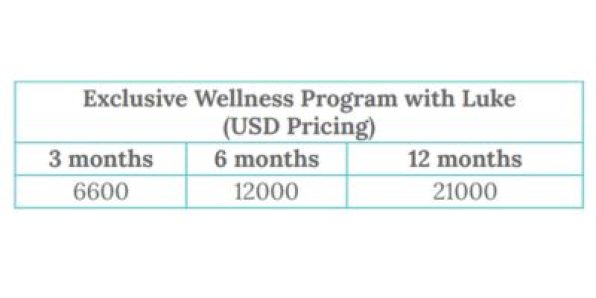
Set up a one-on-one consultation with our foundational medicine experts or enroll in our Cancer Care Program with Luke’s Senior Team/Luke’s Team for personalized solutions.
Reach out to us at 1800 102 0253 or write to us at [email protected].