No products in the cart.
What if one simple bulb in your kitchen held the key to radiant skin, a stronger heart, and healthier hair — all in one?
Garlic isn’t just another ingredient. It’s part of our longstanding cuisines, culture, and traditions. That unmistakable fragrance of garlic tadka crackling in hot ghee — it’s the kind that pulls you straight to the kitchen. Mouth watering. Eyes searching. And if you’re anything like me, it brings back memories of being a little under the weather, curled up in bed, while Mom stirred up something warm, soothing, and always — always — full of garlic.
For generations, garlic has been a go-to fix in homes. From colds and coughs to skin flare-ups and stomach bugs, it’s earned a sacred spot in Indian home remedies. And while the world is catching up to its magic, there are still benefits hidden beneath the surface — even science is only beginning to uncover them.
Garlic still has incredible potential when used the right way, at the right time, and in the right form — which is what we’re going to explore together. From ancient roots to modern medicine, and everyday kitchen use to powerful wellness rituals, this little clove has a lot to offer when we learn how to use it wisely.
The Roots and Origin of Garlic
Garlic has been around long before wellness trends and supplements. Its botanical name is Allium sativum, and it belongs to the same pungent, healing family as onions, leeks, and shallots. But garlic has always had a legacy of its own.
Historical records trace its use as far back as 2600 BC in West China. From there, it travelled through ancient civilisations — India, Mesopotamia, Egypt, Greece, and Rome — valued not just as a flavour enhancer, but as medicine. Ancient healers used it for everything from infections and fatigue to digestive issues and wounds.
Modern research continues to validate what tradition always knew. Garlic has shown potential in supporting heart health, lowering cholesterol, strengthening immunity, and acting as an antioxidant and antimicrobial agent. But there’s a caveat. Most clinical studies today use garlic extracts or aged formulations. Research on raw garlic — the way we often consume it at home — is still evolving.

Image by Freepik
Garlic in Ayurveda and Traditional Medicine
In Ayurveda, garlic (lasuna) is far more than a kitchen staple — it’s classified as a potent Rasayana, or rejuvenator. Revered for its ushna (heating) nature and tikshna (penetrative) qualities, garlic is traditionally used to kindle agni (digestive fire), balance vata and kapha, expel ama (toxins), and support the heart, joints, lungs, and reproductive system.
Garlic has long been used in Ayurvedic remedies for conditions like indigestion, bloating, joint stiffness, low libido, respiratory congestion, and even parasites. Its pungency and warmth make it ideal for breaking down mucus, improving circulation, and stimulating sluggish systems. When prepared with ghee, rock salt, or other herbs, garlic becomes part of deeply restorative protocols — often post-illness or during seasonal transitions.
Unani and Siddha systems also recognize garlic’s antimicrobial and anti-inflammatory effects. In Tibetan medicine, it’s used to improve vitality and lung function. Across cultures, garlic has been trusted not just to treat disease, but to preserve vitality — a humble root with powerful intelligence, working in sync with nature’s rhythm.
| You may have even heard of garlic benefits in empty stomach practices. While this is popular online, I always remind people: plain water is the only thing we recommend first thing in the morning. |
Which Parts of Garlic Can You Consume — and How to Use Them
Garlic may look simple, but depending on how it’s prepared, it behaves very differently. The clove itself holds most of the therapeutic potential, but it’s not just about popping it raw. The way you cut, rest, cook, or combine garlic can influence how it works in your body.
Each part or preparation of garlic serves a different purpose — some work better internally, while others are suited for skin or scalp care. Here’s a quick guide:
| Form of Garlic | How to Use | Common Benefits | Tips |
| Raw Clove / Bulb | Crushed or chopped, rested 5–10 minutes, eaten with meals | Supports digestion, immunity, heart health | Resting activates allicin, the key compound |
| Garlic Oil / Essential Oil | Used topically in diluted form with a carrier oil (not for ingestion in pure form) | For scalp issues, wound healing, fungal infections | Always dilute with a carrier oil (like coconut or sesame) |
| Garlic Powder / Extracts / AGE | Found in supplements or capsules; used under expert guidance | Standardized for specific health goals | Choose reputable brands; profiles vary depending on preparation |
| Black Garlic (fermented) | Eaten whole, added to meals for taste and antioxidants | Milder on the gut, high antioxidant value | Aged through fermentation; less pungent than raw garlic |
| Topical Applications | In creams, pastes, or oils for local application | Skin infections, hair thinning, scalp concerns | Always do a patch test before use; avoid raw garlic directly on skin |
Disclaimer: Garlic can be incredibly supportive when used the right way, but more isn’t always better. Use common sense, listen to your body, and practice moderation. If you have existing health conditions, sensitive digestion, are pregnant, breastfeeding, or on medications (especially blood thinners), speak to your doctor or healthcare provider before adding garlic in any concentrated form — especially supplements or oils. Not everything suits everyone, and that’s okay. Let wisdom guide your choices, not trends. Be educated, not influenced.
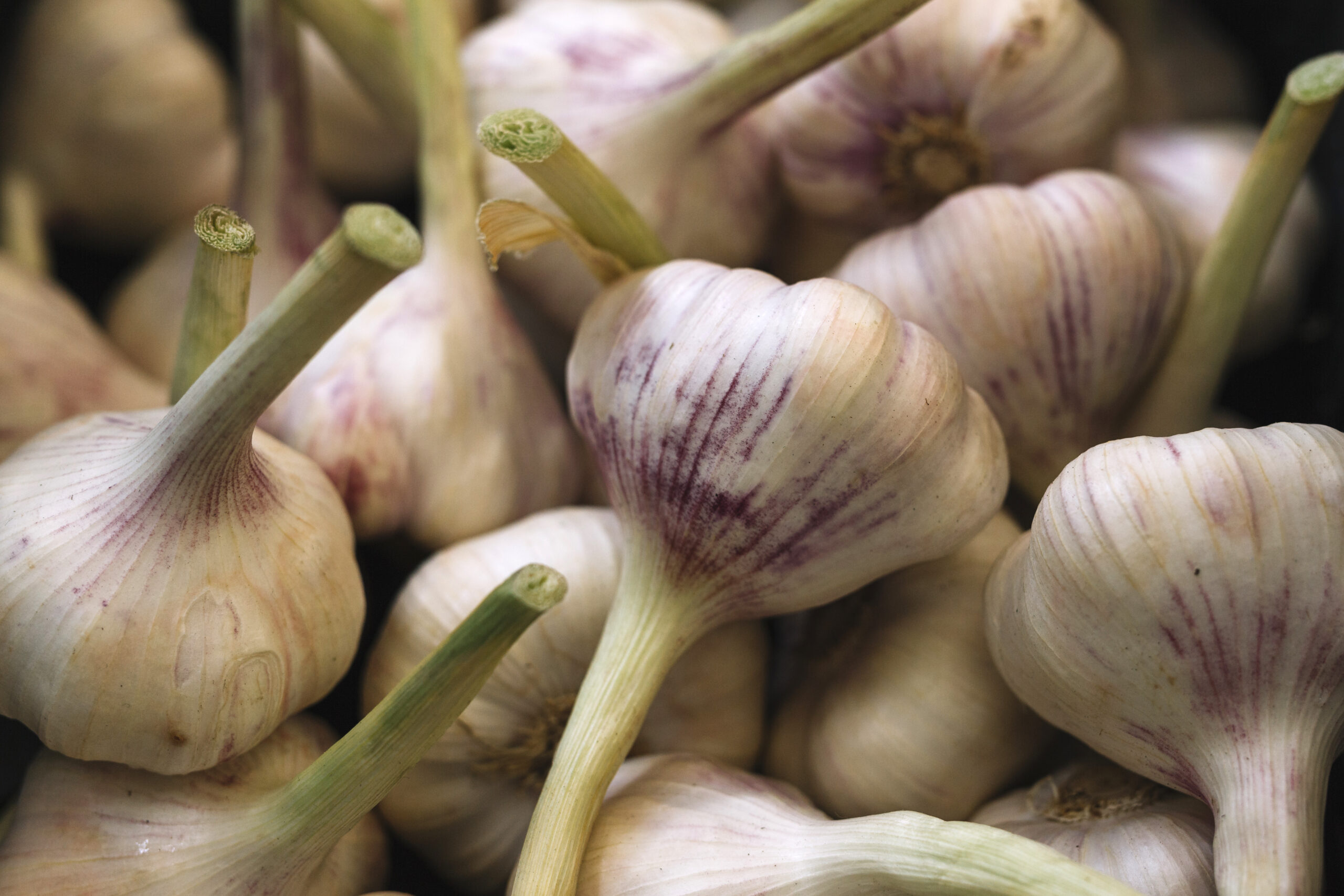
Image by Freepik
6 Powerful Benefits of Garlic — Backed by Tradition and Research
Garlic has been called many things — pungent, potent, even polarizing. But what makes it remarkable isn’t just its taste or smell. It’s what it quietly does inside your body, layer by layer, system by system.
Let’s explore some of its most impactful, research-supported benefits — many of which go beyond what we typically expect from a kitchen spice.
- Garlic Benefits for Heart and Circulation
Your heart isn’t just a pump — it’s a rhythm, a flow, and a reflection of how your entire lifestyle shows up in your body. Garlic has shown promise as a gentle yet effective support for cardiovascular health when used consistently.
- Supports blood pressure balance: A meta-analysis of randomized controlled trials (RCTs) found that garlic supplements could reduce systolic blood pressure by approximately 8.3 mmHg and diastolic by 5.5 mmHg in people with hypertension. These are meaningful drops — equivalent to certain first-line medications in mild cases.
- Improves lipid profile: Regular intake has been shown to reduce total cholesterol, LDL (bad cholesterol), and triglycerides. Some studies also observed a mild increase in HDL (good cholesterol) and a decrease in LDL oxidation — an early step in plaque formation.
- Reduces inflammation and oxidative stress: Allicin — the compound formed when garlic is crushed — helps protect blood vessels by reducing oxidative stress and regulating inflammation pathways like NF-κB, which are often involved in heart disease progression.
- Prevents unnecessary clotting: Garlic also supports healthier circulation by reducing platelet stickiness and improving blood “fluidity.” This may help reduce the risk of clot-related issues like stroke or heart attack.
A word of caution: If you’re already on blood-thinning medications (like aspirin, clopidogrel, or warfarin), speak to your doctor before adding large amounts of garlic or supplements. Garlic’s natural anti-platelet action may amplify the effects and increase bleeding risk.
- Garlic Benefits for Immunity and Microbial Defense
From the common cold to more chronic concerns, garlic has long been used as an internal cleanser. And research is beginning to understand why.
- Modulates immune responses: Garlic’s sulfur-containing compounds — like allicin and S-allyl cysteine — help regulate immune cells, including macrophages, natural killer cells, and cytokines such as IL-6, TNF-α, and IFN-γ.
- Broad-spectrum antimicrobial: Garlic shows activity against bacteria (including H. pylori), viruses, fungi, and even some parasites. In lab studies, it inhibited H. pylori — the bacteria linked to gastritis and ulcers — without damaging healthy gastric cells.
- Antifungal activity against Candida albicans: Compounds like ajoene, diallyl sulfide, and diallyl disulfide can inhibit candida biofilm formation and fungal growth in vitro. It’s not a standalone cure, but garlic may play a supportive role.
- Cold & flu support: A 12-week trial reported that garlic supplementation reduced the frequency and duration of the common cold compared to placebo — though the evidence is still limited and not conclusive for all forms.
- Garlic Benefits for Gut Health and Parasite Cleansing
Garlic’s role in digestive health is both traditional and evolving.
- Supports digestion: In Ayurveda, garlic is known to kindle agni — digestive fire. Modern research suggests it may support microbiome diversity and reduce harmful bacteria, contributing to a healthier gut environment.
- Folk remedy for worms: Garlic has long been used to help expel intestinal worms and parasites. Scientific support in humans is limited, but its antimicrobial and antihelminthic compounds show potential in lab models. Worth considering as part of a traditional cleanse, but always under guidance.
- Stomach health & H. pylori: Fresh garlic has shown bacteriostatic (growth-inhibiting) effects against H. pylori, which is linked to gastritis and stomach ulcers.
- Garlic Benefits for Skin
Garlic’s benefits aren’t just internal — they may also show up on your skin.
- Wound healing and skin regeneration: Garlic extract has been found to support wound healing and tissue repair, especially in conditions like psoriasis, keloids, and alopecia areata.
- UV protection and antioxidant defense: Some studies show that garlic compounds protect keratinocytes (skin cells) from UV-B-induced damage by reducing oxidative stress.
- Fights acne-causing bacteria: Its antibacterial properties may help reduce Propionibacterium acnes, a bacteria associated with breakouts. However, raw garlic can irritate the skin, so it should never be applied directly without proper dilution.
- Garlic Benefits for Hair and Scalp
Hair loss and scalp issues are often tied to deeper imbalances — inflammation, poor circulation, fungal growth, or nutrient deficiency. Garlic may address several of these.
- Stimulates hair growth: A recent study found that garlic-derived exosomes may activate the Wnt/β-catenin pathway — essential for follicle growth and regeneration.
- Improves scalp health: Its antifungal and antibacterial properties help create a cleaner scalp environment, potentially supporting those dealing with dandruff or fungal infections.
- Provides nutrients: Garlic contains selenium, sulfur, and certain vitamins that indirectly support hair structure and resilience.
Important to note: Always dilute garlic oil before applying it to the scalp. Never apply raw garlic directly — it can cause burns or irritation.
- Other Lesser-Known Benefits of Garlic
Here are a few surprising areas where garlic may quietly support your health:
- Neuroprotection: Animal studies suggest that garlic may protect nerve cells, reduce brain inflammation, and delay age-related cognitive decline — though human studies are still limited.
- Cancer prevention (epidemiological): In some population-based studies, high raw garlic consumption was associated with lower incidence of liver, stomach, and colorectal cancers. The exact mechanisms are still being explored.
- Liver support: Black garlic in particular has been studied for its hepatoprotective effects — helping regulate liver enzymes and reduce oxidative damage.
- Metabolic health: Some trials suggest garlic may improve insulin sensitivity, help regulate blood sugar, and support metabolic flexibility — though results vary depending on form and dose.
Disclaimer: While garlic can offer many supportive benefits, it’s important to remember that what works beautifully for one person may not suit another. Always speak to your doctor or healthcare provider before introducing anything new into your routine — especially if you’re managing a health condition or are on medication.
Never overdo it. Start small. Try it once, observe how your body responds, and give it time. Your body has a beautiful intelligence within — and the best results come when we listen to it with patience and respect.
Garlic on an Empty Stomach — Myth or Advantage?
You’ve probably heard this one: “Eat raw garlic first thing in the morning for best results.” While it’s a popular home remedy, the truth is — we don’t recommend anything other than plain water on an empty stomach. No lemon water, no concoctions, and definitely no garlic.
Why? Because there’s very limited scientific evidence to support any added benefit of taking garlic this way. In fact, for many people, raw garlic on an empty stomach can cause more harm than good — from flatulence and acidity to irritation of the stomach lining and changes in gut flora.
If you still feel drawn to trying it, be gentle. Start with just half a clove, crushed and rested, and have it with warm water or honey later in the day — not first thing in the morning. Always listen to your body, not the internet.
Who Should Use Garlic — and Who Should Be Careful
| Can Safely Include Garlic | Should Avoid or Use with Caution |
| Most healthy adults (in moderation, with meals) | Anyone with sensitive digestion, ulcers, or acid reflux (especially raw garlic) |
| People with low immunity or frequent infections (with food or decoctions) | Individuals on blood thinners or anticoagulants — garlic can increase bleeding risk |
| Those looking to support heart health, cholesterol, or blood pressure | People with bleeding disorders or preparing for surgery (avoid garlic 7–10 days prior) |
| Individuals with skin or scalp concerns (using diluted topical application) | Pregnant or breastfeeding women — only small amounts through food, not concentrated forms |
| Those dealing with cold, congestion, or mild respiratory infections | Children under 5 — especially raw or undiluted garlic forms |
| Adults exploring natural support for hair, digestion, or parasite cleansing | Anyone allergic to garlic (rash, itching, stomach discomfort, etc.) |
How to Use Garlic in Daily Life
Garlic can be a simple, everyday ally when used wisely — and the key is consistency, not excess. Here are a few gentle, practical ways to include it in your routine:
- Raw Garlic: This could benefit those with congestion, phlegm, a cold and flu. Crush or chop one small clove and let it rest for 5–10 minutes to activate allicin. Have it with lukewarm water or a spoon of honey. If your stomach is sensitive, pair it with a light meal instead.
- Concoctions for Support:
• Garlic + ginger + tulsi decoction for congestion or colds
• Crushed garlic + raw honey as an immunity tonic
• Garlic tea steeped in hot water with honey for warmth and digestive ease - In Meals: Add crushed garlic to soups, stir-fries, or chutneys — ideally towards the end of cooking to retain potency.
- Topical Use: Mix a few drops of garlic oil into a carrier like coconut or sesame oil (1:10 ratio) and apply to the scalp or skin. Always do a patch test.
- Supplements: Garlic powder, aged garlic extract (AGE), or capsules can be used if needed — but always choose high-quality sources and check with your doctor, especially if you’re on medications.
- Short-Term Use: For those exploring specific goals like gut cleansing or post-infection recovery, a garlic-based routine can be done for 3–7 days under guidance. But it’s not something to stay on continuously.
As with everything — less is often more. Give your body a chance to work with garlic, not against it.
Reminder: Garlic can be powerful — and that includes both its benefits and its side effects. Always start small, observe how your body responds, and check with your healthcare provider if you’re unsure.
Safety, Side Effects, and Real-World Wisdom
Garlic is natural — but natural doesn’t always mean harmless.
For most people, using garlic in regular food amounts is safe and even beneficial. But when it’s taken raw, in large doses, or in concentrated forms (like oils or capsules), it can start to irritate rather than help.
- Some people find themselves dealing with side effects like body odour, garlic breath, or mild bloating. Others may feel lightheaded, gassy, or just ‘off’ after having too much — especially when it’s raw or combined with other strong spices.
- One less talked-about concern is skin sensitivity. Garlic, especially in raw paste form, can cause burns or blisters if applied directly. This has happened even with short applications, so topical use must always be diluted and patch-tested — no exceptions.
- Some people also report changes in appetite, altered taste, or even a metallic aftertaste when garlic is overused or taken as a supplement. These are subtle signs that your body may not need as much.
More isn’t better. In fact, overdoing garlic for too long can lead to imbalances — from gut irritation to depletion of digestive enzymes in some individuals.
If you ever feel discomfort, heaviness, or a sense of internal heat after using garlic, it’s okay to pause. Your body is telling you something. Respect it. Rest from it. Try a different form. Or simply take a break and come back to it later in the right quantity.
The bottom line? Let garlic serve you — not overwhelm you. When used in the right way, it supports. When forced, it can stress. Let balance lead the way.
Image by Freepik
Final Word: From Kitchen Staple to Daily Support
We often look outside — to exotic herbs, imported superfoods, expensive supplements — in the hope of finding something that will fix us. But healing doesn’t always live in faraway places. Sometimes, it’s already in our kitchen. Quiet. Unassuming. Waiting to be used with intention.
Garlic is one of those ingredients. A root that grows easily, stores well, and gives generously — when treated with respect. You can grow it on your balcony, dry the bulbs, use the cloves, oil, or even the peels in compost or skin rinses. It doesn’t demand much, but it offers a lot.
The secret lies in discernment. Knowing when to use it, how much, and in what form — not just because someone else swears by it, but because it truly aligns with what your body needs. And that’s the kind of wisdom that transforms a kitchen ingredient into a healing ritual.
Ready to Support Your Health with Everyday Foods?
Start small — with one mindful change in your kitchen today.
Use what’s simple. Use what’s real. Let nature be your first line of care.
Want help personalizing your food and lifestyle choices to match your body’s unique needs?
Know more about our Wellness Program.
Set up a one-on-one consultation with our integrative team by reaching out to us at:
📞 Call us on 1800 102 0253
✉️ Write to us on [email protected]
Together, let’s create routines that feel natural, healing, and deeply nourishing.
We help you find a way.
Disclaimer
This article is for educational and awareness purposes only. It is not a substitute for professional medical advice, diagnosis, or treatment. Garlic may not be suitable for everyone — especially in raw or concentrated forms. Please speak to your healthcare provider before making any changes to your food, supplements, or wellness routine, especially if you have existing medical conditions or are on medication.
Listen to your body. What works for one may not work for another. Always start small, and proceed with awareness.
References:
- (Ried, 2015)
- (Kim et al., 2011)
- (Shukla & Kalra, 2007).
- (Rafiee et al., 2023)
- (Cellini et al., 1996)
- (Bolkent et al., 2004)
- (Zhou et al., 2018),
- (Zhou et al., 2016)
- (Zeng et al., 2012).
- (Ankri & Mirelman, 1999).
- (Sobenin et al., 2017)
- (Teshika et al., 2019)
- (Shang et al., 2019).
- (O’Gara et al., 2000).
- (Josling, 2001).