No products in the cart.
Most brides are told how to look before their wedding.Fewer are taught how to feel.
Marriage isn’t just about a celebration, a ceremony, or the photographs. It’s one of the most significant transitions of your life — physically, emotionally, and energetically. You’re not just choosing a partner. You’re shifting routines, moving into new environments, adjusting to different foods, family dynamics, and emotional responsibilities. And whether or not it’s visible, your body registers all of it.
That’s why the real bridal skincare routine isn’t just about facials and serums. It starts from within — with your hormones, your gut, your nervous system, and your sleep. This isn’t about a temporary glow. It’s about sustaining emotional steadiness, healthy cycles, clear skin, and deep cellular energy that stays with you long after the wedding day.
Over the last 14 years, we’ve worked with hundreds of brides. Many of them came in asking for surface-level tips. But what they really needed was to feel more grounded in themselves. Stronger. Clearer. Calmer. More connected. And that starts with creating a foundation that supports your body and mind — not pushes it harder.
This guide is for the woman preparing to cross a threshold — not just into marriage, but into a deeper version of herself. You’ll find no crash diets here. No ‘shred plans.’ No rigid rules. Just steady, practical steps and timeless bridal health tips rooted in everything we’ve seen work: nervous system regulation, hormone harmony, sleep hygiene, gut support, and healthy food for healthy skin.
Because when your internal world feels steady, it reflects in everything — your mood, your skin, your energy, your relationships.
A Message From Luke
Marriage isn’t just an event. It’s a transition of your body, your emotions, your nervous system, and your entire energy field. For many brides, the months leading up to it are filled with excitement — and invisible pressures.

Image by Freepik
This isn’t about crash diets or high-pressure bridal bootcamps. This is your moment to tune in. Because the glow, the calm, the confidence — they don’t come from filters or facials. They come from deep internal balance.
In an interview with the Wedding Collective, I answered some of the most important (and often overlooked) questions brides ask — not about surface-level prep, but about creating true, sustainable wellness before this powerful life change.
10 Honest Questions Brides Ask — and What I Tell Them
1. Why is it important for brides to focus on hormonal health in the lead-up to their wedding? What are some early red flags brides often ignore?
When we think of pre-wedding prep, we often think about diet, skin treatments, and workouts—but true preparation goes much deeper. Hormonal health is key because hormones regulate everything: energy, skin clarity, libido, fertility, body weight, mood, emotional balance, sleep, digestion, and even confidence.
This is also a phase when women are at the cusp of significant change, and it’s likely that their routine, emotional health, schedule, environment, food habits, and exercise patterns are shifting. Our hormones are incredibly sensitive to these changes, which is why supporting hormonal balance during this period becomes even more essential.
Many brides ignore small but telling signs—fatigue despite rest, sudden breakouts, irregular or painful cycles, bloating, hair fall, low libido, stubborn belly fat, irritability. These aren’t random—they’re the body communicating an imbalance. When we listen early, we can support the body naturally and avoid last-minute panic or ‘quick fixes’ that often backfire.
So many brides I’ve met describe this phase as just stress, but the extra tiredness, the mood dips, the skin breakouts — are the body’s way of asking for attention. The earlier you begin supporting your hormone rhythm, the more graceful your transition will feel — not just for your wedding, but for the married life that follows.
2. Stress is a big player in hormonal disruption. How does elevated cortisol affect not just mood and energy, but also skin, gut, and weight? What’s the domino effect of chronic stress on the body’s systems—especially during wedding planning?
Cortisol is our primary stress hormone—and when chronically elevated, it touches every system. Beyond just mood swings and fatigue, it affects:
- Skin health: Accelerates aging, worsens acne, delays wound healing.
- Gut health: Alters the gut microbiome, drives bloating, poor digestion, and food sensitivities.
- Weight: Promotes stubborn belly fat storage, impairs metabolism.
- Sleep productivity: Disrupts circadian rhythm, delays melatonin release.
- Heart health: Elevates heart rate and blood pressure, increasing cardiac risk.
- Sexual wellness and fertility: Disrupts sex hormone production, menstrual cycles, and ovulation—affecting libido and fertility.
This domino effect is especially real for brides. Wedding planning often means late nights, caffeine overload, comparison on social media, and performance pressure—all of which keep cortisol running high and the body out of balance when it most needs calm.
You may look fine on the outside, but internally, your system can feel like it’s always in a rush. The goal isn’t to eliminate stress — that’s impossible. It’s to bring your body back to safety through routine, sleep, breath, and nourishment. When your body feels safe, your hormones follow.

Image by Freepik
3. Brides today are going beyond calorie-counting and gym time. How is the conversation shifting toward adrenal health, nervous system regulation, and the gut-brain axis?
This shift is something we’ve seen firsthand in our practice—and it’s been one of the most heartening evolutions. Earlier, brides would come to us asking, “How do I drop weight fast before my wedding?” Now they ask, “How can I support my gut, balance my hormones, and regulate my energy?”
This is exactly what we’ve been educating for years: you cannot separate the gut, brain, adrenal glands, and hormones—they are an interconnected web.
We’ve worked with so many brides who ate clean and exercised rigorously but felt exhausted, anxious, and bloated. Once we helped them prioritize gut repair, adrenal restoration, and nervous system care—everything changed.
The gut-brain axis explains why stress disrupts digestion. Adrenal health dictates energy levels and resilience. Nervous system balance ensures hormones can cycle properly. This is no longer niche science—it’s at the core of bridal wellness today.
Adrenal fatigue doesn’t mean weakness — it means your body has been in overdrive for too long. True beauty doesn’t come from restriction but from restoration. When the nervous system softens, your body finally feels safe enough to heal.
4. What are your top food and lifestyle hacks to naturally regulate cortisol and support hormonal balance?
I like to keep it really simple. Most brides are already overwhelmed. They don’t need another chart or checklist. They just need grounding.
Start with warm, home-cooked meals — simple food that your body understands. Add soaked almonds, seeds, and leafy greens. Have a proper lunch. Eat on time. That’s more powerful than the latest superfood or bridal cleanse fad.
And outside food? Just slow it down. Avoid cold salads and smoothies late at night. Cut back on too much coffee, especially if you’re running on empty.
An underrated tip? Sit down for your meals. No phone. No laptop. Just eat. You’d be surprised how much that improves digestion and calms the system.
And don’t forget — it’s okay to say no. You don’t have to attend every gathering, take every call, or respond to every message. Protect your energy. That’s hormone support, too.
One that often surprises brides: protecting sleep as sacred, even if they’re busy. Poor sleep, a sedentary lifestyle, and chronic stress are some of the fastest ways for cortisol levels to spiral.
Even something as simple as winding down with dim lights, a warm meal, and slow breathing before bed can reset your hormones overnight. Don’t underestimate the small rituals — they’re what keep your body anchored when life feels big.
Image by Freepik
5. How long before the big day should brides ideally start working on hormone harmony? What kind of results can they realistically expect?
Fixing hormonal health and balance a year before marriage should not be the aim, as it is a fundamental that should be taught young. Girls need to be acquainted with the basics in their early life so their hormonal health foundation is strong. Hormonal harmony is truly an inside-out process—it’s about restoring systems that have often been neglected for years. That’s why I always suggest a pre-bridal lifestyle timeline of 6–12 months, where possible.
In 3 months, you can start seeing meaningful changes: less bloating, steadier energy, improved mood, and subtle skin shifts.
In 6 months, menstrual cycles can regulate, skin clarity improves, gut health stabilizes, and brides feel calmer, more grounded, and resilient.
In 12 months, you can see deep hormonal balance reflected in fertility, metabolism, and overall well-being.
And this goes beyond the wedding day—it’s about creating a foundation for health in married life too. Hormones need rhythm and consistency, not crash diets or quick fixes. This is why we coach brides to see wellness as a journey—not a checklist.
Even if you have only a few months, small changes count. Your body has a remarkable ability to heal when given the right environment — nourishment, rest, and consistency. The results may start on your skin, but the real transformation happens in how you feel.
Image by Freepik
6. What are some underrated practices that can have a big impact on stress and hormonal health?
- Nutrient-dense meals: It’s not about calories or clean eating — it’s about nourishment. Food that fuels you at a cellular level. Real, seasonal, ethically sourced food that your body recognises: soaked nuts and seeds, whole grains, local vegetables, healthy fats, clean proteins. When you give your cells what they need, everything starts to stabilise — your skin, your mood, your energy, your cycles. This is one of the most powerful things you can do before your wedding — not just for the glow, but for deep resilience.
- Deep sleep: Quality sleep is the foundation of hormonal balance; it helps regulate cortisol, supports cellular repair, and keeps mood and energy stable—essential during busy wedding prep.
- Circadian rhythm: Aligning daily routines with natural light-dark cycles improves sleep quality, hormonal rhythms, and metabolism, helping brides feel more rested and balanced.
- Breathwork for nervous system regulation: Simple breathwork practices like pranayama can shift the body from stress to calm quickly, supporting nervous system regulation and lowering cortisol levels naturally.
- Morning sunlight exposure: Morning sunlight resets the body’s internal clock, improves melatonin production, and boosts energy and mood for the day.
- No caffeine first thing in the morning: Avoiding caffeine on an empty stomach prevents unnecessary cortisol spikes and supports stable energy and mood. We only recommend plain water first thing in the morning.
- Building lean muscle: Maintaining lean muscle improves insulin sensitivity and metabolic health, both critical for hormonal regulation and feeling strong in the body.
- Strength training: Incorporating strength training 2–3 times a week can reduce stress hormones, improve body composition, and support a bride’s resilience—physically and emotionally.
- Emotional wellness: This one is often overlooked but matters deeply. Wedding prep brings up emotions — excitement, uncertainty, even grief or fear. Don’t bottle it up. Journal. Speak to a therapist, a mentor, a trusted friend, or your partner. Have the difficult conversations now. Ground yourself by taking walks barefoot, placing your hand on your heart, or simply sitting in silence when you need to feel safe again.
- Prayer and spiritual connection: Whether it’s prayer, quiet reflection, or simply speaking to a higher force — this isn’t just spiritual. It calms the nervous system. It softens fear. It creates space for surrender when your mind feels crowded. I’ve seen people find more healing in five minutes of honest prayer than hours of overthinking.
Even the simplest forms of these — 10 minutes of deep breathing, sunlight on your face, or lifting light weights twice a week — can regulate your stress response more effectively than any supplement. You don’t need perfection; you need rhythm.

Image by Freepik
7. Specific nutrients or superfoods that regulate hormones? Foods to avoid?
Key nutrients:
- Magnesium, zinc, B-vitamins, omega-3 fatty acids, antioxidants—all help buffer cortisol’s effects and stabilize hormones.
- Superfoods like turmeric, moringa, soaked nuts and seeds, berries (Indian gooseberry or amla, for instance), and flaxseeds all play their part beautifully.
- Vitamin D3 is crucial for hormone balance and immune regulation, yet it’s often overlooked. Maintaining levels in the higher optimal range can support cortisol modulation, mood stability, and overall endocrine health—especially important during periods of heightened stress like wedding prep.
Limit the consumption of:
- Excess tea, coffee, sugary drinks, or energy drinks
- Highly processed foods that spike blood sugar (leading to cortisol surges)
- Alcohol and nicotine, which disrupt liver pathways and deplete nutrients needed for hormonal balance
Your bridal routine food doesn’t need to be fancy. It just needs to be functional. Warm, seasonal, home-cooked meals — rich in fiber, good fats, and antioxidants — are often more powerful than the latest supplement trend. Focus on what nourishes you, not what trends tell you to eliminate.
Think: healthy food for healthy skin, but also for a clear mind, calm nerves, and better cycles. That’s your real bridal healthy diet.
Disclaimer: Every woman’s body and journey are unique. Please consult your healthcare provider, nutritionist, or therapist before making any significant changes to your food, supplements, or lifestyle — especially before marriage or during times of transition. Listen to your body with compassion. What brings balance to one person may not work for another.
Learn with Luke: Join our 21-day Gut-Reset Course for better health!
8. Do you recommend biofeedback tools or tracking apps for brides?
Technology has really come a long way when it comes to health monitoring. Today, there are apps and tools for almost everything—tracking your menstrual cycles, monitoring your heart rate variability, logging sleep quality, movement patterns, hydration levels, even food sensitivities and mood.
For brides who enjoy data, these tools can provide helpful insights and patterns. But I always remind my clients of this: the best biofeedback you will ever get is your own body’s signals.
How are you feeling in your skin? Are your energy levels stable? How’s your digestion, mood, and sleep quality? Are your cycles regular and pain-free? No app can replace the power of tuning inwards.
So while technology can absolutely support awareness, I encourage brides to use it as a gentle guide—not a substitute for listening to the body’s natural intelligence. That’s where true wellness lies.
Sometimes, even journaling how you feel every evening — your mood, sleep, appetite, and energy — can tell you more than numbers on a screen. Use tools, but trust your body more. It speaks. It always has.
9. How much of PMS flare-ups, acne, and bloating can be traced back to hormones before the wedding?
Almost all of it can be traced back to hormonal and nervous system imbalances amplified by stress. When cortisol is up, sex hormones get disrupted, insulin sensitivity declines, and inflammation rises—resulting in PMS, breakouts, water retention, and mood swings.
This is why wedding prep shouldn’t just be about the dress or hair—it’s about creating internal stability.
We often see brides doing everything right on paper, yet bloating worsens, acne flares, or periods become erratic. These aren’t personal failures. They’re responses to an overwhelmed system.
One powerful shift? Start syncing your self-care with your menstrual cycle. Support your body differently in each phase — more rest before your period, more protein after ovulation, gentler workouts during PMS. Hormones thrive on rhythm and respect.
When you understand the why, you can stop fearing the symptoms — and start working with your body, not against it.
10. What’s your advice to brides doing everything ‘right’ but still feeling wired, tired, or anxious?
This is a common and painful scenario. Many brides are eating “clean” and working out but still feeling exhausted.
Why? Because it’s not about doing more, it’s about doing right for your nervous system.
If you feel wired-tired, it’s likely cortisol dysregulation. Over-exercising can spike cortisol further. Under-sleeping, over-planning, constant worry—these all fuel depletion.
They feel this way because, yes, change is uncomfortable for us as humans. It brings in uncertainty and anticipation of what lies ahead. As human beings, we like predictability. But not having that can fill us with fears, overthinking, and I think the best thing to do here is to not resist change. Change is inevitable. It will be there, but resisting it in the mind is what creates more suffering and stress. Set your intentions, visualise how you’d like it to go, but surrender and move away from resistance.
My advice: slow down. Prioritize rest, breath, grounding, warm, nourishing meals. Start viewing your wedding journey as a time to replenish—not just achieve.
You don’t have to earn your peace. You don’t need to justify slowing down. Wired-tired isn’t who you are — it’s how your body is asking for help. Let rest be your reset. Let calm become your power.
11. What is mother‑in‑law or father‑in‑law syndrome, and how can brides handle it without losing their peace?
I’ve seen it in so many women I work with, and it can be painful because it touches something very human: the need to belong, to be accepted, to be seen.
When you enter a marriage, it’s not just two people coming together. Two families, two belief systems, two ways of doing things start to merge. And every family carries its own emotions, expectations, and sometimes, unhealed wounds. So when those energies meet, friction is normal — it doesn’t mean you’re doing anything wrong.
The key is not to approach it like a battle. You don’t have to please everyone or fight everyone. The space in between — where you stay grounded, kind, but firm — that’s where peace lives.
Boundaries are healthy. Saying “I need time” or “I feel uncomfortable when…” isn’t disrespectful. It’s communication. You can respect your in-laws and still protect your inner peace. You can show care and still say no.
Try to understand their perspective, but don’t lose your own in the process. When you speak calmly and consistently, people eventually meet you there — maybe not immediately, but they do.
And don’t carry guilt for wanting space. You’re human. You’re adjusting, too. Every relationship finds its rhythm with time.

Image by Freepik
12. How can brides maintain love and respect while still setting boundaries after marriage?
Start with empathy, always. Everyone’s doing their best from the level of awareness they’re at. Sometimes your in‑laws’ actions come from fear — fear of being replaced, fear of losing relevance. Recognising that softens how you respond.
But empathy doesn’t mean overextending yourself. You can be respectful and still say, “This doesn’t feel right for me.” You can serve tea with love and still say, “I’d prefer to handle it differently.” Boundaries aren’t walls — they’re bridges that make relationships sustainable.
One thing that helps many brides is having honest, kind conversations with their spouse early on. In‑law dynamics are not yours to fix alone. You’re a team — handle things together, not separately.
And when it gets heavy — because sometimes it will — come back to grounding. Take a breath before reacting. Write down what you feel. Pray if that helps you feel centred. Don’t let resentment build quietly; speak your truth calmly.
Remember, relationships take time. Respect isn’t lost when you draw a line. It’s often strengthened because it comes with self‑respect.
You can love deeply, respect fully, and still protect your peace. That balance — that quiet strength — is what truly sustains a marriage.
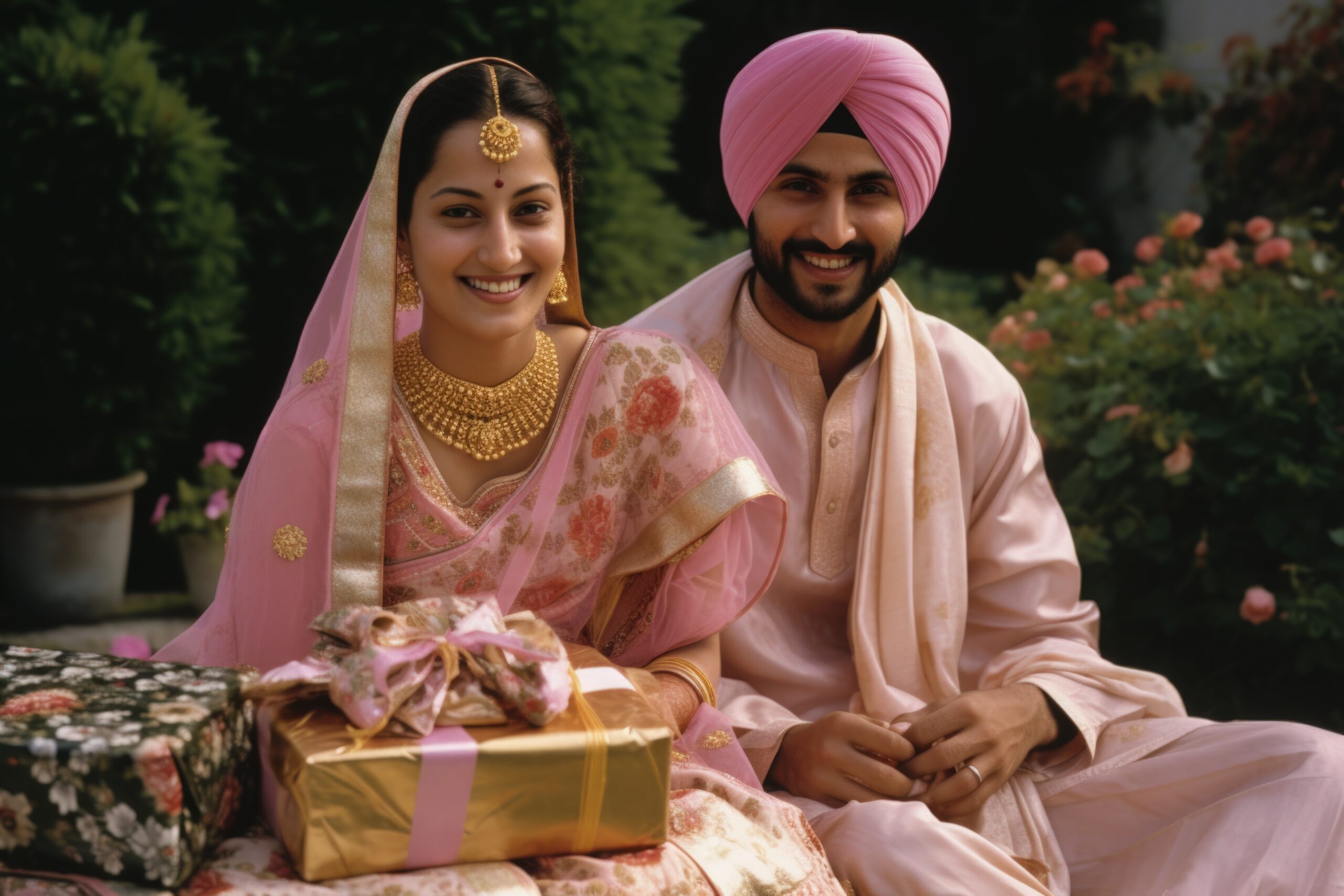
Image by Freepik
FAQs
1. How can brides-to-be manage emotional burnout during wedding prep?
You don’t need to be everything to everyone. I say this often because I’ve seen so many brides forget themselves in the middle of planning. The pressure, the expectations — it’s a lot. You’re not weak for feeling tired. You’re human. Build moments of stillness into your day. Rest isn’t laziness — it’s where your energy, mood, and resilience are rebuilt. Eat warm, nourishing meals. Ask for help. Breathe through the overwhelm. You don’t have to sprint to the aisle.
2. How do you stay present and actually enjoy your wedding instead of stressing?
It starts with permission — to feel, to pause, to not do everything perfectly. Presence isn’t a switch you flip on the wedding day. It’s a muscle you build during the journey. Try breathwork before your big moments. Unplug often. Laugh more. Let your inner circle know what support looks like for you. Your wedding isn’t a performance — it’s a memory in the making. You deserve to be in it fully, not just managing it from the sidelines.
3. How can I handle unsolicited advice or pressure from relatives during this time?
There’s nothing wrong with you for feeling overwhelmed when people project their version of “how things should be.” This is a new chapter for you, and it’s okay to write it in your own voice. Breathe before you respond. Thank them if you need to — and then do what’s right for you. You’re not rude for choosing peace. You’re building a life, not a show. And your inner peace should never be the price of someone else’s expectations.
4. What conversations should couples have before marriage to set a strong emotional foundation?
Talk about what love looks like to each of you — not just in good times, but on hard days too. Discuss how you handle stress, what support means to you, and how you’ll protect each other’s mental space. The choice of having kids or not is also an important discussion. You don’t need to solve everything before marriage, but learning how to listen without judgment — that’s gold. If you can be honest with each other now, you’ll carry that safety with you into the future.
5. How do I balance tradition and individuality while preparing for marriage?
You can honour both — the roots you come from and the person you’re becoming. I often see brides feeling torn between wanting to please everyone and staying true to themselves. The key is intention. Choose traditions that hold meaning for you. Let go of the ones that don’t feel authentic. Marriage isn’t about losing yourself — it’s about growing into who you are, alongside someone who supports that journey. It’s okay to evolve with grace.
6. How do I deal with changes in routine, food habits, or sleep leading up to the wedding?
Transitions like marriage can throw even the most balanced person off track. Wedding prep often throws your lifestyle off track — late nights, emotional eating, skipping meals, too much caffeine. Be mindful, but not hard on yourself. A simple and grounding place to start is by coming back to what I call the six pillars of lifestyle: Eat real, seasonal food that supports your body. Move a little every day, even if it’s just a walk. Honour your sleep—it’s when your body and mind reset. Make space for your emotions, and don’t judge what comes up. Connect inward—through breath, reflection, prayer, journaling, or stillness. And above all, slow down enough to feel what your body is asking for. These aren’t checkboxes—they’re anchors. You don’t have to master them all at once. Prioritise warm, grounding meals. Hydrate. Try 10 minutes of breathwork before bed to improve sleep.
Remember: a wedding is one day, but your body and mind carry you through all your days. Treat them with kindness now, and they’ll support you in amazing ways. Even one small change in each pillar can help you feel calmer, present, and supported through it all.
An excerpt from this interview first appeared in The Wedding Collective.
Ready to Begin Your Holistic Bridal Journey?
Start by nurturing what truly matters — your health, your peace, and your inner balance.
This phase of life is not about chasing perfection; it’s about stepping into marriage feeling strong, calm, and connected to yourself.
If you’d like a personalized plan for your bridal skincare routine, bridal healthy diet, hormone balance, or emotional wellness, we can help you create it — gently and sustainably.
Know more about our Wellness Program or set up a one-on-one consultation with our integrative team:
📞 Call us on 1800 102 0253
✉️ Write to us on [email protected]
Together, let’s prepare your body and mind — not just for the wedding day, but for the life that begins after it.
We help you find a way.
Disclaimer
This article is for educational and awareness purposes only. It is not a substitute for personalised medical, nutritional, or psychological advice.
Every woman’s body and journey are unique. Please consult your healthcare provider, nutritionist, or therapist before making any significant changes to your food, supplements, or lifestyle — especially before marriage or during times of transition.
Listen to your body with compassion. What brings balance to one person may not work for another.
References:
The Wire