No products in the cart.
Priya came to us frustrated. Thirty-eight years old, a decade of trying everything, and a body that had stopped responding to anything she threw at it. Six months into working with Team Luke, she had lost 14 kilos mindfully. Her energy was back. Her blood work reports had improved. She was sleeping through the night for the first time in years.
The first thing people asked her was, “Are you on those new injections?”
Her answer was a firm no.
No fat loss medications. No shortcuts. Just the right foundations, put in place one at a time, consistently. And that is exactly what made it work.
But here’s why we are telling you this story today. Because for every Priya who chooses to go the foundational route, there are hundreds of others who are already on fat loss medications or seriously considering them. And those people deserve honest, complete information too.
Fat loss medications, particularly GLP-1 (glucagon-like peptide-1) receptor agonists like Ozempic, Wegovy, and Mounjaro, are everywhere right now. Celebrities, influencers, neighbors, colleagues. Everyone seems to either be on them or asking about them. And we get it. When you have tried everything and nothing has worked, the promise of rapid results is hard to ignore.
But before you follow the trend, or if you are already on one of these medications and wondering what comes next, there is a conversation that almost nobody is having. And it is the one that matters most.
There are cases where people genuinely need these medications. But they also need the right information to manage them, and the right medical guidance to use them safely and effectively.
New to GLP-1 medications? Understand exactly how they work, what the research says, and what the real side effects are before reading further:
GLP-1 Injections Explained: How They Work, What They Don’t Tell You, and the Real Side Effects
Once you have that foundation, come back. Because what we want to talk about today is the part nobody is telling you.
The Promise and the Gap Nobody Talks About
GLP-1 receptor agonists work by slowing gastric emptying, regulating blood sugar, suppressing appetite, and signaling your brain that you are full. For people managing type 2 diabetes, severe insulin resistance, PCOS (Polycystic Ovarian Syndrome), or morbid obesity, the clinical outcomes can be significant. The research is real, and we respect the medical use of these drugs.
But here’s what doesn’t make it into most conversations. The medication does not know which weight you are losing. It cannot distinguish between fat and muscle, and it does not ensure you are eating enough protein, absorbing your micronutrients, maintaining hydration, or protecting your gut. It simply suppresses appetite and slows everything down.
And when the medication eventually stops? Clinical evidence, including the STEP 1 trial extension published in Diabetes, Obesity and Metabolism, shows that most people regain a significant portion of their lost weight after discontinuing semaglutide. Because the medication changed the number. It did not change the patterns, the relationship with food, or the underlying physiology.
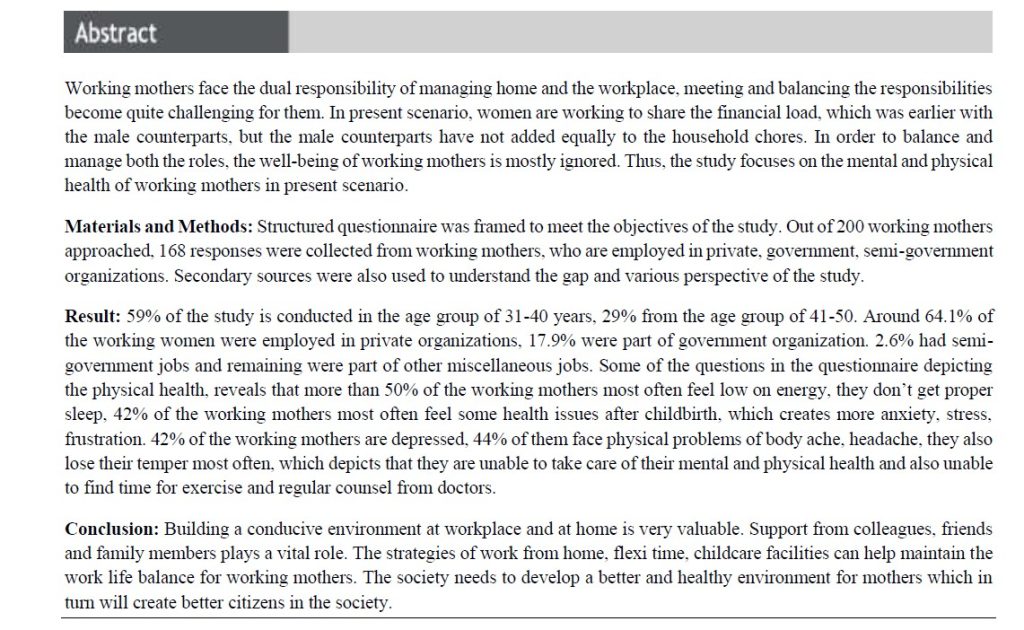
Reference: Wilding JPH, Batterham RL, Davies M, et al. Weight regain and cardiometabolic effects after withdrawal of semaglutide: The STEP 1 trial extension. Diabetes Obes Metab. 2022;24(8):1553-1564. doi:10.1111/dom.14725
What you build around the medication determines whether you emerge genuinely healthier or quietly depleted. And almost no one is guiding people through that part.
What Is Actually Happening Inside Your Body
When appetite drops significantly, food intake follows. For many people in India, where meals are already shaped by stress, irregular routines, and existing nutritional gaps, this is where things start to quietly unravel.
Muscle loss that looks like fat loss: Without adequate protein, the weight coming off includes significant muscle mass. Muscle is your metabolic engine. Losing it slows your metabolism, reduces strength, and makes long-term weight maintenance far harder. We have seen people who lost impressive numbers on the scale but emerged weaker, more fatigued, and with a body composition that was worse than before.
Gastroparesis and disrupted digestion: GLP-1 medications slow gastric emptying by design. In some individuals, this goes too far. The stomach loses its natural rhythm, leading to chronic bloating, nausea, indigestion, and in more serious cases, a condition where the stomach is effectively unable to contract and digest properly. This is an underreported outcome that deserves more attention.
Gut microbiome disruption: Slower digestion and reduced food variety directly affect the ecosystem of bacteria living in your gut. Your microbiome governs immunity, mood, energy, and metabolism. Disrupting it without conscious support creates ripple effects that extend well beyond the digestive system.
Chronic dehydration and electrolyte imbalance: Reduced food intake means reduced fluid and mineral intake. Many people on these medications are chronically under-hydrated without realizing it. Electrolyte imbalances affect energy levels, cognition, heart rhythm, and muscle function in ways that are easy to misattribute to the medication itself.
Nervous system and metabolic strain: A body going through significant physiological change is a body under stress, even when that change is intentional. Poor sleep and chronic stress elevate cortisol, which actively works against fat loss while accelerating muscle breakdown. And the emotional eating patterns that were always there do not disappear on medication. They wait.
If You Are Already on a Fat Loss Medication, Here Is What Your Body Needs Now
This is the part of the conversation that is almost entirely missing from how these medications are being prescribed and discussed. Whether you are one week in or six months in, your body has non-negotiable requirements that the medication does not address. Don’t be scared. With the right approach and support, side effects can be managed much better than most people think. Here is what to focus on.
Good Quality Protein. More Than You Think
Make protein the first decision at every meal, not an afterthought. Dal, paneer, eggs, chicken, fish, Greek yogurt, legumes. Even when your appetite is low, a small, good quality protein-rich meal is always better than skipping entirely. Protein protects your muscle, supports immunity, and keeps your metabolism functional through the process and beyond it.
Active Gut Support
Include naturally fermented foods like curd, buttermilk, idli, and kanji where your digestion tolerates them. Eat slowly and chew thoroughly, as this matters even more when gastric emptying has slowed. Do not cut fiber entirely in the pursuit of low-calorie eating. And do not normalize persistent bloating or nausea. Flag it with your doctor or healthcare professionals and address it actively rather than pushing through it.
Balance Hydration and Electrolytes
Do not wait for thirst. Build a hydration routine and stick to it. Include natural electrolyte sources like coconut water, rock salt, and mineral-rich foods. If you are experiencing fatigue, headaches, or muscle cramps, ask your doctor to check your electrolyte levels before assuming it is a medication side effect. This is often a simple, fixable problem that dramatically affects how you feel every day.
Consistent Movement to Protect What You Are Keeping
Walk for a minimum of 30 minutes daily. Add two to three sessions of light resistance training per week, bodyweight exercises, resistance bands, or weights, whatever is accessible. Walk for 10 to 15 minutes after meals to support blood sugar regulation and digestion. Movement signals to your body that muscle is needed and should be preserved. Without that signal, there is no reason for the body to hold onto it.
Sleep, Stress, and the Patterns Underneath
Prioritize sleep as seriously as you prioritize the medication. Aim for seven to eight hours at a consistent time. Use breathwork or simple meditation to actively manage stress. And if emotional eating has been part of your history, use this window of reduced appetite to understand those patterns rather than simply suppress them. The medication quiets the noise. What you do with that quiet determines everything that comes after.
The Medication Is the Window. What You Build Inside It Is Everything.
The people who maintain their results after stopping these medications are the ones who used the window of reduced appetite to build real habits. Better food choices. Consistent movement. Improved sleep. A healthier gut. A more stable nervous system. The medication gave them the space to build those things. And those things carried them forward.
We told you at the beginning that Priya did not need the medication. Her foundations became her medicine. But if you are already on a fat loss drug, or your doctor has recommended one, we are not here to tell you it is wrong. We are here to tell you that a prescription alone is not a plan.
Ask yourself this before you go: Do I want fast weight loss, or sustainable health that lasts beyond the prescription? Because that answer changes everything.
Disclaimer: This blog is for educational purposes only and does not constitute medical advice. GLP-1 receptor agonists are prescription medications that must only be taken under the supervision of a qualified medical professional after a thorough evaluation of your health history. This content is not intended to encourage starting, stopping, or changing any medication.
The GLP-1 Drug Lifestyle and Support Program by Team Luke
Everything described above, the protein strategy, the gut support, the hydration, the movement plan, the nervous system work, is exactly what our GLP-1 Drug Lifestyle and Support Program is built around.
Designed specifically for individuals already on GLP-1 or fat loss medications, the program helps you protect your muscle, support your gut, build real habits, and come out of this period genuinely stronger and healthier. Not just lighter. It is personalized, guided by Team Luke, and rooted in foundational medicine that works alongside your medical treatment, not in place of it.
If you are on a fat loss medication and want to make sure you are doing this the right way, we are here to help.
Write to us at: [email protected]
Call our toll-free number: 1800 102 0253