No products in the cart.
And the rainy season is the fastest way to find out.
Most people wait until they are sick to think about immunity. They reach for the kadha, the vitamin C, the immunity shot. And that is fine.
But here is the uncomfortable truth that most wellness content will not tell you:
By the time your throat is scratchy and your nose is running, the failure happened weeks ago. Maybe months. It happened in the choices that felt too small to matter.
The late nights. The skipped meals. The unprocessed stress sitting in your chest. The shallow breathing you have been doing for years. The gut you have been ignoring.
Immunity is not an event. It is the sum of everything you do, and do not do, every single day. And the rainy season does not create your vulnerability. It reveals it.
The monsoon is not the villain. It is an audit. And most of us are failing it for reasons that have nothing to do with rain.
What Is Actually Happening Inside Your Body Right Now
The moment the humidity crosses 70 percent, your body begins adapting in ways that are invisible until they are not.
Your mucosal barrier is under pressure.
The mucosal lining of your nose, throat, and gut is your body’s first line of physical immune defense. It traps pathogens before they enter your bloodstream. High humidity and fluctuating temperatures thin this lining and disrupt the secretory IgA antibodies that live there. This is why infections during the rainy season often come from within, not just from outside.
Secretory IgA and the Monsoon
Secretory IgA (SIgA) is the most abundant antibody in the human body and your primary mucosal defense. Studies show that psychological stress, poor sleep, and nutritional deficiency all suppress SIgA levels, leaving the mucosal barrier functionally compromised even when the rest of your immune markers look normal on a blood test.
Your gut microbiome shifts seasonally, and nobody tells you.
Science has shown that the gut microbiome changes with the seasons, not just with diet. During the monsoon, humidity, changes in food quality, and a shift toward cold and raw foods in many households alter the microbial landscape of your gut significantly.
Why does this matter? Because 70 percent of your immune tissue lives in your gut. Your gut-associated lymphoid tissue, known as GALT, is where T-cells and B-cells are trained to recognize threats. When your microbiome is disrupted, this training ground becomes chaotic. Your immune responses become slower, less accurate, and more prone to overreaction, which shows up as inflammation, not just infection.
The Gut-Immunity Axis
The gut microbiome communicates with immune cells through short-chain fatty acids (SCFAs) like butyrate, propionate, and acetate. These metabolites directly regulate T-regulatory cells that prevent the immune system from attacking the body’s own tissue. A monsoon-disrupted microbiome produces fewer SCFAs, leaving immune regulation compromised at the cellular level.
Your cortisol rhythm changes, and most people do not notice.
Grey skies mean less morning light. Less morning light means a blunted cortisol awakening response (CAR), the natural surge of cortisol in the first 30 to 45 minutes after waking that sets your circadian rhythm and activates your immune system for the day.
Without that morning cortisol spike, your circadian-linked immune functions are delayed. Natural killer cell activity, which peaks in the morning under normal light conditions, is suppressed. And by evening, cortisol that should have cleared is still circulating, disrupting sleep and suppressing the immune repair that happens only during deep rest.
This is the monsoon cortisol trap. Dull mornings. Poor sleep. Lower immunity. Repeat.
Morning light is not a wellness trend. It is a biological trigger. And the rainy season takes it away from most of us for three months.
Six Pillars. Six Places Your Foundation Can Crack.
At Luke Coutinho Holistic Healing Systems, our current framework for prevention and recovery is built around six foundational pillars. Not as a checklist. As a foundational-first approach, because each one affects the others, and the rainy season stresses all of them simultaneously.
1. Deep Cellular Nutrition
Not just eating healthy. Eating in a way that feeds your cells and not just your stomach.
During the monsoon, digestive fire weakens. Agni, as Ayurveda calls it, is measurably lower in humid conditions because your body diverts resources toward thermoregulation and moisture management. This means a plate of raw salad that serves you well in February is actively harder to digest in July. Your cells are receiving less of what they need even when you are eating well.
Warm, cooked food. Light meals. Easily digestible proteins. Seasonal produce. Zinc from pumpkin seeds and legumes. Vitamin A from cooked carrots and sweet potato for mucosal repair. These are not generic suggestions. They are targeted to exactly what the monsoon breaks down.
Download our Free Pdf: The Magic Immunity Pill – Lifestyle
SCIENCE NOTE: Nutrition and Immune Defense
Your immune system requires a constant supply of nutrients to produce and activate immune cells. Deficiencies in key nutrients such as zinc, vitamin A, vitamin C, protein, and iron have been linked to impaired immune function and increased susceptibility to infections. Good immunity begins with nutrient availability at the cellular level.
2. Adequate Movement
Your lymphatic system has no pump. Unlike blood, which has the heart, lymph moves only when you move. And lymph is how your white blood cells travel through your body to do their job.
When you are sedentary for 8 to 10 hours a day, which is most people during the rainy season because nobody wants to go outside, your lymph stagnates. White blood cell deployment slows. Pathogens that should be intercepted early get further than they should.
Thirty minutes of daily movement is not fitness advice. It is lymphatic maintenance. The goal is to move lymph, not to burn calories.
SCIENCE NOTE: Movement and Lymphatic Health
Unlike the circulatory system, the lymphatic system has no central pump. It relies on muscle contractions and body movement to circulate immune cells and remove waste. Even moderate daily activity has been shown to improve lymphatic flow, enhance immune surveillance, and reduce inflammation.
3. Quality Sleep
This is the most underestimated immune pillar every single season, but the monsoon makes it worse in a specific way.
The sound of rain activates the parasympathetic nervous system, which should mean better sleep. But humidity increases body temperature and disrupts the core body cooling that deep sleep requires. The result is people who feel sleepy but wake up feeling like they never really rested.
During deep sleep, specifically stages 3 and 4 of NREM sleep, your body produces and releases cytokines, the proteins that coordinate immune response. It is also when T-cells form new memories of pathogens. Cut deep sleep, and your immune system becomes both reactive and forgetful.
SCIENCE NOTE: Sleep and Immune Memory
A 2019 study in the Journal of Experimental Medicine demonstrated that during sleep, T-cells form stronger connections with antigen-presenting cells because sleep suppresses adrenaline and prostaglandins that normally interfere with this bonding. Less deep sleep equals weaker immune memory, which is why people who sleep poorly are more susceptible to repeat infections.
4. Emotional Wellness
Chronic stress does not just make you feel bad. It measurably alters your immune cell population.
Glucocorticoids, the hormones released during chronic stress, suppress the production and activity of lymphocytes, including natural killer cells and cytotoxic T-cells. The immune system shifts from a cell-mediated response (which fights viruses and cancer) to a humoral response (which is more inflammatory). This is why chronically stressed people catch more colds, heal more slowly, and have higher inflammatory markers.
The monsoon adds an emotional layer that is rarely addressed. Grey skies reduce serotonin synthesis. Reduced outdoor activity lowers dopamine. Social isolation, which often increases during heavy rains, blunts oxytocin. These are not mood problems. They are neurochemical shifts with direct immune consequences.
SCIENCE NOTE: Emotional Wellness and Immunity
Chronic stress raises cortisol levels, which can suppress immune cell activity and increase inflammation. Studies show that people experiencing prolonged stress are more susceptible to infections, recover more slowly, and often have higher levels of inflammatory markers.
5. Reconnecting with the Spirit
This is the pillar that gets dismissed most quickly, and it is the one with some of the most fascinating science behind it.
States of purpose, gratitude, meaning, and connection have been shown to measurably increase natural killer cell activity, reduce inflammatory cytokines, and improve the accuracy of immune response. Research in psychoneuroimmunology, the field that studies the connection between the mind, nervous system, and immune system, consistently shows that people with a strong sense of purpose have more resilient immune systems than those without one, independent of other lifestyle factors.
This is not a spiritual bypass. It is biology. What you believe, what gives your life meaning, and who you feel connected to are inputs into your immune system, just as food and sleep are.
SCIENCE NOTE: Purpose, Connection, and Immune Health
Research in psychoneuroimmunology suggests that a strong sense of purpose, gratitude, and social connection is associated with lower inflammation and better immune function. Meaningful relationships and emotional well-being appear to positively influence how the immune system responds to stress and illness.
6. Breath
The most free, most available, and most ignored of all six pillars.
Shallow chest breathing, which is how most people breathe most of the time, keeps the nervous system in a low-grade sympathetic state. That means low-level cortisol. That means chronic mild immune suppression. All day. Every day.
Diaphragmatic breathing and pranayama activate the vagus nerve, which directly communicates with the gut, the heart, and the immune system. Slow, deep breathing shifts the body into parasympathetic dominance, which is the state in which immune repair, cellular regeneration, and anti-inflammatory processes all occur.
During the monsoon, when air is heavier and most people are breathing even more shallowly, five minutes of intentional breathwork each morning is one of the highest-return investments you can make in your immunity. It costs nothing. It is measurably effective. Most people still do not do it.
SCIENCE NOTE: Breath and the Nervous System
Slow, diaphragmatic breathing activates the vagus nerve and shifts the body into a parasympathetic state, often called the “rest and repair” mode. This helps lower stress hormones, reduce inflammation, and create an internal environment that supports immune resilience.
The Things Nobody Is Saying About Immunity This Season
Mold is a silent immune suppressant.
Rainy season means moisture. Moisture means mold. Not just visible mold on walls, but microscopic fungal spores in damp corners, wet clothes left too long, poorly ventilated bathrooms, and kitchen surfaces.
Chronic low-level mold exposure triggers a persistent inflammatory immune response that exhausts your system without ever presenting as a specific illness. You feel perpetually tired, mildly congested, and slightly off. You blame the weather. The actual culprit is your environment.
Open windows when it is not raining. Dry clothes thoroughly. Keep bathrooms ventilated. Run a fan in damp rooms. These are immune interventions, not housekeeping tips.
Your vitamin D is probably lower than you think it is.
Three months of monsoon means three months of reduced UVB exposure. Vitamin D is synthesized when UVB light hits your skin. It is not just a vitamin. It is a steroid hormone that directly regulates the expression of over 200 genes related to immune function, including those governing macrophage activity and the production of cathelicidin, an antimicrobial peptide that physically destroys bacterial cell walls.
Most Indians are already vitamin D deficient before the rains begin. By September, levels can be critically low. Get tested. Supplement intelligently. Even 20 minutes outside on a partially cloudy day, with arms and legs exposed, contributes more than most people realize.
What you eat before a meal matters as much as what you eat during it.
Digestive enzymes and stomach acid are the first chemical line of immune defense in the gut. Drinking cold water before meals, eating while distracted, and eating too fast all blunt enzyme activity and reduce gastric acid secretion.
During monsoons, when digestive fire is already weaker, this compounds into significantly reduced nutrient absorption and a gut environment where pathogens face less resistance.
Eat warm. Eat slowly. Sit down. These are not manners. They are digestive immune practices.
So What Do You Do?
You go back to the foundation. Not because it is easy. Because it is the only thing that actually works.
The six pillars of our approach were not designed to be a protocol that you follow for 30 days and then abandon. They are the framework your body needs to function as designed: cellular nutrition that feeds your immune cells, movement that moves your lymph, sleep that builds immune memory, emotional wellness that keeps cortisol from dismantling your defenses, a sense of spirit and purpose that science now confirms has direct immune effects, and breath that is the simplest and most powerful lever you have access to every minute of every day.
The rainy season does not weaken someone who has been building their foundation since April. It tests the person who was waiting for a reason to start.
You now have one.
Ready to Strengthen Your Foundation?
If frequent infections, low energy, poor sleep, or digestive issues have become normal, it may be time to focus on the foundations that support immunity.
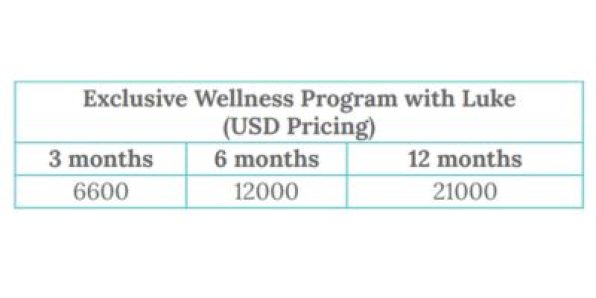
Our Wellness Program helps you build lasting health through personalised, science-backed support across nutrition, movement, sleep, stress management, and lifestyle habits, helping you create sustainable changes that work in real life.
Write to us: [email protected]
Call: 1800 102 0253
Disclaimer
This article is intended for educational and informational purposes only and should not be considered medical advice, diagnosis, or treatment. Always consult your physician or qualified healthcare practitioner before making changes to your diet, supplementation, medication, or lifestyle practices, especially if you have an existing medical condition or are on prescribed treatment.