No products in the cart.
You might have 20/20 vision right now.
But by the time you finish reading this, your eyes will have already been quietly stressed by the lighting in your room, the air conditioning overhead, and the screen you’re staring at.
And that dryness you feel by evening? That slow burn, that heaviness, that urge to rub your eyes? That’s not just tiredness. That’s your eyes asking for help.
The good news is that digital eye strain is almost entirely manageable. You don’t need prescriptions or expensive supplements. You need the right information and a few small shifts, starting today.

Image Credits: Magnific
What Is Digital Eye Strain, Really?
Digital eye strain (also called computer vision syndrome) refers to a cluster of eye and vision-related problems caused by prolonged screen use.
Common screen fatigue symptoms include:
- Dry, itchy, or burning eyes
- Blurred or fluctuating vision
- Headaches, especially around the temples
- Difficulty focusing after long screen sessions
- Heavy eyelids and eye fatigue
- Disrupted sleep, even when you’re tired
Here’s something most people don’t realize: eye strain isn’t just a visual problem. Your eyes are a direct extension of your brain, connected via the optic nerve. Prolonged strain can show up as poor concentration, brain fog, and even disrupted sleep cycles.
So when your eyes are exhausted, your whole system feels it.
Did you know? When you’re focused on a screen, your blink rate can drop from a normal 15-20 blinks per minute to as few as 5-7. Fewer blinks means less natural lubrication and more dryness and irritation.
The Hidden Culprits Behind Eye Fatigue
Most people blame screens alone. But there are several overlooked contributors to eye fatigue symptoms that build up quietly throughout the day.
Air Conditioning
Constant AC doesn’t just cool the room. It strips moisture from the air. This accelerates tear evaporation, leaving your eyes drier than they’d be in natural outdoor environments. Low-humidity, artificially conditioned spaces create a specific stress load on your tear film that most people never connect to their screen habits.
Screens in the Dark
Watching content or scrolling through your phone in a dark room forces your eyes to work against maximum contrast. The pupils are constantly adjusting, the ciliary muscles are straining, and your visual cortex is processing information it wasn’t designed to handle at that hour. This is one of the fastest routes to end-of-day eye exhaustion.
Blue Light at Night
Blue light and sleep are closely linked. The blue-wavelength light emitted by screens suppresses melatonin production, which doesn’t just disrupt sleep. It delays the recovery window your eyes depend on. Your eyes don’t repair during scroll time. They repair in darkness, during deep sleep.
The Indoor Environment Trap
Spending most of your day indoors under artificial lighting means your retina rarely gets the full-spectrum light it was designed to receive. Natural morning sunlight helps align your circadian rhythm and supports retinal function in ways that indoor lighting simply cannot replicate.
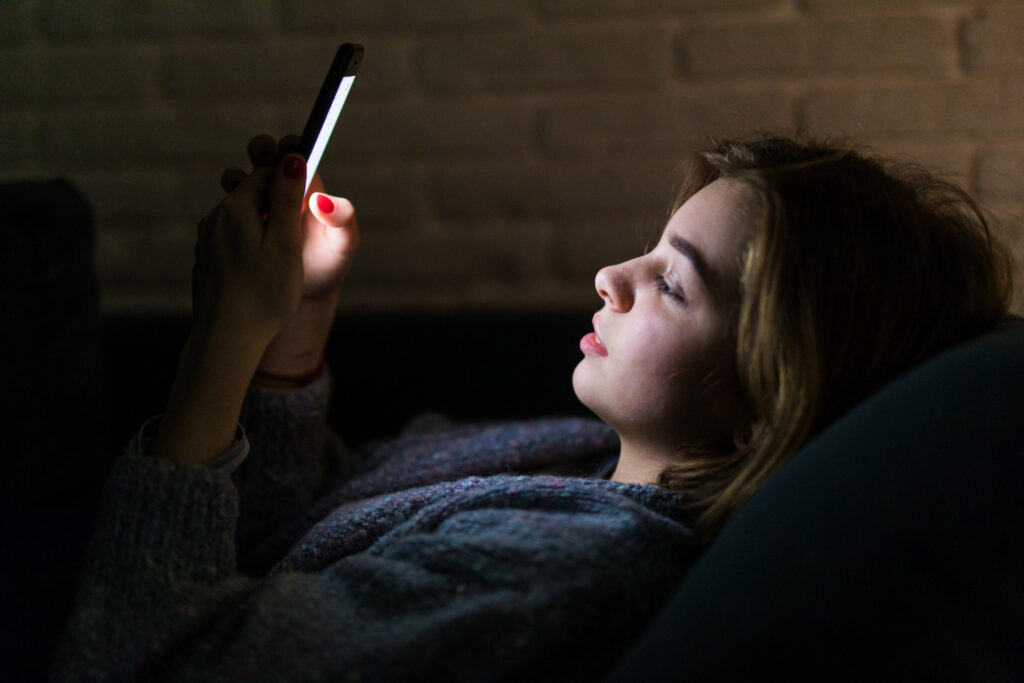
Image Credits: Magnific
The 20-20-20 Rule: Simple, Science-Backed, and Underused
If there’s one habit worth starting today, it’s this one.
Every 20 minutes, look at an object at least 20 feet away for 20 seconds.
That’s it.
This works because your eye muscles (specifically the ciliary muscles that control lens shape) are held in a constant contracted state during near-focus tasks. The 20-20-20 rule for eye strain relief gives those muscles a chance to relax and reset, reducing cumulative tension before it builds into pain.
It’s not about resting your eyes. It’s about resetting them.
How to actually make it work:
| Strategy | How to Use It |
| Set a timer | Use your phone or a browser extension every 20 minutes |
| Look out a window | Identify a specific distant object you can focus on each time |
| Pair it with a habit | Do it every time you take a sip of water |
| Use it during calls | Look away during audio-only meetings |
This one small habit, practiced consistently, can significantly reduce digital eye strain over time.
What You Eat Is Quietly Affecting Your Vision
Your retina is one of the most metabolically active tissues in the body. It needs specific nutrients, and most modern diets come up short.
Here’s what’s actually happening:
Lutein and Zeaxanthin
These carotenoids concentrate in the macula (the central part of your retina) and act like internal sunglasses, filtering harmful light before it reaches the photoreceptors. Low levels mean reduced protection from light-induced damage over time.
Best foods for eyesight rich in these nutrients:
- Spinach and kale
- Corn
- Egg yolks (one of the best-absorbed sources)
- Pistachios
- Goji berries
Omega-3 Fatty Acids (DHA)
Omega-3 for dry eyes isn’t a trend. It’s structural. DHA makes up a large part of your retinal cell membranes, and it also plays a key role in tear quality. Not just how many tears you produce, but how stable they are. Low omega-3 intake changes the lipid layer of your tears, making them evaporate faster and leaving your eyes more exposed.
Best sources:
- Fatty fish (salmon, sardines, mackerel)
- Flaxseeds and chia seeds
- Walnuts
Study insight: A 2011 study in the journal Ophthalmology found that women who consumed the most DHA and EPA had a significantly lower risk of dry eye syndrome compared to those with the lowest intake.
Vitamin A and Antioxidants
Vitamin A is essential for producing rhodopsin, the pigment your eyes use in low-light conditions. Antioxidants like Vitamin C and E protect retinal cells from oxidative stress, which accumulates from both light exposure and inflammation.

Image Credits: Magnific
Light Hygiene: A Habit That Costs Nothing
Most people think about screen limits. Few think about light timing.
Morning sunlight benefits for your eyes and brain are significant:
- Natural light in the morning (even 10-15 minutes) helps regulate cortisol and melatonin rhythms
- It signals your retina and brain to synchronize, supporting focus and alertness
- It reinforces the circadian timing that governs your sleep-wake cycle, which directly affects how well your eyes repair overnight
Step outside in the morning, even briefly. Don’t look at the sun, just be in the light. That simple act supports retinal health and your overall biological rhythm.
At night, the reverse matters just as much. Dim your screens, use warm-toned lighting, and give your eyes at least 30-60 minutes of low-stimulation wind-down before sleep. That’s when repair actually happens.
A Quick-Reference Guide to Healthy Vision Habits
| Habit | What It Does | How to Start |
| 20-20-20 rule | Relaxes ciliary muscles | Set a recurring 20-minute timer |
| Morning sunlight | Regulates circadian rhythm | 10 mins outside before 9 AM |
| Omega-3 foods | Improves tear film quality | Add fatty fish 2-3x a week |
| Lutein-rich foods | Protects macula from light damage | Include eggs or spinach daily |
| Reduce night screen use | Protects melatonin production | No screens 30-60 mins before bed |
| Blink consciously | Reduces dryness during screen use | Remind yourself during long sessions |
| Humidifier or eye drops | Counters AC-induced dryness | Use preservative-free drops if needed |
Natural Ways to Improve Eyesight: What Actually Works
To be clear: these habits won’t reverse a refractive error or fix a diagnosed condition. What they do is preserve function, stopping the slow, invisible decline that most people don’t notice until it becomes harder to ignore.
Natural ways to improve eyesight aren’t about miracle cures. They’re about not accelerating the damage.
- Eat whole foods rich in healthy fats and antioxidants
- Prioritize natural light in the first half of your day
- Set real screen boundaries at night
- Practice the 20-20-20 rule without waiting until your eyes hurt
- Sleep well, not just in hours, but in darkness and quality
These are the foundations. From a holistic health perspective, nutrition, light exposure, rest, and environment all work together. When one suffers, your eyes feel it.
When to See a Doctor
These habits are for everyday eye maintenance, not medical treatment.
If you experience any of the following, consult an eye specialist:
- Persistent dryness or irritation that doesn’t respond to rest
- Pain in or behind the eye
- Sudden blurred vision
- Flashes of light or floaters
- Frequent headaches linked to vision
Avoid using OTC eye drops long-term without guidance, especially those that “get the red out.” They can cause rebound redness and don’t address the underlying issue.
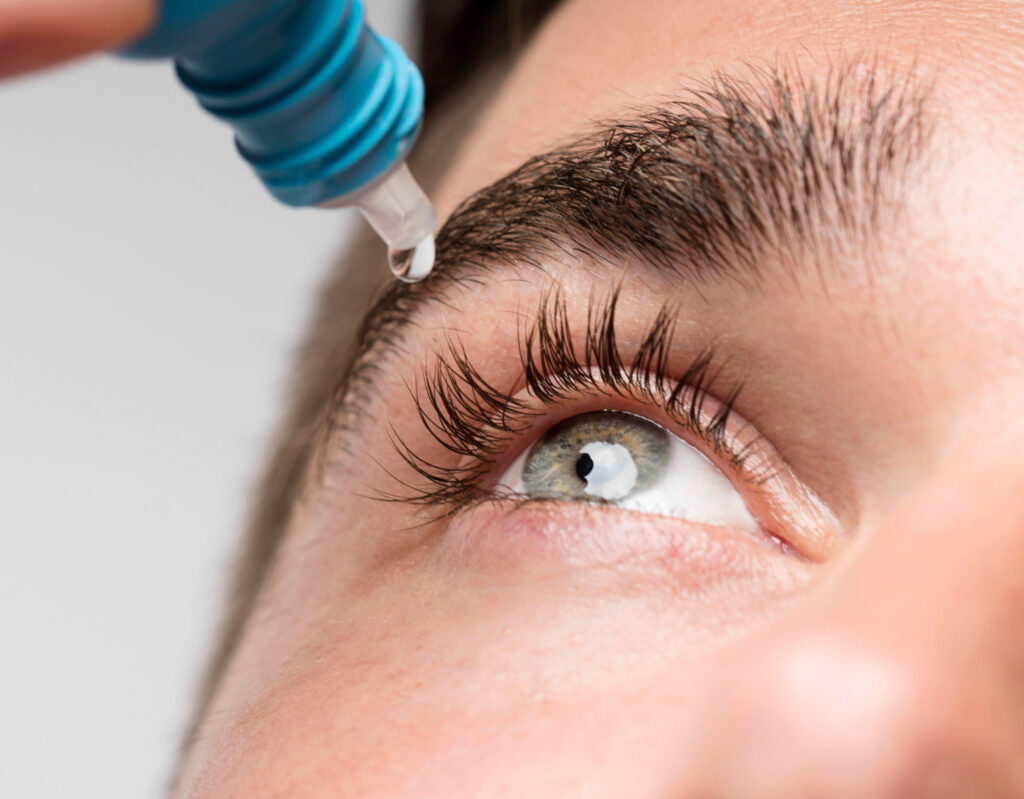
Image Credits: Magnific
The Bottom Line
You don’t need blurry vision to have eye problems worth paying attention to.
The strain you feel at the end of the day is cumulative. It’s being built by your environment, your food, your habits, and your light exposure, every single day. But it can also be interrupted, every single day.
Start with 20-20-20. Add a walk in the morning light. Put some salmon or spinach on your plate.
Small, consistent actions are how you preserve the vision you have, long before you notice it starting to slip.
Disclaimer: This blog is for informational purposes only and does not constitute medical advice. If you are experiencing persistent eye pain, sudden vision changes, or chronic dryness, please consult a qualified eye care professional.
Need guidance on eye health? We help you find a way.
Set up a one-on-one consultation with our foundational medicine team or explore our Wellness Programs to optimize your lifestyle.
Reach out to us at 1800 102 0253 or write to us at [email protected].