No products in the cart.
New science links gut bacteria imbalance to heart risk in Type 2 diabetes and what you can do about it starting today.
If you have Type 2 diabetes and you are worried about your heart health, here is something the science is now making very clear: the trillions of microorganisms living in your gut may have a great deal more to say about your cardiovascular health than most health practitioners currently discuss with their patients.
A recent study published in the journal Scientific Reports found that imbalances in the gut microbiome may play a direct role in the cardiovascular complications associated with Type 2 diabetes. Researchers identified eight specific gut microorganisms and eight metabolites that could serve as diagnostic markers. In plain language, what lives in your gut is now being looked at as a measurable, trackable window into your heart health. (1)
This is exactly the kind of research that strengthens what we at Team Luke Coutinho have been saying for years: the gut is the foundation. Every system in your body, including your heart, communicates constantly with your gut. And your gut communicates right back.
Why this matters if you have Type 2 diabetes
People with Type 2 diabetes already carry a significantly higher burden of cardiovascular risk. Heart disease is the leading cause of death in people with diabetes, and that statistic has not shifted meaningfully in decades despite all the medication advances. What this new research adds is a crucial and largely ignored missing piece in that conversation: the gut microbiome may be one of the key pathways through which cardiovascular risk is both amplified and potentially reversed.
When your gut microbiome is out of balance, a state researchers call ‘dysbiosis,’ it does not simply affect digestion. It sets off a cascade of systemic effects. Dysbiosis triggers low-grade chronic inflammation. It increases intestinal permeability, what some call leaky gut, allowing endotoxins and inflammatory compounds to pass directly into your bloodstream. From there, those compounds travel to your heart, your blood vessels, your liver, and your brain.
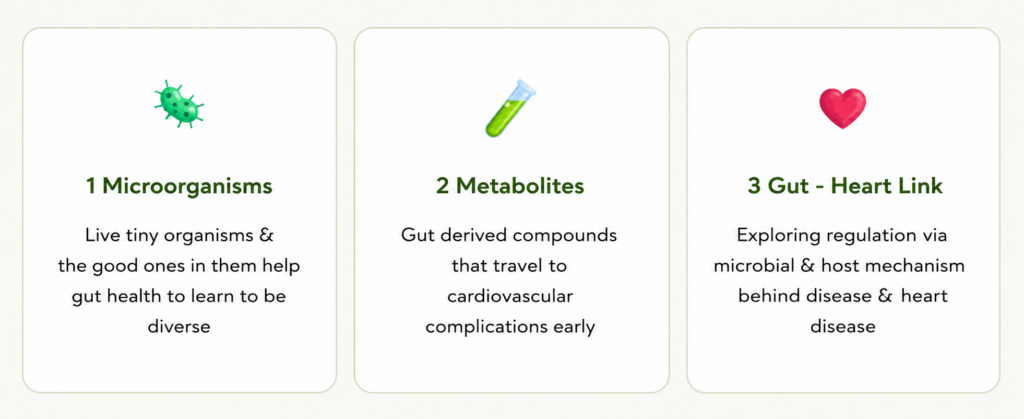
Source: AI. A visual representation addressing the summary of the article.
And here is what makes this particularly relevant to people with diabetes: the metabolic dysfunction that drives blood sugar dysregulation and the gut dysbiosis that drives cardiovascular risk are not two separate problems; they feed each other. Poor blood sugar control changes the composition of your gut bacteria. Gut dysbiosis worsens insulin resistance. It is a loop, and it is one that lifestyle can interrupt in a profound way.
| Think of your gut as a living ecosystem, not just a digestive tube. When the right bacteria thrive, they produce short-chain fatty acids, regulate your immune system, lower inflammation, and protect the lining of your blood vessels. When the wrong ones tilt the balance, they do the opposite. They generate toxic byproducts, trigger systemic inflammation, and slowly but surely increase your risk of heart attack and stroke. Your gut bacteria are making decisions about your cardiovascular health every single day. |
This is not a reason to panic. It is a reason to act.
Science confirming the gut-heart-diabetes connection is actually enormously empowering. Because unlike your genetics, you have enormous, daily power over your gut microbiome. With every meal, every night of deep sleep, every decision to move your body, and every time you choose to breathe through stress rather than swallow it, you are shaping the landscape of your gut.
This is the foundation of lifestyle medicine. No pharmaceutical on earth can replicate the diversity, intelligence, and adaptability of a healthy human gut ecosystem. But your daily choices can rebuild it, and the research on gut microbiome plasticity is genuinely remarkable. Within days of meaningful dietary change, measurable shifts occur in your microbial community. Your gut responds fast when you give it what it needs.
Six Ways to Rebuild Your Gut and Protect Your Heart
The body always wants to heal. Give it the right conditions and it will. The gut is where so many of those conditions begin.
1. Eat real food and lead with fiber-rich diversity
Gut bacteria thrive on a diverse range of plant fibers, not just one type.
What to include:
- Vegetables
- Fruits
- Legumes
- Whole grains
- Seeds
- Traditionally fermented foods like homemade curd, khichdi, kanji, and home-made kimchi.
Why it matters:
- Every different plant feeds a different family of beneficial microbes.
- A diet that rotates through 30 or more different plant foods each week has been consistently associated with superior microbiome diversity in research.
- You do not need to count. You simply need to eat with variety and intention.
What to reduce:
- Ultra-processed foods
- Refined sugar
- Artificial sweeteners
- Excess alcohol
These are among the fastest ways to destabilize your microbial community and damage the gut lining that protects your cardiovascular system.
2. Protect and repair your gut lining daily
A healthy gut lining is your first line of immune and cardiovascular defense.
When the gut lining is compromised:
- Inflammatory compounds called lipopolysaccharides can leak into circulation.
- This can trigger systemic inflammation that damages arteries and worsens insulin resistance.
Support gut lining health with:
- Bone broth
- Zinc-rich foods
- Omega-3 fats
- Polyphenol-rich foods like berries and turmeric
- Prebiotic fibers found in garlic, onion, banana, and oats
Avoid common gut disruptors:
- Chronic stress
- Excessive NSAID use
- Alcohol
- Processed foods
Healing the gut lining is not about a single supplement. It is about consistently removing what damages it and providing what supports it.
3. Treat sleep as a non-negotiable metabolic intervention
Most people understand that poor sleep raises blood sugar. Fewer understand that poor sleep directly and rapidly degrades the gut microbiome.
Did you know?
- Even 2 to 3 nights of disturbed sleep can shift gut bacterial composition toward more pro-inflammatory strains.
- Chronic sleep deprivation raises cortisol.
- Higher cortisol increases intestinal permeability.
- This drives inflammation and further disrupts blood sugar control.
Prioritize:
- Seven to eight hours of quality sleep per night
- A dark, cool sleeping environment
- A device-free bedtime routine
- Consistent sleep and wake times, including weekends
For someone with Type 2 diabetes and cardiovascular risk, sleep is not a luxury. It is medicine.
4. Address emotional stress like a clinician addresses a vital sign
The gut-brain axis is not a metaphor. It is anatomy.
Key facts:
- The gut contains more than 100 million nerve cells.
- Roughly 90% of the body’s serotonin is produced in the gut.
Chronic stress can:
- Alter gut microbiome composition
- Reduce microbial diversity
- Increase intestinal permeability
- Raise blood sugar independently of your diet
This means that even if you are eating well, living in a state of sustained anxiety, resentment, grief, or chronic overwhelm can continue to impact both gut and heart health.
Helpful daily practices include:
- Five minutes of slow diaphragmatic breathing
- Meditation
- Time in nature
- Genuine human connection
- Intentional digital boundaries
These are not soft recommendations. They are evidence-backed interventions.
5. Make movement part of your gut health strategy
Exercise has a direct, well-documented effect on gut microbiome diversity, independent of diet.
Benefits include:
- Increased gut motility
- Reduced systemic inflammation
- Improved insulin sensitivity
- Greater production of beneficial short-chain fatty acids
For people with Type 2 diabetes:
- A 20 to 30 minute walk after meals can help blunt post-meal blood sugar spikes.
- Walking can also support digestion and a healthier microbial environment.
Strength training 2 to 3 times per week:
- Builds muscle mass
- Increases glucose uptake
- Reduces the burden on insulin and the pancreas
You do not need a gym. You need consistency. Tap to know how.
6. Take a grounded approach to probiotics and supplements
There is significant marketing noise around probiotics and gut health supplements.
What the science tells us:
- No single probiotic strain fixes everything.
- Benefits are highly strain-specific.
- The strain that helps one condition may do very little for another.
- Results depend on your microbiome, diet, and overall health.
Some promising options include:
- Saccharomyces boulardii for gut lining integrity
- Certain Lactobacillus strains for blood sugar regulation
- Certain Bifidobacterium strains for inflammation management
Before investing in supplements:
- Build the dietary foundation first.
- Focus on sleep, stress, movement, and whole foods.
- Use supplements as targeted adjuncts, not replacements.
If considering supplementation, work with a qualified practitioner who can guide decisions based on evidence rather than marketing.
👉Download Luke Coutinho’s Free 7-Day Back-to-Basics Blueprint to Reset Your Body, Gut, and Metabolism
What most people with Type 2 diabetes are never told
Beyond these 6 ways, there are specific, often-overlooked factors that play a powerful role in Type 2 diabetes and its complications. These are not commonly discussed in a standard 10-minute consultation, but they matter deeply.
Meal timing matters as much as what you eat
Intermittent fasting or time-restricted eating, even a simple 12-hour overnight fast, can meaningfully improve insulin sensitivity, reduce fasting blood sugar, and allow your gut lining time to repair itself.
Your gut bacteria also follow a circadian rhythm. Eating late at night, within two hours of sleep, consistently disrupts gut microbial composition and raises morning blood sugar. Simply closing your eating window earlier, not dramatically, can produce measurable improvements. This is not about starvation. It is about working with your biology instead of against it.
Sunlight and Vitamin D are metabolic medicine
Vitamin D deficiency is near-universal in people with Type 2 diabetes and is strongly linked to both insulin resistance and gut dysbiosis. Vitamin D receptors exist throughout the gut lining and on immune cells, and low levels have been directly associated with increased intestinal permeability and higher inflammatory burden.
Safe morning sun exposure of 20 to 30 minutes daily is one of the simplest, most cost-free interventions available. It also regulates cortisol rhythm, which directly affects blood sugar. Get your Vitamin D levels tested. A reading below 40 ng/mL in someone managing diabetes warrants serious attention.
Oral health is a direct cardiovascular and metabolic risk factor
This is one of the most consistently ignored connections in diabetes care. Chronic gum disease (periodontitis) causes systemic inflammation that significantly worsens insulin resistance and is an independent risk factor for cardiovascular disease. The bacteria that drive gum disease also enter the bloodstream and have been found in arterial plaques.
If you have Type 2 diabetes and you have not seen a dentist recently, that is not a cosmetic concern. It is a metabolic and cardiovascular one. Oil pulling with cold-pressed coconut oil daily, brushing twice with a fluoride-free or herbal toothpaste, and regular dental cleanings all contribute meaningfully to whole-body outcomes.
Cold exposure and thermal contrast stimulate glucose uptake
Brief, intentional cold water exposure like a cold shower in the morning or cold water on the face and back of the neck, activates brown adipose tissue, the metabolically active fat that burns glucose for heat. It also stimulates norepinephrine release, which improves insulin sensitivity and reduces systemic inflammation.
This does not require ice baths. A 30-second cold rinse at the end of your shower, done consistently, begins to produce adaptation. This is particularly valuable for people who struggle with fatigue and low morning energy, both common in Type 2 diabetes.
Disclaimer: Cold exposure may not be suitable for individuals with heart conditions. Please consult your healthcare provider before trying cold therapy.
Chronic low-grade infections are often silently driving blood sugar
Unresolved dental infections, urinary tract infections that are barely symptomatic, fungal overgrowth in the gut, H. pylori infection in the stomach, and even chronic sinusitis place a constant inflammatory burden on the immune system that directly raises blood sugar through cortisol and cytokine pathways.
If your blood sugar is difficult to control despite sincere lifestyle efforts, an undetected infection may be a significant piece of the puzzle. This is an area where working with a practitioner who thinks integratively can make a meaningful difference.
Emotions are blood sugar drivers, not background noise
Anger, unresolved grief, chronic loneliness, and relentless worry all raise cortisol and adrenaline, both of which spike blood sugar rapidly and independently of food. Many people with well-controlled diets watch their blood sugar climb during arguments, difficult phone calls, or anxious evenings and feel confused about why.
The answer is that emotional physiology is glucose physiology. Journaling, emotional processing, talking to someone you trust, or working with a therapist is not an optional add-on to your diabetes management. For some people, emotional healing is the most powerful metabolic intervention available to them.
Your cookware and food storage choices affect your hormones
Non-stick cookware coated with (polytetrafluoroethylene) PTFE or (polyfluoroalkyl) PFAS compounds, plastic food containers, and BPA-lined cans are endocrine disruptors that interfere with insulin signaling and have been associated with increased Type 2 diabetes risk in epidemiological studies.
Switching to cast iron, stainless steel, or ceramic cookware, storing food in glass, and reducing plastic contact with hot food are small, non-dramatic changes that reduce your daily endocrine disruption load significantly. This is not fear-mongering. It is reducing unnecessary biological burden. Remember, managing diabetes is about more than just blood sugar. It is about nourishing your body, improving your lifestyle, and creating lasting health from the inside out.
If you need guidance, explore our Wellness Program to manage diabetes or book a one-on-one consultation with our foundational medicine team.
Call us at 1800 102 0253 or write to us at [email protected].
Disclaimer: This blog is for educational and informational purposes only and is not intended as medical advice, diagnosis, or treatment. Always consult a qualified healthcare professional before making changes to your diet, exercise, sleep, or supplement routine. Individual results may vary.
References:
Last, F. M., Last, F. M., & Last, F. M. (2026). The gut microbiota and metabolomics in the pathogenesis of type 2 diabetes mellitus combined with coronary atherosclerotic heart disease. Scientific Reports, 16.