

You always hear us encouraging you to be mindful of the food you put in your system. But there is something equally important for you to do: observe the types of poop you pass every day. As bizarre as it may sound, the color, stool consistency, and form of your poop can be a window into your gut health. It can be a clear indicator of what could possibly go wrong with your system. When most of us pass stools in the morning, we do not bother to look at them. Of course, this does not mean that you should start obsessing about the details of your poop and Google it into paranoia. But be mindful of your biofeedback. If you are suddenly losing or putting on weight, you are too acidic, constantly bloated, have smelly flatulence, or your poop stinks more than it does on regular days – you may want to start looking at your poop for cues.
What is the color of your poop?
According to the human stool color chart, the most common color of poop is brown. Why? It is because we pass the pigment bilirubin. We are constantly producing and breaking down red blood cells, which are then passed out of your system in the form of bilirubin. So if your poop is brown, you have nothing to worry about.
The human stool color chart also helps identify red, black, green, or pale-colored stools and what they may indicate about internal health.
When Should You Be Concerned?
Most people miss the clue when they start having:
- Weight loss
- Abdominal pain
- A change in weight or eating habits
Some may notice black stools on the human stool color chart.
Now we do not want to scare you, but black stools can point to different issues. It could be a sign of something as complicated as colorectal cancer or bleeding in your upper gastrointestinal tract, or even something as simple as your doctor putting you on iron supplements.
Reminder: Now don’t be scared. But mindfully try to connect what is happening in your system.
Black Poop and Bleeding
- Those with piles, hemorrhoids, or chronic constipation may experience black poop due to straining during motion.
- It can cause blood in the stool.
- Correlate this with your hemoglobin report and check if your hemoglobin levels are low.
Red Poop: What It Might Mean
Understanding the types of stools and what they mean can help rule out minor dietary effects versus more serious gut concerns.
- Sometimes, when your poop is red, it doesn’t necessarily have to mean it has blood.
- The human stool color chart categorizes red stools, too, but context matters.
Did you eat beetroot or drink red juices? That could explain the color.
Sometimes, instead of pumping yourself iron, all you need to do is solve the constipation problem. It will ensure you do not create any abrasions in the rectal area by pushing out your stool forcefully. Once your constipation is fixed, you will notice a color change.
The color of your poop may change due to the food you eat.
- Yes, there is a chance that you may be bleeding in your lower gut or rectum.
- But your poop may even be red if you have had beetroot or carrot juice.
Yellow Stools
What if your stools are yellow?
- This could be due to:
- Too much fat in the diet
- Malabsorption
- A small intestine infection
- Those with celiac disease may pass yellow stools.
Green Poop: Is It Normal?
Having slightly greenish stools may not be a cause for worry.
It’s common if you’ve been consuming:
- Leafy greens
- Green smoothies
- Other plant-based foods
- In rare cases, green poop can signal a bacterial infection.
Babies often alternate between yellow, green, or brown poop — that’s usually normal. But keep your doctor in the loop.
Pale or Light-Colored Poop
If your stool matches the light or pale shades on the human stool color chart, it could be a sign that your bile duct is not functioning well, or perhaps you have gallbladder stones.
Ask yourself:
- How do I feel when I eat oily or deep-fried foods?
- Do I feel heaviness or tightness in the abdomen?
If yes, you could be dealing with gallstones and poor fat digestion.
Why does the texture of your poop matter?
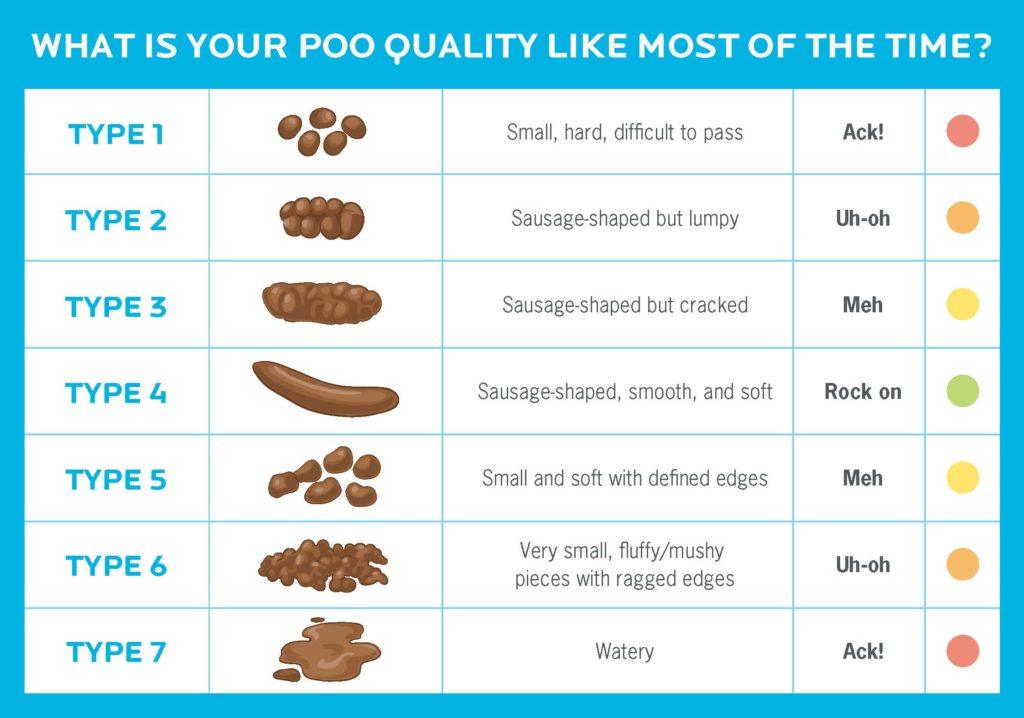
Your poop should ideally have a balanced stool consistency — firm yet soft — and come out easily. For some people, it is long, for others it is short, for yet others it comes out in the form of pellets, diarrhea, or even hard, rocky stools. All of this can give you clues about your acidity, eating habits, and the health of your gut. That’s why knowing the types of stools and what they mean is essential for spotting early signs of digestive issues. What if your poop floats? This indicates that it is very light, less dense, and a sign of gas/flatulence. People who are constantly bloated will find that their poop floats. When your poop sinks to the bottom, it indicates higher density — one of the lesser-known types of poop associated with healthy waste elimination.
Most people think pooping once a day is good enough, while some do it 2 to 3 times a day. What is the ideal number? Well, you are a unique individual. Doing it once or even 2 to 3 times is okay. It depends on the simple logic and science of how heavy your meal has been and how your body digests it. Many pass a motion one to two hours after having a meal. This is a good sign only if you are passing well-formed stools. It means that your body is assimilating and absorbing the nutrients from your food well and pushing the collected waste out of your system. It isn’t holding onto it beyond 24 hours. If you tend to pass your motions 1 to 2 hours of eating, ensure you are not having diarrhea or IBS-type stools. If you think you are constipated or passing motions less than 3 times a week, here are 5 lifestyle hacks you can follow to ease it.
What to look out for?
One of the warning signs that you should look out for in your poop is undigested food. There are exceptions to this rule. For instance, if it is corn, it is understood that it has thick cellulose around it which may be difficult for your stomach acids to break down. You may have digested the corn but just passed out the outer shell.
But when you see undigested chunks like peas, seeds, and vegetables — and recognize them within unusual types of poop, and these are accompanied by belching, bloating, acidity, and so on, you need to pay extra attention. These chunks can also alter stool consistency, often making it looser or irregular. It is a sign that your body is unable to break down the food and assimilate it the right way. If you are eating well, yet constantly losing weight and find yourself malnourished, it could also point to a vitamin deficiency.
When does this happen?
- Many people experience undigested chunks in their poop when they eat too fast without giving their bodies enough time to digest it. Doing this does not help your cells get the nutrition they require to thrive.
- Those on antacids may also experience these undigested chunks of food in their poop. Why? An over-dependence on antacids can block the stomach from producing the right acids to aid digestion.
- Undigested food in the poop can also be a sign of pancreatic insufficiency. This is when you do not produce the right amount of digestive enzymes to break down your food.
- Now if you have extreme inflammation in the gut, Celiac disease (gluten and lactose intolerance), Crohn’s disease, or Irritated Bowel Syndrome (IBS), you may experience several motions in a day where you also observe undigested chunks in your poop.
Lifestyle hacks to poop better
Clean your system first thing in the morning
The most natural thing to do after waking up in the morning is pooping. While you sleep, due to the detoxification process, waste products and toxins are accumulated in your colon. When you wake up in the morning to natural light, your circadian rhythm opens up your bowel movement and relays a signal that you need to pass your motions. Storing up toxins within the body only creates more health issues. In the same way that we sweep our homes in the morning, and not at night, we should clean ourselves internally first thing in the morning.
Do you feel stacked up when your early morning motion wasn’t great? This could be due to various reasons ranging from a low fiber diet, repeatedly ignoring the urge to go, less hydration, lack of exercise, particular supplements, or sometimes even stress and chronic sleep deprivation. Here are some lifestyle hacks to regulate stool consistency you may follow.
Add more insoluble fiber to your meals
Insoluble fibers help your hydrate and move waste easily through your intestines. This can help prevent constipation and regularize your motions. Salads are a good source of fiber, digestive enzymes, antioxidants, vitamins, and minerals to keep your gut health in check. Include an array of veggies rich in insoluble fiber like cucumber, carrots, cabbage, lettuce, onions, bell peppers, and so on.
Stay hydrated
When you increase fiber intake, you need to be adequately hydrated too. Otherwise, the fiber soaks up water in the intestine and can lead to even more dehydration. Even a 1% drop in hydration can throw various functions in your body out of whack. Drink enough water to avoid this.
Stay active
Keep moving to improve blood circulation and nutrient uptake in the stomach. It can also help reduce the frequency of constipation by lowering the time that food takes to move through the large intestine. This helps limit the water absorption by your body from the stool. When you have excess water absorption, the stools become dry and harder to pass. So, keep moving.
Stop your overdependence on laxatives
Before hopping onto quick fixes like laxatives and stimulants for constipation, pause and reflect. This can cause bowel overdependence in the long run where you will be unable to poop without popping these. Instead, look at natural remedies.
- Add 2 to 3 tsp of psyllium husk or isabgol, a natural laxative to a glass of water and consume.
- Add 1 tbsp of Triphala powder mixed with water and drink it before bed to clean the colon the next day.
- Eat 4 to 5 soaked prunes or 2 tbsp black raisins or dried apricots with warm water two hours before bed.
- Soak ½ tsp of bishop’s weed or ajwain in hot water and drink it.
- 1 tbsp of castor oil or extra virgin coconut oil before bed helps lubricate the passage.
Avoid excessively greasy or dry foods
A diet high in cheese, butter, oil, and other low-fiber/high-fat or high protein foods like eggs (too many) and meat throughout the day can slow down your digestion and lead to constipation. What is the obvious solution? Go slow on your intake of such foods, and increase fiber. Also avoid excessively eating dry foods, as these can cause dehydration. Eating foods rich in water content can instead be beneficial for the gut.
Limit your caffeine intake
In many people, caffeine can also lead to dehydration and constipation as they act as diuretics that eliminate water from the body. Limit your caffeine or coffee intake if you have issues passing motions.
Use a Squatty Potty
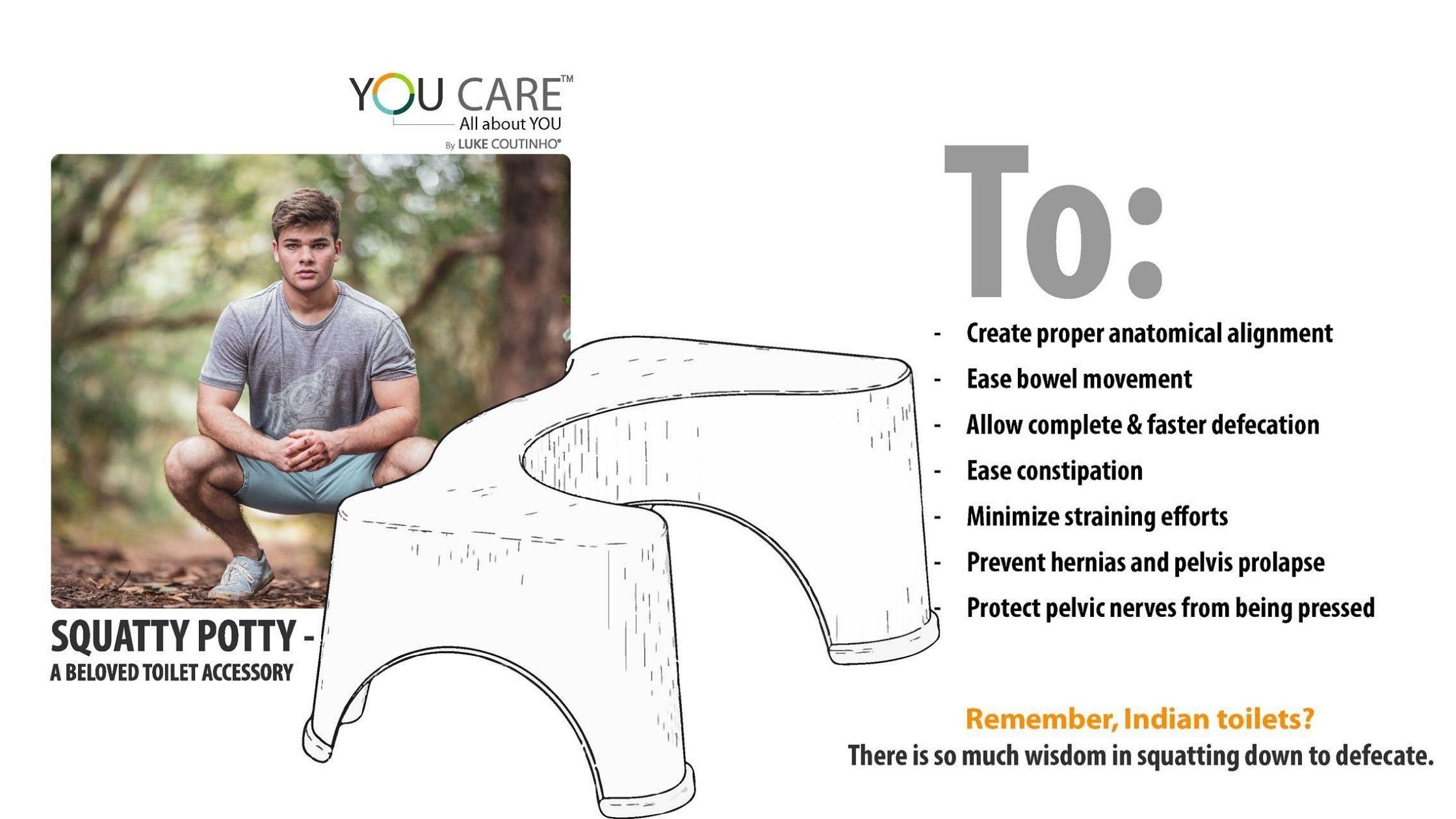
Change the way you sit on the toilet to make passing bowels easier. Very few people still use the Indian toilet where a full squat relaxes the puborectal muscle allowing you to completely empty your bowels. Lean back on the toilet seat with your feet raised on a small footstool. This position makes evacuating the bowel easier than sitting upright. It allows you to press your feet down and increase abdominal pressure. The Squatty Potty could help.
Try THIS Yoga Pose For A Perfect Poop!
Malasana is your answer if you have been complaining of constipation, lower back pains, sciatica pains, tight hips and so much more. When our ancestors sat down on the floor in a squatting position to pass a motion, that enabled a proper alignment for easier evacuation. This was then taken over by the Western commode. People are now getting back to squatty potties or stools realizing the importance of squats. If you are constipated, try sitting in Malasana for 1-2 minutes. You could even try sipping on a glass of warm water while in this pose and notice how it helps ease your bowel movements.

Being aware of the different types of stools and what they mean, and reviewing a human stool color chart occasionally, can prevent bigger health surprises down the line. You truly are what you eat, how to eat it, and how you absorb and digest it. Your gut health is everything when it comes to your cognition, hormonal balance, moods, immune system, energy levels, weight loss/gain, and more. So once in a while, try to have a look at your poop especially if you’re suffering from any of these symptoms. With the help of an integrative expert and your health professional, take corrective action. When it doesn’t come out through your stools it’ll surely come out through your skin, and nobody wants that to happen. So stay healthy and clear it out!
Struggling with your gut health? Set up a one-on-one consultation with our Gut Health experts by calling 18001020253 or writing to us info@lukecoutinho.com. Know more about our Gut Health Program under You Care Wellness here.
ALSO WATCH: Episode 396 – Are You Pooping Healthy?
RELATED READINGS
5 Natural Ways to Ease Constipation
How To Build Good Gut Health?
9 Benefits of Fenugreek Seeds: Diabetes, Cancer, Indigestion, Constipation, Sex Drive, and More
How To Relieve Bloating? Simple Lifestyle Hacks To Follow
(An excerpt of this article appeared in Indulge by The Indian Express)

Start Your Wellness Journey
Feeling inspired to take the next step in your wellness journey? Connect with us to explore how our tailored programs can support your health journey. Your transformation is just a conversation away.



What does it mean when you regularly have mucus in your stool?