No products in the cart.
Few foods deliver as many sattu benefits as this humble roasted gram flour that has quietly fueled Indian farmers, laborers, and families for generations.
Made by dry-roasting and grinding Bengal gram (chana dal), sattu is naturally cooling, rich in plant protein, and packed with fiber, calcium, iron, and magnesium.
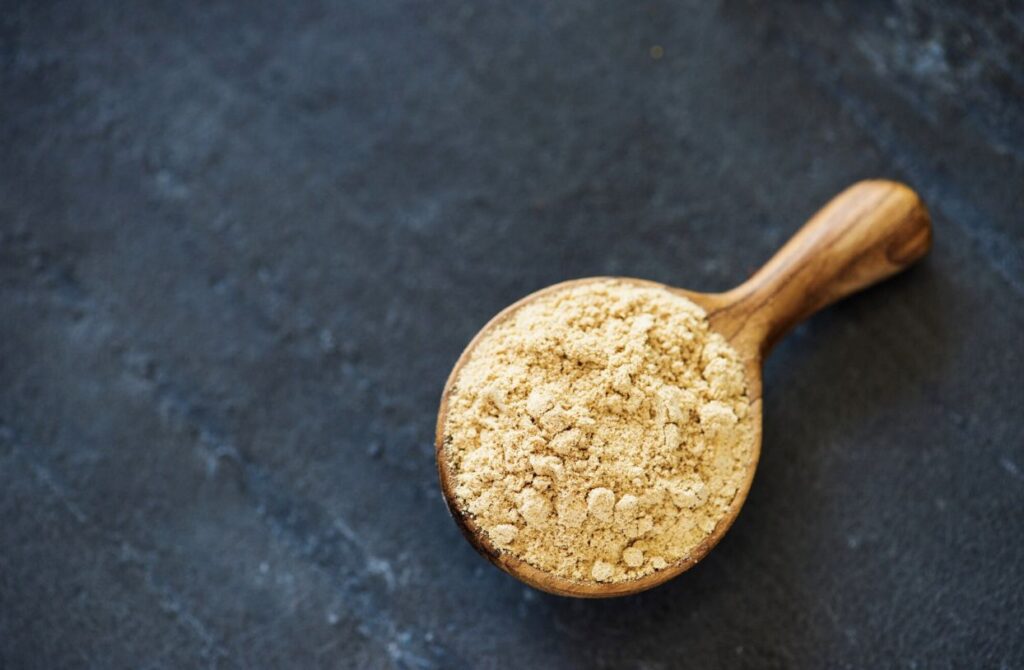
Image Credits: Magnific
In this guide, we break down the real, evidence-backed benefits of sattu, its nutrition profile, who should be cautious, and simple ways to add it to your day.
Before we get into the sattu health benefits, it helps to understand why this humble Bengal gram powder has stayed relevant for centuries, especially in states like Bihar, Jharkhand, West Bengal, Uttar Pradesh, Rajasthan, and Madhya Pradesh, where it remains a daily staple for people doing physically demanding work.
Explore our Wellness Program for personalized lifestyle guidance rooted in real food.
What Is Sattu?
Sattu is roasted and ground Bengal gram flour, sometimes made from barley (jau sattu) or a mix of grains. The roasting process is what sets it apart from raw besan (gram flour); it improves digestibility, extends shelf life, and gives sattu its distinctive nutty flavor.
Traditionally, it is mixed with water, a pinch of salt, roasted cumin, and lemon or mint to make a simple, cooling drink called sattu sharbat.
Years ago, on a trip through Kolkata, I stopped to watch a roadside vendor ladling out a yellow drink to laborers pulling heavy carts. A couple of glasses, they told me, kept them going for another four to five hours of hard, physical work.
That is sattu in its purest form: inexpensive, unglamorous, and remarkably effective.
Why Protein Matters More Than People Realize
A large number of people in our country are quietly protein deficient, even while eating three meals a day. The usual response is to reach for a protein shake or whey supplement, which can help, but only when the quality and dosage are right. The bigger issue for most people is that their everyday meals are carbohydrate-heavy and protein-light.
Protein is the building block of every one of the trillions of cells in the human body.
Without enough of it, recovery, immunity, and even brain function suffer. At the same time, more protein is not automatically better.
If your body has no real requirement for the amount of protein you are consuming and you are not breaking down muscle through activity, the excess gets converted and stored as fat, just like unused carbohydrates or fat would be.
This is exactly where a plant-based, whole-food option like sattu earns its place. It offers a meaningful protein contribution without the cost or processing of many supplement powders.
Sattu Nutrition Value: What’s Actually Inside
Values vary slightly depending on roasting level, dehusking, and brand, but per 100 grams, sattu typically provides:
Macronutrients
- Protein: approximately 20–26 g
- Carbohydrates: approximately 58–60 g
- Dietary fiber: approximately 15–18 g
- Fat: approximately 5–7 g
Micronutrients
- Calcium: approximately 250–380 mg
- Magnesium: approximately 240–270 mg
- Iron: approximately 6–9 mg
- Potassium: approximately 800–825 mg
- Phosphorus: approximately 250–300 mg
Energy: approximately 375–413 kcal per 100 g
This is one of the reasons sattu has long been called the “poor man’s protein.” A small, inexpensive serving delivers a protein and mineral density that rivals far more expensive packaged options, which is part of why the sattu nutrition value keeps coming up in modern nutrition conversations, not just traditional ones.
12 Real Benefits of Sattu
Sattu is not a summer drink alone. Its nutrient density makes it genuinely useful for energy, digestion, skin, hormonal balance, and steady weight management. Here’s where the evidence for each benefit currently stands.
1. A Natural Way to Cool the Body in Summer
A single glass of sattu sharbat is traditionally used to shield the body from peak summer heat.
This doesn’t mean sattu causes a cold or excess mucus; what it appears to do, based on generations of traditional use, is help prevent the body from overheating during long, hot days.
2. Supports Gut Health and Regular Digestion
Sattu is rich in both soluble and insoluble fiber, which supports a healthy gut microbiome and can ease constipation, bloating, and occasional indigestion.
Sattu itself hasn’t been the subject of large human trials, so this benefit is best understood as traditional use supported by general fiber research rather than sattu-specific clinical proof.
3. A Natural Source of Magnesium
Magnesium deficiency is common and often shows up as muscle cramps, calf tightness on waking, or general body stiffness.
With roughly 240–270 mg of magnesium per 100 g, sattu can meaningfully contribute toward daily magnesium needs.
4. Gentle Nutrition During Recovery
For people recovering from surgery, illness, or intensive medication, appetite often drops.
- A simple glass of sattu provides protein along with potassium and magnesium, which can help support appetite and offer a cooling effect.
Always check with your treating doctor before introducing any new food during recovery or on medication.
5. May Support Blood Sugar Balance and Heart Health
Sattu has a low glycemic index, which is one reason it’s often discussed as a supportive food for people managing type 2 diabetes.
A review found that chickpea consumption measurably reduces the rise in blood sugar and insulin after a meal compared with carbohydrate-matched controls.
- Separately, research on chickpeas as a pre-meal food found they reduced the post-meal blood sugar spike by close to a third compared with white bread, and meaningfully reduced how much participants ate afterward.
- These studies looked at chickpeas and chickpea flour rather than roasted sattu specifically, and most were small, short-term trials; so read them as supportive evidence, not a direct clinical claim about sattu.
Always speak with your doctor before changing your eating pattern if you have diabetes or a heart condition.
6. Promotes Healthy Hair and Glowing Skin
The protein, iron, and mineral content in sattu supports the nutritional building blocks the body needs for healthy hair and skin.
The sattu benefits for skin are best understood as indirect; it’s not a topical treatment, but consistent, adequate protein and micronutrient intake does support skin texture over time, particularly alongside good hydration and sleep.
7. Strengthens Bones
With meaningful calcium and magnesium content, sattu can be a useful addition to a bone-supportive eating pattern, alongside other calcium-rich foods and weight-bearing activity.
8. Supports Iron Levels and Circulation
Sattu’s iron content supports red blood cell production and healthy circulation.
For people with mild anemia or low iron intake, pairing iron-rich foods like sattu with a source of vitamin C can help improve absorption.
9. Provides Steady Energy and Satiety
Sattu contains B-complex vitamins that support natural energy metabolism, and its fiber content makes it genuinely filling. A single glass can keep most people satisfied for three to four hours.
- Try our Spiced Sattu Buttermilk recipe or blend it into a shake with a little raw cacao for a wholesome breakfast.
10. A Cooling, Nutrient-Dense Option During Pregnancy
The protein, iron, and magnesium in sattu make sattu for pregnancy a food many women find cooling and satisfying in moderation. That said, it should only be introduced under medical guidance, since individual needs vary significantly during this stage.
11. May Ease Premenstrual Syndrome (PMS) and Period-Related Discomfort
Sattu is commonly used to support young girls and women dealing with premenstrual syndrome and painful periods. In our clinical experience, small preparations like sattu ladoo, eaten in the week leading up to and during the period, have worked well for many people.
This is based on traditional and anecdotal use rather than controlled research.
12. Supports Sustainable Weight Management
This is where sattu for weight loss genuinely earns its reputation; not as a shortcut, but as a practical tool. The combination of protein and fiber increases fullness, which naturally reduces the urge to snack on lower-quality food.
- Swapping a processed breakfast item for a glass of sattu is a small, sustainable change that adds up over weeks.
Does Sattu Really Help With Weight Loss?
Sattu for fat loss works less like a magic ingredient and more like a smart substitution.
- A 30–35 gram serving mixed into water or a light shake is genuinely filling, low in added sugar when prepared at home, and slow-releasing thanks to its fiber and protein combination.
Used consistently in place of a high-glycemic breakfast item, it can support a more balanced eating pattern over time. It’s not a standalone solution, weight management still depends on your overall eating pattern, activity levels, sleep, and stress, with sattu playing a supportive role.
Simple Sattu Recipes to Try at Home
Classic Sattu Sharbat
- Mix 2–3 tbsp sattu into a glass of water with a pinch of salt, roasted cumin powder, a squeeze of lemon, and a few chopped mint leaves. Stir well and drink chilled.
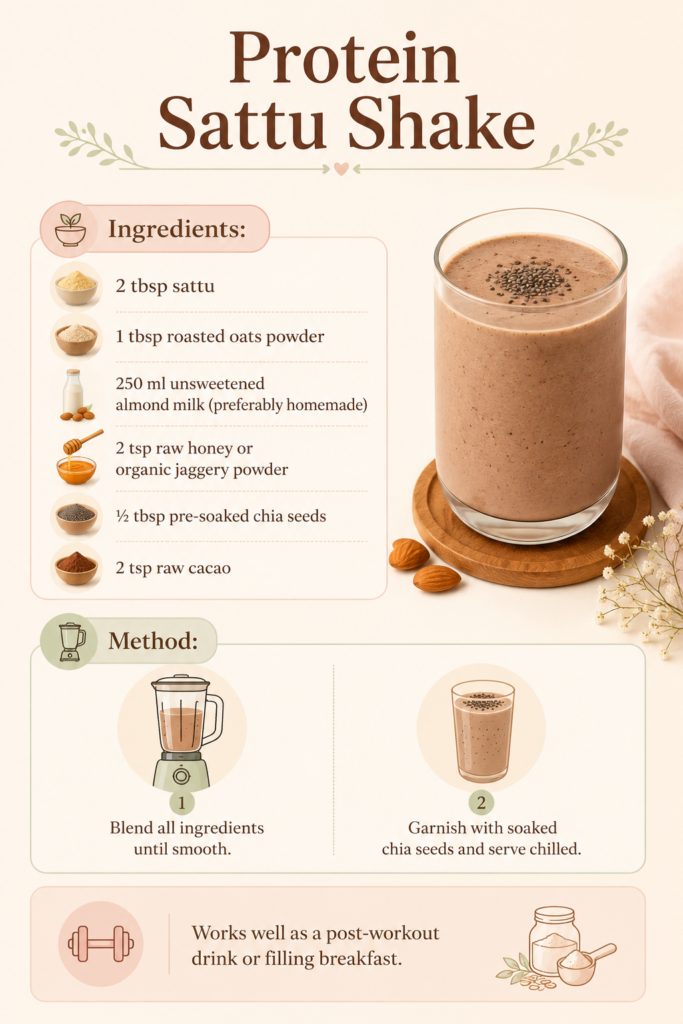
Protein Sattu Shake
Ingredients:
- 2 tbsp sattu
- 1 tbsp roasted oats powder
- 250 ml unsweetened almond milk (preferably homemade)
- 2 tsp raw honey or organic jaggery powder
- ½ tbsp pre-soaked chia seeds
- 2 tsp raw cacao
Method:
- Blend all ingredients until smooth.
- Garnish with soaked chia seeds and serve chilled.
- Works well as a post-workout drink or filling breakfast.
Sattu Ladoo for PMS Support
- Combine sattu, roasted black sesame seeds, and a small amount of jaggery. Mold into small ladoos. One ladoo a day, especially the week before and during your period, is a simple way to use this traditional remedy.
Who Should Be Careful With Sattu
Moderation matters here as much as it does with any food, however nutrient-dense. Excess consumption can cause acidity and bloating in some people.
- If you have a history of gallbladder issues or kidney stones, speak with your healthcare provider before adding sattu to your routine.
- Anyone with a known allergy to chana or Bengal gram, or who has been medically advised to avoid legumes, should not consume sattu in any form.
How to Choose Good Quality Sattu
Sattu should be a warm golden-brown to light tan color with a nutty, roasted aroma.
- Bright yellow sattu often signals adulteration with raw besan or turmeric.
Always choose a sustainable, chemical-free source.
The Takeaway
Sattu is proof that some of the most effective foods for energy, digestion, and steady nutrition were never far from home.
Used consistently and in the right quantity, the benefits of sattu drink extend well beyond a summer cooler: steady energy, better digestion, useful minerals, and a filling, affordable protein source.
Start with one glass a day, ideally in place of a processed snack or breakfast item, and build from there.
Frequently Asked Questions About Sattu Benefits
1. What are the main benefits of sattu drink?
The benefits of sattu drink include cooling the body in summer, supporting digestion, providing steady energy, and keeping you full for several hours. It also delivers meaningful protein, fiber, magnesium, and iron in a small serving.
2. What is the sattu nutrition value per 100 grams?
Sattu nutrition value per 100 grams includes roughly 20–26 g of protein, 58–60 g of carbohydrates, and 15–18 g of dietary fiber, along with calcium, iron, and magnesium.
3. Does sattu actually help with weight loss?
Sattu for weight loss can help as part of a broader eating pattern. Its protein and fiber combination increases fullness and can reduce unnecessary snacking, though it works best as a substitution, not a standalone fix.
4. What are the sattu benefits for female health?
Sattu benefits for female health include support for iron intake, which matters for women with lower hemoglobin, along with traditional use for easing PMS symptoms and period-related fatigue.
5. Is sattu safe to drink during pregnancy?
Sattu for pregnancy can be a cooling, nutrient-dense option in moderation, but it should only be introduced after checking with your obstetrician or healthcare provider, since individual needs vary.
6. What are the sattu benefits for skin?
Sattu benefits for skin are largely indirect, supported by its protein and mineral content, which contributes to the nutritional foundation for healthy skin alongside an overall balanced diet and good hydration.
7. Can sattu be consumed every day?
Yes, most people can enjoy sattu daily in moderation, typically one glass or serving, especially during hot weather or after physical activity. Those with digestive sensitivity should start with a smaller amount.
8. Is sattu gluten-free?
Yes, sattu made from Bengal gram is naturally gluten-free, making it a suitable option for people with celiac disease or gluten sensitivity, and a practical alternative to wheat-based flours.
Disclaimer: This blog is intended for educational and informational purposes only and should not be used as a substitute for professional medical advice, diagnosis, or treatment. Always seek the guidance of your qualified healthcare provider before making any changes to your medications or lifestyle.
About the Author:

Team Luke | Luke Coutinho Holistic Healing Systems
For over 14 years, Luke Coutinho and Team Luke have worked with thousands of people across conditions, ages, and life stages. Team Luke is a collective of highly trained nutritionists, clinical dietitians, doctors, yoga and fitness experts, life coaches, and emotional counselors, all working under one philosophy and one standard of care.
At the heart of everything we do is Foundational Medicine, a science-backed framework built on six pillars: Food Science & Nutrient Synergy, Adequate Holistic Movement, Deep Sleep, Emotional Wellness & Mental Health, Nature (Your Internal & External Environment), and Spirit & Breathwork. Every piece of content published on this platform is rooted in that same belief: that the body thrives best when its foundations are strong. Our mission is simple and clear: to address root causes of illness and make wellness accessible, practical, and sustainable for all.
Connect with Team Luke:
Call: 1800 102 0253 | Email: [email protected]
Follow Luke:
Instagram: @luke_coutinho | Facebook: @LukeCoutinhoOfficial | X: @LukeCoutinho17 | YouTube: @LukeCoutinho | LinkedIn: Luke Coutinho