No products in the cart.
Imagine you’re driving the most advanced car in the world.
The engine is world-class. The technology is precise. The safety systems are cutting-edge.
But you never service it.
You fill it with poor-quality fuel.
You ignore warning signals.
You drive without rest.
No matter how powerful that machine is, breakdown becomes inevitable.
The human body works no differently.
Modern oncology has made remarkable progress in how cancer is treated. Precision chemotherapy, targeted radiation, immunotherapy, and surgical advancements have saved millions of lives.
Yet, alongside these advances, we must also know that treatment success is not determined by medicine alone, but by the biological terrain in which that medicine operates.
Cancer does not exist in isolation. It develops, progresses, and responds to treatment within a living system shaped by metabolism, immunity, inflammation, stress physiology, and daily lifestyle inputs. When these systems are depleted, even the most advanced therapies face resistance. When they are supported, the body becomes more resilient, adaptive, and capable of recovery.
Cancer Through History: Then vs Now — What Changed?
During the World Wars and the early Industrial Revolution, cancer certainly existed, but it was not the dominant global health challenge it is today. Life expectancy was lower due to infectious diseases, poor sanitation, and lack of medical access, yet lifestyle-driven chronic diseases had not reached epidemic proportions. Foods were largely unprocessed, physical activity was built into daily survival, circadian rhythms followed daylight, and psychological stress was not constant or digitally amplified.
Fast forward to the present day, and the landscape looks very different.
Cancer is now one of the leading causes of mortality worldwide, with millions of new cases diagnosed annually. According to global cancer surveillance data published by the World Health Organization and GLOBOCAN, the burden is projected to rise steeply, with cancer incidence expected to increase significantly by 2050.
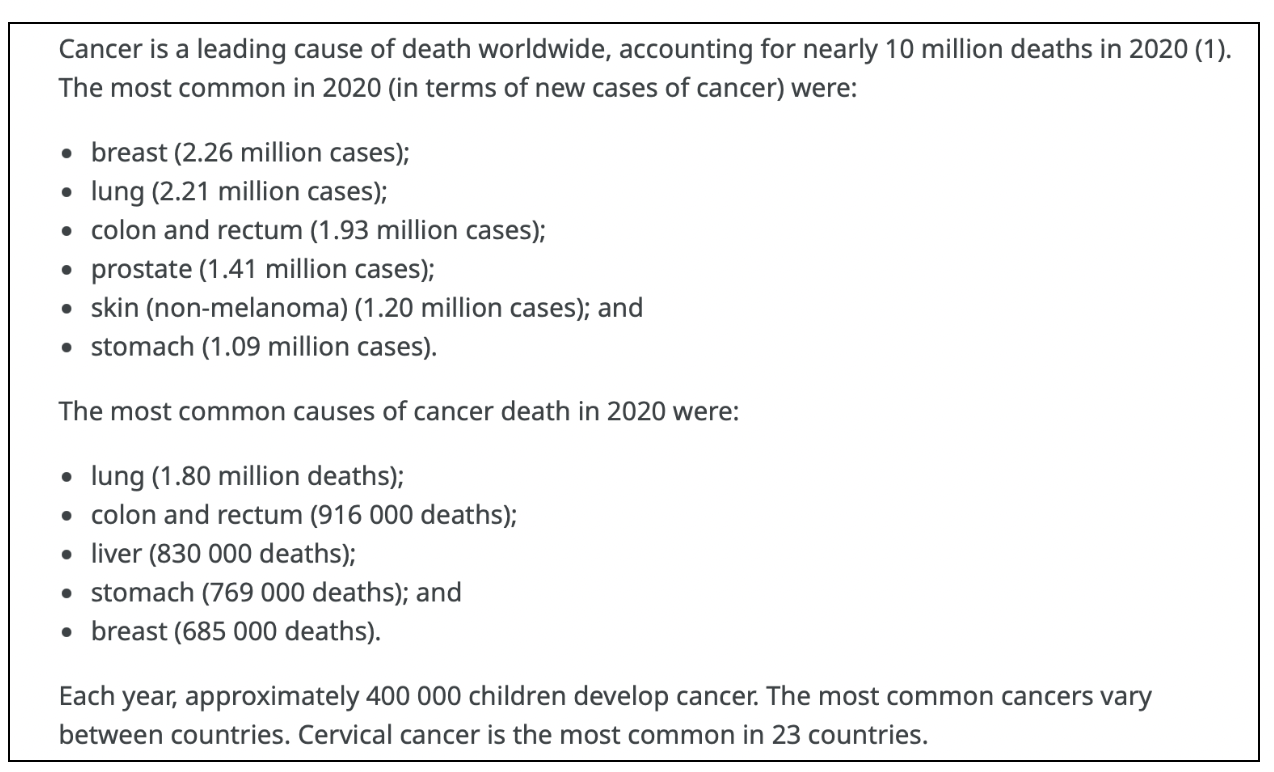
Source: World Health Organization
This rise is not occurring in isolation. It parallels significant shifts in how we live, eat, sleep, move, and cope.
Scientific literature consistently points toward a convergence of factors driving this increase. Large cohort studies published in journals such as The Lancet, Nature Reviews Cancer, and CA: A Cancer Journal for Clinicians highlight the biological consequences of sedentary lifestyles, chronic low-grade inflammation, circadian disruption, ultra-processed foods, persistent psychological stress, and cumulative environmental toxin exposure. These translate into measurable changes in immune competence, inflammatory signalling, hormonal balance, and DNA repair mechanisms.
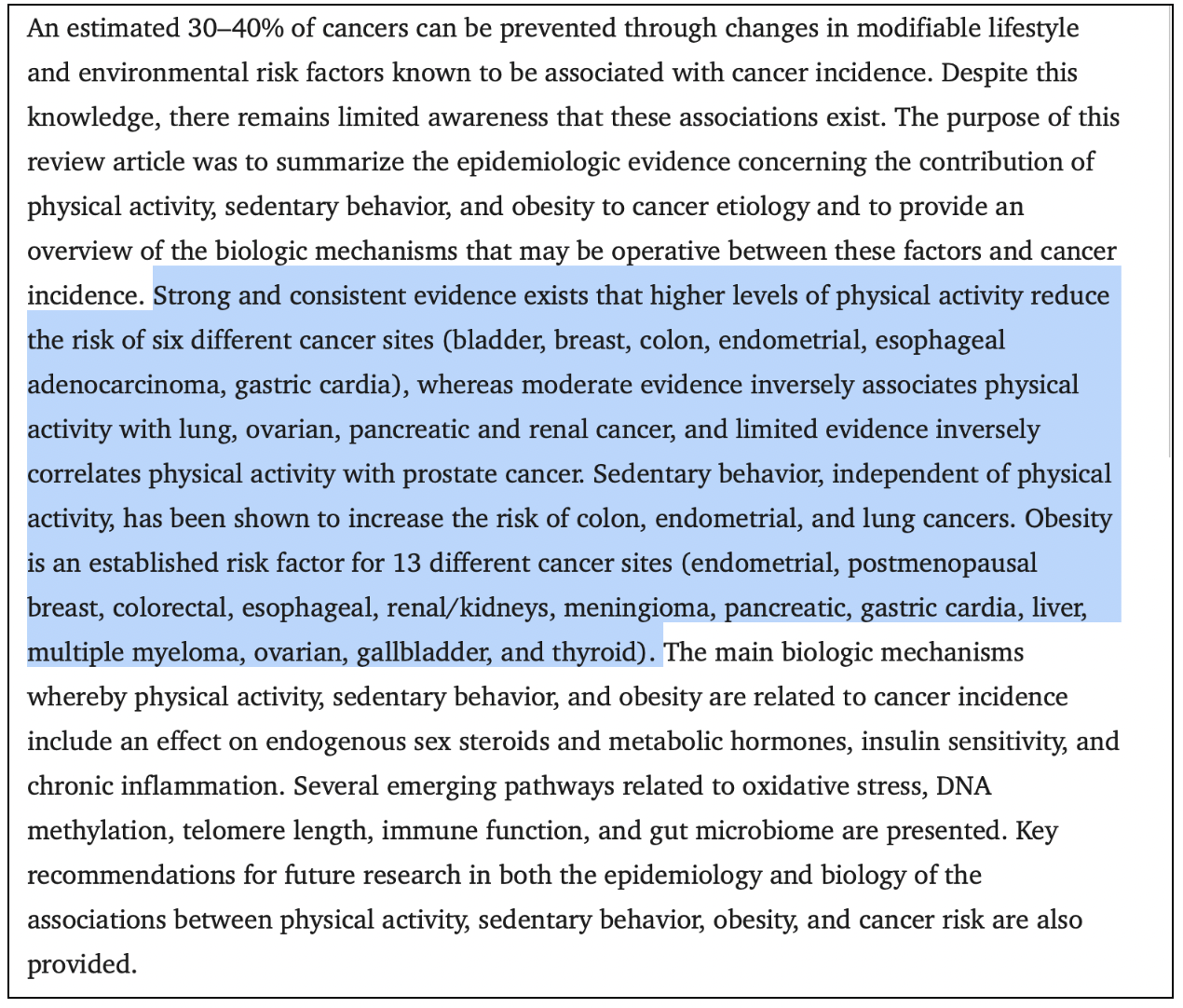
Source: Friedenreich CM, Ryder-Burbidge C, McNeil J. Physical activity, obesity and sedentary behavior in cancer etiology: epidemiologic evidence and biologic mechanisms. Mol Oncol. 2021 Mar;15(3):790-800. doi: 10.1002/1878-0261.12772. Epub 2020 Aug 18. PMID: 32741068; PMCID: PMC7931121.
One of the most misunderstood aspects of this discussion is heredity.
Despite common belief, genetic inheritance accounts for a surprisingly small proportion of cancer cases. Epidemiological data from population-based studies suggest that only about 1-2% of cancers are purely familial in origin, driven by inherited high-risk mutations. The vast majority, almost 98% arise from acquired changes influenced by environmental exposure and lifestyle patterns over time.
And that is why, in today’s world, strengthening foundations is no longer optional. It is essential.
Why ‘Doing Most Things Right’ Still Isn’t Enough
Many people say, “I eat clean, I exercise, I meditate… So why am I exhausted?”
Foundational medicine looks at what’s missing, not just what’s added.
For example:
- Eating well but sleeping poorly
- Exercising daily but living in chronic stress
- Taking supplements but ignoring gut health
- Staying positive but suppressing emotions
One night of poor sleep may seem harmless—but it:
- Raises short-term inflammation
- Dysregulates hormones
- Weakens immune surveillance
- Leaves you groggy, reactive, and depleted the next day
Multiply that by months or years, and the body begins to struggle silently.
What Is Foundational Medicine? And How It Can Help Cancer Patients?
Cancer care today is rightly centred on eliminating or controlling abnormal cells. Interventions, like surgery, radiation, chemotherapy, targeted agents, and immunotherapy are essential and often life-saving. However, every one of them acts within a complex human system that must absorb the impact, repair collateral damage, and adapt continuously.
Foundational medicine focuses on strengthening that system.
Foundational medicine is not a new form of treatment; it is a deeper understanding of how the body experiences treatment.
The body’s response to cancer therapy is governed by a few fundamental biological networks: immune function, inflammatory regulation, metabolic efficiency, stress physiology, and cellular repair mechanisms. These networks determine not only treatment tolerance but also recovery speed, complication risk, and long-term quality of life.
- Research published in Nature Reviews Immunology and The Journal of Clinical Oncology shows that immune competence plays a central role in cancer outcomes. Effective immune surveillance helps recognise malignant cells, regulate tumour growth, and respond appropriately to treatment-induced cellular debris. When immune reserves are compromised, due to chronic stress, sleep disruption, nutrient deficiencies, or metabolic dysfunction, the body struggles to maintain this balance.
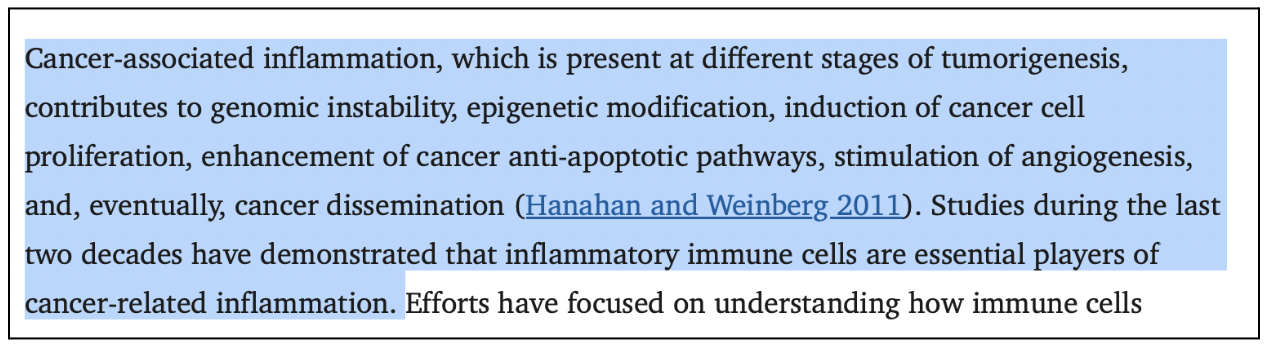
Source: Gonzalez H, Hagerling C, Werb Z. Roles of the immune system in cancer: from tumor initiation to metastatic progression. Genes Dev. 2018 Oct 1;32(19-20):1267-1284. doi: 10.1101/gad.314617.118. PMID: 30275043; PMCID: PMC6169832.
2. Inflammation is another critical piece of the puzzle. While acute inflammation is a protective response, persistent low-grade inflammation has been shown to promote tumour progression, angiogenesis, and resistance to therapy. Foundational medicine works to regulate inflammatory signalling, creating a physiological environment that is less hostile and more supportive of recovery, without interfering with medical treatment.
3. Equally important is the role of stress biology. Chronic psychological stress activates the hypothalamic–pituitary–adrenal (HPA) axis, elevating cortisol levels that suppress immune function and impair DNA repair. Stress and cancer are connected through measurable biological pathways. Foundational medicine recognises emotional health not as an abstract concept, but as a physiological determinant of resilience during illness.
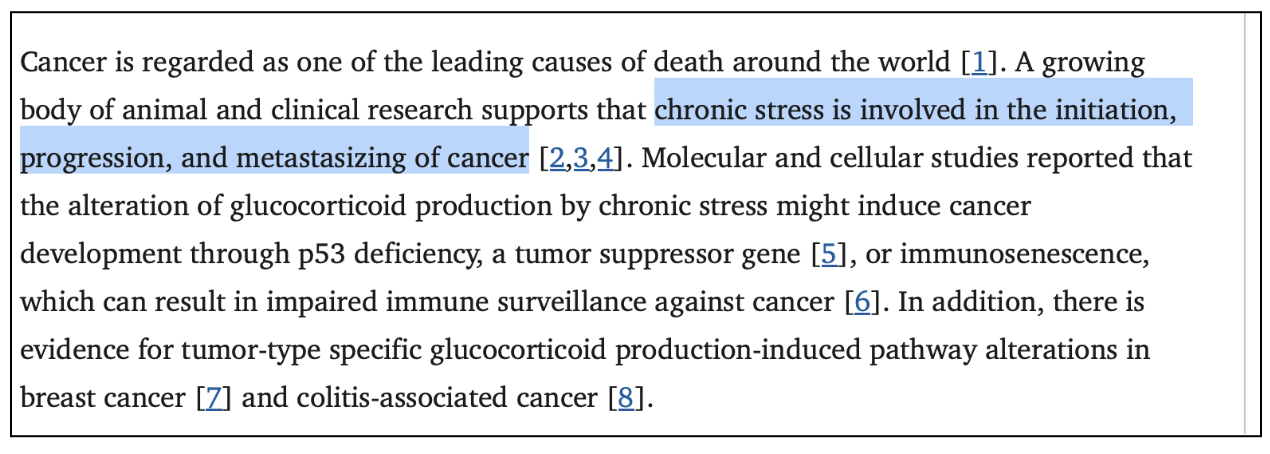
Source: Pham AT, van Dijk BAC, van der Valk ES, van der Vegt B, van Rossum EFC, de Bock GH. Chronic Stress Related to Cancer Incidence, including the Role of Metabolic Syndrome Components. Cancers (Basel). 2024 May 28;16(11):2044. doi: 10.3390/cancers16112044. PMID: 38893162; PMCID: PMC11171137.
4. This integrative and foundational focus becomes especially relevant when addressing radiation and chemotherapy side effects. Patients with better baseline nutritional status, circadian alignment, and stress regulation experience fewer severe side effects, recover faster between cycles, and maintain better functional capacity. Foundational medicine supports these underlying systems so the body can process treatment more efficiently, rather than being overwhelmed by it.
5. Large observational studies and mechanistic research published in Cell Metabolism and The BMJ confirm that daily lifestyle inputs, like sleep quality, movement patterns, nutritional adequacy, stress exposure, and environmental signals, directly influence immune regulation, inflammation, and metabolic stability. These factors do not replace treatment, but they significantly shape the biological context in which treatment operates.
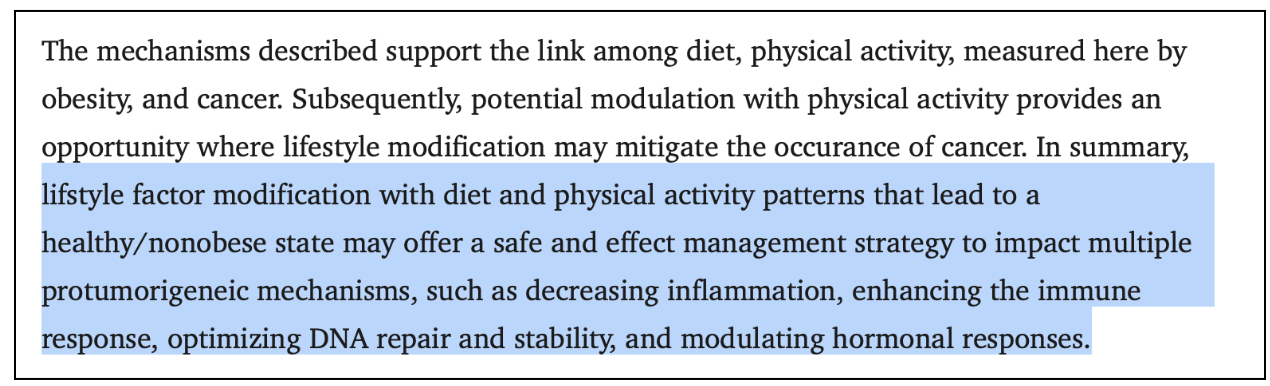
Source: Sharman R, Harris Z, Ernst B, Mussallem D, Larsen A, Gowin K. Lifestyle Factors and Cancer: A Narrative Review. Mayo Clin Proc Innov Qual Outcomes. 2024 Mar 4;8(2):166-183. doi: 10.1016/j.mayocpiqo.2024.01.004. PMID: 38468817; PMCID: PMC10925935.
Therefore, foundational medicine strengthens the body so that modern medicine and other modalities can work more effectively and with greater tolerance hence, reducing the chances of recurrence of cancer.
The 6 Pillars of Foundational Medicine
Foundational medicine is built on pillars that influence how the body responds to disease and to treatment. These are not trends or wellness add-ons.
Each pillar shapes the internal environment in which how cancer is treated actually plays out.
1. Food Science & Nutrient Synergy
Nutritional status directly influences immune competence, inflammation, treatment tolerance, and recovery outcomes. Nutrient deficiencies impair DNA repair, immune cell maturation, and antioxidant defence systems, processes that are under immense strain during cancer therapy.
- Food science in foundational medicine focuses on supporting cellular repair and regeneration, particularly in tissues affected by chemotherapy and radiation.
- It provides nutrients that enhance immunity and cancer defence without overstimulating already stressed metabolic systems.
- Aligning food timing, composition, and digestibility with circadian rhythms, hormonal fluctuations, and treatment-related gastrointestinal stress
Food is the medicine and pairing the right food is the soil that helps the body to manage conditions.
Here is what you can begin from:
- Eat for digestibility first: Choose warm, cooked, simply spiced meals to reduce gastrointestinal stress and improve nutrient absorption, especially when appetite or digestion is compromised.
- Build meals around protein and micronutrients: Prioritise high-quality protein, zinc, B vitamins, magnesium, and antioxidant-rich vegetables to support immune cell turnover, DNA repair, and tissue regeneration.
- Time meals with biology: Eat heavier meals earlier in the day, maintain consistent meal timing, and avoid late-night eating to support circadian rhythm alignment and reduce inflammatory load.
2. Adequate, Holistic Movement
Appropriate physical activity (not undertraining or overtraining) improves insulin sensitivity, preserves lean muscle mass, and enhances lymphatic circulation; factors that directly affect fatigue, metabolic health, and immune regulation during treatment.
Movement supports:
- Circulation of immune cells and nutrients to tissues under repair
- Lymphatic drainage, which is critical for waste removal and inflammation control
- Prevention of sarcopenia (muscle loss), a known predictor of poorer treatment tolerance
- Reduction in treatment-related fatigue and joint stiffness through improved mitochondrial efficiency
The emphasis is on adaptability:
- Some days require gentle walking
- Some days require breath-led mobility
- Some days require intentional rest
Start to:
- Move daily, even if briefly: A 10–20 minute walk improves circulation, lymphatic flow, insulin sensitivity, and immune cell movement without taxing the system.
- Preserve muscle intentionally: Include light resistance work or functional movements two to three times a week to reduce sarcopenia, which is linked to poorer tolerance of radiation and chemotherapy side effects.
- Respect recovery signals: On high-fatigue days, switch to breath-led mobility or gentle stretching; on low-energy days, choose rest without guilt.
3. Deep, Restorative Sleep
Sleep is not passive recovery; it is active biological repair.
Sleep regulates immune cell trafficking, inflammatory cytokine production, hormonal balance, and DNA repair pathways. During deep sleep, the body prioritises tissue regeneration and immune recalibration, processes that are essential during cancer therapy.

Image Credits: Freepik
Foundational medicine:
- Enhances immune surveillance and adaptive immune response
- Lowers inflammatory markers such as C-reactive protein and interleukin-6
- Regulates cortisol and growth hormone, both critical for repair and resilience
- Improves cognitive and emotional stability during prolonged treatment journeys
You can try to:
- Protect a fixed sleep-wake rhythm: Go to bed and wake up at consistent times to stabilise cortisol, melatonin, and immune signalling.
- Create a sleep-supportive environment: Keep the bedroom dark, cool, and device-free at night to reduce sympathetic nervous system activation.
- Support sleep biochemically: Light dinners, magnesium-rich foods, and calming pre-bed routines help reduce inflammatory arousal and improve sleep depth.
4. Emotional Wellness & Mental Health
Cancer care cannot ignore the nervous system.
Unprocessed emotional states can:
- Sustain chronic stress signalling
- Reduce immune resilience
- Worsen digestive symptoms and sleep quality
- Increase perceived severity of treatment side effects
Foundational medicine treats emotional support as:
- A regulator of nervous system balance
- A modulator of immune and inflammatory responses
- A stabiliser of digestion, sleep, and hormonal rhythms
Counselling, grounding practices, and safe emotional expression are not just interventions alone,they are biological stabilisers that support the body during intense medical stress.

Image Credits: Freepik
Begin to:
- Create daily emotional release: Journaling, therapy, or honest conversation prevents chronic stress signalling that weakens immune resilience.
- Practice nervous system downregulation: Grounding techniques such as mindfulness reduce cortisol-driven inflammation.
- Seek structured support: Professional counselling during treatment helps stabilise sleep, digestion, and emotional processing, especially when fear and uncertainty are high.
5. Nature: Your Internal & External Environment
The body is constantly responding to environmental information.
Light exposure, toxin load, microbiome composition, and even cognitive inputs influence immune regulation and inflammatory tone. Circadian misalignment and environmental toxins disrupt metabolic and immune pathways relevant to cancer biology.
Foundational medicine can help:
- Aligning circadian rhythms through natural light exposure
- Reducing internal toxic burden that competes with cleansing pathways already stressed by treatment
- Supporting gut microbiome diversity, which plays a key role in immune modulation
- Improving the quality of mental inputs, as chronic cognitive stress perpetuates inflammatory signalling
Below are some ways you may try:
- Get morning light exposure: Natural sunlight within an hour of waking helps reset circadian rhythms and improves immune regulation.
- Reduce toxic load where possible: Limit exposure to processed foods, plastics, smoking environments, and harsh chemicals to reduce inflammatory burden during treatment.
- Support gut ecology: Include fibre-rich foods, fermented options (as tolerated), and hydration to strengthen the gut–immune connection, which influences treatment response.
6. Spirit & Breathwork
Breathing is one of the few systems that directly links conscious control with autonomic biology.
Breath regulation influences vagal tone, oxygen delivery, heart rate variability, and stress hormone release. These changes affect immune regulation and inflammatory balance at a systemic level.
Breathwork supports:
- Nervous system regulation and parasympathetic activation
- Improved oxygen utilisation at the cellular level
- Reduced physiological stress response
- Greater emotional steadiness during uncertainty
Grounding, whether through faith, meaning, or mindfulness, adds another layer of biological safety for enhancing spirit. A sense of meaning and emotional security correlates with better stress adaptation and immune function.
Try these:
- Practice slow, controlled breathing daily: Techniques like extended exhalation activate the parasympathetic nervous system and reduce physiological stress responses.
- Build moments of meaning: Prayer, meditation, gratitude practices, or time in silence improve emotional security and stress adaptability.
- Anchor the day with stillness: Even five minutes of intentional calm can lower inflammatory markers and improve emotional steadiness during treatment uncertainty.
Looking for personalised, expert guidance on your cancer journey?
👉 Explore our Cancer Care Program for holistic support tailored to your needs.
Foundational Medicine Across the Top 5 Prevalent Cancers
Cancer does not behave the same way in every tissue. Breast tissue responds differently from lung tissue; the gut has a different immune environment than blood or bone marrow. This is why how cancer is treated varies across cancer types.
Yet, across this diversity, outcomes are influenced by a shared set of biological systems; hormones, immunity, inflammation, metabolism, and recovery capacity.
Foundational medicine works by supporting these systems in ways specific to each cancer type, while remaining aligned with medical treatment.
Let’s take five most prevalent cancers and see how foundational medicine will help:
1. Breast Cancer: Hormonal Biology, Inflammation, and Emotional Load
Breast cancer biology is closely linked to hormonal signalling, particularly estrogen metabolism, along with immune and inflammatory pathways. Impaired estrogen clearance and chronic inflammation can influence tumour behaviour and recurrence risk.
Foundational medicine will focus on:
- Supporting estrogen metabolism through the gut–liver axis, as the liver is central to hormone clearance
- Reducing systemic inflammation, which has been identified as a driver of tumour progression and treatment-related fatigue
- Preserving immune function during therapy, a key factor in immunity and cancer outcomes
- Strengthening emotional resilience, as studies in psycho-oncology demonstrate that chronic emotional stress alters cortisol and immune signalling in hormone-sensitive cancers
2. Lung Cancer: Oxygen Biology, Immune Defence, and Inflammatory Control
Lung cancer places a unique demand on oxygen utilisation, inflammatory balance, and immune surveillance. Research in Nature Reviews Cancer highlights how hypoxia (low oxygen availability within tissues) promotes tumour aggressiveness and resistance to therapy.
Foundational medicine supports lung cancer care by:
- Improving oxygen efficiency through breath regulation and movement that supports respiratory mechanics
- Using anti-inflammatory nutritional strategies to reduce systemic inflammatory load that worsens breathlessness and fatigue
- Supporting immune strength, particularly natural killer cell activity, which plays a role in tumour surveillance
- Reducing toxic burden, as cleansing pathways are often overwhelmed by both environmental exposure and treatment metabolites
3. Colorectal Cancer: Gut Integrity, Microbiome, and Immune Crosstalk
Colorectal cancer sits at the intersection of digestion, immunity, and inflammation. The gut houses nearly 70 percent of the immune system, and microbiome imbalance directly influences tumour behaviour and treatment response.
Foundational medicine in colorectal cancer focuses on:
- Repairing gut lining integrity, which is often compromised by chronic inflammation and chemotherapy
- Restoring microbiome balance, as beneficial gut bacteria are linked to improved immune regulation and reduced inflammation
- Supporting fibre intake and digestion in a way that reduces irritation rather than increasing discomfort
- Lowering inflammatory signalling that drives symptoms such as bloating, pain, and altered bowel habits
4. Prostate Cancer: Hormones, Muscle, and Metabolic Health
Prostate cancer biology is influenced by androgen signalling, insulin sensitivity, and metabolic health. Metabolic dysfunction and muscle loss are associated with poorer tolerance to treatment and increased fatigue.
Foundational medicine supports prostate cancer by:
- Encouraging hormonal balance through sleep regulation and stress reduction
- Preserving muscle mass, which is critical for metabolic stability and recovery
- Supporting insulin sensitivity to reduce inflammatory and growth-promoting signals
- Reducing fatigue through targeted movement and circadian alignment
5. Blood Cancers (Lymphomas and Leukemias): Immune Recovery and Cellular Repletion
Blood cancers directly affect the immune system, making recovery capacity especially vulnerable. Chemotherapy and radiation often leave patients with depleted immune cells, nutrient deficiencies, and chronic fatigue. Post-treatment immune rebuilding is one of the most important factors.
Foundational medicine addresses this by:
- Supporting immune cell regeneration through nutrient repletion and sleep restoration
- Improving mitochondrial energy production to address post-chemo exhaustion
- Stabilising circadian rhythms, which play a critical role in immune recovery
Each cancer has a distinct medical protocol. That protocol remains non-negotiable.
When foundations are aligned, the body is better equipped to tolerate treatment, regulate inflammatory and cancer pathways, adapt to stress and cancer physiology, and recover from radiation and chemotherapy side effects with greater stability.

Image Credits: Freepik
When Foundations Are Strengthened, Lives Begin to Shift
Over the years, we’ve worked with hundreds of individuals navigating cancer alongside medical treatment. Different diagnoses. Different ages. Different personalities.
Yet, a striking pattern keeps repeating itself.
When foundations are weak, the body struggles, no matter how advanced the treatment.
When foundations are rebuilt, the body begins to respond differently.
The stories below are two among many. They reflect what happens when medical care is supported by foundational medicine:
Nora’s Story: From Surviving Cancer to Reclaiming Life
When 47-year-old Nora first came to us, she wasn’t just facing stage 3 B-cell non-Hodgkin’s lymphoma. She was carrying the full weight of what cancer does to a body and a mind.
- Chemotherapy
- Surgery
- Dropping haemoglobin levels
- Sudden menopause
- Anxiety
- Insomnia
- Hot flushes
- Unpredictable weight changes.
And beneath all of this lived fear, exhaustion, and a quiet emotional burden her body had been holding for far too long.
She had a complex history, an earlier ovarian tumour, the after-effects of chemotherapy, fatty liver changes, intense hormonal fluctuations, and emotional turbulence that no report could capture. What stood out most was her intention. She didn’t just want to get through treatment. She wanted to rebuild herself after it.
Our team studied her case in depth and designed a plan that focused on rebuilding her foundations from the inside out. The emphasis was not on doing more, but on doing what her body could actually handle.
And with gradual and consistent efforts, her
- Sleep improved
- Energy stabilised
- Hot flushes reduced
- Anxiety softened
- Digestion became more reliable
- Fat loss followed
- Her mind felt calmer
- Her body responded with strength again.
By November 2024, her doctors confirmed remission.
In 2025, she returned to us not as a patient navigating illness, but as a woman ready to reclaim her life with clarity, confidence, and strength.
Her journey is a powerful reminder:
Take your treatments. They save lives.
But rebuild your foundations too.
Know more about Nora’s transformation here
Pummy Ji’s Story: When Everyone Thought Change Was Impossible
When Pummy Ji came to us, she was 66 years old, full of spirit, but physically exhausted. A new breast cancer diagnosis had collided with decades of health challenges; arthritis, severe constipation, thyroid imbalance, high blood pressure, bloating, acidity, stubborn weight gain, and chronic joint pain.
Chemotherapy had just begun, and every side effect hit harder than expected. She was told to eat whatever she wanted. Her daughters refused to accept that as the only plan. They wanted something supportive too.
Pummy Ji was unapologetically herself. Gluten-free sounded unrealistic. Dairy-free felt impossible. Chips, candies, and comfort food were non-negotiable joys. So instead of forcing change, we chose a different path.
Her cancer care plan was built gently, around her habits, emotions, resistance, and routines, without stripping away dignity or joy.
Progress was slow and intentional. Nine months later, her oncologist was stunned.
- Her scans were clear
- The cancer had vanished
- Her gut began functioning after decades
- Swelling reduced
- Cholesterol improved
- Blood pressure normalised
- She lost 15 kilos—while rebuilding strength.
And then she said something we will never forget, “For the first time in 66 years, I tucked my shirt in and felt proud of my body.”
This is what happens when medicine and lifestyle work together.
When science, discipline, emotions, and family create a healing environment.
Know more about Pummy Ji’s transformation here
These are not isolated outcomes. We see this pattern repeatedly.
When foundational systems are supported through nutrition, sleep, movement, emotional health, circadian rhythm, and recovery capacity, the body responds differently to treatment. It tolerates more. It recovers better.
This is foundational medicine.
And this is the path we help people find, every single day.
Why Foundations Matter Now More Than Ever
Cancer care is undergoing a quiet but critical evolution and treatment does not operate in isolation. It functions within a biological environment.
Foundational medicine strengthens the ground on which all treatment modalities for example, after chemotherapy, the body isn’t weak, it’s depleted. Foundational medicine focuses on rebuilding capacity, step by step.
Be educated, not influenced.
Disclaimer: The information shared in this blog is intended for educational and awareness purposes only. It is NOT meant to diagnose, treat, cure, or prevent any disease, nor should it be considered a substitute for professional medical advice, diagnosis, or treatment. Cancer care is complex and highly individual. Decisions related to how cancer is treated, including surgery, chemotherapy, radiation, immunotherapy, Ayurveda, or any other medical or integrative approach, should always be made in consultation with a qualified oncologist who understands your medical history and current condition. Individual results may vary. Testimonials and case experiences shared in this blog reflect personal journeys and should not be interpreted as guaranteed outcomes. What works for one individual may not be appropriate for another.
You don’t have to change everything overnight. You just have to begin by strengthening the ground you’re standing on.
Because when foundations are steady, every step forward feels more supported, more resilient, and more sustainable.
If you or someone you love is navigating cancer, recovery, or long-term health challenges, you don’t have to do this alone. Our team works alongside medical care to help identify underlying imbalances and support the body through personalised nutrition, lifestyle strategies, and evidence-based guidance.
Set up a one-on-one consultation with our team or explore our Cancer Care Program.
Call us at 1800 102 0253 or write to us at [email protected] to learn more.