No products in the cart.
“You can eat whatever you want.” This is one of the worst pieces of advice that many health professionals continue to give cancer patients across the world. More and more people today are being diagnosed with various types and stages of cancer. While advancements in medical science have led to better technology, chemotherapy, radiation, surgery, immunotherapy, clinical trials, and hormonal treatments, the alarming lack of attention towards cancer-specific nutrition continues to date.
In our own experience of working with cancer patients over the last 14 years, we have come across cases where individuals successfully break down tumors and enter remission, only to be told by their healthcare professional, “It’s all good. Now you can go back to your normal life. Eat whatever you want.”
Then, three, six, or twelve months later, they return with metastatic cancer—now more aggressive than before. Why does this keep happening despite medical advancements, improved treatments, and our supposed understanding of cancer?
The reality is, it’s only getting worse. Based on my experience in the field of integrative oncology and lifestyle medicine, while medical treatments are life-saving, a patient’s lifestyle and nutrition also play a crucial role in management, possible remission, and long-term health.
⚠️ The Dangers of ‘Eat Whatever You Want’
Am I against chemotherapy or radiation? Absolutely not. As an expert in integrative and lifestyle medicine, I fully respect and believe in their necessity. However, the notion that patients undergoing chemotherapy or radiation can eat whatever they want, relying solely on medical treatment to manage their condition, is dangerous.
Imagine this. For someone facing a cancer diagnosis, the recommendation of ‘eat what you want’—can feel like a relief amid the stress of their ongoing treatment. It’s understandable, especially in palliative care scenarios where the focus shifts to comfort and quality of life, allowing individuals to enjoy their favorite foods without restriction. However, for many others undergoing active treatment or aiming for long-term recovery and prevention, this blanket advice is the worst advice. Because it overlooks a growing body of scientific evidence.
As human beings, we are hardwired to seek pleasure and avoid pain. The food we love eating provides pleasure, so when an authoritative figure or expert in the field of health tells us that we can eat anything while undergoing treatment, we readily accept it because it spares us the discomfort of dietary restrictions. But in doing so, we might be making a choice that leads to cancer recurrence or even metastasis.
The widespread advice that ‘you can eat whatever you want’ is a major reason why people continue to get sicker even today.
Please understand that nutrition isn’t just about sustenance; it’s a powerful tool that can support your body’s defenses, enhance treatment efficacy, reduce side effects, and lower the risk of recurrence. Complementing this, personalized lifestyle changes—like exercise, sleep, and emotional health practices—can be just what you need.
Let’s move beyond talk and look at the latest research in medical, nutritional, and oncology sciences up to 2025. This will explain why embracing cleaner, nutrient-rich eating habits and holistic lifestyle adjustments can be a game-changer in your cancer journey.
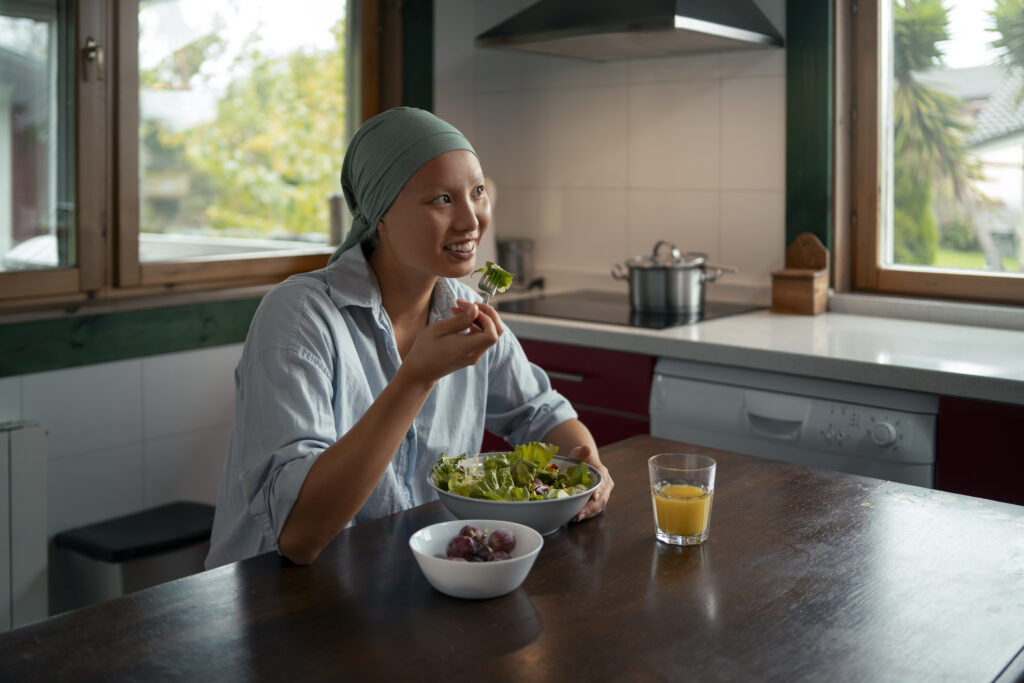
Representational image only. Photo Credits: Freepik
🔍 Understanding the Body’s Terrain and Cancer Growth
When you are diagnosed with cancer, it means that your body’s internal environment has allowed a cancer cell to mutate, spread, and grow. Your body has created an environment conducive to cancer development.
You can undergo any treatment you choose, but if you do not change the terrain of your body—meaning if you do not alter the internal environment that supports cancer growth—then chemotherapy and radiation will only break down the tumor temporarily. Your PET scans may show no visible cancer, but unless you address the root cause, that cancer is likely to return.
Current PET scans can only detect cancer cells of a certain size. If cancer cells are too small, they might not be visible. But over time, these cells can grow, and at your next PET scan, this cancer might have spread to different organs. This is not to scare you but to remind you why beyond your ongoing treatment, your nutrition and lifestyle matter.
💯 The Truth About Weight Loss During Cancer Treatment
One of the most misguided recommendations given to cancer patients is to ‘eat more’ to counteract weight loss that comes with treatment. It is essential to understand that this sudden weight loss is a common side effect of chemotherapy, but the solution is not overeating or consuming processed foods with refined sugar.
What is required is to repair the body and provide it with the nutrients it needs to manage the collateral damage and side effects of treatment. Chemotherapy and radiation target cancer cells, but they also harm healthy cells in the process, including immune cells—the body’s natural defense system against cancer spread and recurrence. This is one of the prime reasons why our programs also focus on managing the side-effects of any medications and ongoing conventional treatments that our patients are on.
Cancer patients may experience cachexia, a severe condition characterized by muscle wasting. In cachexia, the body consumes its own muscle for energy, making it difficult to reverse weight loss simply by eating more. Consuming excessive food, especially high-carbohydrate foods, can worsen cachexia.
Yes, maintaining the right body weight is important. But there are right and wrong ways to do that. This is another reason why speaking to your integrative nutrition or oncological nutritionist is crucial. They have the expertise to understand what might be happening and build a nutrition protocol for cancer patients. It isn’t always about adding more foods but rebuilding your gut microbiome and the right digestive enzymes and working on stimulating the appetite to be able to create a better internal environment.
🦠 How Do Cancer Cells Feed and Spread
Cancer cells metabolize glucose differently from healthy cells. In a normal cell, glucose is broken down efficiently by mitochondria to produce adenosine triphosphate (ATP), the source of energy for use and storage at the cellular level. However, cancer cells ferment glucose inefficiently, producing lactic acid as a byproduct. This lactic acid creates an acidic environment, further promoting cancer growth and preventing the process of apoptosis or normal cell death.
Lactic acid enters the bloodstream, travels to the liver, and is reconverted into glucose, continuing a vicious cycle that sustains cancer cells. This inefficient glucose metabolism also prevents healthy cells from absorbing essential nutrients, leading to malnutrition and fatigue.
Despite this, many professionals still tell cancer patients that refined sugar is fine, you can eat whatever you want. But consider this: PET scans detect cancer by injecting radiated sugar into the body. High FDG (fluorodeoxyglucose) uptake in certain organs indicates cancerous activity. If sugar feeds cancer in a PET scan, why would it be advisable for cancer patients to consume it freely?
🧬 The Science of Nutrition: A Pillar in Cancer Prevention & Management
Decades of research have established that lifestyle factors, including how you eat, play a significant role in cancer outcomes.
According to guidelines from leading organizations, up to 40% of cancer cases may be preventable through modifiable behaviors like healthy eating.
- Recent studies from 2023 to 2025 reinforce this, showing that dietary patterns can influence not only prevention but also treatment response and survivorship.
- A major 2025 report on dietary and lifestyle patterns for cancer prevention highlights how holistic eating approaches—emphasizing whole foods over processed ones—can lower overall cancer risk by addressing multiple pathways, including inflammation and cellular repair.
- In the context of active cancer treatment, nutrition supports the body’s ability to withstand therapies and recover. A 2025 study on personalized lifestyle interventions notes that tailored dietary modifications can improve symptom management, reduce treatment side effects, and enhance quality of life for cancer patients.
- Another analysis emphasizes that nutrient-dense diets may lower the risk of cancer progression by modulating gene expression and metabolic processes.
While no diet can ‘cure’ cancer on its own, emerging evidence from rigorous clinical trials indicates that combining nutrition with standard medical treatments leads to better outcomes, such as reduced tumor growth and improved survival rates.
These findings are substantiated by organizations like the American Cancer Society, which updated its guidelines in 2025 to stress whole grains, fiber-rich foods, and physical activity for lowering risks like colorectal cancer.
- For survivors, nutrition aids in preventing recurrence. A 2025 review on functional foods’ active ingredients in cancer therapy concludes that plant-based compounds can inhibit cancer-promoting mechanisms, offering a preventive edge post-treatment.
This body of evidence challenges the notion that “nutrition doesn’t matter,” underscoring its mandatory integration alongside medical care for optimal results.
🛡️ Fueling Your Immune System: The Need for Clean, Nutrient-Rich Foods
Your immune system is your body’s frontline defense against cancer, and nutrition directly influences its strength. Cancer treatments often suppress immunity, making patients more susceptible to infections and complicating recovery.
Clean eating—focusing on whole, unprocessed foods—provides essential vitamins, minerals, and antioxidants that bolster immune function. For example, diets rich in fruits, vegetables, and omega-3 fatty acids have been linked to enhanced immune responses in cancer patients, potentially improving immunotherapy outcomes.
Research shows that nutrient deficiencies can impair immune cells, while balanced nutrition restores them. A study on immune-modulating nutrients highlights how vitamins like C and E, along with zinc and selenium from clean sources, control inflammatory responses and promote anti-tumor activity.
In cancer patients, this translates to better tolerance of treatments and faster recovery. Imagine your immune system as an army: clean foods supply the weapons and armor it needs to fight effectively, turning the tide in your favor.
🔥 Harnessing Anti-Inflammatory Foods to Combat Inflammation
Chronic inflammation is a known driver of cancer development and progression, creating an environment where tumors thrive. Anti-inflammatory diets, patterned after Mediterranean eating (abundant in olive oil, fish, nuts, and greens), can significantly reduce this risk.
- A 2025 analysis found that such diets lower inflammatory biomarkers, potentially decreasing cancer incidence and improving survival in survivors.
- Key anti-inflammatory foods include berries, turmeric, ginger, fatty fish, and leafy greens, which contain compounds like curcumin and omega-3s that suppress pro-inflammatory pathways.
- For colon cancer patients, a 2025 Dana-Farber study revealed that anti-inflammatory diets extended overall survival by mitigating post-treatment inflammation.
Conversely, pro-inflammatory diets high in processed meats and sugars were associated with worse outcomes, accelerating disease progression. By choosing these foods, you’re not just eating—you’re actively reducing the fuel that feeds inflammation and cancer.
🦠 The Gut Microbiome: A Hidden Ally Shaped by Diet
Your gut microbiome—the trillions of bacteria in your digestive system—plays a pivotal role in cancer dynamics. Dysbiosis, or an imbalanced microbiome, can promote tumorigenesis, with up to 20% of cancers linked to microbial factors.
How you eat profoundly influences this ecosystem: fiber-rich, plant-based foods foster beneficial bacteria that produce anti-cancer metabolites, while Western diets (high in fats and sugars) encourage harmful ones that heighten inflammation and weaken immunity.
Studies show that modulating the microbiome through diet can enhance treatment responses. For instance, high-fiber diets improve immunotherapy efficacy by boosting gut diversity, which supports anti-tumor immunity. Poor nutrition, however, exacerbates gut issues like leaky gut syndrome, leading to systemic inflammation, lowered immunity, and accelerated cancer growth. Nurturing your gut with prebiotic foods like garlic, onions, and whole grains can restore balance, turning your microbiome into a powerful partner in cancer management.
💊 Managing Side Effects of Treatments: How Nutrition Bridges Nutrient Gaps
Cancer treatments like chemotherapy are lifesaving but can come with challenging side effects, including nausea, fatigue, diarrhea, and taste changes that affect quality of life and nutrition intake. Importantly, chemotherapy is known to deplete vital vitamins and minerals, such as vitamins A, B2, C, D, and E, as well as magnesium, potassium, zinc, and folate, leading to deficiencies that exacerbate symptoms and weaken the body.
A 2025 study on nutritional interventions during chemotherapy found that individualized counseling to meet nutrient needs can mitigate these side effects, improve tolerance, and enhance overall well-being.
Eating the right foods—such as leafy greens for folate, nuts for magnesium, citrus for vitamin C, and fatty fish for vitamin D—can help replenish these losses naturally. When food alone isn’t enough, supplements like multivitamins, probiotics, fish oil, L-glutamine, or ginseng, taken under medical supervision, can bridge gaps, reduce symptoms like fatigue and neuropathy, and strengthen the body for better recovery.
Always involve your doctor to avoid interactions, as some supplements may interfere with treatments. This proactive approach turns nutrition into a shield against treatment’s toll, helping you feel stronger and more in control.
⚖️ Addressing Medication-Induced Depletions: Restoring Balance Through Replenishment
Beyond chemotherapy, nearly every medication can deplete essential nutrients, disrupting bodily balance and potentially worsening health outcomes if not addressed. For cancer patients on multiple drugs—such as antacids depleting B vitamins and magnesium, or antibiotics affecting gut flora and vitamins—replenishment is crucial to maintain energy, immunity, and organ function. Long-term use amplifies risks, but targeted foods and supervised supplements can restore equilibrium, preventing deficiencies that could hinder recovery. This science-backed strategy ensures your body stays balanced, supporting holistic healing.
⚠️ The Risks of “Eating What You Want”: How Wrong Choices Accelerate Disease
While comfort foods provide emotional solace, relying on processed, sugary, or fried items can hinder recovery. These foods spike inflammation, disrupt gut health, and suppress immunity, potentially worsening symptoms like fatigue and nausea. Research links such diets to increased cancer mortality, as they promote oxidative stress and metabolic imbalances that fuel tumor growth. In contrast, shifting to cleaner options mitigates these risks, supporting your body’s natural defenses without deprivation.
🥗 Personalized Nutrition: Tailoring to Your Unique Biology and Condition

Everyone is bio-individually different—genetics, microbiome, cancer type, treatment stage, and lifestyle all influence how your body responds to food. Eating right for your specific condition means personalizing nutrition to address these factors, optimizing outcomes like reduced side effects and better survival. For example, nutrigenomics research shows tailored diets can disrupt cancer pathways more effectively, while considering symptoms and preferences ensures sustainability. Working with an oncology dietitian to create a plan based on your needs honors your uniqueness, making nutrition a precise ally in your fight.
If you are diagnosed with cancer, your priority should be getting the right energy to your cells through nutrient-dense foods. Small portions of high-quality foods may help provide essential nutrients without feeding cancer cells.
Focus on:
- Soaked nuts and seeds
- Coconut oil
- Complex vegetables
- Whole grains in moderation
- Foods rich in essential amino acids, such as beans, pumpkin seeds, and select vegetables
- Avoid excessive protein intake because breaking down large amounts of protein requires energy, which a cancer patient’s body may not efficiently produce
Please note that this can also vary case-to-case. Work with an integrative nutritionist who can guide you according to your unique case and bio-individuality.
👨🏻🔬 Voices from the Frontlines: Experts Championing Nutrition and Lifestyle
Renowned physicians like Dr. William Li, author of Eat to Beat Disease, advocate for “eating to starve cancer” by choosing foods that inhibit angiogenesis—the blood vessel growth tumors need to survive. Dr. Li’s research identifies over 100 foods, like green tea and berries, that repair DNA and combat cancer. Other experts, including those at Moffitt Cancer Center and UCLA, echo this, emphasizing nutrition’s role in prevention, treatment tolerance, and survivorship. Institutions like Johns Hopkins and Memorial Sloan Kettering integrate nutritional counseling into care, recognizing its evidence-based benefits.
🍽️ The Role of Smart and Scientific Supervised Fasting in Cancer Treatment
Countries like Cuba and Mexico, which operate outside the influence of the FDA and pharmaceutical companies, have pioneered interesting approaches to cancer treatment. One such approach is supervised fasting. Patients undergo fasting for 10 to 30 days, during which their bodies divert energy from digestion to healing and cellular repair. By the fourth day of fasting, many patients no longer feel hungry, and their bodies start utilizing stored energy for recovery.
Please note that fasting for any cancer patient should only be done under the supervision of their primary healthcare expert.
🔗 The Connection Between Cancer, Digestion, and Cleansing
Many cancer patients often suffer from constipation during chemotherapy. Instead of simply prescribing laxatives, it is crucial to understand that chemotherapy depletes B vitamins, which play a role in digestion. Replenishing these vitamins through food can help alleviate symptoms naturally.
To all the women who are breast cancer survivors, be mindful of constipation. In estrogen-receptor-positive (ER+) breast cancer cases, constipation can cause estrogen to be reabsorbed into the liver and back into the body, increasing the risk of recurrence. Instead of relying on laxatives, focus on consuming the right foods and vitamins to support digestion naturally.
Similarly, many cancer patients are prescribed antacids to manage acidity, but this only suppresses symptoms rather than addressing the root cause. Instead, making dietary changes to create a more alkaline environment can help counteract the acidic conditions that contribute to cancer growth.
❤️ The Mind-Body Connection
Healing is not just about treating the physical body; it also involves addressing the mind and emotions. Chronic stress, suppressed emotions, and negative thought patterns can contribute to disease progression. In my podcast with the amazing Sister BK Shivani, we addressed how suppressed and deep seated emotions like unforgiveness and resentment can significantly impact how your cancer progresses.
Watch a snippet here.
This reminds us of why emotional wellness, breathwork and reconnecting with our inner spirit are also important aspects of managing cancer. If your cancer management plan does not include mental and emotional healing alongside medical and nutritional interventions, it is incomplete.
💪 Beyond Diet: Integrating Lifestyle Changes for Comprehensive Recovery
Nutrition shines brightest when paired with other lifestyle elements. Regular exercise—such as brisk walking or yoga—can counter treatment side effects, reduce recurrence risk by up to 44%, and improve survival, with 2025 studies showing benefits for colon and breast cancer survivors. Quality sleep regulates hormones, repairs tissues, and boosts immunity, while poor sleep heightens risks—aim for 7–9 hours nightly. Emotional health practices, like mindfulness or therapy, reduce anxiety and depression, enhancing HRQoL and treatment adherence. These changes, personalized to your energy levels, create a synergistic effect for profound healing.
💚 Simple Changes to Start Today: Your Path to Empowerment
You don’t need a complete overhaul to see benefits—small, sustainable shifts can make a difference. It’s not about deprivation; it’s about choosing and eating right to heal and recover too.
Consult an expert dietitian/nutritionist who is willing to listen to the doctor, understand the treatments, and make diets that help, and who is also open to the patient discussing the given diet with the doctors. Remember, these changes empower you, honoring your body’s resilience.
🚀 A Call to Action: Embrace Nutrition and Lifestyle for a Brighter Future
In the face of cancer, knowledge is power. While respecting your doctor’s guidance, integrating evidence-based nutrition and lifestyle changes can amplify your treatment’s success and pave the way for prevention. This isn’t about blame or perfection—it’s about hope, science, and taking control. By choosing cleaner foods, replenishing depletions, personalizing your approach, and embracing exercise, sleep, and emotional well-being, you’re investing in your immune system, quelling inflammation, nurturing your gut, and starving disease-promoting processes. As research evolves, one truth stands firm: these elements are mandatory alongside medical care for the best outcomes.
You may show this to your doctor or even ask them one simple question: in a world where the focus is so large on nutrition and lifestyle for the prevention of disease and recovery, schools are teaching this to children, and there is so much awareness, how is it that especially when we are sick, we can eat what we want? In fact, that’s the time we really need to choose what we eat to recover, prevent side effects, manage side effects, and address the root causes of illness.
You have the right to ask your doctor whatever question you want, but I can strongly encourage you to use your mind and logic when it comes to this. Patients suffer with symptomatic treatment alone, and so much more can be done to make them better and feel better when nutrition and lifestyle run parallel to allopathy.
🚨For Doctors and Integrative Practitioners: The Responsibility We Cannot Ignore
Too many cancer patients have been given careless advice: “Eat whatever you want.” Not only has this failed to improve their health, but many return with new complications like diabetes, high cholesterol, obesity, and severe metabolic issues — all of which add to their suffering and increase treatment risks.
This is not just bad advice. It is the worst advice possible for someone already battling a life-threatening illness.
As professionals, whether doctors, oncologists, or nutritionists, we carry a sacred responsibility. Just as no nutritionist should ever irresponsibly tell a patient to stop their prescribed medications, no doctor should dismiss the role of food and lifestyle by saying, “Eat whatever you want.” Both extremes are dangerous.
What patients need is collaboration, professionalism, and evidence-based guidance. They deserve care that addresses the whole person — medical treatment and nutrition, lifestyle, and emotional well-being. Anything less is negligence.
💡 The Botton Line
Food acts as information to your genes, influencing how your body functions. From the very first sip of breast milk, the nutrition you consume begins to shape your DNA and gene expression. This process continues as we grow and transition to solid foods. When we deviate too far from the foods that nourished us early on, it can lead to health problems like gut issues, diabetes, and other chronic conditions.
Whether you are undergoing cancer treatment, in remission, or simply managing your health, every morsel of food you consume communicates with your genes, which in turn regulate your hormones.
During cancer treatment, it’s essential to adapt your nutrition to support your body’s specific needs. Before chemotherapy, focus on foods that build up your body. During treatment, prioritize foods that support and sustain you. After chemotherapy, foods that cleanse and help your body recover are crucial. When undergoing radiation, your nutritional needs will evolve to match the changes in your treatment protocol. If you want to achieve better outcomes, you must continually adjust your approach to food and lifestyle. By doing so, you can manage treatment side effects more effectively.
Remember that when you consciously make a shift to eat, move, sleep, think, and breathe better, there is always hope and scope to improve your quality of life.
Share this with your loved ones, discuss it with your healthcare team, and step into a healthier tomorrow. You’ve got this.
Need personalized guidance to navigate your cancer journey?
Set up a one-on-one consultation with us here.
Know more about our Special Cancer Care Programs here.
You can reach out to our team to understand how we can personalize this journey for you by writing to [email protected] or calling 1800 102 0253.
Disclaimer: The information provided in this blog is intended for educational purposes only and is not a substitute for professional medical advice, diagnosis, or treatment. Always consult with your healthcare provider before making any changes to your nutrition, exercise routine, or lifestyle.