No products in the cart.
Aging isn’t the problem. Complexity is.
After working closely with seniors and their families for over 14 years, we’ve learnt this: aging rarely arrives alone.
It often comes with solitude. With children who live far away. With friends who are no longer around. With a body that doesn’t respond the way it used to, joints that feel stiffer, balance that feels uncertain, memory that sometimes slips, and diagnoses that sound heavy even when symptoms are mild. Arthritis. Diabetes. Blood pressure. Cholesterol. Early nerve pain. Sleep that fragments. Energy that no longer feels predictable.
And alongside all this, seniors are handed an overwhelming responsibility: To manage their health perfectly.
Every ache is medicalised. Every report is scrutinised. Every meal is questioned. What was once instinctive becomes confusing. Fear quietly replaces trust. Many seniors tell us, “I’m doing everything I’m told, but I feel worse than before.”
That’s the part we rarely talk about.
Most seniors don’t feel unwell because they’re aging. They feel unwell because health has become complicated at the very stage of life where simplicity is most needed. When the body is already navigating change, uncertainty, and sometimes loss, adding constant rules, alarms, and pressure only makes things heavier.
Aging well was never about chasing youth. It was about preserving dignity, independence, clarity, and peace — even in the presence of illness or limitation. And that begins not by adding more rules, but by gently removing the noise and returning to what the body can still do, still respond to, and still heal from.
That’s the conversation we need to have.
What Seniors Are Really Asking For (But Rarely Say Aloud)
If you have an elderly parent or grandparent at home, you already know this: aging doesn’t just change the body, it changes the atmosphere in the house.The same parent who once held everything together may now repeat the same story three times, forget where they kept their glasses, or get irritated over small things. They may resist help, but also feel hurt when no one offers it. Some days they want company. Some days they want control. Some days they want silence. And somewhere in between, families start walking on eggshells.Adult children often tell us, “They’ve become like kids.”
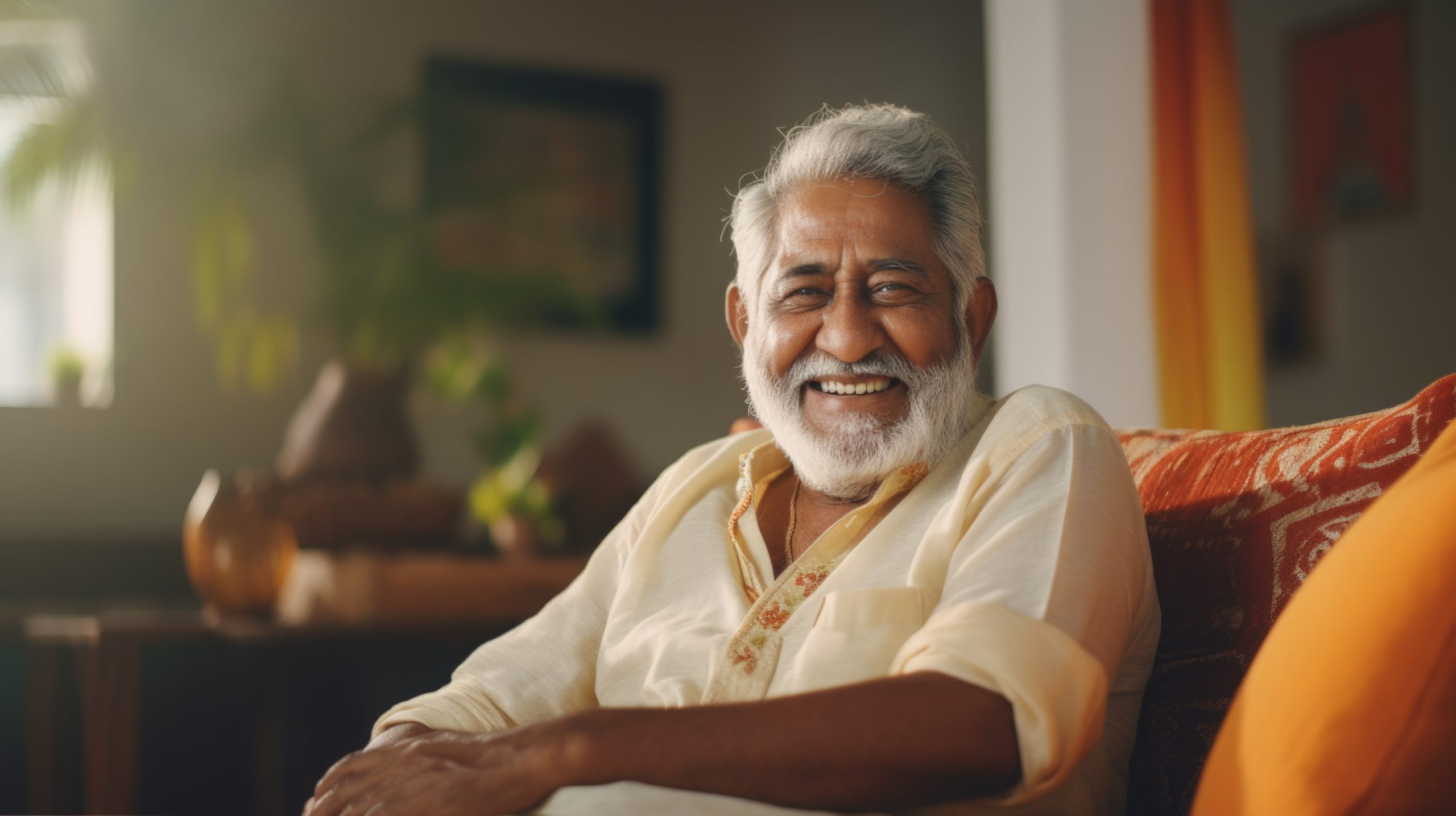
Image by Freepik
We understand what you mean, but we also want you to see the other side of it.
Imagine what it feels like to lose strength, stamina, sharpness, or independence little by little, and still be expected to be calm, reasonable, and low-maintenance.
Imagine being spoken to more slowly, being corrected, being monitored, being told what to eat, when to sleep, how to walk, what not to do.
Even with love, it can feel like your life is shrinking.
Most seniors won’t say all of this directly. But if you listen carefully, this is what they’re really asking for:
- I don’t want to be a burden.
- I don’t want my day to revolve around pills, reports, and restrictions.
- I want energy to do simple things, not just survive the day.
- I want to feel capable, respected, and included.
- I want dignity, not sympathy.
And yes, many of them also want fewer medications, but not recklessly, not rebelliously.This is important.Medicines can be lifesaving. They are often necessary. The goal is different: to create the internal conditions through nutrition, movement, sleep, and emotional regulation where the body gradually stabilises, inflammation reduces, and the doctor can decide if anything can be reduced safely over time.Because the real win is not a perfect report.The real winner is a senior who can walk confidently, sleep peacefully, digest well, feel less pain, think clearly, and enjoy their day without fear.Reflective pause: If you’re reading this for your parents, ask yourself, are we chasing numbers, or quality of life?
The First Shift: Simplicity Is Not Neglect — It’s Intelligence
Here’s something we’ve noticed again and again with seniors. The moment health becomes complicated, it also becomes stressful. Many families think they are helping by tightening control. More rules around food. More warnings. More tracking. More do’s and don’ts. More conversations that begin with “You shouldn’t…” The intention is love, but the outcome is often pressure. Seniors begin to feel watched, corrected, and burdened by their own bodies. And that pressure becomes a constant stress signal.As we age, the body is simply more sensitive to that signal.Stress doesn’t stay in the mind. It moves into physiology. In a stressed state, appetite becomes erratic. Some seniors lose hunger completely, and then families worry they’re not eating enough. Others feel cravings and eat in a way that doesn’t suit them, and then feel guilty. Sleep becomes fragmented, waking up at odd hours, struggling to fall back asleep, or depending on medication more than they want to. Blood sugar becomes less stable, because the stress hormone cortisol makes regulation harder. And inflammation, which is already a factor in most degenerative conditions, stays switched on for longer.This is why we keep coming back to a simple truth: the older the body gets, the less it thrives on chaos.

Image by Freepik
Simplicity means fewer decisions in a day. Familiar meals. Predictable timings. Gentle movement. A stable sleep rhythm. A calmer home environment. Not because seniors are incapable, but because their body does better when life is less noisy. Predictability creates nervous system safety. Safety creates regulation. Regulation creates repair.
And when the body begins to feel safe again, it starts communicating clearly.
A calm body heals better than a controlled one.
In your home, does health feel like support, or does it feel like surveillance?
Nutrition for Seniors: Less Food, Better Plates, Fewer Rules
As we age, appetite often becomes smaller. That is normal. Many seniors worry they are eating less, and families worry they are eating too little. But the goal is not bigger portions. The goal is a more complete plate.If you’re eating less, make sure what you eat has what the body needs.
A senior-friendly plate (simple and complete)
- Vegetables: Plenty, across meals
- Protein (non-negotiable): Vegetarian or non-vegetarian
- Good quality carbohydrates: Based on what suits your digestion and condition
- Healthy fats: From good oils and ghee
Oils, simplified for India
Luke’s advice is to stay away from seed oils and refined oils as much as possible. If you want affordable, practical choices:
- Rice bran oil
- Mustard oil
- Pure ghee (home-made if possible; otherwise good quality)
If you can afford olive oil or cold-pressed oils, great. But don’t let perfect become the enemy of consistency.
The dinner timing rule that changes everything
Try to keep your last meal 3 to 4 hours before bedtime.Early dinners support better sleep, digestion, recovery, and inflammation control.
Salt clarity (important)
If you like pink salt, don’t use only pink salt.A simple mix works better:
- 80% white salt
- 20% pink salt
Please note: If you’ve been told to reduce salt due to BP or heart conditions, follow your doctor’s advice.
Home food is still the biggest protection
Enjoy a meal out once in a while, but for day-to-day health, home-cooked food is your safest foundation. Restaurants often use the wrong oils, salts, and cooking methods, even when the food looks healthy.
A gentle myth-buster: fruit after meals
We openly share that he used to say “no fruit after meals,” but after research and experience, he no longer believes that’s a universal rule. If fruit suits you and doesn’t cause bloating or acidity, it’s fine.Disclaimer: If you have acidity, citrus fruit may not suit you. Always make an informed decision. Meal plans and nutrition changes must be made under the guidance of your doctor. Not overeating is a quiet superpower as we age.
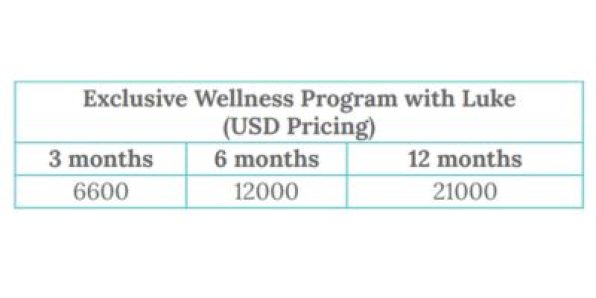
Looking to enhance your health and vitality as you age?
👉 Explore our Wellness Program for personalised lifestyle guidance.
The Overlooked Basics: Tests That Matter More Than Supplements
Before we add another supplement, another powder, another ‘anti-ageing’ pill, we need to ask a simpler question: what is actually missing?This is where senior health gets emotionally complicated, because many seniors don’t avoid tests because they don’t care. They avoid them because they’re afraid.If you’re a senior reading this, ask yourself gently:
- Am I avoiding a test because I feel fine, or because I’m scared of what I might find?
- Is ‘not knowing’ feeling safer than ‘preventing’?
- If something is developing quietly, would I rather know early, when it’s still easy to address?
And if you’re the adult child reading this, you know the other side. You push because you care. They resist. You get anxious. Then the conversation turns into scolding, not support.So here’s a softer question: are you trying to protect your parents, or trying to calm your own fear?Prevention doesn’t need fear to work. It needs clarity.A yearly check-up is not a prediction of illness. It’s simply awareness, so you can act early and gently. Because many symptoms seniors accept as just age are sometimes correctable gaps.
Two basics we don’t want seniors to ignore
- Vitamin D3: Supports bones, muscles, energy, immunity, and mood. If your lab range says 30–100, don’t aim for the bare minimum. A stronger buffer helps you stay out of deficiency.
- Vitamin B12: Essential for brain and nerve health. Low B12 can show up as fatigue, tingling, tremors, balance issues, or memory fog.
Along with this, an annual basic panel (blood sugar markers, lipids, liver and kidney function, and other essentials) helps you stay informed, especially if you’re on medications.If your parent resists tests, try language that reduces threat:
- “Let’s do this so we can relax.”
- “If everything is fine, we’ll celebrate.”
- “If something is off, we’ll handle it early and calmly.”
Before adding anything new, we need to first ask: What’s missing?What you’ll notice is all in the basics. Movement is one of the most important foundations we neglect. The less they move, the quicker everything they do starts to feel more difficult.
Movement Is the Real Medicine; Not Exercise
One of the biggest reasons seniors pull away from health routines is the word exercise. It immediately brings up images of gyms, machines, injury, comparison, and exhaustion. That fear is understandable. But the body was never asking for performance. It was asking for movement.Movement is not about looking fit. It’s about staying capable.Over the years, we’ve noticed this clearly. Seniors who move a little every day, in ways that feel safe and enjoyable, age far better than those who either do nothing or push themselves into an intensity they can’t sustain. The body doesn’t need extremes. It needs signals.As we age, there are five non-negotiable movement needs:
- Mobility – Tthe ability to move joints freely so everyday actions don’t feel stiff or painful.
- Flexibility – Keeping muscles supple so the body doesn’t feel locked or restricted.
- Strength – Not muscle for appearance, but muscle for power, stability, and protection.
- Balance – Crucial for preventing falls and keeping the brain-body connection sharp.
- Cardiovascular health – To support heart health, circulation, stamina, and mood.
This doesn’t require a gym membership.Walking is one of the most underrated medicines we have. It’s a weight-bearing exercise that gently challenges muscles, supports bone health, improves blood sugar control, aids digestion, and lifts mood. You can increase duration slowly, walk uphill if it feels safe, or simply walk more often.Light resistance training using bands or very light weights helps maintain muscle and joint stability. Yoga and pPilates improve mobility, flexibility, balance, and breath awareness. Swimming is a low-risk option for those with joint pain. Even simple balance drills, like standing on one leg while holding onto support, strengthen both the body and the brain.
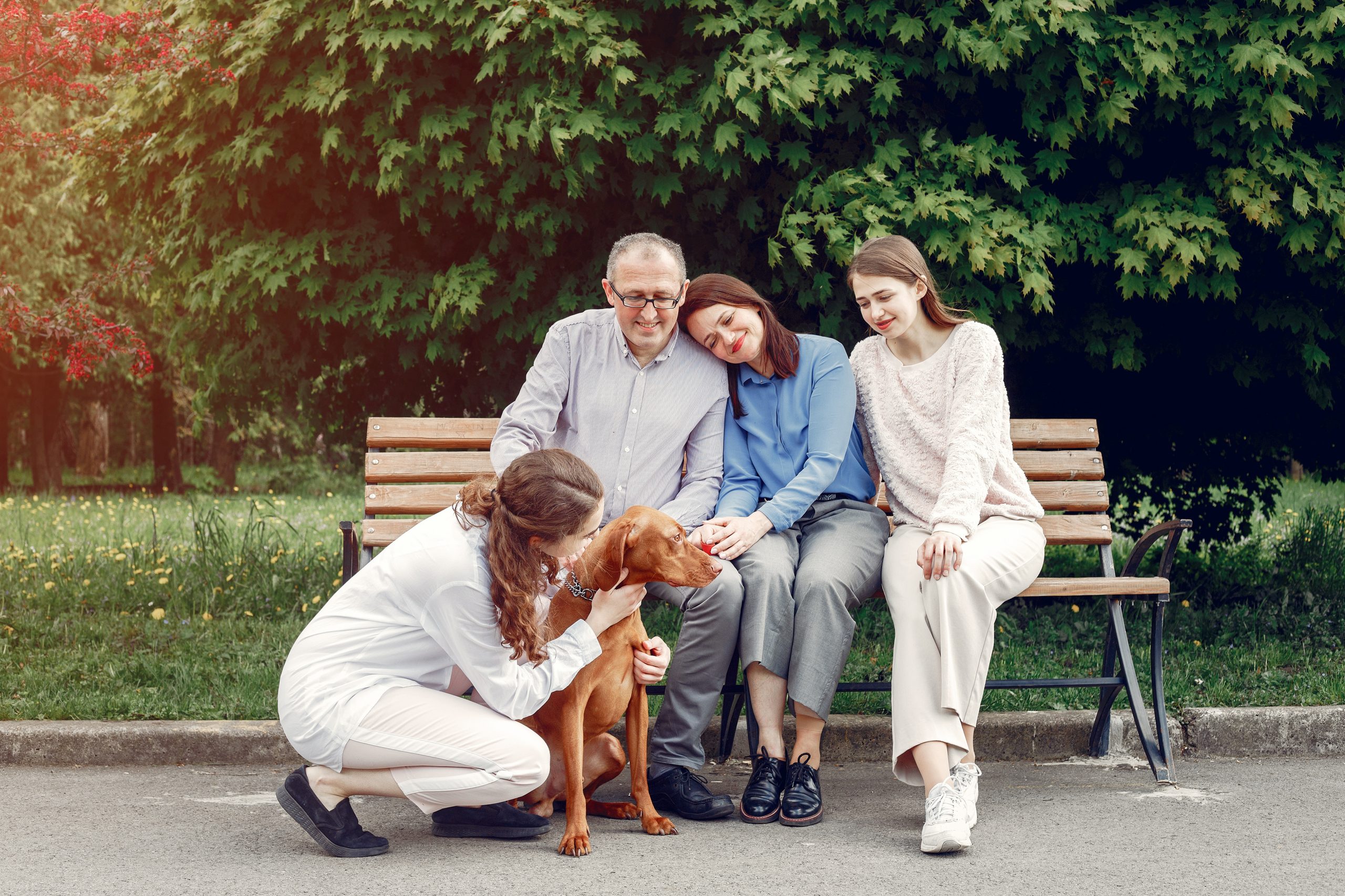
Image by Freepik
What matters most is safety, enjoyment, and consistency.
If movement feels like punishment, it won’t last. If it feels supportive, it becomes part of life.
The goal is not intensity. The goal is independence.
Movement improves circulation, mood, digestion, and even blood sugar. But one of its biggest hidden benefits is this: it helps the nervous system relax, and when the nervous system relaxes, sleep begins to improve.
Sleep After Your 60s: Quality Over Hours
Sleep is one of the biggest sources of anxiety we see in seniors. Many people lie awake not just because they’re not sleeping, but because they’re worrying about not sleeping enough. That stress alone is enough to fragment sleep further.Here’s something reassuring that often brings relief: As we age, it’s normal for total sleep hours to reduce. Some people feel well-rested with five or six hours of sleep. Others need a little more. What matters far more than the number is how you feel when you wake up.Ask yourself a simpler question: Do I feel reasonably rested and ready to begin the day?Consistency matters more than duration. Going to bed and waking up around the same time helps stabilise your circadian rhythm. Waking up earlier is not a problem if the sleep you’re getting is deep and restorative. In fact, many seniors naturally shift toward earlier sleep and earlier wake times.A few small changes make a big difference:
- Earlier meals, ideally dinner wrapped-up three to four hours before bedtime, reduce nighttime acidity and inflammation. (We spoke about this in detail earlier). Supplementing that with a gentle walk 15 minutes after meals can aid smooth digestion.
- A calming pre-bed ritual signals safety to the nervous system. This could be prayer, gratitude, gentle stretching, soft music, or simply sitting quietly.
- Reducing stimulation in the hour before bed allows the mind to slow down naturally.
If you’re on sleep medication, this is not about stopping abruptly. Never do that. But it is worth speaking to your doctor or a qualified professional about gradually exploring natural pathways that support sleep, so the body can relearn its rhythm.Sleep is when repair happens. Inflammation settles. Immunity strengthens. Tissues and skin regenerate. The mind resets.Good sleep is not longer sleep. It’s deeper sleep.
Emotional Wellness: The Most Underrated Pillar of Aging Well
By the time we reach this stage of life, most seniors are doing something for food, movement, and sleep. But there is one pillar that is almost always underestimated, ignored, or misunderstood: emotional wellness and mental health.
The Silent Driver Most Families Miss: Stress
In over a decade of working with seniors and their families, we’ve seen this repeatedly: stress is often the loudest, quietest driver of decline.After sleep patterns change and the body slows down, the mind begins to carry a different weight. You may see it appearing as:Stress in seniors doesn’t always look like worry. It often shows up as:
- Irritability over small things
- Withdrawal and silence
- Resistance to advice or routines
- A constant sense of tiredness that doesn’t match activity
Aging is not just about physical changes. It is a phase of deep emotional transitions. Letting go of control, accepting uncertainty, and coming to terms with a world that moves faster than the body does.Many seniors are not anxious in the way younger people are. Their stress is quieter. It shows up as irritability, withdrawal, resistance, or fatigue. It shows up as ‘leave me alone’ when what they often mean is, “I don’t want to slow anyone down.”
Loneliness Is Not ‘Just a Feeling.’ It’s a Health Risk.
Globally, studies suggest that nearly 1 in 3 older adults experience loneliness, and chronic loneliness has been shown to increase the risk of heart disease, depression, cognitive decline, and even early mortality. Loneliness is not just an emotion. It is a biological stressor.This is where families often misunderstand what is really happening.
Why Seniors Push People Away (And What It Really Means)
Adult children sometimes assume their parents want to be left alone because they seem cranky, dismissive, or uninterested. In reality, many seniors feel that:
- “My best days are behind me.”
- “I slow everyone down.”
- “No one understands my world anymore.”
- “Time has moved ahead and I can’t keep up.”
That emotional posture can make them push people away. Not because they want distance, but because they don’t know how to ask for closeness without feeling needy. It’s self-preservation.This is why inclusion matters more than entertainment.
What Families Can Do Without Forcing Anything
You don’t need to keep them busy or force conversations. Let them be part of things. Sit together. Let them listen. Let them watch the chaos of family life unfold. Even a quiet presence sends a powerful signal to the nervous system: I belong.Children spending time with grandparents is especially powerful. Talk to them about new things, even if they don’t fully grasp everything. Simple ways:
- Ask them to share stories from “when you were young”
- Let children show them new things from their generation
- Encourage small conversations, no agenda
And remember: when you were a child and didn’t know anything, they were patient. They explained. They answered your little questions. They introduced life to you. That exchange still matters, just in a different form now.

Image by Freepik
Spirituality as Support, Not Dogma
Spirituality often becomes more important in this phase of life, not as dogma, but as support. Faith, prayer, reflection, or simply trust in something larger helps many seniors loosen the exhausting grip of control. It acts not as a rulebook or tradition, but as a crutch for:
- Acceptance
- Surrender
- Courage
- Trusting the process
A quiet truth we’ve learned over the years is this:Many seniors don’t need fixing. They need relief.Relief from pressure. Relief from noise. Relief from feeling invisible. When emotional load reduces, the body often follows: with better appetite, better sleep, better movement, and better resilience.
Happiness Is a Biological Advantage
Happiness is not denial. Seniors still have problems. But choosing happiness and laughter where possible helps the body regulate better.Why? Because it can:
- Reduce stress chemistry
- Support immunity
- Improve sleep quality
- Lower inflammation over time
Aging well is not about holding on harder. Sometimes, it’s about being held; by people, by purpose, and by peace.ti
Three Traits I See in the Longest-Living, Healthiest Seniors
1. They Choose Happiness Despite Problems
This doesn’t mean their lives are perfect. Many have health conditions, aches, limitations, or loss.But they don’t wake up hunting for what’s wrong. They look for what’s still good.They find joy in small things:
- A comforting cup of tea
- Basking in sunlight in the balcony
- A loved one’s phone call
- Taking a short walk
- A thoughtful prayer
- Sitting with family, even quietly
That emotional tone matters biologically. A calmer, happier nervous system supports sleep, immunity, digestion, and inflammation control. Happiness is not fluff. It is physiology.
2. They Live Simply
They don’t chase trends. They don’t live in constant fear of food or reports.They repeat what works:
- home-cooked meals
- daily movement
- consistent sleep timing
- fewer rules, more rhythm
They conserve mental energy. They reduce noise. They choose consistency over complication.That simplicity is not ignorance. It’s wisdom.
3. They Wake Up With Purpose
Purpose doesn’t have to be grand at this stage of life. It can be quietly meaningful:
- Tending to plants or a garden
- Morning rituals
- Reading, prayer, or reflection
- Cooking for family
- Meeting with friends
- Helping someone in a small way
- A routine that gives the day structure
Purpose answers a powerful subconscious question: Why should I wake up today?And when the mind has a reason, the body follows with more resilience.And when they feel emotionally low, the seniors who thrive don’t isolate themselves in silence. They seek support. They talk to someone. They lean into faith. They build connections. They don’t wait to hit rock bottom.Aging well isn’t about fighting time. It’s about strengthening foundations, protecting peace, and living in a way that your body can keep responding to, year after year.
Final Word:
A good life as we age is not built on extremes or constant correction. It’s built on simple choices, repeated calmly. Eating a little less but eating well. Moving the body every day without fear. Sleeping enough to feel rested. Staying connected — to people, to purpose, to faith. When these basics are in place, the body does not resist aging. It adapts to it. And that, more than anything else, is what allows seniors to live with strength, clarity, and peace.
If this resonates with you, for yourself or for someone you love, start with one simple step.
Focus on the foundations that truly support energy, independence, and peace of mind.
When you’re ready, our team is here to guide you gently, without overwhelm or pressure.
Start your journey with our Wellness Program, built on Foundational Medicine and nervous system balance.
For personalised support, book a one-on-one consultation with Team Luke to create a plan that respects your reality, your energy, and your healing pace.
📞 Call us at 1800 102 0253
📧 Or write to us at [email protected]
We help you find a way.
Disclaimer
This article is for educational and awareness purposes only and is not a substitute for medical advice. Do not stop, start, or change any medication without consulting your doctor. Every individual’s health needs are unique, especially with age, and any lifestyle changes should be made under appropriate professional guidance.