No products in the cart.
How many steps did you walk today?
Five thousand? Eight thousand? Maybe more?
Before you check your app, have you actually looked at your feet today?
Not while rushing into your shoes. Not during a quick shower. I mean truly looking at them.
How do they look?
What color are your soles?
Is the skin smooth, dry, thickened in certain areas?
Do they feel warm, cold, numb, heavy?
We’ve all heard that the tongue can reveal deficiencies. Those nails can hint at anemia or nutrient imbalance. But very few people realize that your feet can be just as revealing, sometimes even more.
Your feet, also called ‘second heart’, are not passive structures. They are dynamic extensions of your vascular, neurological, and metabolic systems. Because they sit at the farthest point from the heart, they often register internal stress earlier than central organs do.
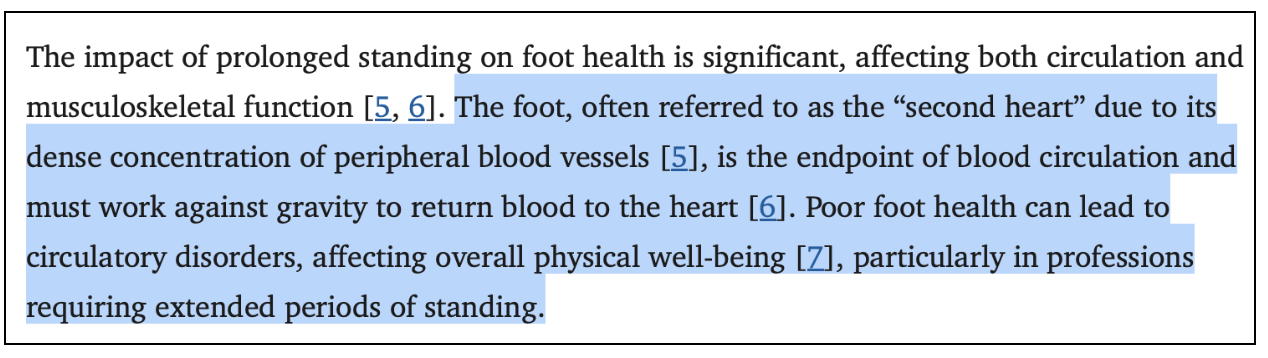
Source: Kim, N. G., & Park, H. R. (2025). Foot health status and associated characteristics of nursing students: a cross-sectional study. BMC nursing, 24(1), 742. https://doi.org/10.1186/s12912-025-03327-y
Imagine a city.
If there is traffic congestion, the outer roads jam first.
If there is a power failure, the furthest neighborhoods go dark first.
If there is a water shortage, the highest taps run dry first.
Your feet are that outer neighborhood.
When circulation weakens, they feel it first.
When nerve signaling falters, they show it first.
When inflammation rises, they react first.
The smallest blood vessels, your capillaries, supply oxygen and nutrients to the most distant tissues first. When endothelial function begins to decline, when circulation is impaired, when metabolic stress accumulates, those outermost tissues show changes before major symptoms arise.
Similarly, the longest nerves in the human body extend from the spinal cord to the toes. In metabolic conditions such as diabetes, nerve fiber damage follows what neurologists call a ‘length-dependent pattern.’ That means the toes and soles experience sensory changes before the hands or upper limbs.
Foot health and overall health are deeply interconnected.
When Medicine Began Looking Down
This awareness around foot health and overall health is not a new-age wellness concept. It is rooted in centuries of clinical observation and later confirmed by modern science.
Long before advanced imaging and laboratory diagnostics, physicians relied on what they could see, touch, and observe. The feet, being visible and physiologically distant from the heart, often revealed subtle systemic disturbances.
In ancient Greek medicine, practitioners like Hippocrates emphasized external examination as a primary diagnostic tool. Peripheral changes, like temperature, color, swelling, were carefully noted. In traditional Chinese medicine, classical texts described patterns of organ imbalance reflected in distal extremities. Ayurveda similarly recognized that systemic imbalances could manifest in peripheral tissues, integrating foot observation into broader clinical assessment.
Of course, ancient systems did not have the vocabulary of microvascular dysfunction or neuropathy. But they observed patterns. And observation, when repeated over generations, becomes clinical wisdom.
The scientific validation began much later.
In the 19th century, as pathology advanced, physicians began correlating peripheral tissue changes with internal disease. By the early 20th century, clinicians managing diabetes documented trophic changes in the feet, altered skin texture, ulcerations, diminished sensation. They were linked to metabolic dysregulation.
A pivotal shift occurred in the mid-1900s with advances in endocrinology and neurology:
- Studies began documenting length-dependent peripheral neuropathy, where the longest nerve fibers, those reaching the toes, were affected first.
- Research demonstrated that chronic hyperglycemia damages small nerve fibers through oxidative stress and microvascular compromise.
- Vascular studies identified reduced peripheral perfusion in patients with early atherosclerotic changes.
Landmark epidemiological data from studies such as the Framingham Heart Study helped establish peripheral arterial disease as a manifestation of systemic atherosclerosis. Clinicians observed that poor circulation symptoms in feet often preceded major cardiovascular events.
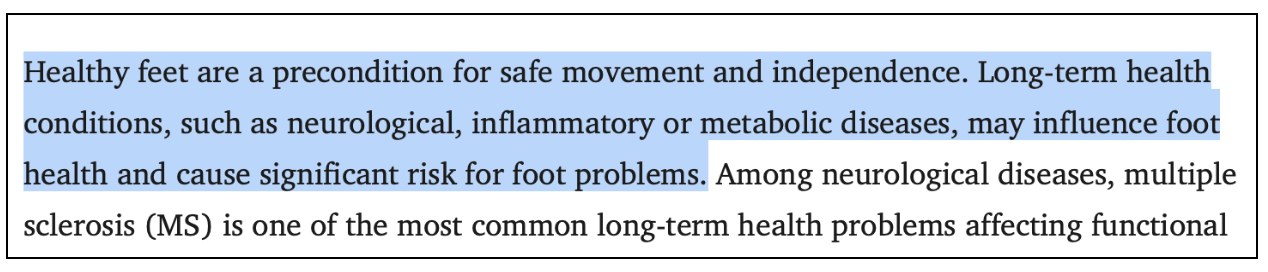
Source: Stolt, M., Eränen, M., Katajisto, J., & Rosio, R. (2025). Foot Health and Lower Extremity Function in People With Multiple Sclerosis: A Cross-Sectional Survey Study. Journal of foot and ankle research, 18(3), e70086. https://doi.org/10.1002/jfa2.70086
What Your Feet Say About Your Health
A. Color Changes in the Soles
Take a moment and really look at the soles of your feet. Observe them as you would examine a health report.
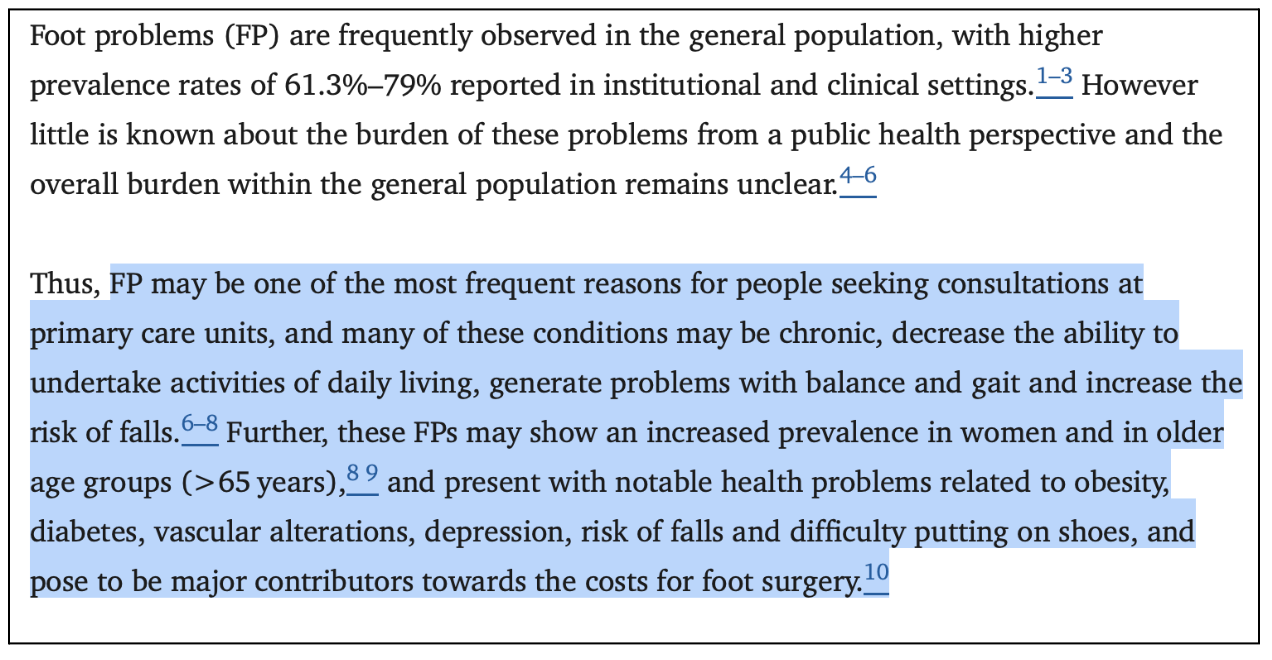
Source: López-López, D., Becerro-de-Bengoa-Vallejo, R., Losa-Iglesias, M. E., Palomo-López, P., Rodríguez-Sanz, D., Brandariz-Pereira, J. M., & Calvo-Lobo, C. (2018). Evaluation of foot health related quality of life in individuals with foot problems by gender: a cross-sectional comparative analysis study. BMJ open, 8(10), e023980. https://doi.org/10.1136/bmjopen-2018-023980
In most individuals, healthy soles range from pinkish to light brown, depending on natural skin tone and melanin levels. That pink undertone reflects adequate perfusion, oxygen delivery, and healthy capillary refill.
Bluish or Pale Soles
A bluish tinge (cyanosis) or persistent pallor can indicate reduced oxygenation or compromised blood flow.
When you notice persistent paleness or bluish discoloration, you are potentially observing poor circulation symptoms in feet, an early peripheral marker of systemic vascular stress.
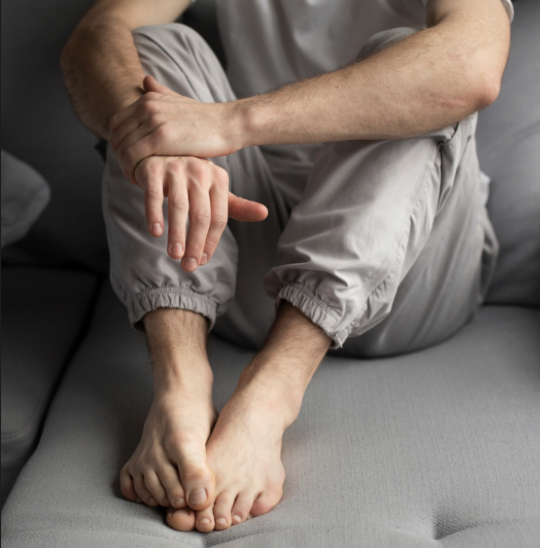
Image Credits: Freepik
Reddish or Darkened Soles in Diabetes
In individuals with metabolic dysregulation, particularly diabetes, sole color may deepen or appear unusually flushed. This can present as redness, patchy darkening, or uneven pigmentation. In some cases, autonomic neuropathy contributes to abnormal vascular tone, further affecting skin appearance. These are clinically recognized signs of diabetes in feet and form part of early microvascular assessment protocols.
Yellowish Tone
A yellowish hue to the soles may have multiple explanations. In metabolic medicine, mild carotenemia, often due to excessive beta-carotene intake, can produce yellow discoloration without systemic harm. However, when accompanied by scleral yellowing or systemic symptoms, hepatic involvement must be considered.
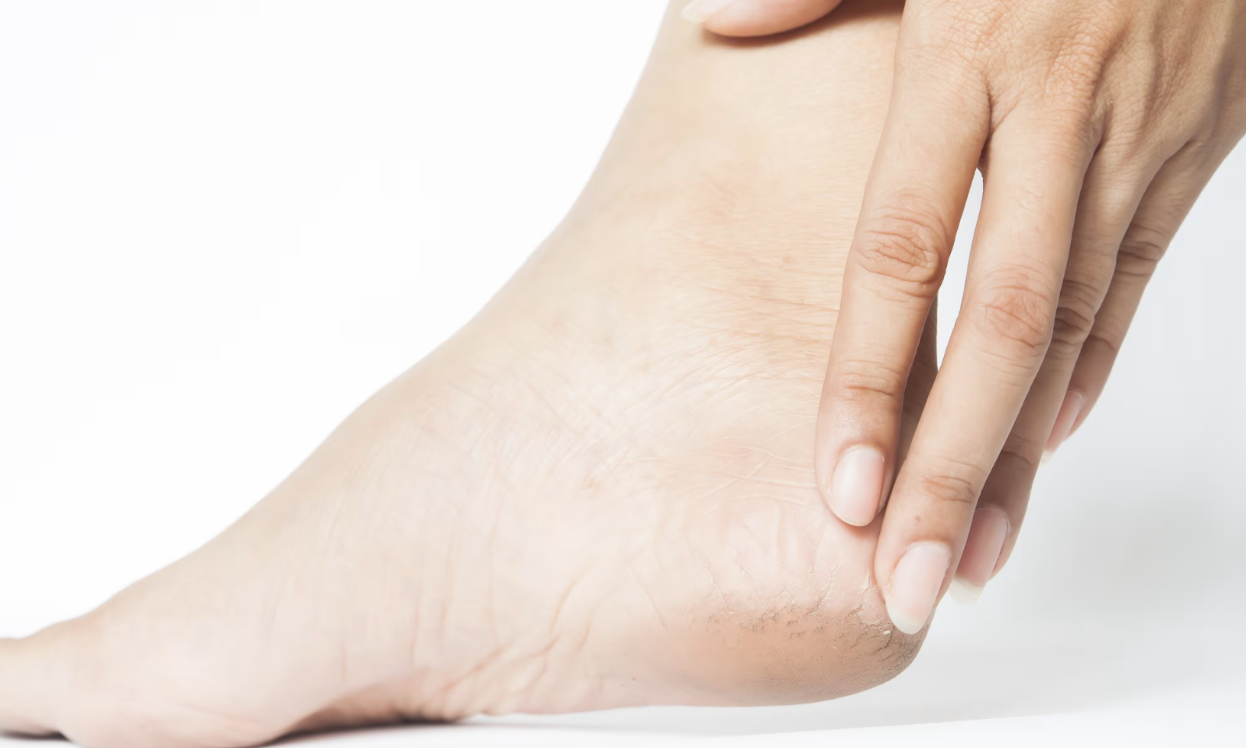
Image Credits: Freepik
Liver dysfunction alters bilirubin metabolism, and while jaundice classically presents in the sclera first, peripheral skin changes may follow. Additionally, advanced glycation end products (AGEs), formed in chronic hyperglycemia, can contribute to subtle yellowing due to protein cross-linking within dermal tissue.
Textural and Structural Changes in Diabetes
Beyond color, individuals with long-standing diabetes may notice soles that appear:
- Shiny
- Thinner
- Discolored
The mechanism here is well documented in endocrinology research.
Chronic hyperglycemia promotes non-enzymatic glycation of collagen. This process alters dermal elasticity and structural integrity. Simultaneously, microvascular damage reduces nutrient delivery to the skin, impairing regeneration.

Source: Song K, Chambers AR. Diabetic Foot Care. [Updated 2025 Sep 15]. In: StatPearls [Internet]. Treasure Island (FL): StatPearls Publishing; 2025 Jan-. Available from: https://www.ncbi.nlm.nih.gov/books/NBK553110/
B. Calluses: Not Just Friction
Most people look at a callus and think, “It’s just hard skin.”
But the body rarely creates excess tissue without a reason.
A callus is a protective response. It forms when the skin experiences repeated mechanical stress. The outer layer thickens to shield underlying structures from pressure and shear forces.
The question is, why is that stress occurring in the first place?
Persistent or thick calluses often signal biomechanical or systemic patterns:
- Altered gait mechanics – Subtle changes in the way you walk, distribute weight, or absorb impact can concentrate pressure in specific areas of the foot. Over time, the skin responds by thickening.
- Pressure imbalance – The foot is designed to distribute load dynamically across the heel, midfoot, and forefoot. When arch stability weakens or joint mobility is restricted, certain points bear disproportionate stress. Repeated localized loading stimulates hyperkeratosis, the medical term for callus formation.
- Poor footwear support – Shoes that compress toes, lack arch stability, or alter natural alignment increase focal pressure. Inappropriate footwear significantly elevates peak plantar pressure, especially under the metatarsal heads.
C. Cold Feet and Circulation
Do your feet feel cold even when the room isn’t?
Not occasionally. Not after stepping on tiles. But persistently.
Temperature is one of the most sensitive indicators of peripheral blood flow. When circulation is optimal, warm arterial blood reaches the extremities efficiently, maintaining tissue temperature. When blood flow is compromised, the body prioritizes vital organs. The extremities cool first.
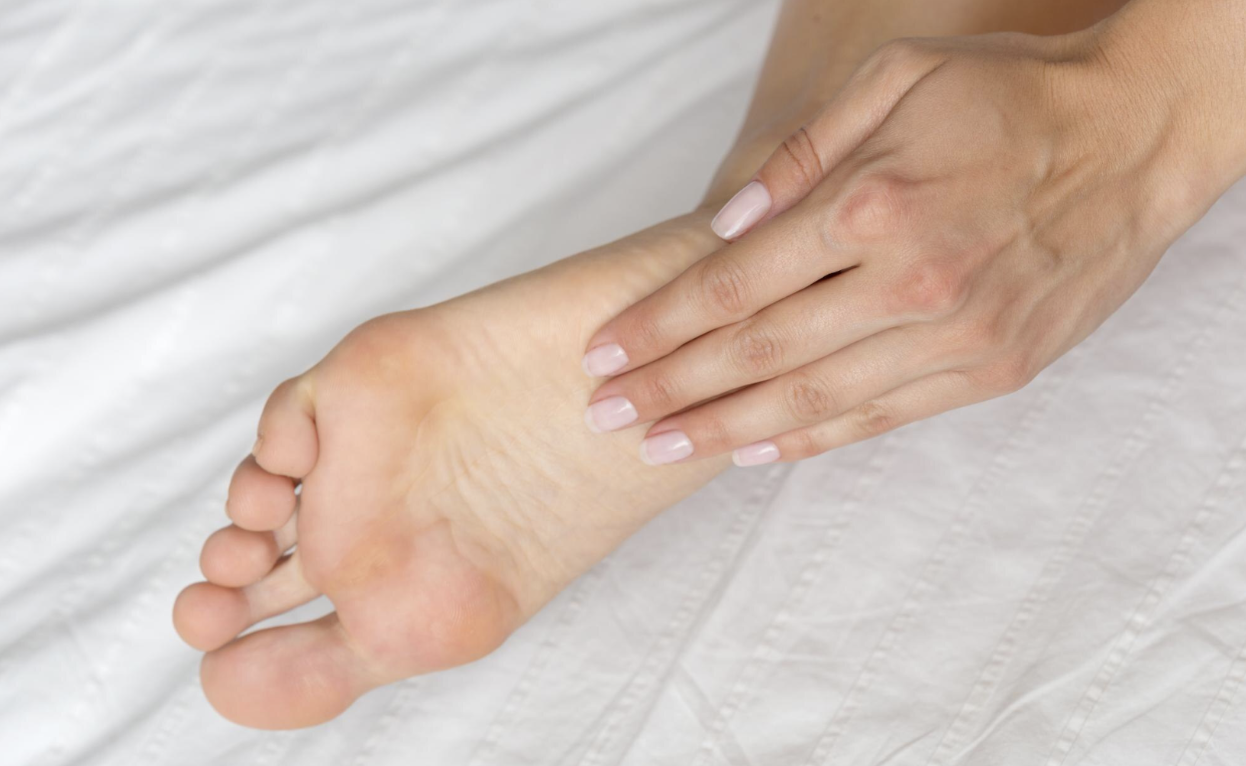
Image Credits: Freepik
This is basic physiology. Constantly cold feet may reflect underlying vascular or systemic shifts such as:
- Peripheral arterial disease (PAD) – Atherosclerotic narrowing of arteries reduces blood supply to the lower limbs. PAD often presents initially with distal cooling, delayed capillary refill, and reduced pulse strength before severe pain develops. These are classic poor circulation symptoms in feet.
- Hypothyroidism – Thyroid hormones regulate basal metabolic rate and thermogenesis. Reduced thyroid function slows metabolic heat production and can impair peripheral perfusion.
- Reduced cardiac output – When the heart’s pumping efficiency declines, peripheral tissues receive less perfusion. The body conserves core temperature by limiting blood flow to the extremities.
- Autonomic dysfunction – The autonomic nervous system controls vasoconstriction and vasodilation. When dysregulated, blood vessel tone may not adjust appropriately, leading to persistent coldness even without structural blockage.
D. Tingling, Numbness, or Burning
A mild tingling at night.
A subtle ‘pins and needles’ sensation.
A faint burning that comes and goes.
Many people ignore these sensations.
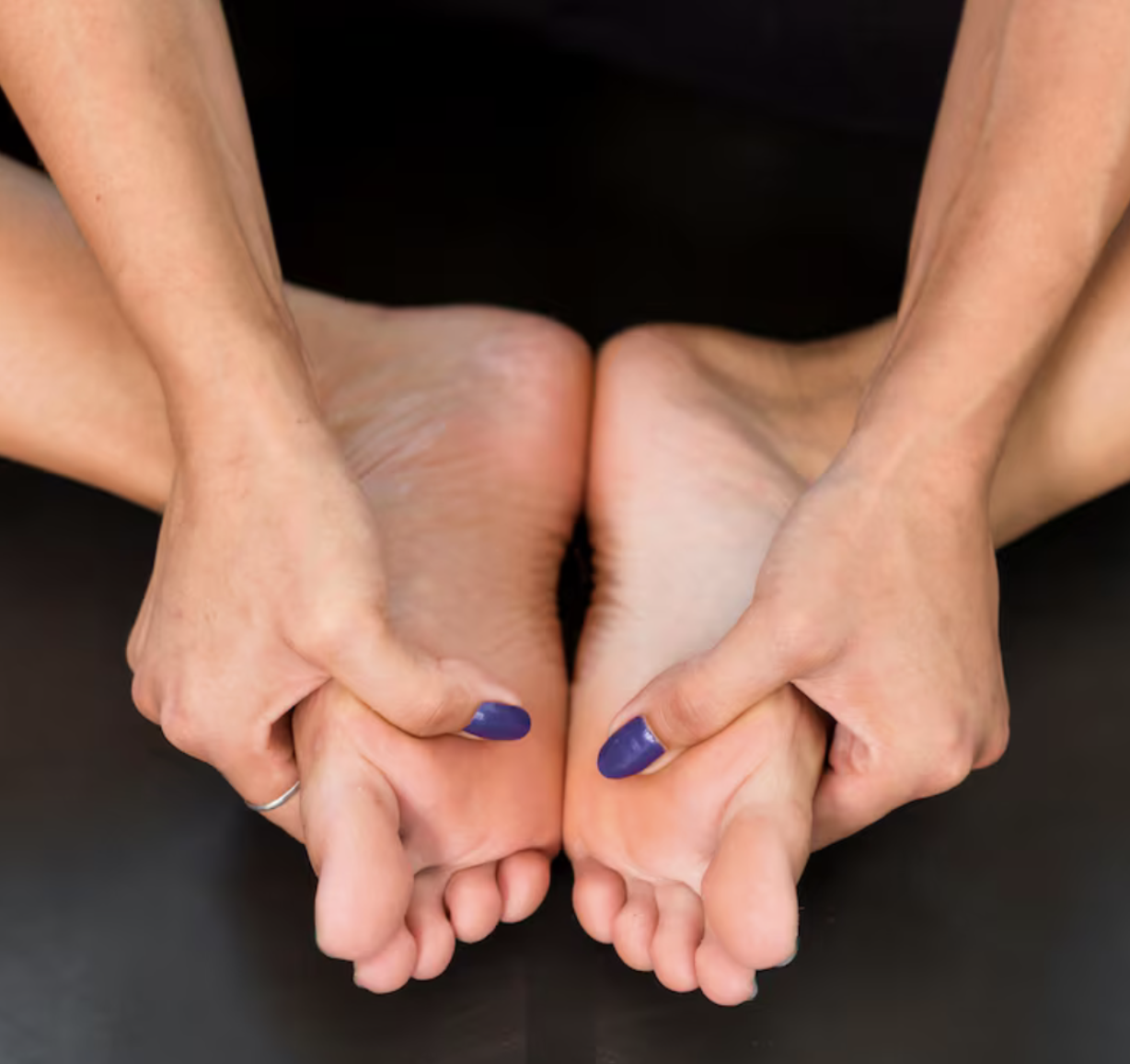
Image Credits: Freepik
But these sensations may signal:
- Peripheral neuropathy – Frequently associated with diabetes, but also seen in metabolic syndrome, chronic alcohol use, and certain autoimmune conditions..
- Vitamin B12 deficiency – Essential for myelin sheath integrity and nerve conduction. Deficiency disrupts neuronal signaling and can present initially as distal paresthesia.
- Chronic inflammation – Systemic inflammatory markers influence nerve function and microvascular supply. Persistent low-grade inflammation can impair nerve fiber repair.
- Long-standing blood sugar imbalance – Even before diabetes is diagnosed, glycemic variability contributes to oxidative stress and microvascular injury affecting nerve tissue.
Patients may report mild tingling or temperature sensitivity while routine blood tests still appear ‘normal. These are early nerve damage symptoms in feet.
E. Nail Changes
Nails are frequently discussed in wellness conversations. But they should never be assessed in isolation.
Toenails, like the surrounding skin, reflect systemic health because they depend on adequate blood supply, nutrient delivery, and immune balance. Consider the following patterns:
- Brittle nails – May indicate micronutrient deficiencies, particularly iron, biotin, or protein insufficiency. Nail matrix cells require consistent nutrient availability for keratin production.
- Thickened nails – Often associated with fungal infection, but chronic immune dysregulation or impaired circulation can predispose individuals to recurrent nail pathology. Vascular insufficiency reduces immune cell access to distal tissues.
- Pale nail beds – Can suggest anemia. Reduced hemoglobin levels decrease oxygen delivery, altering the pink tone typically seen beneath healthy nails.
A pale nail with warm, well-perfused skin tells a different story than pale nails combined with cold extremities and delayed capillary refill. Thickened nails with intact sensation differ from thickened nails accompanied by numbness.
Why Blood Tests May Lag Behind
We place enormous trust in blood reports.
Fasting glucose.
HbA1c (Hemoglobin A1c).
Lipid panels.
Inflammatory markers.
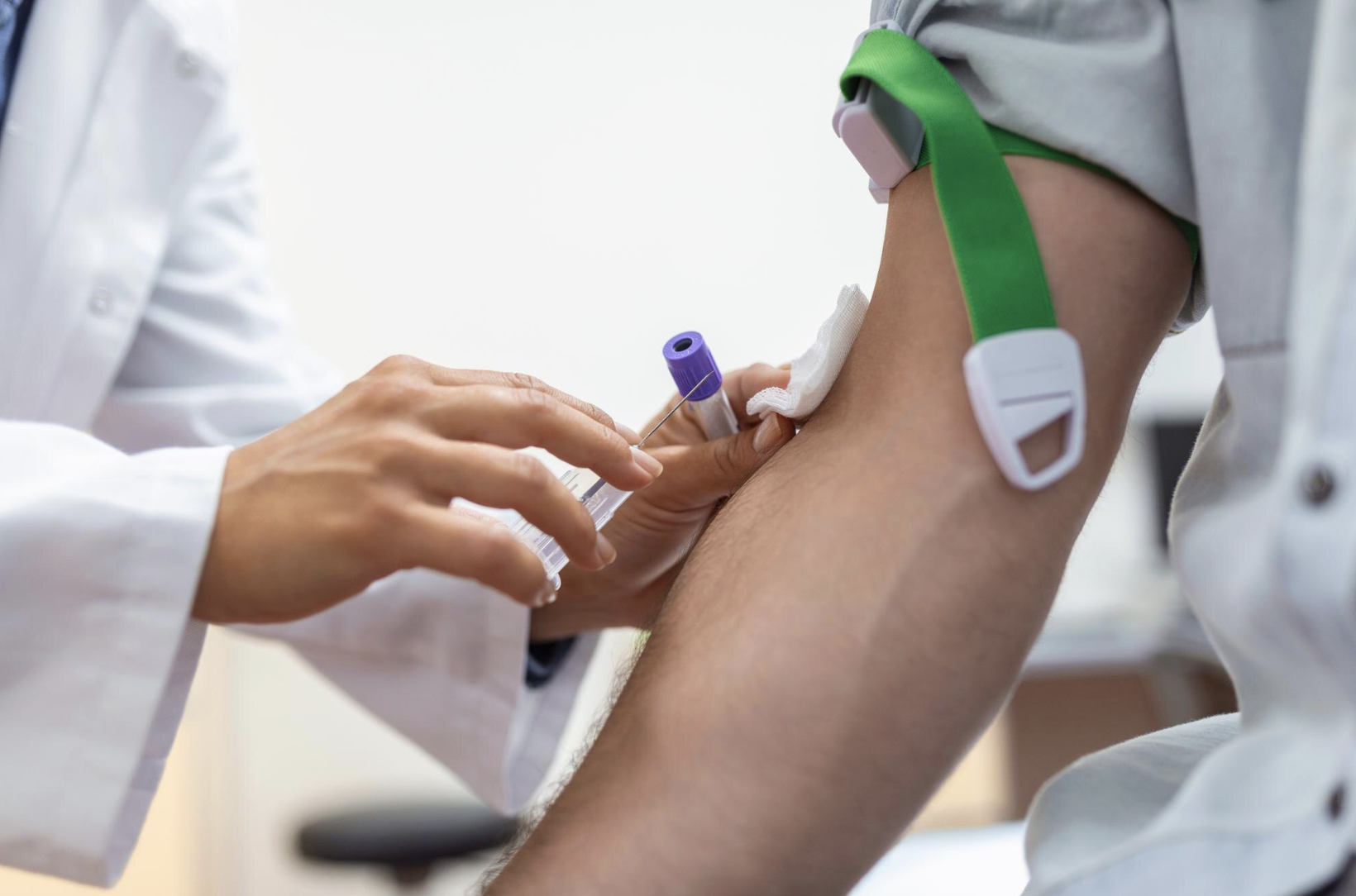
Image Credits: Freepik
They are important. They are valuable. But they are not always early.
Blood tests measure concentration in circulation at a specific moment in time. They reflect what is detectable in plasma. They do not directly measure what is happening inside tissues. And disease, especially metabolic disease, often begins at the tissue level.
Take diabetes as an example.
Long before fasting glucose crosses the diagnostic threshold, subtle metabolic disturbances may already be affecting endothelial cells lining the smallest blood vessels. Microvascular dysfunction can precede overt hyperglycemia. Oxidative stress, low-grade inflammation, and impaired nitric oxide signaling may begin.
This early microvascular damage does not occur uniformly. It affects the most delicate capillary networks first:
• The retina
• The renal glomeruli
• The peripheral nerves and capillaries in the feet
By the time fasting glucose rises consistently, tissue stress may already have been present for a prolonged period. Similarly, in neuropathy, nerve fiber damage can start before laboratory markers appear abnormal.
Build Health from the Ground Up
True preventive health begins with consistent and small daily habits that strengthen your foundations. Build your foundations through:
A. Daily Foot Check
Two minutes. That’s all it takes. Look for:
- Color – Is it even? Has it changed?
- Cracks or dryness – Are there new fissures forming?
- Calluses – Are they thickening or appearing in new areas?
- Temperature – Do both feet feel similar?
- Sensation – Can you clearly feel light touch across the sole?
B. Improve Circulation
Circulation thrives on movement. Stagnation weakens it. Support healthy blood flow through:
- Daily walking – Regular walking improves endothelial function and peripheral perfusion.
- Ankle mobility drills – Gentle dorsiflexion (pulling your toes upward toward your shin) and plantarflexion (pointing your toes downward away from your leg) help maintain smooth joint movement and improve local blood circulation in the feet and lower legs.
- Calf raises – Simple, repetitive contractions stimulate venous return.
- Avoid prolonged sitting – Even standing or short movement breaks every hour can improve lower limb blood flow.
Movement is not just exercise. It is circulation medicine.
C. Metabolic Balance
Microvascular integrity depends heavily on metabolic stability. Support balance through:
- Balanced meals – Combine fiber (vegetables, whole grains), protein (lentils, eggs, dairy, pulses), and healthy fats (nuts, seeds, cold-pressed oils) to moderate glucose response. This steadier rise in blood sugar reduces stress on capillaries and nerves.
Prioritize key micronutrients for nerve and vascular health:
- Vitamin B12 – Essential for nerve insulation (myelin sheath). Low levels may contribute to numbness or tingling in the feet.
- Vitamin B6 and B1 (Thiamine) – Support nerve signaling and glucose metabolism.
- Folate (Vitamin B9) – Important for vascular repair and red blood cell formation.
- Vitamin D – Plays a role in immune balance and inflammation control.
- Magnesium – Supports nerve transmission and blood vessel relaxation.
- Iron – Essential for oxygen transport to tissues.
- Whole foods over ultra-processed foods – Reduce exposure to refined carbohydrates, trans fats, and inflammatory additives that strain metabolic pathways and microcirculation.
- Consistent meal timing – Stabilizing energy intake supports hormonal rhythm and insulin sensitivity. Erratic eating patterns can disturb glucose balance, increasing long-term vascular stress.
Microvascular health is not protected by medication alone. It is shaped daily by what you eat. When metabolic balance improves, the capillaries in the feet receive steadier oxygen and nutrient delivery.
D. Hydration
Dry, cracked heels are often treated topically. Creams are applied. Scrubs are used. But skin hydration begins internally.

Image Credits: Freepik
Chronic dehydration reduces skin elasticity and impairs barrier function. Additionally, insufficient intake of essential fatty acids can affect lipid composition in the skin, compromising integrity.
If you notice persistent dryness, ask:
Follow These Steps for Better Hydration
- Start your day with water – Drink 1–2 glasses of room-temperature water within 20–30 minutes of waking up to replenish overnight fluid loss.
- Follow a rhythm, not random sips – Aim for steady intake through the day instead of large amounts at once. A simple guide: a glass every 1.5–2 hours, adjusted for climate and activity level.
- Eat your hydration – Include water-rich foods like cucumber, ash gourd, oranges, watermelon, and tender coconut water. Hydration is not only what you drink, it is also what you eat.
- Add omega-3 sources daily – Include flaxseeds (1 tablespoon powdered), chia seeds, walnuts, or fatty fish (like salmon or sardines) to support the skin’s lipid barrier.
- Balance caffeine intake – If you consume tea or coffee, pair each cup with an extra glass of water to maintain fluid balance.
- Observe urine color – Pale straw-colored urine generally indicates adequate hydration. Dark yellow may suggest you need more fluids.
- Moisturize after bathing – While hydration begins internally, applying a natural moisturizer on slightly damp skin helps lock in surface moisture.
Hydrate internally before relying solely on external moisturizers. When systemic hydration improves, peripheral tissues reflect it.
E. Footwear as Structural Medicine
Shoes are not merely fashion statements. They are structural tools.
Biomechanical studies in podiatry demonstrate that improper footwear increases peak plantar pressure, alters gait mechanics, and contributes to callus formation and joint strain.
Source: Frecklington, M., Dalbeth, N., McNair, P., Vandal, A., Gow, P., & Rome, K. (2021). Effects of worn and new footwear on plantar pressure in people with gout. BMC musculoskeletal disorders, 22(1), 475. https://doi.org/10.1186/s12891-021-04370-x
Appropriate footwear should provide:
- Even pressure distribution
- Adequate arch support
- Sufficient toe space
- Shock absorption
When pressure is balanced, tissue stress decreases. This reduces callus formation, lowers inflammatory load in joints, and supports long-term structural health.
Foundations matter.
Listen to the Foundation Before It Cracks
Your feet carry you through deadlines, responsibilities, workouts, stress, long commutes, and long days. They absorb mechanical load. They adapt to pressure shifts. They compensate for imbalances higher up the chain. They adjust to weight changes, posture habits, and metabolic stress.
Human physiology is remarkably forgiving. Tissues adapt. Nerves compensate. Blood vessels reroute. Connective tissue thickens to protect. The body buys time for you.
But adaptation is not infinite.
Because the foundation you stand on every single day is not just structural. It is physiological.
And when you protect the foundation, you protect the whole.
Disclaimer: This blog is intended for educational and informational purposes only. It is designed to increase awareness about foot health and overall health, including how certain changes in the feet may reflect broader physiological patterns. The information shared here does not replace professional medical advice, diagnosis, or treatment. It should not be used to self-diagnose conditions such as diabetes, peripheral arterial disease, neuropathy, thyroid disorders, or any other medical concern. If you notice persistent changes in color, temperature, sensation, skin integrity, nail structure, or experience symptoms such as pain, numbness, non-healing wounds, or swelling, please consult a qualified healthcare professional for proper evaluation.
Seeking root-cause–oriented support for your health concerns?
Our team focuses on building strong foundations that support long-term wellbeing.
You can schedule a personalized one-on-one session with our foundational experts or explore our Wellness Programs designed to help you align your daily habits with your health goals.
Call us at 1800 102 0253 or email [email protected] to begin your journey.