No products in the cart.
As parents, the questions around what our children eat never seem to stop, and rightly so. What a child is fed today quietly shapes their immunity, growth, focus, mood, and relationship with food for decades to come.
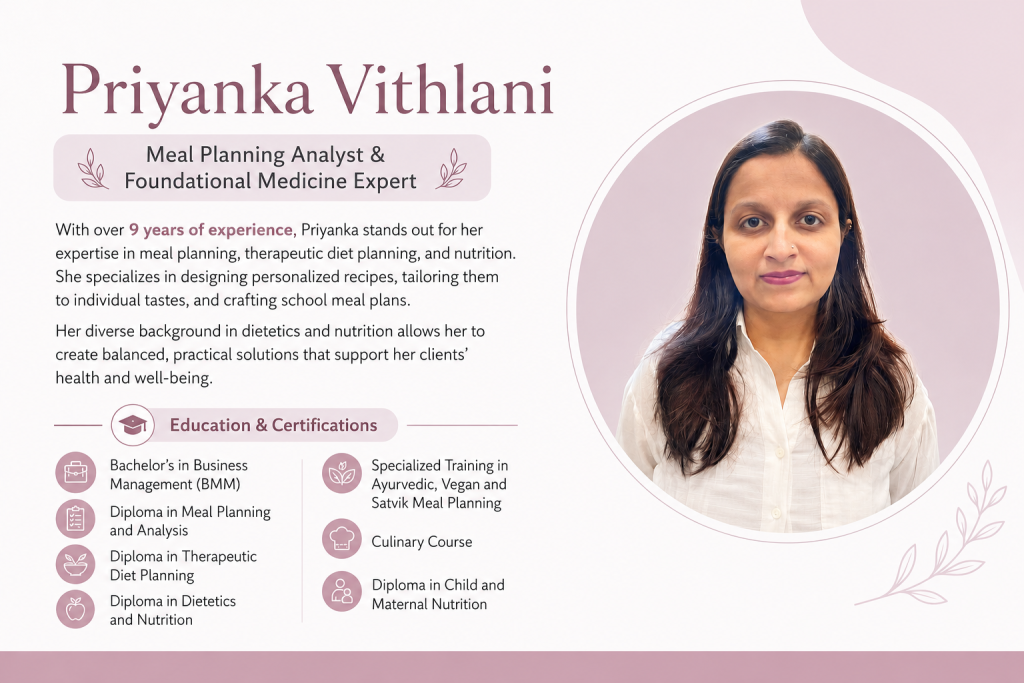
We sat down with Priyanka Vithlani, Meal Planning Analyst and Foundational Medicine Expert at Team Luke, to answer the 15 most commonly asked questions by parents. From picky eaters and immunity to junk food obsessions and practical meal planning; she answers them all, honestly and practically.
Foundations of children’s nutrition
- As a parent, how do I know if my child is actually getting balanced nutrition, and not just enough calories?
As a parent, balanced nutrition is not just about whether your child is eating enough calories, it is about whether the food is actually helping them grow, stay active, and feel healthy from within.
One of the biggest signs is steady height and weight growth. A well-nourished child usually shows consistent growth, good energy levels, strong immunity, and healthy muscle development especially if they play sports. Good nutrition also reflects in sports performance, like better stamina, strength, recovery, focus, and fewer complaints of tiredness or cramps.
A simple way to check food quality is to look for “rainbow colors” on the plate. Different colored fruits and vegetables provide different vitamins, minerals, antioxidants, and fiber that support immunity, gut health, and overall growth.
Balanced nutrition also means choosing more clean foods, simple home-cooked meals made with real ingredients like fruits, vegetables, dal, whole grains, nuts, seeds, eggs, curd, Paneer, fish, or chicken if consumed, and limiting ultra-processed packaged snacks, sugary drinks, and excess junk food.
When a child eats balanced meals regularly, it usually shows through better growth, stronger immunity, improved concentration, good digestion, better sleep, and consistent energy throughout the day.
- My child is a picky eater and survives mostly on 3–4 foods. How do I expand their palate without turning every meal into a battle?
Many picky eaters go through phases where they survive on just 3–4 familiar foods. This does not always mean something is wrong. Children often take time to accept new foods. First they may simply identify the food, then reject it, then maybe taste a tiny amount, and only after repeated exposure slowly begin to like it. So the goal is not to force eating, but to gently and repeatedly introduce foods without turning meals into a battle.
Parents should remember that acceptance can take many attempts. A child may refuse a food 10–15 times before becoming comfortable with it. Keep offering small portions calmly alongside familiar foods. Avoid pressure, bribing, or forcing “one more bite,” because stress around food can increase resistance.
One helpful approach is offering color and variety in a relaxed way, colorful fruits, vegetables, dips, different textures, and simple combinations. Even seeing foods regularly on the plate helps children become familiar with them. Sometimes children first accept the color, shape, or texture before actually eating it.
Creating a positive mealtime environment matters more than perfection. When meals feel calm, repeated exposure slowly builds confidence, curiosity, and eventually a wider palate.
- What are the most critical nutrients Indian children are commonly deficient in, and how can parents address this through everyday food?
Many Indian children today get enough calories, but still fall short on important nutrients needed for growth, immunity, concentration, and overall health. Two of the most common gaps are protein and fiber from vegetables and whole foods.
Many children eat a diet heavy in refined carbohydrates like biscuits, white bread, noodles, packaged snacks, or plain rice, but do not get enough quality protein.
- Protein is essential for height growth, muscle development, immunity, sports performance, and recovery. Everyday foods like dal, paneer, curd, eggs, sprouts, chana, rajma, fish, chicken, tofu, peanuts, and millet-based combinations can help bridge this gap.
- Fiber is another major missing nutrient because many children avoid vegetables and fruits. Low fiber intake can affect digestion, gut health, immunity, and even appetite regulation. One practical approach is to include vegetables in familiar foods rather than forcing separate vegetable servings. For example:
- Make cutlets using mashed dal, paneer, rajma, or sweet potato mixed with pureed or grated vegetables.
- Add spinach, pumpkin, carrot, beetroot, or lauki into pasta sauces, gravies, dosa batter, paratha dough, or soups.
- Blend vegetables into tomato-based sauces so children slowly get used to the taste and color.
- Add finely chopped vegetables to poha, idli, uttapam, omelettes, or sandwiches.
The idea is not only to “hide” vegetables, but to repeatedly expose children to different colors, textures, and flavors in a comfortable way. Over time, this helps expand acceptance while improving nutrition naturally through everyday meals.

Image Credits: Magnific
Building a healthy relationship with food
- How do I raise a child who loves and respects food rather than fearing it, restricting it, or bingeing on it?
Children build their relationship with food from the environment around them. When food is constantly labelled as “good” or “bad,” restricted harshly, or used as a reward or punishment, children may begin to fear food, over focus on it, or eventually binge on it. Instead, the goal is to create a home where food is respected, enjoyed, and understood.
One of the best ways to do this is by gradually revamping the kitchen environment. Keep more fresh, homemade, nourishing foods easily available and reduce dependency on ultra-processed packaged foods. Children naturally eat what they see regularly around them.
Rather than strict restriction, focus on better replacements:
- Oats cookies instead of packaged cream biscuits
- Homemade popcorn or makhana instead of chips
- Fruit with nut butter instead of sugary desserts
- Homemade wheat flour pizza instead of heavily processed fast food
Children also eat better when they feel involved. Let them help garnish homemade pizza, choose vegetable colors, mix pancake batter, build wraps or sandwiches, and help wash fruits and vegetables. This involvement creates curiosity and ownership around food.
Most importantly, explain food positively instead of creating fear. Teach them that protein helps muscles grow, vegetables help immunity and digestion, healthy fats help the brain, and colorful foods protect the body. When children are exposed to variety, included in cooking, and guided without pressure or guilt, they slowly learn to enjoy food, trust their hunger cues, and develop a healthier long-term relationship with eating.
- Should I label foods as ‘good’ or ‘bad’ for my child, or is that approach more damaging in the long run?
Constantly labelling foods as “good” or “bad” can sometimes create fear, guilt, or over-attachment toward certain foods. Instead, moderation is key. The goal is to educate children through calm conversations and age-appropriate understanding, rather than strict restriction.
For younger children, simple explanations work well:
- “These foods help us grow strong.”
- “These foods help our brain, tummy, and immunity.”
- “Some foods we eat daily, and some we enjoy occasionally.”
As children grow older, parents can gradually explain how different foods affect energy, sports performance, concentration, mood, digestion, and overall health.
Instead of completely banning treats, try offering better alternatives and replacements where possible. For example, using cacao in homemade recipes can be a more nourishing option compared to highly processed chocolate products loaded with excess sugar and additives. Homemade oat cookies with cacao, energy bites, or cacao smoothies can help children enjoy treats while still getting better nutrition.
The focus should not be fear around food, but balance, variety, and mindful eating. When children grow up understanding moderation instead of restriction, they are more likely to develop a healthier and more respectful long-term relationship with food.
- My child is obsessed with junk food and packaged snacks. How do I wean them off without causing cravings or rebellion?
When children are constantly exposed to junk food and packaged snacks, simply banning them overnight can sometimes increase cravings or rebellion. The healthier approach is gradual change, education, and creating a better food environment at home.
One of the most effective steps is to slowly stop stocking ultra-processed snacks regularly at home. Children naturally eat what is easily available and visible. If the kitchen is filled with colorful packaged foods, they become the default choice. Instead, keep healthier options accessible, homemade snacks, nuts, makhana, fruit, homemade popcorn, roasted chana, oat-based treats, sandwiches, dips, or homemade baked snacks.
It also helps to teach children how to read labels in an age-appropriate way. Show them excess sugar, artificial colors and flavors, refined flour, and long ingredient list; not to create fear, but awareness.
Older children can understand concepts like the “sugar crash,” where highly processed foods may give quick energy followed by tiredness, mood swings, irritability, poor focus, or hunger again very quickly.
Parents can also explain how food affects the gut-brain axis. The gut and brain constantly communicate with each other, and excessive processed foods may affect digestion, mood, immunity, concentration, sleep, and even emotional regulation. On the other hand, balanced meals with fiber, protein, healthy fats, fruits, and vegetables help support healthier gut bacteria and steadier energy.
Most importantly, avoid making junk food feel “forbidden” or emotionally charged. Occasional treats in moderation are fine. The long-term goal is helping children understand how food makes them feel, while building habits around nourishing, enjoyable everyday meals.

Image Credits: Magnific
Immunity, gut health & growth
- My child falls sick every other month — cough, cold, fever. What nutritional changes can genuinely strengthen their immunity?
If a child is frequently falling sick with cough, cold, or fever, immunity may need support through better overall nutrition, sleep, gut health, and daily habits. While occasional illness is normal in growing children, repeated infections can sometimes indicate nutritional gaps.
Some of the most important nutrients for immunity include:
- Zinc — supports immune cell function and recovery. Sources: pumpkin seeds, sesame seeds, chana, rajma, curd, eggs, nuts
- Magnesium — helps with energy production, sleep, muscle function, and immune balance. Sources: nuts, seeds, leafy greens, cacao, millets, legumes
- Vitamin C — supports immune defense and also helps improve iron absorption. Sources: amla, guava, citrus fruits, lemon juice, capsicum, tomatoes
- Vitamin A — important for immunity, skin, and respiratory health. Sources: carrot, pumpkin, sweet potato, spinach, mango, egg yolk
- Iron — low iron can affect immunity, energy, appetite, and concentration. Sources: green leafy vegetables, beetroot, dates, jaggery, rajma, black chana, eggs, meat if consumed
A simple way to improve iron absorption is adding a source of Vitamin C along with meals, for example lemon juice on dal, khichdi, sprouts, or salads; amla with meals; or guava or citrus fruits during the day.
Daily meals should focus on protein at every meal, rainbow vegetables and fruits, homemade fresh foods, good hydration, and gut-friendly foods like curd or fermented foods if tolerated.
Reducing excessive packaged snacks, sugary foods, and ultra-processed items also helps, because gut health and immunity are closely connected. Strong immunity is usually built through consistent everyday nourishment rather than one “superfood” alone.
- My child complains of stomach aches, bloating, and constipation constantly. Could their diet be the root cause, and how should I address it?
Yes, in many children, frequent stomach aches, bloating, and constipation can often be connected to daily lifestyle and food habits. The foundation usually starts with diet, movement, hydration, sleep, and gut health.
A pattern of too much junk food or fried food, excess packaged snacks, low fiber intake, not enough fruits and vegetables, poor hydration, sedentary lifestyle with less physical activity, and irregular sleep schedules can all affect digestion and bowel movements over time.
The gut works best when children have regular movement, balanced meals, proper hydration, and consistent sleep. Children who stay in “sedentary mode” for long hours with excessive screen time may also experience slower digestion and constipation.
To support gut health:
- Increase fiber gradually through fruits, vegetables, soaked raisins, chia/flax seeds, whole grains, dal, and sprouts
- Include gut-friendly homemade foods
- Reduce excessive fried and ultra-processed foods
- Encourage outdoor play and physical activity daily
- Maintain proper water intake
- Support regular sleep timing
Also observe whether symptoms worsen after certain foods, overeating, eating too quickly, or long gaps between meals. In many cases, improving everyday habits consistently can significantly improve bloating, constipation, appetite, and overall gut comfort. If symptoms are severe, persistent, associated with weight loss, vomiting, blood in stools, or poor growth, medical evaluation is important.
- My child is underweight and a poor eater. How do I help them gain healthy weight without just loading them up on calorie-dense junk?
For an underweight child, the goal is not simply “more calories,” but building healthy weight through balanced nourishment, better appetite, muscle development, digestion, and overall growth. Loading children with calorie-dense junk foods may increase unhealthy weight without truly supporting immunity, energy, gut health, or development.
Focus instead on balanced “rainbow meals” that include protein, complex carbohydrates, healthy fats, fiber, and vegetables. A good meal flow can look like:
- Protein: dal, paneer, eggs, curd, sprouts, chicken, fish, rajma
- Carbohydrates: rice, roti, millets, potatoes, sweet potatoes
- Healthy fats: nuts, seeds, nut butters, coconut, ghee in moderation
- Fiber and antioxidants: colorful vegetables, salads, and simple sabzis
Fruits can be given separately between meals rather than combined with heavy meals, especially if the child digests them better that way. Children often eat better when meals are simple, colorful, and easy to digest rather than very heavy or oily.
Include homemade smoothies with nuts and seeds, paneer or dal cutlets, nut and seed laddoos, fruits as separate snack options, homemade parathas with protein fillings, and simple salads and vegetable sabzis daily.
At the same time, avoid excessive processed foods, sugary snacks, and force-feeding. Encourage awareness of hunger and fullness rather than overeating. Healthy weight gain happens gradually when the body receives consistent nourishment, activity, good sleep, and balanced meals over time.

Image Credits: Magnific
Food allergies, intolerances & special considerations
- How do I identify if my child has a food allergy or intolerance, and what are the most common ones parents miss?
Food intolerances in children often show up as consistent stomach pain, bloating, heaviness, gas, constipation, or discomfort after eating certain foods. Food allergies, on the other hand, may appear through symptoms like rashes, itching, swelling, vomiting, nausea, or sometimes even recurrent cold, cough, and chest congestion in some children. These are signs that a particular food may not be suiting the child, but they are often overlooked.
Some children may react to foods like dairy, nuts, seeds, or certain packaged foods and additives. It is important for parents to calmly observe patterns and notice whether the same symptoms repeatedly occur after specific foods.
A practical approach is to temporarily avoid the food that seems to trigger symptoms and then cautiously reintroduce it later. If the same reaction continues again after reintroduction, it is important to consult a doctor and identify the root cause of the allergic reaction or intolerance rather than repeatedly ignoring the symptoms.
- My child is vegetarian/vegan. How do I ensure they get complete protein and all essential micronutrients at every growth stage?
A well-planned vegetarian or vegan diet can absolutely support healthy growth in children, but it needs variety, balance, and awareness to ensure enough protein and essential micronutrients are included regularly.
For protein, the focus should be on combining different plant-based foods through the day rather than depending on only one source. Good vegetarian protein options include dal and pulses, rajma, chana, lobhia, sprouts, paneer and curd if vegetarian, tofu and tempeh, nuts and seeds, nut butters, and millets and whole grains.
Combining cereals and pulses, like dal-rice, khichdi, dosa-sambar, hummus with roti, or millet with legumes, helps improve the overall amino acid profile and supports more complete protein intake.
Parents should also pay attention to important micronutrients commonly missed in vegetarian or vegan diets:
- Iron — green leafy vegetables, rajma, black chana, jaggery, sesame seeds. Pair with Vitamin C like lemon juice or amla for better absorption
- Vitamin B12 — dairy products in vegetarians or fortified foods/supplements in vegans if required
- Calcium — sesame seeds, ragi, tofu, curd, paneer, almonds
- Omega-3 fats — walnuts, chia seeds, flax seeds
- Zinc and Magnesium — pumpkin seeds, nuts, legumes, whole grains
Offer colorful “rainbow meals,” fruits separately between meals if preferred, healthy fats, fiber, and enough calories for growth and activity. Avoid relying too heavily on processed vegan foods or packaged meat substitutes. Most importantly, focus on consistency, meal diversity, good digestion, activity, and regular growth monitoring rather than perfection at every meal.
Image Credits: Magnific
Practical parenting & meal planning
- Between school, tuitions, and activities, I barely have time. How do I meal-plan nourishing food for my child that is also practical and quick?
That’s where the role of parents becomes extremely important today. Between peer pressure, society pressure, social media influence, back-to-back classes, hobbies, tuition, and extracurricular activities, many families begin depending on quick packaged fixes like chips, biscuits, sugary drinks, and processed snacks because they feel convenient and time-saving.
Parents often worry that the child may feel deprived if they do not attend every activity or keep up socially. But in this fast-paced routine, nourishment can easily get neglected.
This is where planning ahead helps. Instead of depending on packaged foods daily, parents can pre-prep wholesome snack options in advance such as fruits, sweet potato, avocado, homemade cutlets, boiled chana, roasted makhana, nuts and seeds, homemade laddus, and sandwiches or wraps. Keeping simple nourishing foods ready and accessible makes healthy eating more practical even during busy schedules.
The goal is not perfection, but creating a balance where children stay active and involved while also receiving proper nourishment, stable energy, better concentration, and healthier long-term habits.
- How do I handle social situations, birthday parties, school tiffin, eating out, without derailing my child’s nutritional progress?
This is where pre-planning really helps. We cannot completely stop children from attending birthday parties or social events, nor should we create fear around food. Instead, we teach them that moderation is key.
One simple approach is the “three-bite or three-point rule” for desserts: pick the dessert, eat slowly, relish and savor it, and then stop mindfully instead of overeating impulsively.
It also helps when the child eats a small nourishing meal from home before leaving, such as pancakes, chilla, mini idlis, wholemeal sandwiches, avocado toast, or hummus with carrot sticks. When children are not extremely hungry before reaching the party, they are less likely to binge on processed foods and can make more balanced choices naturally.
For school tiffins too, planning ahead makes a huge difference. Simple upgrades can turn regular foods into wholesome meals: lentil pasta or quinoa pasta, adding sprouts, paneer, rajma, eggs, or chicken for protein, mixing pureed vegetables into sauces and gravies, and making meals colorful and appealing.
Most importantly, involve children in meal planning and preparation. Let them choose colors, toppings, shapes, or ingredients. When children feel involved, they feel motivated, connected to the meal, and more willing to eat nourishing foods consistently.
About the Balanced Nutrition for Children Program
- What makes the Balanced Nutrition for Children Program different from simply following online nutrition advice or generic diet charts?
Coaching plays a very important role when it comes to children’s nutrition, because real change does not happen only through a diet chart. This is what makes the Balanced Nutrition for Children Program different, the approach is holistic and focused on reaching the root foundations.
Instead of only counting calories or giving generic meal plans, the program works on understanding the child’s eating behavior, gut health and digestion, immunity, sleep and activity patterns, emotional relationship with food, family lifestyle and routines, picky eating habits, and nutritional deficiencies and meal balance.
Apart from balanced nutrition at a cellular level, the program also focuses on the child’s overall lifestyle and emotional well-being. Children are gradually motivated to move away from a sedentary lifestyle and encouraged to pick up simple hobbies or activities, even something as basic as walking barefoot on the grass, outdoor play, stretching, or mindful movement.
Hydration awareness is another important foundation. Children are guided gently about the importance of regular water intake for energy, digestion, concentration, immunity, and overall health.
Sleep is also addressed gradually through counselling and habit-building, especially in today’s generation where excessive screen time and social media exposure can affect sleep quality. We help children and parents understand the effects of blue light on the brain, sleep cycle, mood, focus, and hormonal balance.
The program also focuses on emotional awareness and breath control. Children are taught simple ways to become aware of their emotions during anger, frustration, sadness, anxiety, or overwhelm. Instead of suppressing or labelling emotions, they are encouraged to express, communicate, breathe consciously, and regulate themselves in healthier ways.
The goal is to fix the foundations gradually through education, practical meal planning, healthier habits, parent coaching, and child involvement. When the foundation becomes strong, children naturally begin eating better, feeling better, growing better, sleeping better, and developing a healthier long-term relationship with food and themselves.
Image Credits: Magnific
- For a parent considering this program, what is the one mindset shift they need to make before they enroll, and what can they realistically expect at the end of one month?
For parents considering the Balanced Nutrition for Children Program, one important mindset shift is understanding that this is not a quick fix or a temporary diet plan. Building healthy eating habits, improving immunity, supporting growth, and creating a positive relationship with food takes time, consistency, and gradual lifestyle changes. The goal is not perfection within one month, but laying a strong and sustainable foundation for long-term well-being.
Within the first month itself, parents usually begin gaining clarity and practical tools to manage everyday nutrition more confidently. They learn:
- How to pre-plan and prep meals in advance
- How to create balanced rainbow meals
- Ways to introduce fruits and vegetables to picky eaters
- How to understand daily protein and micronutrient requirements
- Healthier alternatives to junk and processed foods
- Smart food replacements for busy lifestyles
- How to read labels and choose cleaner, better-quality products from the market
- Simple nourishing recipes that are practical, tasty, child-friendly, and easy to make at home
- How to add more variety to meals while still keeping them wholesome and balanced
The program also helps families become more mindful about hydration, meal timing, snack planning, sleep, activity, and overall lifestyle balance.
Most importantly, parents begin understanding how to fix the foundations gradually rather than depending on quick results or restrictive approaches.
Balanced Nutrition focuses on building immunity, awareness, healthier habits, and long-term nourishment holistically. It is not designed as a replacement for medical treatment, but as a supportive foundation to help children grow healthier physically, mentally, and emotionally over time.
Have more questions? Consult Priyanka directly
Every child is different. Get a personalized consultation and receive a nutrition plan built around your child’s age, routine, food preferences, and health needs.
Disclaimer: This blog is intended for general informational and educational purposes only. The information shared by our expert reflects her expertise and experience as a nutrition professional and is not a substitute for personalized medical advice, diagnosis, or treatment. If your child has a specific health condition, allergy, or medical concern, please consult a qualified healthcare professional before making any changes to their lifestyle.
Whether your child is a picky eater, struggling with immunity, or you simply want to build stronger food habits from the ground up, you don’t have to figure this out alone.
We’re here to support YOU and your child every step of the way.
Set up a one-on-one consultation with our foundational medicine team or enroll in our specialized Balanced Nutrition for Children Program for personalized solutions.
Need personalized help? Book a consultation with Priyanka Vithlani.
Reach out to us at 1800 102 0253 or write to us at [email protected].