No products in the cart.
Hair loss doesn’t start on your scalp—it starts in your cells.
I see so many people rushing to buy the latest shampoos, serums, hair oils, and supplements the moment they notice thinning hair.
Image Source: Freepik
But here’s the truth—if you don’t address the internal triggers, you’re only working on the symptom, not the root cause.
One of the biggest internal triggers for hair thinning—both in men and women—is a hormone called DHT (Dihydrotestosterone).
You may have heard about it in the context of DHT in hair loss, but few people understand its full role. DHT isn’t a ‘bad’ hormone—it’s important for puberty, reproductive health, and overall vitality.
The problem starts when there’s too much DHT or when your hair follicles are too sensitive to it. That’s when the shrinking of follicles and gradual hair loss begins.
Here, I’ll help you understand:
- What DHT is, why it matters for hair, and—most importantly—how to control DHT naturally.
- We’ll look at natural DHT blockers you can include in your meals, foods that block DHT, and the ones that might actually be foods that increase DHT.
- You’ll also learn practical lifestyle habits to balance hormones and protect your hair—without extreme diets, harsh treatments, or a cupboard full of products.
So, let’s begin!
What is DHT and How Does it Cause Hair Loss?
When people ask me, “Luke, what is DHT and why is everyone talking about it in relation to hair loss?”—I like to keep it simple.
DHT, or dihydrotestosterone, is a hormone your body naturally makes.
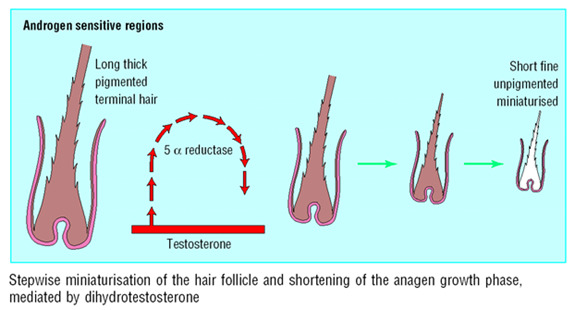
It’s formed when testosterone—yes, the same hormone linked to energy, muscle, and libido—is converted by an enzyme called 5-alpha reductase.
Now, DHT isn’t some ‘enemy’ you need to wipe out. In fact, it plays an important role in:
- Puberty: Helping develop male characteristics like a deeper voice and facial hair.
- Sexual health: Supporting libido in both men and women.
- Muscle strength and growth: Aiding in physical performance.
So, where does the problem start?
Here’s the hair connection:
- Your scalp’s hair follicles have receptors that respond to DHT. For some people, these receptors are genetically more sensitive.
- When DHT binds to these sensitive receptors, it causes the follicles to shrink—a process called miniaturization.
- This shortens the growth cycle of your hair, making each strand finer, weaker, and eventually, stopping new growth altogether.
Source: Asfour L, Cranwell W, Sinclair R. Male Androgenetic Alopecia. [Updated 2023 Jan 25]. In: Feingold KR, Ahmed SF, Anawalt B, et al., editors. Endotext [Internet]. South Dartmouth (MA): MDText.com, Inc.; 2000-. Available from: https://www.ncbi.nlm.nih.gov/books/NBK278957/
DHT-related hair loss tends to be most visible in specific patterns—like a receding hairline, thinning crown, or overall volume loss in women.
This is why understanding DHT in hair loss is not about demonizing the hormone but about creating the right internal environment so it doesn’t work against your hair health.
In our practice, we focus on balancing hormones naturally, so your body gets the benefits of DHT for overall health without the excess or hypersensitivity that affects your hair. And yes, that’s possible without relying on harsh medication as a first step.
DHT in Hair Loss: Signs and Patterns to Watch
In men, the classic signs include:
- Gradual hair thinning on the crown (vertex area)
- Receding hairline, especially at the temples
These patterns occur because the follicles in these areas are genetically more sensitive to DHT’s effects, leading to progressive miniaturization—thinner, shorter hairs until growth stops altogether.
In women, the signs are as follows:
- Diffuse thinning along the part line
- Reduced hair density on the top of the scalp, while the frontal hairline often remains intact
This is due to a combination of androgen sensitivity, genetics, and sometimes hormonal shifts like perimenopause or polycystic ovary syndrome (PCOS).
But here’s where it gets interesting—DHT-related changes aren’t just about your scalp:
- Acne and oily skin – DHT increases sebum production by stimulating sebaceous glands.
- Changes in body hair – Some women notice increased facial hair growth, while scalp hair thins.
How to observe patterns in yourself:
- Keep a hair diary – For 2–3 months, note daily hair shedding, visible scalp areas, and texture changes.
- Look for gradual changes rather than sudden loss (sudden shedding is often linked to stress, illness, or nutrient deficiencies rather than DHT).
- Understand your bio-individuality – Some people lose hair even with normal DHT levels because stress, inflammation, insulin resistance, or gut issues are amplifying its effects.
From our experience, identifying how to control DHT starts with self-awareness. The earlier you notice these signs, the faster you can make changes through natural DHT blockers, nutrition, and lifestyle—before significant follicle miniaturization occurs.
Blocking DHT vs. Increasing It – Finding the Balance
When people hear ‘block DHT,’ they sometimes think we need to wipe it out completely. That’s not the goal.
DHT is important for muscle tone, sexual health, and even mood stability. The problem begins when there’s too much DHT or when your hair follicles are too sensitive to normal levels.
Blocking DHT naturally means reducing excess production or activity without harming the hormone’s essential functions. This can be done by:
- Inhibiting the enzyme 5-alpha reductase that converts testosterone into DHT (foods like green tea or pumpkin seeds have shown potential here).
- Reducing chronic inflammation and insulin spikes, both of which can indirectly increase DHT activity at the follicle level.
On the flip side, increasing DHT often happens when lifestyle choices push hormones out of balance—like eating excessive high-saturated-fat foods, chronic stress (which disrupts hormonal signaling), or consuming ultra-processed, high-glycemic foods that elevate insulin and, in turn, stimulate more 5-alpha reductase activity.
My approach is not about fighting DHT but about balancing it.
We want enough to support healthy function, but not so much that it starts damaging your hair follicles. That’s why the next step is understanding exactly which foods that block DHT can be your daily allies, and which foods that increase DHT you might want to limit.
Foods That Block DHT Naturally
When it comes to hair health, one of the most powerful tools you have isn’t in a bottle—it’s on your plate. Over the years, I’ve seen that when we use food as medicine, we can influence hormones like DHT in a way that supports the body rather than fights it.
Here are my top picks, backed by both science and real-life results:
1. Zinc-rich foods
- Sources: Pumpkin seeds, chickpeas, lentils, sesame seeds
- Why: Zinc is involved in regulating 5-alpha reductase activity. Low zinc levels are linked to higher DHT activity and hair loss.
Tip: Sprinkle roasted pumpkin seeds over salads for an easy zinc boost.
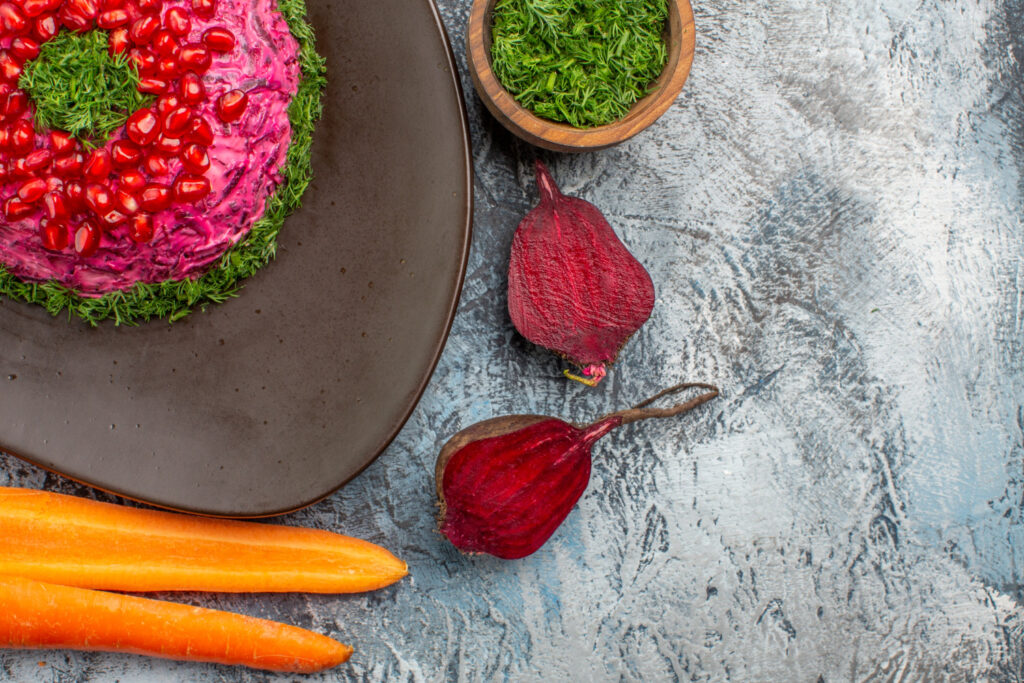
Image Source: Freepik
2. Antioxidant-rich foods
- Sources: Blueberries, spinach, beetroot, kale
- Why: Oxidative stress increases follicle sensitivity to DHT. Antioxidants neutralize free radicals and protect follicle health.
Meals high in plant polyphenols have been associated with reduced inflammation in scalp tissue, creating a healthier growth environment.
Tip: Blend boiled beetroot with chickpeas, tahini, olive oil, garlic, and lemon juice. Serve as a vibrant dip with whole-grain crackers or veggie sticks.
3. Green tea
- Why: Green tea contains EGCG (epigallocatechin gallate), which can inhibit 5-alpha reductase and modulate androgen activity.
Tip: Swap one cup of coffee for green tea during the day. It’s a gentle shift that can make a big difference for some people.
4. Saw palmetto
- Why: Commonly used in integrative medicine for benign prostatic hyperplasia, saw palmetto also shows potential in reducing DHT’s binding to hair follicle receptors.
Tip: Best discussed with a qualified practitioner before starting as a supplement.
5. Omega-3 fatty acids
- Sources: Flaxseeds, walnuts, chia seeds, fatty fish (sardines, mackerel, salmon)
- Why: Omega-3s reduce systemic inflammation, which indirectly protects follicles from DHT-related miniaturization.
Tip: By coupling omega-3s with vitamin E (almonds, sunflower seeds, sesame oil, and so on), you are likely to absorb more of the nutrient without them causing any havoc of oxidation.
6. Anti-inflammatory spices
- Sources: Turmeric, reishi mushroom, ginger
- Why: Chronic inflammation is a major amplifier of DHT’s effects. Curcumin in turmeric, for example, can modulate inflammatory pathways that affect follicle health.
Quick tip: Combine zinc + antioxidant + healthy fat in one meal—for example, a spinach and beetroot salad topped with pumpkin seeds and a flaxseed oil dressing. This improves nutrient absorption and gives your follicles a triple layer of protection.
Foods That May Increase DHT Levels
Just like certain foods can help balance DHT, others can tip the scales in the wrong direction, especially when eaten in excess. I’m not here to scare you into giving up your favorite meals forever, but I do want you to understand how these foods can quietly push DHT in hair loss into high gear.
1. Meals high in saturated fats
- Sources: Processed meats, excess cheese, deep-fried foods
- Why it matters: High saturated fat intake is linked to elevated androgen levels and increased 5-alpha reductase activity. This can create a hormonal environment that encourages more DHT production.
2. High glycemic index (GI) foods
- Sources: White bread, pastries, sugary snacks, sweetened drinks
- Why it matters: These foods cause quick spikes in blood sugar, leading to insulin surges. Elevated insulin can stimulate androgen production and indirectly raise DHT levels.
3. Ultra-processed foods
- Sources: Packaged snacks, instant noodles, fast food, processed sauces
- Why it matters: Beyond the sugar and unhealthy fats, these foods often contain additives that promote inflammation—making your follicles more sensitive to existing DHT.
Chronic inflammation is a known co-factor in androgenetic alopecia, amplifying the effects of DHT even when hormone levels aren’t extremely high.
My advice: It’s about moderation, not complete elimination. A sustainable approach to hair health avoids extremes, so if you enjoy pizza once in a while, pair it with a large fresh salad and balance it out the next day. Your hair (and your gut) will thank you.
Strategies to Manage and Even Reverse Hair Loss Naturally
Over the years, I’ve worked with thousands of men and women facing hair thinning, receding hairlines, and shedding due to DHT sensitivity. Here’s what I’ve learned about how to control DHT:
It’s not just about blocking DHT, it’s about building the right internal and external environment where your hair can thrive. That’s where my 6 pillars of lifestyle come in.
1. Nutrition – Feed Your Hair at the Cellular Level
Your hair follicles are living structures that need constant nourishment. We design personalized food plans based on blood work—checking for deficiencies like iron, Vitamin D, B12, and tracking inflammatory markers and gut health.
- Prioritize whole, unprocessed foods—think zinc-rich seeds, antioxidant-packed vegetables, omega-3 sources, and clean proteins.
- Avoid crash diets; your follicles need a steady supply of amino acids and micronutrients for keratin production.
- Nutritional deficiencies can accelerate hair follicle miniaturization in DHT-sensitive individuals.
2. Movement – Circulation is Nourishment
Moderate-intensity exercise (like brisk walking, swimming, or yoga) supports healthy testosterone regulation and reduces chronic inflammation.
- Movement increases blood flow to the scalp, improving nutrient delivery to hair roots.
- Aim for a mix of strength training and gentle cardio—overtraining can spike cortisol, which worsens DHT’s impact.
3. Stress & Lack of Sleep – Hidden Triggers of Hair Loss
Chronic stress can trigger higher cortisol levels, which, according to research, may enhance the activity of 5-alpha reductase, leading to more DHT conversion.
- Prioritize 7–9 hours of quality sleep, aligned with your circadian rhythm.
- Limit blue light exposure 1–2 hours before bed.
- Build daily mindfulness rituals—deep breathing, meditation, or journaling—to lower stress load.
4. Scalp Health Rituals – First Line of Defense for Your Hair
- Gentle daily scalp massage with oils like rosemary or pumpkin seed oil—both support hair density by improving circulation and reducing local DHT activity. Try coconut oil for hair thinning.
- Avoid harsh shampoos with sulfates or parabens that strip protective oils and damage the scalp barrier.
- Keep the scalp clean but not overly dry—healthy sebum production is essential for follicle health.
Want to build a perfect hair care routine? Watch this:
5. Spiritual Connection – The Mind-Body Link
Many underestimate how much unresolved emotional stress impacts physical health, including hair.
- Practices like prayer, gratitude journaling, and time in nature can lower stress hormones and bring hormonal balance.
6. Conscious Breathing – Oxygen is Fuel for Your Follicles
Shallow, stress-driven breathing limits oxygen delivery to the scalp.
- Try slow diaphragmatic breathing, box breathing, or alternate nostril breathing daily.
- Increased oxygenation improves nutrient supply to hair follicles and supports cleansing.
7. Professional Assessment – Test, Don’t Guess
Before jumping on supplements or aggressive treatments, get a full hormonal panel, ferritin, Vitamin D, thyroid profile, and inflammatory markers tested.
- Work with an integrative health professional to address root causes, whether it’s insulin resistance, PCOS, chronic inflammation, or nutrient deficiencies.
- Targeted correction of underlying imbalances can significantly improve hair regrowth outcomes.
For expert tips on managing hair loss, watch our podcast with Dr. Sonali Kohli, an Integrative Aesthetic Dermatologist and Hair Transplant Surgeon, here.
Quick Summary
| Category | Key Points | Pro Tip |
| Foods That Block DHT Naturally | Zinc-rich foods (pumpkin seeds, chickpeas, lentils), antioxidant-rich produce (blueberries, spinach, beetroot), green tea (EGCG), saw palmetto, omega-3 sources (flaxseeds, walnuts, fatty fish), anti-inflammatory spices (turmeric, reishi). | Combine zinc + antioxidants + healthy fats for better nutrient absorption. |
| Foods That May Increase DHT | High saturated fats from processed meats, excess cheese, fried foods; high GI carbs (white bread, pastries, sugary snacks); ultra-processed foods increasing insulin & 5-alpha reductase activity. | Moderation over elimination—aim for a balanced, sustainable meal |
| Natural Hair Loss Management Strategies | Nutrition: Personalised plan based on deficiencies, gut health, inflammation. Movement: Regular moderate exercise. Stress & Sleep: Reduce cortisol; follow circadian rhythm. Scalp Health: Massage with rosemary/pumpkin seed oil; avoid harsh shampoos. Professional Assessment: Check hormones, iron, Vitamin D, thyroid. . | Approach hair health holistically—address root causes, not just symptoms. |
The Last Word
When it comes to hair loss, DHT often takes center stage, but it’s not about eliminating it completely. Your body needs DHT for healthy functions like libido, muscle mass, and mood regulation. The key is balance, not total suppression.
In our experience, when you address the root causes — chronic inflammation, nutrient deficiencies, hormonal imbalances, and poor lifestyle habits — your body naturally regulates excess DHT.
By eating clean, moving regularly, managing stress, protecting your sleep, nurturing your scalp, and getting professional guidance when needed, you’re not just blocking harmful DHT activity — you’re training your body to work with you, not against you.
Remember, healthy hair is a by-product of a healthy body. Balance your DHT, and you’ll be surprised how your hair and overall vitality respond.
Frequently Asked Questions
1. What is DHT, and how does it cause hair loss?
DHT (dihydrotestosterone) is a potent hormone formed when testosterone is converted by the enzyme 5-alpha reductase. While it’s vital for growth and sexual function, TOO MUCH—or increased sensitivity to it—causes miniaturization of hair follicles, shortening growth cycles, and leading to thinning. Understanding what DHT is helps us manage DHT in hair loss intelligently.
2. Do natural DHT blockers really work?
Yes—they can help, but gently. Nutrients like zinc (found in pumpkin seeds), EGCG in green tea, saw palmetto, and even rosemary oil show promise in reducing 5-alpha reductase activity or improving follicle resilience. These are natural DHT blockers worth including, especially when paired with lifestyle changes.
3. Which everyday foods may increase DHT levels?
Good question! Meals high in saturated fats, ultra-processed foods, and high-GI carbs—think fries, pastries, sugary snacks—can spike insulin and inflammation, which in turn can nudge up DHT conversion. So yes, foods that increase DHT can subtly fuel hair loss unless balanced with supportive choices.
4. Can blocking DHT regrow hair or just prevent loss?
Blocking DHT can do both—but prevention is often more reliable than reversal. For many, stabilizing follicle health through natural DHT blockers and lifestyle alignment slows thinning, and in some cases, noticeable regrowth happens over time. Just remember: it’s about balance, not suppression.
5. How can I control DHT naturally through lifestyle?
Start with a holistic approach: reduce stress and optimize sleep (cortisol spikes DHT), eat nutrient-dense anti-inflammatory foods, move regularly, support scalp health, and get your hormones tested before adding anything powerful. When your body is in balance, you’re improving your chances of controlling DHT naturally.
Disclaimer: This blog is for informational purposes only and is not a substitute for professional medical advice, diagnosis, or treatment. Always consult a dermatologist or healthcare professional before making significant changes to your hair care routine, especially if you have scalp conditions like dandruff, psoriasis, or dermatitis. The recommendations provided are based on general research and expert insights, but individual results may differ.
Need guidance on building a holistic lifestyle that supports healthy hair?
We’re here to help YOU find a way.
Set up a one-on-one consultation with our integrative team or enroll in our specialized Wellness Program for personalized solutions.
Reach out to us at 1800 102 0253 or write to us at [email protected].