No products in the cart.
It’s hard to miss it—the vibrant pink peel, the speckled white or crimson flesh, and that exotic name: dragon fruit. It’s no wonder this fruit has taken over Instagram reels and salad bowls alike.But here’s what most people don’t talk about: dragon fruit is more than just a pretty fruit on your plate.
From my years of working with clients across geographies, I’ve learned that sometimes the most powerful additions to a food plan aren’t flashy supplements or imported powders. They’re simple, seasonal, and rich in what I call cellular nutrition—the kind that nourishes from within.
Dragon fruit, when used right, offers exactly that. It’s cooling, hydrating, and functional—especially for those navigating heat, inflammation, gut issues, or fatigue.
Let’s go beyond the trend and explore this fruit through the lens of balance, bio-individuality, and real nourishment.
Nutritional Profile: Cellular Nutrition from Nature
Dragon fruit — also known as pitaya or pitahaya — may look like a fruit from outer space, but its roots are earthy and ancient. Native to Central and South America, it grows on a type of cactus called Hylocereus, and has been cultivated for centuries in tropical regions for its cooling, hydrating, and nourishing properties. Over the years, it has found popularity across Asia — especially in Vietnam, Thailand, and India — both for its taste and its health-enhancing potential.

Images by Freepik
But beneath the bright pink (or yellow) peel lies something far more powerful than just pretty pulp. We often describe dragon fruit as a hydrating healer — light on the system, rich in nutrients, and gentle on digestion. When used in alignment with a cellular nutrition approach, it supports the gut, skin, immunity, and energy.
Here’s why it’s more than just a trend:
- Hydration support: Dragon fruit is over 90% water, making it ideal for climates where heat, sweat, and fatigue are common. It is recommended during the summer or post-travel to help rebalance fluids without relying on sugary beverages.
- Gut-friendly fibre: Its blend of soluble and insoluble fibre gently supports bowel movements, feeds good gut bacteria, and prevents bloating — a key tool in maintaining microbiome health.
- Antioxidant power: It contains betalains, polyphenols, and Vitamin C, which help combat oxidative stress and inflammation, two major accelerators of disease and premature aging.
- Micronutrient synergy: The iron-Vitamin C pairing in dragon fruit is one of nature’s intelligent combinations — the C helps boost absorption of iron, essential for oxygen transport, focus, and fatigue reduction.
- Magnesium: Supports over 300 bodily processes — from sleep to blood sugar to emotional regulation.
Below is a quick snapshot of the nutritional value of 100 grams of raw dragon fruit (white flesh):
| Nutrient | Approx. Value (per 100g) |
| Energy | 50–60 kcal |
| Water | ~90% |
| Carbohydrates | 11–13 g |
| Fibre | 3 g |
| Vitamin C | 20–25 mg |
| Iron | 0.4–1.0 mg |
| Magnesium | 10 mg |
| Calcium | 8–10 mg |
| B1, B2, B3 (combined) | Trace amounts |
| Antioxidants | High (betalains, polyphenols) |
Source: Nutritional Value and Therapeutic Benefits of Dragon Fruit: A Comprehensive Review with Implications for Establishing Australian Industry Standards, https://pmc.ncbi.nlm.nih.gov/articles/PMC11643819/
This makes dragon fruit a low-calorie, high-value addition, especially for those seeking nutrient density without excess load on the digestive system. For many of our clients recovering from inflammation, heat exhaustion, fatigue, or even gut discomfort, it’s a food we often include in a tailored plan.
Benefits of Eating Dragon Fruit
When we look at food through the lens of cellular nutrition, we ask: Will this support the body’s healing intelligence? For dragon fruit, the answer — for most people — is yes.
Here are some of its key benefits:
1. Supports Gut Health
Dragon fruit contains prebiotic fibre that nourishes good gut bacteria like Lactobacillus and Bifidobacterium — both vital for digestion, immunity, and mood balance.
A 2016 study in the Journal of Functional Foods confirmed that oligosaccharides from dragon fruit positively modulate gut flora.

Source: Pansai N, Detarun P, Chinnaworn A, Sangsupawanich P, Wichienchot S. Effects of dragon fruit oligosaccharides on immunity, gut microbiome, and their metabolites in healthy adults – A randomized double-blind placebo controlled study. Food Res Int. 2023 May;167:112657. doi: 10.1016/j.foodres.2023.112657. Epub 2023 Mar 1. PMID: 37087207.
2. Rich in Antioxidants
The vibrant flesh owes its color to antioxidants like betalains, vitamin C, and polyphenols, which help combat free radical damage, a root cause of premature aging, inflammation, and chronic disease.
3. Hydrates and Replenishes
Thanks to its high water and magnesium content, it’s an excellent post-workout or summer recovery fruit. It also contains potassium, supporting electrolyte balance.
4. Gentle on Blood Sugar (in moderation)
Unlike some high-fructose tropical fruits, dragon fruit has a relatively low glycemic index.
5. Skin and Immune Health
Vitamin C and antioxidants help repair tissues, reduce acne-causing inflammation, and support collagen production, making it both a skin and immunity ally.
Types of Dragon Fruit: Know Your Colourful Choices (with a Smart Buyer’s Guide)
Not all dragon fruits are the same—and no, it’s not just about colour.
Over the years, we’ve had clients ask: “Should I go for the red one? Is the yellow sweeter? Are they all the same nutritionally?” The truth is, just like apples or bananas, different varieties of dragon fruit bring different textures, flavours, and benefits to the table.
White-Flesh Dragon Fruit
(Hylocereus undatus)
- Most commonly available
- Mild sweetness, crisp texture
- Good source of fibre and Vitamin C
- Excellent base fruit for smoothies and bowls
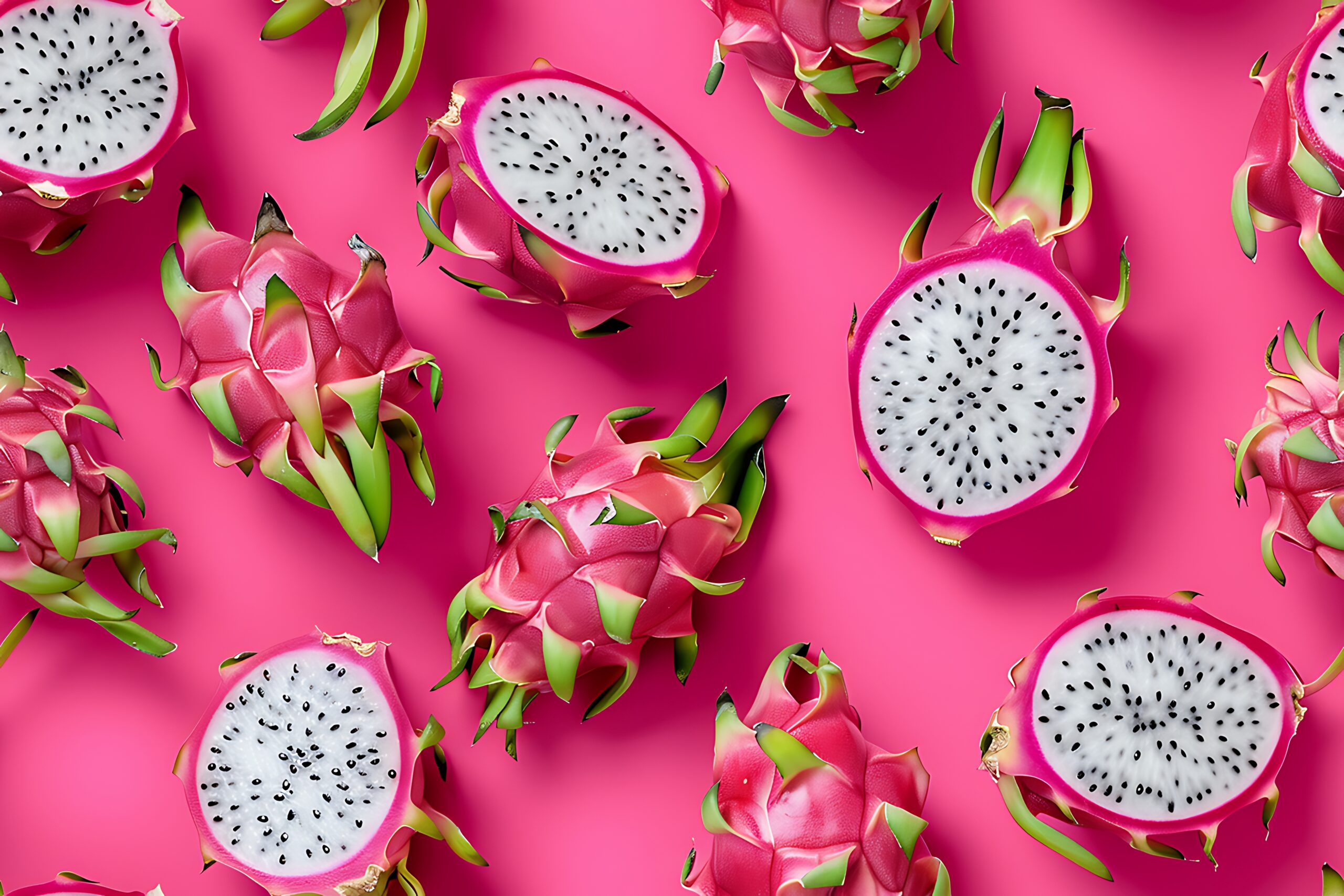
Image by Freepik
Red-Flesh Dragon Fruit
(Hylocereus costaricensis)
- Vibrant magenta interior, slightly sweeter
- Higher in antioxidants like betalains (also found in beetroot)
- Supports recovery, skin health, and inflammation control

Image by Freepik
Yellow-Skin Dragon Fruit
(Selenicereus megalanthus)
- Smaller size, thorny skin, intensely sweet
- High in prebiotic fibre and vitamin C
- Natural laxative effect; should be eaten in small portions
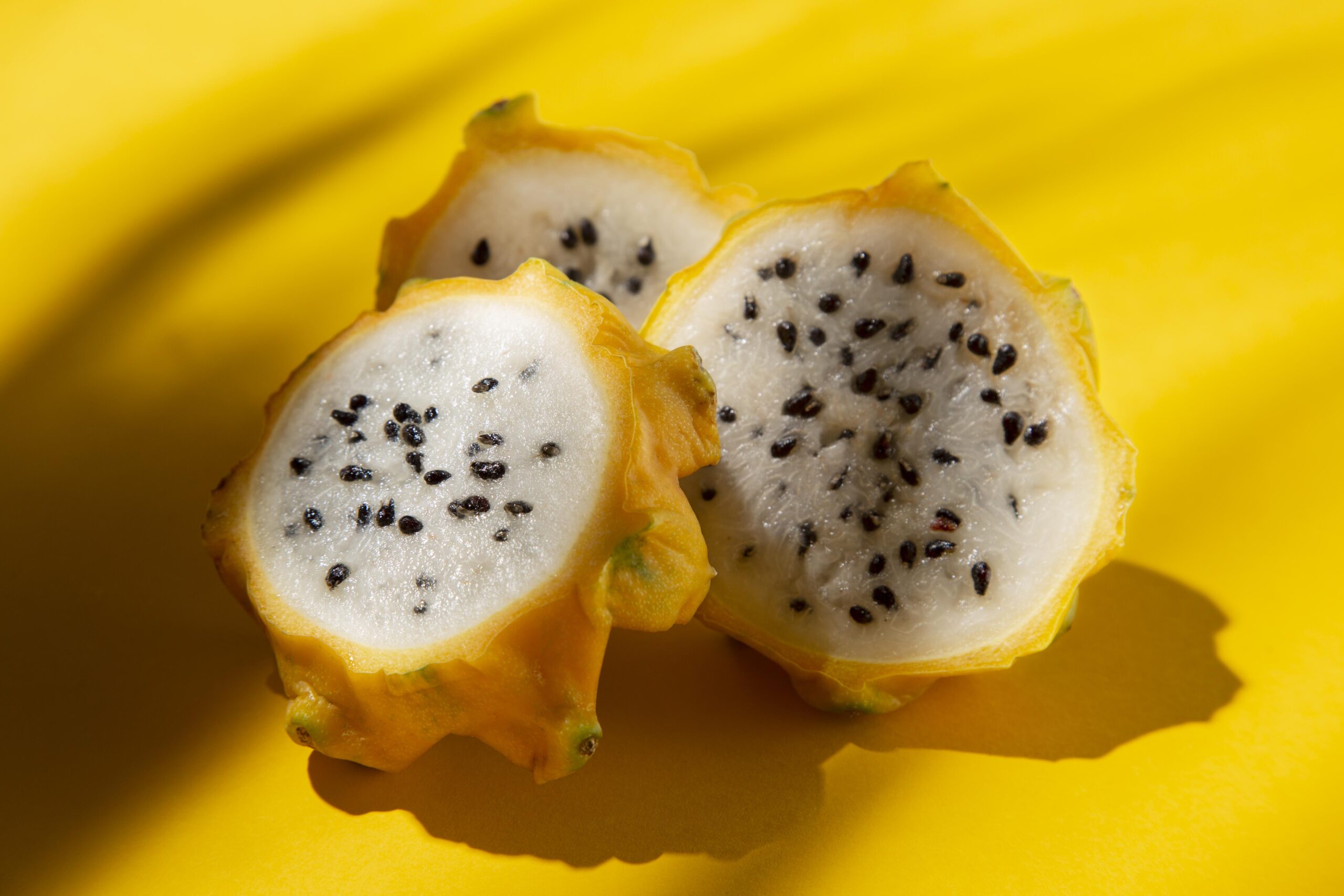
Image by Freepik
Different Types of Dragon Fruit: At a Glance
Type | Color | Taste | Nutrient Highlights | Best For |
| White-Flesh | White flesh, pink skin | Mild | Vitamin C, fibre | Smoothies, daily use |
| Red-Flesh | Magenta flesh | Slightly sweet | Antioxidants (betalains) | Skin, inflammation |
| Yellow-Skin | White flesh, yellow skin | Very sweet | Prebiotic fibre, vitamin C | Occasional treat, digestion |
A Quick Buyer’s Guide: What to Look For
With the demand for exotic fruits rising, quality matters more than ever. Here’s how you can choose wisely:
- Skin Texture: Look for bright, evenly coloured skin without blemishes or wrinkles. Overripe fruits feel overly soft or mushy.
- No Artificial Shine: Waxed or overly glossy skin may be chemically treated—avoid.
- Trusted Sources: Support small growers or certified farms where you can trace origin.
- Know When to Eat: Ripen at room temperature, then refrigerate. A ripe dragon fruit should yield slightly to pressure—like a kiwi.
A Gentle Word on Moderation
Just because it’s natural doesn’t mean more is better. Dragon fruit—especially the yellow variety—is known for its natural laxative effect. A study in the Journal of Functional Foods (2020) found that red dragon fruit’s high fibre and oligosaccharide content triggered a laxative effect in rats, suggesting caution for those with sensitive digestion or IBS. The results in animal studies also suggest that the same results can be expected in humans.

Source: Therapeutic potential of various functional components presents within dragon fruit: A review, Disha Chatterjee, Shifa Mansuri, Neelam Poonia, Prashant Kesharwani, Viney Lather, Deepti Pandita, https://doi.org/10.1016/j.hybadv.2024.100185
Side Effects and Precautions: Listen to Your Body First
Dragon fruit is nutrient-rich and refreshing, but it isn’t a one-size-fits-all food. Like any fruit, it can support you or overwhelm you depending on your body’s current state.
In our experience working with thousands of individuals across different age groups and health conditions, here’s what we’ve seen (and what the research supports):
Possible Side Effects of Eating Too Much Dragon Fruit
- Laxative Effect: Especially with the yellow-skinned variety, overconsumption may trigger loose stools. This is due to the fruit’s high fibre and oligosaccharide content.
- Allergic Reactions: Though rare, there have been isolated cases of dragon fruit causing swelling of the tongue or hives. If you’re trying it for the first time, start small and observe how your body responds.
- Blood Sugar Fluctuations: Dragon fruit has a moderate glycemic index. For most people, it doesn’t spike glucose levels, but individuals with insulin resistance or diabetes should still eat it mindfully and in combination with proteins or healthy fats.
- Overconsumption of Antioxidants? Too much of a good thing is still too much. Large quantities of antioxidant-rich fruits—especially when juiced or concentrated—can sometimes disrupt the natural balance of oxidative and anti-oxidative processes. Balance is key.
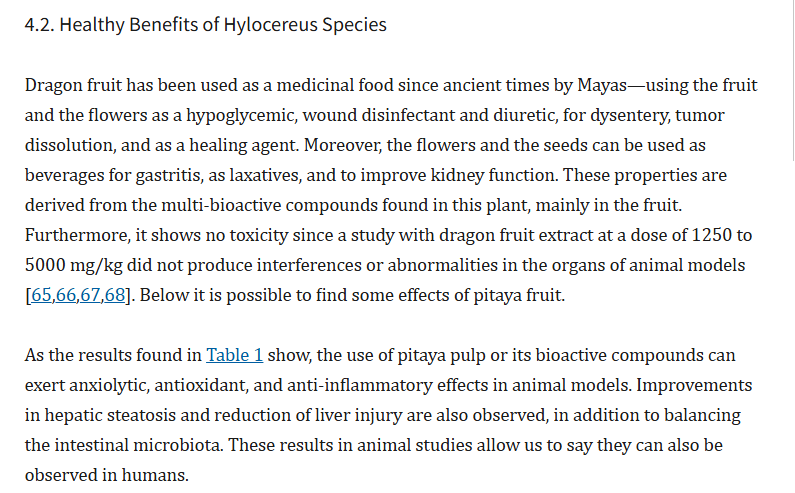
Source: Nishikito, D. F., Abdalla Borges, A. C., Laurindo, L. F., M Bueno Otoboni, A. M., Direito, R., Goulart, A., T Nicolau, C. C., R Fiorini, A. M., Sinatora, R. V., & Barbalho, S. M. (2023). Anti-Inflammatory, Antioxidant, and Other Health Effects of Dragon Fruit and Potential Delivery Systems for Its Bioactive Compounds. Pharmaceutics, 15(1), 159. https://doi.org/10.3390/pharmaceutics15010159
Your Bio-Individuality Matters
What works wonders for one person may not suit another. Factors like gut health, enzyme production, age, and even your constitution (prakriti, in Ayurvedic terms) can influence how well your body digests and absorbs dragon fruit.
Here’s what we recommend:
- Start with half a fruit the first time
- Observe how your body reacts to it over the next 24 hours
- Avoid eating it on an empty stomach if you’re prone to acidity
- Pair it with soaked nuts or seeds for better satiety and slower sugar absorption
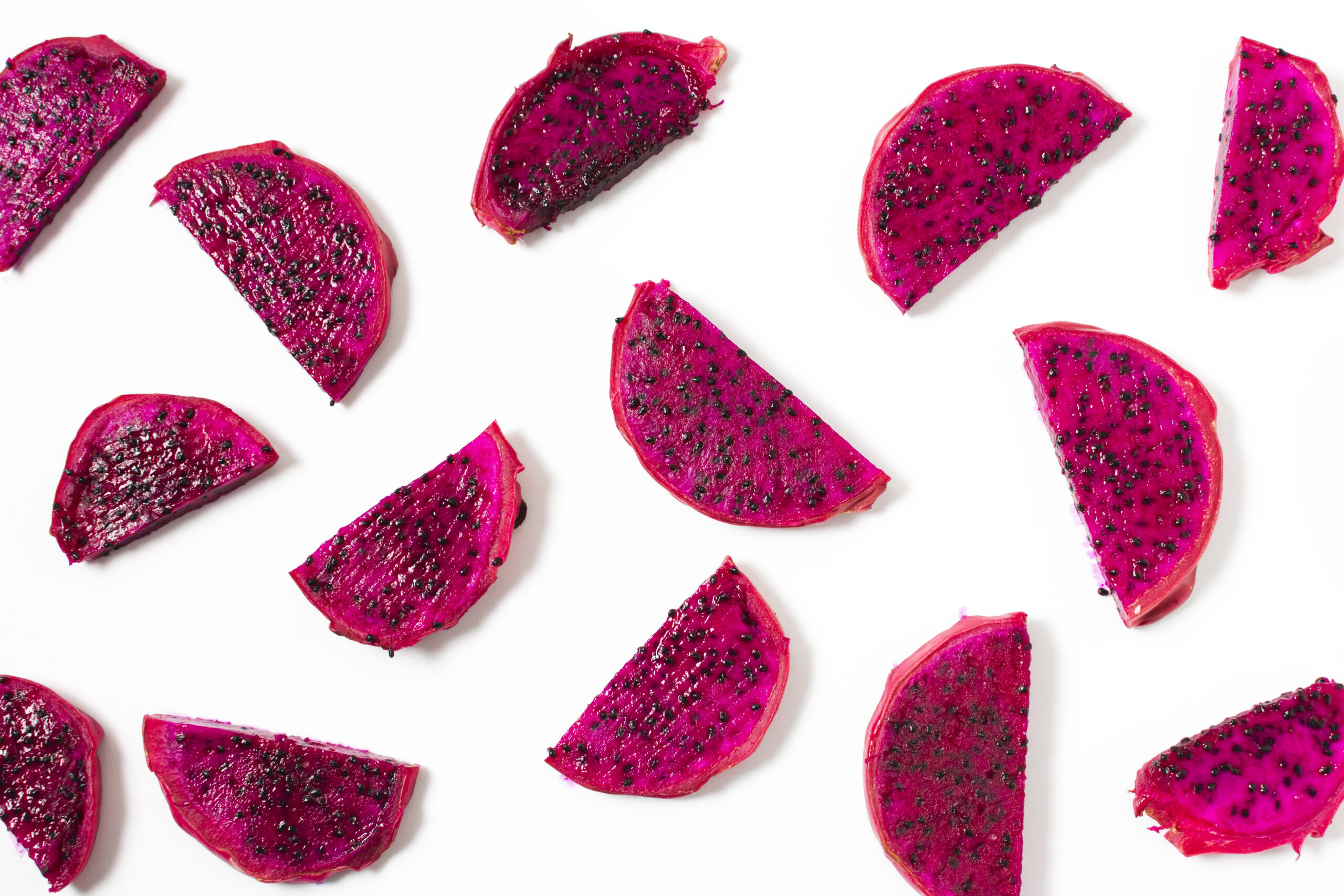
Image by Freepik
Best Ways to Include Dragon Fruit in Your Lifestyle
It’s not about fitting in a trend—it’s about fitting it into your rhythm.
Dragon fruit can be a refreshing addition to your plate when consumed intentionally and seasonally. It’s best enjoyed as part of a broader cellular nutrition approach, where the goal isn’t just eating clean but supporting your body’s healing, energy, and regeneration processes.
Here are some simple, effective ways we recommend including dragon fruit:
No-Junk Dragon Fruit Chia Pudding
- Ingredients: ½ ripe dragon fruit (chopped), 3 tbsp chia seeds, 1 cup coconut milk or almond milk, a pinch of cardamom, raw honey (optional)
- Instructions: Mix all ingredients in a bowl, refrigerate overnight. Top with fresh nuts and seeds before eating.
Gut-Friendly Dragon Fruit Salad
- Ingredients: Cubes of dragon fruit, kiwi, papaya, cucumber, mint leaves, black salt, and a squeeze of lemon
- Instructions: Toss together gently. Add a dash of roasted cumin for digestive warmth. Eat it mid-morning or post-lunch.
Frozen Bites for Kids or Summer Snacking
- Cut dragon fruit into cubes. Coat lightly with grated coconut and freeze for 2 hours. Serve chilled with toothpicks. This makes a clean and cooling alternative to sugar-laden treats!
A Note on Rhythm & Rotation
Dragon fruit works best when consumed in moderation and seasonally. It’s not meant for daily use, especially for those with sensitive guts or those prone to loose stools. Rotate it with other hydrating fruits like papaya, melon, or pomegranate for a more sustainable impact.
Let your meals reflect your climate, your constitution, and your lifestyle—not the latest food trend.
Conclusion: A Fruit That’s Functional, Not Fad
Dragon fruit is not a miracle. It’s a functional, seasonal fruit with impressive hydration, fibre, and antioxidant value—especially when eaten whole, with intention, and as part of a larger protocol of deep cellular nutrition.
It’s not about whether dragon fruit is good or bad. It’s about whether it’s right for you.
If your gut loves it, your skin responds to it, and your energy feels stable—great. If not, there are countless other whole fruits that can offer similar support. That’s the beauty of bio-individuality.
Our goal is not to chase trends but to support healing from the roots up—with food that’s real, balanced, and in rhythm with your life.
Eat mindfully. Rotate wisely. And remember—health doesn’t come from one superfruit; it comes from the sum of small, consistent actions.
Ready to Personalize Your Plate?
If you’re unsure whether dragon fruit or any food trend is right for your health goals, speak to our integrative experts.
📞 Connect with our team at 1800 102 0253
📩 Or book a consultation with us at consults @lukecoutinho.com
We’ll help you build a food and lifestyle plan tailored to your bio-individuality—gut, hormones, energy, and beyond.
Disclaimer: This blog is for informational purposes only and not a substitute for medical advice. Always consult your healthcare provider before making dietary changes, especially if you’re managing a medical condition or are on medication. While dragon fruit is generally safe in moderation, excessive consumption may lead to loose stools or blood sugar fluctuations in sensitive individuals. Listen to your body.