No products in the cart.
Every parent has heard it at some point.
“I don’t want to go.”
It could be school, a tuition class, or even a summer camp they once loved.
At first, it sounds like a phase. Maybe they’re just being lazy.
Maybe they need a little push.
But then the excuses don’t stop.
The stomach aches begin.
The silence grows.
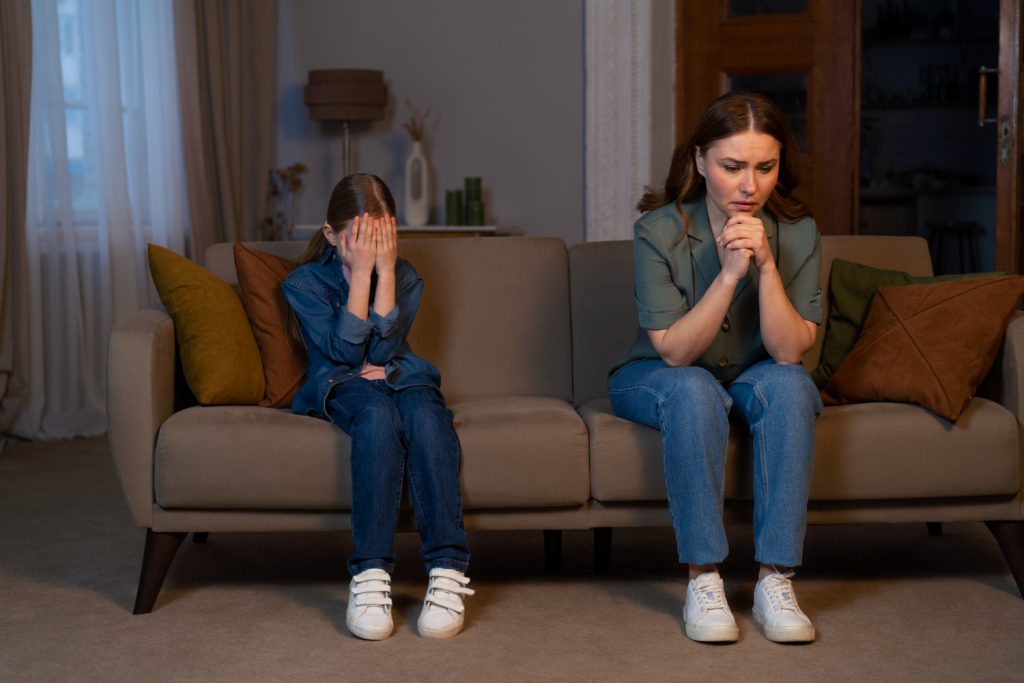
Image Credits: Freepik
A child who once laughed freely now withdraws, avoids eye contact, or simply says, “I don’t know,” when you ask what’s wrong.
And that’s where we often miss something important.
This is not always defiance or moodiness. This can be the child’s stress response at work.
Children don’t always have the words for what they’re experiencing. But their behavior, their body, and these subtle signs of child abuse or distress are ways of communicating what they cannot say out loud.
Because a child’s emotional safety is not a luxury. It is foundational health.
And this is your guide to understanding why.
What Bullying & Emotional Abuse Really Do to a Child’s Body
When we think of bullying or emotional abuse in children, we often think of hurt feelings or confidence issues. But the truth goes much deeper.
- A child’s body doesn’t separate emotions from physiology.
- It responds to stress as if it’s a threat to survival.
And this stress doesn’t only come from obvious bullying.A child can feel unsafe in many environments:
- A classroom where they’re constantly compared or judged
- A peer group where they feel left out or pressured to fit in
- A home where there is constant criticism, conflict, or emotional neglect
- Activity spaces (sports, classes) where fear replaces joy
- Even subtle emotional abuse in children, like shaming, dismissing feelings, or a lack of validation
The Body’s Response: Fight, Flight, or Freeze
When a child feels unsafe, their stress response is activated:
- Fight → irritability, anger, aggression
- Flight → avoidance, excuses, wanting to stay home
- Freeze → silence, withdrawal, “shutting down”
This is not “bad behaviour.” This is the body trying to protect itself.
When Stress Becomes “Toxic”
Occasional stress is normal.
But repeated exposure leads to toxic stress in children.This means the stress response stays “on” for too long.Over time, this begins to affect:
- Brain development in children
- Impacts memory, learning, and emotional regulation
- Stress hormones in children
- Constant cortisol release keeps the body in survival mode
- Nervous system wiring
The child becomes hyper-alert, anxious, or easily overwhelmed.
A simple way to understand this:
- A safe child lives in growth mode → learning, curiosity, connection
- An unsafe child lives in survival mode → fear, protection, hypervigilance
A child cannot learn, grow, or thrive in a body that feels unsafe.
What the Data is Showing?
- Over 1 in 3 children globally experience bullying or peer-related stress during school years. (Source: United Nations)
- Research also shows that chronic stress in childhood is linked to a higher risk of anxiety, depression, and physical health issues later in life. (PMID: 33115717)
- Children exposed to ongoing emotional abuse or stress are significantly more likely to experience long-term nervous system dysregulation. (PMID: 33115717)
The effects of bullying on children are not always visible immediately.But the body remembers.“The body keeps the score from childhood.”And what we call “behaviour” is often a biological response to an environment that doesn’t feel safe.

Image Credits: Freepik
The Silent Damage: How Stress Shows Up in the Body
Not every child will say, “I feel unsafe” or “Something is wrong.”But the body will always communicate.What look like small, everyday issues, such as stomach aches, poor sleep, and low energy, can actually be signs of a deeper child stress response. Chronic stress in children doesn’t stay in the mind. It shows up across multiple systems in the body.And often, we misread it.
Gut & Digestion: The Stress–Gut Connection
The gut and brain are deeply connected. When a child is stressed, this connection gets disrupted.Stress can alter gut motility, microbiome balance, and digestion in children.This is why you may notice:
- Frequent stomach aches (especially before school or certain activities)
- Nausea or loss of appetite
- Changes in bowel habits (constipation or loose motions)
- “Fussy eating” that suddenly begins
This is not a drama. It’s gut health and stress working together.
Sleep & Recovery: When the Body Cannot Switch Off
A stressed child often cannot relax enough to sleep deeply.Elevated stress hormones in children, like cortisol, interfere with natural sleep cycles.Signs to watch:
- Difficulty falling asleep
- Nightmares or night terrors
- Waking up frequently
- Fear of sleeping alone
- Feeling tired even after sleep
Over time, sleep problems in children affect:
- Emotional regulation
- Focus and learning
- Overall growth and recovery
Immunity & Energy: A Body in Constant Alert Mode
When the body is always in survival mode, it diverts energy away from growth and repair.Toxic stress in children weakens immune function and increases inflammation.You may notice:
- Frequent colds, coughs, or infections
- Low energy or constant fatigue
- Reduced physical resilience
- Slower recovery from illness
The body is not weak; it is simply overwhelmed.
Brain & Behavior: Stress Rewires Responses
Chronic stress impacts brain development in children, especially areas responsible for memory, learning, and emotional control.This can show up as:
- Poor concentration
- Sudden drop in academic performance
- Increased irritability or anger
- Withdrawal or “shutting down”
- Overreaction to small situations
Again, this is not “bad behaviour.”This is the nervous system adapting to stress.
What We See vs What’s Really Happening
| What Parents See | What’s Actually Happening |
| “Excuses to skip school” | Nervous system overwhelm |
| “Fussy eating” | Gut-stress disruption |
| “Laziness” | Emotional exhaustion |
| “Attention-seeking” | A need for safety and connection |
| “Mood swings” | Dysregulated stress hormones in children |
The Truth We Often Miss
Many of these signs are early indicators linked to:
- Mental health in children
- Childhood trauma
- Even long-term effects of trauma, if ignored
This is not attention-seeking. This is not manipulation.This is physiology under stress.
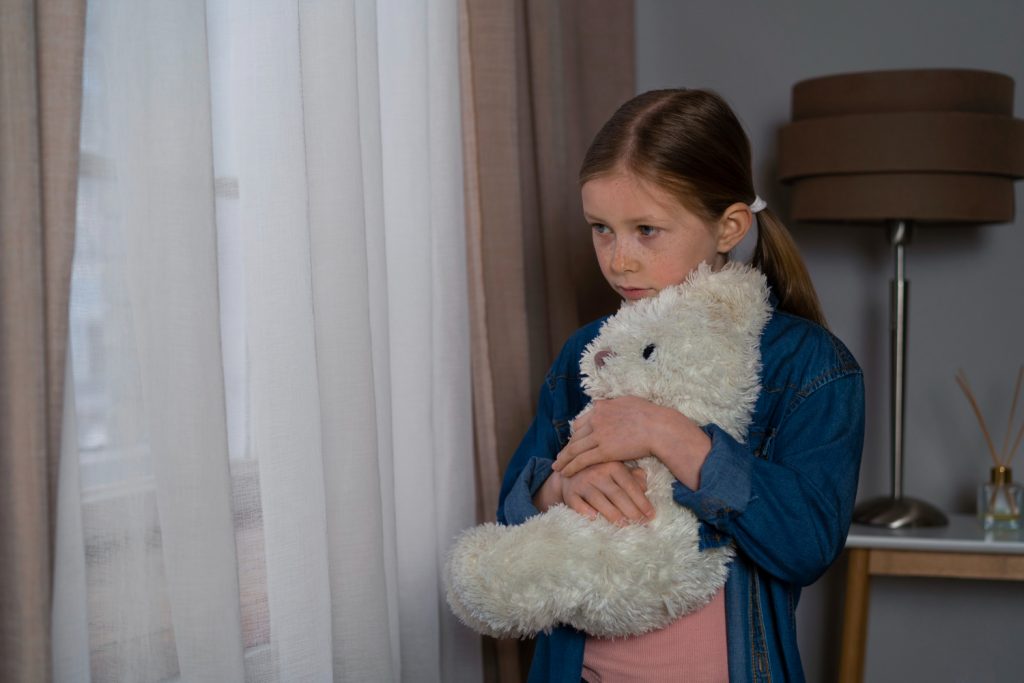
Image Credits: Freepik
The Emotional Imprint: Self-Worth, Fear & Relationships
What a child goes through doesn’t just stay in that moment.It shapes how they see themselves… and the world around them.Repeated exposure to bullying, emotional abuse, or unsafe environments leaves an imprint, not just on the body, but on a child’s identity. Early stress and childhood trauma influence emotional processing, self-perception, and relationship patterns well into adulthood.
How It Shapes a Child From Within
A child is constantly asking silent questions:Am I safe?
Am I loved?
Do I matter?When their environment repeatedly feels unsafe, the answers begin to change.Over time, this affects:
| Identity |
|
| Self-Worth |
|
| Trust & Relationships |
|
What This Can Lead To
When these patterns remain unaddressed, they begin to manifest in behavioral and emotional health issues.Common outcomes linked to mental health in children:
- Anxiety and constant worry
- Social withdrawal or isolation
- People-pleasing tendencies (fear of rejection)
- Aggression or anger as a defense mechanism
- Difficulty expressing emotions
- Fear of speaking up or saying “no”
What Happens Inside vs What We See Outside
| What We See | What the Child Feels Inside |
| Quiet, withdrawn child | “I don’t feel safe to express myself.” |
| Overly obedient / people-pleasing | “I need to keep everyone happy to stay safe.” |
| Aggressive or angry behavior | “I need to protect myself.” |
| Clinginess or dependency | “I’m afraid of being left alone.” |
| Lack of confidence | “I am not good enough.” |
The Long-Term Impact
If these emotional patterns are not addressed early, they don’t just disappear with age. They evolve.This is where the long-term effects of trauma begin to take shape:
- Chronic anxiety or depression
- Low self-esteem in adulthood
- Difficulty forming healthy relationships
- Higher sensitivity to stress
- Increased risk of burnout and emotional exhaustion
Early emotional experiences play a key role in shaping lifelong mental health in children and adults.
A Truth Worth Remembering
Children don’t just experience their environment.They become what they experience.And the way a child feels today, safe or unsafe, seen or ignored, quietly shapes the adult they will grow into.
A Must-Read for Parents: Are You Missing the Signals?
Sometimes, the signs are not loud. They are quiet. Subtle. Easy to dismiss.A child won’t always come and say, “Something is wrong.”
But if you look closely, the signals are there.“Children don’t always have the language for danger. Their bodies speak first.”This is where parenting for emotional health begins, not by reacting, but by noticing.
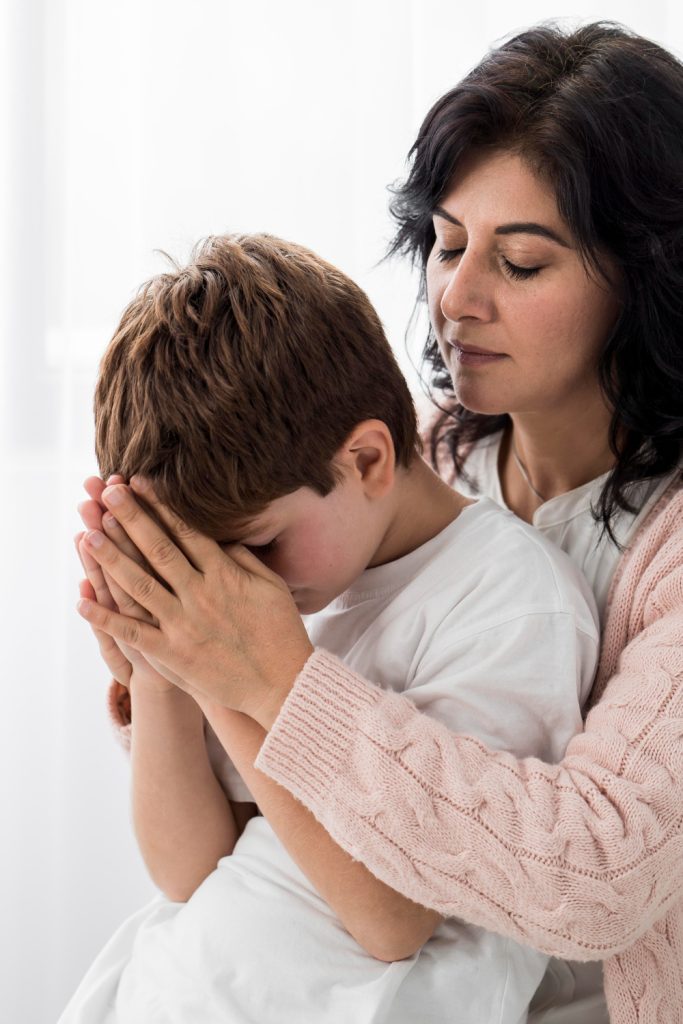
Image Credits: Freepik
Emotional Signals
These are often the first to appear:
- Sudden withdrawal from family or friends
- Increased fear, anxiety, or clinginess
- Unusual silence or reduced communication
- Loss of confidence or self-expression
Behavioral Signals
Changes in behavior are often misunderstood:
- Avoiding specific places (school, classes, activities)
- Making repeated excuses to not attend something they once enjoyed
- Aggression, irritability, or anger
- Extreme compliance (trying too hard to please)
Pay attention to patterns:
- Are multiple children suddenly leaving the same class?
- Is your child consistently uncomfortable around a specific person or place?
Patterns often reveal what words cannot.
Physical Signals
The body often carries what the child cannot express:
- Frequent stomach aches or headaches
- Changes in sleep patterns
- Sudden fatigue or low energy
- Changes in appetite
These can be early signs of child abuse, distress, or emotional overwhelm.
The Most Important Reminder
One sign may not mean much. But repeated signals are never random.Those are communication.
Things We Often Say
- “You’re overthinking.”
- “It’s just a phase.”
- “Be strong.”
- “Just adjust.”
- “Everyone goes through this.”
It sounds harmless. Even well-intentioned.But here’s the truth:These statements often silence signals instead of solving problems.
The Foundation of Health: Creating Emotional Safety
If there’s one thing we often overlook in health, it’s this:Before nutrition, before exercise, before routines, a child needs to feel safe.Because a child’s emotional safety is not just about feelings.
It directly influences the nervous system, hormones, behavior, and long-term health outcomes.
The Core Pillars of Emotional Safety
A child feels emotionally safe when they consistently experience:
- Seen – “I am noticed, even in small moments.”
- Heard – “My feelings are acknowledged, not dismissed.”
- Safe – “I can express myself without fear.”
- Support – “I don’t have to handle everything alone.”
- Protection – “If something is wrong, an adult will act.”
If even one of these pillars is missing consistently, the child’s sense of safety begins to weaken.

Image Credits: Freepik
How to Support a Child Emotionally (Practical & Everyday)
These are not big, complicated changes. They are small, consistent behaviors that build trust over time.
Listen Without Fixing
Presence is more powerful than solutions. Most children don’t need immediate answers. They need space.Try this:
- Sit at their level (eye contact matters
- Let them speak without interruption
- Avoid jumping to advice too quickly
- Instead of saying: “You should have done this…”
- Say this: “Tell me more about what happened…”
This builds psychological safety.
Validate Before You Question
Validation regulates the nervous system. When a child feels understood, their body calms down.Use simple phrases:
- “I believe you.
- “That sounds difficult.”
- “You’re safe to tell me anything.”
Avoid:
- “Why didn’t you say this earlier?
- “Are you sure?”
Validation first. Questions later.
Build a Safe Environment for Children
Safety is built through consistency, not control.At home:
- Reduce criticism and comparison
- Avoid shaming language (“What’s wrong with you?”)
- Create daily check-in moments (even 10 minutes matters)
In external environments:
- Know the people your child spends time with
- Observe behavioral changes after specific activities
- Take discomfort seriously, even if you don’t understand it yet
A safe environment for children is one where they feel emotionally secure, not just physically protected.
Teach Body & Emotional Awareness
Give children the language they don’t yet have. Children often feel things before they understand them.Help them connect:
- “Does your tummy feel tight when you’re scared?”
- “Did that situation feel uncomfortable?”
- “It’s okay to say no if something doesn’t feel right.”
Also teach:
- Safe vs unsafe touch
- Those secrets about the body are not okay
- That they will never be in trouble for speaking up
This is how you build internal safety, not just external protection.
Regulate Before You Discipline
A calm child learns. A stressed child protects.When a child is overwhelmed:
- Their thinking brain shuts down
- Their emotional brain takes over
So discipline at that moment doesn’t work.Instead:
- Stay calm (even if they are not)
- Help them breathe or pause
- Speak after they settle
This is co-regulation; your calm becomes their calm.
Small Moments That Build (or Break) Safety
| Everyday Situation | Opportunity to Build Emotional Safety |
| Child says “I don’t want to go” | Pause and explore instead of forcing |
| Child makes a mistake | Guide without shaming |
| Child expresses fear | Reassure instead of dismissing |
| Child shares something vulnerable | Listen fully without reacting harshly |
| Child shows anger | Understand the emotion behind it |
Emotional safety is not built in big lectures. It is built in small, repeated moments.The truth is: Emotional safety is prevention.When a child feels safe:
- Stress hormones in children remain balanced
- The nervous system stays regulated
- The risk of chronic illness reduces
- Mental health in children becomes stronger and more resilient
You’re not just raising a child who behaves well. You’re raising a human who feels safe, confident, and whole.
The Last Word
As parents, caregivers, and educators, we may not control everything our children face.
But we can control how safe they feel coming back to us.And sometimes, that’s what makes all the difference.Because prevention doesn’t start with medicine.
It starts with awareness.
It starts with listening.
It starts with safety.Disclaimer: This blog is for educational and informational purposes only and is not a substitute for professional medical advice, diagnosis, or treatment. Always seek the advice of your physician or qualified healthcare provider with any questions you may have regarding a medical condition.
If you’re worried about your child’s mental and emotional health, don’t wait.
Set up a one-on-one consultation with our foundational medicine team to optimize your child’s overall well-being.
Reach out to us at 1800 102 0253 or write to us at [email protected].