No products in the cart.
We’ve shared a lot about fatty liver over the years, its rise, its risks, and why it’s becoming so common, especially with increasing cases of fatty liver in India.
But there’s one aspect most people still miss.

Image Credits: Freepik
Everyone is quick to point fingers at one nutrient.
Sugar.
Carbs.
Ghee.
Seed oils.
The debate often becomes: Does sugar cause fatty liver?
Or more recently, does oil cause fatty liver?
But real health, and real disease, is rarely that simple.
When we reduce fatty liver causes to one villain, we ignore the bigger metabolic picture. The real question isn’t just about sugar or oil.
It’s this:
What is the total metabolic load we are placing on the liver every single day?
Because the liver doesn’t respond to trends. It responds to pressure.
Let’s step back, zoom out, and understand what’s really happening.
What Fatty Liver Actually Is
At its core, fatty liver simply means this: excess fat stored inside liver cells.
- The liver is designed to process nutrients, cleanse the body, regulate hormones, and support metabolism.
- But when it is repeatedly overloaded, whether from excess calories, poor recovery, or chronic metabolic stress, fat begins to accumulate within it.
Over time, this can progress to non alcoholic fatty liver disease, one of the most common lifestyle-driven conditions today and a growing concern in India.
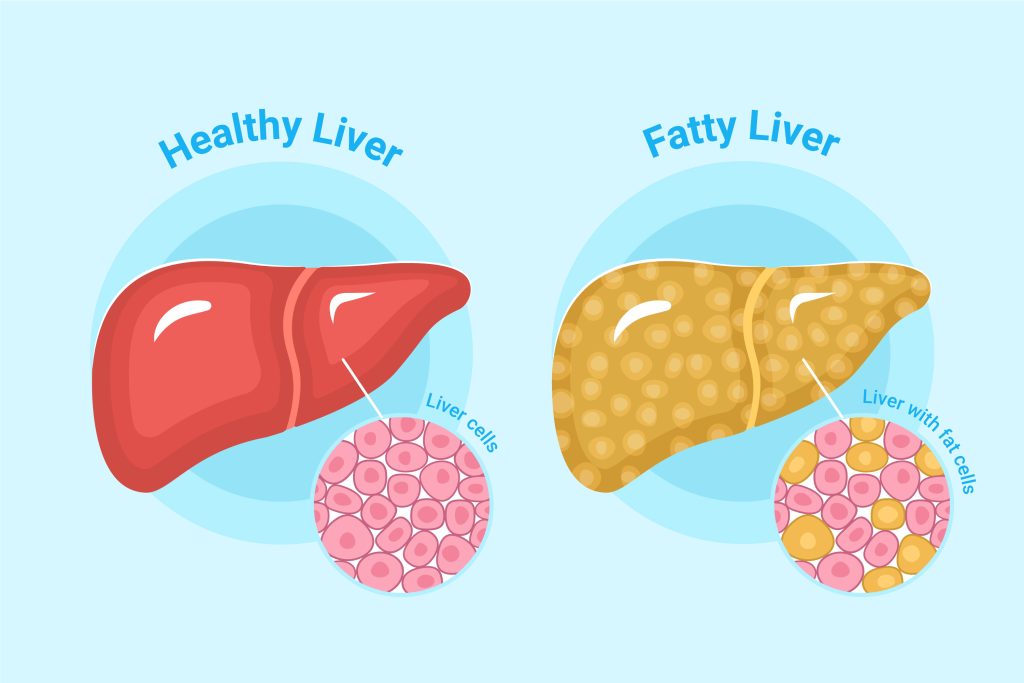
Image Credits: Freepik
When liver cells are overwhelmed:
- Fat accumulates beyond safe capacity
- Cleansing pathways begin to slow
- Hormonal regulation is affected
- Inflammation quietly increases
- Insulin resistance fatty liver patterns start developing
Here’s what most people don’t realize:
- You can have fatty liver without symptoms.
- You can have normal blood tests.
- You can even be at a normal weight.
Yet internally, the liver may already be under pressure, storing fat silently, long before visible signs appear.
And that silent phase is where awareness matters most.
Does Sugar Cause Fatty Liver?
Short answer? Yes.
But that’s not the full story.
Excess sugar intake, especially high fructose consumption, does play a significant role in fatty liver development. Liquid calories like soft drinks, packaged juices, and sweetened beverages are particularly problematic. Refined carbohydrates and ultra-processed foods add to the load.
- When fructose intake is high, the liver converts it into fat through a process called de novo lipogenesis.
- This is why fructose fatty liver is often discussed in metabolic research.
- The liver essentially starts manufacturing fat internally when sugar supply exceeds what the body can use.
Over time, this contributes to:
- Increased liver fat storage
- Rising triglycerides
- Worsening insulin resistance fatty liver patterns
So when people ask, does sugar cause fatty liver? The answer is yes, it can.
But reducing all fatty liver causes sugar alone oversimplifies a much deeper metabolic issue.
Because sugar is one piece of the pressure, not the entire load.
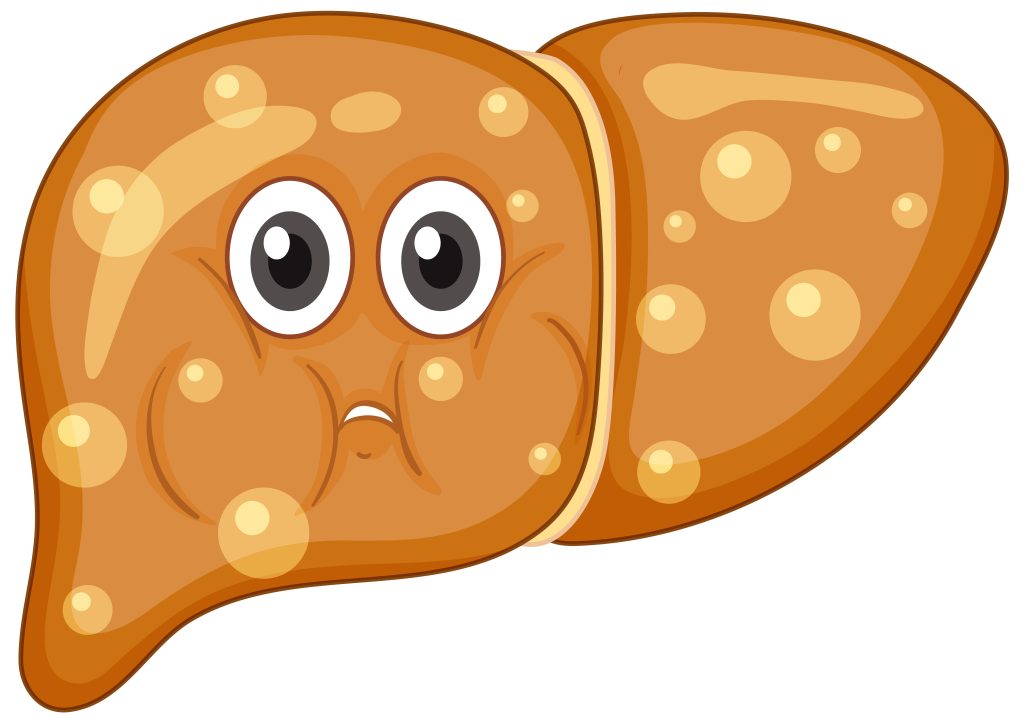
Image Credits: Freepik
The Question No One Is Asking: Does Oil Cause Fatty Liver?
Now let’s talk about what we rarely measure.
Oil.
In India, oil is almost invisible.
It’s poured generously at home.
Deep frying is normalized.
Street food is oil-heavy.
Restaurant food contains far more oil than what you can see.
And almost no one measures it. But cooking oil calories add up fast.
- Just 1 tablespoon of oil contains roughly 120 calories.
- Most meals unknowingly use 3–6 tablespoons.
- That’s 360–720 calories from oil alone, before counting rice, roti, dal, snacks, or dessert.
The liver does not classify fats as “healthy” or “unhealthy.”
Even:
- Cold-pressed oils
- Ghee
- Butter
- Olive oil
When overconsumed, they still contribute to:
- Calorie surplus
- Liver fat storage
- Metabolic dysfunction
So when people ask, does oil cause fatty liver?
The better question is: Does chronic excess cause fatty liver? Yes.
Not because oil is evil. But because overload is.
And when excess becomes daily, it becomes one of the overlooked fatty liver causes, especially in the context of fatty liver in India.
If oil quality and quantity still confuse you, we’ve simplified it for you.
How To Choose The Best Cooking Oil? Here’s A FREE 101 Guide
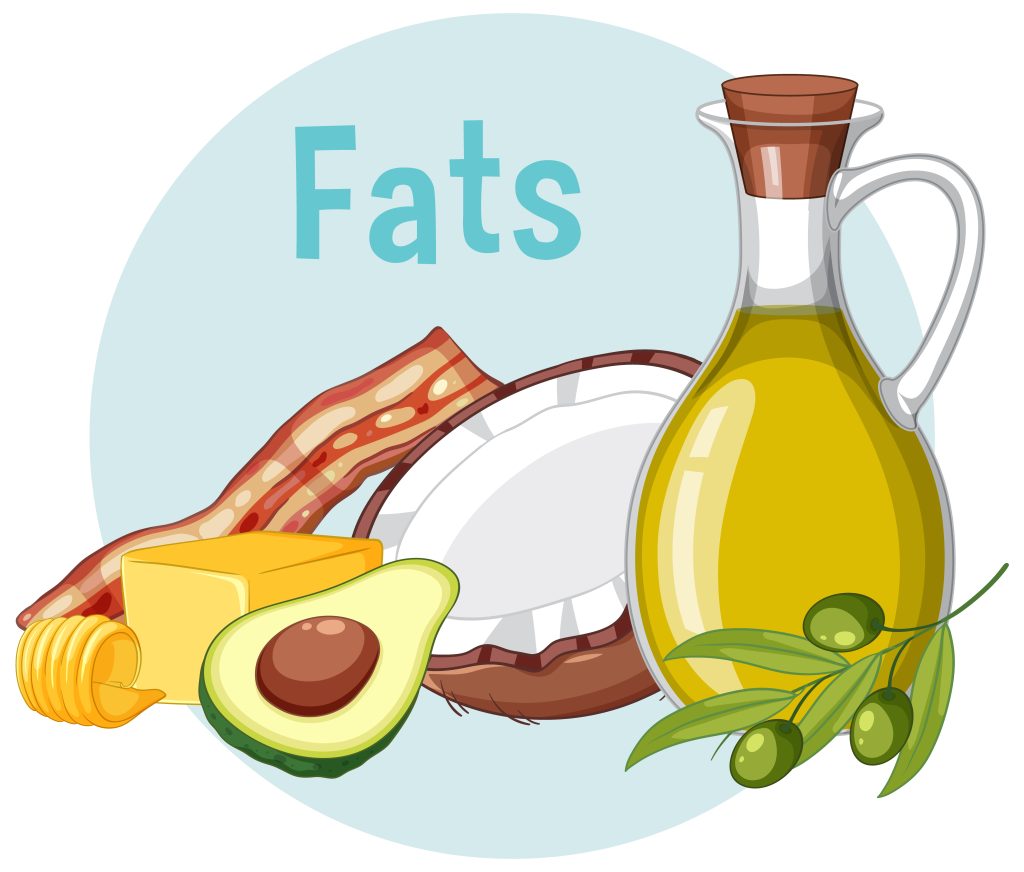
Image Credits: Freepik
How Excess Fat Affects the Liver
The liver is incredibly resilient. But it has limits.
When fat intake consistently exceeds what your body can burn for energy, the overflow has to go somewhere.
Here’s what happens metabolically:
- Fatty acids begin flooding the liver
- The liver converts and stores them as triglycerides
- Fat oxidation capacity gets exceeded
- Inflammation gradually increases
- Insulin resistance fatty liver patterns begin to develop
This process, where excess fat directly disrupts liver cell function, is known as lipotoxicity.
It doesn’t happen overnight. It builds quietly.
- Over time, this metabolic overload lays the foundation for grade 1 fatty liver, the earliest stage, often dismissed because symptoms are absent and blood reports may still look “normal.”
But inside, the pressure is building.
And when excess fat combines with high sugar intake, poor sleep, low muscle mass, and a sedentary lifestyle fatty liver risk increases even further.
The liver doesn’t struggle because of one meal. It struggles because of chronic overload.
Why Fatty Liver in India Is Rising Rapidly
When we look at the sharp rise of fatty liver in India, we have to zoom out.
India today faces a double metabolic burden.
On one side:
- High-carb dietary patterns
- Frequent refined grain consumption
- Regular snacking
On the other:
- High-fat cooking methods
- Invisible cooking oil calories
- Deep-fried and restaurant-heavy meals
Now combine that with:
- Low muscle mass relative to body weight
- A largely sedentary lifestyle
- Poor sleep quality
- Chronic stress
This creates the perfect internal environment for:
- Visceral fat accumulation
- Organ fat storage
- Rising insulin resistance fatty liver patterns
Indians are genetically more prone to storing fat centrally, especially visceral fat, the type that surrounds organs like the liver.
This is why someone can appear slim, have a normal BMI, and still develop fatty liver without symptoms.
It’s not just about weight. It’s about where fat is stored, how the body handles energy, and how much metabolic pressure the system is under daily.
And that pressure is rising.
Learn more about why 1 in 3 Indians may already have fatty liver:
Sedentary Lifestyle, Stress, and Fatty Liver
One of the biggest mistakes we make is isolating food from lifestyle.
From what we see clinically, fatty liver causes extend far beyond just nutrients. It is deeply connected to how we live every single day.
Let’s look at what often gets ignored:
- Sedentary lifestyle fatty liver risk
- Low muscle mass relative to age
- Sleep deprivation
- Chronic stress and elevated cortisol
- Alcohol (even “social” or occasional)
- Ultra-processed foods
- Constant snacking without digestive rest
- Smoking and vaping
When daily movement drops, muscle becomes less metabolically active.
- The body burns less fuel efficiently.
- This directly worsens insulin resistance fatty liver patterns and promotes visceral fat storage, the kind that surrounds organs.
Now layer chronic stress on top.
The link between stress and fatty liver is not emotional, it is biochemical.
- Elevated cortisol affects blood sugar regulation, fat storage patterns, sleep depth, and recovery.
- Over time, this increases internal pressure on the liver.
The liver is resilient.
- But when excess intake, emotional stress, poor sleep, and low movement combine, fat begins accumulating silently.
Not because of one meal. But because the system is constantly overloaded.
Fatty Liver Without Symptoms: The Silent Risk
One of the biggest misconceptions we hear:
“My blood tests are normal, so I’m fine.”
Not necessarily.
Fatty liver without symptoms is extremely common, especially in the early stages.
- You may not feel pain.
- You may not feel fatigue.
- Your routine liver enzymes may even fall within the “normal” range.
Yet fat may already be accumulating inside liver cells.
- This is particularly relevant in the context of fatty liver in India, where individuals with normal weight and average lab reports are increasingly being diagnosed with grade 1 fatty liver on routine scans.
A simple ultrasound can often detect it early. It is accessible, affordable, and preventive.
What Actually Reverses Fatty Liver
Not trends.
Not crash dieting.
Not extreme fasting.
If you’re asking, is fatty liver reversible? The answer is yes, especially in early stages like grade 1 fatty liver.
From a Foundational Medicine lens, we always zoom out and assess the basics:
- Daily movement beyond structured workouts
- Muscle mass relative to age
- Sleep depth, not just duration
- Stress load and emotional recovery
- Meal timing and digestive rest
- Alcohol frequency, even if occasional
- Micronutrients that support fat metabolism
Because whether the trigger was sugar, excess cooking oil calories, or a prolonged sedentary lifestyle fatty liver pattern, the solution lies in restoring balance.
Image Credits: Freepik
Practical, sustainable steps include:
- Measuring oil consciously while cooking
- Reducing deep-fried foods
- Prioritizing adequate protein and fiber
- Building muscle to improve insulin sensitivity
- Walking daily
- Improving sleep quality
- Reducing chronic stress
- Creating calorie awareness without obsession
- Eating whole foods consistently
This approach directly improves insulin resistance fatty liver patterns and reduces visceral fat storage over time.
The liver has an incredible capacity to heal.
But it heals when overload stops, not when we chase extremes.
The Last Word
Let’s bring this together.
Fatty liver is not about blaming sugar. It is not about demonizing oil.
At its core, most fatty liver causes come down to:
Excess + inactivity + stress + poor recovery.
When calorie intake consistently exceeds output…
When a sedentary lifestyle fatty liver pattern becomes the norm…
When chronic stress drives hormonal imbalance…
When sleep is compromised and muscle mass is low…
The liver carries the load.
If we obsess over one nutrient, we ignore the larger metabolic environment driving insulin resistance fatty liver and visceral fat accumulation.
Awareness is prevention. Balance is medicine.
Be educated. Not influenced. Fix the basics and health follows.
Disclaimer: This blog is intended for educational and informational purposes only and should not be used as a substitute for professional medical advice, diagnosis, or treatment. Always seek the guidance of your qualified healthcare provider before making any changes to your medications or lifestyle.
Looking for holistic and foundational guidance to prevent or reverse fatty liver?
We help you find a way.
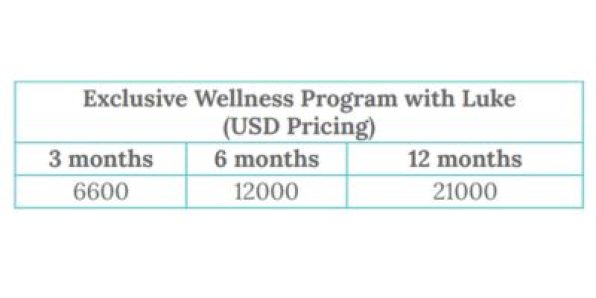
Set up a one-on-one consultation with our foundational medicine experts or explore our Wellness Programs to optimize your lifestyle goals.
Reach out to us at 1800 102 0253 or write to us at [email protected].