

Last week, a woman sat across from me and said something I hear too often: “I haven’t slept peacefully in months.”
She wasn’t asking for a pill or a quick fix. She simply wanted to understand why her body felt wired at night and exhausted every morning. When something feels off, it’s usually the body responding to stress, lifestyle overload, emotional strain, or sometimes, the quiet absence of a nutrient that keeps multiple systems working in sync.
That conversation reminded me of something we often overlook. We tend to search for big answers to everyday problems, when in reality, it’s often the smallest missing pieces that create the biggest imbalance.
One of those pieces is glycine.
Most people have never heard of it. Even fewer realise how deeply it influences sleep, energy, digestion, skin health, and recovery.
So, let’s start with the basics.
Glycine: The Molecule That Keeps the Body in Rhythm
Glycine is an amino acid.
Amino acids are the building blocks of life. Every muscle you move, every enzyme that digests your food, every neurotransmitter that affects your mood and sleep; these are all made from amino acids. Think of amino acids as individual bricks or lego pieces, and your body as the structure they build and repair every single day.
Glycine is one of the simplest amino acids in the human body, and also one of the oldest discovered. It was first identified in 1820 by French chemist Henri Braconnot while studying gelatin, which comes from collagen-rich tissues.
Wherever collagen exists like skin, joints, gut lining, connective tissue, glycine is always present.
Glycine is also described as a ‘non-essential’ amino acid. It means the body can make some of it on its own. But internal production rarely meets the body’s actual needs, especially during stress, poor sleep, aging, illness, intense physical activity, or chronic inflammation.
Glycine isn’t limited to one system. Its function spans across the nervous system, connective tissues, digestion, cleansing pathways, and muscle metabolism. It helps calm overactive neurons at night, forms the structural backbone of collagen, supports the gut’s protective lining, and participates in energy production inside the cell.
This is why even a subtle deficiency doesn’t show up as one clear symptom. Instead, it appears as restless sleep, slower recovery, digestive sensitivity, premature skin aging, or persistent fatigue. Not enough to diagnose, but disruptive enough to affect quality of life.
Let’s break down the benefits of glycine.
Glycine for Sleep
Glycine acts as a neurotransmitter that signals your nervous system to shift gears from alertness into calm. Multiple peer-reviewed studies demonstrate that glycine consumption before bedtime can reduce sleep latency, improve sleep quality, and enhance next-day cognitive function.
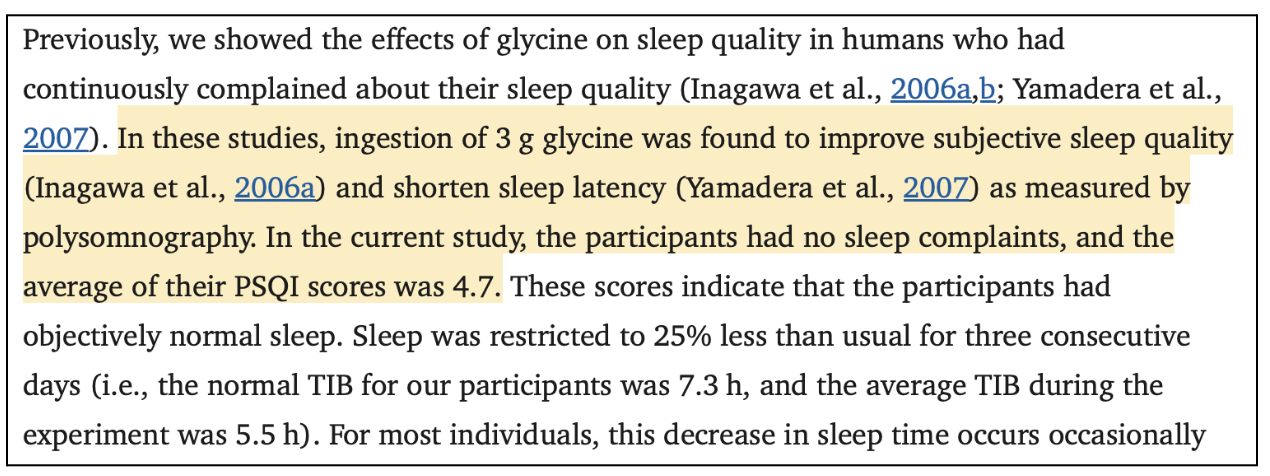
It works by lowering your core body temperature, something your body naturally tries to do as night approaches. A cooler internal environment helps activate your parasympathetic nervous system, which promotes deeper rest.
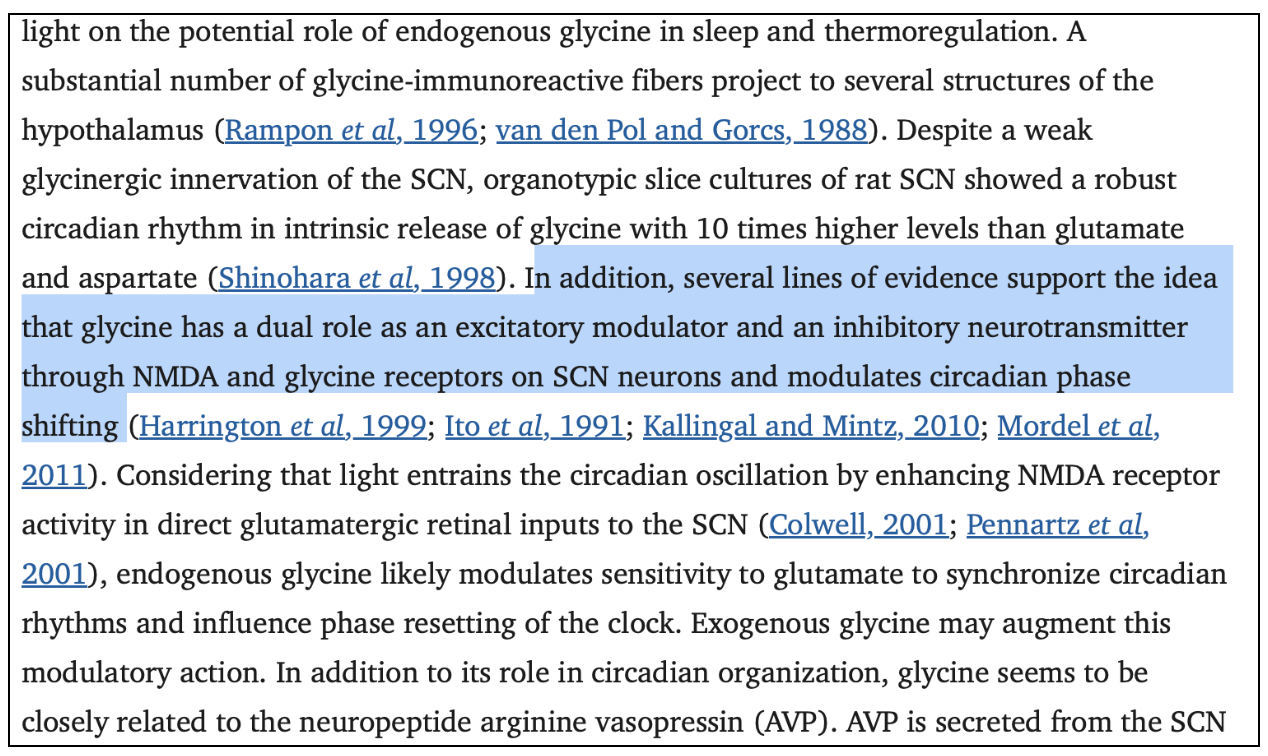
Another powerful glycine function is its impact on GABAergic pathways. GABA (gamma aminobutyric acid) is the brain’s primary calming neurotransmitter. When glycine interacts with these pathways, it helps quiet internal noise, the racing thoughts, the restlessness, the tension stored in the body. Research from the Neuropsychopharmacology Journal highlights this dual action of glycine on inhibitory receptors, making it a supportive compound for individuals who feel overstimulated at night.
Glycine for Skin & Collagen
When we speak about skin health, most people immediately think of what they can apply on their skin. Serums, moisturizers, masks, there’s a place for all of them. Your skin reflects what is happening inside your body long before any product shows results on the surface.
Glycine forms nearly one-third of the collagen structure in your body. Collagen is built from three amino acids; glycine, proline, and hydroxyproline, with glycine being the most abundant.
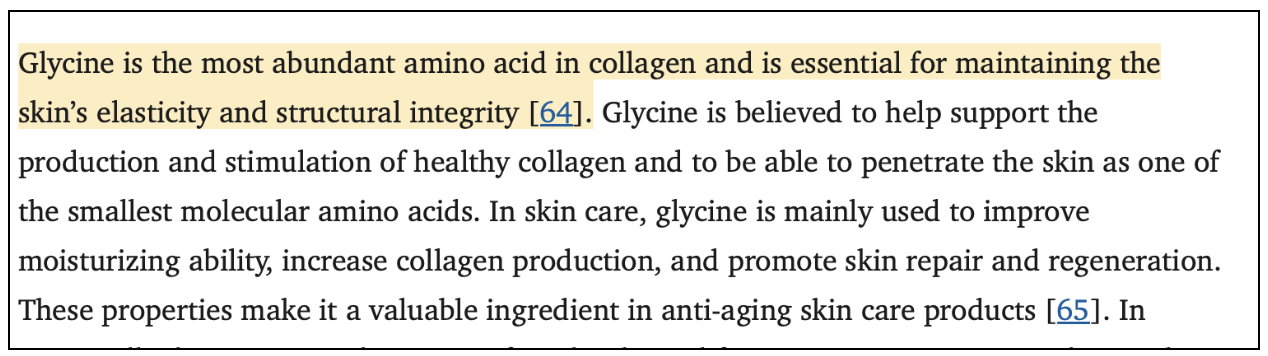
When glycine supply is inadequate, collagen synthesis slows down, and the body’s natural ability to maintain strong, elastic, and hydrated skin becomes compromised.
Adequate glycine availability enhances fibroblast activity, which supports firmness and elasticity. These are the qualities that make skin look vibrant and youthful.
And yes, hydration also plays a significant role.

Glycine for Muscle Recovery, Energy and Mitochondrial Support
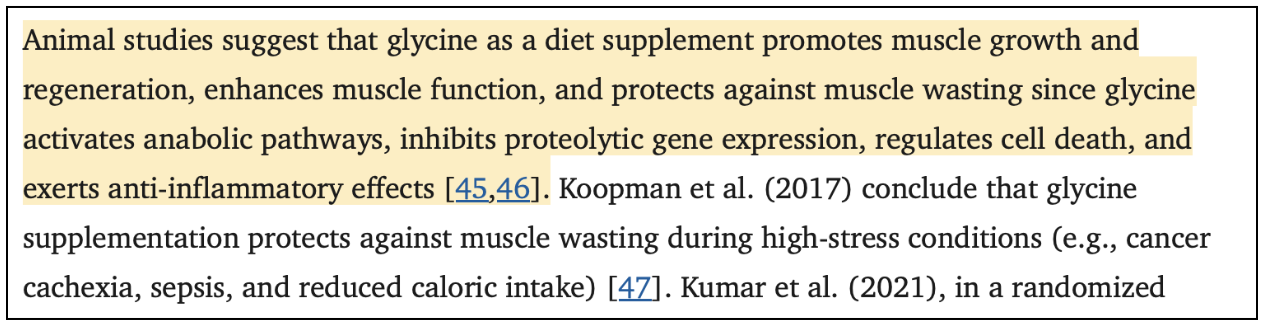
Muscles aren’t built in the gym, they’re built in the recovery period that follows. Glycine is required for creatine synthesis, an essential compound that supplies rapid energy to muscle cells during high-intensity activity. Without adequate glycine, creatine production becomes less efficient, which can affect strength, power output, and post-exercise energy.

Glycine helps regulate mTOR (mammalian target of rapamycin) signaling, a key pathway involved in muscle repair and growth. This makes glycine particularly relevant for individuals who experience muscle breakdown, whether due to intense training, aging, or chronic stress on the body. This is why many athletes explore glycine for muscle building as a natural way to support recovery without overstimulating the system.
Another significant glycine function lies in its impact on mitochondrial health. Mitochondria is the powerhouse of the cell, but they’re also vulnerable to oxidative stress. Glycine contributes to glutathione synthesis, the body’s most important antioxidant. Glycine combined with cysteine boosts glutathione levels and improves mitochondrial efficiency, helping muscles recover faster and perform better under stress.
Glycine for Gut Integrity and Mucosal Healing
Your gut lining is a single-cell-thick barrier. It keeps nutrients in, keeps pathogens out, and communicates with your immune system every moment of the day. When this lining becomes inflamed or compromised, digestion slows down, nutrient absorption suffers, and the body shifts into a state of imbalance.
Glycine has a role in maintaining mucosal integrity. This barrier isn’t just a physical layer; it’s a living, breathing ecosystem of immune cells, enzymes, and protective mucus. Glycine contributes to the production of glutathione, the body’s master antioxidant, which further shields the gut lining from injury caused by stress, poor food habits, alcohol, or chronic inflammation.
Glycine also helps improve gastric acid balance and digestive enzyme function. It modulates gastric secretions and helps maintain the structural integrity of intestinal villi, which are essential for nutrient absorption. When these villi are healthy, the body absorbs vitamins, minerals, amino acids, and phytonutrients more effectively; supporting energy, immunity, hormonal balance, and overall wellness.

👉 Want to restore your gut and feel your best from the inside out?
Glycine’s Anti-Inflammatory and Heart Health Role
Glycine binds to glycine-gated chloride channels present on immune cells, which helps regulate the release of inflammatory cytokines. This means glycine doesn’t shut down the immune system; it simply helps prevent overactivation, allowing the body to maintain balance. This gentle modulation is one of the most important glycine function mechanisms for inflammation control.
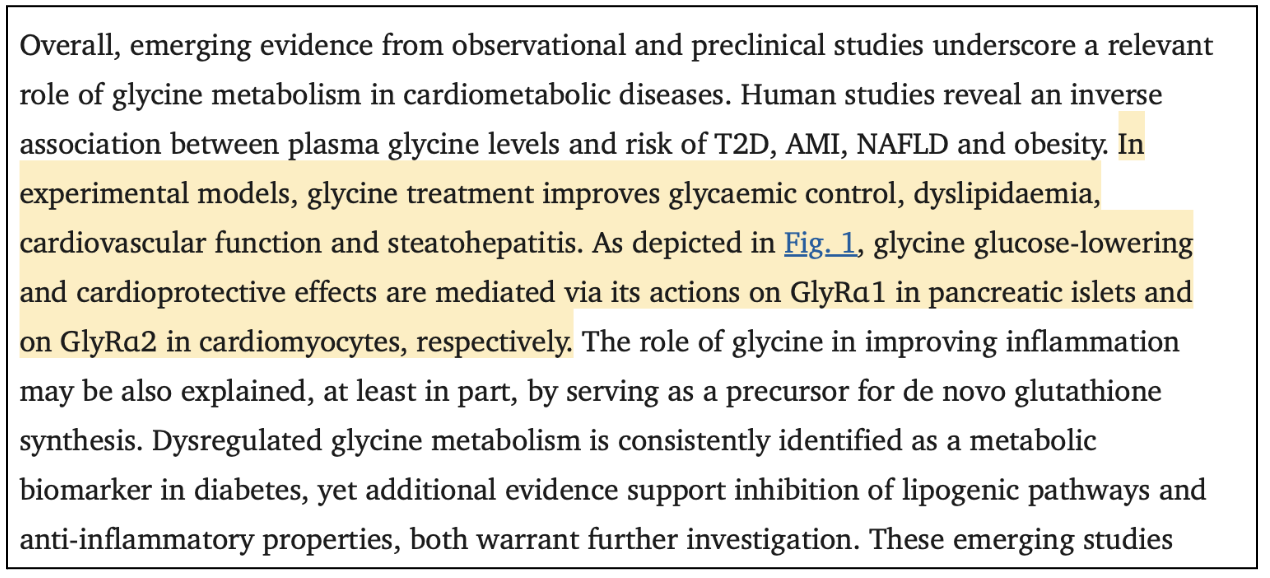
Individuals with lower plasma glycine levels often exhibited higher markers of metabolic inflammation, oxidative stress, and impaired glucose metabolism. These associations suggest that glycine plays a role in maintaining healthy metabolic pathways. It supports glutathione synthesis, improves mitochondrial efficiency, and assists in cleansing reactions; functions that collectively reduce the burden on cells and help them operate smoothly.
The relationship between glycine and cardiometabolic health has also been studied extensively. Higher circulating glycine in the body is linked with better cardiometabolic markers, including healthier lipid profiles and reduced systemic inflammation. Importantly, glycine is never used as a treatment for cardiac issues; rather, they highlight how glycine supports metabolic harmony, which in turn benefits the internal environment of the heart.
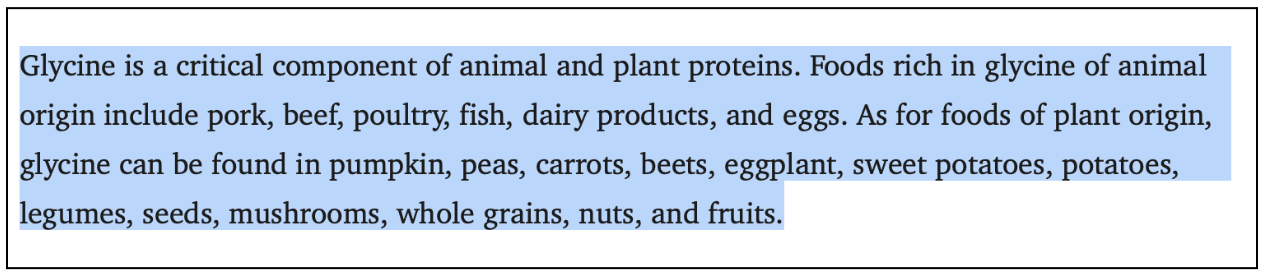
Foods Rich in Glycine: Simple, Everyday Sources That Build Your Foundation
It is important to consume what suits you. Below are the food sources that are rich in glycine:
Non-Vegetarian Sources of Glycine
Animal-based foods naturally contain higher amounts of the glycine amino acid, especially in collagen-dense tissues. Highly glycine-rich non-veg options include:
- Bone broth: One of the most concentrated natural sources of glycine due to the slow extraction of collagen from bones and connective tissues.
- Chicken skin: Rich in gelatin, and therefore high in glycine, especially when cooked slowly or in soups.
- Fish skin: Fatty fish like salmon and sardines provide both glycine and omega-3s, supporting mitochondrial and skin health.
- Eggs: While not as high as connective tissues, whole eggs offer a balanced amino acid profile that complements glycine metabolism.
- Cuts of meat containing connective tissue: Such as slow-cooked lamb, which naturally release collagen during cooking.
Vegetarian Sources of Glycine
Plant-based foods contain lower absolute amounts of glycine compared to animal sources, yet they remain valuable for individuals following vegetarian or vegan lifestyles. Glycine-supportive vegetarian options include:
- Rajma (kidney beans) and chana (chickpeas): Legumes that contribute amino acids needed for collagen and glutathione synthesis.
- Pinto beans and other lentils: Provide glycine along with fiber to support gut function.
- Spirulina: A nutrient-dense algae with a surprisingly strong amino acid profile.
- Sesame seeds and pumpkin seeds: Offer glycine along with minerals that support enzyme functions and cellular repair.
- Soy products: Tofu, tempeh, and non-GMO (genetically modified organism) soybeans contribute additional amino acids that complement glycine pathways.
Should You Go For Glycine Supplementation?
If your lifestyle, appetite, or health condition makes it difficult to consistently meet your glycine needs from food alone, supplementation can be consumed only after the advice of your primary healthcare provider. You may consider supplementing, if you have:
- Poor appetite or low protein intake: Individuals who struggle to eat adequate protein, such as older adults, people with chronic stress, or those recovering from illness, may benefit from supplemental glycine.
- Compromised gut function: When digestive capacity is weak or there is impaired absorption.
- Increased physical activity or strength training: Glycine supports creatine synthesis and collagen turnover, which can be beneficial during phases of intense activity or muscle remodeling.
- Imbalanced or restrictive meal patterns: When your day-to-day nutrition oscillates, like skipping meals, low-protein breakfasts, or long gaps, glycine supplementation may help bridge functional deficiencies linked to inconsistent amino acid intake.
How to Dose Glycine Safely
- Start low and build gradually and consume doses only after it is prescribed by a qualified healthcare professional.
- Glycine before bedtime may promote deeper slow-wave sleep and reduce sleep-onset latency by enhancing parasympathetic activation and lowering core body temperature.
- Best taken with water. Pure glycine powder dissolves easily and absorbs smoothly when mixed with plain water, reducing any unnecessary additives.
- Avoid flavored or sweetened glycine powders. Added sugars, synthetic flavors, and artificial enhancers interfere with glycine function and may counter its gut and metabolic benefits.
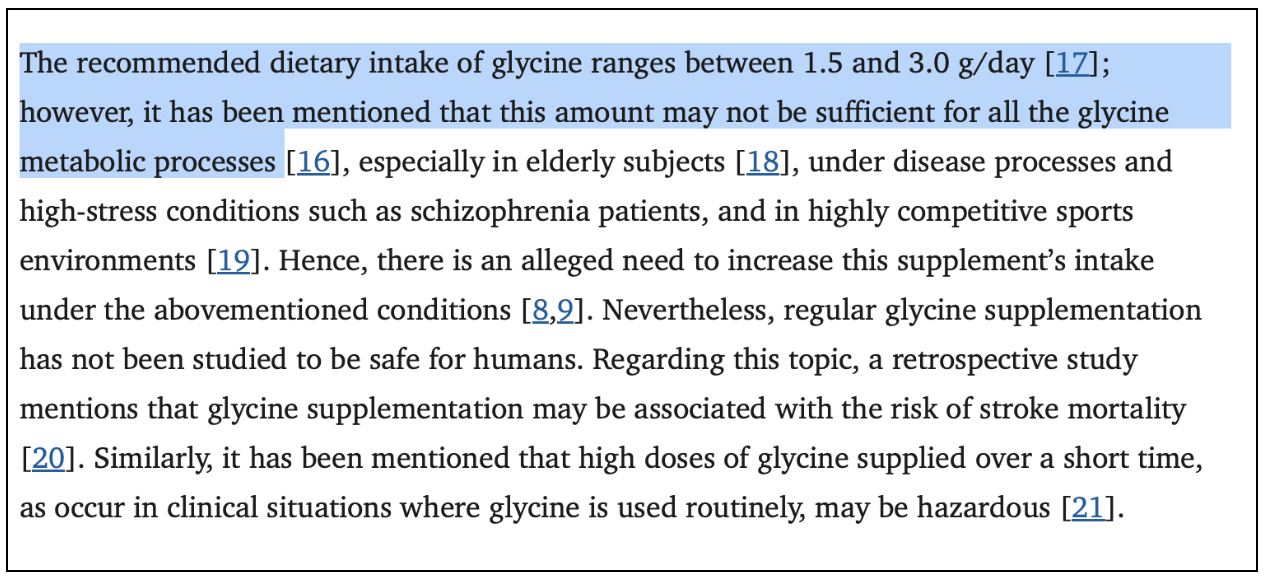
Important Safety Guidelines
- Pregnant or breastfeeding women: Avoid glycine supplements unless specifically advised by your doctor.
- Children and teenagers: Do not supplement unless guided by a pediatric or adolescent specialist because their amino acid requirements differ from adults.
- Individuals with psychiatric conditions or on psychiatric medications: Glycine interacts with NMDA (N-methyl-D-aspartate) receptors in the brain, and it may modulate neurotransmission. Supplementation should be avoided unless your psychiatrist or neurologist approves.
- People with kidney or liver issues: Exercise caution, as amino acid metabolism can place additional burden on compromised organs.
- Never self-prescribe high doses: Higher doses do not equal faster benefits; overuse may cause digestive discomfort or imbalances with other amino acids.
Why Glycine + Magnesium Glycinate Works So Well at Night?
A lot of people ask why magnesium glycinate feels different from other forms of magnesium when it comes to sleep, relaxation, and winding down after a long day. The synergy between two powerful nutrients working harmoniously: magnesium, often called the relaxation mineral, and glycine, the calming glycine amino acid known for supporting neurotransmission, sleep depth, and emotional regulation. When they are paired together, especially at night, their combined effect becomes far more impactful than either one alone.
How to Take It for Best Results
If you’re trying this combination for the first time, take magnesium glycinate 30–60 minutes before bed only if it is prescribed by a qualified doctor. This gives your system enough time to absorb the minerals and shift into a calmer rhythm. Unlike sleep medication, this is not meant to ‘knock you out.’ Instead, it works gradually, helping your system unwind naturally. Many people describe the experience as feeling like the body is quietly exhaling after holding tension all day.
How Lifestyle Foundations Strengthen Your Body’s Inner Chemistry
One thing I repeat to every client, whether they are looking to improve sleep, balance their gut, or support emotional health, is this; nutrition is powerful, but it never works in isolation.
Glycine, magnesium, amino acids, or any other nutrient can support the body only when the foundations of life are strong. Your sleep, breath, movement, and the environment you live in quietly shape the internal terrain where healing and repair occur.
Let’s break down how each of these lifestyle pillars:
- Restorative Deep Sleep: Deep sleep is one of the most underrated healing tools we have. During slow-wave sleep, the body initiates processes that strengthen immunity, reduce systemic inflammation, and enhance neurotransmitter balance.
- Holistic Movement: Movement is not merely about training a muscle; it’s about training your internal environment. Even gentle, holistic movement, like walking, yoga, enhances blood flow, oxygen delivery, mitochondrial efficiency, and lymphatic drainage.
- Hydration: Even mild dehydration increases cortisol, disrupts temperature regulation, reduces sleep quality, and slows down digestion. Hydration also affects how nutrients like magnesium and glycine are transported and utilized. Small daily practices, like beginning your morning with water and drinking consistently through the day, create a stable internal environment where healing signals can flow unhindered.
- Spirit and Breathwork: Breath is one of the fastest ways to influence your nervous system. Slow, deep breathing increases vagal tone, reduces sympathetic arousal, and stabilizes heart-rate variability, an indicator of emotional and physiological resilience. Integrating even a few minutes of mindful breathing or stillness daily enhances the way your body uses every nutrient, including amino acids that support relaxation, gut integrity, and metabolic balance.
- Nature: Nature isn’t just something we step into, it is something we carry within us. External nature grounds the body’s electrical rhythms, reduces cortisol, enhances mood, and improves immune surveillance. Time spent in green spaces increases parasympathetic activity and modulates inflammatory markers.
Whereas, internal nature, like your thoughts, emotions, and internal environment, plays an equally powerful role. Chronic stress, resentment, or emotional turbulence creates biochemical chaos that no supplement can fully override. When you cultivate internal nature with peace, mindfulness, and gratitude, you create a stable terrain where nutrients can perform their functions optimally.

Bringing It Back to Hope, Simplicity & What Truly Matters
After guiding thousands of people through sleep struggles, gut issues, skin concerns, energy crashes, and muscle fatigue, it is clear that the body rarely responds to extremes. You need to get your foundations right.
Nutrients can only express their full potential when the soil they land on, the body, is ready to receive them. So while you may explore glycine-rich foods like legumes, seeds, broth, whole cuts of meat, and marine sources, or rely on the steady support of supplements, the real transformation comes from pairing these choices with the basics that have sustained human health for centuries. Real food. Thoughtful movement. Restorative sleep. Emotional balance. Hydration. Time in nature. Breath that is slow enough for the nervous system to reset.
You don’t need to overhaul your life. You just need to begin with one simple step, that is consistency. Fix your foundations first.
Be educated, not influenced.
👉 Take control of your health with a personalised roadmap.
If this resonated with you, then watch this:
Disclaimer: The information shared in this blog is intended for educational and awareness purposes only. It is NOT meant to diagnose, treat, cure, or prevent any disease. Every individual is unique, and nutritional needs, health conditions, and responses to food or supplements can vary significantly. Always listen to your body, proceed mindfully, and make informed decisions in partnership with your healthcare provider.
Feeling drained, unable to sleep or fatigue?
You don’t have to figure it out alone. Our team can help you identify the root causes and guide you with personalized nutrition, lifestyle, and medical expertise.
Set up a one-on-one consultation with our team or explore our Wellness Programs.
Call us at 1800 102 0253 or write to us at consults@lukecoutinho.com to learn more.

Start Your Wellness Journey
Feeling inspired to take the next step in your wellness journey? Connect with us to explore how our tailored programs can support your health journey. Your transformation is just a conversation away.