No products in the cart.
Most of our talks and videos focus on how to lose weight, burn fat, or eliminate belly fat. But over the last few years, we’ve received messages from across the world saying, “Luke, I’m doing everything right — I eat more, I snack often, I’ve tried every shake and supplement — but I still can’t gain weight!”

Image Credits: Freepik
What about this population of people who are on the other side of the spectrum? The ones who find it difficult to put on even a few kilos despite eating enough? It’s time to talk about them.
Here’s the truth: Gaining weight isn’t about mindless eating — it’s about building strength from the inside out.
If you’ve been eating more but not seeing results, chances are your body isn’t absorbing nutrients efficiently, or your hormones aren’t supporting muscle growth. True, sustainable weight gain isn’t about stuffing yourself with calories — it’s about helping your body absorb, utilize, and convert nutrients into lean muscle, strength, and energy.
Here, we’ll explore how to gain healthy weight and how to build lean muscle the holistic way — by focusing on nutrition, gut health, hormones, and lifestyle. You’ll learn about the best vitamins for weight gain, the right protein for weight gain, and how to balance your hormones naturally.
We’ll also uncover how to increase somatostatin — a key hormone that influences metabolism and muscle growth.
This isn’t about getting ‘bigger.’ It’s about getting stronger, healthier, and more balanced — from within.
Why Healthy Weight Gain is More Than Just Calories
When most people think about gaining weight, the first thing they’re told is — ‘Just eat more.’ But that’s a half-truth.
As I always remind people, it’s not about how much you eat, but how much your body absorbs, utilizes, and converts into strength.
- If you load up on high-calorie foods — ice creams, fried snacks, and sugar — but your digestive system and hormones aren’t functioning optimally, most of those calories won’t translate into lean mass.
- They’ll either get stored as unhealthy fat or pass through the body without proper absorption. That’s why healthy weight gain is a biological process, not just a mathematical one.
The science behind healthy weight gain
Healthy weight gain involves three crucial pillars — efficient nutrient absorption, hormonal balance, and muscle synthesis. Each of these works together to determine whether your body builds lean muscle or stores fat.
Let’s look deeper.
1. Gut health and nutrient absorption
Your gut is the gateway to every nutrient you consume. Studies show that individuals with weak digestion or low stomach acid often fail to absorb key macronutrients like amino acids, fatty acids, and vitamins. Without these building blocks, even a calorie-surplus meal won’t contribute to muscle growth.
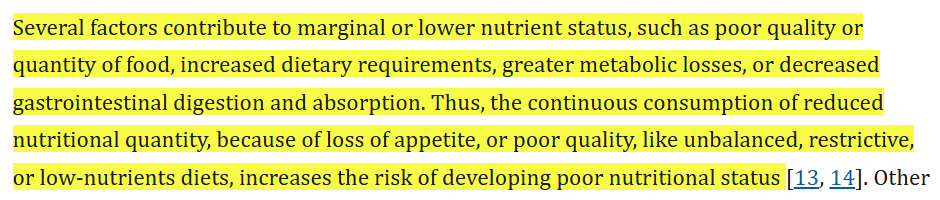
Source: Kiani AK, Dhuli K, et al. Main nutritional deficiencies. J Prev Med Hyg. 2022 Oct 17;63(2 Suppl 3):E93-E101. doi: 10.15167/2421-4248/jpmh2022.63.2S3.2752. PMID: 36479498; PMCID: PMC9710417.
Healthy gut bacteria also play a major role in how efficiently you extract energy from food. People with diverse gut microbiota have better energy balance and nutrient absorption — directly influencing their ability to gain healthy weight.
2. Hormones and metabolism
Your hormonal system — particularly growth hormone, insulin, and cortisol — plays a decisive role in whether you build muscle or store fat. One hormone that deserves special mention is somatostatin, often referred to as the ‘regulator’ hormone.
- Somatostatin helps control the release of growth hormone (GH), thyroid-stimulating hormone (TSH), and insulin, all of which are vital for cellular growth and nutrient metabolism. However, chronic stress, poor sleep, and inflammatory meals can elevate somatostatin levels, suppressing GH and slowing muscle repair.
Understanding how to increase somatostatin balance naturally — through improved sleep quality, mindfulness, and balanced nutrition — can enhance your growth hormone activity and help your body use protein for weight gain more efficiently.
3. Protein metabolism and muscle synthesis
Muscle growth depends less on sheer protein intake and more on how your body breaks down and utilizes amino acids. If your digestion or hormones aren’t aligned, even a high-protein meal may not yield results.
- When GH and insulin are well-regulated, your body enters an anabolic state — meaning it uses protein for weight gain effectively, converting dietary protein into lean muscle instead of storing it as fat. This is the foundation of how to build lean muscle naturally and sustainably. We’ll discuss this in-depth soon.
In essence, weight gain is a physiological process — not a shortcut of overeating.
It’s about creating the right internal environment for your body to use every nutrient productively: strong digestion, balanced hormones, and efficient protein utilization. That’s the holistic approach to truly gain a healthy weight.
Protein for Weight Gain: Building Lean Muscle Naturally
Protein is the raw material your body uses to build and repair tissues, produce enzymes and hormones, and synthesize new muscle fibers. Without enough protein, your body simply doesn’t have the building blocks to convert food into lean mass.
- Muscle protein synthesis (MPS) depends on both the quantity and timing of protein intake — meaning you can’t just eat a lot of protein once a day and expect results.
- Your body can only use a certain amount at a time, and the rest goes to waste.
That’s why distributing protein evenly across meals — about 0.4 g/kg per meal — leads to far greater muscle synthesis compared to eating the same total amount all at once.
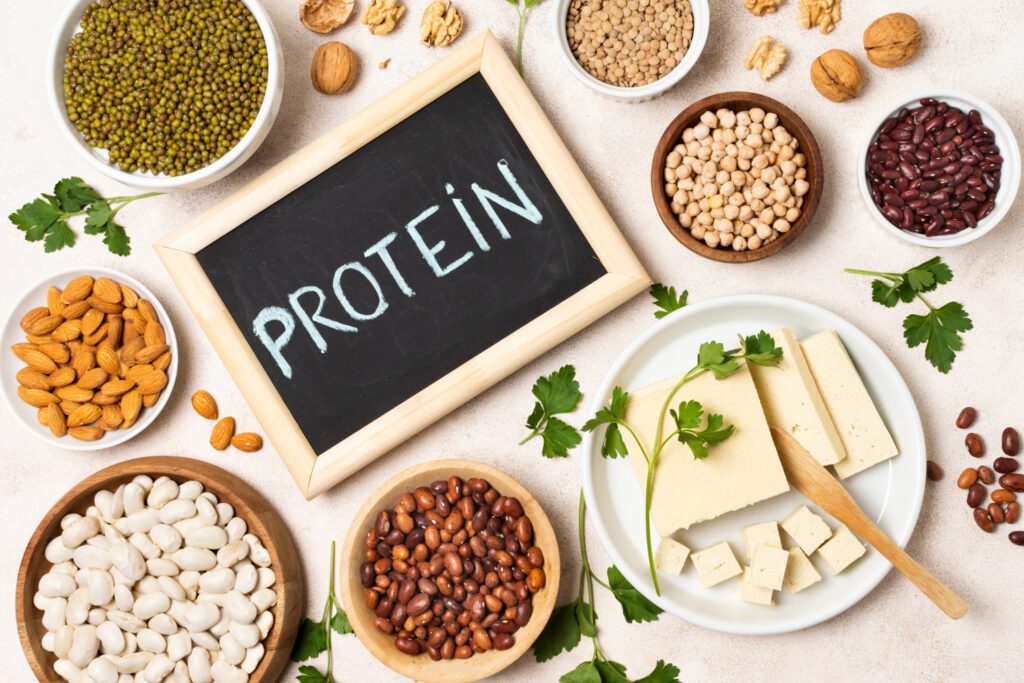
Image Credits: Freepik
The science behind protein for weight gain
When you consume protein for weight gain, your body breaks it down into amino acids, which trigger MPS (muscle protein synthesis). This process repairs microtears caused by strength training and builds new muscle tissue.
- For people who are underweight or struggle to gain a healthy weight, this becomes crucial — because muscle adds density and tone without unhealthy fat accumulation.
Now here’s where hormones come in.
- Growth hormone (GH) and insulin-like growth factor-1 (IGF-1) are key players in turning dietary protein into muscle. But the hormone somatostatin regulates GH release — meaning if your somatostatin levels are imbalanced, muscle growth slows down.
- Chronically high somatostatin — often caused by stress, poor sleep, or inflammation — suppresses GH and protein synthesis. So if you’re wondering how to increase somatostatin balance naturally, the answer lies in managing lifestyle factors that restore hormonal harmony: better sleep, relaxation, and a balanced meal.
Protein timing and utilization
To build lean muscle effectively, it’s not just about how much protein you eat, but when you eat it. Here’s a simple breakdown backed by science:
- Pre-workout: A small dose of protein (like a boiled egg, handful of nuts, or plant protein shake) fuels your muscles for endurance.
- Post-workout: This is the most critical window — about 30–45 minutes after training — when muscle cells are highly receptive to amino acids.
- Every 3–4 hours: Keeping a positive nitrogen balance helps maintain an anabolic (muscle-building) state throughout the day.
Frequent, balanced protein intake leads to sustained muscle repair and less muscle breakdown — especially in individuals with high metabolism or those struggling to gain healthy weight.
Absorption matters more than quantity!
Here’s something most people miss: if your gut health is poor, even the best protein shakes won’t work. So, before increasing your protein intake, look at your digestion.
Let’s talk about this in-depth.
The Gut–Muscle Axis: Science Behind the Connection
In recent years, scientists have mapped out a fascinating network called the gut–muscle axis — a two-way communication system where your gut microbiota influences muscle health, and muscle activity in turn influences gut health.
- The gut microbiome produces metabolic by-products such as short-chain fatty acids (SCFAs) — acetate, propionate, and butyrate — by fermenting fiber and non-digestible substrates. These SCFAs aren’t just ‘waste’ — they act as signaling molecules that influence muscle metabolism, inflammation, and energy usage.

Source: Chew W, Lim YP, et al. Gut-muscle crosstalk. A perspective on influence of microbes on muscle function. Front Med (Lausanne). 2023 Jan 9;9:1065365. doi: 10.3389/fmed.2022.1065365. PMID: 36698827; PMCID: PMC9868714.
- Human observational studies also support this: higher gut microbiome diversity (by metrics like Shannon index or OTU richness) correlates with improved muscle mass, strength, and quality in older adults or post-stroke patients.

Source: Yoshimura Y, Wakabayashi H, et al. Gut microbiome diversity is associated with muscle mass, strength and quality in post-stroke patients. Clin Nutr ESPEN. 2025 Jun;67:25-33. doi: 10.1016/j.clnesp.2025.02.027. Epub 2025 Mar 4. PMID: 40049396.
Why Gut Problems Block Your Gains
Here are some specific mechanisms by which a compromised gut limits your ability to gain healthy weight and build lean muscle:
- Low absorption of key amino acids – Leucine, glutamine, and other essential amino acids are critical triggers for muscle protein synthesis (MPS). If your gut fails to absorb them, the MPS machinery in muscle doesn’t get triggered effectively.
- Chronic low-grade inflammation (gut leakiness) – A dysbiotic gut or ‘leaky gut’ increases systemic inflammation and endotoxin presence (like LPS), which disrupts hormonal signals (insulin, IGF-1, GH) and impairs muscle anabolism.
- Reduced SCFA production – These microbial metabolites help regulate insulin sensitivity, mitochondrial health, antioxidant defense, and muscle glucose uptake. Low SCFAs can blunt the muscle’s responsiveness to nutrients.
- Neuromuscular signaling disruption – Gut microbes influence neuromuscular junction gene expression (like Rapsyn, Lrp4) — this means gut health can impact how well your nervous system stimulates muscle contraction.
In short: A dysfunctional gut weakens every step between ‘eat protein’ and ‘build muscle.’
Support it with mindful eating, avoiding antacids (unless prescribed), and ensuring adequate zinc and B-vitamin intake — particularly vitamins for weight gain like B12 and D, which aid protein metabolism and muscle synthesis.
Vitamins and Nutrients for Healthy Weight Gain
When it comes to gaining healthy weight, many focus only on carbs, fats, and proteins. But here’s the truth: macronutrients alone won’t get the job done. Micronutrients — vitamins and minerals — are just as important because they support hormone balance, muscle synthesis, and energy production.
Vitamin D
Vitamin D plays a role in muscle function, recovery, and hormone regulation. Low levels can reduce your strength, recovery, and even energy for workouts. If you’re deficient, improving your Vitamin D can improve your performance and help you build lean muscle more efficiently.
Food & Other Sources: Eggs, fatty fish, and safe sun exposure.
B-Vitamins & B12
B12 and B-complex vitamins help energy metabolism, appetite, and recovery. If you feel fatigued or struggle to gain weight despite eating enough, your B12 or other B-Vitamin levels might be low.
Food Sources: Whole grains, eggs, dairy, legumes, and leafy greens.
Zinc, Magnesium & Iron
These minerals are critical for protein synthesis, muscle recovery, and energy production:
- Zinc & Magnesium: Help your muscles grow and repair.
- Iron: Supports oxygen delivery to your muscles so your energy doesn’t plateau.
Food Sources: Nuts, seeds, leafy greens, legumes, eggs, and lean meats.
Smart Supplementation
Supplements can help only if you’re deficient. Test your Vitamin D, B12, or iron levels before adding pills — more isn’t always better.
Disclaimer: Supplements are not a substitute for balanced nutrition. Always consult a qualified healthcare professional before starting any new supplement, especially if you have medical conditions or are on medication.
How to Build Lean Muscle While Gaining Weight
When it comes to putting on weight, the goal isn’t just to get bigger — it’s to gain lean muscle, not body fat. Lean muscle adds healthy weight, strength, and metabolism without clogging your arteries or causing inflammation.
Exercise Smart: Build Without Burning
- Focus on resistance training — weights, bodyweight exercises, and functional movements like squats, lunges, push-ups, and pull-ups.
- Progressive overload — gradually increase the resistance or intensity to continuously challenge your muscles.
- Limit long cardio sessions — excessive cardio can burn both fat and muscle, slowing your weight gain.
Pro Tip: Combine functional training with short bursts of intensity — a few mountain climbers, jumping jacks, or burpees in between sets can pack on muscle and improve overall fitness.
Try these 10 bodyweight exercises to build lean muscle:
https://www.lukecoutinho.com/blogs/exercise/lean-muscle/
Lifestyle Synergy: Sleep & Stress Matter
- Prioritize 7–8 hours of sleep — Growth hormone peaks during deep sleep, crucial for muscle recovery and weight gain.
- Manage stress — High cortisol can block muscle growth and reduce appetite, making it harder to gain weight.
Pro Tip: Try a short 5–10 minute evening wind-down routine — deep breathing, gentle stretching, or meditation — to improve sleep quality and keep stress levels in check, so your muscles can grow optimally.
Nutrition for Muscle Growth
- Eating nutrient-dense, calorie-rich foods is essential. Eggs, avocados, sweet potatoes, and healthy oils like ghee or coconut oil provide medium-chain fatty acids that fuel muscle without harming your heart.
Pro Tip: If you’re highly active or have a fast metabolism, eat every 3–4 hours to fuel muscle repair and growth — but only when physically hungry, not emotionally.
How to Increase Somatostatin Naturally
When somatostatin is in balance, your metabolism runs efficiently, and your muscle-building potential goes through the roof.
Here’s how you can naturally support somatostatin:
- Keep a balanced sleep-wake rhythm – Your growth hormone peaks during deep sleep. Poor sleep doesn’t just slow recovery; it increases fat storage and reduces somatostatin activity. Aim for 7–8 hours and try winding down with light stretching or breathing exercises.
- Eat regular, balanced meals – Skipping meals or overeating disrupts hormone signaling. Your body likes consistency. Eating every 3–4 hours (or according to your hunger cues) keeps somatostatin and insulin in check.
- Protein and Vitamin D matter – Protein-rich meals support muscle synthesis and influence somatostatin pathways, while Vitamin D helps modulate growth hormone release. Include eggs, legumes, fatty fish, and get sunlight whenever possible.
- Avoid hormone disruptors – Sugar spikes, late-night eating, and excessive caffeine interfere with somatostatin and growth hormone balance. These don’t just affect your weight; they slow down your progress in building lean muscle.
My advice:
Pair your protein-rich meals with short walks or light movement — this helps regulate insulin and supports optimal hormone signaling, creating a perfect environment for healthy weight gain.
My Practical Guide to Gain Healthy Weight — The Smarter, Sustainable Way
| Focus Area | What’s Happening in Your Body | What You Should Do | Luke’s Tip |
| 1. Fix Your Gut First | Poor digestion → low nutrient absorption → no muscle or fat gain | Support stomach acid, improve gut flora with fermented foods, avoid overeating & antacids | Check your stools – undigested food means poor absorption. Fix your gut before adding calories. |
| 2. The Gut–Muscle Connection | A weak gut = poor amino acid absorption → limited muscle growth | Eat mindfully, chew well, avoid inflammatory foods, balance good fats and fiber | Add probiotic foods like yogurt or sauerkraut daily to support nutrient assimilation. |
| 3. Vitamins & Nutrients for Weight Gain | Deficiencies in Vitamin D, B12, Zinc, Iron, and Magnesium slow down metabolism & muscle repair | Get levels tested; focus on nutrient-dense foods like eggs, leafy greens, seeds, and fish | Supplements help only when truly needed — always consult your doctor before starting any. |
| 4. Build Lean Muscle (Not Fat) | Random eating adds fat, not strength | Do resistance & functional training 3–5x/week, limit long cardio, add calorie-dense whole foods | Keep your workout short but intense. Focus on compound movements like squats, push-ups, and lunges. |
| 5. Lifestyle Synergy: Sleep & Stress Matter | Cortisol blocks muscle growth; poor sleep lowers growth hormone | Sleep 7–8 hrs, manage stress with breathwork, gratitude journaling, or meditation | Try “box breathing” before bed to improve recovery and hormone balance. |
| 6. How to Increase Somatostatin Naturally | Regulates growth hormone, insulin, and digestion – key for lean weight gain | Maintain consistent sleep, eat balanced meals, get enough protein and Vitamin D | Pair every protein meal with short walks to regulate insulin and hormone balance. |
| 7. Smart Calorie Choices | Junk calories → fat & inflammation | Add healthy fats: ghee, nut butters, avocado, coconut, dry fruits | Combine whole foods — like fruits with nuts or sweet potato with ghee — for sustained energy and nourishment. |
| 8. Emotional Health & Appetite | Stress and emotional eating patterns alter digestion and appetite | Address stress roots, spend time in nature, slow down while eating | Practice gratitude before meals — it signals safety to your nervous system and improves digestion. |
Please note:
Before starting any new nutrition plan, supplement, or workout routine, consult your healthcare provider or qualified nutrition expert. Weight gain should always be gradual, mindful, and guided by what feels right for your body.
The Last Word
You see, healthy weight gain is never about quick fixes, overfeeding, or bingeing on calories. It’s about helping your body do what it’s naturally designed to do — absorb, utilize, and build.
Some of you may see results in a few weeks, while others may take longer — and that’s okay. The goal isn’t to rush; it’s to progress sustainably. Gaining weight the right way means you’re not just adding numbers on a scale — you’re building lean muscle, stable energy, and stronger immunity.
So start where you are. Like I always say —
“Eat smart, move more, sleep right, and breathe deep.”
For more insights, watch this video:
Frequently Asked Questions
1. Which vitamin is best for weight gain?
When it comes to choosing the right vitamins for weight gain, focus on Vitamin D, B12, and minerals like Zinc and Iron. These nutrients improve metabolism, muscle recovery, and appetite. Always get your levels tested — supplement only if there’s a deficiency and always under expert guidance.
2. How can I gain healthy weight naturally?
To gain healthy weight, focus on nutrient-dense foods, strong digestion, and muscle-building exercise. Eat balanced meals rich in good fats, complex carbs, and quality protein. Avoid junk calories — they cause inflammation. Sleep, stress management, and consistency matter as much as food when building real, sustainable weight.
3. What is the best source of protein for weight gain?
The best protein for weight gain comes from natural, wholesome sources like eggs, lentils, beans, dairy, nuts, seeds, and lean meats. Protein supports lean muscle formation, tissue repair, and hormone balance. Include a portion of protein with every meal to improve satiety and muscle growth.
4. How to build lean muscle without gaining fat?
If you’re wondering how to build lean muscle, focus on resistance training, functional exercises, and enough recovery. Combine strength workouts with a balanced meal, rich in protein, complex carbs, and healthy fats. Avoid excess cardio, manage stress, and ensure 7–8 hours of quality sleep for optimal results.
5. How to increase somatostatin naturally?
To increase somatostatin naturally, maintain regular meal timings, get adequate sleep, and include enough protein and Vitamin D in your meals. Avoid sugar spikes, excessive caffeine, and late-night eating. A calm mind and a balanced circadian rhythm help this hormone regulate growth, digestion, and healthy metabolism.
Disclaimer: The information shared in this blog is for general educational and awareness purposes only. It is not intended to replace medical advice, diagnosis, or treatment. Every individual is unique, and results may vary. Please consult your doctor, nutritionist, or qualified healthcare professional before making changes to your nutrition, supplements, or exercise routine.
Looking for holistic and integrative guidance for healthy weight gain, the right way? We help you find a way.
Set up a one-on-one consultation with our integrative team or explore our Wellness Programs to optimize your lifestyle goals.
Reach out to us at 1800 102 0253 or write to us at [email protected].