No products in the cart.
We can invest in the best creams, supplements, therapies, and treatments money can buy. We can chase anti-aging trends, superfoods, and miracle pills.
However, if our mitochondrial health is compromised, we will still age more rapidly. We will feel tired for no reason, gain weight more easily, struggle with inflammation, and remain vulnerable to chronic disease.

The truth is simple and powerful:
Longevity does not begin with your skin. It begins with your cells.
And at the heart of every one of those cells lies something extraordinary, your mitochondria.
If you truly want to understand the connection between mitochondria and longevity, you must go back to biology class and rediscover the power of your cells.
And since none of us can actually go back to that classroom, we’re here to simplify it for you.
Here, you’ll explore:
- Why mitochondrial health and optimal mitochondrial function determine your energy, resilience, and long-term vitality
- The science of ATP production in cells and how mitochondrial dysfunction accelerates disease
- The powerful link between inflammation and aging, and how to protect your cells
- Practical, evidence-based steps to improve metabolic health and build a sustainable lifestyle for longevity
Let’s begin.
You Were Born From a Single Cell
Every disease.
Every symptom.
Every visible sign of aging.
It all begins at the cellular level.
You started as a single cell. One.
- And from that single cell, you multiplied into trillions.
- Today, your hair, skin, heart, liver, brain, hormones, and immune system are all made up of these trillions of cells working together in perfect coordination.
- So when something goes wrong, whether it’s fatigue, diabetes, heart disease, brain fog, or accelerated aging, it does not begin overnight.
- It begins when your cells begin to struggle.
And inside every one of those cells are tiny energy factories called mitochondria.
When your mitochondria are supported, you don’t just survive; you build a real lifestyle for longevity.
Everything, truly, begins here.
What Are Mitochondria, And Why Do They Matter So Much?
Let’s zoom in.
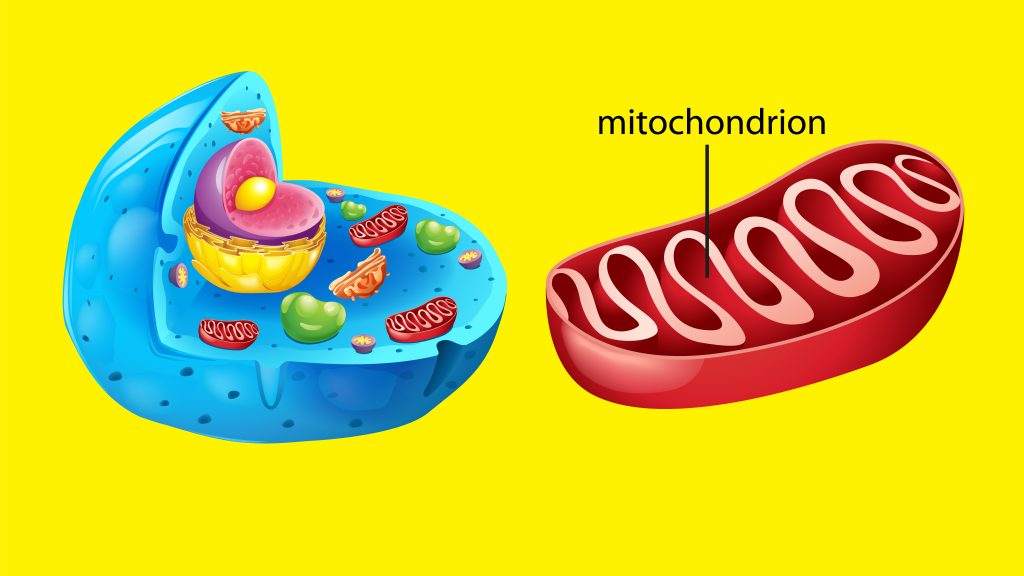
Image Credits: Freepik
Mitochondria are membrane-bound organelles found in most human cells (except mature red blood cells). Their primary role is energy generation. But not just any energy, usable biological energy in the form of ATP (adenosine triphosphate).
This is known as ATP production in cells, and it happens through a highly coordinated process called cellular respiration.
Here’s what that means in simple terms:
Your mitochondria take:
- Glucose and fatty acids from the food you eat
- Oxygen from the air you breathe
And through a series of biochemical reactions, including the Krebs cycle and the electron transport chain, convert them into ATP.
- Each cell can contain hundreds to thousands of mitochondria, and each mitochondrion can generate thousands of ATP molecules per second.
- That’s how energy-intensive the human body truly is.
But here’s what makes them even more fascinating.
- Mitochondria have their own DNA, separate from the DNA in your cell nucleus.
- This mitochondrial DNA (mtDNA) is inherited exclusively from your mother and plays a critical role in regulating mitochondrial function and energy efficiency.
Because mitochondria generate energy through oxidative processes, they also naturally produce by-products such as reactive oxygen species (free radicals).
- In balanced amounts, this is normal physiology.
- But when mitochondrial health declines, oxidative stress increases, affecting cellular stability and performance.
When Your Cells Struggle, You Feel It: The Junk Food Fatigue Effect
Let’s make this relatable.
Have you ever eaten a heavy meal, pizza, burgers, sugary desserts, and within 30–45 minutes felt sleepy, sluggish, unfocused?
Most people blame it on ‘overeating.’
But what’s really happening is far more interesting.
It’s happening at the level of your cells.
What Happens Inside Your Mitochondria After You Eat
When your mitochondria produce ATP, they naturally generate by-products such as:
- Carbon dioxide
- Water
- Reactive oxygen species (free radicals)
In normal amounts, a healthy body neutralizes and clears these efficiently. That’s normal mitochondrial function.
But when you eat foods that are:
- High in refined sugar
- Made of white flour
- Deep-fried in refined oils
- Ultra-processed and nutrient-poor
Your mitochondria are forced to work harder to extract usable energy.
Here’s the problem:
- Junk food is calorie-dense but nutrient-deficient.
- It lacks the vitamins, minerals, antioxidants, and phytonutrients required to support optimal mitochondrial health.
- So your cells burn through fuel inefficiently.
The Immediate Effects
When mitochondria are overworked:
- Carbon dioxide production increases → leading to feelings of drowsiness and lethargy
- Free radical production rises → increasing oxidative stress
- Blood sugar spikes → followed by rapid crashes
That post-meal sleepiness? That’s not “food coma.” That’s temporary cellular inefficiency.
Research has shown that high-glycemic, ultra-processed meals increase oxidative stress markers and inflammatory responses within hours of consumption. Elevated reactive oxygen species impair mitochondrial efficiency, contributing to early mitochondrial dysfunction.
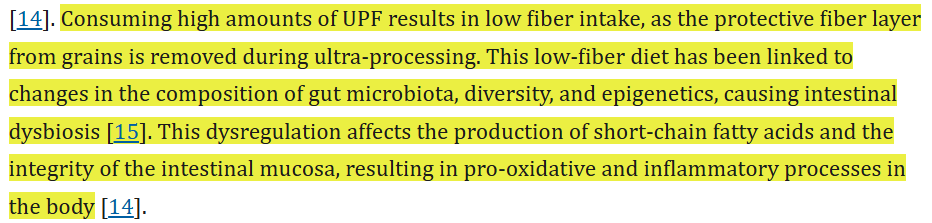
UPF – Ultra-processed foods. Source: Quetglas-Llabrés MM, Monserrat-Mesquida M, et al. Oxidative Stress and Inflammatory Biomarkers Are Related to High Intake of Ultra-Processed Food in Old Adults with Metabolic Syndrome. Antioxidants (Basel). 2023 Jul 31;12(8):1532. doi: 10.3390/antiox12081532. PMID: 37627527; PMCID: PMC10451674.
Mitochondrial Dysfunction: When Your Energy System Breaks Down
Now here’s where things become serious.
Occasional stress on your mitochondria is normal. The body is built to adapt.
But when poor nutrition, chronic stress, toxins, sedentary living, and sleep deprivation become daily patterns, your mitochondria don’t just get tired, they begin to malfunction.
This is called mitochondrial dysfunction.
And it changes everything.
Mitochondrial dysfunction occurs when your mitochondria:
- Cannot produce energy efficiently
- Produce excess reactive oxygen species (ROS)
- Lose their ability to regulate cellular balance
Instead of clean, efficient energy production, the system becomes messy.
- Energy output drops.
- Oxidative stress rises.
- Cellular signaling becomes impaired.
Scientific literature increasingly recognizes mitochondrial dysfunction as a central mechanism behind many chronic diseases, not just a side effect, but a driver.

Source: Diaz-Vegas A, Sanchez-Aguilera P, Krycer JR, Morales PE, Monsalves-Alvarez M, Cifuentes M, Rothermel BA, Lavandero S. Is Mitochondrial Dysfunction a Common Root of Noncommunicable Chronic Diseases? Endocr Rev. 2020 Jun 1;41(3):bnaa005. doi: 10.1210/endrev/bnaa005. PMID: 32179913; PMCID: PMC7255501.
Where Inflammation Enters the Picture
Here’s the critical connection.
Damaged or stressed mitochondria release signals that activate the immune system. This triggers chronic low-grade inflammation.
And unlike acute inflammation (which helps you heal), chronic inflammation:
- Persists silently
- Damages tissues
- Impairs insulin signaling
- Disrupts metabolic balance
In simple terms:
- Stressed mitochondria → Increased oxidative stress → Persistent inflammation.
- And when inflammation becomes constant, energy production declines even further.
That’s the trap.
Aging Faster Than You Should? Look at Your Mitochondrial Health
We’ve spoken about mitochondrial dysfunction and inflammation.
Now here’s the uncomfortable question:
Are your cells aging faster than you are?
Two people, same age, completely different energy, skin quality, recovery speed, and metabolic health.
The difference isn’t luck. It’s cellular performance.
Biological Aging Happens Inside the Cell
Aging accelerates when cells lose their ability to:
- Produce energy efficiently
- Repair DNA damage
- Clear out damaged components
- Adapt to stress
As we know, mitochondria play a central role in all four.
- Accumulation of mitochondrial DNA damage and reduced mitochondrial turnover are strongly associated with accelerated biological aging.
- When energy production declines, repair mechanisms slow down.
- When repair slows down, damage accumulates.
That’s biological aging.
It’s Not Just About Wrinkles
Faster cellular aging shows up as:
- Reduced metabolic flexibility
- Loss of muscle quality
- Slower recovery
- Declining cognitive sharpness
- Increased inflammatory markers
Chronic low-grade inflammation is a key contributor to accelerated aging. And impaired mitochondrial quality control is one of the drivers behind it.
This is where mitochondria and longevity connect in a very practical way.
Longevity is not about stopping time.
- It’s about maintaining cellular efficiency for as long as possible.
- If your mitochondria remain resilient, your cells maintain their repair capacity.
- If repair capacity remains strong, aging slows at the biological level.
That’s the foundation.
How to Improve Mitochondrial Health Naturally
Now for the part everyone waits for.
If mitochondria are this important… What can you actually do about it?
Here’s the good news.
Supporting your mitochondria doesn’t require extreme diets, expensive gadgets, or biohacking trends.
It requires alignment with biology. A true lifestyle for longevity is surprisingly simple, but it must be consistent.
1. Eat for Cellular Performance
Your mitochondria don’t care about cravings. They care about nutrients.
To improve metabolic health, prioritize:
- Seasonal fruits and vegetables
- Lentils and legumes
- Nuts and seeds
- Whole grains
- Clean protein sources
These provide:
- B vitamins (critical for energy metabolism)
- Magnesium (ATP stabilization)
- Polyphenols (reduce oxidative stress)
- Fiber (improves insulin sensitivity)
Extreme restriction may give short-term results. But long-term cellular health requires adequacy, not elimination.

Image Credits: Freepik
2. Move in a Way That Builds Energy
Exercise is one of the most powerful mitochondrial stimulators known.
Strength training and HIIT:
- Stimulate mitochondrial biogenesis
- Improve insulin sensitivity
- Enhance metabolic flexibility
Your muscles are mitochondrial powerhouses.
When you train them, you upgrade your energy system. Movement is medicine, at the cellular level.
3. Protect Your Sleep Window
Sleep is when mitochondrial repair and cellular clean-up occur.
Chronic sleep deprivation:
- Increases oxidative stress
- Impairs glucose regulation
- Reduces energy efficiency
If you’re serious about mitochondria and longevity, sleep is non-negotiable.
4. Regulate Stress, Don’t Normalize It
Chronic psychological stress increases inflammatory signaling and disrupts metabolic balance.
Simple practices matter:
- Breathwork
- Sunlight exposure
- Time in nature
- Emotional regulation
You’re not just calming your mind. You’re protecting your cellular communication systems.
5. Reduce Cellular Load
Minimize what burdens your mitochondria:
- Ultra-processed food
- Excess sugar
- Sedentary living
- Tobacco exposure
Every reduction lowers inflammatory stress and supports long-term energy production.
6. Supplement Strategically (If Needed)
In specific cases, targeted nutrients may support mitochondrial function:
- Coenzyme Q10 (CoQ10)
- Magnesium
- Alpha-lipoic acid
- L-carnitine
- N-acetyl cysteine
But supplementation should complement, not replace, foundational habits.
Please note: Supplementation should always be individualized and taken under the guidance of a qualified healthcare professional. Dosage, interactions (especially with medications), and underlying health conditions must be evaluated before use. Self-prescribing high-dose supplements may do more harm than good.
The Last Word
Let’s end with something honest.
What are we really chasing when we talk about anti-aging, fat loss, productivity, or better focus?
More energy.
Not just physical energy, but cellular energy.
So maybe we’ve been asking the wrong questions.
Before asking:
“What anti-aging cream should I use?”
“Which fat-burning supplement works best?”
“Why am I always tired?”
Ask a better question:
Am I protecting my mitochondrial health?
Pause. Reflect.
And answer that honestly, your future health depends on it.
To learn more, watch this:
Disclaimer: This blog is intended for educational and informational purposes only and should not be used as a substitute for professional medical advice, diagnosis, or treatment. Always seek the guidance of your qualified healthcare provider before making any changes to your medications or lifestyle.
Looking for holistic and foundational guidance for cellular health?
We help you find a way.
Set up a one-on-one consultation with our foundational medicine and lifestyle experts or explore our Wellness Programs to optimize your lifestyle goals.
Reach out to us at 1800 102 0253 or write to us at [email protected].