No products in the cart.
Before we talk about hormones, let us tell you a story.
A 38-year-old school teacher came to us after struggling with polycystic ovarian syndrome (PCOS) symptoms for almost 20 years. Irregular cycles. Obesity. Gut issues. Skin pigmentation. Fatigue that no supplement seemed to fix. She had tried meal plans, calorie tracking, and medications, among other things.
Within just 30 days of starting our Hormonal Care Program, she reported feeling lighter, clearer, and more energetic. Her gut was happier. Her skin and sleep improved. Her cycles began regulating.
Did we simply hand her another diet chart?
Absolutely not.
We fixed her foundations.
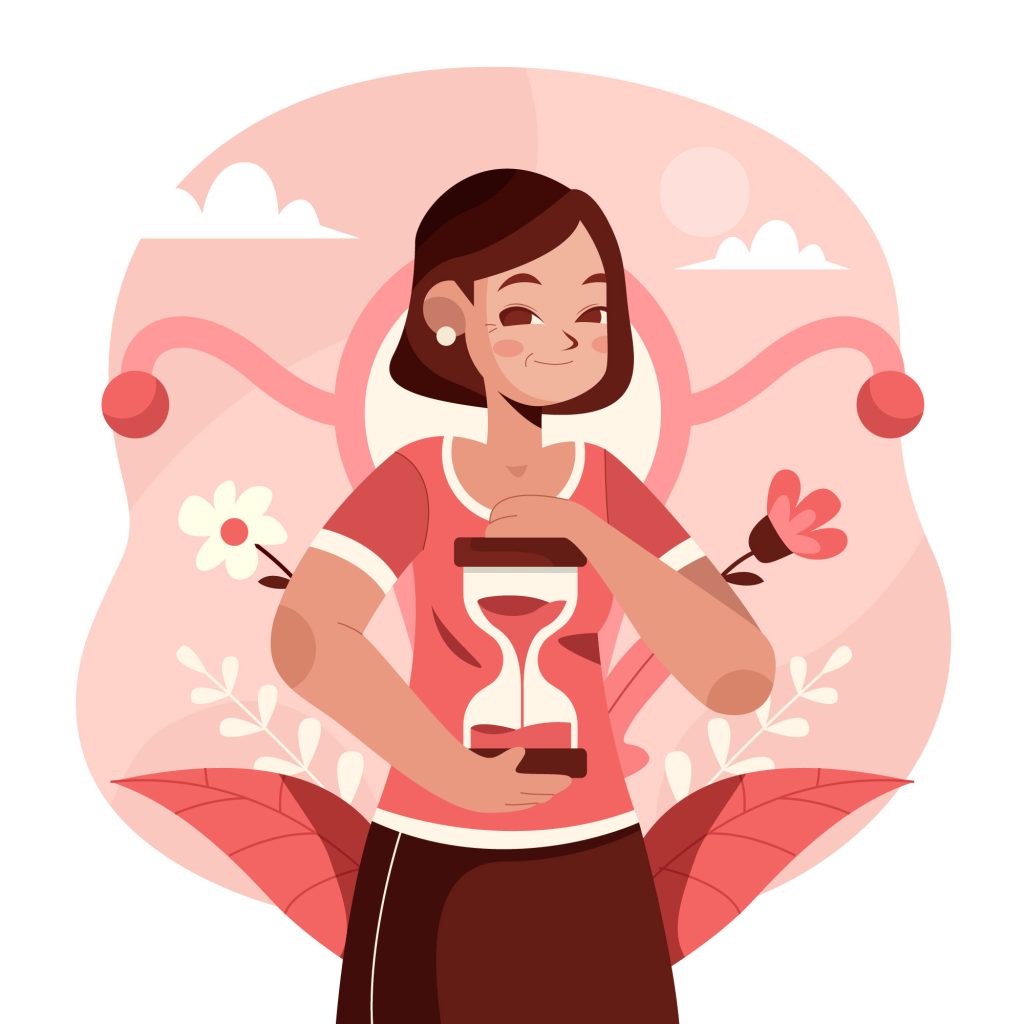
Image Credits: Freepik
Because hormones don’t malfunction overnight. They don’t suddenly ‘go bad.’ And they’re rarely the problem in isolation.
When we talk about hormonal imbalance, thyroid imbalance, or long-standing PCOS symptoms, we’re not just talking about ovaries or glands.
We’re talking about chronic stress and hormones, inflammation and hormonal imbalance, disrupted circadian rhythm and hormones, poor gut health and hormones, and misaligned daily habits.
This is where Foundational Medicine steps in.
Instead of chasing symptoms, we restore rhythm through sustainable lifestyle changes for hormonal balance, strengthening the systems that hormones depend on.
Because when foundations improve, hormones follow.
Hormones Don’t Work Alone: They Function Through Integrated Axes
Hormones operate through structured biological pathways known as endocrine axes. These axes are feedback-driven systems connecting the brain with peripheral glands. Understanding this is essential when addressing a hormonal imbalance.
For example:
1. The Hypothalamic–Pituitary–Thyroid (HPT) Axis
- The hypothalamus releases TRH (thyrotropin-releasing hormone).
- TRH signals the pituitary to release TSH (thyroid-stimulating hormone).
- TSH stimulates the thyroid to produce T4 (thyroxine) and T3 (triiodothyronine).
- T4 must convert into active T3 in peripheral tissues, a process dependent on selenium, zinc, iron, liver function, and enzymatic activity (deiodinases).
Impaired peripheral conversion can contribute to hypothyroidism symptoms even when TSH appears within range.
2. The Hypothalamic–Pituitary–Ovarian (HPO) Axis
Gonadotropin-releasing hormone (GnRH) from the hypothalamus stimulates luteinizing hormone (LH) and follicle-stimulating hormone (FSH) from the pituitary.
- These regulate follicle maturation, ovulation, estrogen, and progesterone production.
- Many women with PCOS symptoms show altered signaling patterns, particularly higher luteinizing hormone (LH) levels compared to follicle-stimulating hormone (FSH). This imbalance can increase androgen production and disrupt ovulation.
- Importantly, ovarian cells also respond to insulin. This is why metabolic health directly influences reproductive hormones.
3. Hormone Receptors & Cellular Response
Hormones act by attaching to receptors on cells.
- Think of receptors as locks and hormones as keys. If the lock is not functioning well, the signal weakens, even if hormone levels in the blood are adequate.
Changes in receptor sensitivity can contribute to hormonal imbalance, independent of lab numbers.
4. Feedback Loops
Most endocrine systems operate on negative feedback.
- When hormone levels rise, the brain reduces stimulation.
- When levels fall, signaling increases.
- Disruption at any level, brain, gland, conversion, transport, or receptor, can alter the entire axis.
This interconnected regulation explains why PCOS symptoms, thyroid imbalance, menstrual irregularities, and metabolic shifts often overlap.
Hormonal imbalance is rarely a single-gland problem. It is usually an axis-level issue requiring system-level understanding.
PCOS & Thyroid Imbalance: Looking at the Bigger Picture
At Team Luke, we do not look at PCOS symptoms or thyroid imbalance as isolated gland disorders. We look at the underlying physiology driving them.
Because in most cases, the diagnosis is the end result, not the starting point.
1. PCOS Is Often Rooted in Insulin Resistance and Inflammation
Many women experiencing PCOS symptoms such as:
Irregular periods
Acne
Facial hair
Weight gain
Difficulty conceiving
…. are often dealing with insulin resistance long before reproductive symptoms appear.
Research consistently identifies insulin resistance as a central feature in a large percentage of PCOS cases, even in women who are not overweight.
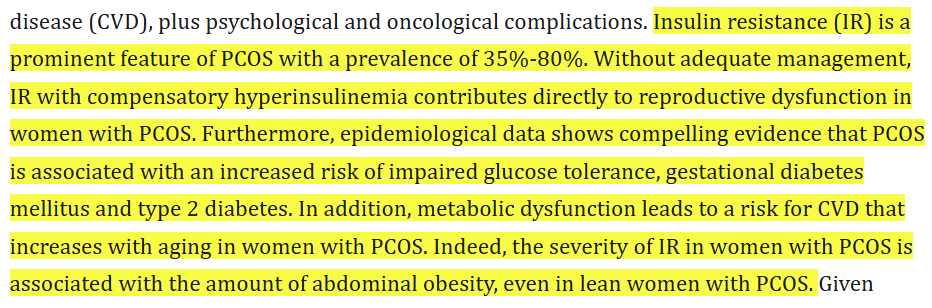
Source: Amisi CA. Markers of insulin resistance in Polycystic ovary syndrome women: An update. World J Diabetes. 2022 Mar 15;13(3):129-149. doi: 10.4239/wjd.v13.i3.129. PMID: 35432749; PMCID: PMC8984569.
Here’s what happens physiologically:
- Repeated blood sugar spikes lead to chronically elevated insulin.
- Ovarian cells have insulin receptors.
- High insulin stimulates the ovaries to produce more androgens (male-type hormones).
- Elevated androgens disrupt follicle maturation and ovulation.
This is why cycles become irregular.
Low-grade inflammation is also frequently observed in PCOS.
- There are higher inflammatory markers in many women with PCOS, even independent of body weight.
- Inflammation further worsens insulin signaling, creating a cycle that sustains hormonal imbalance.
So in many cases, PCOS begins as a metabolic issue before it becomes a reproductive one.
2. Thyroid Imbalance Requires a Broader Lens
When someone presents with thyroid imbalance, particularly hypothyroidism symptoms such as:
- Fatigue
- Brain fog
- Hair thinning
- Cold intolerance
- Constipation
- Weight gain
…..we do not stop at TSH alone.
Thyroid function depends on multiple steps:
- Proper signaling from the brain
- Adequate production of T4
- Efficient conversion of T4 to active T3
- Effective binding of T3 to cellular receptors
Conversion from T4 to T3
requires nutrients such as selenium, zinc, and iron. Deficiencies in these nutrients can impair thyroid hormone activation.
- Autoimmune thyroid conditions, such as Hashimoto’s thyroiditis, are also strongly linked with immune dysregulation and inflammatory processes.
- In addition, gut microbiome influences thyroid hormone metabolism and immune activity, reinforcing the connection between digestive health and thyroid function.
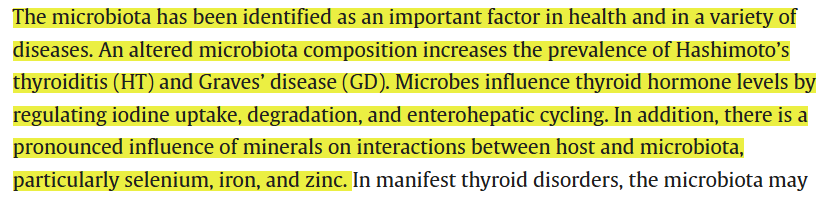
Source: Eleonore Fröhlich, Richard Wahl, Microbiota and Thyroid Interaction in Health and Disease, Trends in Endocrinology & Metabolism, Volume 30, Issue 8, 2019, Pages 479-490, ISSN 1043-2760, https://doi.org/10.1016/j.tem.2019.05.008.
The thyroid does not function independently. It responds to metabolic signals, immune signals, nutrient availability, and central nervous system regulation.
Hormonal Imbalance Beyond PCOS & Thyroid: The Wider Impact
While PCOS symptoms and thyroid imbalance are among the most diagnosed hormonal conditions today, they are only part of the larger picture.
Here are some other presentations we see beyond PCOS and thyroid conditions.
1. Estrogen Imbalance & Severe Pre-Menstrual Syndrome (PMS)
When estrogen and progesterone are not balanced, symptoms may include:
- Severe PMS
- Heavy or painful periods
- Breast tenderness
- Mood changes
- Fibroid or endometriosis tendencies
The ‘estrobolome,’ gut bacteria involved in estrogen processing, influences how efficiently estrogen is eliminated. Impaired clearance can lead to recirculation of estrogen, contributing to symptoms.
This reinforces the clinical link between gut function and hormonal imbalance.
2. Perimenopause & Menopause Transitions
Hot flashes, abdominal weight gain, sleep disturbance, and anxiety are common during perimenopause and menopause.
- Declining estrogen affects insulin sensitivity, fat distribution, and even vascular regulation.
- Inflammation and metabolic dysfunction can intensify menopausal symptoms.
When metabolic health and sleep are compromised, the transition feels more severe. When these foundations are stable, symptom intensity often reduces.
To learn more about menopause, read this:
https://www.lukecoutinho.com/blogs/health-condition/menopause-made-easy/
3. Cortisol Dysregulation & Energy Crashes
While the term ‘adrenal fatigue’ is debated, cortisol rhythm disruption is well documented.
Chronic stress alters the hypothalamic–pituitary–adrenal (HPA) axis. Prolonged cortisol imbalance can:
- Impair thyroid hormone conversion
- Reduce insulin sensitivity
- Disrupt menstrual cycles
This explains why energy crashes, sleep disturbance, and cycle irregularity often coexist.
4. Weight Resistance & Metabolic Shifts
Hormones such as insulin, leptin, thyroid hormones, and cortisol regulate fat storage and appetite.
- We have highlighted this many times; insulin resistance plays a central role in weight resistance and metabolic syndrome.
- When insulin signaling is impaired, fat storage increases, even without excessive calorie intake.
This is why hormonal imbalance is frequently involved in stubborn weight gain.
5. Mood, Skin & Hair Changes
- Hormones influence neurotransmitters like serotonin and dopamine. Estrogen fluctuations also affect mood regulation pathways.
- Similarly, androgen excess can contribute to acne and hair thinning, while thyroid imbalance affects skin texture and hair growth cycles.
These outward signs often reflect deeper endocrine shifts.
Understanding Hormonal Imbalance: The Science Behind Stress, Sleep, Gut & Inflammation
We’ve already discussed how hormonal imbalance shows up in PCOS symptoms, thyroid imbalance, metabolism, and mood.
Now let’s go deeper.
Chronic Stress and Hormones: What Actually Happens
Earlier, we discussed that when stress becomes chronic, the hypothalamus in the brain continuously signals the adrenal glands to release cortisol. This repeated activation of the HPA axis changes endocrine signaling at multiple levels.
Prolonged cortisol elevation can:
- Suppress GnRH (gonadotropin-releasing hormone), disrupting ovulation
- Lower progesterone production
- Increase insulin resistance
- Promote central fat accumulation
- Reduce conversion of T4 to active T3

Source: Kaur J, Gandhi J, Sharma S. Physiology, Cortisol. [Updated 2025 Dec 1]. In: StatPearls [Internet]. Treasure Island (FL): StatPearls Publishing; 2025 Jan-. Available from: https://www.ncbi.nlm.nih.gov/books/NBK538239/
This is why chronic stress and hormones are biologically connected, not just emotionally linked.
Circadian Rhythm and Hormones: Why Timing Matters
Hormone secretion follows circadian patterns regulated by the brain’s suprachiasmatic nucleus.
Circadian biology shows:
- Cortisol should peak within 30–45 minutes of waking.
- Melatonin secretion depends on darkness and regulates reproductive hormones.
- Insulin sensitivity is higher earlier in the day.
- Sleep restriction reduces leptin (satiety hormone) and increases ghrelin (hunger hormone).
Circadian misalignment
, common in shift workers or chronic late sleepers, increases the risk of insulin resistance, metabolic syndrome, menstrual irregularities, and thyroid dysfunction.
This is the direct link between circadian rhythm and hormones. When sleep timing shifts, endocrine timing shifts with it.
Learn these 7 effective techniques to try a circadian rhythm reset:
https://www.lukecoutinho.com/blogs/sleep/7-reset-circadian-rhythm/
Gut Health and Hormones: The Estrogen & Immune Link
The gut microbiome plays a measurable role in hormone metabolism.
- Certain gut bacteria produce beta-glucuronidase, an enzyme that determines whether estrogen is excreted or reabsorbed.
- Elevated activity of this enzyme is associated with increased circulating estrogen levels, contributing to PMS and estrogen dominance patterns.
We have seen:
- Gut dysbiosis increases systemic inflammation.
- Inflammation can trigger autoimmune thyroid activity.
- The gut influences serotonin production, affecting mood stability.
This explains the connection between gut health and hormones at a biochemical level, not just a digestive one.
Regular bowel movements are not minor details. They influence estrogen clearance and overall hormonal balance.
Inflammation and Hormonal Imbalance: Receptor Sensitivity
Inflammation not only affects hormone production. It affects hormone response.
Inflammatory cytokines can:
- Impair insulin receptor signaling
- Interfere with ovarian steroid production
- Alter thyroid receptor sensitivity
- Affect brain neurotransmitter pathways

Source: Berbudi A, Khairani S, Tjahjadi AI. Interplay Between Insulin Resistance and Immune Dysregulation in Type 2 Diabetes Mellitus: Implications for Therapeutic Interventions. Immunotargets Ther. 2025 Apr 3;14:359-382. doi: 10.2147/ITT.S499605. PMID: 40196377; PMCID: PMC11974557.

Source: Bornstein SR, Rutkowski H, Vrezas I. Cytokines and steroidogenesis. Mol Cell Endocrinol. 2004 Feb 27;215(1-2):135-41. doi: 10.1016/j.mce.2003.11.022. PMID: 15026186.
This means hormones may be present in normal ranges, but the body does not respond efficiently. That is a core mechanism behind inflammation and hormonal imbalance.
Reducing inflammatory load improves cellular response to existing hormones, often without aggressive intervention.
Most Overlooked Contributors to Hormonal Imbalance
Environmental Endocrine Disrupting Chemicals (EDCs)
are common everyday exposures that interfere directly with hormone signaling pathways and gene expression.
- These include plastics like BPA, phthalates, pesticides, flame retardants, and toxic metals, all of which can mimic or block natural hormones and alter endocrine regulation.
- EDCs can also change gut microbial composition and immune signaling, creating further hormonal disruption.
Toxic Metals and Pollutants:
- Heavy metals such as lead, mercury, and cadmium can accumulate in tissues, disrupt thyroid and reproductive hormones, and influence immune regulation, which may increase the risk of autoimmune thyroid conditions and other endocrine disorders, especially in women.
Together with stress, circadian disruption, gut dysfunction, and inflammatory processes, environmental chemicals and toxins form a broader landscape of causes that influence hormone health and require targeted lifestyle changes for hormonal balance rather than isolated symptomatic treatment.
Six Foundational Pillars: Correcting Hormonal Imbalance at the Root
At Team Luke, we don’t treat hormonal imbalance in isolation. We strengthen the biological systems that regulate hormones.
Our message is consistent:
When the foundations are weak, hormones fluctuate.
When the foundations are strong, hormones stabilize.
These six pillars are practical, measurable, and science-backed. They form the core of sustainable lifestyle changes for hormonal balance.
1. Food Science & Nutrient Synergy
Hormones are built from nutrients. They are not created in a vacuum.
What doesn’t work for hormonal balance:
- Low protein intake impairs ovarian hormone production.
- Magnesium and B6 influence PMS severity.
- Selenium, zinc, and iron are required for thyroid hormone conversion (T4 → T3).
- Omega-3 fatty acids reduce inflammatory markers linked to PCOS and insulin resistance.
- Stable blood glucose improves ovulatory frequency in insulin-resistant women.
Key principles we emphasize:
- 20–30g protein per meal to stabilize blood sugar.
- Fibre diversity (25–35g daily) to support estrogen clearance.
- Healthy fats (ghee, nuts, seeds, olive oil) for steroid hormone synthesis.
- Avoiding extreme calorie restriction, under-eating suppresses reproductive hormones.
- Structured meal timing to improve insulin sensitivity.
Remember, hormones respond to nourishment and stability, not dieting extremes.
2. Adequate Holistic Movement (Not Overtraining)
Movement affects hormone receptor sensitivity. We have seen:
- Resistance training improves insulin receptor function.
- Moderate aerobic activity lowers inflammatory cytokines.
- Skeletal muscle acts as a glucose sink, reducing insulin spikes.
- Low muscle mass is associated with worsened metabolic health and PCOS symptoms.
What we implement:
- Strength training 2–4 times per week.
- 7,000–10,000 daily steps for glucose regulation.
- Mobility works to lower injury stress load.
- Avoiding chronic HIIT in already stressed individuals.
Please note: These are general guidelines and should be personalized based on your health status, fitness level, and medical supervision.
Excessive training increases cortisol and may suppress ovulation. Consistency matters more than intensity.

Image Credits: Freepik
3. Deep, Structured Sleep
Sleep directly regulates:
- Growth hormone release
- Cortisol rhythm
- Insulin sensitivity
- Melatonin (which also influences reproductive hormones)
But:
- 5 nights of sleep restriction can reduce insulin sensitivity by up to 20–25%.
- Poor sleep increases ghrelin (hunger hormone) and reduces leptin.
- Melatonin deficiency is linked to worsened PCOS and menstrual irregularity.
Foundational corrections include:
- Sleeping before 11 PM.
- Morning sunlight exposure within 30 minutes of waking.
- Dark, cool sleep environment.
- Consistent sleep–wake timing.
Sleep is endocrine repair time.
4. Emotional Regulation & Nervous System Safety
Unresolved emotional stress can present as:
- Irregular cycles
- Low libido
- Fatigue
- Central weight gain
What we prioritize:
- Breathwork (slow nasal breathing reduces sympathetic tone)
- Gratitude journaling (shown to reduce stress biomarkers)
- Therapy when required
- Reducing chronic psychological load
Hormones regulate better when the nervous system feels safe.
5. Environmental Load & Toxin Awareness
Our recommendations:
- Reduce plastic use (especially with heat).
- Choose cleaner personal care products.
- Improve indoor air quality.
- Support cleansing pathways through fiber, hydration, and micronutrients.
Reducing environmental burden reduces unnecessary hormonal interference.
6. Breath, Purpose & Internal Alignment
This pillar is often underestimated but physiologically measurable.
Slow breathing:
- Activates the vagus nerve.
- Lowers cortisol.
- Reduces inflammatory cytokines.
Parasympathetic activation improves heart rate variability, a marker associated with better stress adaptation and endocrine balance.
A regulated nervous system improves:
- Thyroid signaling
- Reproductive hormone stability
- Blood sugar control
The Clinical Reality
Hormonal imbalance is rarely corrected by medication alone if these pillars remain unstable.
When we correct these foundations, we change the biological environment in which hormones operate.
That is the difference between short-term symptom management and structured lifestyle changes for hormonal balance that last.
FIND YOUR RHYTHM: A Practical Hormonal Reset Framework
We’ve seen this repeatedly:most cases of hormonal imbalance are not just lab abnormalities, they reflect disrupted biological rhythm.
The FIND YOUR RHYTHM framework translates science into structured daily action. It integrates stress physiology, circadian biology, metabolism, and emotional regulation into practical lifestyle changes for hormonal balance.
Here’s how it applies:
- F — Feel: Safety, gratitude, and emotional awareness reduce chronic cortisol activation. Lower stress signaling improves ovulation, thyroid conversion, and insulin sensitivity.
- I — Inhale: Slow nasal breathing activates the vagus nerve, lowering sympathetic overdrive and reducing stress-induced hormonal disruption.
- N — Nature: Morning sunlight anchors circadian rhythm and hormones. Light exposure regulates cortisol timing, melatonin production, and metabolic function.
- D — Deep Rest: 7–8 hours of structured sleep restores growth hormone release, appetite regulation, and thyroid signaling.
- Y — Yield to Fast: Gentle, circadian-aligned fasting (12–14 hours overnight) improves insulin sensitivity without suppressing reproductive hormones.
- O — Open Up: Emotional expression prevents chronic stress suppression of GnRH and progesterone.
- U — Unlearn: Extreme dieting and fear-based health behaviors elevate stress hormones and worsen hormonal imbalance.
- R — Relationships: Supportive social bonds reduce inflammatory markers and cortisol load.
- R — Relish Your Food: Mindful eating improves digestion, glucose response, and hormone signaling.
- H — Holistic Movement: Strength training and walking enhance insulin receptor sensitivity and metabolic stability.
- Y — Yearn to Serve: Purpose and meaning reduce chronic stress activation.
- T — Thrive in Balance: Time structure prevents cortisol spikes from constant overload.
- H — Hydration: Supports detox pathways and cellular communication.
- M — Mindful Living: Intentional living lowers inflammatory stress and stabilizes endocrine patterns.
When rhythm returns, hormones often follow.
Foundational Medicine: Restoring Before Replacing
Medication has its place.Diagnostics matter.Medical supervision is essential.
But long-term correction of hormonal imbalance cannot rely on prescriptions alone.
When foundational gaps remain unaddressed:
- Insulin resistance persists
- Inflammation continues
- Sleep stays disrupted
- Stress biology remains elevated
- Nutrient deficiencies go unnoticed
Symptoms may temporarily improve, but they often return. Dosages increase. Frustration builds.
Foundational Medicine works differently.
Before replacing hormones, we ask:
- Is blood sugar stable?
- Is sleep structured?
- Is protein adequate?
- Is inflammation reduced?
- Is the nervous system regulated?
- Are nutrient deficiencies corrected?
When these are addressed:
- Insulin sensitivity improves
- Thyroid conversion becomes more efficient
- Ovulation regularizes
- Cortisol rhythm stabilizes
- Hormone receptor response improves
The body begins to self-regulate.
This does not mean stopping medication irresponsibly. It means strengthening the biology so that medical treatment works better, and in some cases, may require less support over time under supervision.
Foundational Medicine is not anti-medicine. It is pro-restoration.
Restore first. Then replace, only if necessary.

Image Credits: Freepik
The Last Word
Hormonal imbalance is not random. It reflects how we eat, sleep, move, think, and live.
PCOS symptoms, thyroid imbalance, mood changes, weight resistance, these are signals, not isolated problems.
When we correct rhythm, strengthen foundations, and support the body with structured lifestyle changes for hormonal balance, endocrine health becomes more stable and sustainable.
The goal is not temporary control.
The goal is long-term regulation.
That is the difference.
Disclaimer: Foundational Medicine is an approach that works alongside medical care. It does NOT replace medications, surgeries, or medical treatments prescribed by your doctor. Any changes to medication, treatment plans, or medical protocols should always be made in consultation with your healthcare provider. Individual responses to lifestyle and foundational changes may vary based on health status, medical history, genetics, and current treatments. What works for one person may not work the same way for another.
Looking for holistic and foundational guidance for hormonal imbalance?
We help you find a way.
Set up a one-on-one consultation with our foundational team or explore our Hormonal Care Program to optimize your lifestyle goals.
Reach out to us at 1800 102 0253 or write to us at [email protected].