No products in the cart.
You’ve seen the collagen powders. You’ve probably even tried one.
And if you’ve been following us for a while, you already know the deal with collagen supplements.
We’ve spoken about this before. Whether they work, when they matter, and more importantly, why so many people buy them and feel absolutely nothing.
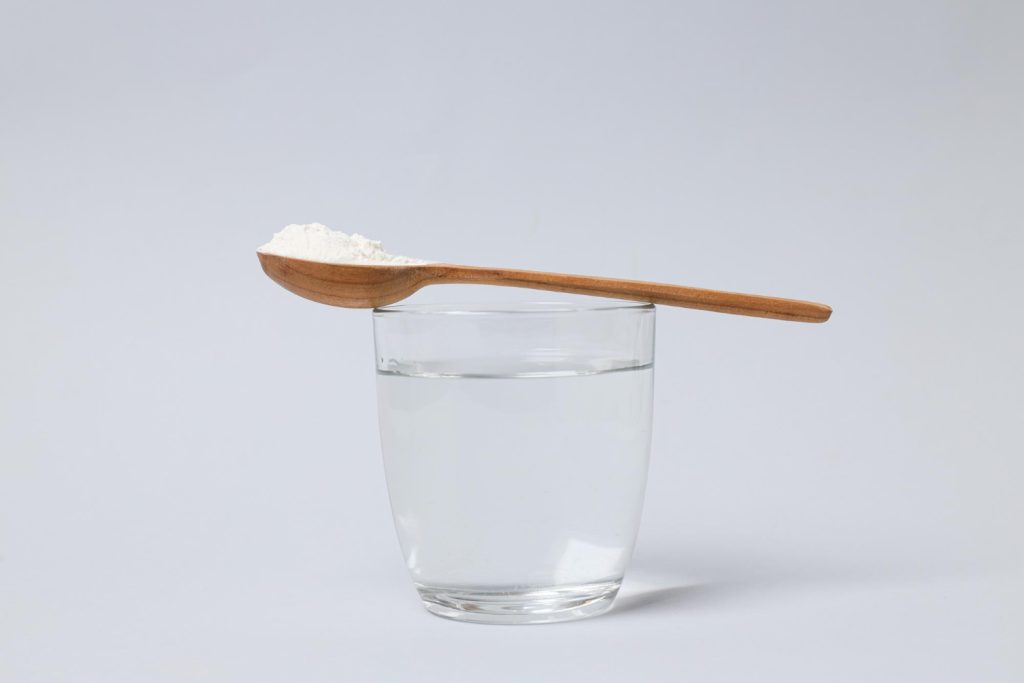
Image Credits: Freepik
The answer almost always comes down to the same thing.
Foundation.
Chocolate flavored. Grass-fed. “Clinically proven.” Expensive. But none of that matters if your body doesn’t have the raw materials to actually use what you’re giving it.
Here’s what nobody tells you: it’s not the powder that’s failing you.
It’s the foundation underneath it. And one of the most powerful, most affordable, most underrated foods for building that foundation is sitting in your freezer right now.
Green peas.
Let’s get into it.
First Things First: Do Peas Contain Collagen?
No.
Peas do not contain collagen. And this is the part most people get confused about.
Collagen is an animal protein. It’s found in the skin, bones, tendons, and connective tissue of animals. Your body makes it, and you can consume it from animal sources. But plants don’t produce collagen. That’s just biology.
So when people ask “do peas contain collagen,” the answer is a clean, simple no.
But that’s not the right question to be asking.
The right question is: can peas support collagen production in your body?
And the answer to that is a resounding yes.
What Your Body Actually Needs to Build Collagen
Think of collagen supplements as a starting point, not the whole solution.
Your body still needs the raw materials to actually build anything.
According to research, collagen is built from a repeating sequence of amino acids, primarily glycine, proline, and hydroxyproline.
- These form the triple helix structure that gives skin, tendons, bones, and ligaments their strength and elasticity.
To actually build stable, functional collagen, your body needs:
- Vitamin C (a non-negotiable cofactor for collagen synthesis)
- Glycine (the most abundant amino acid in collagen)
- Proline (converted to hydroxyproline, which stabilizes the collagen structure)
- Lysine (an essential amino acid that plays a direct role in collagen maturation)
Here’s where it gets interesting.
Research shows that without vitamin C, proline cannot be converted into hydroxyproline.
- The reaction literally stops.
- Vitamin C acts as a cofactor for the enzyme that makes this conversion happen.
- No vitamin C, no stable collagen. It’s that direct.
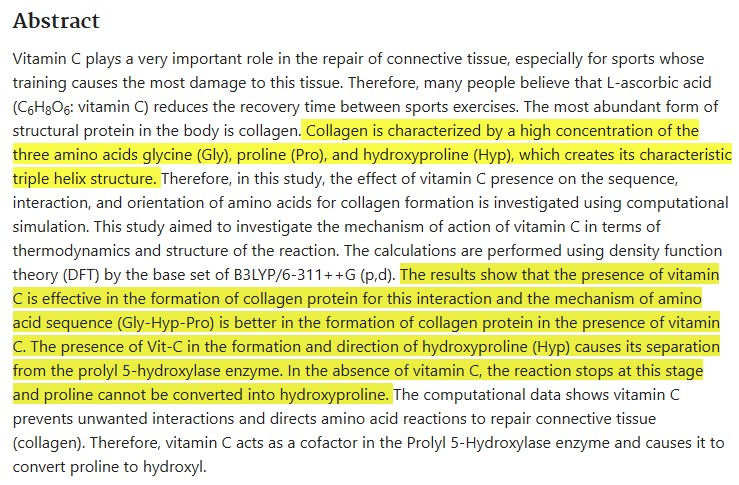
Source: Chugaeva UY, Raouf M, Morozova NS, Mahdavian L. Effects of L-ascorbic acid (C6H8O6: Vit-C) on collagen amino acids: DFT study. Amino Acids. 2023 Nov;55(11):1655-1664. doi: 10.1007/s00726-023-03339-5. Epub 2023 Oct 2. PMID: 37782378.
And a separate study on legumes and collagen biosynthesis found that lysine plays a critical role in post-translational modifications that are directly involved in the synthesis and maturation of collagen molecules.
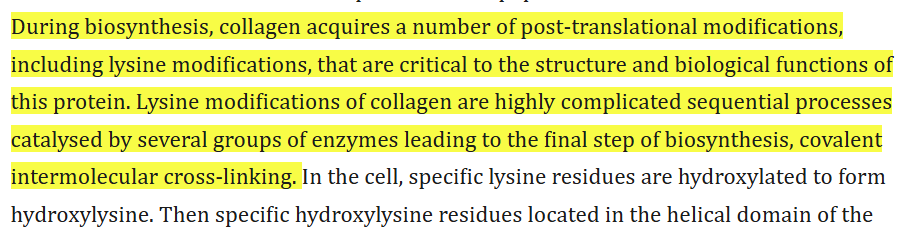
Source: Yamauchi M, Sricholpech M. Lysine post-translational modifications of collagen. Essays Biochem. 2012;52:113-33. doi: 10.1042/bse0520113. PMID: 22708567; PMCID: PMC3499978.
Translation: the raw materials matter more than the supplement.
Where Green Peas Come In
Green peas give you all of this in one small, affordable package.
One serving of green peas delivers:
- Vitamin C, which directly triggers collagen synthesis at the cellular level
- Glycine, proline, and lysine, the three key amino acids your body uses to build collagen
- Plant-based protein, supporting overall tissue repair and recovery
- Fiber, for gut health and better nutrient absorption
- Iron, which works alongside vitamin C and lysine to support collagen production
- Vitamin K, for bone and tissue health
- Antioxidants like lutein and zeaxanthin, which reduce oxidative stress and protect skin cells from damage
A full cup of peas gives you roughly 9 grams of protein and nearly 35 percent of your daily vitamin C.
For a collagen-supportive diet, that’s a real contribution, not a marketing claim.
And because peas are legumes, not just vegetables, they carry a denser nutritional profile than most people expect. They’re technically in the same family as lentils and chickpeas.
So yes, they count as both your protein and your micronutrient source at the same time.
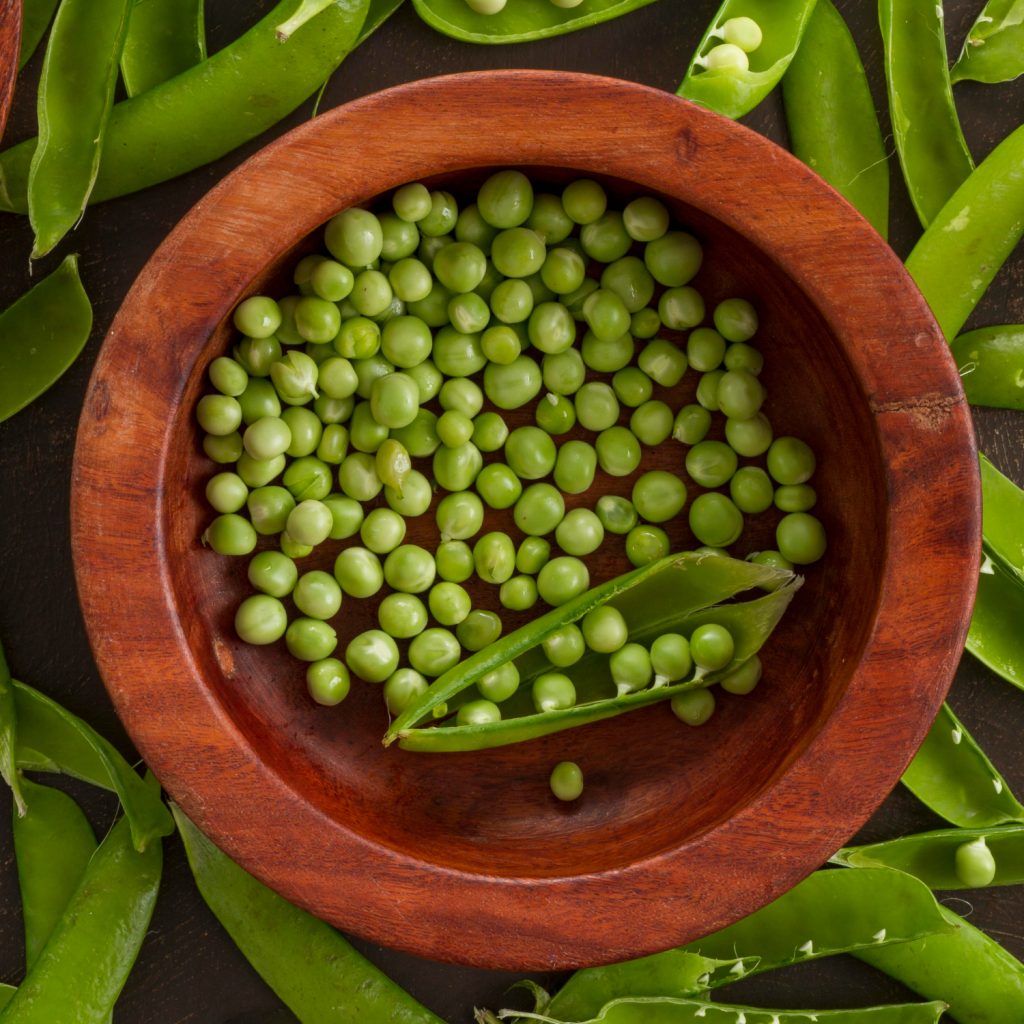
Image Credits: Freepik
The Best Way to Eat Peas for Collagen Support
Luke’s recommendation is simple, and it works:
Go frozen.
- Frozen peas retain most of their nutrition because they’re flash-frozen right after harvest. You’re not losing much by skipping the fresh version, especially if fresh peas aren’t in season.
Steam them quickly. Don’t overcook.
- Overcooking destroys vitamin C. Vitamin C is heat-sensitive, so the longer it cooks, the less you get. A light steam is all you need. Two to three minutes, tops.
Add lemon.
- A squeeze of lemon gives you an extra hit of vitamin C and makes the whole thing taste better. It also helps with iron absorption. Simple, functional, delicious.
How much?
- Half a cup to one cup most days. That’s it. You don’t need to overthink this.
How to?
- You can eat it on its own as a side.
- Toss it into your dal or lentils.
- Mix it into khichdi.
- Throw it into a rice bowl.
- Add it to soups.
The point is to make it a consistent part of your routine, not a one-time experiment.
What’s Wrong With Just Taking Collagen Powder?
Nothing, necessarily. But context matters.
Collagen supplements can help some people, particularly those who are already eating well and have the nutritional foundations in place.
- Some research suggests that collagen peptides taken with vitamin C before exercise may support connective tissue repair.
- But if you’re buying a collagen powder and eating a diet low in vitamin C, low in protein, and high in processed food, the supplement is not going to do much.
Here’s why: collagen powder gives your body pre-digested collagen peptides.
- Your body still needs to reassemble them into functional collagen. And to do that, it still needs vitamin C. It still needs glycine, proline, and lysine. It still needs the right enzymatic environment.
If those building blocks aren’t there, the powder is essentially useless.
As Luke puts it: “It cannot work if you don’t have the raw materials. It cannot work if you don’t have the building blocks. And it cannot work if you don’t have the right foundations.”
This isn’t anti-supplement. This is pro-basics.
Basics before powders. Always.
The Full Picture for Glowing Skin and Healthy Collagen
Peas are powerful. But they’re one piece of a larger system.
If you want better skin, stronger joints, and a body that actually makes collagen efficiently, here’s what that system looks like:
- Consistent protein intake from whole food sources across the day
- Vitamin C-rich foods like peas, amla, guava, lemon, and bell peppers
- Fiber and micronutrients to support gut health and absorption
- Sleep and recovery, because most of your cellular repair, including collagen repair, happens when you rest
- Hydration, because skin health starts at the cellular level
No single food does everything. No single supplement does everything. But when you stack these habits consistently, the results show up. In your skin, your energy, your recovery.
Image Credits: Freepik
Important: Who Should Be Mindful With Peas
Peas are excellent for most people, but a few groups should be mindful about portion size or frequency.
Be careful if you have:
- Irritable bowel syndrome (IBS) or bloating sensitivity: Peas are legumes and contain FODMAPs, which can trigger digestive symptoms in sensitive individuals. Start with a small amount and see how your body responds.
- Gout or high uric acid: Legumes contain purines. If you have elevated uric acid or a history of gout, speak with your doctor before adding large amounts.
- Kidney disease: Peas are relatively high in potassium and protein. If you’re managing kidney function, check with your healthcare provider about appropriate portions.
- Warfarin users: Peas contain vitamin K, which affects blood clotting. If you’re on warfarin or any blood-thinning medication, keep your vitamin K intake consistent and discuss dietary changes with your doctor.
- Legume allergy: Avoid entirely.
For the general, healthy population, peas are one of the most beneficial foods you can add to your plate. These precautions are for specific situations, not a reason to avoid them.
The Last Word
Green peas don’t contain collagen.
But they contain everything your body needs to build it.
Vitamin C. Glycine. Proline. Lysine. Protein. Antioxidants. Iron.
Stop spending money on expensive collagen powders without fixing the foundation first. Get a bag of frozen peas. Steam them. Add lemon. Add them to your meals regularly.
Half to one cup, most days.
That’s the collagen meal for glowing skin that nobody’s selling you, because it costs less than two hundred rupees and fits in your freezer.
The basics always beat the powders.
Start there.
Disclaimer: This blog is for informational purposes only and does not substitute professional medical advice, diagnosis, or treatment. Always consult your doctor or a qualified healthcare professional before starting any new supplement, dietary change, or wellness routine, especially if you have existing medical conditions, or are on medication.
Need guidance on building a holistic lifestyle that supports natural collagen production?
We’re here to help YOU find a way.
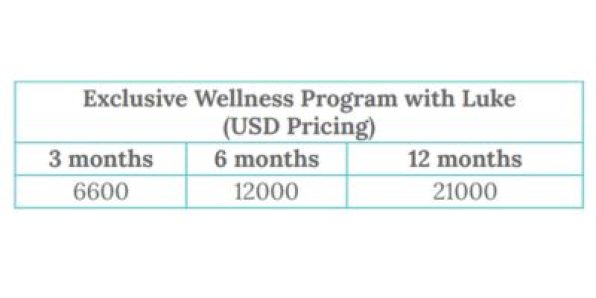
Set up a one-on-one consultation with our integrative team or enroll in our specialized Wellness Program for personalized solutions.
Reach out to us at 1800 102 0253 or write to us at [email protected].