No products in the cart.
You finish a great game of pickleball or paddle. You’re buzzing. You feel alive.
Then you wake up the next morning and your knee is screaming, your glutes are locked up, and your elbow feels like you swung a sledgehammer, not a paddle.
Sound familiar?
Here’s the thing. You don’t have to stop playing. You just have to start recovering properly.
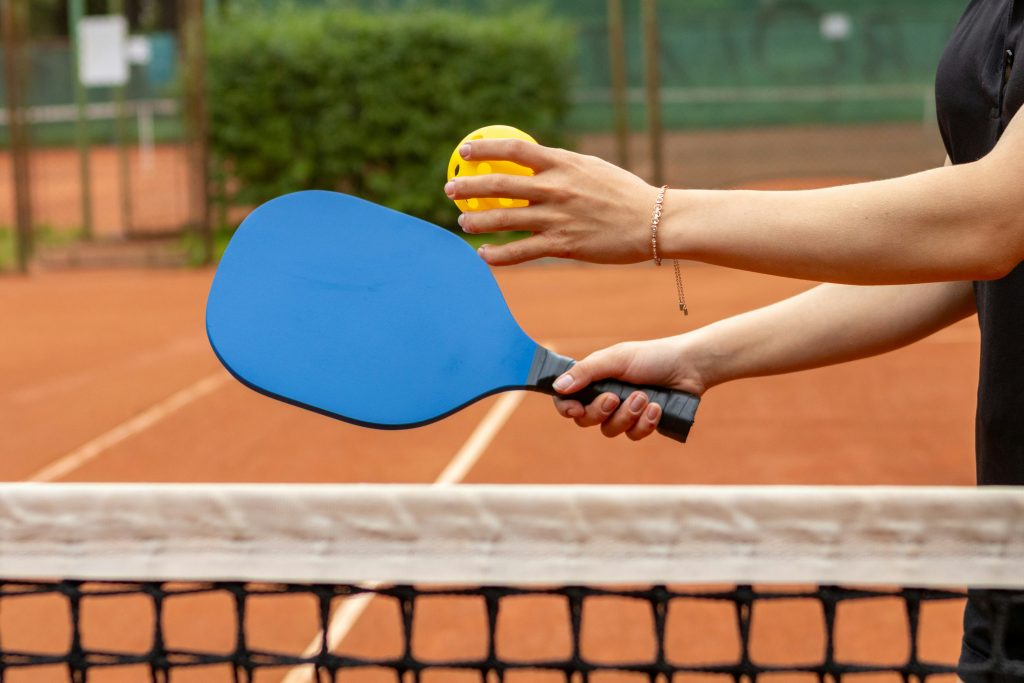
Image Credits: Unsplash
Pickleball and paddle are two of the fastest-growing sports in the world right now, and for good reason. They’re social, they’re fun, and the science backs them up.
But here’s the flip side nobody talks about enough: the injury rate is climbing just as fast as the sport’s popularity.
More knee injuries. Tight and torn glutes. Lower back pain. Shoulder niggles. Elbow strains. We’re seeing it more and more, and most of it is entirely preventable.
The fix? Five minutes before the game. Five minutes after. That’s it.
Why Pickleball and Paddle Injuries Are So Common
These sports look casual. They’re not.
Every point involves explosive lateral movement, sharp direction changes, rotational swings, and sprinting. Your knees, glutes, lower back, and shoulders are under constant load, often without the player even realizing it.
The most common pickleball and paddle injuries we see include:
- Knee pain and swelling from sudden stops and pivots
- Tight or torn glutes from explosive lateral movements
- Lower back pain from poor rotation mechanics and weak core engagement
- Shoulder tightness and pain from overhead smashes and follow-through
- Elbow strains (tennis elbow is rife in paddle players)
- Shin splints and calf tightness from hard court surfaces
The uncomfortable truth? Most of these injuries don’t happen because the sport is too intense. They happen because players walk straight off the court with no warm-up before and no cool-down after, and their body simply isn’t prepared or recovered.
Cold muscles don’t perform well. And muscles that aren’t properly cooled down after intense play shorten, tighten, and inflame overnight.
Warm Up Exercises Before Pickleball & Paddle to Prevent Knee Injuries
Think of your warm-up as the price of admission. Skip it, and you’re gambling with your body.
Here are 8 must-do warm-up exercises to fire up your muscles, protect your knees, and prime your body before you step on the court.
Do 10 reps on each side for each exercise.
| Exercise | What it does |
| Wall sit toe raises | Protects your knees, prevents shin splints |
| Wall sit calf raises | Builds ankle strength and lower leg stability |
| Wall knee extensions | Powers up your knees for stable, explosive movement |
| Dynamic lunges with overhead reach | Opens hips and chest, activates your big leg muscles |
| Mini band sidewalks | Strengthens glutes, prevents knee collapse |
| High knees | Builds agility and speed |
| Knee side raises | Builds lateral stability |
| Kickbacks | Powers up glutes and hamstrings |
Done consistently, these glute activation and mobility exercises for athletes take under 5 minutes and dramatically reduce your injury risk. Game-ready, explosive, and protected. That’s the goal.
Disclaimer: This is general guidance only. Avoid any movements that cause pain. If you have vertigo, joint issues, a recent injury, or a chronic condition, please seek personalized advice from a physiotherapist or doctor. Stop any stretch immediately if you experience tingling, numbness, or dizziness.
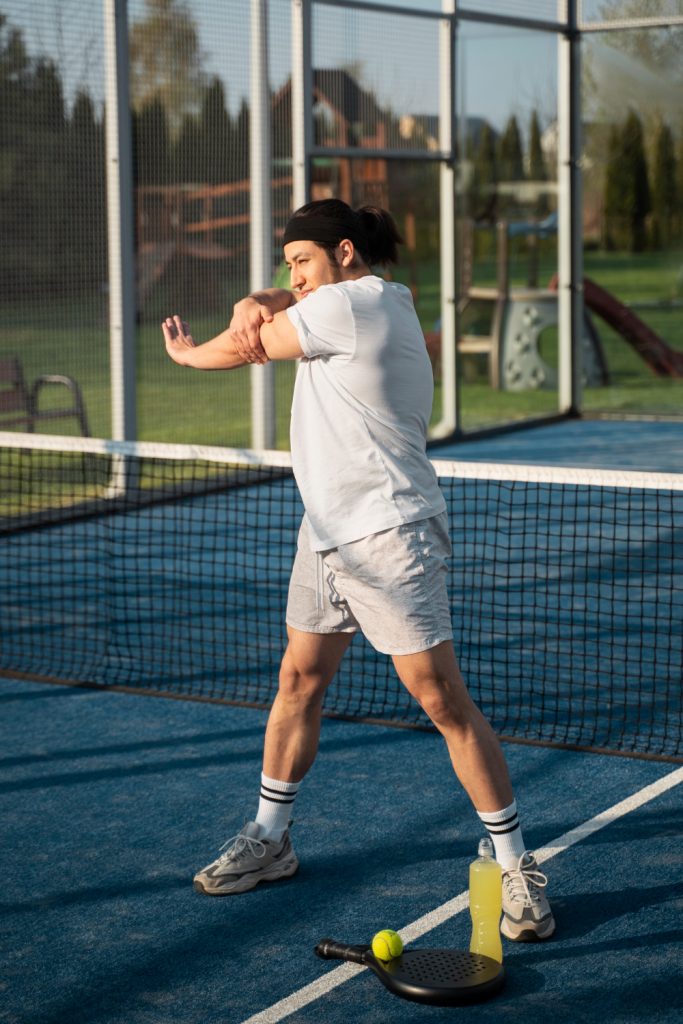
Image Credits: Freepik
The Cool-Down Most Players Skip and Why It’s Costing Them
You finish your last point. Your heart’s still racing. And you do what 90% of players do: grab your bag and head straight to the car.
That’s the mistake.
When you stop suddenly after intense play, your body is still in full gear. Your heart rate is elevated, lactic acid has built up in your muscles, and your nervous system is running hot. Without a proper transition, this leads to stiffness, soreness, and over time, injury.
A cool-down is not optional. It’s a performance tool. Here’s what it does:
- Brings your heart rate down gradually, reducing cardiovascular stress
- Clears lactic acid buildup, so you’re not wrecked the next morning
- Prevents muscle shortening, which causes long-term tightness and joint compression
- Reduces inflammation, protecting your knees, hips, and shoulders
- Supports nervous system recovery, so your body actually rests when you sleep
Five minutes. That’s all it takes.
6 Post-Pickleball Stretches for Full Sports Recovery
Hold each stretch for 15 seconds. Breathe slowly. Don’t rush it.
1. Standing Quad Stretch with Forward Reach Opens the quads and hip flexors, improves balance, reduces tightness from running and lunging, and supports better hip extension.
2. Standing Knee to Chest Stretch Releases the glutes and lower back, improves hip mobility, reduces stiffness after lateral movements, and helps realign the spine.
3. Cross Leg Toe Touches, Back Leg Straight Improves hamstring and calf flexibility, releases the entire posterior chain, reduces tension from sprinting, and enhances overall coordination.
4. Standing Side Bend Stretch Opens the obliques, lats, and QL (quadratus lumborum), improves trunk mobility, supports better rotation for your paddle swings, and reduces tightness around the ribs.
5. Overhead Triceps and Shoulder Stretch Releases the triceps and shoulders, increases overhead mobility for smashes, and improves upper body flexibility. Essential after a heavy hitting session.
6. Standing One-Hand Pullback Stretch, Triceps and Shoulder Targets the rear shoulder and triceps, improves reach and follow-through during shots, reduces tension from overhead movements, and enhances shoulder stability.
Beyond Stretching: Your Post-Workout Recovery Routine
Stretching is just one piece of the recovery puzzle. Here’s what else to build into your post-game routine:
- Slow nasal breathing to regulate your nervous system after high-intensity movement
- Light walking to clear lactic buildup and ease your heart rate down naturally
- Hydration for muscle recovery and reducing cramping
- Gentle mobility work to prevent muscle shortening and joint compression overnight
None of this is complicated. It’s just consistent.
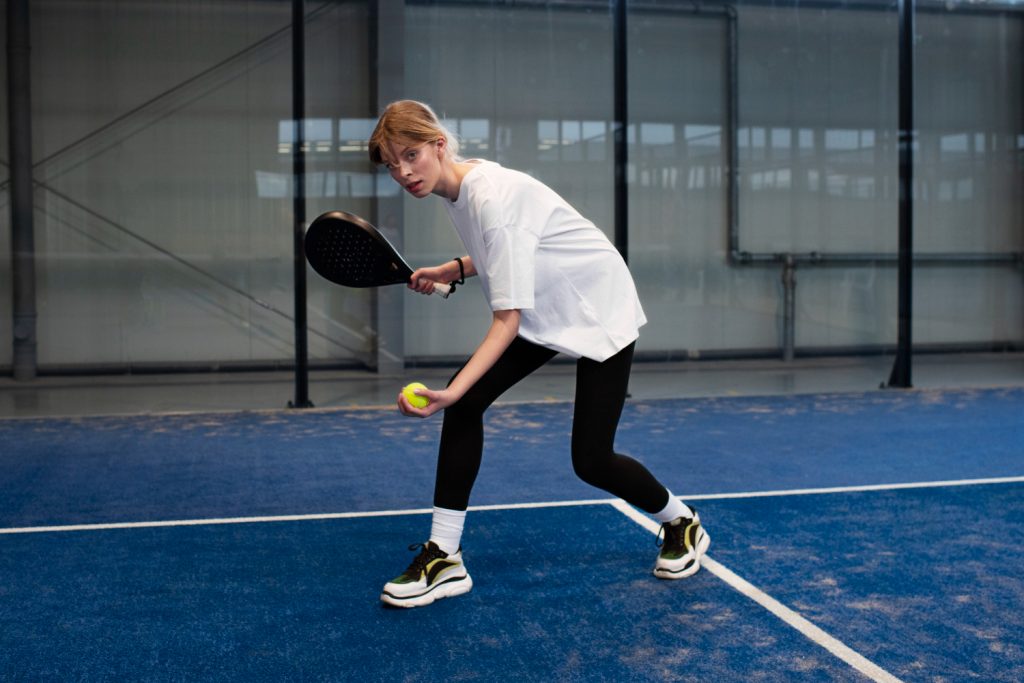
Image Credits: Freepik
The Last Word
Nobody should be injured for so long that they can’t play the game they love.
That’s not dramatic. It’s what we see every week. People sitting on the sidelines for months with injuries that were completely preventable. Five minutes of warm-up. Five minutes of cool-down. A little hydration. Some intentional breathing.
That’s the difference between playing into your 70s and sitting out your 50s.
Whether you call it paddle, pickleball, or something else entirely, the game is worth protecting. And so is your body.
Start with the routine. Stay consistent. And play the long game.
Watch This
Disclaimer: This blog is intended for educational and informational purposes only and should not be used as a substitute for professional medical advice, diagnosis, or treatment. Always seek the guidance of your qualified healthcare provider before making any changes to your medications or lifestyle.
Looking for holistic and foundational guidance for any sports injuries?
We help you find a way.
Set up a one-on-one consultation with our foundational medicine and lifestyle experts or explore our Wellness Programs to optimize your lifestyle goals.
Reach out to us at 1800 102 0253 or write to us at [email protected].