No products in the cart.
Cancer brings with it a flood of questions, and most of them do not get honest answers.
What can I eat during chemotherapy? Does sugar really make cancer worse? Why do I still feel broken even after treatment is done? Is it okay to feel angry instead of positive?
These are the real questions that cancer patients carry, often silently.
At Team Luke, we believe every person navigating cancer deserves clear, compassionate, and evidence-informed guidance, not just generic advice. That is why we sat down with Shimpli Patil, Head – Training, Integrative and Foundational Medicine at Team Luke, and asked her the questions that cancer patients actually search for, worry about, and desperately need answered.
Meet the Expert
With 12 years of experience and a strong background in food, nutrition, and dietetics, Shimpli Patil successfully specializes in gut health, cancer care, autoimmune conditions, and hormonal issues, earning a track record of numerous success stories.

Shimpli Patil, Head – Training, Integrative and Foundational Medicine at Team Luke
She works closely with cancer patients and survivors, guiding them through the physical, emotional, and lifestyle dimensions of healing. Her approach is rooted in Foundational Medicine philosophy: that true recovery addresses the whole person, not just the disease.
The Food Questions
1. Does sugar really feed cancer? Here’s what the research actually says.
All cells, including both healthy and cancerous ones, use glucose as fuel. Cancer cells do tend to have a higher glucose appetite. But the real concern is not the occasional spoonful of sugar in your tea.
A consistently high-sugar, high-refined-carbohydrate eating pattern creates a metabolic environment that may favor cancer growth and recurrence. That is what we work to change.
The focus is not fear around sugar. It is building a pattern of eating that does not keep your blood sugar constantly elevated.
2. Are superfoods like turmeric, green tea, and amla actually helpful during cancer?
Yes, but context matters.
| Superfood | Active Compound | Benefit |
| Turmeric | Curcumin | Anti-inflammatory support |
| Green tea | EGCG (catechins) | Antioxidant properties |
| Amla | Vitamin C | Immune and cellular support |
These foods do offer anti-inflammatory and antioxidant benefits during cancer. However, we recommend them in whole-food form, not as high-dose supplements. More is not always better, especially during active treatment.
3. I have no appetite during chemotherapy. What can I actually eat?
This is one of the most common challenges during cancer treatment, and you are not alone in it.
Instead of pushing for full meals, focus on:
- Small, frequent, nutrient-dense bites throughout the day
- Soft, easy-to-digest options like khichdi, soft eggs, curd rice, soups, and smoothies
- Cold or room-temperature foods, which are often better tolerated than hot meals
- Lemon and ginger tea, which can help settle nausea and gently support appetite
Be kind to yourself. Eating a little, consistently, is far better than forcing large meals and feeling worse.
4. How much protein do I actually need during cancer treatment?
A general starting point is roughly 1.0 to 1.2 grams per kilogram of body weight daily. But this is highly individual and should always be decided with your care team.
Good protein sources during treatment include:
- Eggs and Greek yogurt
- Dal, paneer, and legumes
- Fish and chicken (if tolerated)
- Protein shakes when solid food feels difficult
Adequate protein is essential during cancer treatment. It protects your muscle mass, supports immune function, and helps your body handle the demands of chemotherapy and radiation.
5. What supplements are safe for cancer patients and survivors?
Honestly? It depends entirely on your treatment plan, blood parameters, and identified deficiencies.
This is important to understand: high-dose antioxidant supplements can actually interfere with chemotherapy and radiation in some cases. What works for one person may be counterproductive for another.
Supplement recommendations are never generic. They are based on individual lab values and the specific treatment a patient is on. Please always check with your oncologist and nutritionist before adding anything.

Image Credits: Magnific
6. How is holistic cancer nutrition different from standard hospital diet advice?
Standard hospital diets during cancer treatment are primarily focused on calorie intake and tolerability. That is important, but it is only one piece of the picture.
Holistic cancer nutrition also looks at:
- Inflammation levels in the body
- Gut health and its role in immunity
- Emotional wellbeing and its impact on digestion and healing
- Sleep, movement, and stress as active parts of recovery
The Foundational Medicine approach focuses on identifying the root causes that slow healing. Because cancer nutrition is not just about what you eat. It is about creating the conditions your body needs to recover.
7. I’ve finished treatment. Now what should I eat to prevent recurrence?
This phase is about building what Luke often calls “a body cancer does not like living in.”
The focus shifts to:
- An anti-inflammatory, plant-forward eating pattern
- Maintaining healthy weight and muscle mass
- Regular, appropriate movement
- Consistent sleep and stress management
This is not about a strict short-term plan. It is about sustainable lifestyle change that reduces the internal conditions that may favor cancer recurrence.
8. My immunity feels destroyed after chemotherapy. How do I rebuild it?
Rebuilding immunity after chemotherapy takes time, consistency, and patience. There are no shortcuts here.
Priorities include:
- Adequate protein at every meal
- Colorful vegetables for antioxidant support
- Fermented foods like curd, kanji, and idli for gut health
- Restorative sleep and gentle daily movement
Luke places the gut at the center of immune recovery. When the gut is healing, the immune system follows. Gradual and consistent always wins over quick fixes.
If you or someone you love is navigating a cancer diagnosis, know that you do not have to figure this out alone. Healing is complex, and the questions you have deserve real, personalized answers, not generic advice from the internet.
Our team is here to walk alongside you, through treatment, recovery, and beyond.
Reach Out to Our Cancer Care Team
The Emotional and Mental Health Questions
9. I’m emotionally eating or completely off food due to fear. How do I fix my relationship with food?
This is incredibly common, and it is not a willpower problem.
Fear and anxiety after a cancer diagnosis genuinely disrupt appetite signals and the body’s relationship with food. The solution is not to force yourself to eat “correctly.”
Start small. Structured, non-judgmental meals without pressure. Food affirmations, as Luke suggests, can also help gently shift the emotional charge around eating. A counselor alongside your nutritionist makes a significant difference here.
10. How does stress physically affect my body’s ability to heal during cancer?
Chronic stress raises cortisol. Elevated cortisol suppresses immune function, worsens inflammation, disrupts digestion, and interferes with sleep. All of these slow down healing during cancer treatment.
This is why Luke considers stress management as non-negotiable as cancer nutrition in any cancer protocol. It is not a soft add-on. It is part of the treatment itself.
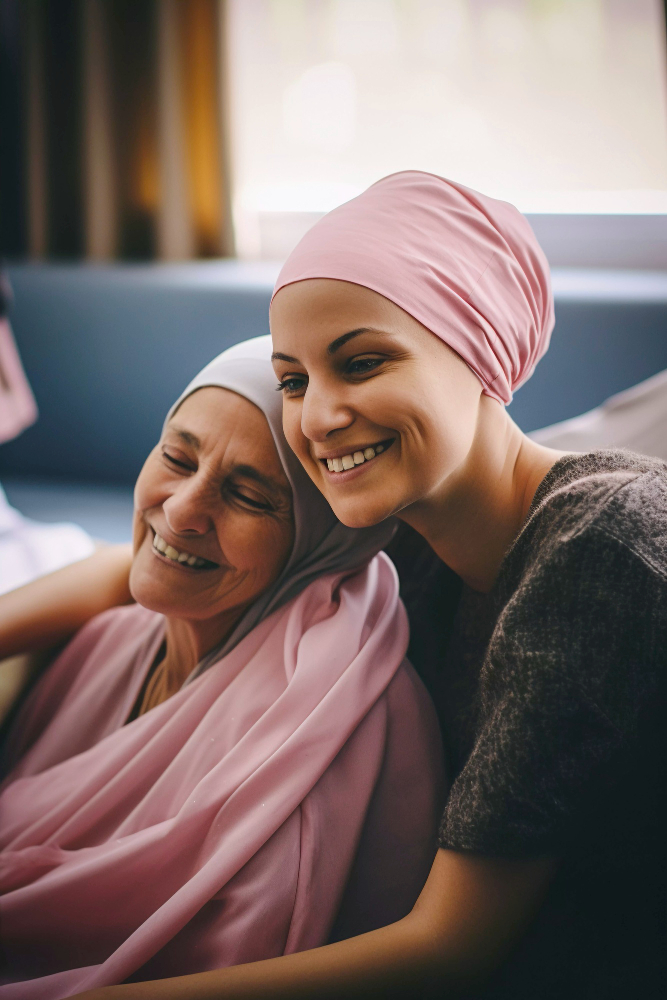
Image Credits: Magnific
11. I was diagnosed with cancer and feel like I’ve lost all control. Where do I even begin?
Start with one small thing you can control today.
It might be a meal. A short walk. Five minutes of breathing. One glass of water with lemon.
Control does not return all at once. It returns through small, consistent steps. Luke often guides patients to anchor into daily micro-routines because those small acts of agency add up and matter enormously for mental and physical healing.
12. Can my mindset and emotions actually impact my cancer outcomes?
Emerging research shows that chronic stress and depression can alter immune function and increase inflammation, both of which may influence how the body responds during cancer treatment. It is not as simple as “positive thoughts cure cancer,” but mental state does genuinely affect the body’s physiological capacity to heal.
This is precisely why we integrate mind-body practices into every cancer protocol. Because healing is not only biochemical.
13. I cry every time I sit down to eat with my family. How do I handle this?
This is not a weakness. It is a sign of how emotionally loaded food and mealtimes have become after a cancer diagnosis, and it is more common than most people realize.
Rather than hiding it, try gentle honesty with your family. Let them know what you are experiencing. We encourage reframing meals as acts of care rather than performance or pressure. It is okay if eating looks different for a while.
14. I’ve been told to “stay positive.” But I’m angry, grieving, and terrified. Is that okay?
Absolutely. And more than okay.
Suppressing what you actually feel does not protect you. It adds to your stress burden. Luke is very vocal about this: forced positivity is not healing. Honoring your real emotions, including anger, grief, and fear, is a genuine part of recovery.
Feel what you feel. Then get the right support to move through it.
The Lifestyle Questions
15. Does exercise help or harm someone going through chemotherapy?
When matched to your current capacity, gentle movement generally helps rather than harms.
Benefits of appropriate movement during chemotherapy include:
- Reduced fatigue
- Preserved muscle mass
- Better mood and sleep quality
- Improved treatment tolerance
The key word is appropriate. Luke advocates movement as medicine during cancer treatment, always scaled to the person’s daily energy and blood counts, never forced.
16. I’m too fatigued to move. How do I know whether to rest or move?
Here is a useful way to think about it:
- If your fatigue is from inactivity, a short walk or light stretching will often help more than complete rest
- If your fatigue is acute and treatment-related, rest comes first
We encourage patients to listen closely to their body each day rather than following a fixed rule. Some days movement helps. Some days rest is the medicine. Both are valid.
17. How does poor sleep affect cancer treatment and recovery?
Sleep is when the body repairs tissue, regulates immune cells, and processes inflammation. When sleep is compromised, immune response weakens, inflammation increases, and fatigue and treatment side effects worsen.
We treat sleep as a foundational pillar of any cancer protocol, not an afterthought. Poor sleep is not something to push through. It is something to address directly.
18. My treatment is done. So why do I still feel broken, scared, and exhausted?
Because finishing treatment does not mean the body and nervous system are finished healing.
The physical and emotional recovery from cancer often takes far longer than the treatment timeline suggests. This is survivorship, and it deserves as much attention and care as the active treatment phase did.
You are not failing recovery. You are in it.
19. Can meditation, breathwork, or prayer genuinely support cancer healing?
Yes, and there is research to support it.
These practices can lower cortisol, improve sleep quality, and support immune regulation. They do not replace medical treatment. But we consider them essential complementary tools in any serious cancer protocol, not feel-good extras.
Breathwork. Prayer. Meditation. Journaling. These are not soft suggestions. They are part of the healing architecture.
Image Credits: Magnific
20. What does a truly holistic cancer recovery plan look like?
It integrates all of the following, alongside medical treatment:
| Pillar | What It Includes |
| Nutrition | Anti-inflammatory, personalized eating |
| Movement | Gentle, consistent, capacity-matched |
| Sleep | Prioritized as a non-negotiable |
| Emotional wellness | Counseling, expression, support |
| Stress management | Breathwork, mindfulness, routine |
| Spiritual health | Prayer, purpose, connection |
Luke describes this as healing the whole person: body, mind, and emotions together, not just managing the disease site.
The Last Word
Cancer is not just a physical experience. It touches everything: your relationship with food, your family, your emotions, your sense of control, and your identity.
At Team Luke, we work with patients who are in the middle of treatment, just finished, or years into survivorship and still searching for answers. Wherever you are, you deserve care that meets you there.
Disclaimer: This blog is for informational purposes only and is not a substitute for personalized medical advice. Always consult your oncologist and care team before making changes to your treatment or lifestyle plan.
Cancer changes everything. But with the right support, the right guidance, and a plan built around your whole person, not just your diagnosis, healing becomes possible in ways you may not have imagined yet.
If you or a loved one is on this journey and looking for holistic, compassionate care, we are here.
Learn More About How We Can Support You
You may also reach out to us at 1800 102 0253 or write to us at [email protected].