No products in the cart.
Table of Contents
When we think of nutrition, certain vitamins dominate the conversation. Vitamin C is celebrated for immunity, Vitamin D for bone strength, and Vitamin B12 for energy metabolism. Yet Vitamin E, despite being just as essential, often goes unnoticed.
What is Vitamin E?
Vitamin E is a fat-soluble vitamin. Vitamin E is actually a whole family of nutrients. There are eight of them in total, four called tocopherols and four called tocotrienols. Out of these, your body is especially fond of one form, called alpha-tocopherol, which is the one that gets carried in your blood and woven into your cell membranes, where it does its most important work.
While many antioxidants, like Vitamin C, work in watery areas of your body (like blood or inside cells), Vitamin E works in fat-rich spaces such as cell membranes.
Imagine slicing an apple and leaving it out on the counter. Within minutes, it turns brown. That’s oxidation, a natural process where oxygen interacts with molecules and sets off a chain of damage.
Now, picture the same process quietly unfolding inside your body, not in minutes, but over years. This silent wear and tear is called oxidative stress, and it’s a key driver of aging, inflammation, and chronic disease. Here’s where Vitamin E steps in, slowing down the browning, protecting your cells from inside out.
Oxidative stress occurs when unstable molecules known as free radicals accumulate beyond the body’s ability to neutralize them. These free radicals can damage DNA, proteins, and fats, accelerating processes that contribute to cardiovascular disease, neurodegeneration, and even cancer. While free radicals are unavoidable, produced during normal metabolism and amplified by pollution, smoking, and UV exposure, our body relies on antioxidants to keep them in check. Among these defenders, Vitamin E plays a particularly unique role as it is an antioxidant.
What makes Vitamin E so special is that it protects lipid-rich environments like cell membranes, places other antioxidants can’t reach. Think of it as a bodyguard standing at the gates of your cells, neutralizing free radicals before they cause irreversible harm. This is one of the most significant benefits of Vitamin E: it directly preserves cellular integrity and slows the cascade of oxidative damage.
Benefits of Vitamin E
The role of Vitamin E as an antioxidant helps reduce the damage caused by free radicals, and researchers have long studied how this might influence chronic diseases.
1. Heart Health
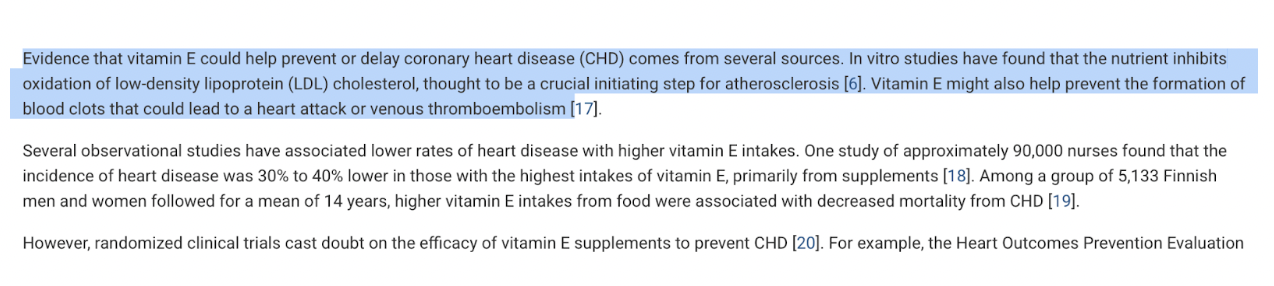
For decades, scientists have been curious about whether Vitamin E protects the heart. Observational studies showed that people who ate foods rich in sources for Vitamin E, such as nuts, seeds, green vegetables, and healthy oils, tended to have lower rates of cardiovascular disease. This makes sense because Vitamin E helps reduce oxidative stress, a process that contributes to artery damage and plaque buildup.
Source: Vitamin E. (n.d.). Nih.gov. Retrieved September 5, 2025, from https://ods.od.nih.gov/factsheets/VitaminE-HealthProfessional/
2. Cancer
The relationship between Vitamin E and cancer has also been widely studied. Foods rich in Vitamin E, such as fruits like avocados, kiwis, mangoes, and spinach, are linked to a lower risk of several cancers, especially lung and colon cancers. Nevertheless, more evidence and research are needed to understand the link between Vitamin E and cancer.

Source: Vitamin E. (n.d.). Nih.gov. Retrieved September 5, 2025, from https://ods.od.nih.gov/factsheets/VitaminE-HealthProfessional/
3. Vision and Eye Health
The eyes are particularly sensitive to oxidative damage, which is why researchers have looked closely at Vitamin E in preventing vision problems. One of the strongest findings comes from the AREDS2 trial, which showed that a combination of Vitamin E, Vitamin C, zinc, copper, lutein, and zeaxanthin slowed the progression of age-related macular degeneration (AMD) in people at high risk. There is also evidence that Vitamin E may help lower the risk of cataracts by protecting proteins in the lens from oxidative stress. While Vitamin E is not a cure, it clearly supports long-term eye health

Source: Vitamin E. (n.d.). Nih.gov. Retrieved September 5, 2025, from https://ods.od.nih.gov/factsheets/VitaminE-HealthProfessional/
4. Brain and Neurodegenerative Disorders
The brain is especially vulnerable to oxidative stress because of its high oxygen use and delicate cell structures. Vitamin E may help slow functional decline in people with Alzheimer’s disease. A clinical trial demonstrated that high-dose Vitamin E supplementation slowed the loss of daily living skills in patients with moderate Alzheimer’s.
Studies have also explored possible benefits in Parkinson’s disease and Amyotrophic Lateral Sclerosis (ALS). While findings are not conclusive, the antioxidant properties of Vitamin E suggest it may help protect nerve cells from damage, slowing the progression of neurodegenerative conditions.

Source: Vitamin E. (n.d.). Nih.gov. Retrieved September 5, 2025, from https://ods.od.nih.gov/factsheets/VitaminE-HealthProfessional/
Sources for Vitamin E: Fruits, Foods & Everyday Staples
Food remains the best and safest source of Vitamin E. Whole foods deliver Vitamin E in a balanced, bioavailable form, often alongside other synergistic compounds that enhance its action. This is why experts emphasize choosing natural sources for Vitamin E rather than relying solely on pills.
The top Vitamin E sources are:
1. Vitamin E-Rich Nuts and Seeds
Nuts and seeds are among the richest natural reservoirs of Vitamin E. Just a handful of almonds or sunflower seeds can cover a significant portion of your daily requirement. Hazelnuts and peanuts also contribute to it, offering not only Vitamin E but also healthy fats and plant-based protein. The benefit of Vitamin E from these foods is amplified by their fat content, which naturally aids absorption.
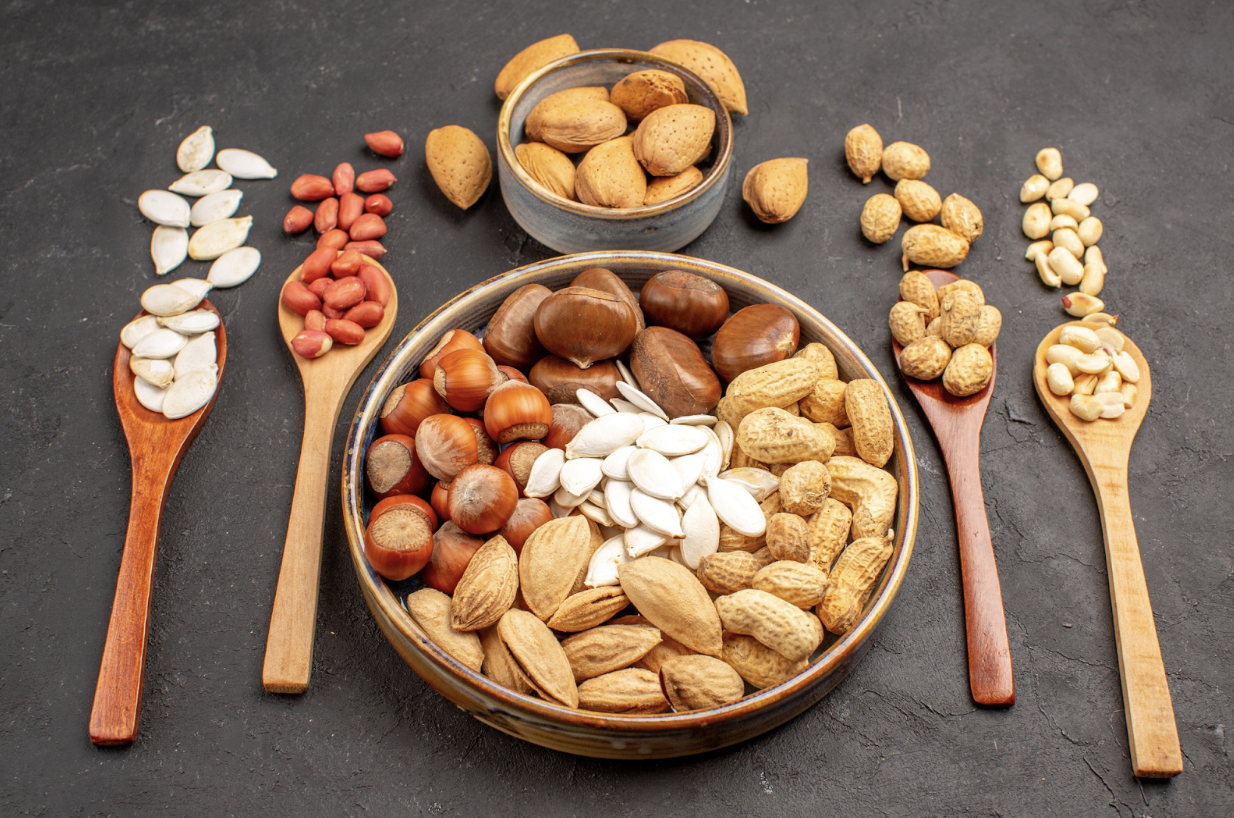
Image Credits: Freepik
2. Vitamin E Fruits
While fruits are not typically considered the densest sources, certain varieties stand out. Avocado, mango, and kiwi are prime examples of Vitamin E fruits and food options that combine antioxidants, fiber, and vitamins. These fruits add color, taste, and nutritional depth to your plate while quietly boosting your antioxidant defenses.
3. Vitamin E-Rich Oils
Plant oils are highly concentrated sources for Vitamin E. Sunflower oil, wheat germ oil, and safflower oil top the list. Even small amounts can provide substantial quantities of this nutrient. But use them in moderation, and always choose cold-pressed, minimally processed oils to retain maximum antioxidant value.
4. Other Everyday Foods
Green vegetables like spinach and broccoli are excellent contributors, offering Vitamin E alongside a host of phytochemicals and minerals that support overall well-being.
When Is the Best Time to Consume Vitamin E Food Sources?
Unlike some vitamins that have an ideal timing, Vitamin E is a fat-soluble vitamin. This means it dissolves in fat and gets absorbed better when paired with healthy dietary fats. So, the timing of Vitamin E isn’t about a specific hour of the day, it’s about what you eat it with.

Image Credits: Freepik
Here are some simple tips:
- With Meals Containing Healthy Fats
Always combine Vitamin E foods with natural fat sources like nuts, seeds, olive oil, or avocado. For example:- Add sunflower seeds or almonds to a salad dressed with olive oil.
- Blend avocado and spinach into a smoothie with a spoon of nut butter.
- Cook vegetables like broccoli or spinach in a small amount of coconut or sunflower oil.
And if you’ve ever found yourself confused about which cooking oil truly supports your health, this would definitely help:
How to Choose the Best Cooking Oil? Here’s a FREE 101 Guide
- Best Time of Day
- Breakfast or lunch is ideal because meals at these times usually include some fats (like nut butter, eggs, or oils).
Craving a breakfast that’s both delicious and packed with Vitamin E? Try our recipe of roundels and pancakes for your morning meal here.
- Spread Intake Through the Day
Instead of eating all your Vitamin E foods at once, it’s better to spread them across meals. For instance:- A handful of almonds mid-morning.
- Avocado with lunch.
- Steamed broccoli or spinach at dinner.
- Pair With Other Antioxidants
Vitamin E works synergistically with Vitamin C, selenium, and other antioxidants. For example, pairing kiwi (Vitamin C-rich fruit) with nuts (Vitamin E-rich) enhances overall antioxidant defense.
How Much Vitamin E Do You Really Need?
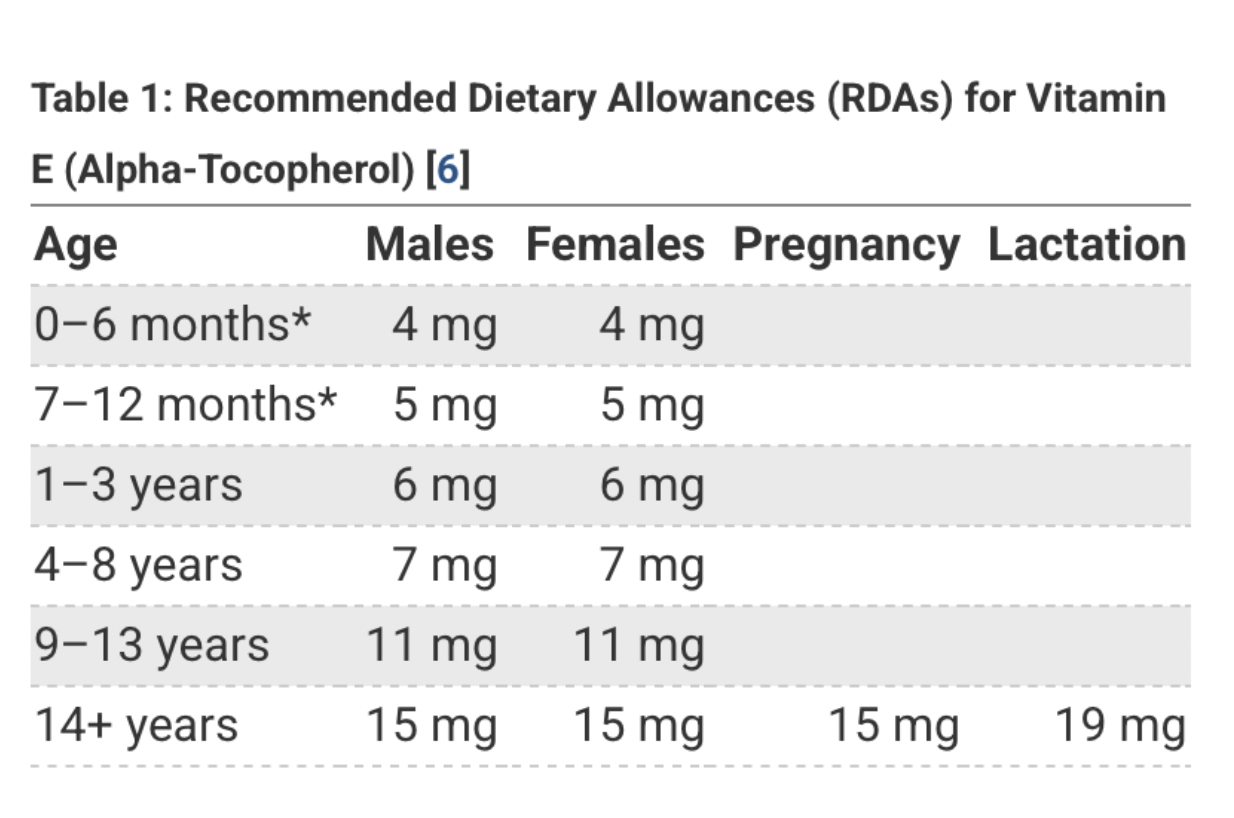
When it comes to nutrition, balance is everything. Too little of a nutrient can leave the body vulnerable, while too much, especially from supplements, can pose its own risks. This is why the Recommended Dietary Allowance (RDA) exists: to guide us toward the ‘just right’ amount our body needs daily.
Source: Vitamin E. (n.d.). Nih.gov. Retrieved September 5, 2025, from https://ods.od.nih.gov/factsheets/VitaminE-HealthProfessional/
By mixing and matching natural sources for Vitamin E, like nuts, seeds, green leafy vegetables, and Vitamin E fruits and food such as kiwi and mango, it’s surprisingly easy to reach the RDA through food alone.
Supplementation should only be considered under professional guidance, especially if you are on medications like blood thinners, since excess intake may increase bleeding risk.
What Happens If You Don’t Get Enough Vitamin E?
While deficiency is rare in people eating balanced food, being aware of the signs helps us protect long-term health.
Key signs of Vitamin E deficiency include:
- Muscle weakness – Caused by oxidative stress that weakens muscle cells.
- Vision problems – Linked to retinal degeneration and loss of photoreceptor function.
- Nerve issues – Tingling, loss of coordination, or balance difficulties due to damage of the protective myelin sheath around nerves.
- Weakened immunity – Making the body more susceptible to infections and slower recovery.
Who is most at risk?
- People with fat-malabsorption conditions such as Crohn’s disease, cystic fibrosis, or chronic liver disease.
- Premature infants, especially those born with very low birth weight, as miss the final stage of Vitamin E transfer from the mother.
- Individuals with rare genetic disorders that affect fat metabolism, such as abetalipoproteinemia or certain fat-malabsorption conditions, are more vulnerable.
Can You Take Too Much Vitamin E?
Vitamin E from natural food sources has never been shown to cause toxicity. You can enjoy nuts, seeds, spinach, or Vitamin E fruits and food like avocado and kiwi without any concern of overdose. The body knows how to regulate and use Vitamin E that comes from whole foods.
The concern arises with high-dose supplements.
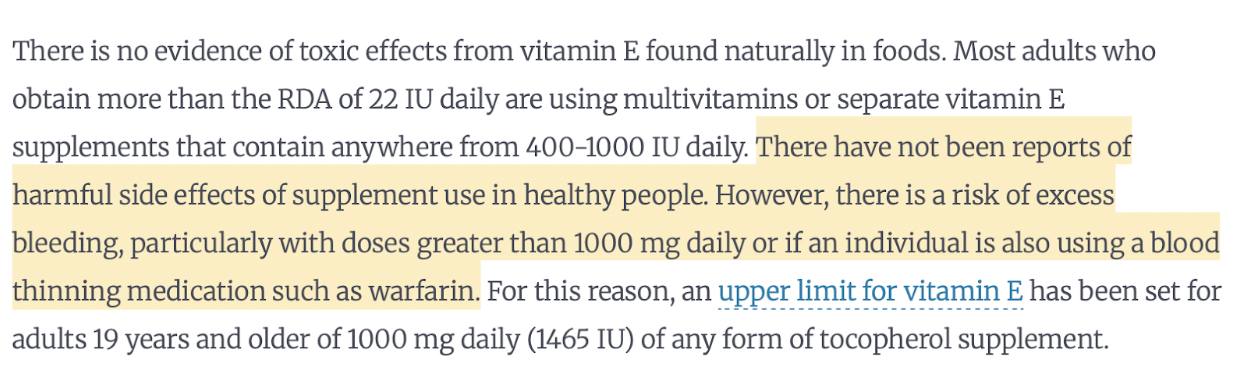
Research has shown that consuming more than 1000 mg (1465 IU) of Vitamin E per day, especially in supplement form, can increase the risk of bleeding. This happens because Vitamin E reduces platelet aggregation, and when combined with blood-thinning medications such as warfarin, the risk of excessive bleeding becomes significant.
Source: Otis, B. O. (2012, September 18). Vitamin E. The Nutrition Source – Harvard Chan School. https://nutritionsource.hsph.harvard.edu/vitamin-e/
To make it easy, let’s understand:
- Safe upper limit for adults: 1000 mg (1465 IU) daily from supplements.
- Risk zone: Regular use of doses higher than this, or combining supplements with anticoagulant therapy.
- Food sources: Safe, protective, and without documented harmful effects.
So, while the benefit of Vitamin E is undeniable, the approach should always be balanced. Supplements may have a place in very specific clinical scenarios, such as rare fat-absorption disorders or certain genetic conditions, but for the vast majority, the safest and most effective strategy is a food-first approach. Natural sources for Vitamin E not only provide the nutrient in its optimal form but also deliver synergistic compounds, like fiber, phytonutrients, and healthy fats, that no pill can replicate.
Always remember: use Vitamin E supplements only under the guidance of a qualified healthcare professional.
Conclusion: The Quiet Guardian of Your Health
Every breath you take, every cell that renews, and every signal your nervous system fires depend on a stable environment, and Vitamin E plays a role in maintaining that balance.
You don’t need an extreme meal plan or mega-doses to benefit from it. Nature has already built an elegant system: whole foods that provide Vitamin E in the right amounts, surrounded by other compounds that help it function optimally.
So, as you think about your plate today, remember that it’s not about chasing the latest trend. It’s about creating steady, balanced nourishment. Be educated, not influenced.
Disclaimer: This blog is for educational and informational purposes only. It is NOT intended as a substitute for professional medical advice, diagnosis, or treatment. Individual nutrient needs can vary based on age, health conditions, and medications. Always consult your qualified healthcare provider before making changes to your food plan, taking supplements, or addressing any specific health concerns, especially if you are pregnant, breastfeeding, or on prescription medication.
Looking for holistic and integrative guidance on improving overall health?
We help you find a way.
Set up a one-on-one consultation with our life coaches and emotional wellness counselors by reaching out to us at 1800 102 0253 or writing to us at [email protected].