No products in the cart.
In our 14+ years of practice, we have constantly said that diabetes isn’t just about sugar levels—it’s a complex metabolic condition that impacts your energy, immunity, hormones, and even emotional health. What’s more worrying is how rapidly it’s growing. India, unfortunately, holds the title of being the diabetes capital of the world, and this isn’t just a statistic—it’s a call for deep introspection.
Like any condition, there are different types of diabetes too. So, what is the difference between Type 1 and Type 2 diabetes? And the truth is, the two are vastly different. Whether it’s insulin resistance in Type 2 diabetes or the autoimmune nature of Type 1, understanding is key.
As the Fit India Ambassador under our Hon. Prime Minister Narendra Modi’s vision, I believe education, not fear, is our greatest tool. Let’s talk about Type 1 vs Type 2 diabetes with clarity, compassion, and purpose.
Understanding Type 1 Diabetes: When the Body Attacks Its Own Insulin
When we talk about the difference between type 1 and type 2 diabetes, it’s important to understand that type 1 diabetes is not a lifestyle-driven condition. It’s an autoimmune disorder, where your immune system mistakenly destroys the insulin-producing beta cells in the pancreas. As a result, the body can no longer produce insulin on its own.
This form of diabetes is usually diagnosed in children, teens, or young adults—but it can strike at any age. Symptoms tend to come on quickly: sudden weight loss, persistent fatigue, frequent urination, increased hunger, and extreme thirst.
Because the body produces little to no insulin, type 1 diabetes requires lifelong insulin therapy. Unlike type 2 diabetes, which is heavily influenced by insulin resistance and lifestyle factors, type 1 isn’t something we can prevent yet. But it can be managed with care, consistency, and support.
The earlier it’s caught, the better the outcomes. Knowing the type 1 vs type 2 diabetes distinction is crucial not just to seek the right treatment, but also for understanding the emotional journey each condition brings.
Type 2 Diabetes Explained: How Lifestyle and Insulin Resistance Play a Role
When people hear diabetes, most often they’re thinking of type 2 diabetes—and for good reason. It accounts for over 90% of diabetes cases worldwide. Unlike type 1 diabetes, which is autoimmune in nature, type 2 diabetes is largely driven by insulin resistance. That means the body still produces insulin, but the cells no longer respond to it effectively. It’s like having a key that no longer fits the lock.
The result? Glucose builds up in the bloodstream instead of entering the cells, leading to elevated blood sugar levels. This happens gradually over time, which is why many people don’t recognize the type 2 diabetes symptoms until the condition has progressed.
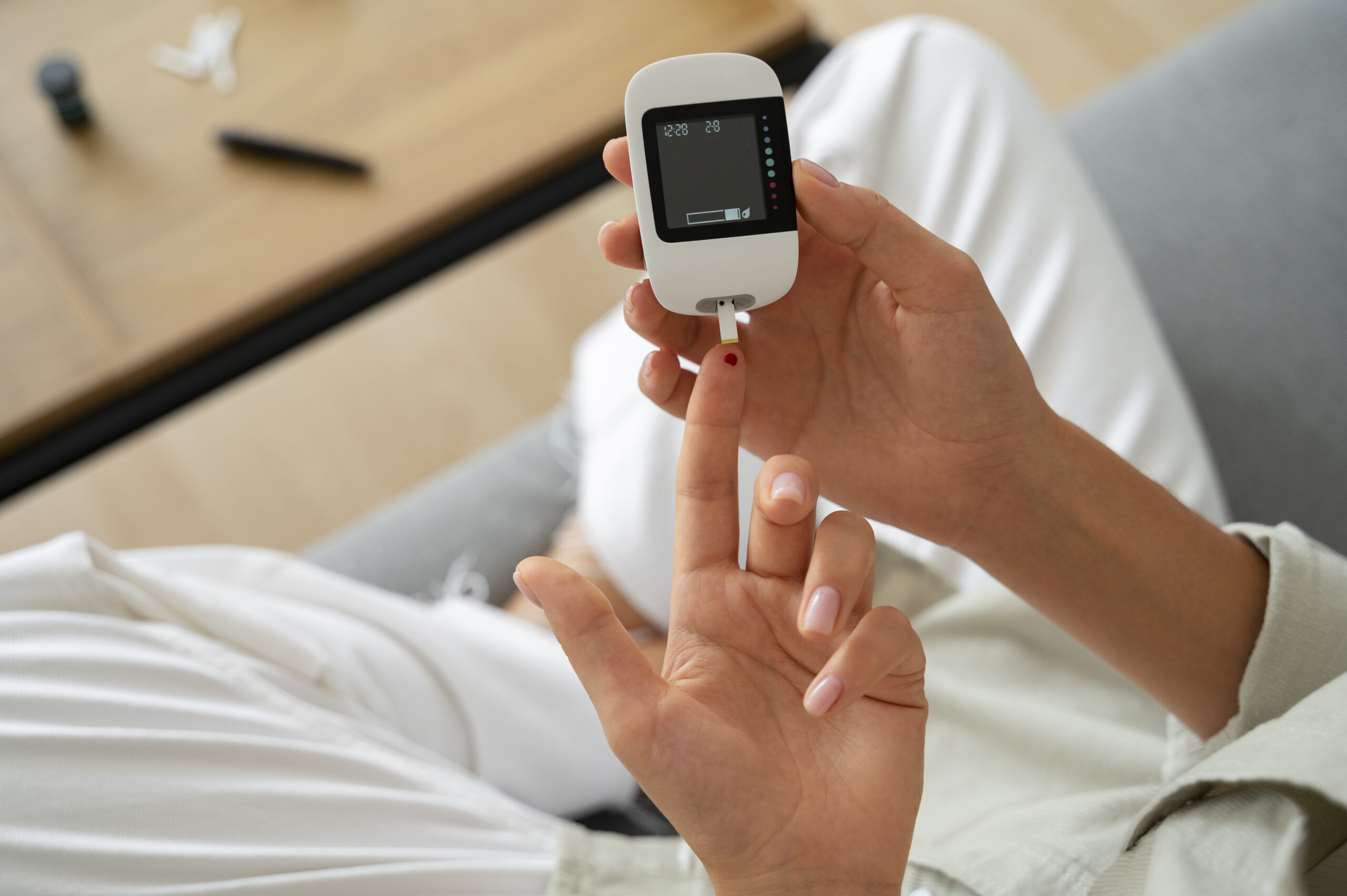
Image by Freepik
Some common symptoms include fatigue, frequent urination, increased hunger and thirst, slow wound healing, and dark patches on the skin (especially around the neck). But many cases are silent for years. That’s why early testing—especially if you have risk factors like obesity, sedentary lifestyle, family history, or poor dietary habits—is so important.
Understanding the difference between type 1 and type 2 diabetes helps us act early. Type 2 diabetes is preventable and even reversible in many cases when caught early and addressed with lifestyle changes. That’s the power of education, intention, and consistent action.
Type 1 vs Type 2 Diabetes Symptoms Comparison
Understanding the difference between type 1 and type 2 diabetes isn’t just about medical terminology—it’s about recognizing how the body speaks to us. While both conditions involve problems with insulin and blood sugar, the way they show up in the body can be quite different.
In type 1 diabetes, symptoms often appear suddenly and escalate quickly. This is because the body’s ability to produce insulin drops rapidly. Common symptoms include:
- Unexplained weight loss
- Intense thirst and hunger
- Fatigue
- Blurred vision
- Frequent urination
- Bedwetting in children
- Fruity-smelling breath (a sign of ketone buildup)
In contrast, type 2 diabetes symptoms are more subtle and gradual. They may go unnoticed for months—or even years. These include:
- Fatigue or low energy
- Increased thirst and frequent urination
- Slow wound healing
- Frequent infections
- Tingling or numbness in hands and feet
- Skin darkening/pigmentation, especially around the neck and armpits (acanthosis nigricans)
Many people with type 2 diabetes are also living with insulin resistance without even realizing it.
Key Differences Between Type 1 and Type 2 Diabetes (A Tabular Depiction)
| Feature | Type 1 Diabetes | Type 2 Diabetes |
| Cause | Autoimmune destruction of beta cells | Insulin resistance, often due to lifestyle |
| Onset | Sudden, often in youth | Gradual, usually in adults |
| Insulin | Always required | May not be needed initially |
| Prevention | Not preventable (currently) | Often preventable or delayable |
| Management | Insulin, food, blood sugar monitoring | Lifestyle, oral meds, sometimes insulin |
| Symptoms | Quick onset | Slow or silent onset |
Recognizing these signs early is key to preventing complications. If you or someone you love is experiencing any of the above, please don’t self-diagnose. Speak to a healthcare professional. When we know the early signs, we can support the body—before it breaks down.
Disclaimer:
Every individual is unique—what works for one may not work for another. If you suspect diabetes or are experiencing symptoms related to blood sugar imbalance, please consult a qualified medical practitioner for accurate testing, diagnosis, and a personalized plan. Empowered choices begin with informed conversations—always work alongside your healthcare team.
Risk Factors and Root Causes of Type 1 vs Type 2 Diabetes
Understanding the difference between type 1 and type 2 diabetes means going deeper into what causes each condition and who is most at risk.
Type 1 diabetes is an autoimmune condition where the immune system attacks the insulin-producing beta cells in the pancreas. Genetics play a key role—especially genes like HLA-DQA1, HLA-DQB1, and HLA-DRB1. While not always inherited, a child with a parent or sibling with type 1 has a higher risk. Environmental triggers like viral infections are also being studied as possible contributors.
Type 2 diabetes, in contrast, often develops gradually due to insulin resistance. This means your body doesn’t respond to insulin properly, causing blood sugar to rise. It’s more likely in people who have a family history, are overweight, have high blood pressure, or lead sedentary lives. While genes like TCF7L2 may increase risk, lifestyle is a major modifiable factor.
Then there’s gestational diabetes, which occurs during pregnancy. It raises the risk of developing type 2 diabetes later and is more likely in women with a family history, high BMI, or insulin resistance.

Image by Freepik
Recognizing these risk factors early—especially in children and during pregnancy—can make all the difference. But please remember, never self-diagnose. Always consult a qualified healthcare practitioner for proper evaluation and testing.
Who’s at Risk: The Risk Factors for Type 1 vs Type 2 Diabetes
When we talk about the difference between type 1 and type 2 diabetes, understanding risk is key—not for fear, but for awareness.
In Type 1 diabetes, genetics play a strong role here, especially if there’s a family history of autoimmune conditions. Environmental triggers like viral infections are also being studied as potential catalysts. This isn’t something caused by lifestyle—it’s the body mistakenly attacking its own insulin-producing cells.
In Type 2 diabetes, on the other hand, asedentary routine, excess abdominal fat, poor nutrition, high stress, and chronic sleep deprivation can all lead to insulin resistance. Conditions like PCOS and metabolic syndrome also increase risk. And yes, family history counts too.
But here’s the good news: awareness creates room for change. And change—when done right—can transform your health story.

Image by Freepik
For instance, we all think about the right nutrition. But adequate movement helps glucose uptake. Sleep resets hormones. Breathwork calms your nervous system. Your plate, your mind, and your daily rhythm—they all matter.
This isn’t about replacing medical care. It’s about adding lifestyle to your protocol with medicine. It is about working with your body—alongside your healthcare provider—to address root causes, not just suppress symptoms.
The Final Word: Knowledge Is Power, Action Is Healing
If there’s one thing I want you to take away, it’s this: Knowing is not fearing—it’s empowering. Whether you’re trying to understand the difference between type 1 and type 2 diabetes for yourself, a loved one, or to simply be more aware, this knowledge gives you a starting point to act, not panic.
Don’t wait for symptoms to show up. Keep track of your vitals. Understand your family history. Work with your healthcare team, not against it. Diabetes—especially Type 2—isn’t a life sentence. It’s a wake-up call. One that says: “You have more control than you think.”
Yes, we’ve helped hundreds of our clients reduce their sugar levels, manage insulin resistance, and live healthier, more vibrant lives—often without feeling like they’re ’on a diet’ or constantly deprived. And for those living with type 2 diabetes symptoms, we’ve seen how small, sustainable shifts can create big transformations.
So whether you’re preventing, managing, or simply learning: do it with intention, not fear. Your body is capable. Your mind is powerful. And your journey starts with a single step. The power lies in you.
Ready to Make Your Health a Priority?
Start your journey with one positive action today.
Check Out Our Prediabetes and Diabetes Program.
Looking for personalized advice? Reach Out to Team Luke’s Integrative Health Coaches!
Book a one-on-one with our team. Call: 1800 102 0253 or write to us at [email protected].
Disclaimer: The information provided in this blog is intended for educational purposes only and is not a substitute for professional medical advice, diagnosis, or treatment. Always consult with your healthcare provider before making any changes to your nutrition, exercise routine, or lifestyle. The effectiveness of the strategies mentioned may differ from person to person. The content is based on current research, but it is important to remember that science and health recommendations may evolve over time. Never alter or discontinue prescribed medication or insulin therapy without professional guidance. Empowered choices begin with informed conversations—always work alongside your healthcare team.