No products in the cart.
[the_ad id=”169825″]
I’ve met couples who’ve been married for three years and feel deeply disconnected. And I’ve met others—married for 30—who still hold hands when they walk.
That’s when it became clear to me: a happy married life isn’t defined by how long you’ve been together, but by how safe, seen, and supported you feel in that togetherness.
We often inherit big ideas about what marriage should look like—shaped by our culture, upbringing, cinema, and picture-perfect Instagram.
But the truth is, no two marriages will ever look the same, because no two people bring the same stories into it. What brings one couple peace might overwhelm another. What feels fulfilling for some may feel like pressure for others.
So instead of chasing an ideal, what if we started honouring the process? The daily work of partnership.
The quiet moments of presence. The repair after the rupture.
That’s where happiness in marriage truly lives—not in grand gestures, but in emotional safety, shared values, and small, consistent acts of respect.
This piece is not a prescription—it’s a reflection. From everything I’ve witnessed in my own life, and from the hundreds of couples Team Luke has supported over the years, this is what we’ve learned makes a home, not just a house.
The Foundation of a Happy Marriage: What Real Love is Built On
When people ask me for happy marriage tips, I often remind them: a good marriage isn’t built on one grand gesture—it’s shaped in the quiet daily choices we make for and with each other.
Some of the strongest marriages I’ve seen are rooted in a few timeless foundations:
- Trust, not just in actions, but in intentions. Can I feel safe with you—emotionally, mentally, and physically?
- Fidelity, which goes beyond physical boundaries. Emotional fidelity matters just as much. If you’re nurturing a connection—say, with an ex or a coworker—in a way that would make your partner uncomfortable if they knew, pause. Ask yourself: Would I feel okay if the roles were reversed?
- Honesty with kindness, because truth doesn’t need to be cruel to be real.
- Mutual respect, especially in disagreement.
- Forgiveness and repair, because conflict will happen—it’s how you come back from it that counts.
- And perhaps most importantly, a happy marriage is built on friendship—the kind that holds space for joy, failure, vulnerability, and playfulness.

Image by Freepik
We also need to talk about love languages. How we express and receive love isn’t always the same. Some of us feel seen through words. Others through touch, time, acts, or thoughtful gestures.
In arranged marriages, and even many love marriages, I’ve seen couples feel distant—not because they don’t care, but because they’re loving in ways that don’t land. It’s not a lack of love. It’s often a lack of translation.
Start with a conversation: What makes you feel appreciated? What makes you feel emotionally distant?
Because when we ask which family is a happy family, it usually comes down to this: the people inside it feel understood, valued, and emotionally safe.
When Things Break: Understanding Why Marriages Struggle
No one walks into a marriage planning for it to fall apart. And yet, so many couples find themselves slowly drifting—sometimes without even realizing it. In my experience, it’s rarely because one person stopped loving. It’s usually because both partners stopped feeling safe.
Building a happy marriage and living a happy married life isn’t about perfection—it’s about how you repair, reconnect, and rebuild. And sometimes, that means understanding what’s silently pulling you apart.
Relationship researcher Dr. John Gottman talks about the Four Horsemen of Marriage—four communication habits that, if left unchecked, become strong predictors of marital problems and solutions that never come to light. I’ve seen these play out in real couples, time and again:
- Criticism
This isn’t just feedback. It’s personal attacks that begin with “you always” or “you never”.
Example: “You never help around the house—you’re so lazy.”
Over time, this erodes a partner’s self-worth and makes them feel judged, not understood. - Contempt
This is the most damaging. It shows up as sarcasm, eye-rolling, mockery, or speaking with superiority.
Example: “Oh please, like you even understand what real stress is.”
Contempt breeds resentment and makes love feel unsafe. - Defensiveness
Instead of listening, we shut down or justify.
Example: “I only said that because you provoked me.”
It blocks repair and turns every disagreement into a blame game. - Stonewalling
This is when one partner withdraws emotionally—shutting down, walking away, or going silent during conflict.
Over time, the other person feels invisible, like their pain doesn’t matter.
But these aren’t the only things that hurt a relationship. Some wounds come from what’s not said or done.

Image by Freepik
Third-party interference
This includes in-laws, siblings, friends, or even coworkers being overly involved in private matters. When marital decisions are swayed by too many outside voices, it creates confusion, division, and often, mistrust.
Emotional disloyalty
Not every betrayal is physical. Confiding deeply in someone outside the marriage—sharing frustrations or longings you haven’t even spoken to your partner about—creates emotional triangles. Ask yourself: Would I be okay if my partner was this emotionally close to someone else?
Unspoken resentment around roles
One partner might quietly carry more of the emotional or mental load—remembering birthdays, scheduling doctor visits, managing the household, carrying the emotional tone. Over time, this imbalance builds frustration, especially if it’s never named or appreciated.
Loss of physical or emotional intimacy
Whether it’s because of stress, exhaustion, or avoidance—many couples stop reaching for each other. Hugs fade, bids for attention and affection are overlooked, and needs are unmet. Conversations become logistical. Romance becomes an obligation. And slowly, the sense of ‘us’ begins to thin out.
Digital distractions
We don’t talk about this enough. Scrolling in silence, being ‘available’ to everyone else online but not present at home—these things chip away at connection. Presence is a modern love language.
Unregulated anger or sarcasm
Some people don’t scream—but they weaponize tone, sarcasm, or silence. Others explode, then expect forgiveness without accountability. Over time, the home stops feeling emotionally safe.
And then there’s silence.
Not peaceful silence, but the kind where difficult conversations never happen.
No one says what they really feel. Needs go unmet. Wounds go unspoken. And the distance becomes deafening.
We also need to talk about the honeymoon phase— while it is a beautiful time for the couple to bond, many couples overlook another truth. The idea that the first year of marriage should feel effortless and glowing. Yes, but at the same time, we need to understand that it can often be the most confronting.
You’re blending lives, habits, values, and wounds. You’re adjusting to shared space, finances, families, emotional rhythms. There will be friction. That’s not a red flag. That’s normal.
If you’re wondering how to create a happy marriage, it begins here—with making room for differences, not denying them. With being willing to understand, not just react.
The strongest couples I know aren’t the ones who never argue. They’re the ones who stay on the same team, even when they do.
Because when something breaks in a marriage, it’s not the end. It’s a request for repair. And that’s how a happy marriage and happy married life begins again—one honest conversation at a time.
Which Family Is a Happy Family? A Quiet Reframe
We often ask the question: which family is a happy family? But maybe we’re looking in the wrong places for the answer.
It’s not always the family with the matching clothes in vacation photos, or the perfectly staged birthday reels. A happy family isn’t one that looks good from the outside—it’s one that feels safe on the inside.
Over the years, I’ve met families who’ve faced financial hardship, health scares, even loss—but what made them strong was not the absence of struggle. It was the way they held each other through it.
When children witness their parents treating each other with kindness, listening without judgment, resolving conflicts with maturity—that becomes the blueprint for how they’ll relate to the world.

Image by Freepik
It’s not the absence of arguments. It’s the presence of recovery, humour, forgiveness, and effort. It’s the ability to laugh together after a hard day. To hold space when someone needs to fall apart. To apologize first—not because you were wrong, but because the relationship matters more than being right.
In our experience, a happy marriage becomes the anchor of a happy family. When spouses treat each other with kindness, respect, and warmth—even in difficult moments—it sets the emotional tone of the home. Children absorb that. They grow up learning that conflict isn’t scary, that love can be repaired, and that they’re allowed to be imperfect too.
Shared values and goals matter. Whether it’s how you want to raise your children, the tone of your home, or how you make decisions—alignment doesn’t mean sameness. It means understanding where you both stand, and meeting in the middle often enough to move forward together.
Laughter is a love language. So is playfulness. Inside jokes, harmless teasing, the ability to smile even in the middle of chores—these things protect a marriage. They soften the weight of parenting. They make your house feel alive.
And one thing we rarely talk about enough: faith.
Whether you and your partner come from the same religion or different ones, there’s a quiet kind of strength in praying for one another. Praying together. Praying over your children.
It could be a simple wish whispered before bed. A shared moment of gratitude. A quick prayer before a meal or before your child leaves for school. When we invite something bigger than ourselves into our home—love stretches. Forgiveness deepens. Purpose becomes clear.
Sometimes we get so caught up in to-do lists that we forget how powerful these simple rituals can be.
Happy families also eat together. At least one meal a day—without phones, without TV. It’s not just about the food. It’s about those twenty minutes of uninterrupted presence. That’s where children open up. That’s where connection builds, day by day.
So, which family is a happy family?
- The one that listens deeply—even when it’s inconvenient.
- The one that forgives quickly—even when it’s hard.
- The one that laughs often—even when there’s stress.
- The one that eats together, prays together, and protects each other’s peace.

Image by Freepik
Not because life is perfect. But because love is chosen again, every day, in small, quiet ways.
Nurturing a Happy Married Life: How to Keep the Spark Alive
I’ve always believed that the strongest marriages aren’t built in grand moments—they’re built in the in-betweens. In the way two people return to each other after a misunderstanding. In how they speak when they’re tired.
In the little things they do, not out of obligation, but because they care.

Image by Freepik
Agree on core values—especially around parenting
Shared values act like the compass of a marriage. Without them, you end up walking in different directions, even if you’re holding hands.
I’m not talking about liking the same movies or having the same hobbies. I’m talking about alignment on the things that matter when life gets hard:
- How you want to raise your children
- How you define respect
- What discipline looks like
- What emotional safety means in your home
- How you handle money, time, and extended family
You won’t agree on everything—and you don’t have to. But you do need to be willing to keep coming back to the table, to listen without defensiveness, and to build something that reflects both your values.
Start with the big ones. Be honest. Be open to revision. Because when your values align, your home feels more grounded—even in chaos.
Make love, not just time
Intimacy isn’t just physical. But let’s not pretend it doesn’t matter either.
So many couples stop prioritizing physical closeness—not out of disinterest, but because they’re tired, stressed, or emotionally disconnected. And over time, what was once a source of joy becomes another checkbox—or disappears altogether.
But healthy physical intimacy isn’t just about sex. It’s about presence.
It’s about feeling chosen. Safe. Desired.
It’s in the way you touch each other’s face. In how you hold each other without expectation. In how you make space to learn, ask, and grow together in the bedroom—without shame.
A fulfilling intimate life involves conversation, care, and curiosity. It’s not about performance—it’s about connection. About putting each other’s comfort and pleasure first, and making that experience an extension of your emotional bond.
Make love not just when you ‘have time.’ Make it when you need to reconnect.
Make it because it keeps the bond alive—not just physically, but emotionally and energetically too.
Never stop wooing each other
We don’t fall out of love. We often fall out of effort.
In the early days, love feels effortless, and so does nurturing a happy marriage. But over time, the spark needs tending. Not because it’s gone, but because it now lives beneath the surface—beneath errands and routines and parenting and stress.
Wooing your partner isn’t just about surprises or romantic dates. It’s about continuing to learn them. To notice the little things. To do something thoughtful, just because.
Compliment them like you used to. Text them something sweet. Remember how you smiled at each other for no reason? That still matters.

Image by Freepik
Love doesn’t vanish with time—it simply waits for you to return to it.
And yes, you’re allowed to flirt with your spouse. To say things that make them blush. To hold their hand in public. To tell them they’re beautiful, even after years of a happy marriage.
These aren’t new love things. These are deep love things. And they only grow richer when you protect them with attention.
Play and be playful
Make room for silliness. Inside jokes. Dancing in the kitchen.
So many couples forget to laugh together. Somewhere between bills, parenting, deadlines, and survival mode—we forget how powerful it is to be silly. To tease. To joke. To make space for childlike joy, even as adults.

Image by Freepik
Playfulness is not immaturity—it’s intimacy. When a couple can laugh together, it becomes a kind of emotional cushion during life’s harder seasons. It’s a signal: we still enjoy each other. We’re still choosing fun, not just function.
Even something as simple as sharing inside jokes, mimicking each other’s quirks, or creating funny nicknames has weight.
A 2022 study in the Journal of Social and Personal Relationships found that couples who engage in playful behavior—like banter, teasing, and even baby talk—report greater emotional satisfaction and stronger bonds. Researchers suggest that this kind of lighthearted communication fosters safety, reduces relational stress, and increases the sense of being truly known.
You don’t need to force it. But you can protect it.
Protect the jokes only the two of you understand. The playful glances across the room. The silly voices. The moments when you feel more like best friends than anything else.
Because when a marriage is playful, and laughter is shared regularly, even the hard days feel softer.
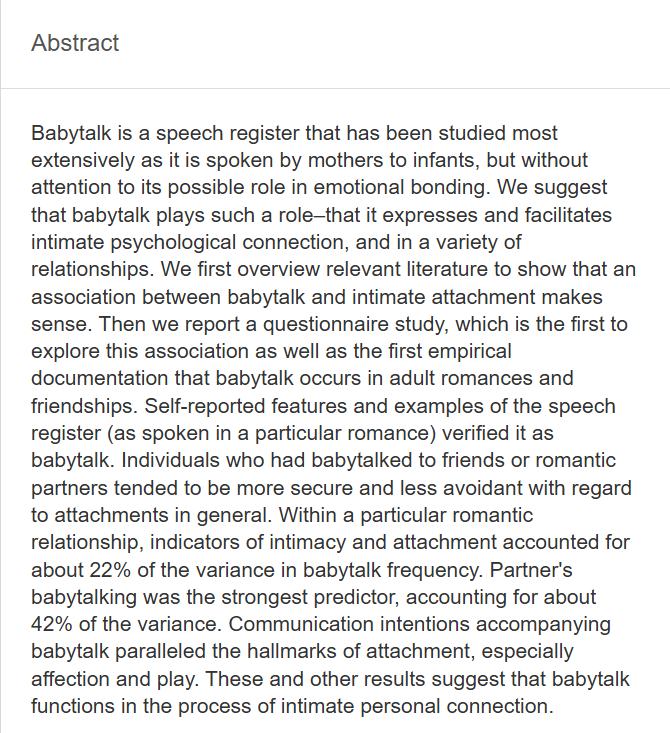
Source: Babytalk as a communication of intimate attachment: An initial study in adult romances and friendships, MEREDITH L. BOMBAR, LAWRENCE W. LITTIG JR, May 2005, Personal Relationships 3(2):137 – 158, DOI:10.1111/j.1475-6811.1996.tb00108.x
9 Quiet Practices That Build a Happy Marriage and Home
Marriage isn’t a goal you check off—it’s a rhythm. And these small, consistent efforts help you stay in sync, even when life gets loud.
- Shift from ‘me’ to ‘we’
A happy married life begins when we stop keeping score. Marriage isn’t about who gives more—it’s about becoming a team, where both people feel supported, even when one is having a harder day. - Choose emotional intimacy over surface closeness
It’s easy to live under one roof and still feel worlds apart. Emotional intimacy happens when both partners feel safe enough to be soft, vulnerable, honest—and deeply themselves. - Prioritize daily connection—small acts, big impact
The kind text. The silent hug. The gentle checking in. These aren’t minor gestures. They are the daily deposits that build emotional safety over time. - Fight fair and repair fast
There will be disagreements. What matters is how you disagree. Avoid name-calling, sarcasm, and scorekeeping. Speak with humility. Apologize without defensiveness. Repair matters more than resolution. - Raise emotionally safe kids—by modelling it yourself
Kids feel the tone of the home more than the words. Show them what respect looks like between adults. Let them see you apologize, laugh, support, and love with intention. - Balance space with togetherness
Togetherness doesn’t mean constant closeness. It means connection with freedom. Make space for your partner’s individuality—and protect your own. The right kind of space creates emotional oxygen. - Anchor your home in faith, stillness, or shared reflection
Faith can be religious, spiritual, or simply intentional. Whether you pray together or share gratitude at bedtime, inviting something sacred into your daily rhythm grounds your partnership in something bigger than just you. - Set digital boundaries—be present where it matters
Phones down during meals. Eye contact. Listening without checking notifications. These are modern love languages. Don’t let virtual connection replace emotional availability. - Let go of perfection—stay present
You don’t need to be perfect spouses or perfect parents. You just need to keep showing up. When you do—with kindness, grace, and humility—you create a home that doesn’t just function, but feels like refuge.
These aren’t cure-all hacks, they’re habits. And you don’t need to master them all at once.
But even practicing one of them, with intention, can shift the energy in your home.
Because happy marriage tips aren’t about shortcuts. They’re about showing up, again and again, for the person you promised to grow with.

Image by Freepik
On Support, Boundaries, and Quiet Protectiveness
Every marriage needs support. But that doesn’t mean every friend, relative, or advisor needs a seat at the table.
One of the most overlooked signs of a happy marriage is how quietly it protects its inner circle. Not in secrecy, but in sacredness.
Yes, it’s okay to ask for help. To vent. To process. But ask yourself:
Is what I’m sharing respectful of my partner’s dignity?
Would I be okay if they shared something similar about me?
Am I seeking wisdom—or permission to blame?
Boundaries are what keep your marriage from becoming emotional public property.
Set them lovingly with extended family. With friends. With well-meaning outsiders. You don’t owe full transparency to everyone who asks about your relationship. In a happy marriage, you owe your partner protection, safety, and discretion.

Image by Freepik
Equally important—have support systems.
You can love your partner deeply and still need community.
Close friends. A sibling you trust. A therapist or coach.
These aren’t threats to your marriage. They’re lifelines when your cup is empty.
But support must never become substitution. If you’re sharing your deepest fears, hopes, or conflicts only outside your marriage—you’re creating emotional distance inside it.
Bring the hard conversations back home. Learn how to say the uncomfortable truths to each other—with kindness, not blame. Growth lives there.
And while we’re here—let’s talk about protectiveness.
Not the loud kind that makes declarations.
The quiet kind. The everyday kind. The kind that looks like:
- Keeping your promises, even the small ones
- Speaking well of your partner in rooms they’re not in
- Not letting work, friends, or even the kids take all your energy
- Not entertaining flirtation, even if “it means nothing”
- Not laughing at jokes that make your spouse the punchline
- And standing up for your marriage, even when no one’s watching
Your marriage is not a perfect performance. It’s a living, breathing relationship. And it thrives when it feels protected—gently, consistently, and with love.
So if you’re wondering how to build a happy married life—start here:
Make it your sacred space. And protect it like something that matters.
Conclusion: Real Love is Built, Not Just Found
Some of us are lucky to have found and married the person we fell in love with. Some of us had our marriages arranged—with the guidance of family, tradition, and timing. But I’ve seen something beautiful across both paths: a happy marriage can thrive either way.
What matters most isn’t how it began—but how you nurture it. Brick by brick. Moment by moment. Not out of perfection, but out of presence.
Whether love grew before or after the vows, it still needs the same ingredients to flourish: patience, trust, friendship, and effort.
A happy marriage doesn’t mean you never argue, never mess up, never hurt each other. It means you come back. You take accountability. You learn how to speak with love, even when you’re angry. You don’t keep score—you keep showing up.
It’s easy to romanticize marriage as some kind of arrival point. But real love begins after the wedding. After the filters. After the chaos. After the seasons that stretch and reshape you both.
You’ll face hard days. Silent weeks. Distance. Misunderstandings.
You might go through periods where you feel more like roommates than soulmates.
That doesn’t mean it’s broken. It just means you’re human.
Marital problems and solutions don’t live in books or quotes—they live in the day-to-day: in the way you listen, apologize, forgive, and try again. In the way you protect each other’s hearts, even when your own is tired.
And you don’t have to get it right every time.
You just have to want to try—together.
If you’re in a season of ease, protect it. Nurture it. Enjoy it.
If you’re in a season of rupture, don’t give up too quickly.
Let it stretch you. Teach you. Humble you.
And if you need help—get it. Let someone hold the space while you find your way back.
Because love isn’t a feeling. It’s a decision. A practice. A quiet remembering: this person is home. And we’re building it—together.
[the_ad id=”169825″]
Feeling disconnected in your marriage? Wondering how to rebuild emotional safety and trust?
You don’t have to figure it out alone.
Set up a one-on-one consultation with our emotional health counselors for personalized, heart-led support.
Reach out to us at 1800 102 0253 or write to [email protected].
Let’s help you find your way back to each other—with grace, not pressure.
Disclaimer:
This blog is intended for educational and reflective purposes only. It is not a substitute for professional therapy, counseling, or medical advice. Every marriage is unique, and what works for one couple may not work for another. If you or your partner are experiencing ongoing distress, trauma, or serious relationship challenges, we encourage you to seek support from a qualified mental health professional or couples therapist. The effectiveness of the strategies mentioned may differ from person to person. The content is based on current research, but it is important to remember that science and health recommendations may evolve over time. Empowered choices begin with informed conversations—always work alongside your healthcare team.