No products in the cart.
You have tried the plans. You have cut things out. You have started over more times than you can count.
And yet, here you are.
Here is the truth that the wellness industry does not profit from telling you: fat loss does not fail because you picked the wrong foods or skipped the right supplement. It fails because the foundation underneath it all has never been addressed.
This is what foundational medicine for fat loss is about. And it changes everything.

Image Credits: Magnific
Fat Loss Is a Biological Response, Not a Quick Fix
Before we get into the foundations, let’s clear the air.
Fat gain did not happen because you ate rice. It did not happen because of one bad month or one missed workout. It happened because of daily patterns, repeated over time, that quietly disrupted your metabolism, your hormones, your sleep, and your stress response.
Sustainable fat loss works the same way. It is a biological response to the lifestyle you repeat every day.
Yet, the market keeps selling:
- Fat-burning supplements
- Magic drinks
- Pills and injections
- Extreme elimination plans
If any of these worked reliably, global obesity rates would be falling. They are not.
In some cases, such as serious metabolic syndromes, medical intervention is absolutely necessary. But for most people, fat gain is largely driven by lifestyle and behavioral patterns that can be changed. And changed for good.
The Real Drivers of Fat Gain Are Less Visible Than You Think
Most people point fingers at carbs, genetics, a slow metabolism, or wedding season eating. These are rarely the real culprits.
The actual drivers of fat gain tend to be:
- Late-night eating
- Chronic, unmanaged stress
- Frequent snacking between meals
- Poor sleep quality and duration
- Inconsistent daily routines
An interesting fact worth noting:
Meal timing and eating consistency can influence circadian rhythm and metabolism, independent of what is actually being eaten. In other words, when you eat matters just as much as what you eat.
The enemy is not dal and chawal. The enemy is the lifestyle around it.
The 10 Foundations of Real Fat Loss
Foundation 1: Nutrition
There is no single fat-burning food. No miracle drink. No top-ten list that melts fat away.
What consistently supports metabolism and fat loss across decades of research? Simple, traditional, whole foods.
- Dal, rice, vegetables, fruits, legumes, whole grains, eggs, fish, chicken, nuts, seeds, and dairy (depending on what works for your body and your values) form the backbone of a nutrition approach that genuinely supports healthy weight loss.
Whether you eat vegetarian, vegan, or non-vegetarian, the principle stays the same:
Fat loss begins when food stops being entertainment and starts becoming nourishment.
The 80/20 Rule in Practice
| Approach | What It Means |
| 80% whole foods | Traditional, minimally processed meals that fuel the body |
| 20% flexibility | Space for life, social eating, and enjoyment without guilt |
This balance reduces restriction fatigue and prevents psychological deprivation, both of which are leading causes of giving up. It also makes fat loss without dieting feel genuinely possible, because you are not eliminating, you are choosing.
Calorie Deficit: Quality Over Quantity
Fat loss does require a calorie deficit. But not all calories behave the same way inside the body.
- Ultra-processed foods disrupt satiety signals, meaning you eat more without feeling full.
- Nutrient-dense whole foods support hormonal and metabolic balance, making it easier to stay in a calorie deficit without white-knuckling it.
You do not need to eat less. You need to eat right.
Macro and Micro Balance
Your body needs balance, not extremes:
- Not no-carbs, but smart carbs
- Not excessive protein, but adequate protein
- Not high-fat, but appropriate fat intake
- Adequate fiber, vitamins, and minerals throughout
Macronutrient needs vary by age, gut health, metabolic efficiency, hormonal balance, and activity level. Nutrition must be personalized, not blindly copied from someone else’s transformation post.
What Is Anti-Angiogenesis and Why It Matters
Fat tissue grows through a process called angiogenesis, the formation of new blood vessels that supply expanding fat cells. Controlling excess angiogenesis can help regulate fat accumulation.
Certain foods contain natural anti-angiogenic compounds and also support an anti-inflammatory approach to eating:
- Green tea
- Turmeric
- Berries
- Leafy greens
- Tomatoes
- Garlic
These are supportive tools, not solutions on their own. Sustainable fat loss is driven by the combined effect of nutrition, movement, sleep, hormones, and emotional health working together.

Image Credits: Magnific
Foundation 2: Eating Behavior and Rhythm
It is not just what you eat. It is how and when you eat.
Common behavioral patterns that silently disrupt fat loss:
- Eating late at night
- Snacking frequently throughout the day
- Eating too quickly without chewing properly
- Skipping meals and then overeating later
- Irregular meal timing day to day
Circadian rhythm and metabolism are deeply connected. The body runs on predictable biological cycles, and when eating patterns are chaotic, digestion slows, insulin control worsens, and metabolic efficiency declines.
Foundation 3: Movement and Muscle
Stop obsessing over cardio alone. It is not enough.
- While cardio burns calories in the moment, relying on it exclusively without resistance training leads to loss of lean muscle mass over time.
- And this is one of the most overlooked fat loss tips out there: less muscle means a slower metabolism, and a slower metabolism makes fat loss progressively harder.
Your workouts should include:
- Strength training for fat loss as a non-negotiable
- VO2 max training for cardiovascular efficiency
- Mobility and flexibility work
- Balance training
Movement should build resilience, not just burn calories.
Muscle Mass and Metabolism: The Connection That Changes Everything
Muscle tissue burns more energy even at rest. The relationship between muscle mass and metabolism is direct: more lean muscle means a higher resting metabolic rate, better insulin sensitivity, and stronger support for long-term fat loss.
The minimum effective dose is roughly three strength sessions per week. That investment compounds over years in ways that no supplement can replicate.
Foundation 4: Sleep and Circadian Health
Sleep is not laziness. It is metabolic maintenance.
The connection between sleep and weight loss is one of the most research-backed areas in metabolic science, and also one of the most ignored. Poor sleep is consistently linked to:
- Reduced fat loss
- Increased hunger hormones (specifically ghrelin)
- Lower motivation for exercise
- Impaired fat metabolism
What sleep deprivation and weight gain look like inside the body:
| Effect | Consequence |
| Hunger hormones rise | You feel hungrier than you actually are |
| Satiety signals drop | You do not feel full when you should |
| Impulse control weakens | You reach for fast energy, sugar and processed foods |
| Cortisol increases | Fat storage around the abdomen worsens |
A tired brain craves fast energy. That craving is not weak willpower. It is biology responding to sleep deprivation and weight gain patterns that compound over time.
You cannot out-train chronic sleep deprivation. Aligning your sleep with your natural circadian rhythm is one of the most underrated lifestyle changes for weight loss available to you, and it costs nothing.
Foundation 5: Emotional Stress
Not all weight you carry is physical. Some of it is emotional.
Chronic stress and weight gain are deeply connected through the hormone cortisol. When stress stays elevated over time, cortisol signals the body to:
- Store fat, particularly around the abdomen
- Increase food cravings
- Slow down metabolism
Emotional eating and weight gain often go hand in hand for this exact reason. It is not a character flaw. It is a stress response.
A calm, regulated nervous system is not a luxury. It is metabolic support.
This means actively working through what you carry: accepting, expressing, processing, talking, releasing, forgiving. Emotional regulation belongs inside every fat loss conversation, not as a side note.

Image Credits: Magnific
Foundation 6: Hormonal Health
Sometimes the effort feels impossible because the hormones are misaligned.
Hormones and weight loss are inseparable. If you are doing everything correctly and not seeing results, it is worth evaluating:
- Thyroid function
- Insulin resistance and weight loss resistance
- Testosterone levels
- Estrogen dominance
- PCOS
- Leptin resistance
Fat loss resistance is not always about motivation. It may be physiology. Correcting root hormonal causes improves outcomes far more reliably than pushing harder against a system that is working against you.
Foundation 7: Liver Health
The liver is central to fat metabolism, toxin clearance, and glucose regulation.
When it is burdened by alcohol, smoking, vaping, or a heavy load of ultra-processed foods, its efficiency declines. The liver always prioritizes clearing toxins over metabolizing fat. When it is overwhelmed, fat metabolism moves to the back of the queue.
A healthy, well-supported liver is a non-negotiable foundation for sustainable fat loss.
Foundation 8: Insulin Stability
Insulin controls fat storage. Frequent spikes in insulin promote fat storage and reduce the body’s ability to break down fat for energy. This is why insulin resistance and weight loss rarely coexist without intervention.
What supports insulin stability:
- Fiber-rich foods at every meal
- Adequate protein
- Strength training and daily movement
- Consistent sleep timing
Stable insulin levels improve metabolic flexibility and reduce the signals your body sends to store fat.
For anyone dealing with insulin resistance and weight loss challenges, addressing insulin stability is often the turning point.
Foundation 9: Inflammation Load
Chronic, low-grade inflammation silently disrupts fat loss by:
- Reducing insulin sensitivity
- Slowing metabolism
- Increasing fat storage signals
An anti-inflammatory approach to eating, combined with better sleep, stress management, and consistent movement, reduces the overall inflammation load and improves metabolic efficiency.
When the body is not constantly fighting internal stress, fat loss becomes measurably easier.
Foundation 10: Consistency and Discipline
Most fat loss failures are not knowledge failures. They are consistent failures.
It is easy to blame carbs, genetics, or a slow metabolism. It is harder to honestly audit your own daily patterns.
The most effective fat loss tips in the world mean nothing without the follow-through. The most successful fat loss journeys are not built on extreme methods. They are built on:
- Real, whole food eaten consistently
- Quality sleep, night after night
- Lean muscle built and maintained
- Structured, sustainable movement
- Hormones and liver health actively supported
- Emotional stability worked on
- Habits that do not quit when life gets inconvenient

Image Credits: Magnific
Fix the Foundation. The Fat Loss Follows.
In over a decade of working with fat loss cases at Team Luke, the pattern is always the same.
The people who see lasting, healthy weight loss are not the ones who found the best plan. They are the ones who repaired the foundation beneath the plan.
They rebuilt their metabolism, addressed stress and weight gain patterns, supported their hormones, closed their nutritional gaps, and changed their daily behaviors. And when that foundation was solid, the fat loss followed.
People have gone from struggling to move through daily life to running marathons, climbing mountains, and living in bodies they genuinely feel at home in. That is not a claim. Those are real stories.
Fat loss without dieting is not about deprivation. It is about doing the right things, consistently enough, through lifestyle changes for weight loss that actually last, until your body trusts you again.
Pause and reflect: Which of these ten foundations are you currently ignoring? Start there.
Disclaimer: This blog is intended for educational and informational purposes only and should not be used as a substitute for professional medical advice, diagnosis, or treatment. Always seek the guidance of your qualified healthcare provider before making any changes to your medications or lifestyle.
Looking for holistic and foundational guidance for fat loss?
We help you find a way.
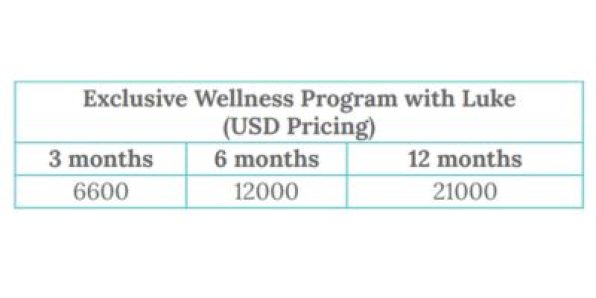
Set up a one-on-one consultation with our foundational medicine and lifestyle experts or explore our Wellness Programs to optimize your lifestyle goals.
Reach out to us at 1800 102 0253 or write to us at [email protected].