No products in the cart.
There are days when your body feels heavier than usual.
Your head feels foggy, your throat burns a little with every swallow, your nose refuses to cooperate, and even the simplest tasks feel exhausting.
When you’re dealing with a cold, cough, fever, or sore throat, the body doesn’t ask for complicated solutions; it asks for gentleness, warmth, and nourishment.

Image Credits: Freepik
Most of us can instantly picture that moment: sitting quietly, wrapped in a blanket, holding a warm bowl with steam rising gently.
That first spoonful feels comforting; not just to the throat, but to the entire system.
This isn’t nostalgia or a placebo. There’s real biology behind why a soup for a cold and cough feels so deeply satisfying when you’re unwell.
From time-tested chicken soup and cold recovery to plant-based soups for fever, cultures across the world have turned to broths and soups for one reason: they work with the body, not against it.
Here, we’ll explore why soups are so effective during illness, the science behind their healing role, and how to use the right kind of soup wisely during cold, cough, fever, or throat irritation.
Simple, nourishing, and aligned with natural recovery, just the way the body prefers it.
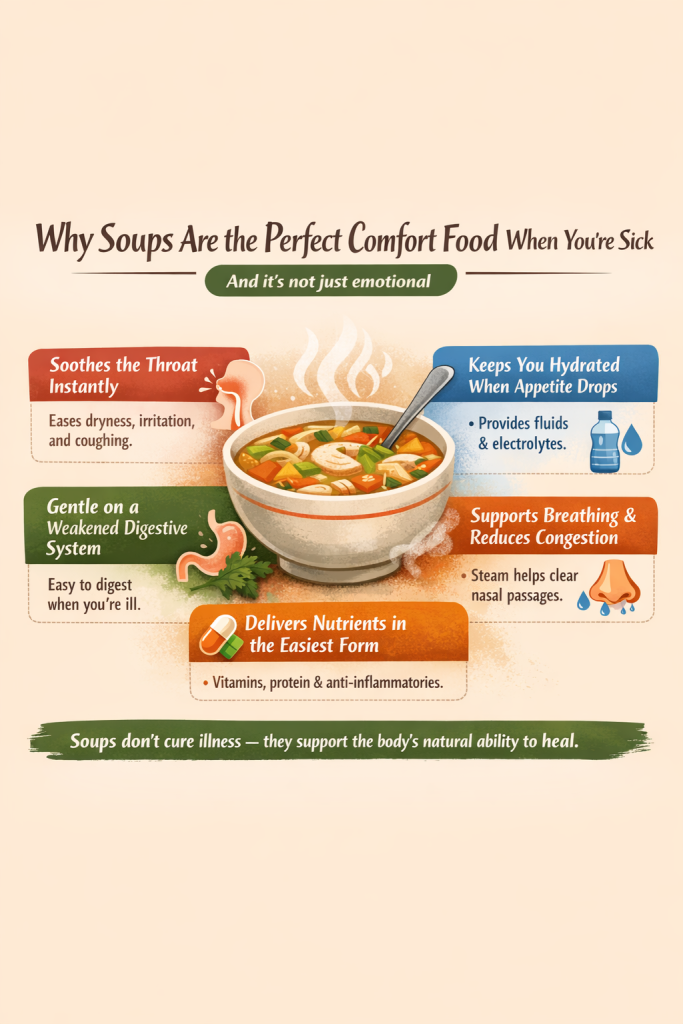
Why Soups Are the Perfect Comfort Food When You’re Sick (And It’s Not Just Emotional)
When someone suggests a warm bowl of soup during a cold, cough, or fever, it may sound like old-school comfort advice. But this habit isn’t rooted in emotion alone. There’s real physiology and science behind why a soup for a cold and cough feels so deeply relieving when you’re unwell.
Let’s break down why this happens.
- Warm liquids instantly soothe the throat:
- Warm soups and broths do more than ‘feel nice.’
- Warm liquids help increase saliva production, improving throat lubrication
- This can temporarily reduce dryness, irritation, and the urge to cough
This is also why warm liquids for a sore throat are consistently recommended in clinical nutrition guidance.
- Soups support hydration when appetite is low
During illness, dehydration can happen quietly.
- Fever increases fluid loss through sweat
- Cold and congestion increase mucus production
- Appetite naturally drops, making it harder to drink enough fluids
Soups solve this problem gently by:
- Providing fluids, electrolytes, and minerals together
- Hydrating without forcing large volumes of water
- Making nourishment easier when chewing feels tiring
This is one key reason soups for fever have been used across cultures for centuries.
- Digestion weakens during illness, and soups respect that
Here’s something many people don’t realize:
- When the immune system is active, digestion intentionally slows down.
- The body diverts energy away from digestion toward immune defense
- Heavy meals can feel uncomfortable, cause bloating, or worsen fatigue
Soups work with this shift:
- Ingredients are softened and partially broken down
- Fibers are gentler on the gut
- Nutrients are easier to absorb with less digestive effort
This makes soup an ideal easy-to-digest recovery food.
- Warmth itself supports healing
Warm foods do more than comfort.
- They improve blood flow to the gut and respiratory tract
- Steam helps moisten nasal passages and loosen mucus
- Congestion often feels lighter after a warm bowl
This explains why chicken soup and cold recovery have been studied so extensively since it combines warmth, hydration, protein, and anti-inflammatory compounds in one simple meal.
AI-generated image
The Science of Warmth — How Temperature Affects Healing
Studies show that warmth affects both the body and the mind.
Research from Yale University found that holding a warm beverage can increase feelings of interpersonal warmth, making people feel more connected, safe, and emotionally comforted (Williams & Bargh, 2008).
Psychologically, warmth is associated with calm, empathy, and security.
Physiologically, warm foods and drinks:
- Reduce the energy the body spends on heating cold substances
- Support thermoregulation, helping the body conserve energy
- Stimulate the parasympathetic nervous system (PNS) — the rest-and-digest state
This shift counters stress and anxiety, allowing the body to prioritize repair and recovery, a concept we explore deeply in our recent book, The Calm Prescription.
The Science Behind Soups, Immunity, and Recovery
Soups don’t fight illness. They support the body’s intelligence.
Steam & Airways: Helping the Body Breathe Easier
Warm soups release steam that plays a functional role in recovery.
- Steam helps moisten dry nasal passages
- It can loosen thick mucus, making congestion easier to clear
- Improved airflow reduces throat irritation and coughing
This is one reason warm soups feel immediately relieving during colds and sinus congestion.
Broths & Amino Acids: Quiet Support at a Cellular Level
Broths, especially bone and chicken-based ones, contain valuable compounds.
- Amino acids like cysteine may help thin mucus
- Minerals support hydration and nerve function
- Protein provides building blocks for immune repair
This is why chicken soup has earned its reputation as more than folklore, it offers real, measurable support during recovery.
Micronutrients & Immunity: Small Nutrients, Big Impact
Soups are excellent carriers of immune-supportive nutrients.
- Vitamins like A, C, and B-complex
- Antioxidants from vegetables and herbs
- Anti-inflammatory compounds from spices like ginger and turmeric
When delivered in warm, liquid form, these nutrients are easier for the body to absorb, making soups one of the most effective immunity-supporting soups when you’re unwell.
What Soups Really Do (And Why That Matters)
At Team Luke, we often say this:
“Soups don’t cure illness. They help the body do what it already knows how to do, heal.”
Good soups:
- Don’t suppress symptoms
- Don’t overstimulate digestion
- Don’t overwhelm the system
Instead, they provide steady, gentle nourishment, creating the internal environment needed for recovery.
5 Comforting Soups for Cold, Cough, Fever, and Sore Throat
When you’re unwell, the goal isn’t variety or complexity. It’s choosing the right kind of soup for the right phase of recovery; something that nourishes, hydrates, and supports healing without burdening digestion.
Here are five thoughtfully designed soups by Team Luke, choose based on your symptoms, appetite, and energy levels:
1. Clear Veg Protein Broth (Mushroom or Dal-Based)
Best for:
Early cold, sore throat, persistent cough, very low appetite
Why it works: Light, warming, protein-supported hydration without heaviness
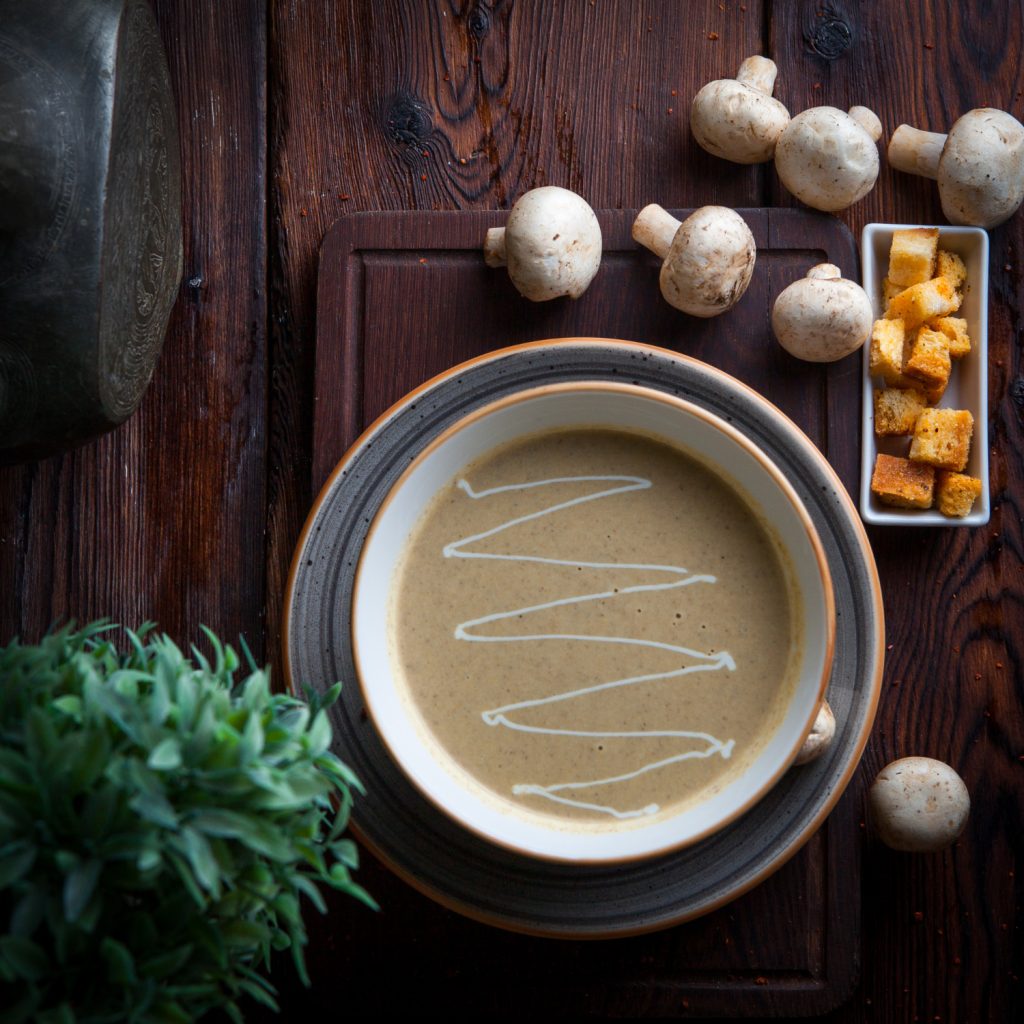
Image Credits: Freepik
Ingredients:
- 50 g onions, chopped
- 30 g carrots, chopped
- 20 g celery or snap peas
- 20 g tomatoes, chopped
- 10 g ginger, sliced
- 10 g garlic, sliced
- 5 g fresh coriander leaves (or parsley)
- Protein (choose one): 80 g mushrooms, sliced OR 15 g yellow moong dal/red lentils (washed, soaked overnight & cooked)
- 2 g whole black peppercorns
- 1 bay leaf
- 1–2 g salt
- 500 ml water
Method:
- Lightly sauté onion, carrot, celery/snap peas, ginger, and garlic on low heat for 2–3 minutes.
- Add mushrooms or cooked dal and tomatoes; sauté for 1 minute.
- Add coriander, peppercorns, bay leaf, salt, and water.
- Bring to a boil, then simmer gently for 30–40 minutes.
- Strain for a clear broth (optional: lightly mash dal before straining).
- Serve warm.
Pro Tips:
- Fully strain if throat pain or cough is severe
- Add a pinch of turmeric or a few drops of lemon before serving
2. Clear Chicken Soup
Best for:
Cold with weakness, post-fever recovery, low energy
Why it works: Protein, amino acids, warmth, and hydration in one bowl (A classic chicken soup and cold recovery staple)
Ingredients:
- 150 g chicken (with bone or boneless)
- 1 small onion, chopped
- 1 small carrot, chopped
- 1 tbsp ginger slices
- 4–5 garlic cloves
- 1 tbsp coriander leaves
- 6 whole black peppercorns
- 1 bay leaf
- 1–2 g salt
- 600 ml water
- 1 tsp lemon juice (optional)
Method:
- Add all ingredients except the lemon to a pot with water.
- Bring to a boil, then simmer on low heat for 40–45 minutes.
- Remove chicken and shred lightly if digestion allows.
- Strain the broth.
- Add lemon juice just before serving. Serve warm.
Pro Tips:
- Add shredded chicken back only if gut tolerance is good
- Reheat gently on the stovetop; avoid the microwave
- Optional: a pinch of turmeric and freshly crushed pepper
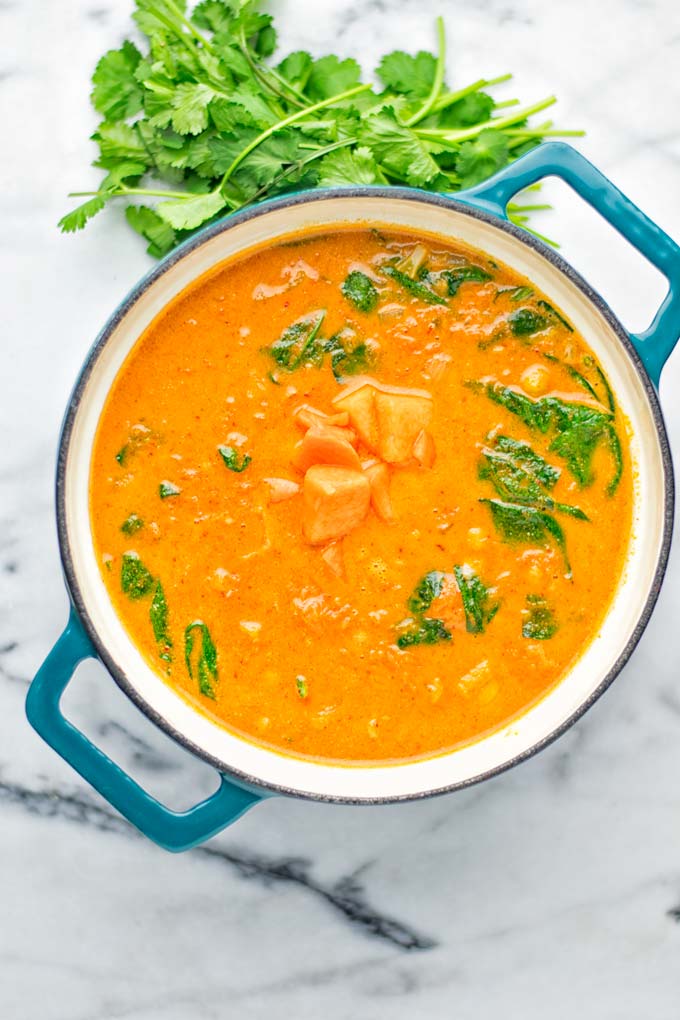
3. One-Pot Immunity-Boosting Lentil, Sweet Potato & Chickpea Soup
Best for:
Fever recovery, prolonged illness, nutrient depletion
Why it works: Filling, grounding, anti-inflammatory soup for fever
Ingredients:
- 1 tbsp coconut oil or A2 cow ghee
- 1 yellow onion, diced
- 6 cloves garlic, minced
- ½ tsp freshly grated ginger
- 1 tsp turmeric
- ½ tsp Luke’s immunity powder (Click here for the recipe)
- 1 tbsp lemon juice
- 1 large sweet potato, diced
- ½ cup chickpeas (soaked 24 hours, water changed regularly)
- ½ cup red lentils (masur dal, soaked overnight)
- 5 cups water
- ½ cup spinach, finely chopped
- Salt to taste
Method:
- Heat oil or ghee in a pressure cooker over medium heat.
- Add onion and sauté for 3–4 minutes.
- Add garlic and ginger; sauté until fragrant.
- Add turmeric and immunity powder; stir for 1 minute.
- Add lemon juice, sweet potato, chickpeas, lentils, and water.
- Bring to a boil, reduce the heat, and simmer for 5 minutes.
- Add spinach, cook for 2–3 minutes.
- Close the lid and pressure cook for 3–4 whistles.
- Cool slightly, stir well, season with salt, and serve warm.
Notes:
- Spinach can be replaced with coriander or kale
- Chickpeas can be replaced with lobia (black-eyed beans)
4. Sweet Potato Immunity Soup (Smooth & Comforting)
Best for:
Weakness, sore throat, low energy, winter colds
Why it works: Easy to swallow, energy-dense, gut-friendly
Ingredients:
- 500 g sweet potato
- 1 medium onion, chopped
- 2 cloves garlic, chopped
- ½ tsp organic turmeric powder
- Pink Himalayan salt & pepper to taste
- 3–4 cups water
- 3 sprigs fresh thyme (optional)
- 2 tsp A2 cow ghee
- ½ cup coconut milk (optional)
Method:
- Heat ghee in a pressure cooker over medium heat.
- Add onion and garlic; sauté for 5 minutes.
- Add sweet potatoes and sauté another 5 minutes.
- Season with salt and pepper.
- Add water and bring to a boil.
- Pressure cook for 2–3 whistles.
- Blend until smooth using a hand blender.
- Add turmeric, thyme, and coconut milk (if using).
- Cook 2–3 minutes more and serve warm.
Notes:
- Sweet potatoes support gut health and immune recovery
- Coconut milk is optional; use only if digestion is strong
- Can top with soaked pumpkin seeds for a gentle crunch
5. One-Pot Moringa Immunity Soup
Best for:
Low immunity, post-illness recovery, seasonal infections, gut-sensitive days, nutrient depletion
Why it works:
- Moringa: Rich in iron, vitamin C, calcium, and immune-modulating compounds
- Pumpkin, carrot & beetroot: Provide beta-carotene for mucosal and immune health
- Ginger & black pepper: Support digestion and enhance nutrient absorption
- Warm, blended texture: Gentle on the gut and ideal during recovery
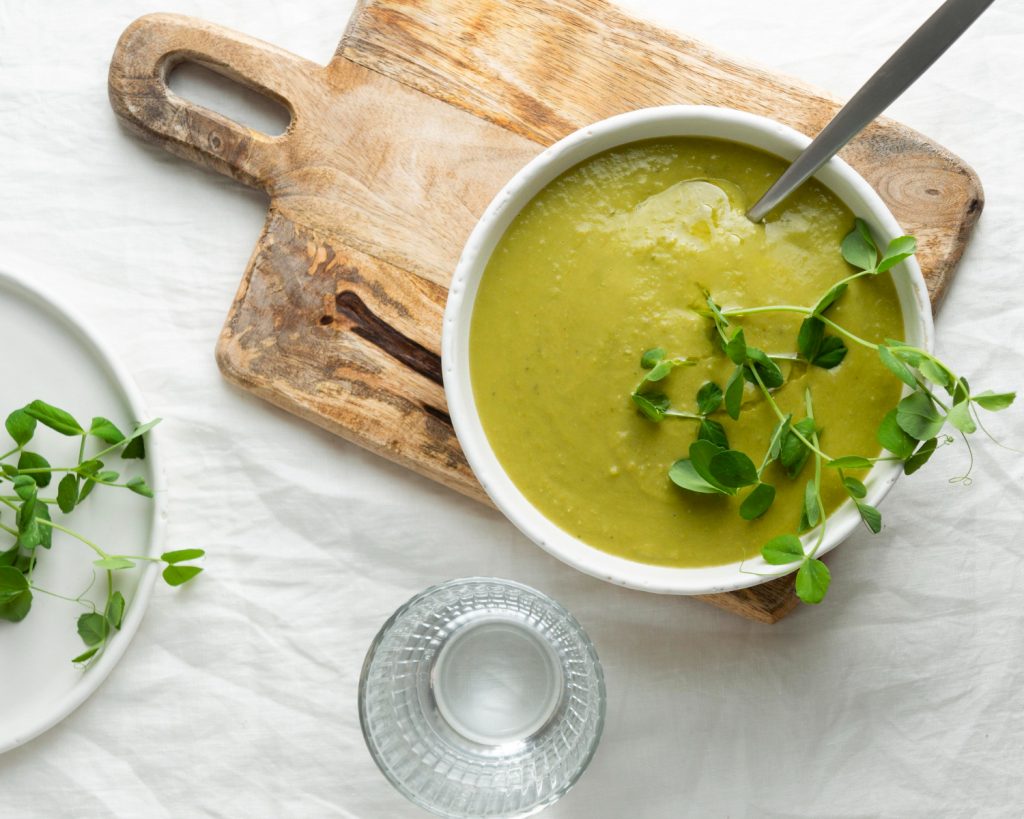
Image Credits: Freepik
Ingredients:
- ½ cup pumpkin, chopped
- ¼ cup of one crucifer (broccoli/cauliflower/cabbage)
- 2 tbsp beetroot or carrot, chopped
- Moringa (choose one): 2–3 drumstick pods, cut into 2-inch pieces OR 1 tbsp fresh moringa leaves (if pods are unavailable)
- 1 tsp fresh ginger, grated
- 2 cups water
- ½ tsp salt (adjust to taste)
- ¼ tsp turmeric powder
- ¼ tsp black pepper powder
- ½ tsp lemon juice
- ¼ tsp cold-pressed oil (coconut or sesame)
- Optional garnish: Fresh coriander or parsley, finely chopped
Method:
- Steam the vegetables: Steam pumpkin, crucifer, beetroot/carrot, and drumstick pods for 6–7 minutes until soft. If using drumstick pods, scrape out the soft pulp after steaming and discard the fibrous skin. If using moringa leaves, do not steam them, add later during sautéing.
- Sauté the ginger: Warm the oil in a pan. Add ginger and sauté on low heat for 30–40 seconds, ensuring it doesn’t brown.
Add moringa and vegetables: Add the steamed vegetables along with drumstick pulp or moringa leaves. Sprinkle turmeric, black pepper, and salt. Stir gently for about 2 minutes. - Switch off the flame: Allow the mixture to cool slightly before blending.
- Blend: Transfer to a blender. Add water and lemon juice. Blend until smooth and creamy.
- Serve warm: Sip slowly for best digestion, absorption, and comfort.
Looking beyond the usual? Discover a traditional African tribal remedy, Dawa drink, used for fever, cough, and stomach discomfort.
How to Make Your Soup Truly Healing
A soup becomes truly healing not just because of what goes into it, but how it is prepared, combined, and consumed. This is where nutrition moves from the plate to the cellular level.
Why Homemade Stocks Matter
| Packaged Soups & Stock Cubes | Homemade Stocks |
| High in excess sodium and additives | Naturally rich in minerals and hydration |
| Often lack real, bioavailable nutrients | Provide amino acids that support recovery |
| Can add digestive stress during illness | Gentle on the gut and easy to digest |
| May trigger inflammation | Support cellular repair without inflammation |
| Designed for convenience | Designed for healing |
This is why homemade broths form the base of most anti-inflammatory soups we recommend during illness.
Healing Spices: Small Amounts, Powerful Impact
are not about heat; they’re about function.
- Ginger: Supports digestion, circulation, and nausea relief
- Turmeric: Helps modulate inflammation during recovery
- Black pepper: Enhances absorption of nutrients
- Cinnamon: Gently supports blood sugar balance and warmth
Used sparingly, these spices help transform soup into nourishing food when sick, without irritating the throat or gut.
Healthy Fats: Essential for Absorption
During illness, fat often gets unfairly avoided. But small amounts of the right fats are crucial.
- A2 Ghee or cold-pressed olive oil helps absorb fat-soluble vitamins
- They add satiety without heaviness
- They support cell membrane repair and hormonal balance
- Just a teaspoon can improve nutrient uptake without slowing digestion
Mindful Eating: The Missing Ingredient
Even the best soup loses its healing potential if eaten in a rush.
- Sit down
- Eat slowly
- Avoid screens and distractions
- Let the soup be warm, not hot
When the nervous system is calm, digestion improves, and recovery accelerates. This is cellular nutrition in practice: supporting healing without burdening the body.
When to Eat Soups and What to Avoid While You’re Unwell
Timing and choice matter just as much as ingredients.
Best times to consume soup:
- Midday: When digestion is naturally strongest
- Early evening: Light, soothing nourishment without disrupting sleep
This applies whether you’re choosing a soup for a cold or recovery from a fever.
What to Avoid During Illness
Certain foods may delay healing even if they seem comforting.
Avoid:
- Very spicy soups that irritate the throat
- Cream-heavy soups that burden digestion
- Packaged soups with preservatives and excess salt
- Temperature Matters More Than You Think
Soups should be:
- Warm, not piping hot
- Gentle on the throat
- Easy to sip slowly
Excessively hot foods can worsen throat irritation, especially when relying on warm liquids for sore throat relief.
Listen to Your Appetite, Don’t Force It
The body knows how much nourishment it needs.
- Eat smaller portions if hunger is low
- Repeat light soups instead of forcing large meals
- Trust the body’s cues
Recovery speeds up when food supports the body’s rhythm, not when it’s forced.
The Last Word
When you’re unwell, it’s easy to feel the need to do more: more remedies, more supplements, more rules. But healing rarely asks for complexity. More often, it asks for support, patience, and trust in the body’s wisdom.
At Team Luke, our philosophy has always been simple: don’t suppress symptoms, support recovery.
Soups do this beautifully. When paired with the other foundations: rest, hydration, sleep, and mindful nourishment, they create the right internal environment for healing.
And remember:
Sometimes, the most powerful medicine is a warm bowl, eaten slowly, with intention.
Frequently Asked Questions
What are the best soups to eat when you have a cold or cough?
The best soups for a cold and cough are warm, light, and easy to digest. Clear vegetable broths, lentil soups, and chicken soup help hydrate the body, soothe the throat, loosen congestion, and provide gentle nourishment without stressing digestion during illness.
Can chicken soup really help with cold symptoms?
Yes. Chicken soup and cold recovery go hand in hand. Warm broth helps ease congestion, while amino acids and minerals support hydration and immune recovery. Chicken soup doesn’t cure a cold, but supports the body’s natural healing response effectively.
Which soup is best for soothing a sore throat or fever?
For a sore throat or fever, opt for clear, lightly seasoned soups, such as vegetable broth, lentil soup, or smooth sweet potato soup. Warm liquids help reduce throat irritation, maintain hydration, and provide nutrients without irritating the throat or overwhelming digestion.
How often should you drink soup when you’re sick?
When unwell, soup can be consumed 1–3 times daily, depending on appetite. Small, warm servings work best. A soup for colds supports hydration and nourishment without force-feeding, especially when appetite is low or digestion feels weak.
Are there vegetarian alternatives to chicken soup for recovery?
Absolutely. Vegetarian options like lentil soups, mushroom broth, and vegetable-based anti-inflammatory soups provide protein, minerals, and hydration. These are excellent nourishing foods when sick, supporting recovery just as effectively as chicken soup when prepared mindfully.
Disclaimer: This blog is for educational and informational purposes only and is not a substitute for professional medical advice, diagnosis, or treatment. Always seek the advice of your physician or qualified healthcare provider with any questions you may have regarding a medical condition.
If you’re struggling with any health conditions, don’t wait.
Set up a one-on-one consultation with our team or explore our Wellness Programs to optimize your health goals.
Reach out to us at 1800 102 0253 or write to us at [email protected].