No products in the cart.
Over the years, Luke and our team have heard it all.
“Why am I not losing weight even though I’m barely eating?”
“How do I lose belly fat?”
“Is it my hormones and weight gain?”
“Why am I gaining weight despite dieting?”
“Is my metabolism damaged?”
“How do I break a weight loss plateau?”
And almost always, these questions are asked in a slightly lowered voice. Sometimes with frustration. Sometimes with guilt. Often with embarrassment.

Image Credits: Freepik
Because when it comes to fat loss, people assume it’s simple. Eat less. Move more. Try harder.
But if it were that simple, you wouldn’t be stuck.
The truth is, most people aren’t confused about effort; they’re confused about biology.
- About the difference between fat loss and weight loss.
- About whether they truly need a strict calorie deficit for fat loss.
- Or whether chronic stress, poor sleep, and weight loss, hormones, insulin resistance, and inflammation are silently working against them.
We’ve worked with individuals dealing with stubborn belly fat, frustrating weight loss plateaus, thyroid imbalances, polycystic ovary syndrome (PCOS), chronic stress, and years of dieting history. And the pattern is clear:
It’s rarely about willpower. It’s usually about foundations.
There are no hacks here.
No magic pills.
No starvation tactics.
No punishing workouts.
Only sustainable, science-backed principles that respect your physiology, your metabolism and fat loss mechanisms, your nervous system, your hormones, and your long-term health.
So if you’ve ever typed into Google those fat loss questions, you’re not alone.
Let’s answer the questions you’ve probably Googled at 2 a.m.
Core Frustration Questions
These questions are always layered with frustration. Let’s unpack them.
1. Why am I not losing weight even though I’m eating less?
This is one of the most frequently asked questions we receive.
And Luke’s answer is usually simple: Eating less is not the same as losing fat.
When you chronically under-eat:
- Your body adapts by slowing down your metabolism
- Stress hormones like cortisol rise
- Thyroid function can downregulate
- You lose muscle instead of fat
- Your body becomes more efficient at holding on to energy
Our body is intelligent. If it senses scarcity, it protects you.
Other common reasons:
- Low protein intake → muscle loss, poor satiety
- Hidden inflammation → gut issues, poor digestion
- High stress → water retention and stubborn belly fat
Fat loss is not about starving the body. It’s about fueling it correctly while creating a sustainable calorie deficit for fat loss, without triggering a survival response.
2. Why am I gaining weight despite trying to diet?
Another uncomfortable truth:
Many people are ‘dieting’… but not nourishing.
We often highlight a few core patterns:
- Adaptive thermogenesis, long-term ‘dieting’, teaches the body to burn fewer calories
- Muscle loss from low-protein crash diets
- Hidden calories from oils, nuts, dressings, ‘healthy’ snacks
- Poor sleep disrupts hunger hormones
- Weekend inconsistency wipes out weekday discipline
We also emphasize something people don’t like hearing:
Chronic stress + sleep deprivation can override your food.
- If cortisol is elevated, insulin sensitivity drops.
- If sleep is compromised, cravings increase.
- If muscle mass declines, metabolism and fat loss suffer.
‘Dieting’ alone is not a strategy. Lifestyle is.
3. What’s the difference between fat loss and weight loss?
Luke repeatedly clarifies this because the scale has misled too many people.
Weight loss = loss of anything
- Water
- Muscle
- Glycogen
- Fat
Fat loss = reduction in body fat while preserving muscle.
This is why:
- The scale can drop quickly on crash diets
- Inches may reduce even when weight stays the same
- Strength training is non-negotiable
- Protein intake matters
- Body composition matters more than scale weight
If you lose muscle, your metabolism slows.If you preserve muscle, your body becomes metabolically stronger.
Belly Fat, Hormones & Insulin
4. How do I lose belly fat? Why is it so stubborn?
You cannot spot reduce fat. Doing 200 crunches won’t specifically melt belly fat.
What makes belly fat ‘stubborn’ is usually not laziness; it’s physiology.
There are two types of belly fat:
- Subcutaneous (under the skin)
- Visceral (around organs, more metabolically active and risky)
Common drivers for belly fat:
- Chronic stress → elevated cortisol → increased abdominal fat storage
- Insulin resistance → body stores energy instead of burning it
- Poor sleep → hormonal disruption and cravings
- Inflammation and gut dysfunction
- Excess alcohol and ultra-processed foods
What should you focus on:
- Improving insulin sensitivity
- Strength training to build muscle
- Walking daily (especially post-meals)
- Reducing stress
- Sleeping 7–8 hours consistently
- Cleaning up ultra-processed foods
Belly fat reduces when the internal environment improves. It is a by-product of metabolic correction, not a quick fix.
Here’s an inexpensive way to burn belly fat:
5. Are hormones really responsible for my weight gain?
Hormones matter. But they are rarely acting in isolation. Lifestyle drives hormones.
Conditions like PCOS, thyroid imbalance, perimenopause, or high cortisol can absolutely influence fat storage and weight gain.
But instead of blaming hormones alone, one must look at:
- Sleep quality
- Stress levels
- Muscle mass
- Insulin resistance
- Nutrient deficiencies
- Gut health
For example:
- Poor sleep raises cortisol
- Chronic stress affects thyroid conversion.
- Low muscle mass worsens insulin sensitivity.
The goal isn’t to fight hormones; it’s to improve the terrain they operate in.
6. What role does insulin play in fat loss?
Insulin is not the enemy. It’s essential for survival. But when insulin levels are constantly elevated, fat loss becomes difficult.
Insulin as a storage hormone:
- When insulin is high, the body stores energy.
- When insulin is balanced, the body can access stored fat.
What disrupts insulin sensitivity?
- Frequent refined carbs and sugar
- Sedentary lifestyle
- Poor sleep
- Chronic stress
- Low muscle mass
What improves insulin sensitivity?
- Strength training
- 7,000–10,000 daily steps
- Walking after meals
- Balanced meals with protein and fiber
- Reducing ultra-processed foods
- Managing stress
Instead of eliminating carbs, emphasize:
- Quality over quantity
- Timing carbs around activity
- Building muscle to improve glucose disposal
Fat loss becomes easier when insulin sensitivity improves.
Learn the simplest ways to keep your insulin low to help burn fat:
Stress & Nervous System
7. Can chronic stress stop fat loss?
Short answer: Yes.
The body cannot prioritize fat loss when it thinks it’s under threat.
Chronic stress leads to:
- Elevated cortisol → increased abdominal fat storage
- Water retention → scale doesn’t move
- Higher cravings for sugar and refined carbs
- Poor sleep quality
- Muscle breakdown occurs when stress is prolonged
Even if you’re in a calorie deficit for fat loss, high cortisol can blunt progress.
Many people say, “I’m doing everything right, but I’m still stuck.”
When we dig deeper, we often find:
- Work stress
- Emotional stress
- Overtraining
- Undereating
- Poor recovery
Try this:
- Reduce unnecessary stressors
- Avoid chronic HIIT in already stressed individuals
- Prioritize sleep
- Build muscle gradually
- Support recovery
Fat loss improves when the body feels safe.
Want to beat chronic stress instantly? Watch this:
8. Can breathing exercises actually help with fat loss?
Breathing does not ‘burn fat.’ But it regulates the nervous system, and that changes everything.
Deep, controlled breathing:
- Activates the parasympathetic system
- Reduces cortisol
- Improves vagal tone
- Enhances sleep quality
- Lowers stress-driven cravings
We often recommend:
- 5–10 minutes of slow nasal breathing
- Box breathing
- Breathwork before sleep
It’s not a hack. It’s the nervous system regulation, which supports metabolism and fat loss indirectly but powerfully.
9. Does a digital detox help with weight or fat loss?
At first, this sounds unrelated. But excessive screen time leads to:
- Blue light exposure → poor sleep
- Late-night scrolling → delayed melatonin
- Higher stress load
- Mindless snacking
- Reduced real-world movement
Sleep disruption alone affects:
- Hunger hormones
- Insulin sensitivity
- Cortisol levels
What you must do:
- No screens 60–90 minutes before bed
- Tech-free meals
- Scheduled digital downtime
- More outdoor light exposure in the morning
Again, foundations over hacks.
We went off social media for 8 days and here’s what happened:
Sleep & Recovery
10. Does sleep really impact fat loss?
Yes. Deeply. If there is one pillar we refuse to compromise on, it is sleep.
When you don’t sleep enough:
- Ghrelin increases → you feel hungrier
- Leptin decreases → you don’t feel full
- Insulin sensitivity drops → fat storage becomes easier
- Cortisol rises → especially around the abdomen
- Recovery from workouts suffers → muscle repair declines
And muscle matters. Because muscle supports metabolism and fat loss long-term.
We often remind people:
- You cannot build muscle in a sleep-deprived state.
- You cannot regulate hormones in a sleep-deprived state.
Even if you’re in a calorie deficit for fat loss, lack of sleep can:
- Increase cravings
- Trigger emotional eating
- Slow recovery
- Increase water retention
Emphasize on:
- Sleep before midnight whenever possible
- No screens 60–90 minutes before bed
- Dark, cool sleeping environment
- Consistent sleep-wake timing
- Morning sunlight exposure
Sleep is a metabolic regulator, not a luxury.
Diet Myths & Extreme Approaches
11. Do crash diets work for fat loss?
Short term? You may see the scale drop.Long term? They almost always backfire.Most crash diets lead to:
- Rapid water loss, not true fat loss
- Muscle loss, which slows metabolism
- Metabolic adaptation (your body burns fewer calories)
- Rebound weight gain once normal eating resumes
When calories are cut aggressively, the body shifts into survival mode. It conserves energy instead of optimizing fat burning.
Instead, focus on:
- Sustainable calorie deficit
- Adequate protein
- Strength training
- Preserving muscle
Fast results often create slower metabolisms.
12. Is starving myself the fastest way to lose fat?
Starving yourself may reduce weight temporarily, but it increases stress internally. The body does not reward punishment.
When you starve:
- Cortisol rises
- Thyroid function may downregulate
- Muscle tissue breaks down
- Hunger hormones become dysregulated
- Binge-restrict cycles begin
This is why many people say, “I lost weight, but I gained it all back.”
Sustainable fat loss requires nourishment, not deprivation. The goal is to create a controlled calorie deficit for fat loss, without triggering a stress response.
13. Can I lose fat while still eating carbs?
Yes. Carbs are not the enemy. Poor lifestyle habits are.
The problem is not whole carbohydrates, it’s:
- Refined sugars
- Ultra-processed foods
- Sedentary behavior
- Overeating in a surplus
Carbohydrates can be part of a fat loss plan when:
- They come from whole food sources
- Meals are balanced with protein and fiber
- They are timed around the activity
- Insulin sensitivity is supported with movement
Quality and context matter more than restriction.
14. Does junk food completely ruin fat loss?
One meal does not ruin fat loss. A pattern does.
Ultra-processed junk foods are:
- Hyper-palatable (easy to overeat)
- Low in nutrients
- Inflammatory
- Disruptive to satiety signals
They also stimulate dopamine in ways that can override hunger cues.
We often support an 80–20 approach:
- 80% whole, nourishing foods
- 20% flexibility
But consistency matters. Fat loss is easier when the majority of your diet:
- Supports gut health
- Stabilizes blood sugar
- Reduces inflammation
- Preserves muscle
Again, it’s not about perfection. It’s about patterns.
Exercise Confusion
15. Is walking enough for fat loss?
is underrated. We consistently recommend:
- 7,000–10,000 steps daily
- 10–15 minute walks after meals
- Increasing daily movement (NEAT – non-exercise activity thermogenesis – these are little activities you can do during the day to induce thermogenesis over and above your workout.)
Know more about NEAT:
View this post on Instagram
Walking helps:
- Improve insulin sensitivity
- Regulate blood sugar
- Lower stress
- Support digestion
- Increase daily calorie expenditure sustainably
For beginners or highly stressed individuals, walking can be a powerful starting point. However, for long-term fat loss and metabolic health, walking alone may not be enough.
16. Do I need intense workouts every day to lose fat?
No. Luke has often warned against chronic, high-intensity training, especially in already stressed individuals.
Daily intense workouts can:
- Elevate cortisol
- Impair recovery
- Increase injury risk
- Disrupt sleep
- Trigger fatigue-driven overeating
More intensity does not equal more fat loss.
What is recommended:
- Strength training 2–4 times per week
- Daily steps
- Mobility work
- Rest and recovery days
Fat loss improves when the body can recover, not when it is constantly inflamed.
Find out the secret to building lean muscle for effective fat loss:
https://www.lukecoutinho.com/blogs/exercise/build-lean-muscle-and-lose-fat/
17. Why is strength training so important for fat loss?
Muscle is a metabolic asset. It:
- Improves insulin sensitivity
- Increases resting metabolic rate
- Supports glucose disposal
- Protects against age-related metabolic decline
- Helps maintain fat loss long-term
Without strength training, weight loss often becomes muscle loss, which slows metabolism and makes rebound weight gain easier.
18. Can over-exercising slow down fat loss?
Yes. Chronic over-exercising can lead to:
- Persistently elevated cortisol
- Water retention
- Increased appetite
- Sleep disruption
- Hormonal imbalance
- Injury and forced inactivity
Especially when combined with low-calorie diets, excessive training creates stress overload. Train to build. Not to punish.
Foundations & Nutrition Quality
19. Do vitamins and nutrient deficiencies affect fat loss?
Yes, more than most people realize. We often check for common deficiencies in clients who feel stuck, fatigued, or unable to lose fat.
Key nutrients that influence metabolism and recovery:
- Vitamin D → linked to insulin sensitivity and hormonal balance
- Magnesium → supports sleep, stress regulation, glucose control
- Vitamin B12 → energy production
- Iron → oxygen delivery and fatigue prevention
- Zinc & B vitamins → thyroid and metabolic pathways
If your body lacks nutrients, it prioritizes survival, not fat loss.
We do not promote random supplementation. We emphasize:
- Testing where needed
- Correcting deficiencies
- Improving diet quality first
A nourished body responds better than a depleted one.
20. Does meal planning actually make a difference?
Yes, because consistency beats motivation.
Luke often points out that fat loss fails due to decision fatigue, not lack of knowledge.
Meal planning helps:
- Maintain a sustainable calorie deficit for fat loss
- Ensure adequate protein intake
- Prevent impulsive junk food choices
- Support stable blood sugar
- Reduce stress around food decisions
It also improves:
- Portion awareness
- Nutrient balance
- Weekly consistency
21. Are simple foods like steamed meals better for fat loss?
Steamed or lightly cooked meals can:
- Be easier to digest
- Reduce excess oil intake
- Lower inflammation load
- Improve portion control
- Enhance satiety when balanced with protein and fiber
The goal is not bland eating. It’s reducing unnecessary additives, heavy sauces, and ultra-processed ingredients.
22. What is the role of protein in fat loss?
Protein is non-negotiable in the fat loss approach. Why?
- Preserves muscle mass
- Improves satiety
- Supports recovery from strength training
- Has a higher thermic effect (burns more calories during digestion)
- Stabilizes blood sugar
Without adequate protein:
- Muscle declines
- Metabolism slows
- Hunger increases
Try spreading protein across meals, not consuming it all at once.
Consistency & Plateaus
23. How do I break a weight loss plateau?
Common reasons for a weight loss plateau:
- Your body weight has reduced → calorie needs have changed
- NEAT (daily movement) has dropped unconsciously
- Sleep quality has declined
- Stress levels are elevated
- Protein intake has slipped
- Strength training is inconsistent
Our approach to breaking a plateau includes:
- Recalculating calorie intake realistically
- Increasing daily steps (7,000–10,000)
- Adding post-meal walks
- Improving sleep before increasing exercise
- Reducing chronic stress
- Ensuring progressive overload in strength training
Patience plus precision breaks plateaus.
24. How important is consistency in fat loss?
This is where most people underestimate the process. Luke emphasizes 80% adherence, not perfection.
Because:
- Weekends count
- Late-night snacking counts
- Missed workouts add up
- Sleep debt accumulates
Fat loss responds to repeated behaviors, not occasional effort. The habits that look boring win:
- Regular meal timing
- Daily movement
- Consistent protein intake
- Sleep before midnight
- Stress management
Intensity for two weeks cannot beat consistency for six months.
25. What matters more, calories or food quality?
Both matter. A calorie deficit for fat loss is necessary. But food quality determines how sustainable and hormonally supportive that deficit is.
Poor-quality calories can:
- Spike insulin
- Increase inflammation
- Trigger cravings
- Reduce satiety
Whole, nutrient-dense foods:
- Stabilize blood sugar
- Improve insulin sensitivity
- Support gut health
- Enhance adherence
Two meals with the same calories can produce very different hormonal responses. Calories create the direction. Quality determines the ease and sustainability.
26. Can alcohol stop fat loss?
When you consume alcohol:
- The liver prioritizes metabolizing alcohol over fat burning
- Fat oxidation temporarily slows down
- Sleep quality declines
- Cortisol can increase
- Late-night eating becomes more likely
Alcohol also affects:
- Insulin sensitivity
- Appetite regulation
- Recovery from workouts
Frequent drinking, especially combined with poor sleep, can contribute to stubborn belly fat.
Our approach is moderation and awareness:
- Limit frequency
- Avoid late-night drinking
- Support sleep
- Stay hydrated
Fat loss becomes harder when recovery and liver function are repeatedly disrupted.
27. Is my age the reason I can’t lose fat anymore?
Age plays a role, but it is rarely the only reason.
What changes with age is:
- Muscle mass declines
- Activity levels reduce
- Recovery slows
- Hormonal fluctuations increase
But these are influenced by lifestyle.
- If strength training stops, muscle mass drops.
- If movement declines, insulin sensitivity worsens.
- If sleep becomes inconsistent, metabolism suffers.
Emphasize on:
- Strength training at any age
- Adequate protein intake
- Daily movement
- Prioritizing recovery
Metabolism does not ‘shut down’ overnight. It responds to how you live. Age requires smarter strategies, not resignation.
28. Should children focus on fat loss?
Children should not be put on fat loss diets. The focus must be on:
- Healthy habits
- Growth and development
- Metabolic health
- Emotional well-being
Instead of calorie restriction, emphasize:
- Removing ultra-processed junk foods
- Reducing sugar exposure
- Improving sleep
- Encouraging outdoor play and natural movement
- Limiting screen time
- Building family-based eating routines
- Addressing emotional eating gently
- Avoiding body shaming
With rising childhood obesity and early insulin resistance, the solution is not restriction; it is the environment.
The Bigger Picture
29. What are the foundational pillars for sustainable fat loss?
We do not approach fat loss as a diet phase. We approach it through what we call Foundational Medicine.
Fat loss is not forced; it is allowed when the body is biologically aligned.
The foundations are simple, but powerful:
- Food Science & Nutrient Synergy — Food as cellular information, improving absorption, gut health, inflammation control, and metabolic signaling.
- Adequate Holistic Movement — Strength, mobility, cardiovascular health, and recovery work together to build resilience.
- Deep Sleep — Hormonal reset, cellular repair, insulin sensitivity, and circadian alignment.
- Emotional Wellness & Mental Health — Nervous system regulation, stress reduction, and emotional balance.
- Nature (Internal & External Environment) — Sunlight, clean surroundings, toxin reduction, and healthy relationships.
- Spirit & Breathwork — Parasympathetic activation, oxygenation, presence, and internal alignment.
When these foundations are strong, fat loss becomes a byproduct, not a battle.
30. How long does sustainable fat loss realistically take?
Sustainable fat loss typically happens at: 0.5–1% of body weight per week.
Anything much faster often involves:
- Water loss
- Muscle loss
- Aggressive restriction
The body responds to consistent behavior, not urgency. If fat gain takes years, fat loss will not happen in weeks.
Speed excites people. Consistency transforms them.
The Last Word
Most people who ask these questions don’t need a harsher plan. They don’t need more restriction, more cardio, or more punishment.
They need stronger foundations. That’s where real fat loss begins.
If this sounds like you, don’t jump into another aggressive reset. Start with structure.
Take up the 7-Day Fat Burn Challenge, a focused, practical way to realign your habits, reset your metabolism, and rebuild your foundation.
Write to us at the end of 7 days on how these little changes have made a difference in your life. We’ll be waiting for you!
Disclaimer: This blog is intended for educational and informational purposes only and should not be used as a substitute for professional medical advice, diagnosis, or treatment. Always seek the guidance of your qualified healthcare provider before making any changes to your medications or lifestyle.
Looking for holistic and foundational guidance for fat loss?
We help you find a way.
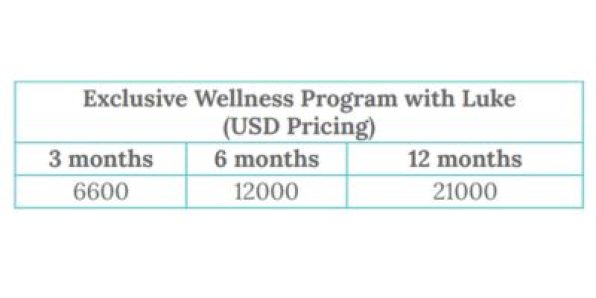
Set up a one-on-one consultation with our foundational medicine and lifestyle experts or explore our Wellness Programs to optimize your lifestyle goals.
Reach out to us at 1800 102 0253 or write to us at [email protected].