No products in the cart.
Modern wellness thrives on complexity. In today’s health industry, visibility often follows profitability. New molecules appear every few months. Longevity hacks get rebranded. Supplements grow more expensive, more technical, and more seductive in their promises of energy, youth, immunity, and wellness.
But beneath all this noise, your body has always relied on this molecule that never needed marketing.
Nitric oxide.
Nitric oxide is a molecule your body produces naturally, precisely when your foundations are in place.
And that may be the very reason it never became mainstream. It doesn’t come in a bottle. It doesn’t work on demand. And it doesn’t bypass lifestyle.
In an industry that rewards what can be packaged and sold, nitric oxide belongs to a different category altogether. Molecules that can be patented rise quickly. Molecules that depend on sleep, movement, breath, food, and emotional regulation are rarely talked about.
A Brief Scientific History of Nitric Oxide: From Toxic Gas to Cellular Signal
For decades, nitric oxide was misunderstood. In fact, it was largely dismissed as a toxic environmental pollutant, something harmful, unstable, and biologically irrelevant.
That perception changed dramatically in the late 20th century.
In the 1980s, vascular researchers observed that blood vessels released a substance that caused them to relax and dilate. This substance was initially termed endothelium-derived relaxing factor (EDRF). In 1987, landmark research demonstrated that EDRF was, in fact, nitric oxide, a simple gaseous molecule capable of acting as a powerful biological messenger.
Modern research continues to expand our understanding the role of nitric oxide in endothelial health, mitochondrial efficiency, immune defense, and neurovascular function. Yet despite thousands of peer-reviewed studies, nitric oxide remains largely absent from mainstream wellness conversations.
The Endothelium: Where Signaling Begins
The production of nitric oxide is inseparable from the health of the endothelium, the single-cell-thick lining that runs through every blood vessel in the body. Far from being an inert barrier, the endothelium is a metabolically active organ system in its own right. It regulates vascular tone, platelet activity, immune interactions, and nutrient delivery.
Under stable conditions, endothelial cells synthesize nitric oxide via the enzyme endothelial nitric oxide synthase (eNOS). This nitric oxide then signals smooth muscle cells to relax, reduces adhesion of inflammatory cells, and prevents abnormal clot formation.
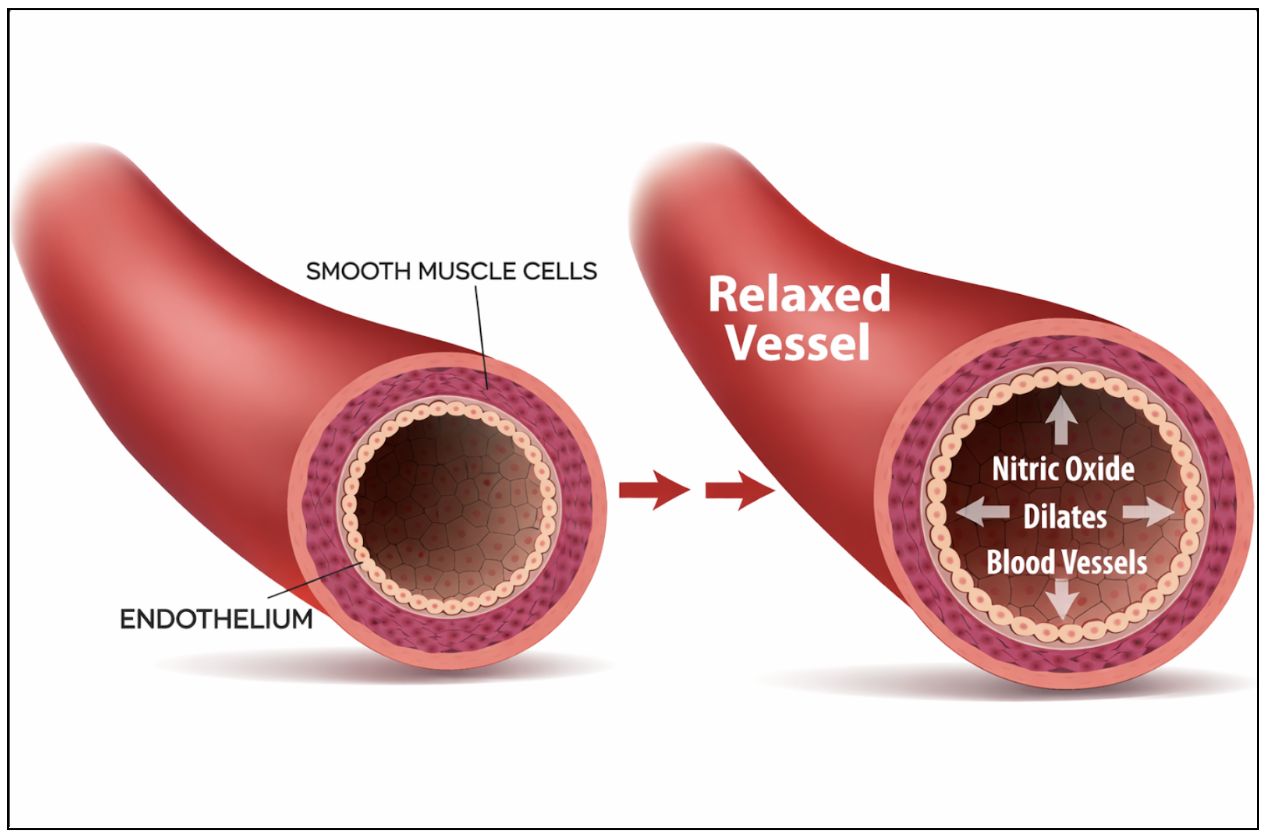
Image Credits: Freepik
How Much Nitric Oxide Does the Body Have?
This is where nitric oxide breaks all modern wellness rules.
- There is no RDA for nitric oxide
- There is no daily ‘requirement’ number
- It is not stored like vitamins or minerals
Nitric oxide is produced on demand, in tiny amounts, for milliseconds at a time. Its power lies not in quantity, but in timing and signaling efficiency.
Your body produces nitric oxide through:
- Endogenous synthesis (via endothelial cells using L-arginine)
- Dietary nitrate pathways (from nitric oxide rich foods)
Which pathway dominates depends entirely on your lifestyle.
Nitric Oxide Benefits: Why Every System Depends on It
Nitric oxide is a foundational signaling system that every major organ depends on, every single day. It is not merely a vascular relaxant; it is one of the body’s most sophisticated cell-to-cell signaling systems.
Below are the benefits of nitric oxide:.
1. Cardiovascular Protection:
Healthy nitric oxide signaling supports cardiovascular health by:
- Promoting vasodilation, allowing blood vessels to relax and respond dynamically to demand
- Maintaining arterial elasticity, reducing stiffness associated with aging and metabolic stress
- Inhibiting platelet aggregation, lowering the tendency toward clot formation
- Reducing adhesion of LDL particles to the arterial wall, a key early step in atherosclerosis
Research shows that impaired nitric oxide bioavailability is a hallmark of endothelial dysfunction, which precedes hypertension, coronary artery disease, and stroke.
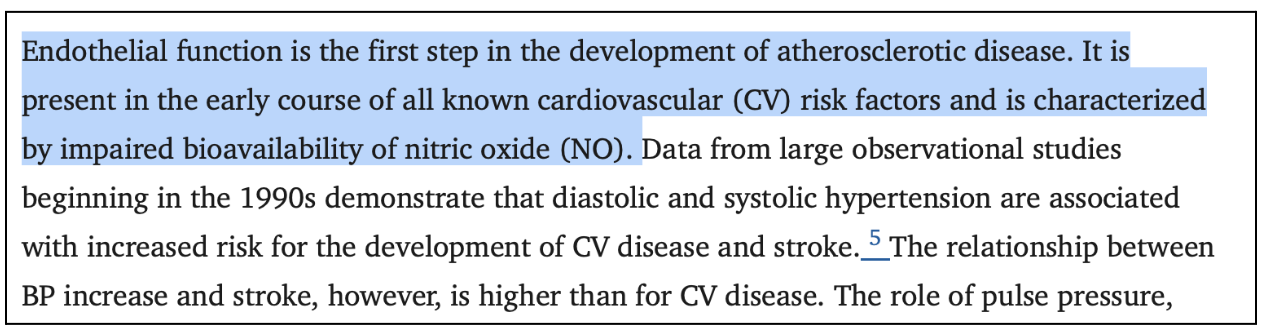
Source: Hermann, M., Flammer, A., & Lüscher, T. F. (2006). Nitric oxide in hypertension. Journal of clinical hypertension (Greenwich, Conn.), 8(12 Suppl 4), 17–29. https://doi.org/10.1111/j.1524-6175.2006.06032.x
2. Exercise Performance and Recovery:
One of the most studied nitric oxide benefits is its role in exercise physiology. Nitric oxide regulates blood flow redistribution during physical activity, ensuring working muscles receive oxygen and nutrients precisely when needed.
Nitric oxide:
- Enhances oxygen delivery to skeletal muscle
- Improves mitochondrial efficiency and muscle contractility
- Reduces the oxygen cost of exercise, improving endurance
- Accelerates post-exercise recovery by improving nutrient delivery and metabolic waste removal
Many individuals struggle with persistent fatigue despite regular exercise. Often, the issue is not effort or discipline, it is impaired microcirculation of NO.

Image Credits: Freepik
3. Immune Intelligence:
Nitric oxide plays a dual role in immunity, both as a signaling molecule and as a defense mediator. Immune cells such as macrophages, neutrophils, dendritic cells, and natural killer cells use nitric oxide to communicate, migrate, and respond appropriately.

Image Credits: Freepik
Nitric oxide:
- Helps immune cells identify pathogens and abnormal cells
- Regulates inflammatory signaling to prevent excessive immune reactions
- Supports antimicrobial and antiviral defense mechanisms without overstimulation
4. Brain Health:
The brain is one of the most metabolically active organs in the body, consuming nearly 20 percent of total oxygen at rest. Nitric oxide is deeply involved in neurovascular coupling, the process by which blood flow increases to active brain regions.
Nitric oxide supports:
- Cerebral blood flow and oxygen delivery
- Synaptic plasticity involved in learning and memory
- Neurotransmission and cognitive clarity
Image Credits: Freepik
5. Cellular Energy:
Nitric oxide directly influences mitochondrial respiration at the cellular level. It modulates electron transport chain activity, oxidative stress balance, and cellular signaling involved in repair and adaptation.
Nitric oxide has a role in:
- Optimizing mitochondrial efficiency
- Reducing excessive reactive oxygen species production
- Supporting cellular resilience under stress
- Facilitating tissue repair and metabolic flexibility
6. Reproductive and Hormonal Tissues: Supporting Responsiveness
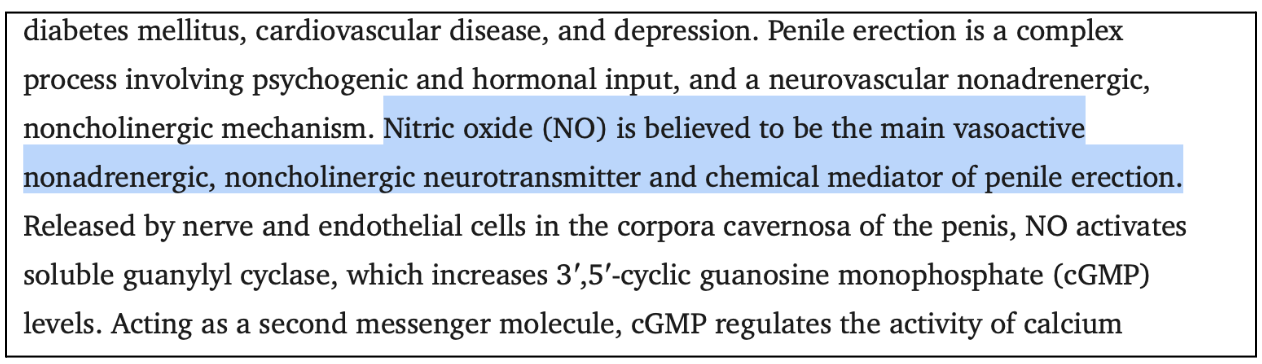
Nitric oxide also functions as a key signal in reproductive tissues by regulating blood flow and tissue responsiveness. Sexual health, for both men and women, relies on the same vascular principles.
Nitric oxide mediates smooth muscle relaxation in genital tissue, enabling arousal through improved blood flow. Again, nitric oxide does not create the stimulus. It allows the system to respond appropriately when the stimulus is present.
This mechanism is well documented in urological and endocrinological research and explains why impaired nitric oxide signaling often shows up as low libido long before overt disease.
Source: Burnett A. L. (2006). The role of nitric oxide in erectile dysfunction: implications for medical therapy. Journal of clinical hypertension (Greenwich, Conn.), 8(12 Suppl 4), 53–62. https://doi.org/10.1111/j.1524-6175.2006.06026.x
So How Much Should Someone Consume?
Since nitric oxide itself has no RDA, we look at dietary nitrates and precursor amino acids instead, from food, not pills.
Daily Nitrate Intake
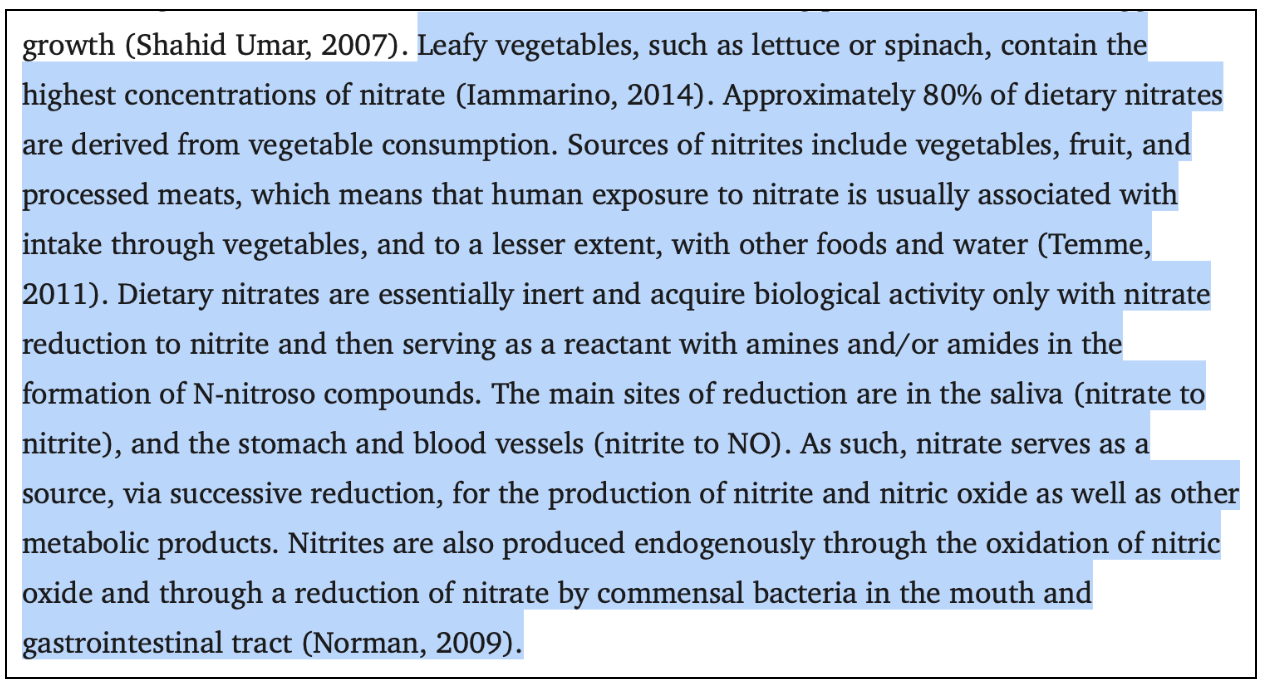
Population studies suggest that traditional foods rich in vegetables provide roughly 200–400 mg of nitrates per day, primarily from vegetables
This is not a target to chase, but a reference to understand why vegetable-rich foods consistently outperform supplement-heavy ones.
Source: Brkić, D., Bošnir, J., Bevardi, M., Bošković, A. G., Miloš, S., Lasić, D., Krivohlavek, A., Racz, A., Ćuić, A. M., & Trstenjak, N. U. (2017). NITRATE IN LEAFY GREEN VEGETABLES AND ESTIMATED INTAKE. African journal of traditional, complementary, and alternative medicines : AJTCAM, 14(3), 31–41. https://doi.org/10.21010/ajtcam.v14i3.4
Nitric Oxide Foods: Supporting the Signal Naturally
Nitric oxide–rich foods provide dietary nitrates that act as precursors, supporting nitric oxide availability when combined with:
- Good oral microbiome health
- Regular movement
- Stable blood sugar
- Low oxidative stress
Nitric Oxide Rich Foods That Support This Pathway
Certain foods naturally contain nitrates, polyphenols, antioxidants, and amino acid precursors that enhance nitric oxide availability while protecting it from oxidative breakdown.

Image Credits: Freepik
Key nitric oxide rich foods include:
- Beetroot: One of the most extensively studied foods for nitric oxide support. Beetroot improves endothelial function, oxygen efficiency, and vascular responsiveness due to its high nitrate content.
- Leafy greens such as spinach, arugula, kale, and lettuce: These vegetables provide natural nitrates along with magnesium and antioxidants that stabilise nitric oxide signaling. Light cooking preserves benefits while improving mineral absorption.
- Cabbage and radish: Members of the cruciferous family that support nitric oxide production while also enhancing cleansing pathways, reducing oxidative stress that degrades nitric oxide.
- Garlic (raw or lightly steamed): Garlic supports nitric oxide by increasing hydrogen sulfide signaling, which works synergistically with nitric oxide to improve vascular flexibility.
- Citrus fruits such as oranges, lemons, and limes: Rich in vitamin C and flavonoids, these fruits protect nitric oxide from oxidative damage and improve endothelial nitric oxide synthase activity.
- Walnuts and pistachios: These nuts provide arginine, polyphenols, and healthy fats that support nitric oxide synthesis and vascular integrity.
- Dark chocolate (80 percent or higher cacao): Cocoa flavanols increase nitric oxide bioavailability and improve blood flow.
- Watermelon and pomegranate: Rich in L-citrulline and polyphenols, these fruits enhance arginine recycling and nitric oxide production while supporting mitochondrial health.
Note: The foods listed in this section are shared for educational purposes to highlight naturally occurring nutrients that support nitric oxide pathways. Individuals with known food allergies, sensitivities, intolerances, or medical conditions should avoid any foods that trigger adverse reactions and consult a qualified healthcare professional before including them in their plate. Always personalise food choices based on your body’s responses, medical history, and professional guidance.
Healthy Lifestyle: The Silent Multipliers
Food initiates the signal. Lifestyle determines its strength.
Nitric oxide benefits multiply when food inputs are supported by the right physiological environment.
- Movement including walking increases shear stress on blood vessels, directly stimulating endothelial nitric oxide release.
- Resistance training improves endothelial sensitivity, enhancing nitric oxide signaling without exhausting the system.
- Deep, uninterrupted sleep restores nitric oxide pathways, reducing oxidative stress and improving enzyme efficiency.
- Stress regulation prevents chronic vasoconstriction, preserving nitric oxide availability and function.
The key principle is consistency, not intensity. Nitric oxide responds best to daily alignment rather than occasional extremes.
Humming, Breath, and the Forgotten Pathway
One of the most overlooked nitric oxide activators requires no food at all.
Humming. Chanting. Slow nasal breathing.

Image Credits: Freepik
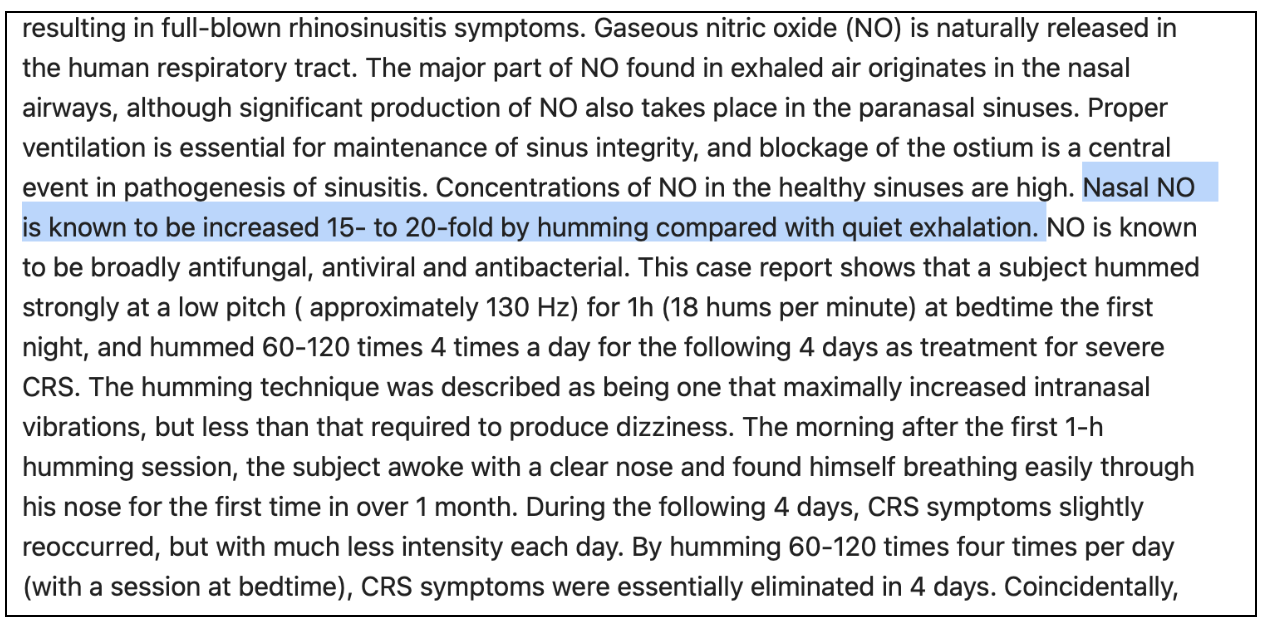
Research shows nasal nitric oxide production can increase 15–20 times during humming due to vibrational stimulation of the sinuses.
This is why practices like:
- Bhramari pranayama
- Om chanting
- Simple humming
Source: Eby GA. Strong humming for one hour daily to terminate chronic rhinosinusitis in four days: a case report and hypothesis for action by stimulation of endogenous nasal nitric oxide production. Med Hypotheses. 2006;66(4):851-4. doi: 10.1016/j.mehy.2005.11.035. Epub 2006 Jan 10. PMID: 16406689.
Why Supplements Often Fail Where Food Works
Many people take L-arginine, L-citrulline, NMN (Nicotinamide Mononucleotide), NAD (Nicotinamide Adenine Dinucleotide) boosters and see little change.
Why?
Because nitric oxide production depends on:
- Healthy endothelium
- Stable blood sugar
- Low oxidative stress
- Adequate sleep
- Parasympathetic (calm) nervous system tone
Without these foundations, supplements circulate, but signals don’t land.
What Weakens Nitric Oxide Production
Nitric oxide deficiency is rarely about lack, it is about disruption.
Below are the lifestyle choices that can hamper the nitric oxide production:.
1. Aging Without Lifestyle Support
Aging itself does not shut down nitric oxide production. Poor adaptation to aging does.
With age, endothelial nitric oxide synthase (eNOS) activity declines primarily due to increased oxidative stress, mitochondrial inefficiency, and reduced antioxidant defense. This leads to nitric oxide being rapidly neutralized before it can act.
What accelerates this decline is not age alone, but the absence of:
- Regular movement
- Adequate sleep
- Nitric oxide–supportive nutrition
2. Fluctuating Blood Sugar and Insulin Resistance
One of the most underappreciated disruptors of nitric oxide signaling is unstable blood glucose.
Repeated glucose spikes increase oxidative stress and impair eNOS function. High insulin levels further reduce nitric oxide bioavailability by promoting endothelial inflammation.
Over time, this results in:
- Reduced vascular responsiveness
- Impaired microcirculation
- Diminished nitric oxide benefits despite adequate production
3. Poor Sleep and Circadian Disruption
Nitric oxide production follows circadian rhythms. Sleep deprivation and irregular sleep-wake cycles blunt this rhythm.
Inadequate sleep increases cortisol and sympathetic nervous system activity, both of which suppress nitric oxide synthesis. Poor sleep also elevates inflammatory markers that degrade nitric oxide once produced.

Image Credits: Freepik
4. Chronic Stress and Sympathetic Overdrive
Nitric oxide thrives in a parasympathetic state. Chronic stress does the opposite.
Prolonged stress exposure elevates cortisol and catecholamines, leading to:
- Endothelial constriction
- Reduced nitric oxide release
- Increased oxidative degradation of nitric oxide
5. Sedentary Living and Loss of Shear Stress
Movement is a primary stimulus for nitric oxide production.
Blood flow across vessel walls creates shear stress, which directly activates eNOS. When movement is absent, this signal disappears. Even short periods of inactivity reduce nitric oxide availability and endothelial responsiveness.
6. Excess Ultra-Processed Food and Oxidative Load
Ultra-processed foods increase oxidative stress, inflammation, and glycation, three forces that rapidly neutralize nitric oxide.
Foods low in polyphenols and antioxidants reduce nitric oxide stability.

Image Credits: Freepik
7. Antiseptic Mouthwashes and Microbiome Disruption
One of the most overlooked disruptors of nitric oxide production sits in the bathroom cabinet.
Dietary nitrates must be converted into nitrites by beneficial oral bacteria before becoming nitric oxide. Antiseptic mouthwashes significantly reduce these bacteria, impairing the nitrate–nitrite–nitric oxide pathway.
The result is reduced nitric oxide availability, even with an otherwise healthy food rich in nitric oxide–rich foods.
Who Should Be Cautious?
Nitric oxide support is generally safe when food-based, but caution is important:
- People on blood pressure medication: Do not change medication without medical supervision. Lifestyle supports work with doctors, not against them.
- Those with kidney disease: Excessive potassium or nitrate supplements should be avoided without guidance.
- Individuals with active gut dysbiosis: Conversion of nitrates depends on oral and gut bacteria. Address gut health first.
- Overuse of antiseptic mouthwashes: These destroy beneficial bacteria required for nitric oxide conversion.
Why the Most Powerful Medicine Can’t Be Monetised
The most effective levers of health are not products. They are practices. And they work precisely because they cannot be packaged, branded, or sold.
You cannot monetize walking, yet it restores circulation and reactivates the body’s natural signaling systems.
You cannot monetize sleep, yet it resets hormonal rhythms and repairs what no supplement can reach.
You cannot monetize breathing, yet it directly shapes nervous system balance and vascular health.
You cannot monetize emotional regulation, yet it determines whether the body remains in repair or survival.
These are not ‘lifestyle add-ons.’ They are biological requirements. When they are present, the body does what it was designed to do; restore flow, conserve energy, and maintain resilience. When they are missing, no intervention, however advanced, can fully compensate.
Health does not improve because we try harder. It improves when we align better.
And nitric oxide is not the goal, it is the response.
When foundations are respected, the body remembers.
Be educated, not influenced.
If this resonated with you, then watch more here.
Disclaimer: The information shared in this blog is for educational and awareness purposes only. It is not intended to diagnose, treat, cure, or prevent any medical condition, nor should it be considered a substitute for professional medical advice, diagnosis, or care. Individual responses to foods, lifestyle practices, and nutritional strategies may vary based on age, genetics, existing health conditions, and medications.
Always consult a qualified healthcare professional before making changes to your food habits, exercise routine, supplementation, or lifestyle—, especially if you are pregnant, nursing, have a medical condition, or are currently under medical treatment.
Want personalized guidance on nutrition and related issues?
We help you find a way.
Set up a one-on-one consultation with our foundational team or explore our Wellness Programs to optimize your lifestyle goals.
Reach out to us at 1800 102 0253 or write to us at [email protected].