No products in the cart.
Are you someone whose parents often remind you of the thick, lustrous hair you were born with, yet today, no matter how many premium shampoos, conditioners, or serums you try, your hair feels thinner with every wash?
You are not alone.
Hair thinning is a growing concern across all age groups, and it often leaves people feeling frustrated, helpless, and even judged.
Think of your hair as a delicate fabric. When the threads begin to weaken or loosen, the entire cloth loses its strength and texture.
Similarly, when hair starts thinning, it is rarely about surface-level issues, it is usually a signal of deeper imbalances within the body.
Let’s understand the hair growth cycle to get an idea of what hair thinning is and why it happens.
The Hair Growth Cycle
If you’ve ever wondered why some days your hair feels fuller and other times thinner, the answer lies in a rhythm called the hair growth cycle. Just like nature has seasons, your hair, too, moves through its own cycle of growth, rest, and renewal.
- Anagen – The Growth Phase
This is the active phase where your hair is growing longer and stronger. At any given time, about 85–90% of your hair is in this stage, which can last anywhere from 2 to 7 years. The longer your hair stays in anagen, the longer it can grow. Nutrition, sleep, and overall health play a big role in how strong this phase is. - Catagen – The Transition Phase
Think of this as the ‘wind-down.’ Lasting only about 2–3 weeks, the follicle detaches from its blood supply, preparing for rest. Only a small percentage of hair is in this stage at once. - Telogen – The Resting Phase
Here, the hair isn’t actively growing. It simply rests for about 3–4 months before shedding. Around 10–15% of your hair is in this stage at any given time, which is why seeing some strands fall daily is completely normal. - Exogen – The Shedding Phase
This is the final step, where old hairs naturally fall to make way for new growth. You might notice this during brushing or washing. Losing 50–100 strands a day is part of this cycle and not a cause for alarm.
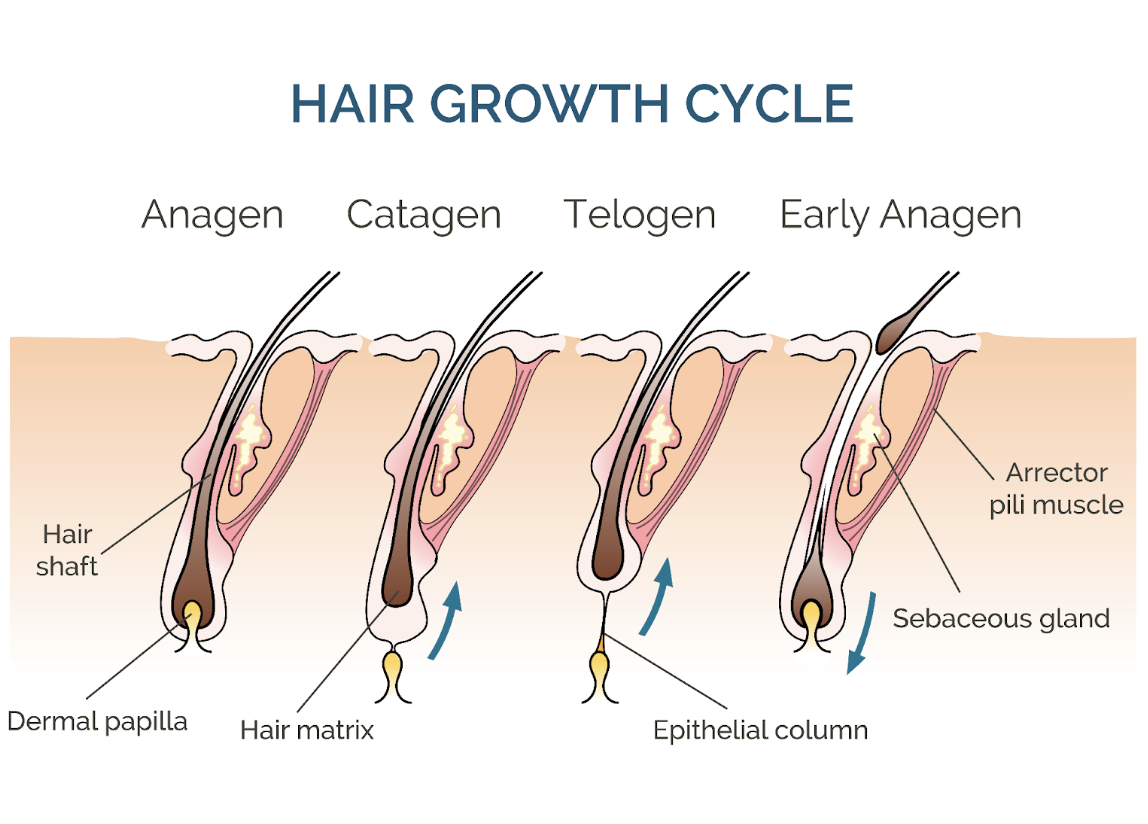
Image Credits: Freepik
When this cycle is disrupted, more hairs than usual can shift into the resting or shedding stages, making thinning more noticeable.
What is Hair Thinning?
Hair thinning is not simply about a few strands on your pillow or in the shower drain; it is the progressive reduction in the thickness, strength, and density of hair over time.
In clinical terms, it reflects a shift in the hair growth cycle, where follicles gradually produce finer, weaker strands, or where the shedding phase outpaces new growth. Unlike sudden hair fall, which can be triggered by acute illness, medications, or seasonal shedding, thinning is a more subtle, long-term process that affects the overall volume and texture of your hair.
It is also important to understand that hair thinning is not the same as complete baldness. Baldness, especially in men, often follows a predictable pattern influenced by genetics and hormones. Thinning, on the other hand, can occur diffusely, across the scalp, and is frequently seen in both men and women. Women, for instance, may notice widening of the part line or reduced ponytail volume, while men often experience a gradual reduction around the crown or hairline.
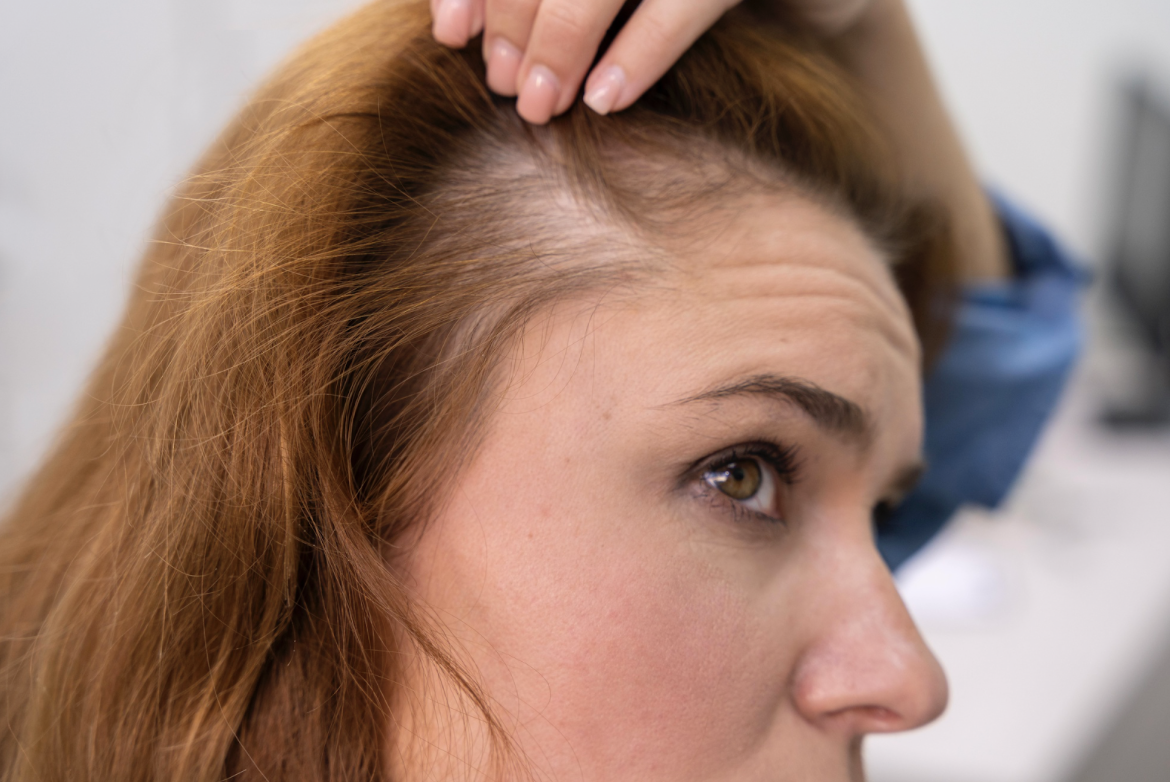
Image Credits: Freepik
It’s easy to think of thinning hair as just a cosmetic issue, but in reality, your hair is a powerful biomarker of overall health. Every strand on your head carries information about your body’s inner environment.
Common Causes of Hair Thinning
When hair starts losing its density, many people instinctively blame age or genetics. While these do play a role, science shows us that most hair thinning causes are far more complex and often influenced by daily lifestyle, environment, and internal health.
Let’s break it down into what you can influence and what lies outside of control:
Modifiable Causes
- Seasonal Changes: Have you noticed how hair seems to shed more in certain months? Seasonal variations affect the hair cycle, with increased shedding often seen in late summer and autumn due to synchronization of follicles entering the resting (telogen) phase. Winter brings its own challenges, dry air and lower humidity levels weaken the scalp barrier, making strands brittle and more prone to breakage. Similarly, monsoons create a damp environment that favors scalp infections, which can accelerate thinning.
2. Nutritional Deficiencies: Hair is primarily composed of keratin, a protein. Without adequate protein intake, follicles produce weaker strands. Deficiencies in iron, zinc, Vitamin D, Vitamin B12, and biotin are strongly associated with diffuse thinning and slower regrowth. Interestingly, nutrition is not just about what you eat but also what you absorb. Conditions such as irritable bowel syndrome (IBS), leaky gut, or low stomach acid can impair nutrient absorption, leaving hair undernourished despite a balanced nutrition.
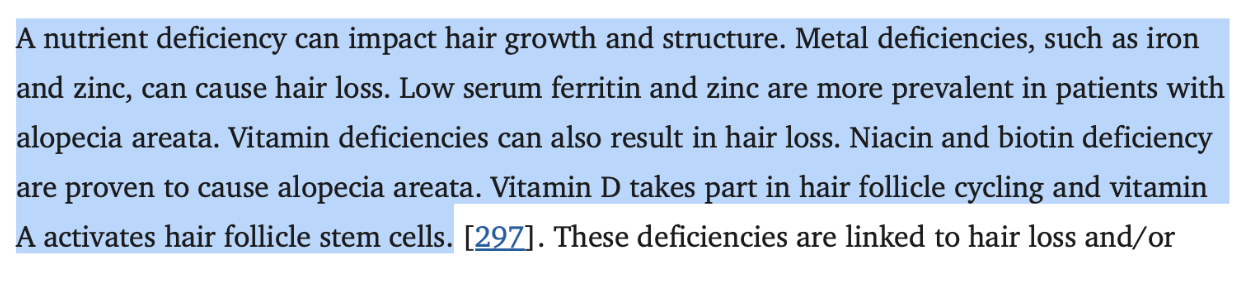
Source: De Pessemier, B., Grine, L., Debaere, M., Maes, A., Paetzold, B., & Callewaert, C. (2021). Gut-Skin Axis: Current Knowledge of the Interrelationship between Microbial Dysbiosis and Skin Conditions. Microorganisms, 9(2), 353. https://doi.org/10.3390/microorganisms9020353
3. Poor Eating and Sleeping Habits: Your body’s repair and regeneration processes follow circadian rhythms. Skipping meals or eating at erratic times disrupts metabolic balance, leading to reduced nutrient delivery to follicles. Likewise, insufficient deep sleep lowers growth hormone secretion, which is essential for tissue repair, including hair follicle regeneration. Over time, poor lifestyle habits create a cumulative effect that weakens both scalp and hair.
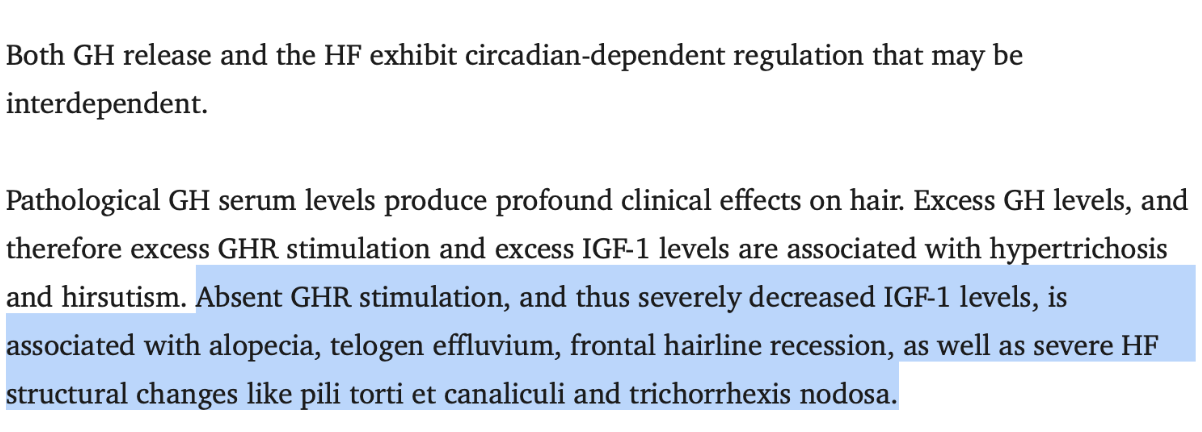
Source: Horesh, E. J., Chéret, J., & Paus, R. (2021). Growth Hormone and the Human Hair Follicle. International journal of molecular sciences, 22(24), 13205. https://doi.org/10.3390/ijms222413205
4. Stress Connection: Chronic stress is one of the most underestimated hair thinning causes. Elevated cortisol disrupts normal hair cycling and can trigger telogen effluvium, a condition where follicles prematurely shift into the shedding phase. Stress also promotes low-grade inflammation at the follicular level, impairing the microcirculation that nourishes hair roots. Many people first notice increased shedding after a major stressful event, a reminder of how closely the mind and body are intertwined.
5. Hormonal Factors: Hormones have a significant effect on hair health. Dihydrotestosterone (DHT), a derivative of testosterone, is particularly significant because it shortens the growth phase and miniaturizes follicles in genetically predisposed individuals. Men typically experience thinning at the temples and crown, while women often report diffuse thinning and widening of the central part, especially around menopause or in conditions like polycystic ovarian syndrome (PCOS).
6. Scalp Health and Gut Connection: Your scalp is not just skin, it is a living ecosystem. An unhealthy gut can disrupt immune balance, trigger systemic inflammation, and even influence the scalp microbiome. Dysbiosis in the gut may contribute to inflammatory scalp conditions such as dandruff and seborrheic dermatitis, both of which weaken follicles and accelerate thinning.
7. Lifestyle Triggers: External practices also play a role. Frequent heat styling, harsh chemical treatments, and sulfate-laden shampoos strip natural oils and weaken hair shafts. Smoking reduces blood circulation to the scalp, depriving follicles of oxygen and nutrients, while excessive alcohol intake disrupts hormonal and nutritional balance. Even mild dehydration affects scalp hydration and hair elasticity.
Non-Modifiable Causes
- Genetics: Androgenetic alopecia, commonly known as male or female pattern hair loss, is strongly inherited. Genetic sensitivity to DHT makes follicles progressively smaller over time, resulting in finer and shorter hair.
- Ageing: With age, the length of the anagen (growth) phase naturally shortens. Follicles spend more time in resting or shedding phases, leading to gradual thinning even in the absence of disease.
- Medical Conditions: Certain conditions, including autoimmune disorders like alopecia areata, thyroid dysfunction, and PCOS, directly affect follicle activity. These conditions alter hormonal or immune pathways, making thinning inevitable unless the underlying disorder is managed.
Risk Factors for Hair Thinning
While causes explain why thinning occurs, risk factors reveal who is more likely to experience it and under what circumstances. Understanding these makes it easier to prevent or slow down progression by taking proactive steps:
- Family History and Genetic Predisposition: If hair thinning runs in your family, the likelihood of experiencing it increases significantly. Even though genetic predisposition is non-modifiable, identifying this risk early allows one to make protective lifestyle choices. such as nutrition optimization and stress management, to delay onset and minimize severity.
- Hormonal Transitions in Life Stages: Major hormonal milestones, such as puberty, postpartum recovery, perimenopause, and menopause, are critical periods when women may notice significant changes in hair density. These transitions alter estrogen and progesterone balance, which normally help keep follicles in the growth phase. Men, too, face risk during periods of fluctuating androgen activity.
- Chronic Illness Burden: People living with long-standing conditions like diabetes, cardiovascular disease, or autoimmune disorders often face accelerated hair thinning due to systemic inflammation and impaired circulation. While these conditions may not directly cause hair loss, they create an internal environment where follicles are more vulnerable.
- Environmental Exposures: Urban living comes with hidden risks. Airborne pollutants, heavy metals in water, and chronic sun exposure generate oxidative stress at the follicular level. Pollutants such as polycyclic aromatic hydrocarbons (PAHs) are a silent but significant factor in hair thinning. These are toxic compounds released when fuels like petrol, diesel, coal, and even wood are burned. They are abundant in vehicle exhaust, industrial emissions, cigarette smoke, and even the fumes from roadside cooking or open burning of waste. Once released into the atmosphere, PAHs settle on our scalp and skin, generating oxidative stress that damages the follicle environment.
- Psychological and Emotional Health: Stress is often cited as a cause, but mental health itself is a powerful risk factor. Individuals with chronic anxiety, depression, or post-traumatic stress disorder show a higher incidence of hair thinning. This is not only because of stress hormones but also due to disrupted self-care behaviors, like irregular eating, poor sleep, and neglect of scalp health.
- Medication-Linked Risk: Certain medications, such as long-term anticoagulants, retinoids, mood stabilizers, and chemotherapy agents, place individuals at higher risk of thinning. These drugs influence either the hair cycle directly or nutrient absorption indirectly.
- Nutritional Lifestyle Patterns: While deficiencies are causes, restrictive lifestyle patterns can act as risk amplifiers. Strict fad food choices, veganism without proper supplementation, or chronic under-eating significantly raise the risk of thinning over time. This is particularly relevant in younger populations following unbalanced food trends without medical guidance.
Are Male and Female Hair Thinning the Same?
Hair thinning does not present in the same way for men and women. Recognizing these distinctions helps to identify the right cause and create effective solutions.
| Parameter | Men | Women |
| Common Pattern | Receding hairline and thinning around the crown. | Diffuse thinning, widening of the parting, or overall reduction in density. |
| Primary Hair Thinning Cause | Androgenetic alopecia (male pattern baldness), strongly linked to Dihydrotestosterone (DHT) shrinking hair follicles. | Multifactorial: hormonal fluctuations from menopause, PCOS, thyroid imbalances, or postpartum changes. |
| Progression | Follicles gradually shrink, producing thinner, shorter strands until growth stops. | More even thinning across the scalp rather than localized bald patches. |
| Prevalence | Up to 80% of men experience some degree of androgenetic alopecia by age 70. | Nearly 40% of women notice thinning by age 50, with risk increasing post-menopause due to declining estrogen. |
| Underlying Biology | Dominantly driven by excess DHT and follicle sensitivity. | Interplay of hormones, stress, systemic health, and nutrient balance. |
The key insight is that while DHT remains the primary driver of male hair thinning, female thinning is usually the result of a multifactorial balance of hormones, stress, and overall health rather than a single trigger.
Natural Solutions & Home Remedies for Hair Thinning
When it comes to addressing hair concerns, many of us rush to products, serums, or salon treatments.
Yet, the truth is, the most effective home remedies for hair thinning are grounded in science and tradition. Hair, after all, is not just a cosmetic feature, it is an extension of our overall health.
Supporting it naturally requires a blend of the right nutrition, scalp care, and lifestyle choices.
Let’s check the three powerful ways of hair care:
1. Nutrition First – Food for Hair Thinning
Every strand of hair is made up of protein (keratin), and without adequate nutrition, even the strongest follicles weaken. Micronutrient deficiencies are strongly linked to hair thinning cause across age groups. This is why focusing on food for hair thinning is the most sustainable first step.
- Protein-rich foods like eggs, fish, lentils, and nuts provide the essential amino acids needed for keratin production. Remember, chronic low protein intake can directly contribute to reduced hair density.
- Iron-rich sources such as spinach, beetroot, and dates are critical because iron deficiency is one of the most well-documented nutritional risk factors for hair shedding.
- Pairing iron with Vitamin C from citrus fruits, amla, or guava enhances absorption, ensuring that nutrients actually reach the follicle bed.
- Omega-3 fatty acids found in walnuts, flaxseeds, and fatty fish improve follicle membrane fluidity, supporting nutrient exchange. A randomized controlled trial in Journal of Cosmetic Dermatology found omega-3 supplementation significantly increased hair density and diameter.
That said, this does not mean one should skip professional guidance or start self-prescribing supplements. The right dose, form, and duration vary for each individual, and what benefits one person may not be suitable for another. Always consult a qualified healthcare provider before adding supplements to your routine.
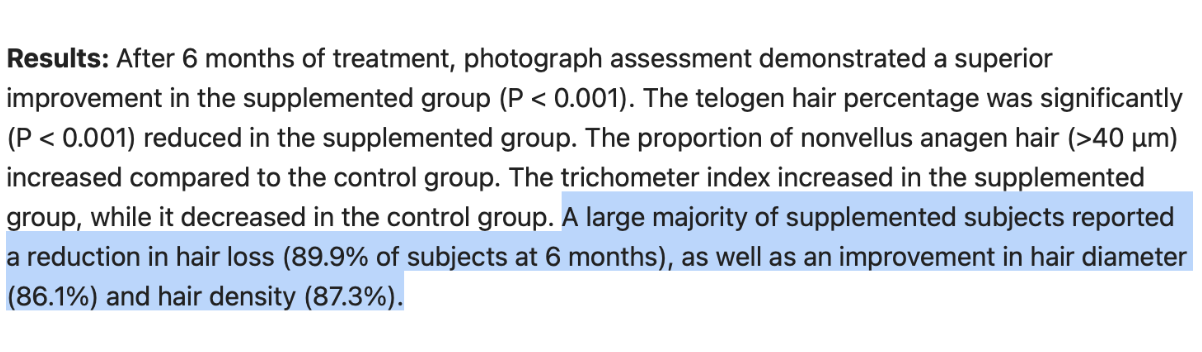
Source: Le Floc’h C, Cheniti A, Connétable S, Piccardi N, Vincenzi C, Tosti A. Effect of a nutritional supplement on hair loss in women. J Cosmet Dermatol. 2015 Mar;14(1):76-82. doi: 10.1111/jocd.12127. Epub 2015 Jan 8. PMID: 25573272.
- Zinc and biotin from pumpkin seeds, sunflower seeds, and eggs are indispensable for follicle enzyme function. Zinc deficiency, in particular, has been consistently associated with chronic telogen effluvium.
- Probiotics from curd, kefir, or fermented foods help restore gut health, which in turn improves nutrient absorption.
- And of course, hydration plays a vital role. Dehydrated cells cannot efficiently carry nutrients to the follicles. Alongside water, herbal teas such as hibiscus or nettle can support circulation and antioxidant balance.
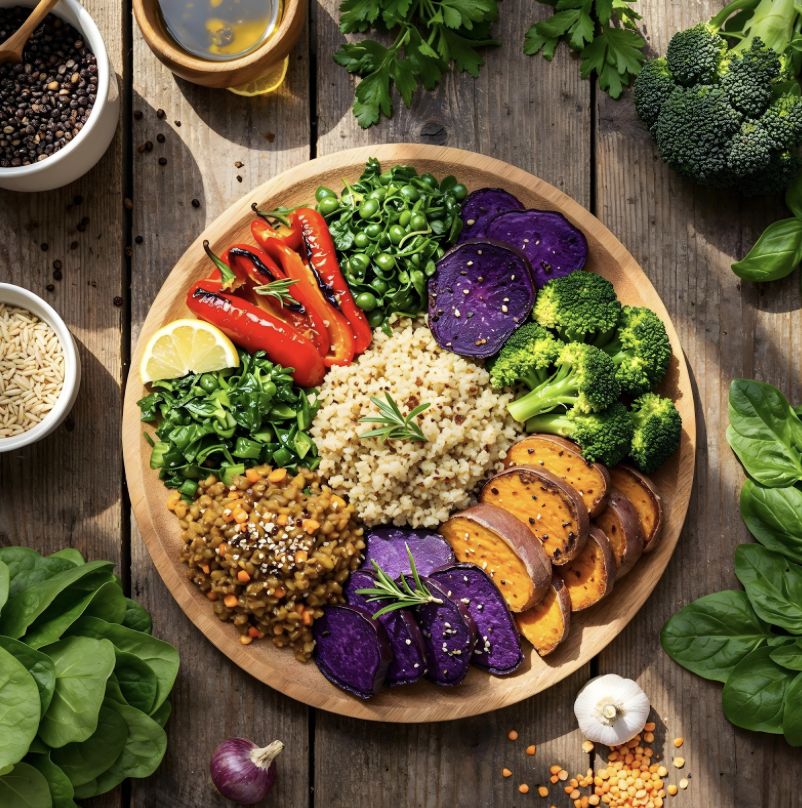
Image Credits: Freepik
2. Scalp Care at Home
While nutrition fuels the inside, the scalp provides the environment where follicles thrive. Neglecting scalp health is like planting seeds in poor soil, it weakens growth no matter how strong the roots are.
- Regular oil massage with coconut, sesame, or rosemary-infused oil improves microcirculation. A clinical trial reported that rosemary oil performed comparably to minoxidil in promoting new growth when used consistently.
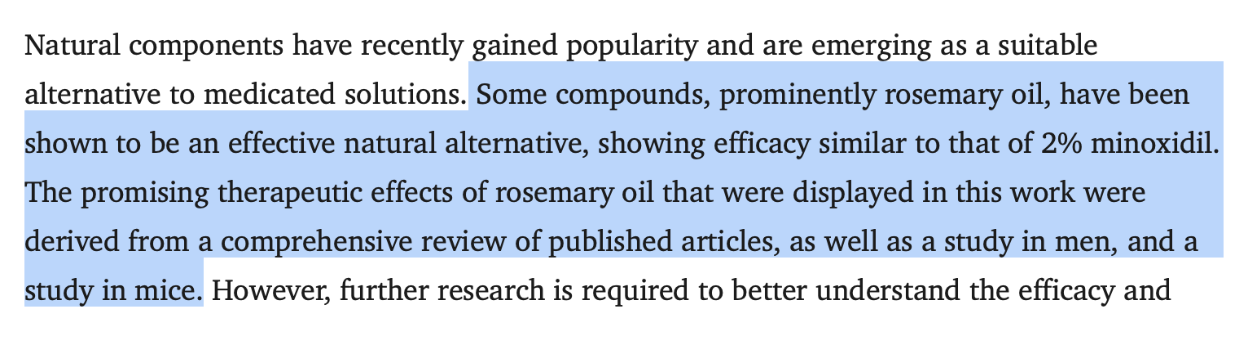
Source: Bin Rubaian, N. F., Alzamami, H. F. A., & Amir, B. A. (2024). An Overview of Commonly Used Natural Alternatives for the Treatment of Androgenetic Alopecia, with Special Emphasis on Rosemary Oil. Clinical, cosmetic and investigational dermatology, 17, 2495–2503. https://doi.org/10.2147/CCID.S470989
- Gentle cleansing helps remove excess sebum, dust, and environmental toxins without stripping the natural oils that protect follicles. Over-washing, on the other hand, disrupts the scalp barrier.
- Natural rinses like rice water or fenugreek-infused water supply inositol and phytoestrogens, which improve strand elasticity and reduce breakage.
- Aloe vera gel acts as a soothing agent, reducing local inflammation and balancing scalp pH.

Image Credits: Freepik
3. Lifestyle Remedies
Finally, let’s not forget the role of lifestyle. The way we live directly reflects on our scalp health and density.
- Stress management through meditation, yoga, or breathwork lowers cortisol spikes that interfere with the hair growth cycle.
- Prioritizing deep sleep (7–8 hours) is essential because growth hormone, secreted during slow-wave sleep, supports cellular repair and regeneration, including follicle activity.
- Limiting chemical and heat exposure prevents cumulative damage that accelerates thinning. Straighteners, dyes, and chemical relaxers alter protein bonds, making strands more brittle.
- Even a weekly head massage doubles up as both a relaxation and a circulation booster, stimulating nerve endings around the follicles and improving local blood flow.

Image Credits: Freepik
A Gentle Reminder: When it comes to home remedies for hair thinning, there is no magic formula or one-size-fits-all solution. What works wonders for one person may not have the same impact on another, because the hair thinning cause can vary widely, from nutrient deficiencies and hormonal shifts to stress or genetic predisposition.
There is no overnight miracle for thinning hair. But when you combine the right food for hair thinning, simple home remedies for hair thinning, and consistent lifestyle shifts, the results can be significant over time. Just like a tree nourished with the right soil, water, and sunlight, your hair, too, can regain its strength and resilience when given the right environment.
So approach this journey with patience and curiosity. Experiment gently, notice how your body responds, and remember that progress may be gradual. Your hair, much like your health, is a reflection of consistency, balance, and self-care.
Listening to What Your Hair is Telling You
Hair thinning is not merely about appearance, it is a story your body is trying to tell. Each strand reflects the nourishment you provide, the stress you carry, the sleep you prioritize, and the balance within your hormones and gut. When you begin to see your hair as a living barometer of inner health, every step you take, whether it’s improving your nutrition, nurturing your scalp, or calming your mind, becomes part of a larger journey toward wellness.
Instead of chasing quick fixes or covering up symptoms, pause and listen. Your body always whispers before it shouts, and hair is one of its gentlest messengers. Honor those signs with patience and consistent care, and you may find that in the process of restoring your hair, you also restore deeper balance in your life.
If this resonated with you, watch:
Disclaimer: The information shared in this blog is intended for educational and lifestyle awareness purposes only. It is NOT a substitute for medical advice, diagnosis, or treatment. Hair thinning can arise from multiple underlying causes, including medical conditions that require professional evaluation. Always consult a qualified healthcare provider before making significant changes to your food habits, supplements, or hair care routine.
Seeking a holistic, integrative approach to your health?
Our team is here to guide you every step of the way.
Book a one-on-one consultation with our integrative experts and take a proactive step toward your lifestyle and wellness goals.
Call us on 1800 102 0253 or email [email protected].