No products in the cart.
Every Indian summer came with a scent. Not sunscreen, not chlorine—mangoes. I still remember those evenings from my childhood: the first crate of mangoes would arrive at home, swaddled in straw, their aroma sweeter than any perfume. My siblings and I would hover around the kitchen, waiting for our turn to devour the first slice. No one asked about calories or mango nutrition facts back then.
Mangoes were a joy, a celebration, and a reward.
We’d sit with sticky fingers, juice trickling down our wrists—this is what summer should taste like.
And now? The same fruit is met with suspicion.
“Will it make me gain weight?”
“Isn’t it bad for my sugar levels?”
“Doesn’t it cause heat in the body?”
We don’t ask those questions when reaching for ultra-processed snacks, sugary drinks, or endless supplements promising miracles. But we doubt a fruit that’s been growing on our land, feeding our families for generations.
Let’s get this straight—the mango isn’t the enemy. It’s not the fruit, it’s how to eat mangoes that people often miss. How many you eat, how you pair it, the time of day—it all matters. That’s where the best of mango health benefits lie. And more importantly, your lifestyle matters. Your movement, your sleep, your stress, your portions.
So let’s flip the script. Instead of fearing the mango, let’s learn how to enjoy it—mindfully, joyfully, and in a way that supports your body, not burdens it.
The Beauty of Mangoes: Varieties, Seasonality, and Regional Wisdom
India is home to over 500 varieties of mangoes—each with its own personality, flavour, texture, and timing. This golden fruit isn’t just seasonal; it’s deeply regional. While most states see a flourishing mango season between April and July, certain varieties like Totapuri and Raspuri in the South or Badami and Langda in some parts of the North extend into August, and hybrid breeds like Sindhura and Safeda are even found in select markets nearly all year round (though not always in peak quality).
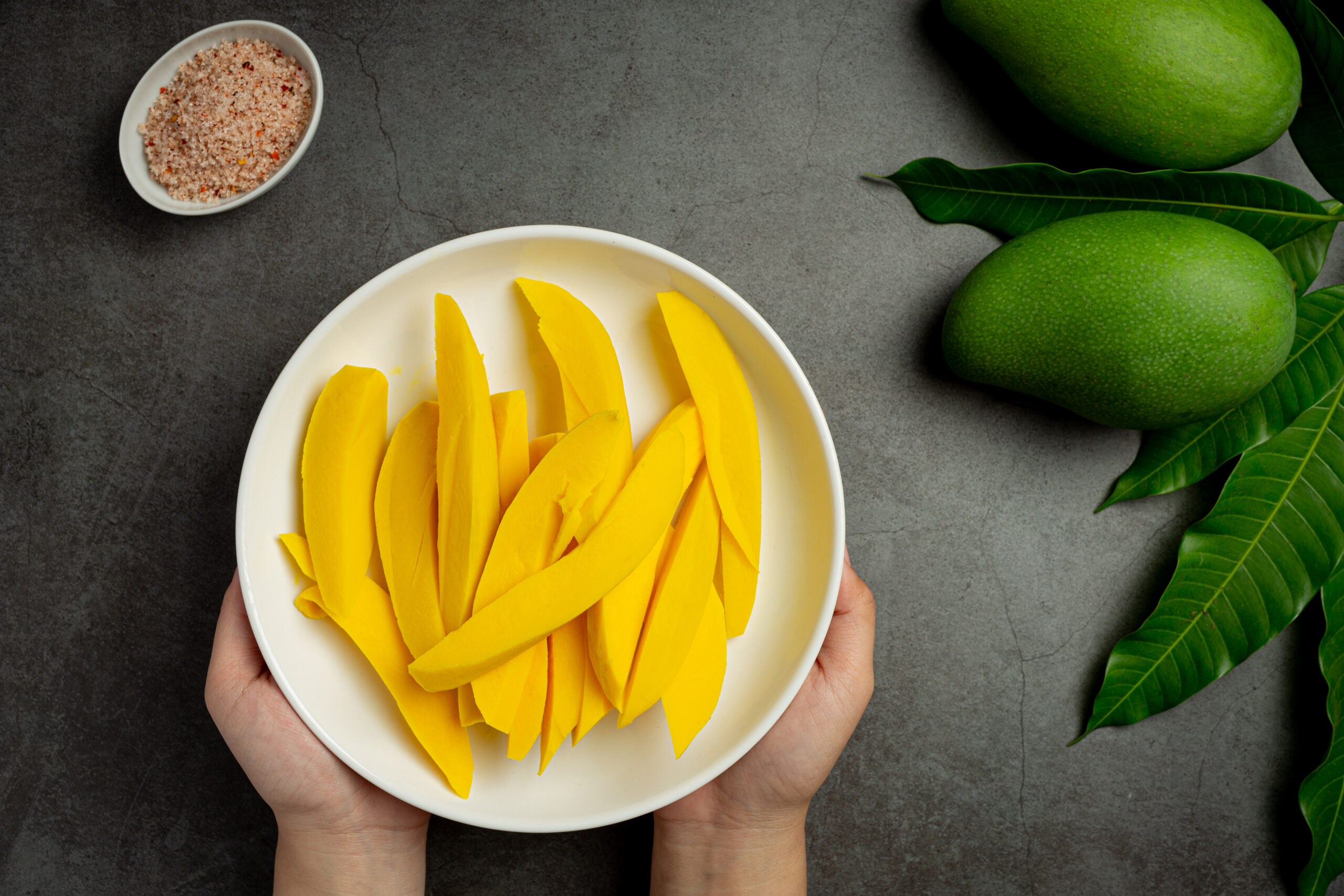
Image by Freepik
Some well-loved and commonly found varieties include:
- Alphonso (Hapus) – Maharashtra
- Kesar – Gujarat
- Langda – Uttar Pradesh & Bihar
- Dasheri – North India
- Banganapalli – Andhra Pradesh
- Himsagar – West Bengal
- Totapuri – South India
- Malgova – Tamil Nadu
- Imam Pasand – Andhra/Tamil Nadu
- Neelum – Pan-India
Then there are the lesser-known and exotic gems like the black mango (Kala Amba) from Maharashtra, Fernandina from Goa, or Gulab Khaas with its floral aroma.Eating mangoes mindfully also means celebrating their origin—sourced close to home, eaten in season, and savoured with presence. And when you do that, you’re not just enjoying flavour—you’re tapping into powerful mango nutrition. The vitamins in mangoes play an important role in immunity, vision, and skin repair.Curious to know what the king of fruits brings to the table in terms of nutrition? Let’s find out.
Mango Nutrition 101: What’s Inside This Golden Fruit
If you’ve ever enjoyed a mango straight from a tree, warm from the sun, you’ve tasted more than just fruit—you’ve tasted memory, culture, and nourishment. But beyond its sweetness, this golden fruit is packed with nutrients that serve your body well—when eaten the right way.
- Vitamin C: A single mango can meet up to 70–80% of your daily Vitamin C needs, supporting your immune system, skin repair, and even wound healing. It’s especially important for children, seniors, and anyone recovering from illness.
- Vitamin A: Known for its role in supporting eye health, Vitamin A also contributes to hormonal balance and immunity. It’s one reason mangoes are excellent for growing children and adults alike.
- Folate (Vitamin B9): This B-vitamin is critical for healthy cell division and red blood cell formation. For children, teens, and pregnant women, folate-rich foods like mango can make a meaningful difference.
- Potassium: Mangoes offer a natural source of potassium, which helps regulate blood pressure, balance fluids, and support heart function—especially important during the dehydrating summer heat.
- Mangiferin: This lesser-known compound is what makes mangoes truly unique. Mangiferin is a powerful polyphenol with anti-inflammatory and insulin-sensitising properties. In simple terms, it helps your body use sugar more efficiently, making mangoes a surprisingly smart choice—even for people managing blood sugar, when eaten in moderation.
- Fiber: Rich in soluble fiber, mangoes support gut health by regulating digestion, reducing sugar spikes, and keeping you fuller longer.
- Flavonoids: Compounds like quercetin and gallic acid help reduce oxidative stress and inflammation—supporting your body’s natural healing response.

Image by Freepik
That’s a lot from just one seasonal fruit—and yet we demonize it. If you’re metabolically fit, one mango a day is a beautiful addition to your food plan. If you have blood sugar issues, you may still enjoy half or one mango—ideally paired with seeds, nuts, or curd to slow glucose absorption. Of course, if you have allergies, gut sensitivity, or a food intolerance, it’s always okay to skip it. Respect your body, and always keep your doctor in the loop.
How to Eat Mango for Health: Timing, Portion, and Pairing
Let’s get practical now—because the problem isn’t the mango, it’s how we eat it.
How to eat mangoes without spiking your blood sugar
One ripe mango contains roughly 80–120 calories, depending on the size and variety. If you’re metabolically fit, enjoying one mango a day is perfectly fine. But if you live with insulin resistance or diabetes, it’s wiser to begin with half a mango, paired wisely to support blood sugar stability.

Image by Freepik
Best time to eat mangoes for maximum benefits
The ideal time? Mid-morning or as a light afternoon snack. This is when your digestive fire is strong, and the body can utilize the fruit’s nutrients more efficiently. Avoid eating mangoes late at night, especially if you’re prone to blood sugar spikes or sluggish digestion.
Pair mango with smart fats or protein
Want to blunt the sugar spike? Pair your mango with a spoon of plain yogurt, handful of soaked almonds, or some pumpkin seeds. Avoid eating it right after a heavy meal, with desserts, or alongside refined carbs. You don’t need to mix sweet with sweeter.Always soak mangoes in water for 20–30 minutes or longer before eating. This traditional practice helps reduce their internal ‘heat’ and washes away anti-nutrients from the skin. Studies suggest that soaking may also reduce phytic acid and sap that can irritate the gut.Source: Gupta, R. K., Gangoliya, S. S., & Singh, N. K. (2013). Reduction of phytic acid and enhancement of bioavailable micronutrients in food grains. Journal of Food Science and Technology, 52(2), 676. https://doi.org/10.1007/s13197-013-0978-y
Quick note: Who should be careful?
If mangoes trigger acne, acid reflux, rashes, or excessive body heat, reduce your portion or consult a clinical expert. If you’re diabetic, time it right, portion it smartly, and always observe your blood sugar response.Eat it with joy—but eat it with awareness.Disclaimer: If you have a preexisting medical condition, always consult your doctor or clinical nutritionist before adding mango to your plate. Moderation is key—because even nature’s best foods need to be eaten with awareness and wisdom.
Carbide Check: How to Choose Safer Mangoes at Home
It’s not the mango we need to be afraid of—it’s the chemicals used to force them to ripen. One of the most commonly used culprits? Calcium carbide. It’s illegal in India, but still shows up in street-side and unregulated mango supplies. And yes, it’s a serious concern.Overconsumption can lead to:
- 🧠 Hormonal Imbalance
- 💥 Gut Inflammation
- ⚠️ Cellular toxicity
Why carbide-ripened mangoes are harmful
Calcium carbide reacts with water to release acetylene gas, which speeds up ripening unnaturally. Research shows this can cause gut inflammation, hormonal disturbances, and may impair cellular repair mechanisms. You’re not just eating fruit—you’re ingesting a chemical your body can’t process well.
4-step home test for safer mangoes
- Look: Avoid unnaturally bright, overly shiny mangoes or those with patchy dark spots.
- Feel: Gently press. Naturally ripened mangoes are slightly soft but not mushy.
- Float test: Drop your mango in water. If it sinks, it’s likely safe. If it floats, there’s a good chance it’s been ripened with carbide.
- Smell: A ripe mango should smell sweet and fruity. If there’s no aroma at all—it might be artificially ripened.
Tip: Buy from trusted sources, local farms, or organic suppliers when you can. And if you’re unsure, stick to soaking mangoes for 30 minutes before eating—it’s one more level of caution that’s simple and effective.
Here’s a table to help you run a quick check on your mangoes the next time you go shopping:
| Checkpoint | What to Look For – NATURAL ✅ | Red Flags – CARBIDE 🚫 |
| Color | Dull yellow with a greenish tinge | Bright yellow, artificially shiny |
| Texture | Slightly soft, even firmness | Overripe spots, mushy, or hard |
| Smell | Sweet, fruity aroma | No smell or chemical-like scent |
| Float Test | Sinks in water | Floats – less pulp, more air |
| Soak Test | Soak for 30 minutes to remove surface residues | Skip this? You risk pesticide exposure |
So, Can a Mango Make You Fat? How to Eat Mangoes Healthily
Every mango season, this question comes back like clockwork: Will this make me gain weight? And I’ll say it again—it’s not the mango, it’s the lifestyle around it.A ripe mango gives you about 80 to 120 calories, depending on size. It’s packed with vitamin A, vitamin C, folate, fiber, and potassium—that’s real mango nutrition, not empty calories. The problem is never in the mango itself, but in the context: are you eating it after two desserts? Late at night? Five at a time?
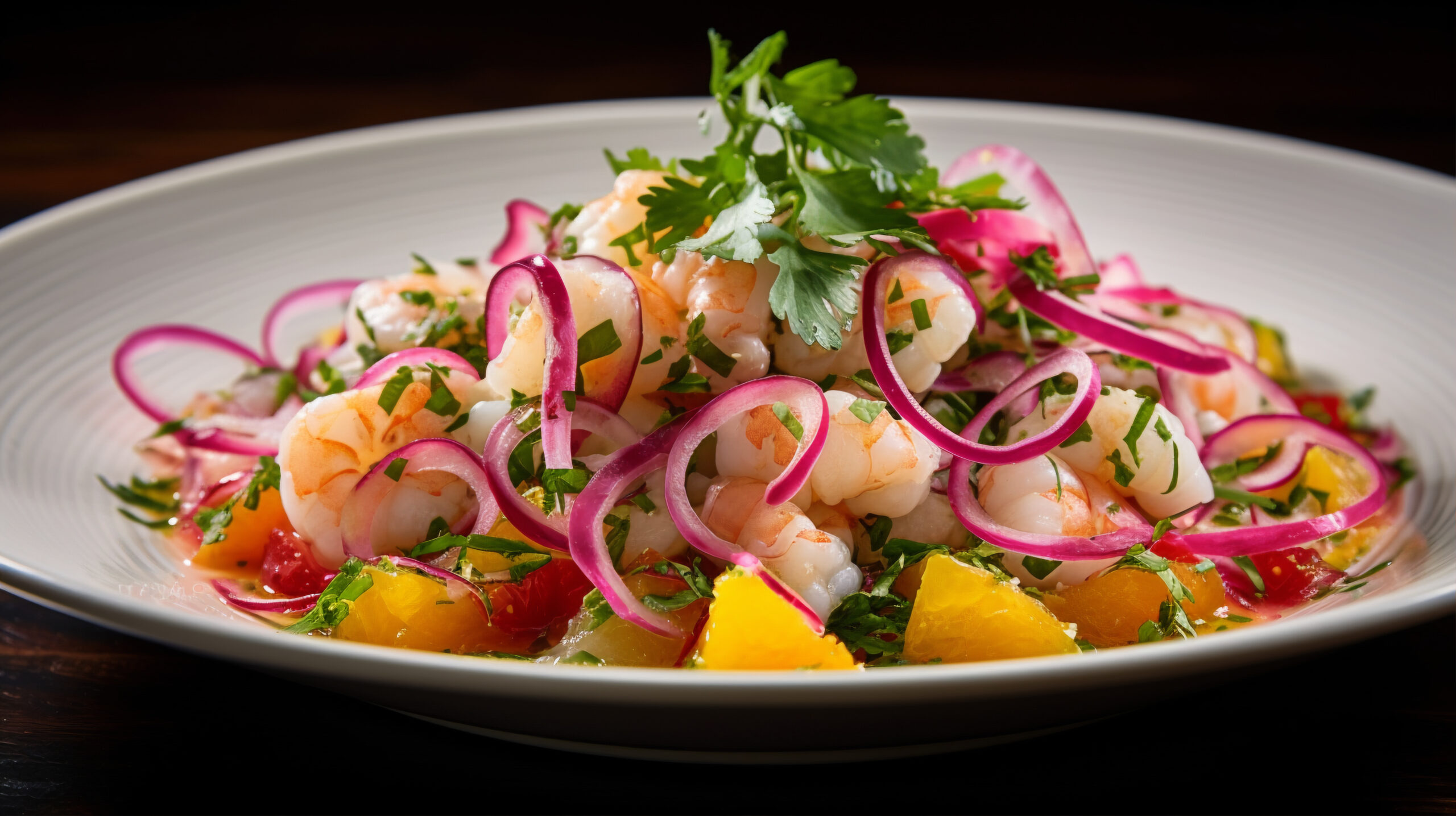
Image by Freepik
This is why understanding how to eat mango matters. If you’re metabolically fit, enjoy one a day. If you’re insulin-resistant, maybe start with half—paired with protein or fat, and eaten earlier in the day.
Don’t let fear dictate your choices. Mango health benefits are plenty, but only when it’s respected in portion and timing. Eating seasonally and locally is one of the most natural ways to support your body. Let’s stop blaming a fruit that nature intended to nourish us—and start getting real about the choices that actually move the needle.
How Mango Fits into a Healthy Lifestyle
Mango nutrition supports a balanced diet
When we look at food through the lens of fear, we lose its deeper purpose. Mango nutrition offers so much more than just natural sweetness—it fits beautifully into a well-rounded plate when we build a lifestyle that respects balance. For growing children, athletes, and anyone with high micronutrient needs, mangoes can be a powerful ally.From vitamin C for immunity and collagen to vitamin A for eye health, and fiber for the gut, mangoes offer diverse nourishment—especially when eaten in season, with wisdom.
The Small Wins Approach: One mango, one choice, better health
This is what I mean when I talk about small wins. One mango, enjoyed mindfully—at the right time, in the right portion, and paired with the right foods—can uplift energy, improve digestion, and even brighten mood. That’s the power of making one informed, intentional choice. Don’t eat with guilt. Eat with awareness. That’s where true mango health benefits begin.
Luke’s Way: How I Enjoy My Mangoes Mindfully
Growing up, mangoes were a ritual in our home—chilled slices post-lunch, juice dripping down our elbows, and zero guilt. Even now, I make it a point to enjoy this fruit consciously. Personally, I love pairing mangoes with good fats or quality protein to support better digestion and blood sugar balance. That’s the simple science behind how to eat mango right.Here are some of my go-to ways to enjoy mangoes:
- Mango Chia Pudding (Breakfast or Dessert):
Soak 2 tablespoons of chia seeds in ½ cup of coconut cream or A2 yoghurt overnight. add half a ripe mango (diced) with a teaspoon of brown jaggery or any natural sweetener. Mix and top with coconut slivers or soaked and chopped nuts of your preference. Chill and enjoy. - Classic Mango Shake (Post-lunch or Mid-morning):
Blend a cup of your favorite vegan milk (almond or oat) with a pinch of cardamom. Add a diced ripe mango and a few soaked nuts for better satiety and slower sugar release. - Ripe Mango Salad (Side dish or Main):
Toss sliced mango with avocado, fresh mint, lime juice, and Himalayan salt. This pairs beautifully with grilled salmon, tofu, or organic, ethically sourced, and hormone-free lean meats for a nourishing and delicious meal.

Image by Freepik
Now you have a variety of ways to celebrate the plethora of mango health benefits minus the anxiety!
Final Word: Live Fully, Choose Wisely
Seasonal fruits like mangoes aren’t temptations to be tamed — they’re opportunities to practice discipline with joy. When you make informed choices, you realize that health isn’t about restriction — it’s about rhythm.So, have the mango. But have it mindfully. Let it be a reminder that you can enjoy life’s sweetest offerings while still honoring your goals. Respect your body, understand your food, and allow nature’s bounty to fit beautifully into your lifestyle.
Watch the complete video here:
Craving mangoes but confused about how to fit them into your health plan?
Struggling with portion control, blood sugar, or hormonal balance?
You don’t have to figure it out alone.
Set up a one-on-one consultation with our integrative and lifestyle medicine experts for personalized nutrition guidance—rooted in science, culture, and your unique needs.
Reach out to us at 1800 102 0253 or write to [email protected].
Let’s help you enjoy seasonal foods with joy, balance, and confidence.
Disclaimer:
This blog is intended for educational and reflective purposes only. It is not a substitute for professional medical advice, diagnosis, or treatment. If you have pre-existing health conditions—such as diabetes, hormonal imbalances, or food allergies—please consult your healthcare provider or a qualified nutrition expert before making changes to your food plan. Everyone’s body is unique, and the information shared here should be personalized to your context. Empowered choices begin with informed decisions—always listen to your body and work alongside your health team.