
Ever find yourself craving salty foods right after a meal or craving for sweets late at night, even when you’re not really hungry? Whether it’s a bar of chocolate, a bag of chips, or that tempting dessert after dinner, food cravings are a universal experience.
These cravings are not just about a lack of willpower. They often point to deeper sugar craving causes like nutritional deficiencies, hormonal changes, emotional eating, or even poor sleep. In many ways, your body is trying to communicate what it needs, only it speaks through cravings.
It’s no secret that our health goals are deeply affected by what we eat. If you constantly feel pulled toward sugary treats or salty snacks, it’s worth understanding what’s really going on beneath the surface.
Let’s find out more about cravings and why you may be experiencing them.
Quick Summary
- Understand the signs and science behind craving salty foods and craving for sweets
- Learn common sugar craving causes like poor sleep, stress, and lack of nutrition
- Junk foods are designed to keep you hooked with the right mix of salt, sugar, and fat
- Cravings often reflect the body’s imbalance or unmet needs, not weak willpower
- Discover simple ways to bring balance back to your eating habits
What Is A Food Craving?
A craving is an intense desire to eat a specific type of food, often when you’re not truly hungry. It usually comes from the body’s natural tendency to look for comfort or quick energy through food.
As humans, we often crave energy-rich foods that give us an instant feeling of satisfaction.
Many people experience a craving for salty foods when their body is low on minerals, electrolytes, or hydration. This is your body’s way of asking for balance, not just flavor.
Others may notice frequent craving for sweets, especially during moments of tiredness or emotional stress. When the brain wants a quick source of fuel or a sense of reward, it naturally pushes you toward sugary foods.
Chocolate is one of the most commonly craved foods and is often associated with mood, energy, and comfort.
Unlike hunger, which any food can satisfy, a craving is specific and emotionally charged. It has less to do with physical need and more to do with how the brain and body respond to triggers.
Most people try to manage cravings through willpower. But willpower alone doesn’t last long. When it wears off, the mind quickly looks for relief, and that’s when we give in.
Repeated craving salty foods or ongoing craving for sweets can be a sign of something deeper, such as nutritional deficiencies, hormonal shifts, or chronic stress.

Photo Credit: Freepik/studioredcup
Why Do We Experience Cravings?
The trillions of cells in the human body are kept alive by oxygen, nutrition, and water. If these cells are not provided with the support to perform their fundamental functions, it could lead to diseases, acne, inflammation, low immunity, and so on.
You may notice a craving for sweets when your energy levels drop, or you may find yourself craving salty foods when your body needs minerals or hydration.
These signals are your body’s way of communicating what it needs. Let’s look at some of the most common reasons behind these cravings.
Lack of proper nutrition
When your body needs nutrition, it asks for food in the form of hunger. At this time, if you feed it junk food or chocolates, your stomach may be full, but the brain realizes that the vitamins and minerals it needs are absent, and sends a signal that you need more food.
Tip: If you are eating junk food, try eating something healthy with it so that you can provide your cells with some amount of nutrition.
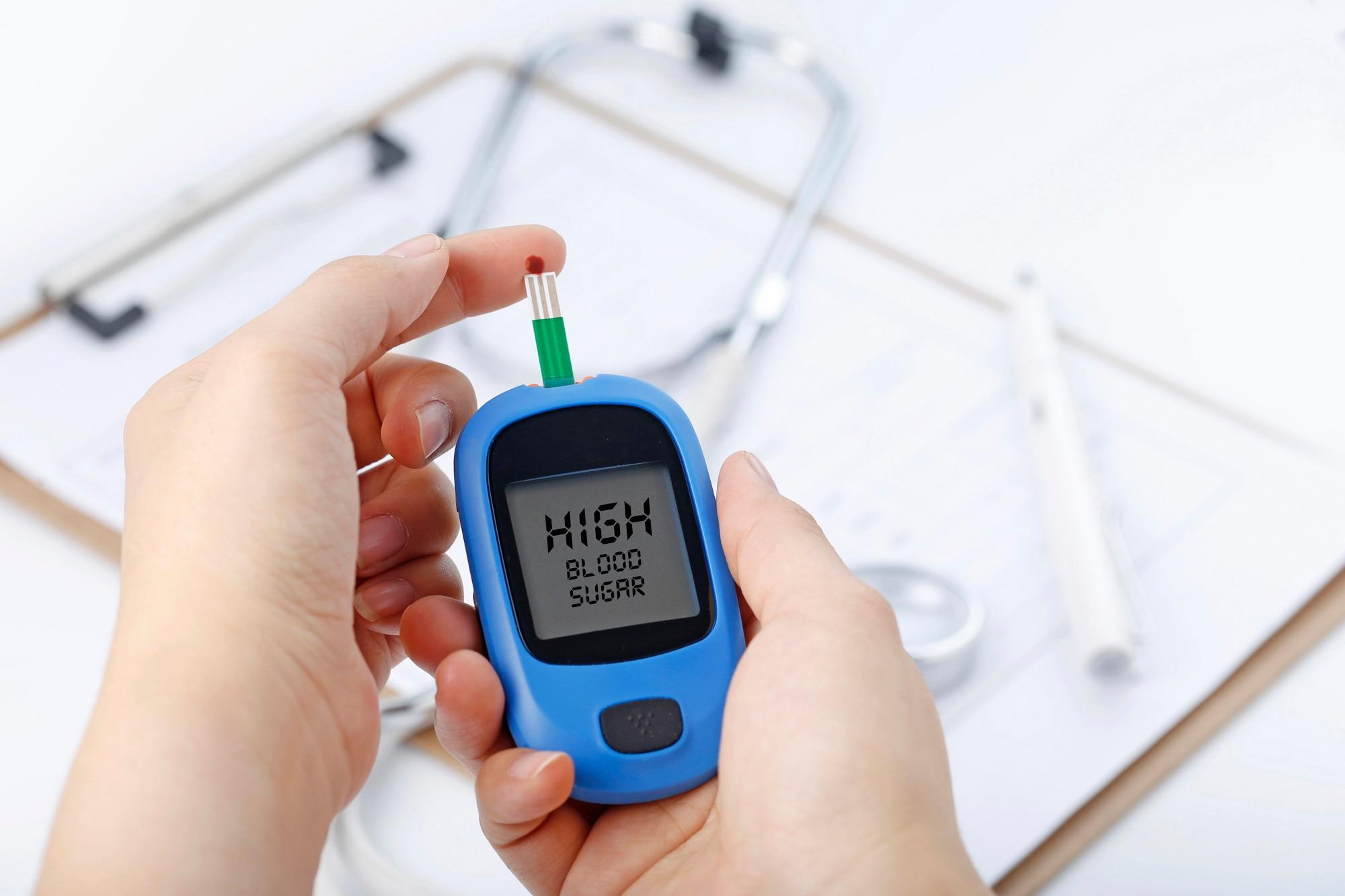
Photo Credit: Freepik/xb100
Sugar imbalance/Diabetes/Insulin resistance
Sugar imbalance, diabetes, or insulin resistance is a cellular imbalance in the body that will lead to cravings. If the body’s sugar levels are elevated, due to a high-carb diet or other reasons, the pancreas will release insulin to regulate the sugar spike. Sometimes, the blood sugar levels may drop lower than usual, which will lead to cravings, as the body is trying to normalize the blood sugar levels.
Tip: Eat balanced meals rich in protein, fiber, and healthy fats to stabilize blood sugar and prevent sudden spikes and dips. A short walk after meals can also help improve insulin sensitivity naturally.
Sleep deprivation

When you are sleep deprived, it is normal for you to awaken fatigued from your sleep. You might feel groggy throughout the day. So for you to feel better, and more aware your body starts craving carbs, sugary foods, and junk foods, which will create a boost of energy. These foods are packed with salt, sugar, and fats, and the effects of the energy will be temporary. You might start feeling drowsy and tired soon, and your body will again signal you with more cravings.
Tip: Prioritize 7–8 hours of quality sleep. If you feel mid-day fatigue, try deep breathing, stretching, or stepping out for sunlight before reaching for sugar. The body restores balance best through rest, not refined carbs.
Emotional eating

While stress, and how we deal with stress have become more acute than before, you must have heard the term eat your emotions. This means binging, or eating only because you’re bored, angry, sad, depressed, nervous, or anxious. At this moment, you are feeling so emotionally low, that the brain is producing cravings so that you eat, and feel a boost of energy. Emotional eating is not always the answer. You need to address your emotions at their root, or else this vicious cycle will never end.
Tip: Pause before you eat and ask yourself if you’re truly hungry or just emotional. A short walk, journaling, or even mindful breathing can help release emotional charge before you turn to food.
High salt intake
If you eat more salt in your food, it will lead to more hunger. Notice that junk food, unhealthy food, and packaged foods, all have a higher content of sodium. A higher intake of sodium can make you more hungry. Junk food is created in a way that has the perfect combination of sodium, sugar and fat content – or neuro exciters, to make it more addictive.
Note: Food companies conduct thorough research on how to make the perfect combination of salt and sugar. If you’re eating a salty snack? Also, have something healthy along with it.
Tip: When you eat something salty, balance it with water-rich or potassium-rich foods like fruits, vegetables, or coconut water to reduce sodium’s dehydrating effects and curb false hunger signals.
Vitamin and mineral deficiencies
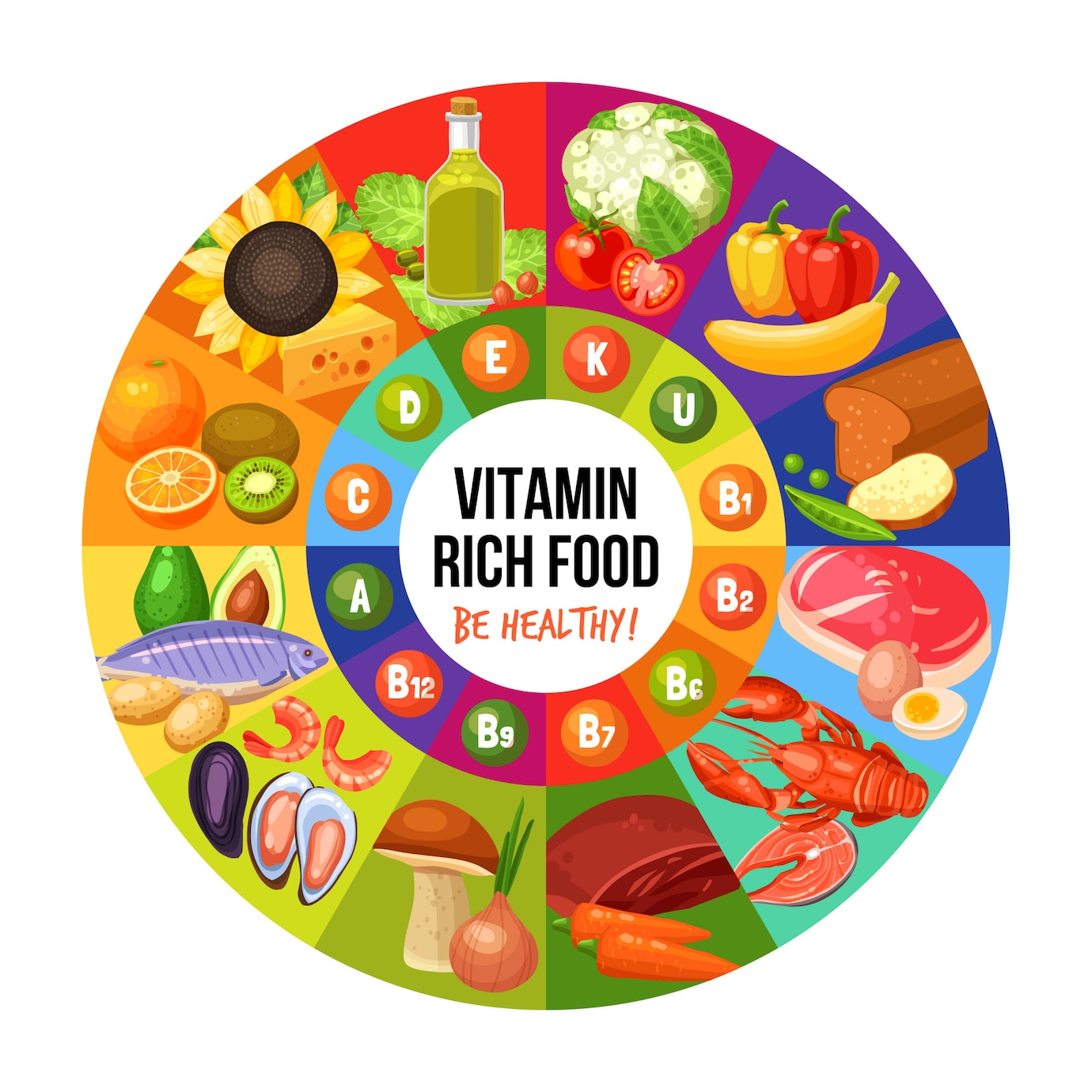
If you have a deficiency in iron, zinc, chromium, calcium, or magnesium levels, your body will have more than usual cravings. When we test our patients and discover that they do not have insulin resistance, diabetes, or other blood sugar-related problems, then we check their deficiencies. We prescribe vitamin and mineral-rich foods, which start to balance their levels. Their cravings gradually decline.
Tip: Women who experience heavy and painful periods, and simultaneously experience cravings, should check their magnesium, iron, and hemoglobin levels.
Protein, fiber, and healthy fat-deficient meals
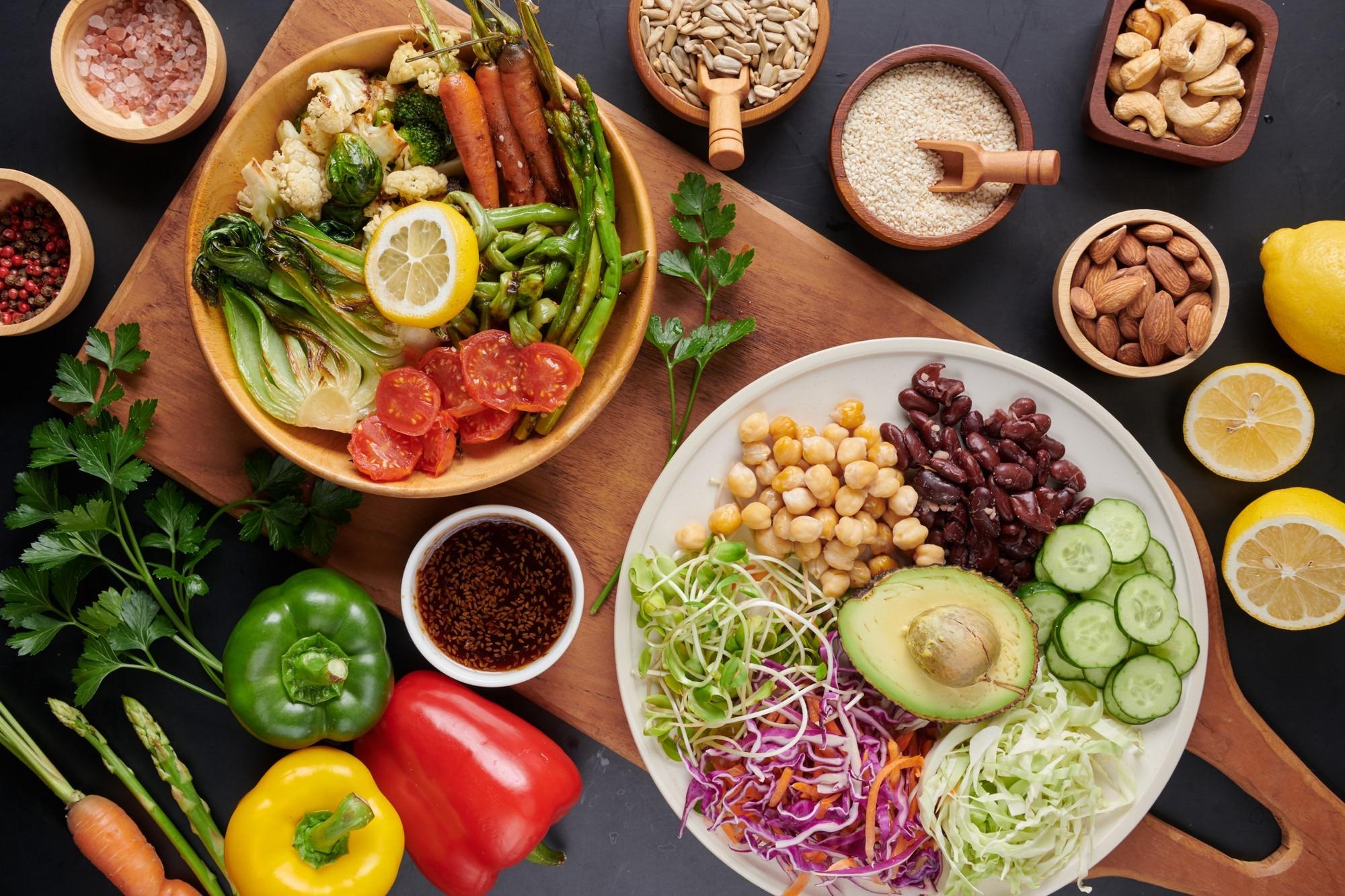
If your meal does not consist of the necessary protein, fiber, and healthy fats, you could experience cravings, because you have ideally not provided the body with the compounds that it needs to break down and distribute to the cells. People following a ketogenic diet, which is full of fats and proteins, rarely feel hungry. Your plate should consist of lesser carbohydrates, and more proteins, fibers, and healthy fats.
Tip: Build balanced plates. Fill half with vegetables, one-quarter with quality protein, and one-quarter with complex carbs or healthy fats. This keeps you full, nourished, and craving-free.
High carbohydrate intake

If you are eating more carbs than proteins, fibers and healthy fats, your body will produce more cravings as a way of demanding nutritional food from you. Moreover, carbs are known to cause a spike in your glucose levels, which causes the production of insulin, which if lowering your sugar levels more than required, can cause cravings.
Tip: Choose complex carbs like millets, quinoa, or sweet potatoes over refined ones. Pair them with protein and fiber to slow sugar absorption and sustain energy.
Dopamine depletion

Dopamine or the happy hormone is a neurotransmitter, which allows you to feel pleasure, satisfaction and motivation. Due to overindulgence in social media, video games, mindless shopping, and so on – there is an overproduction of dopamine. After using all of that dopamine, you could feel depleted – which leads to feeling low and empty.
Because of its widely distributed receptors in the brain, dopamine is involved in binge eating caused due to cravings. We tend to find salted, sugary or fatty food to be more satisfying, hence giving us that required high.
Tip: Recently, a group of us conducted a social media detox experiment – and the results were great! If you’re feeling dopamine depleted, try to do a social media detox at least once a week.
Artificial sweeteners
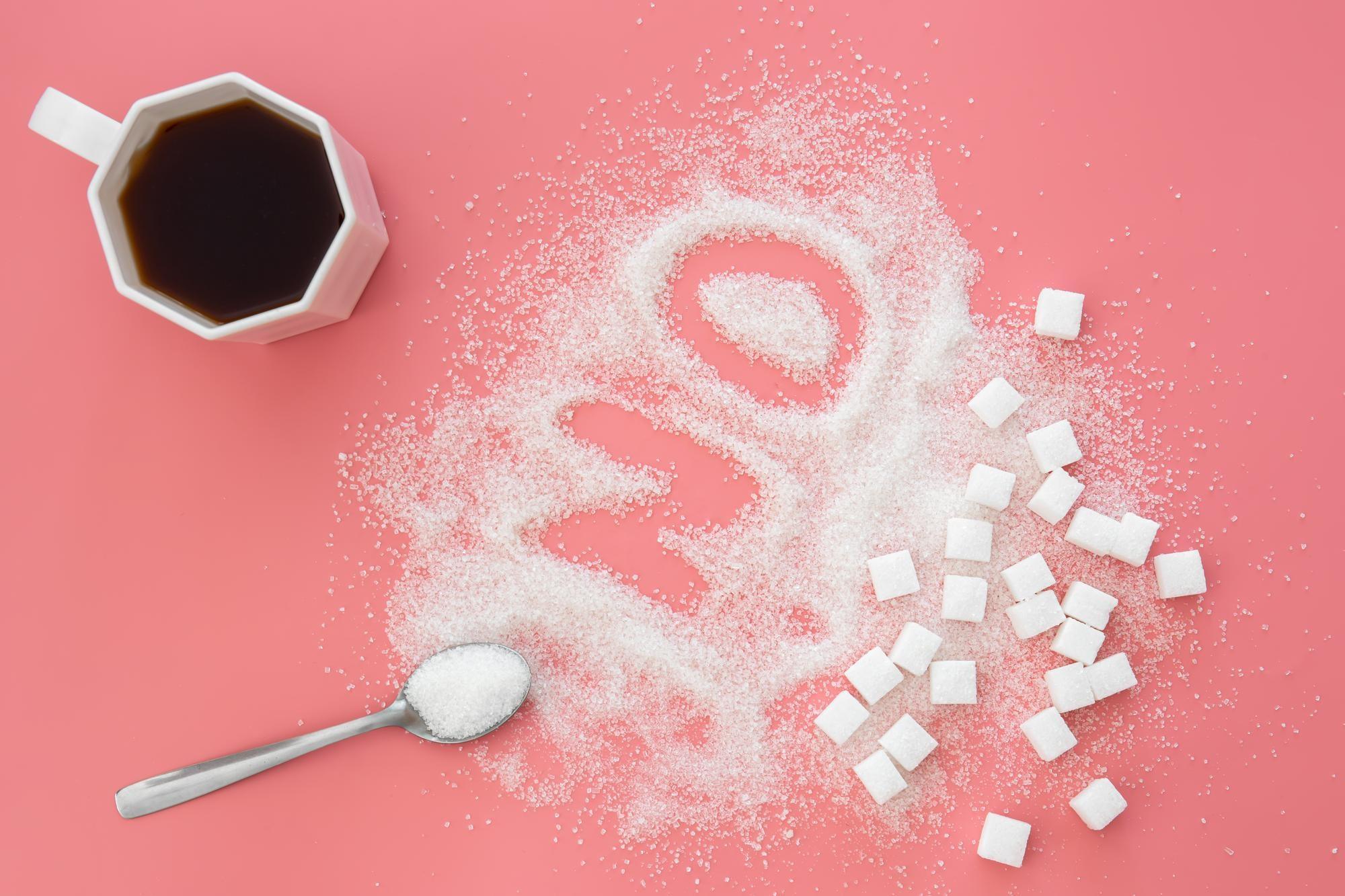
We all know that having something artificial or synthetic ingested into our systems could be bad for it. In the pursuit of weight loss, people lean on artificial sweeteners instead of sugar. While the job of artificial sweeteners is to satisfy the brain with sweetness, the brain will still need calories. When the brain fails to find these calories, it creates cravings.
Tip: If you crave something sweet, try natural options like jaggery, dates, or fruit in moderation. Over time, your taste buds recalibrate, and your cravings reduce naturally.
Eating too fast

If you eat too much too fast, your brain fails to process all that you have eaten. Imagine, all that you have eaten, failing to provide nutrition to your body because your brain cannot process this. The brain will still feel deprived of its requirements, and you could have cravings. Even if you’re eating the right, nutritional food, mindfully chew your food enough.
Tip: Slow down. Eat mindfully without distractions, chew well, and savor flavors. The more present you are with your meal, the less your body craves unnecessarily later.
Frequently Asked Questions
1. What is a food craving?
A food craving is a strong desire to eat a particular type of food, even when you’re not hungry. It usually stems from physical or emotional signals that the body sends to get quick energy or comfort.
2. What are the most common sugar craving causes?
Some of the most common sugar craving causes include poor sleep, stress, dehydration, nutritional deficiencies, and hormonal changes. These factors can make your brain look for instant fuel through sugary foods.
3. Why do I keep craving for sweets after every meal?
Constantly craving for sweets after meals can be a sign of unstable blood sugar levels or a diet low in protein and fiber. Balancing your meals can help prevent these post-meal sugar urges.
4. What does it mean when I am craving salty foods?
If you often find yourself craving salty foods, it might mean your body is low in electrolytes or minerals like sodium or magnesium. Sometimes, it can also indicate dehydration or stress-related adrenal fatigue.
5. Are sugar craving causes linked to stress?
Yes. Stress triggers the release of cortisol, which increases appetite and drives sugar cravings. Managing stress is one of the most effective ways to reduce sugar craving causes.
6. Can emotional eating increase my craving for sweets?
Yes. Emotional eating often leads to craving for sweets because sugary foods temporarily raise dopamine levels, making you feel better. But this effect is short-lived and can lead to more cravings over time.
7. How do I stop craving salty foods late at night?
To manage craving salty foods at night, ensure you’re eating balanced meals with enough minerals, fiber, and water during the day. Sometimes late-night cravings are more about habit or fatigue than true hunger.
8. Are there natural ways to reduce sugar craving causes?
Yes. You can address sugar craving causes naturally by improving your nutrition, sleeping well, staying hydrated, and managing emotions through mindfulness or physical activity.
9. Is craving for sweets a sign of low energy?
Often, yes. When your body is tired or running low on glucose, it may trigger craving for sweets to get a quick energy boost. Instead of sugar, try a snack with protein and healthy fats for longer energy.
10. Can craving salty foods or sweets affect my long-term health?
Frequent craving salty foods or craving for sweets can lead to overeating, nutrient imbalance, and higher inflammation over time. Listening to your body’s signals and making small, consistent changes can prevent this.
The bottom line
It’s completely normal to give in to your cravings for cake, junk food, or that bag of chips once in a while. What matters is how quickly you return to balance afterward.
If you often find yourself craving for sweets or salty food, take a moment to pause and ask what your body might be trying to tell you. Awareness is the first step toward change.
Most sugar craving causes can be corrected by improving your nutrition, sleep, hydration, and emotional well-being.
Now that you understand the science behind cravings, start observing your habits and patterns more closely. The more you respond with mindfulness instead of guilt, the easier it becomes to break the cycle and build a healthier relationship with food.
Disclaimer: The information in this article is for educational purposes only and is not intended to replace professional medical advice, diagnosis, or treatment. Always consult your doctor or a qualified healthcare professional before making any changes to your diet, lifestyle, or existing medication.
Are constant hunger and cravings troubling you? Get to its root cause.
Need personalized guidance? We help you find a way.
Know more about our You Care Wellness Program here.
Set up a one-on-one consultation with our integrative experts
Get in touch with us on WhatsApp here, call us at 1800 102 0253, or write to us at info@lukecoutinho.com
ALSO WATCH Why Do You Crave Sugary Foods? 10 Potential Reasons

Start Your Wellness Journey
Feeling inspired to take the next step in your wellness journey? Connect with us to explore how our tailored programs can support your health journey. Your transformation is just a conversation away.