No products in the cart.
We talk about water like it’s a gentle reminder. It isn’t. It’s a biological non-negotiable that our bodies are quietly fighting for every single hour of the day.
Let’s start with something real. We’re going about our day, probably indoors, maybe with a cup of chai or coffee nearby, and there’s a decent chance we haven’t had a full glass of plain water yet. Not because we’re being careless. But because thirst doesn’t always show up when we expect it to, and life moves fast.
Now if we’re in Mumbai, add this: the air itself is soaking wet. The humidity is so thick some days we feel like we’re drinking the atmosphere just by stepping outside. And here’s the cruel irony of humid heat, we sweat, but the sweat doesn’t evaporate the way it should. Our bodies keep working harder to cool themselves down. We lose fluids and electrolytes without feeling the kind of obvious, desperate thirst that dry heat creates. So we don’t drink. And the depletion builds quietly.
For those of us in drier parts of India, the heat is extremely dry and aggressive. We feel it immediately. But we still underestimate how much we’re losing because the sweat disappears fast and our skin feels dry, not waterlogged. Either way, the body is running low. And the organs, they don’t wait for us to catch up.
Dehydration doesn’t announce itself dramatically. It shows up as the tiredness we can’t explain, the focus we can’t find, and the heaviness we blame on everything else.
What’s Happening Inside Our Bodies
This is where we need to go deeper than ‘drink more water.’ Because when we understand what actually happens organ by organ, we stop treating hydration like a chore and start treating it like the medicine it is.
The Heart
When we’re dehydrated, our blood volume drops and what remains becomes thicker and more viscous. Our heart now has to pump harder just to keep circulation going. Heart rate goes up, blood pressure can spike, and the cardiovascular system is under constant low-grade stress. Over time, this kind of chronic strain contributes to hypertension and increases the risk of clot formation. Something we rarely connect back to simply not drinking enough water through the day.
Watch out for: Heart palpitations, elevated resting heart rate, feeling breathless doing ordinary tasks.
The Kidneys
Our kidneys filter around 200 liters of blood every single day. To do that, they need water. When we’re consistently under-hydrated, urine becomes highly concentrated, and waste products like uric acid, creatinine, and calcium oxalate build up rather than being flushed out. This is precisely how kidney stones form. Chronic dehydration also reduces blood flow to the kidneys, causing gradual damage to the nephrons — the tiny filtering units we cannot regenerate. UTIs become more frequent. Kidney function quietly declines.
Watch out for: Dark yellow or orange urine, infrequent urination, a burning sensation, lower back ache.
The Liver
The liver is our master detox organ. It processes hormones, filters toxins, metabolizes fat, and produces bile for digestion. All of this requires adequate water. When we’re dehydrated, bile becomes thick and sluggish, digestion slows, and fat metabolism is compromised. Toxins that should be excreted get recirculated through the bloodstream. This is why chronic dehydration can show up as stubborn skin issues, hormonal imbalance, persistent fatigue, and that foggy, heavy feeling that no amount of sleep seems to fix.
Watch out for: Skin breakouts, bloating after fatty meals, hormonal irregularities, persistent fatigue.
The Gut
The entire digestive process depends on water. Saliva, stomach acid, intestinal secretions, the mucus lining that protects our gut wall — all of it is water dependent. When we don’t drink enough, the colon pulls water from stool to compensate, which leads to constipation. The mucosal lining dries out, making the gut more vulnerable to inflammation and permeability. Good gut bacteria, our microbiome, also struggle to thrive in a dehydrated environment. Poor hydration is one of the most underrated drivers of gut dysfunction that we see today.
Watch out for: Constipation, bloating, irregular bowel movements, acid reflux, feeling heavy after meals.
The Brain
Our brain is approximately 75 percent water and is the most sensitive organ to dehydration. Even a 1 to 2 percent drop in hydration is enough to measurably affect cognitive performance, short-term memory, reaction time, and emotional regulation. The cerebrospinal fluid that cushions and protects our brain also depends on hydration. When we’re running low, that protective cushioning reduces, leading to tension headaches. Neurotransmitter function is compromised, which is why anxiety, irritability, and low mood so often accompany dehydration, even when we don’t connect the two.
Watch out for: brain fog, inability to concentrate, mood swings, tension headaches, afternoon energy crashes.
How Dehydration Actually Shows Up in Daily Life
- Persistent, unexplained fatigue
- Low-grade anxiety or irritability
- Headaches that come and go
- Strong sugar cravings by afternoon
- Dark yellow or infrequent urine
- Hunger that is actually thirst
- Dry skin lotions don’t fix
- Slow digestion and bloating
- Leg cramps, especially at night
- Dull, heavy thinking
It’s Not Just Water. Electrolytes Are the Key.
Here’s where most of us get it wrong. We drink more water but still feel off. That’s often because we’re missing electrolytes — the minerals that govern how water actually enters and is used by our cells. Without them, water passes through us rather than hydrating us at a cellular level.
Sodium
Regulates fluid balance and blood pressure. The first electrolyte lost through sweat.
Sources: Rock salt, sendha namak, lime water with a pinch of salt
Potassium
Balances sodium, supports heart rhythm and muscle contraction.
Sources: Coconut water, banana, sweet potato, dal
Magnesium
Involved in over 300 enzyme reactions. Critical for muscle, nerve, and sleep function.
Sources: Pumpkin seeds, dark leafy greens, nuts, cacao
Chloride
Supports digestion through stomach acid production and fluid balance.
Sources: Rock salt, celery, tomatoes, olives
7 Practical Ways to Stay Hydrated
1. Start the morning with water, before anything else
During sleep, the body doesn’t stop working. The kidneys filter blood, the liver processes toxins, and cells repair themselves. All of that requires and uses water. By morning, we’ve gone 7 to 9 hours without any intake and the body is in a mild state of dehydration before the day has even started.
Caffeine, which most of us reach for first, is a mild diuretic. It tells the kidneys to flush more water out. Starting with coffee or chai on a dehydrated system amplifies that deficit immediately. The fatigue we blame on “not sleeping well” is often just compounded morning dehydration.
- Have one full glass of warm water before chai or coffee, ideally with a squeeze of lemon
- The lemon adds a small dose of vitamin C and potassium and stimulates bile flow in the liver, supporting early morning cleansing
This also kicks off kidney filtration and stimulates the gastrocolic reflex, which is why many people feel the urge to use the bathroom shortly after
2. Use urine colour as our daily hydration test
We don’t need a smartwatch or an app. We have a free, real-time measurement system we flush away without a second glance. Urine colour is the most practical and reliable indicator of hydration status at any point in the day.
- Nearly clear: Possibly over-hydrated or low on electrolytes. Water alone is not always the answer
- Pale yellow: The goal. Kidneys are filtering well and fluid balance is in range
- Medium yellow: Mildly behind. Time to drink, ideally with some electrolytes
- Amber or orange: Significantly dehydrated. Kidneys are conserving water. Drink now and keep drinking
Nearly colourless urine is not a trophy for good hydration. It often means plain water has diluted electrolytes out of balance. This is called overhydration and it comes with its own symptoms including nausea, headaches, and low energy. The goal is pale yellow, not clear.
3. Add an electrolyte drink between 2 PM and 4 PM
The afternoon slump is not laziness. It is a physiological event. Between 2 PM and 4 PM, cortisol levels naturally dip. This is the same hormone that keeps us alert and energised. As it drops, we feel slow, unfocused, and start craving sugar for a quick spike.
By this point, most of us are already behind on hydration and have lost a meaningful amount of electrolytes through sweat, urine, and breathing. An electrolyte drink during this window replenishes sodium and potassium, which directly support nerve signalling and cellular energy. The brain responds because it has what it actually needs, not because it is being stimulated.
- Best options: Coconut water, nimbu paani with sendha namak, buttermilk with a pinch of cumin, or plain water with rock salt and lime
Avoid: Sports drinks with high sugar, packaged electrolyte powders with artificial sweeteners or colouring. The simpler the ingredients, the better the absorption.
4. Consume water rich foods more frequently
A significant portion of daily water intake in a well-nourished diet comes from food, not beverages. Fresh fruits and vegetables can be 70 to 95 percent water by weight, and they come packaged with the minerals and fibre that help the body actually absorb and use that water rather than excrete it rapidly.
- High-water foods in the Indian context: Lauki, cucumber, watermelon, tomatoes, curd, oranges, coconut water, raw mango panna, chaas
- These deliver potassium, magnesium, and natural sugars alongside water, which slows gastric emptying and improves cellular absorption
Curd and buttermilk deserve special mention. They hydrate, supply probiotics, contain electrolytes, and help cool the body from the inside. In Indian summers they are not just comfort foods, they are functional medicine.
5. Increase intake during stress, travel, and illness — proactively
Most of us think about hydration reactively, when we already feel thirsty or unwell. But there are predictable situations where fluid and electrolyte needs rise significantly, and by the time thirst appears we are already behind.
- Chronic stress: Elevated cortisol and adrenaline increase urine output. Sustained work stress means we lose more water and electrolytes than we realise. Irritability and poor focus in these periods are often dehydration, not the stress itself
- Air travel: Cabin humidity sits at 10 to 20 percent, lower than most deserts. We lose roughly 1.5 litres of water per hour through respiration alone at altitude. Alcohol and caffeine on flights compound this significantly
- Fever: Every degree Celsius rise in body temperature increases fluid loss by approximately 12 percent. A fever of 39°C can triple baseline fluid needs. Start hydrating before the fever peaks, not after
- Loose motions and vomiting: these cause rapid electrolyte loss that plain water cannot replace. ORS or a homemade equivalent of water with sugar, salt, and lemon is essential. Plain water alone in this context can worsen the electrolyte imbalance.
For those constantly in the skies, this becomes even more important.
The lifestyle of pilots and cabin crew comes with unique stressors — dehydration, disrupted sleep cycles, and irregular meals. If you’re in aviation (or know someone who is), this free lifestyle handbook for pilots and aircrew offers simple, practical ways to stay consistent with health, even at 35,000 feet.
6. Recognise and reduce the dehydrators
Hydration is not only about what we put in. It is equally about what pulls water out. Several everyday habits and foods act as diuretics or disrupt cellular water retention without us connecting them to how we feel.
- Coffee and strong chai: Caffeine inhibits ADH, the hormone that tells kidneys to retain water. More than 2 cups a day begins to have a net dehydrating effect, especially without water alongside
- Processed and packaged salt: High sodium draws water out of cells to balance blood osmolarity, causing cellular dehydration even when blood volume appears normal. This is why processed food eaters often feel puffy and dry simultaneously
- Refined sugar: Metabolising sugar requires water, and insulin spikes from high sugar prompt the kidneys to excrete more sodium and water. Sugary drinks create the illusion of hydration while depleting it at the cellular level
- Certain medications: Diuretics, blood pressure medications, antihistamines, and some antidepressants all increase fluid loss. If we are on any of these, our baseline hydration target needs to be higher than average
The practical rule: For every coffee or alcoholic drink, have an equal volume of plain water alongside it. Not after. Alongside.
7. Make water visible — hydration is a habit of environment, not willpower
We don’t underhydrate because we don’t care. We underhydrate because we are busy and water is invisible when it isn’t in front of us. Willpower is not a reliable hydration strategy. The environment you set for yourself is:
- One bottle on the work desk, one glass beside the kettle, one glass on the nightstand. These three placements cover morning, work hours, and evening without any active remembering
- Habit stacking works better than reminders: link water to something already automatic. A glass before every meal, a sip after every bathroom visit, water before opening email in the morning
- The goal is not 8 glasses counted and tracked. The goal is a body consistently supported by fluid through the day. The measure is how we feel and what colour the urine is. Everything else is a tool, not a rule
The next time someone says “pani peelo,” let’s hear something more than a casual reminder. Let’s hear our kidneys asking for help, our brain asking for clarity, our gut asking for movement, our heart asking to slow down. Drinking water and keeping our electrolytes in balance isn’t something only health-conscious people do. It’s a basic act of respecting the body that carries us through every single day.
We don’t need a complicated protocol. We need consistent, simple, daily attention. And it starts with the next glass.
Stay hydrated. Stay well. Our bodies are always talking to us. Let’s make sure we’re listening.
Disclaimer
The information in this article is for general awareness and educational purposes only and is not a substitute for personalised medical advice. Individual health needs vary, and if you have been advised to restrict fluid intake due to conditions such as kidney disease, heart failure, liver cirrhosis, or any other medical condition, please consult your doctor before making any changes to your hydration routine. Always work with a qualified healthcare professional before significantly changing your diet, especially if you are managing a chronic illness, are pregnant, or are on medication.
Struggling to stay hydrated and feeling sluggish?
We’re here to support YOU every step of the way.
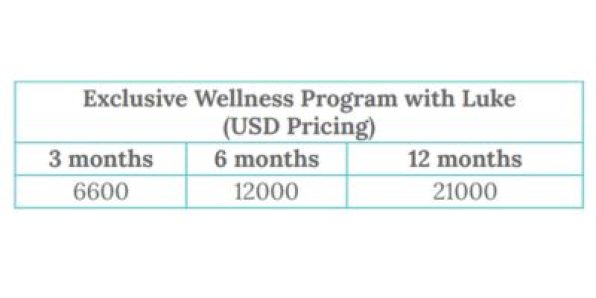
Set up a one-on-one consultation with our foundational medicine experts or explore our Wellness Programs to optimize your lifestyle goals.
Reach out to us at 1800 102 0253 or write to us at [email protected].